I used to pride myself on brushing my teeth diligently three times a day for three minutes each time. However, when I recently went to the dentist for scaling, the dentist told me, “I can tell you brush diligently, but your technique could use some improvement.” My pride was hurt for a moment, but after thinking about it, I realized that I had simply been rubbing a toothbrush against my teeth. Today, for those who, like me, have been brushing diligently but not properly, I’ll honestly share the correct toothbrushing method and the common mistakes I learned to correct firsthand.
The Incorrect Habit I Had Maintained for Over 10 Years
I used to brush by quickly scrubbing the toothbrush back and forth from side to side. It felt like the most effective way to get my teeth clean. But I learned that this is one of the most common incorrect habits. Scrubbing forcefully from side to side may seem to clean the tooth surfaces, but it does nothing to care for the gap between the teeth and gums. Instead, it can wear down the gums and cause tooth sensitivity. I realized that this was exactly why my teeth had recently been feeling sensitive whenever I drank cold water.
Brushing forcefully from side to side can contribute to gum wear and tooth sensitivity
The Proper Toothbrushing Method I Learned at the Dentist
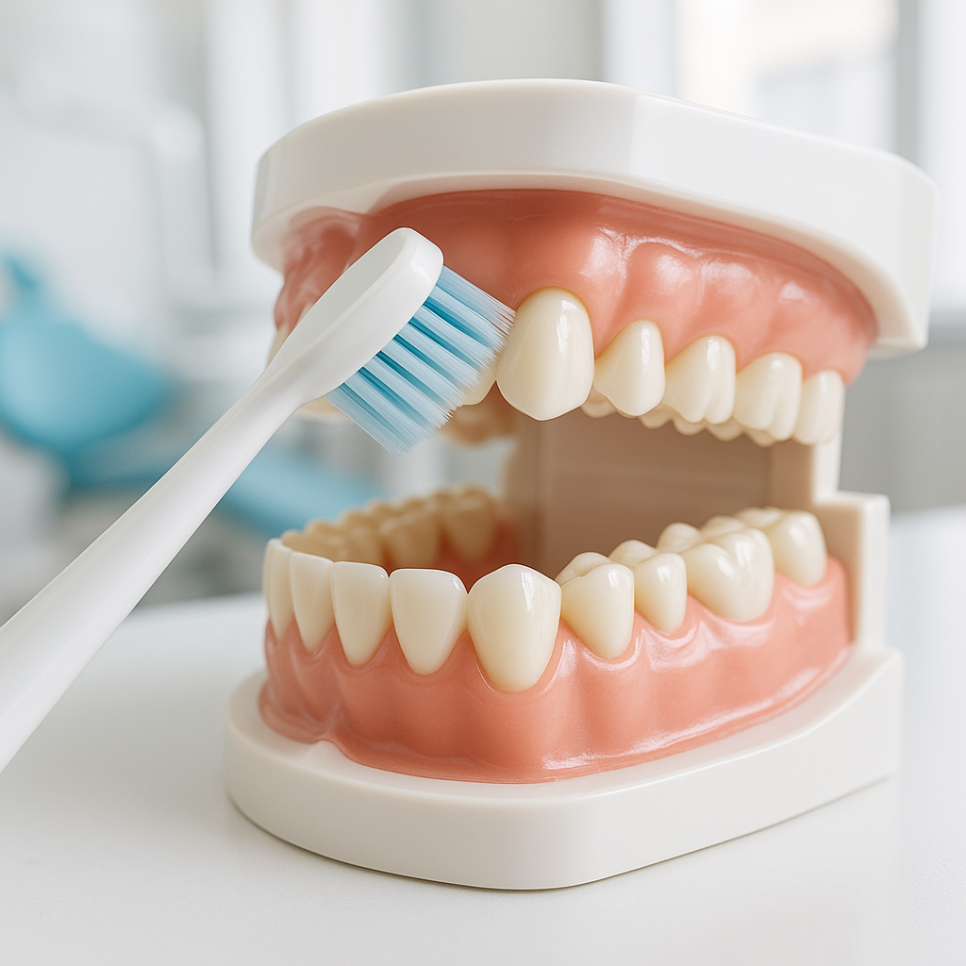
The method the dentist taught me was simpler than I expected. Place the toothbrush at a 45-degree angle along the boundary between the teeth and gums, then gently sweep it from the gums toward the teeth in a rotating motion. Do not apply excessive pressure—only enough for the bristles to bend slightly. Brush each area at least 10 times, making sure to clean thoroughly, including the inner surfaces of the molars. At first, it took so long that it felt frustrating, but it became natural once I got used to it. The key was to spend more than three minutes brushing and pay attention to every corner.
The Areas I Had Missed: The Inner Molars and Tongue
I realized that I had mainly been brushing my front teeth. The inner surfaces of my molars, especially the back of the very last molars, were areas I had barely touched. When I tilted the toothbrush to clean those areas as well, I initially gagged, but I got used to it after a few days. I also didn’t know that I needed to clean my tongue. Once I learned that the coating on the back of my tongue was one of the causes of bad breath, I started using a tongue cleaner as well.
How I Regretted Skipping Flossing and Interdental Brushes Because They Were a Hassle
I thought brushing well was enough, but later learned that toothbrush bristles cannot reach the narrow spaces between the teeth. One day, after not flossing, my gums became swollen and painful because food had become lodged between my teeth. It turned out to be due to plaque that had been left untreated. Since then, I have made sure to use either floss or an interdental brush before bed.
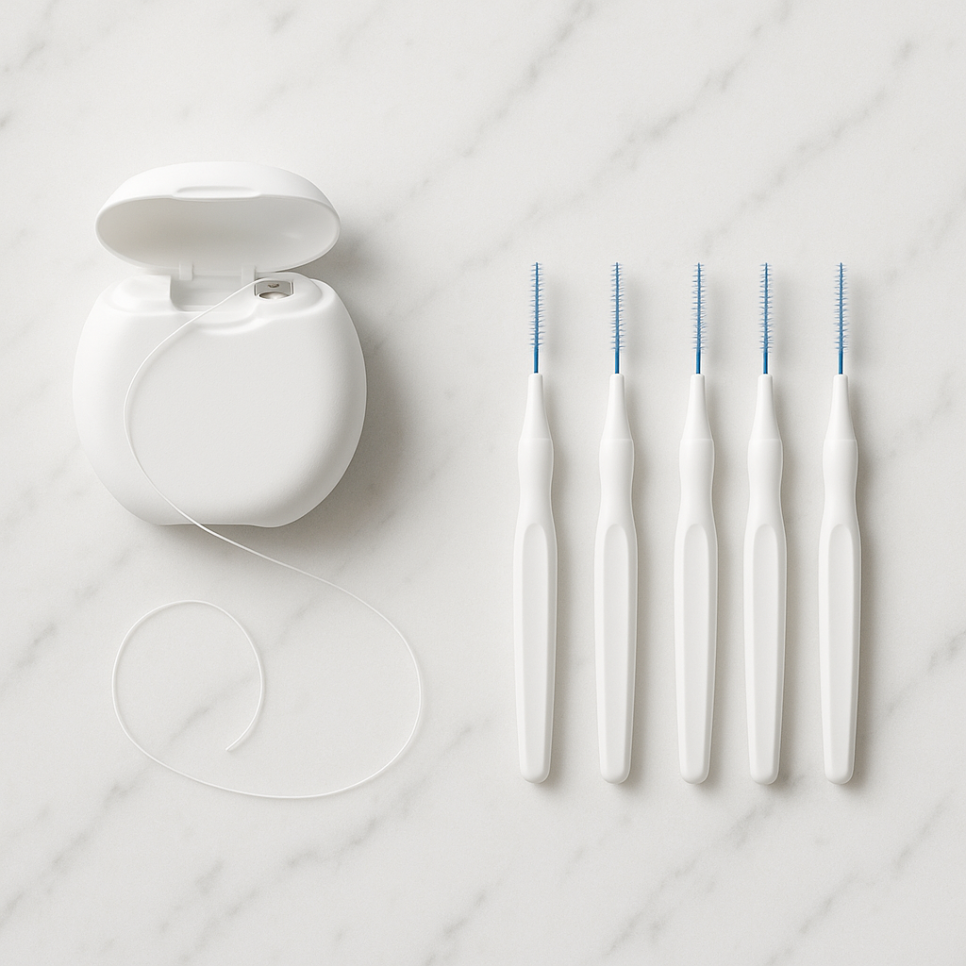
Brushing alone cannot completely clean the spaces between the teeth, so floss or an interdental brush is essential
Answers to Frequently Asked Questions
I’m often asked how frequently one should brush. The basic recommendation is three times a day, within 30 minutes after meals, and brushing before bed is especially important. Many people also ask whether electric toothbrushes are better, but the dentist said that a regular toothbrush is sufficient if it is used correctly. What stayed with me was the comment that the method matters more than the tool. If tooth sensitivity or gum pain persists, do not simply rely on self-care; I recommend receiving an accurate diagnosis and consultation from a dentist.
There are surely people like me who thought they were brushing diligently, only to find that their technique was wrong. Toothbrushing is a habit, so it is difficult to change it all at once. However, even changing the angle and direction can make a noticeable difference to gum health, so try paying a little more attention starting today. If you have sensitive teeth or gum problems like I did, rather than making your own judgment, the most accurate approach is to have your oral condition checked by a dentist and receive guidance on a personalized care routine. I also recommend having your brushing technique checked when you receive regular checkups or scaling.
신촌다인치과병원 마포 provides consultations on this type of oral care, as well as regular checkups and scaling, so please feel free to contact them if you have any questions. For the detailed location and directions, please refer to the map at the bottom of the post.
What Made Me Rethink My Choice of Toothbrush
I believed that I needed to use stiff bristles for my teeth to be cleaned properly. So I always insisted on using hard-bristled toothbrushes. However, the dentist told me that this was a very common misconception. Hard-bristled toothbrushes can put significant stress on the gums even with only a little pressure, potentially causing the gums to recede or the tooth surfaces to wear down. The dentist said that for someone like me, who had a habit of scrubbing forcefully from side to side, using a hard-bristled toothbrush combined both harmful habits and could lead to damage more quickly. Since that day, I have switched to a soft-bristled toothbrush and completely changed my technique to gently massage the gums rather than brushing with the feeling of pressing down the bristles. At first, I was worried that my teeth were not getting clean, but after a few days, I noticed that my gums were swelling and bleeding less often.
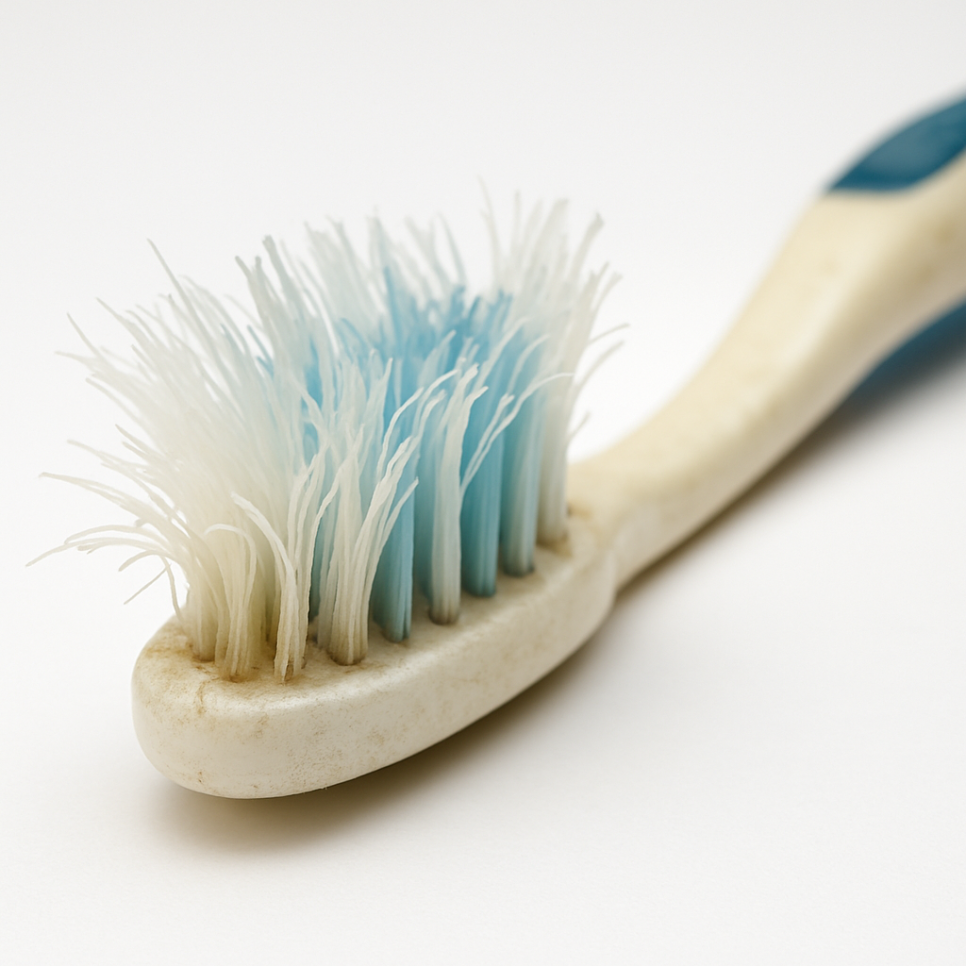
The timing for replacing my toothbrush was another area I had been careless about. I used to keep using a toothbrush until the bristles had completely splayed, but I was told that after just one month, the bristles lose their resilience, making it difficult to expect proper cleaning performance. I learned for the first time that even if the bristles still look fine, the toothbrush should be replaced at least every one to two months. Now I mark it on my calendar and replace it regularly.
My Habit of Rinsing With Water After Brushing Was Also Wrong
After brushing, I used to rinse my mouth several times with water because I liked the fresh, cool feeling. But it turned out that this was not a good habit either. The fluoride in toothpaste remains on the tooth surfaces and helps with remineralization, but rinsing too many times with water can greatly reduce that effect. According to the dentist, it is much more helpful to rinse lightly just once with a small amount of water. Since hearing this, I have consciously tried to minimize rinsing. At first, the remaining residue felt strange, but I am gradually getting used to prioritizing dental health over a completely fresh feeling.
Excessive rinsing with water after brushing may reduce the effectiveness of the fluoride in toothpaste
I also had to relearn when to brush. I thought brushing immediately after eating was best, but I learned that brushing right after consuming highly acidic foods, fruit, or carbonated drinks can instead wear down the weakened tooth surfaces. In these cases, waiting about 30 minutes before brushing is better for dental health. I had always thought that brushing as quickly as possible was the right answer, so it was quite eye-opening to learn that the timing should also be adjusted depending on the type of food.
How I Became a Nag to My Family
After learning these things one by one, I found myself teaching my family how to brush. I especially told my child not to scrub from side to side but to brush gently in a rotating motion. At first, my child found it frustrating, but now the habit has settled in and they take care of it well on their own. I also keep telling my husband to use floss. He still has not responded very enthusiastically, but remembering how I used to put it off because it was a hassle, I continue nagging him with the thought that he will change someday. Since everyone in the family shares the same habits, we now tend to brush at around the same time and even have fun checking whether one another’s technique is correct. I never expected one small habit to lead to conversations about the oral health of the whole family.
I Had Completely Misunderstood How Much Toothpaste to Use
I thought it was normal to squeeze a long strip of toothpaste over the toothbrush, just as shown in advertisements. But it turns out that an amount about the size of a pea is sufficient for adults. Using too much toothpaste creates excessive foam, which can have the unintended effect of making you rush through the areas that need careful brushing and rinse sooner. I often wanted to rinse quickly when my mouth became full of foam, so I had finished brushing in a hurry. After hearing this, I greatly reduced the amount of toothpaste I used. It was actually much better because I could focus on brushing each area carefully without being distracted by the foam. I also learned that children should use even less—only about the size of a grain of rice.
A pea-sized amount of toothpaste is sufficient, and using too much may cause brushing to be rushed
How I Set My Regular Checkup Schedule
In the past, I only went to the dentist when my teeth hurt or felt uncomfortable. But when I did that, problems were often discovered only after they had already become more serious. Now, even when I have no particular symptoms, I go for a regular checkup once every six months. I also get scaling according to this schedule. Each time, I can have my brushing habits checked and find out whether I am missing any areas, which gives me much greater peace of mind. Even when I think I am brushing diligently while looking in the mirror, I realize every time that there are areas I cannot see. It is also quietly enjoyable to learn a few new tips at each checkup.
At first, I thought that all that mattered was not having tooth pain. But as I learned and corrected things one by one, I realized that toothbrushing requires much more careful management than I had expected. Once I understood that the angle, pressure control, amount of toothpaste, rinsing method, and timing are all connected, I stopped treating it casually. If you are reading this, try changing just one thing when you brush today. Whether you adjust the angle to 45 degrees or reduce the amount of toothpaste, you will definitely notice a difference.