
We have all probably spent a long time tossing and turning in bed at night, only to end up looking at our phones. You are clearly tired, but sleep does not come, and even when you finally fall asleep, waking up several times during the night can leave your body feeling heavy all day. In fact, sleep quality is often determined not when you lie down, but by your habits during the evening several hours beforehand. Today, I have put together a practical checklist that you can actually review rather than focusing on grand theories.
First, let us look at light, temperature, and noise. About an hour before bed, it is a good idea to dim the lights softly. Compared with lying down immediately after being under bright fluorescent lights, this makes it much easier for your body to transition into sleep mode. Room temperature is also worth checking in summer. If you sleep with the air conditioning set too cold, you may actually wake up during the night. Setting it to around 26°C and paying attention just to ventilation can make a noticeable difference. If outside noise bothers you, white noise or earplugs may also help.
Sleep quality is often determined by your evening habits several hours before you get into bed, not at the moment you lie down
The second checkpoint is the timing of caffeine, late-night snacks, and alcohol. Individual responses to coffee vary, but caffeine is generally known to have a half-life of about 5–6 hours in the body, so a cup consumed late in the afternoon can affect you into the night. It is also helpful to finish dinner at least three hours before bed to reduce the burden on your stomach and support restful sleep. Alcohol may feel as though it helps you fall asleep, but it can actually cause arousal later in the sleep period, making it easier for sleep to become shallow. On days when you crave a late-night snack, try having warm water or doing some light stretching instead.
Third, check your smartphone use and bedtime routine. The habit of looking at a screen right up until you lie down can keep your brain awake more than you might expect. It is often the act of becoming absorbed in content itself, rather than blue light alone, that maintains alertness. Start by setting your alarm and placing your phone somewhere out of reach. In its place, establish a routine that gradually calms your body and mind, such as light stretching, a lukewarm shower, or a short reading session. This sends the same signal to your brain every day, making it much easier to fall asleep.
The habit of looking at a screen right up until bed can keep your brain awake

One question I am often asked is about naps: Do they interfere with nighttime sleep? A short nap of 20–30 minutes or less can actually help you feel better in the afternoon, but sleeping for too long or napping late in the afternoon can make it difficult to fall asleep at night. Another issue is clenching your teeth while asleep. Since this can be related to stress or sleeping posture, if your jaw feels stiff in the morning or you frequently have headaches, it may be worth having it checked by a dentist. Rather than relying only on self-diagnosis, it is better to confirm your condition accurately and then determine the appropriate approach to managing it.
Evening habits do not change perfectly overnight. However, if you consistently follow even one or two items from today’s checklist, you may notice a difference in how you feel in the morning within a few days. For reference, people who clench or grind their teeth while sleeping may be affected not only in terms of sleep quality but also in their jaw joints and dental health. If you have related symptoms, I recommend checking your condition through an accurate examination. The timing of evening exercise also affects sleep more than you might expect. Many people do intense workouts at 9 or 10 p.m. after work to relieve stress, but vigorous exercise raises your heart rate and body temperature, which can actually make it harder to fall asleep. It shifts your body into an alert state. Exercise itself can help improve sleep quality, but timing is the key. It is best to finish intense cardio or strength training at least three or four hours before bed. If evening is the only time you have available, lower the intensity to something like a light walk or stretching. On the other hand, exercise during the day is often said to clearly improve nighttime sleep quality, so if possible, try moving your workout to an earlier time, such as your lunch break or immediately after work. I used to shower after exercising at night and lie down right away, only to spend more than two hours tossing and turning. Since moving my workout to the afternoon, I have definitely started falling asleep faster. The body responds honestly, and when you change a habit, the response often comes quickly.

Bedding and the sleep environment are also easy-to-miss factors. If your mattress or pillow does not suit your body, you may continue tossing and turning during the night even if you follow all your other habits well. This can reduce the amount of time you spend entering deep sleep. Pillow height in particular is directly related to neck and shoulder pain. If it is too high or too low, you may keep changing positions while asleep, making it easier to disrupt your sleep cycle. It is also a good idea to prepare different types of blankets and mattress covers for summer and winter. If you continue using material that does not absorb sweat well, you may repeatedly wake up because you feel too hot. You may also have heard that it is best to use the bedroom only for sleeping, and it really can make a difference. If you regularly work or binge-watch Netflix in bed, your brain may come to recognize the bed as a place for alertness, making it difficult to sleep when you actually lie down to do so. Keep the bedroom dark and quiet, and continue giving your brain the signal that it is a place for sleep so that falling asleep becomes easier.
The bed should be used only for sleeping so that the brain recognizes the space as a signal for sleep
Lastly, I want to emphasize the difference between weekday and weekend sleep patterns. Many people wake up early to an alarm on weekdays and try to make up for it by sleeping late on weekends, but this creates what is known as social jet lag. The body’s biological rhythm shifts from day to day, which is why Monday mornings can feel especially difficult. Simply keeping your wake-up time within one or two hours of your weekday schedule on weekends can help stabilize how you feel throughout the week. Of course, sleeping late once on a weekend is not necessarily bad; the problem is a pattern that repeats every week. Also, if difficulty falling asleep continues for several days, it can help not to go to bed earlier than usual, but instead to lie down at around your normal bedtime. If you lie down too early and spend a long time tossing and turning, simply being in bed can become associated with stress. If you cannot sleep, rather than forcing yourself to stay in bed, try getting up briefly and doing a quiet activity before returning to bed when you feel sleepy.
Trying to follow all of these habits at once may actually feel overwhelming. When I first started, I tried to manage everything and gave up after a few days, but I have been able to maintain the changes much longer since switching to a gradual approach of building one habit at a time. Of the exercise timing, bedding environment, and weekday–weekend rhythm management discussed today, I recommend starting with whichever best fits your lifestyle. As small habits accumulate, the way you feel when you open your eyes in the morning can change noticeably.
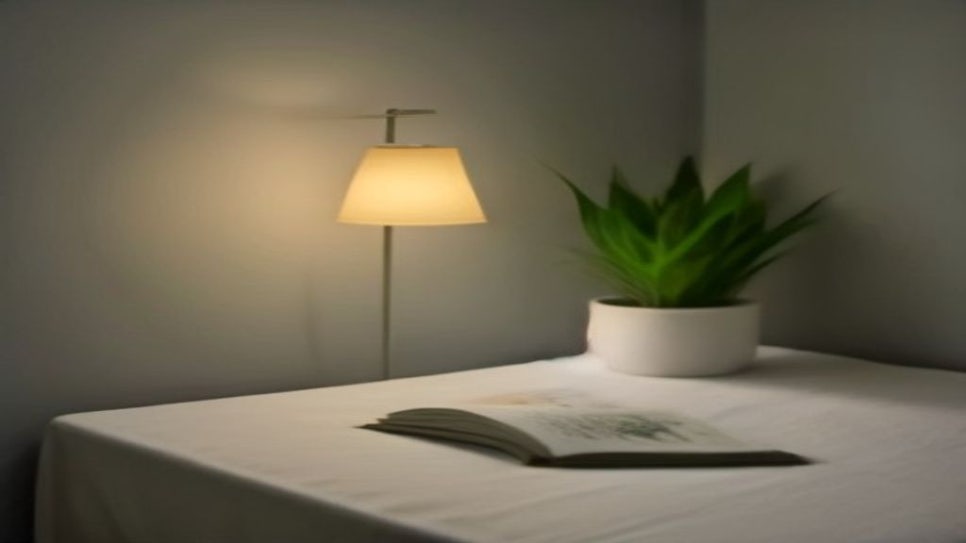
Evening lighting is also a bigger factor than you might expect. If you keep the entire house brightly lit with white lights after sunset, your body may easily mistake it for daytime. Melatonin, a sleep hormone, is produced in greater amounts in dark environments, while being under bright, bluish light such as fluorescent lighting can delay its production. Starting around 8 p.m., try changing the lights in your living room or bedroom to a soft, warm orange tone. Leaving just one floor lamp on is another option. These days, I turn on mood lighting instead of the main lights in the evening, and I can definitely feel that my eyes are more comfortable and my body naturally becomes drowsier. In contrast, in the morning you should open the curtains wide and get plenty of bright light so that your biological clock can reset properly. Creating a clear contrast—dark in the evening and bright in the morning—can help stabilize both the time you fall asleep and the time you wake up.
Having a busy mind before bed is another common cause of disrupted sleep. You have probably experienced tossing and turning as thoughts about tomorrow’s tasks or events from the day keep coming to mind. A method that has worked for me is briefly writing down worries or things to do on paper in the evening. If you leave those thoughts circling in your head, your brain may stay awake trying to process them. Once you put them into writing, you may find that your mind feels strangely lighter. Simply make a short note of about three things to do tomorrow and close the notebook. This is not about writing an elaborate journal; it is about briefly transferring the burdens in your mind onto paper. It may feel awkward at first, but after trying it for a few days, you may clearly notice that you have fewer distracting thoughts after lying down.
Writing your worries down on paper in the evening can make your mind much quieter once you lie down
Your choice of beverages is also an essential part of an evening routine. Everyone knows that coffee should be avoided, but green and black tea also contain caffeine, so drinking them habitually in the evening may affect your sleep. Instead, I recommend switching to caffeine-free herbal teas such as chamomile or rooibos tea. The act of drinking a warm cup of tea can itself serve as a signal that helps your body relax. Once you make it a habit, that time can start to feel like a signal that it is time to prepare for sleep. Of course, drinking too much water can also cause you to wake up to use the bathroom during the night, so it is a good idea to slightly reduce your fluid intake starting one or two hours before bed. A small change in your beverage habits can reduce the number of times you toss and turn during the night more than you might expect.