When the season of stronger sunlight arrives,
many people notice that their skin looks duller
and that their melasma seems to have become darker.
Melasma is more than simple pigmentation;
it can be a sign that aging has begun,
so early management is important.
In particular, during the summer, combining
sun protection with treatment at a dermatology clinic
is necessary to improve melasma at its source.
One of the most effective methods at this time is
a Ishuyeok melasma treatment.
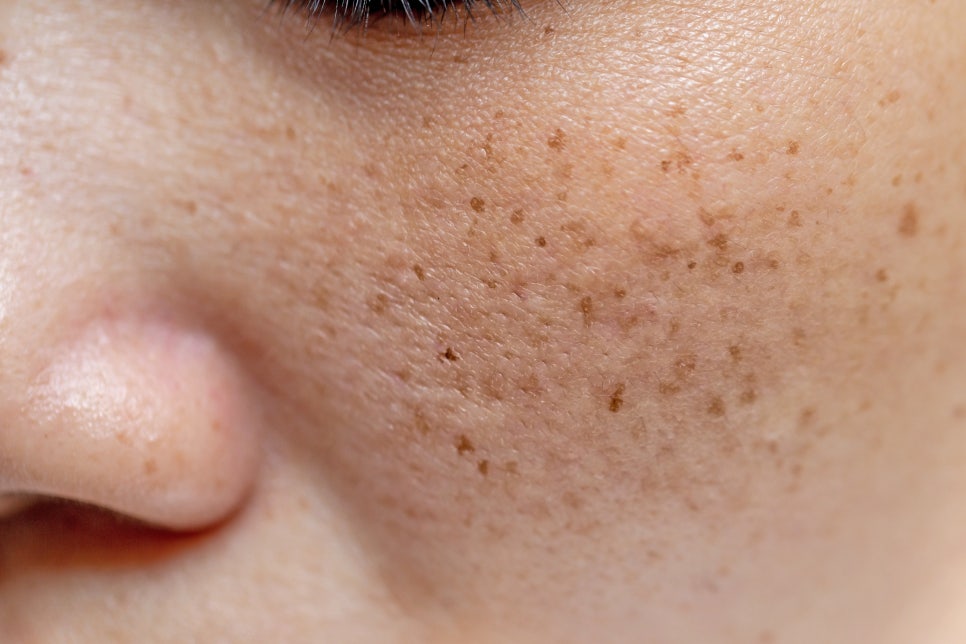
Melasma is not simply pigmentation,
but a chronic pigment disorder that develops
in a complex way due to various causes.
Not only ultraviolet rays, but also hormonal changes,
heat stimulation, and damage to the skin barrier
work repeatedly as different factors,
and it gradually spreads and deepens,
making treatment more difficult.
Especially in summer, when external irritation
is concentrated, the skin becomes more sensitive,
and in many cases pigment settles into
the dermis layer, making regular care essential.

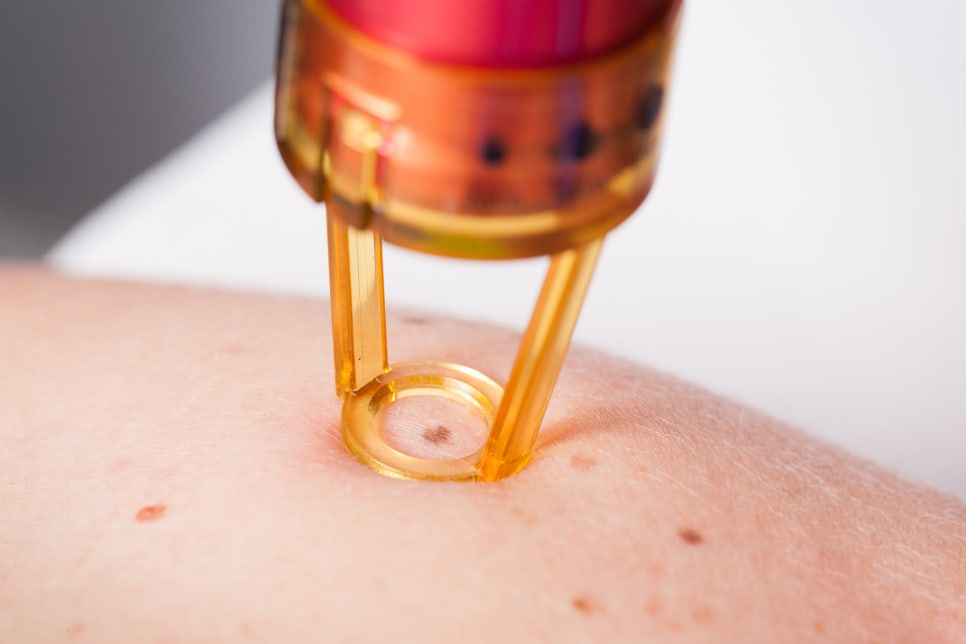
The lasers used for Ishuyeok melasma treatment
vary depending on the skin condition and the type of melasma,
and the following methods are commonly used.
- Pico Laser
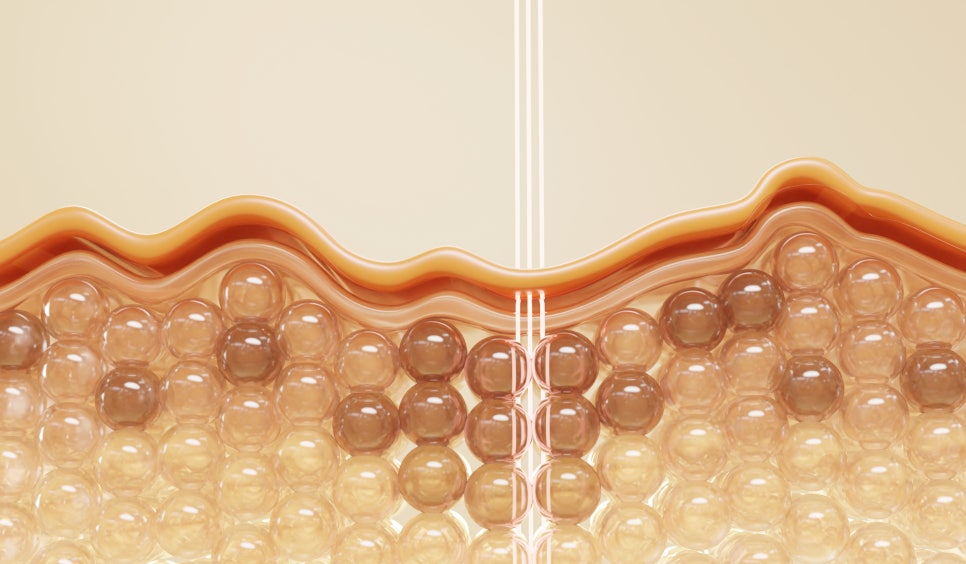
It delivers laser energy in an ultra-precise, very short burst
to finely break down pigment.
By breaking melanin particles into smaller units,
it helps the body absorb them more quickly,
making it effective for improving melasma.
It causes little heat damage and recovers quickly.
- Toning Laser (Laser Toning)
This method repeatedly delivers a gentle level of energy to the skin
to gradually reduce pigment.
It may also help with dermal melasma,
and it causes little irritation with minimal disruption to daily life.
- IPL (Light Therapy)
This method reduces pigmentation by delivering broad-spectrum light to the skin.
It is effective for superficial melasma, blemishes, and tone improvement.
For treatment, it is not simply about using one laser alone;
it is more effective to design a combined approach
based on the type of melasma and the condition of the skin.
Some patients are hesitant about laser treatment in the summer.
This is because they worry that strong sunlight may cause pigmentation to return
or make the skin more sensitive after the procedure.
However, if precise diagnosis and proper aftercare are carried out,
receiving treatment proactively before melasma becomes darker
can actually lead to better results.
After treatment, thorough sun protection,
moisturizing care, and reducing external irritation
should all be carried out together,
and only when all of these factors are managed in an integrated way
can melasma be improved effectively.
However, melasma is difficult to eliminate completely with just one treatment,
and it is a pigmentation disorder that can easily return over time.
Long-term condition management is more important than short-term improvement.
Along with laser treatment,
it is necessary to review the overall skincare routine,
including lifestyle changes, sun protection,
and even the choice of basic skincare products,
to help reduce recurrence.
In particular, if your skin is highly sensitive
or the melasma is spread over a wide area,
a more careful approach is needed,
so it is best to consult sufficiently with dermatology medical staff
and create a personalized plan.
When receiving Ishuyeok melasma treatment,
individual skin condition, the depth of the pigment,
and the degree of skin barrier recovery
must all be considered together,
and for this, a detailed diagnosis
and treatment plan are needed.
At Greeni Dermatology,
we use various laser devices
to help reduce irritation and
increase the effectiveness of treatment.
Rather than meaningless repeated procedures,
we provide only the Ishuyeok melasma treatment that is truly needed.
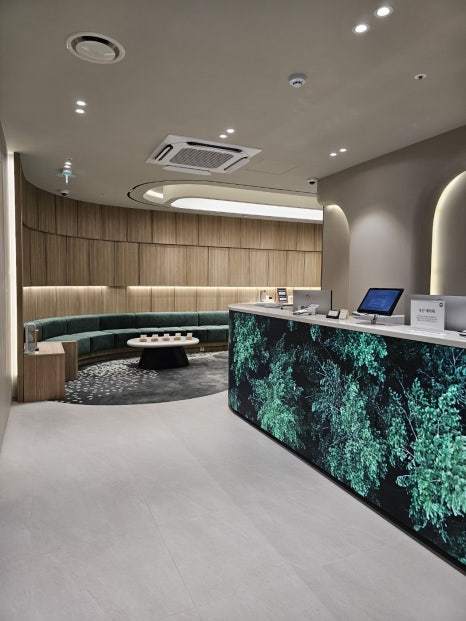
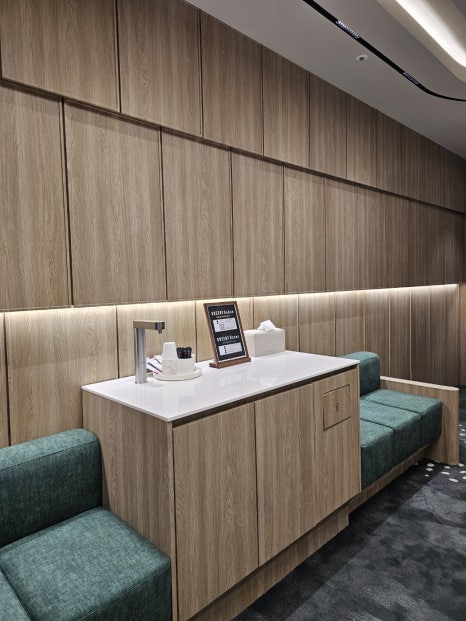
In addition, we have a care environment designed with every part
of the patient's movement in mind,
including private one-person treatment rooms,
Magic Glass consultation rooms, and a middle waiting area,
and to accommodate busy daily schedules,
we also operate night consultations and weekend consultations.
Because skin changes every day,
Greeni Dermatology strives to listen closely to those changes.
As mentioned earlier,
it is difficult to expect immediate results from Ishuyeok melasma treatment,
and if treatment is stopped or delayed depending on the season,
the condition may actually worsen.
Rather than avoiding treatment simply because it is summer,
it is much wiser to choose a method that places less burden on the skin
and manage it consistently.
We hope you will recognize melasma not simply as a 'stain that needs to be removed,'
but as an indicator of skin health,
and continue managing it consistently!