You may try adjusting your diet to lose weight,
and start exercising,
but there are times when
progress feels slower than expected.
Especially if you have difficulty controlling your appetite,
quickly become very hungry when you reduce your food intake,
or are also concerned about your blood sugar or metabolic health,
it may be difficult to determine the right approach
through your own efforts alone.
In such cases, more people are considering
consulting about a Mounjaro prescription at Sadang Station.
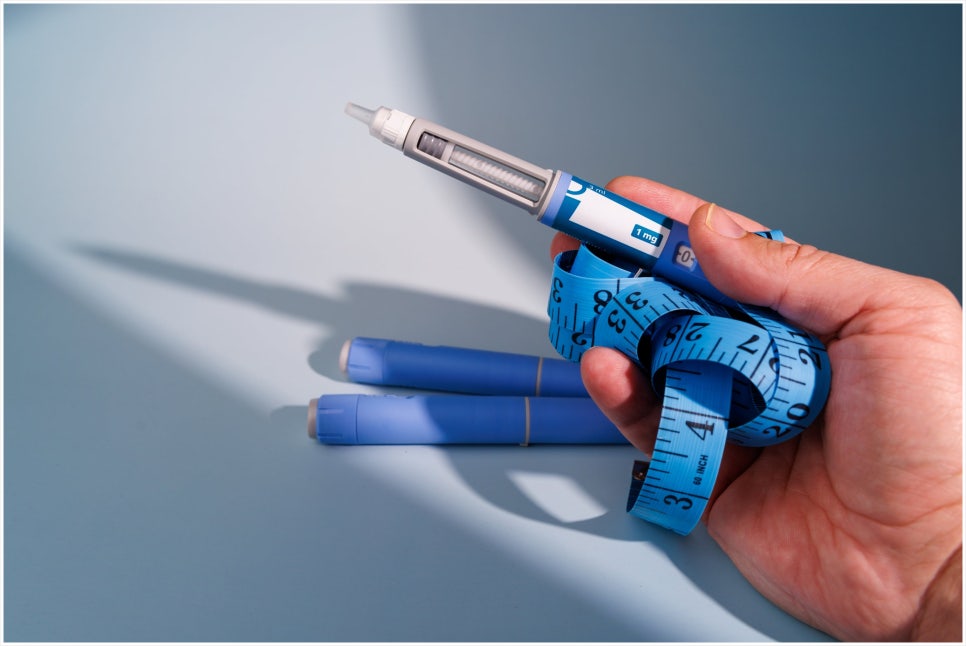
Rather than understanding Mounjaro simply
as “a weight-loss injection,”
it is a medication whose suitability should be determined
after considering an individual’s health condition
and metabolic function together.
Even at the same body weight,
the appropriateness of a prescription may vary
depending on whether a person has diabetes,
what medications they are taking,
their gastrointestinal condition and eating habits,
and their liver and kidney function.
Today, before you consider a Mounjaro prescription at Sadang Station,
we will explain step by step
the basic information worth knowing
and the criteria to check during a consultation.

What kind of medication is Mounjaro?
Mounjaro is an injectable medication
whose active ingredient is called tirzepatide.
It is a medication that uses the effects
of incretin hormones, which are involved
in regulating post-meal blood sugar
and appetite in the body.
To explain it more simply,
it may help regulate sharp increases in blood sugar after meals
and help maintain a feeling of fullness for longer.
As a result, some people naturally eat less
or snack less frequently,
which may lead to a consultation
that also addresses weight management.
However, Mounjaro is not a medication
that guarantees the same results for everyone.
Changes in weight are influenced not only
by the response to the medication,
but also by regular eating patterns, activity levels, sleep, alcohol consumption,
stress, and underlying health conditions.
Therefore, when considering a Mounjaro prescription at Sadang Station,
it is necessary to look beyond the number on the scale
and also examine why weight has increased,
whether there is a reason for difficulty controlling appetite,
and whether blood sugar or metabolic issues are also present.
For people with diabetes,
consultations may focus on blood sugar control,
while for those who need weight management,
whether the medication can be used is reviewed
after checking their current degree of obesity
and overall health condition.
The principles of using verified genuine products
and the prescribed dosage are also very important
in medication consultations of this kind.
Using the medication excessively,
outside the specified dosage and method,
may place greater strain on the body.
Therefore, it should be approached gradually
after sufficient consultation with a medical professional.

Why checking your health condition before a prescription is important
Mounjaro is widely known
in connection with weight management,
but an individual’s health condition
should be checked first before prescribing it.
Diabetes status and blood sugar levels,
currently used blood sugar-lowering medications or insulin,
medications for high blood pressure or high cholesterol,
appetite suppressants, and hormone medications
all need to be reviewed
to determine whether the medication can be used
and whether adjustments are needed.
In addition, if you usually have difficulty digesting food
or frequently experience gastrointestinal discomfort,
your body’s response should be monitored
more carefully from the beginning.
If vomiting or diarrhea continues,
it may lead to dehydration,
so checking liver and kidney function
as well as your medical history is also important.
If you have a history of pancreatitis or gallbladder disease,
a personal or family history related to the thyroid,
or are pregnant, breastfeeding, or planning a pregnancy,
you must inform your medical professional in advance.
A Mounjaro prescription should not be determined
solely by body weight.
It requires a careful assessment
of your current physical condition, medications, medical history,
and lifestyle habits as a whole.
At Greeni Dermatology,
we communicate thoroughly with patients,
explain the treatment process and precautions,
and place importance on providing care
suited to each individual’s condition and goals.

Possible reactions and precautions during use
During the early stages of Mounjaro use,
gastrointestinal discomfort such as nausea, bloating, constipation, diarrhea,
and decreased appetite may occur.
Most of these may be reactions experienced
as the body adapts,
but if symptoms are severe or continue for a long time,
you should inform your medical professional
rather than simply enduring them.
In particular, if repeated vomiting, severe abdominal pain,
or difficulty drinking enough fluids continues,
it is necessary to review
whether to continue using the medication.
You should also be careful
not to reduce your food intake excessively
just because your appetite has decreased.
Insufficient protein and necessary nutrient intake
may lead to reduced muscle mass, fatigue, and dizziness.
In addition, arbitrarily increasing the dosage
in hopes of seeing rapid changes,
or stopping on your own because symptoms occur,
is not recommended.
Mounjaro is an injectable medication
that must be stored and used
according to the specified instructions and schedule.
Even after receiving a prescription,
it is important to monitor not only changes in weight,
but also food intake, gastrointestinal symptoms, overall condition,
and changes in blood sugar
as part of ongoing follow-up care.
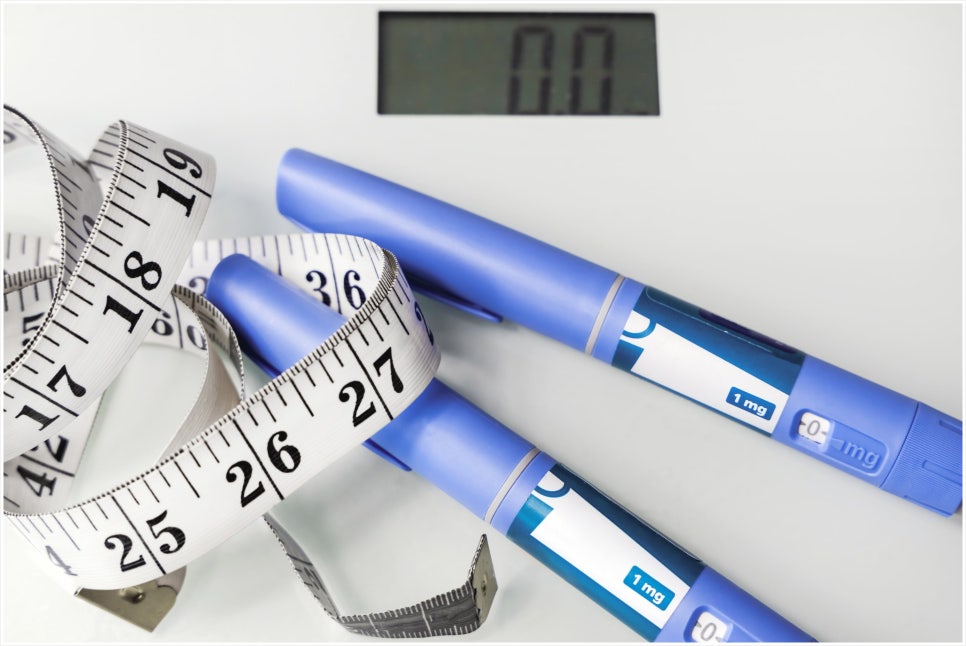
What criteria should you consider when consulting about Mounjaro at Sadang Station?
When considering a Mounjaro prescription at Sadang Station,
you should assess not only weight loss
but also your current physical condition
and the feasibility of ongoing management.
Even when the weight-loss goal is the same,
the management approach may vary
depending on body fat percentage, muscle mass, meal times,
and habits such as late-night eating or alcohol consumption.
Greeni Dermatology
reviews prescriptions only when necessary,
based on the principles of using verified genuine products
and the prescribed dosage,
and places importance on care that thoroughly explains
the treatment process and precautions.
Medication is one method of weight management,
but it can be difficult to maintain changes
without also adjusting lifestyle habits.
Therefore, during your consultation,
it is advisable to share honestly
your usual eating patterns, snack intake, frequency of eating out,
sleep, and activity levels.
After considering your current weight, metabolic condition, lifestyle habits,
medications, and medical history together,
please consider developing a gradual plan.