Getting dental implants properly
can help prevent side effects.
| Shinseong Dental Clinic |
|---|
| A Gangnam Station dental clinic with 30 years of experience and trust in one location |
| Treatment know-how gained through extensive implant procedure experience |
| Not cheap, fast factory-style care (X) Reliable treatment and aftercare for a lifetime of comfortable teeth (O) |
| Reliable care that combines the know-how of a father with 37 years of experience and the latest insights of a Health and Welfare Ministry-certified double-board specialist son |
Hello, I’m Kim Tae-yoon, the director of Shinseong Dental Clinic, specializing in Gangnam Station implants.
Today, I’d like to look at the side effects that can occur during implant treatment.
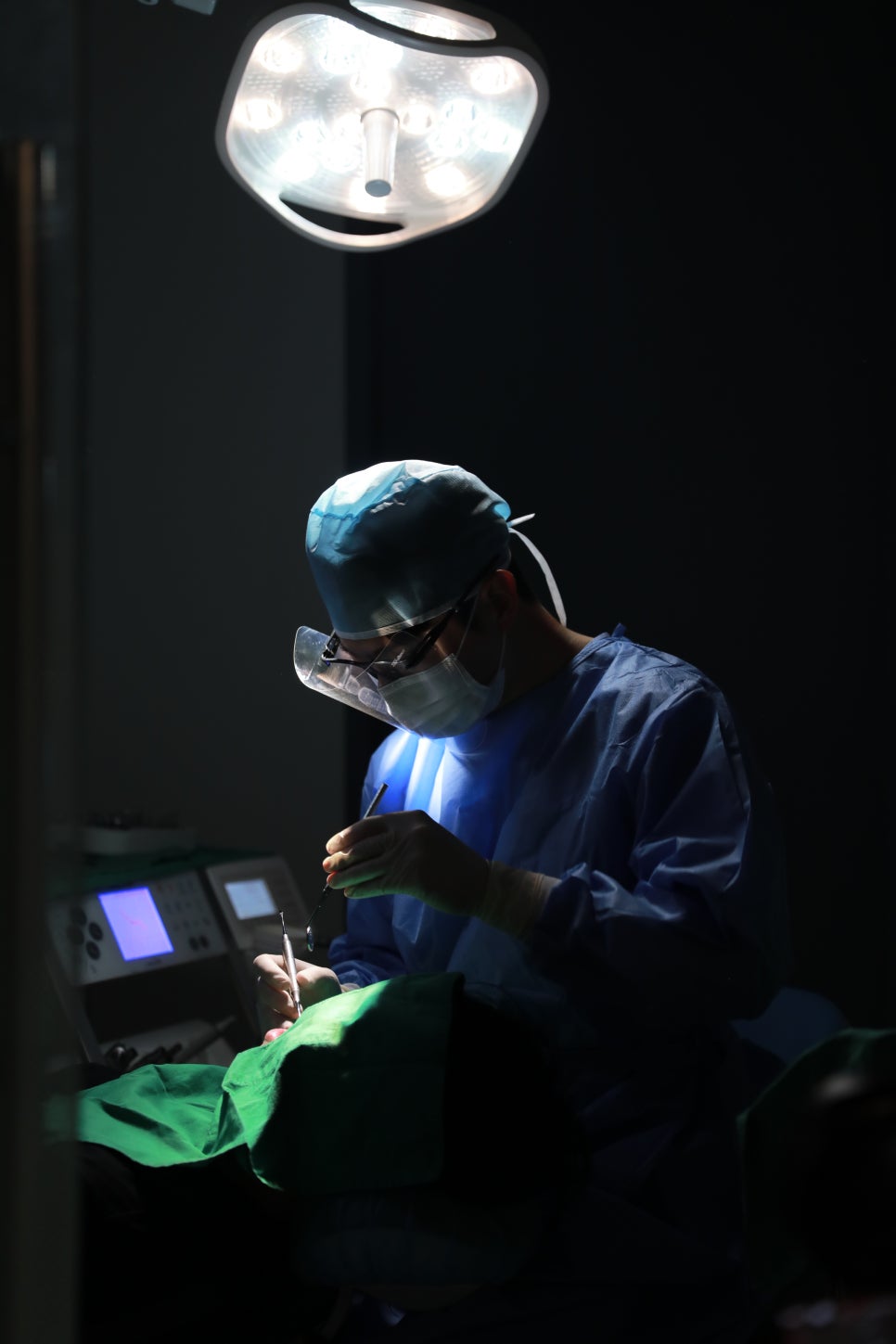
Dental implants are a good way to replace damaged teeth, but understanding and preventing side effects is important.
Let’s take a look together and find out how to use dental implants more safely.
- What is a dental implant?
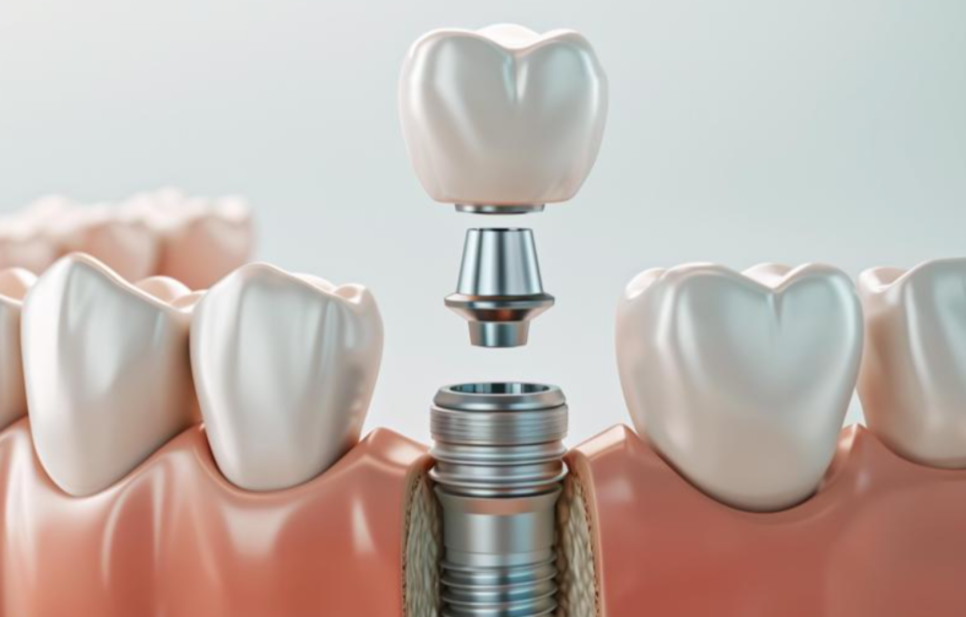
When a tooth is lost, the treatment in which an artificial root (a titanium screw) is placed into the jawbone and a prosthetic tooth is fitted on top is called a dental implant.
When a tooth is lost, the positions of neighboring teeth can shift and chewing ability can decline significantly,
so many people consider implants to restore tooth function and oral health.
In particular, when multiple teeth are missing, it can adversely affect the overall bite alignment,
so receiving appropriate treatment early is essential.
It is already widely known that implants have a relatively high success rate compared with other prosthetic treatments,
but if the procedure or aftercare is not handled properly, unexpected problems can arise.
To prevent this, it is important to choose a dental clinic with a systematic approach and extensive experience, and patients themselves should also pay attention to oral hygiene and regular checkups.
- What side effects can occur with dental implants?
Side effects that may occur after implant treatment vary depending on the individual’s oral condition and the difficulty of the procedure.
Common examples include the following.
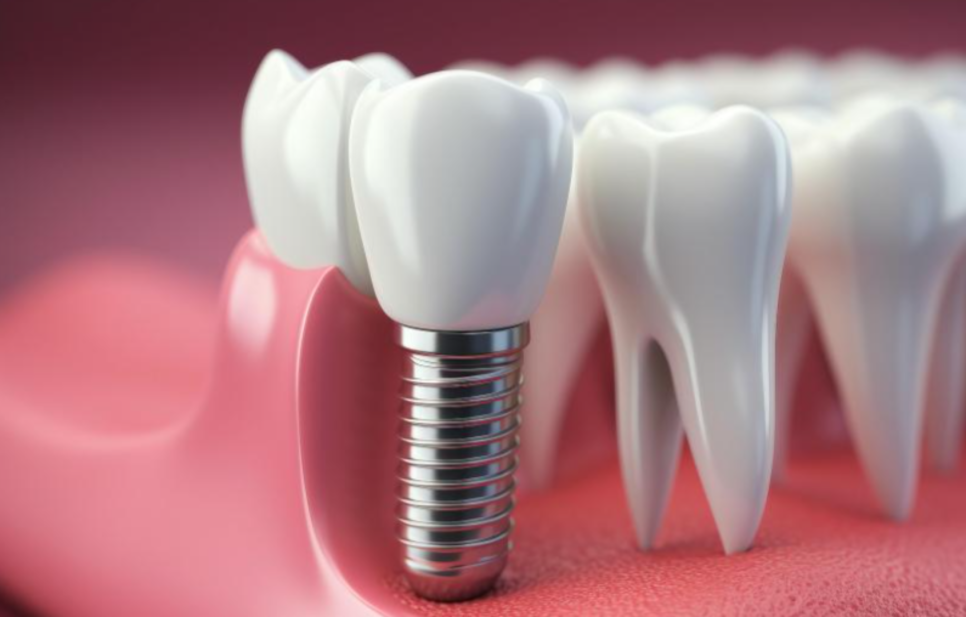
① Infection (inflammation)
If the surgical site is not kept clean, or if the patient’s gum condition is vulnerable to infection, inflammation may occur.
② Osseointegration problems
For an implant to function, the artificial root (implant screw) must fully integrate with the jawbone,
but if it is exposed to improper force early on or if inflammation develops, the implant may loosen and pain may occur.
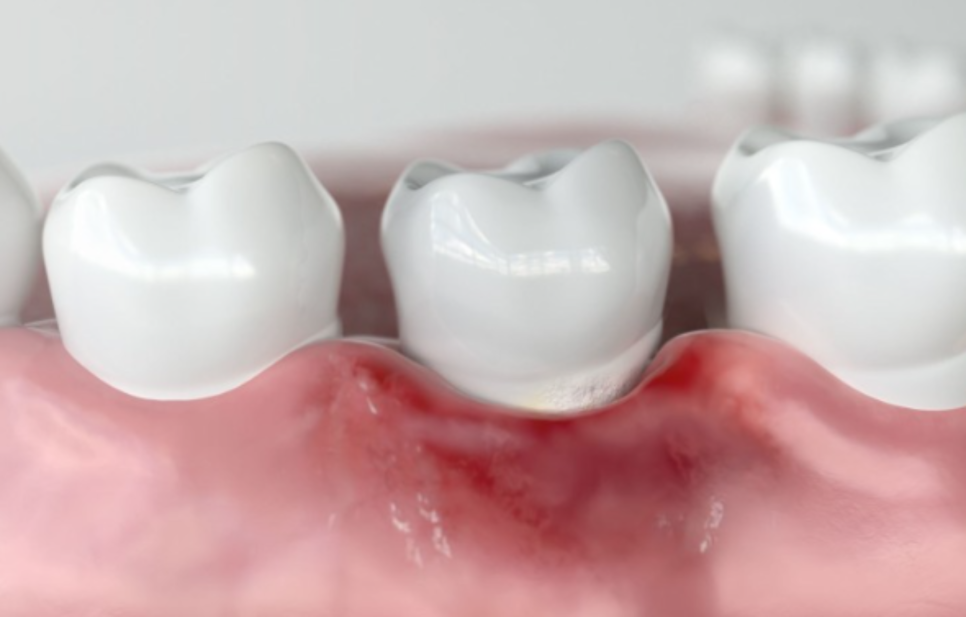
③ Nerve damage
When performing procedures near the lower molars, there is a possibility of affecting an area with complex nerve distribution.
This is also why accurate diagnosis and treatment planning by an experienced dentist are important.
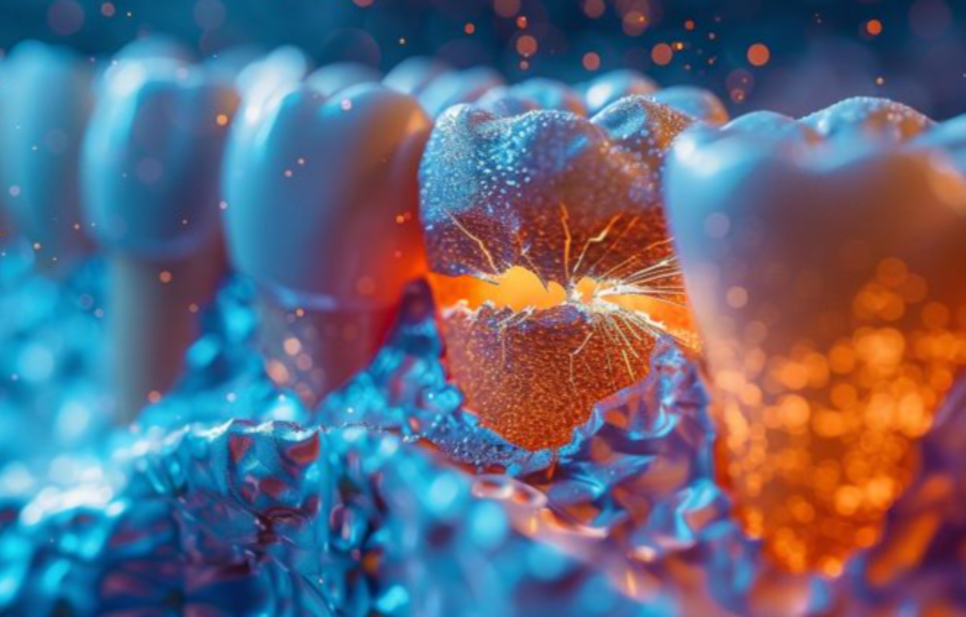
④ Damage to surrounding teeth
Because there is a risk of damaging nearby teeth or gum tissue during implant placement, careful surgery is necessary.
In particular, if you are considering Gangnam Station implant treatment,
it is a good idea to closely check whether the clinic takes a systematic approach to side-effect prevention with professionalism and extensive experience.
- Key factors for preventing side effects
To minimize implant side effects, the following conditions must be properly in place.
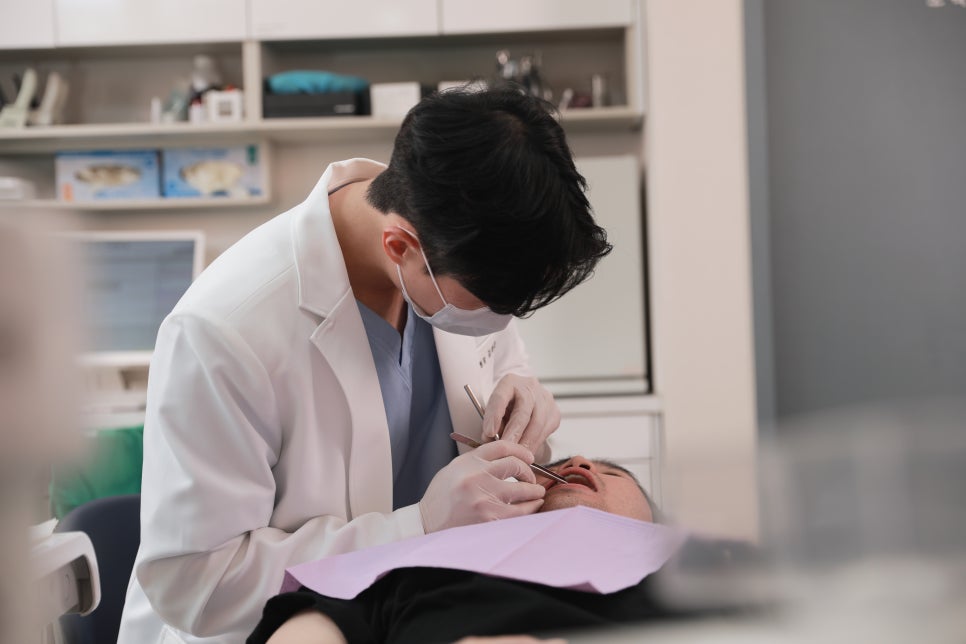
① Accurate preoperative diagnosis
To understand the overall condition of the alveolar bone (jawbone), including thickness, density, and nerve location, a thorough evaluation through CT imaging and other methods is necessary.
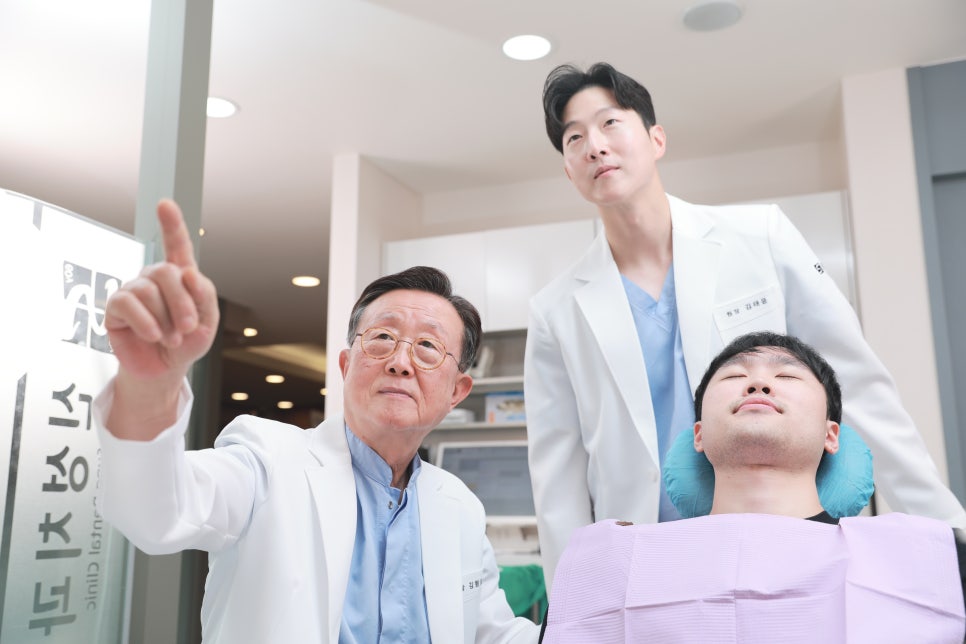
② Experienced medical staff
A clinic with experience and know-how in placing a variety of implants can respond quickly and accurately even to unexpected variables.
A clinic like Shinseong Dental Clinic, which has maintained one location for 30 years, is safer for patients because it provides care based on extensive clinical experience.
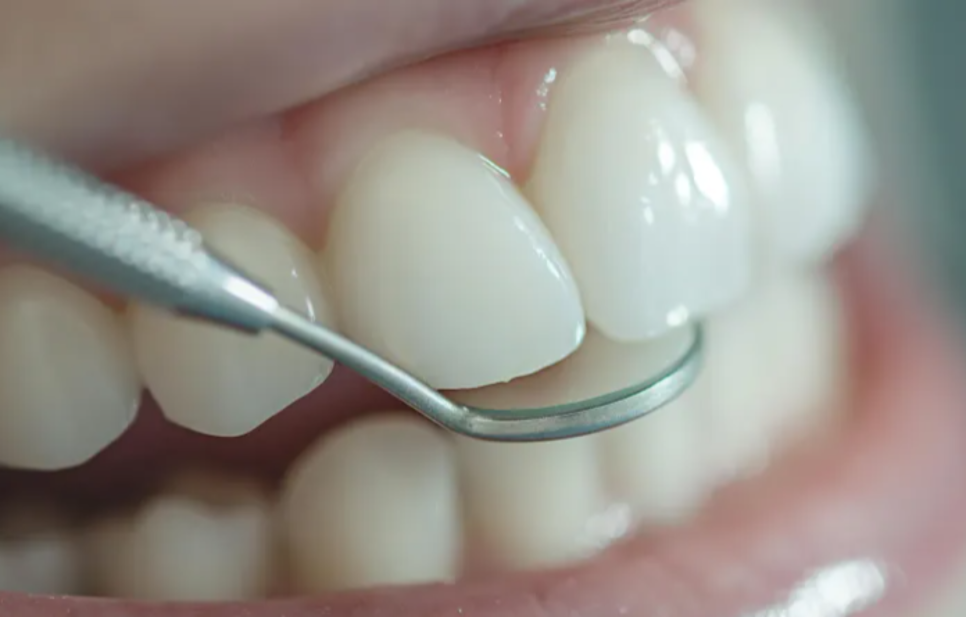
③ Thorough aftercare
After the procedure, you must follow oral hygiene guidelines well and be sure to receive regular checkups to prevent inflammation and ensure stable integration of the alveolar bone.
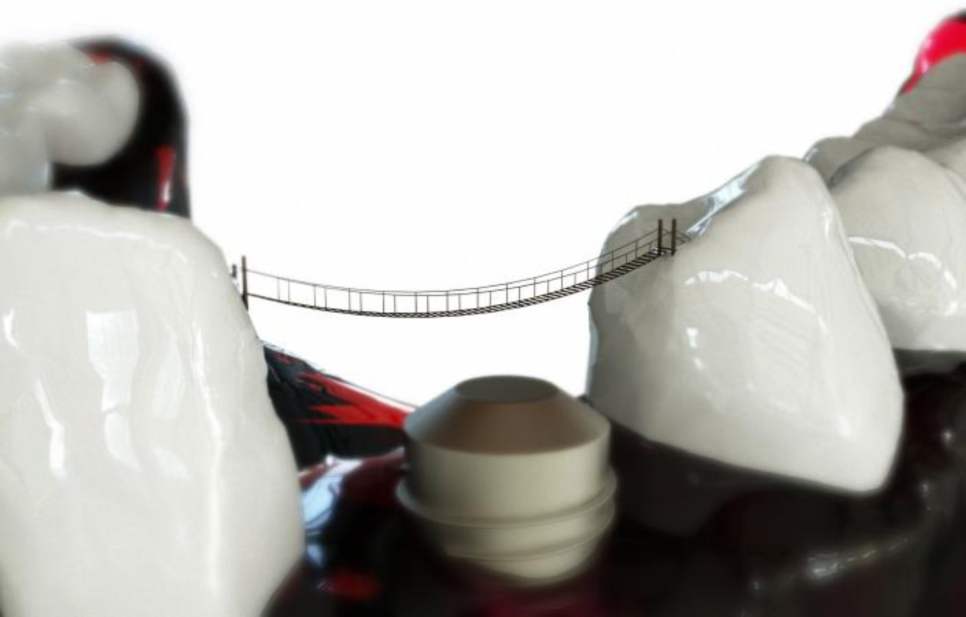
It is easy to think of implants simply as “placing a tooth,” but in fact, it is a fairly complex procedure that requires a comprehensive review of the patient’s oral environment and overall health condition.
In implant treatment, “experience” is not just a number,
but the ability to respond to unpredictable situations.
For example, there may be various variables such as cases requiring bone grafting, cases with thin jawbone, or situations where an implant must be placed in an area with a high risk of nerve damage.
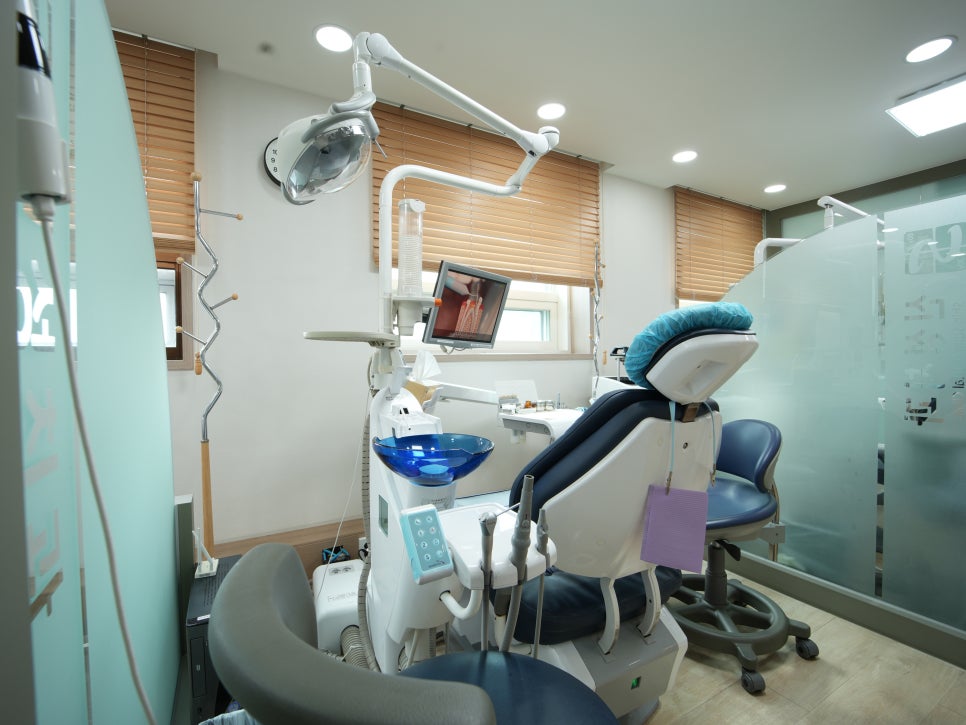
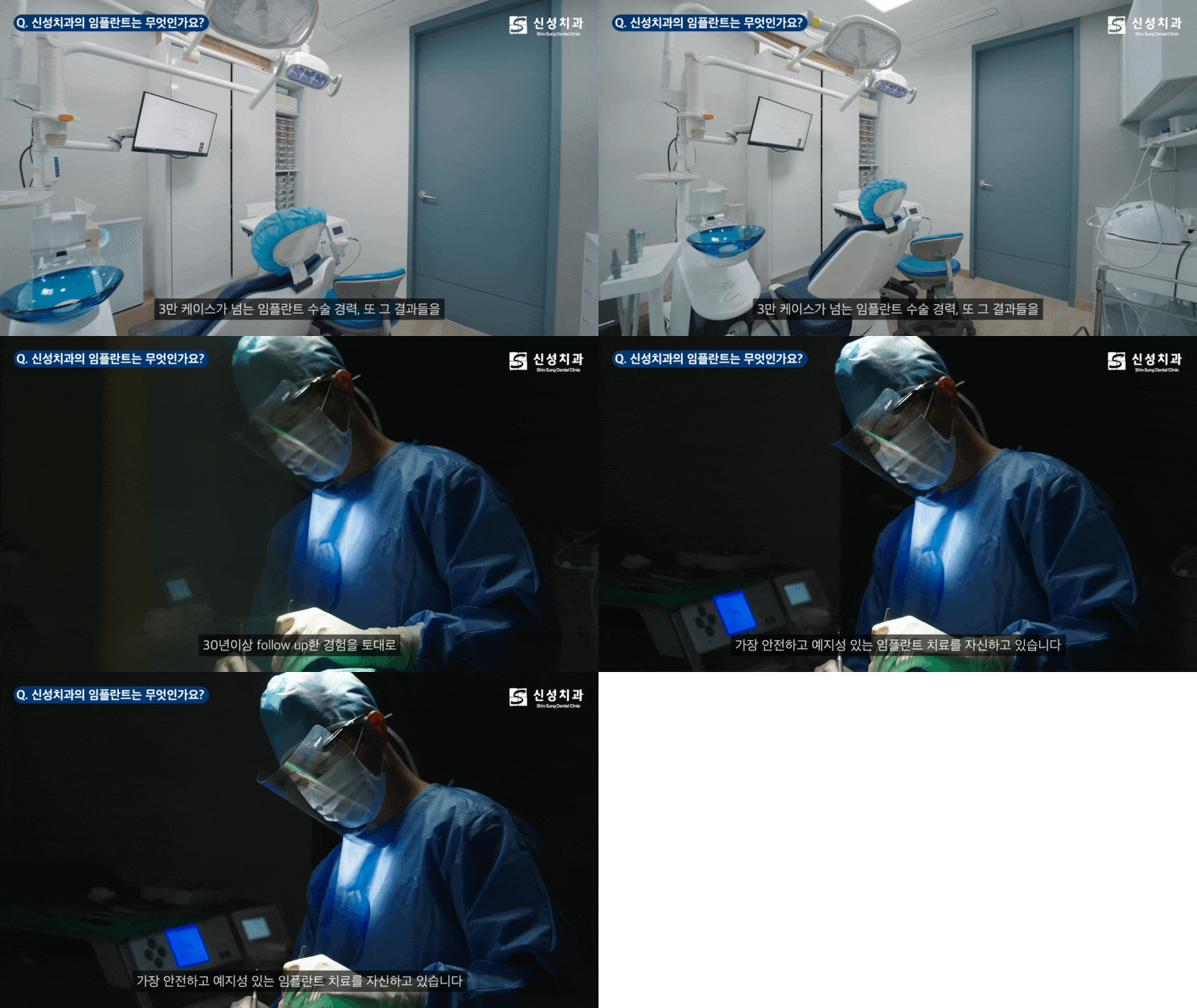
As a clinic that has maintained one location for 30 years, Shinseong Dental Clinic has built treatment know-how through extensive implant procedure experience.
In addition, it provides care that reflects the latest insights of a Health and Welfare Ministry-certified double-board specialist,
which helps create treatment plans optimized for each individual patient.
When choosing a dental clinic, it is wise to compare factors such as the number of implants placed, the medical staff’s experience, and whether the necessary equipment is available.
 If your teeth are uncomfortable, it becomes difficult to eat properly, and over time it can negatively affect other bodily functions as well.
Therefore, I hope you can regain your dental health through safe and proper implant treatment,
and enjoy a daily life where you can smile confidently and eat happily.
| Shinseong Dental Clinic |
|---|
| Inquiries: 02-547-0466 |
| [ Treatment Hours ]*Mon–Fri: 10:00 - 18:30 *Sat: 09:30 - 13:00 *Closed every Sunday |
<Go to Naver TalkTalk Inquiry>
<Go to KakaoTalk Inquiry>

<Go to Website>