
Why Good Sleep Matters
In modern life, high-quality sleep is
becoming an increasingly valuable resource.
According to research by the World Health Organization (WHO),
about 30% of adults worldwide experience insomnia,
which can have serious effects on
physical and mental health.
I would like to introduce the most commonly recommended
scientifically based sleep management methods.
10 Guidelines for Better Sleep

- Go to bed and wake up at the same time every day
The biological clock (SCN: Suprachiasmatic Nucleus) located in the hypothalamus of our body regulates the 24-hour circadian rhythm.
According to research, regular bedtimes and wake-up times help this biological clock function stably and can improve sleep efficiency by up to 40%.
It is important to go to bed and wake up at similar times on weekends as well.

- No smartphone use before bed!
Researchers at Harvard Medical School reported that exposure to blue light for 2 hours can reduce melatonin secretion by up to 50%.
Limiting the use of electronic devices before bedtime and wearing blue-light-blocking glasses if necessary can help.
- Create a sleep-friendly bedroom environment
The American Academy of Sleep Medicine (AASM) provides guidelines for an ideal sleep environment:
Room temperature: 18-20°C
Humidity: 40-60%
Noise level: 30 dB or lower
Illuminance: 10 lux or lower
- Here’s how to handle dinner
The digestive process raises body temperature and stimulates the autonomic nervous system. According to a study in the Journal of Clinical Sleep Medicine, eating within 3 hours of bedtime increases sleep latency by an average of 30 minutes.
In particular, caffeine has a half-life of 5-6 hours, so it is best to avoid consuming it after 2 p.m.
- Sleep better through regular exercise
Regular exercise is one of the most effective ways to improve sleep quality.
A meta-analysis in Sleep Medicine Reviews found that when moderate-intensity aerobic exercise is performed 3-4 times a week for more than 30 minutes, total sleep time increases by an average of 40 minutes and sleep latency decreases by 20 minutes.
- Relax before falling asleep
According to research by the U.S. National Institutes of Health (NIH), diaphragmatic breathing and progressive muscle relaxation lower sympathetic nervous system activity and activate the parasympathetic nervous system, promoting sleep.
Try the 4-7-8 breathing method for 10-15 minutes before bed.
- Build a regular pre-sleep routine
According to neuroscience research, a regular bedtime routine acts as a conditioned stimulus that sends sleep signals to the brain. Preparing for sleep in the same order at the same time every day is effective.
- Use naps wisely
NASA researchers reported that a 20-minute nap improves cognitive function by 34% and concentration by 54%. However, naps after 3 p.m. may interfere with nighttime sleep, so caution is needed.

- The benefits of keeping a sleep diary
Keeping a sleep log is a key tool for diagnosing and treating sleep disorders. Sleep medicine specialists analyze sleep patterns and establish individualized treatment plans using at least two weeks of sleep records.
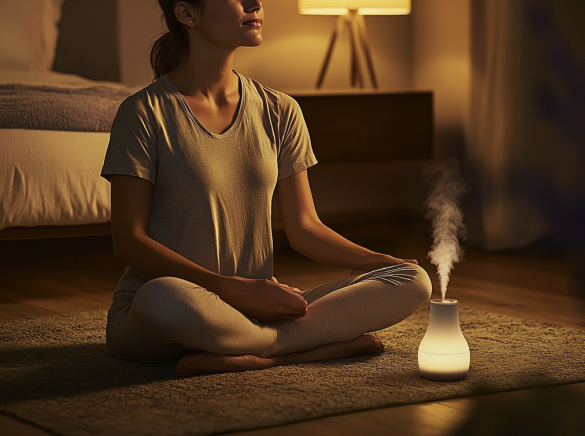
- Tips for fragrant sleep
Clinical research suggests that lavender scent acts on GABA receptors and has a calming effect. Chamomile is also known to promote sleep through benzodiazepine-like effects.
Healthy sleep means more than just rest. During sleep, important physiological processes such as memory consolidation, immune function enhancement, and cell regeneration take place.
As you consistently practice the methods above, I hope you find the sleep pattern that works best for you.