Hello. This is A+ Clinic. Many people seem to suffer from nasal congestion caused by rhinitis in everyday life. I think rhinitis is one of the most stressful conditions, to the point that it feels like you are stuck with a cold all year round. So today, I will explain the representative symptoms of rhinitis and the treatment methods that match those symptoms. If you have rhinitis, you may experience the following symptoms.
- Nasal congestion 2. Runny nose 3. In severe cases, symptoms such as pharyngeal pain. Treatment methods for rhinitis can be broadly divided into medication and surgical treatment.
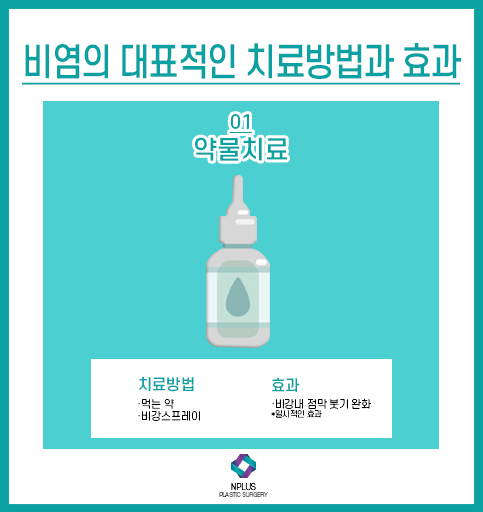
First, medication is effective for reducing swelling of the nasal mucosa through oral medication or nasal spray, and the effects are usually temporary. In some cases, even when spray is used, the swelling does not go down because of tolerance, or the duration of its effect becomes shorter. In such cases, immune management may improve the results.
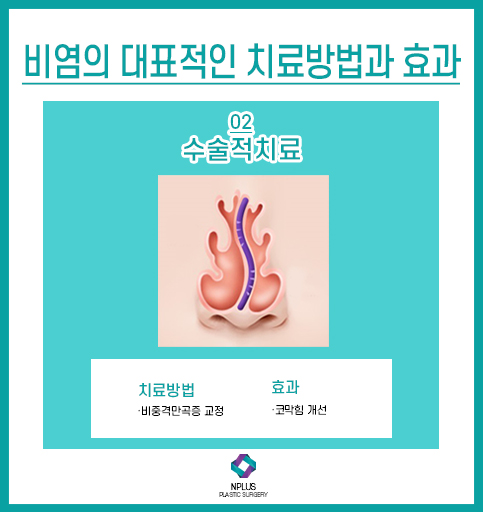
Surgical treatment addresses causes of nasal congestion such as a deviated septum, nasal valve stenosis, and inferior turbinate hypertrophy. First, I will explain how a deviated septal cartilage causes discomfort in the body and what treatment methods are used. A common cause of chronic nasal congestion is a deviated septum. This condition is called a deviated septum.
It can be improved through surgical treatment, and it is treated surgically by removing the curved septal cartilage or straightening it.
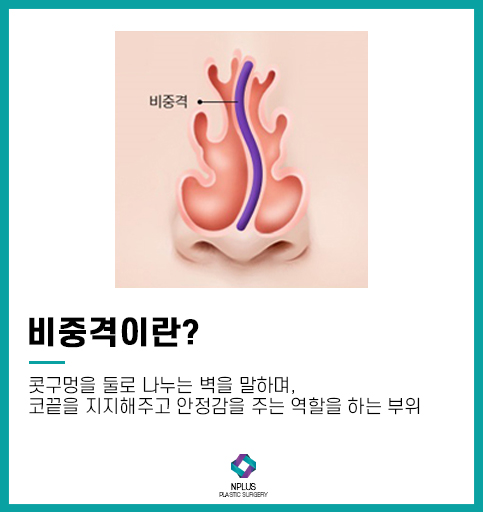
Here, the septum refers to the wall that divides the nostrils into two and plays a role in supporting the tip of the nose and providing stability. In other words, when the septum, which should be straight, becomes curved and a deviation develops, it narrows the breathing passage and causes nasal congestion.
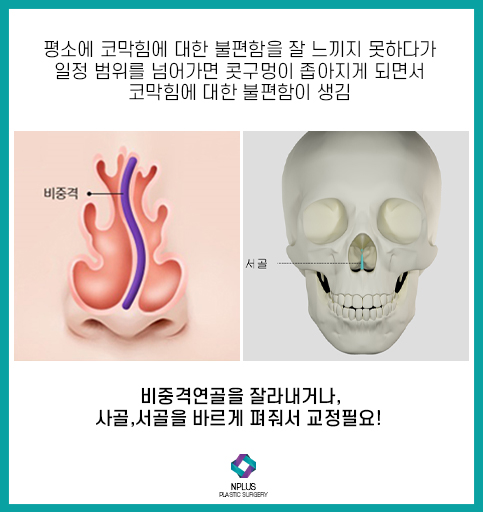
If the symptoms are not severe, there are exceptional cases in which surgery is not necessary because some people do not feel much discomfort in daily life. However, once it goes beyond a certain range, one nostril becomes narrowed and causes nasal congestion, so surgery is needed to remove the septal cartilage or straighten the ethmoid bone and vomer in order to improve the symptoms.
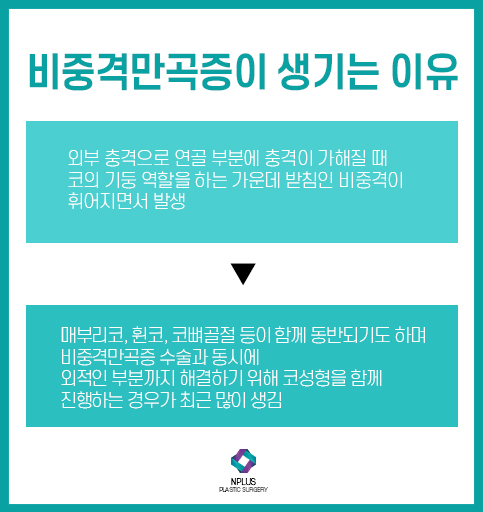
As for the cause of nasal congestion and deviated septum, it is often caused by trauma. When it is caused by trauma in childhood, many people tend to brush it off, so they may not even remember when they were injured. If the septum receives severe impact to the cartilage area from external trauma, the septum, which acts as the central support of the nose, becomes bent. This causes nasal congestion and rhinitis, and additional issues such as a dorsal hump, nasal bone fracture, or a crooked nose may also occur.
When performing nasal surgery for rhinitis, there are cases in which only rhinitis treatment is done, but at our clinic, with more than 15 years of experience and know-how, we have also performed cosmetic rhinoplasty for years to improve a dorsal hump, crooked nose, and other visible features at the same time as septoplasty. We have a high level of understanding and skill in nasal surgery, and we have been providing treatment to achieve highly satisfactory results.
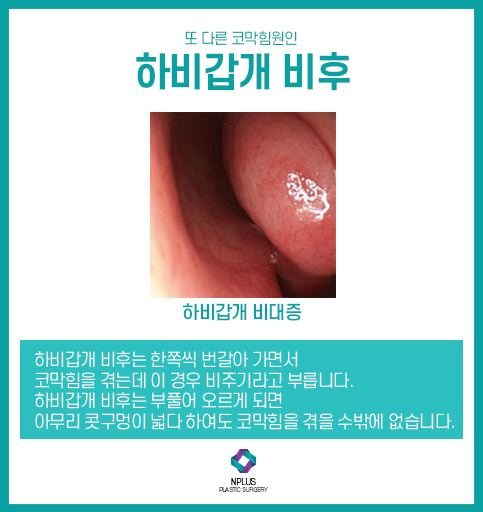
In addition to septoplasty, another cause of nasal congestion is inferior turbinate hypertrophy. Inferior turbinate hypertrophy causes alternating nasal congestion on each side, and this condition is called the nasal cycle. When the nasal cycle occurs, nasal congestion can happen no matter how wide the nostrils are, and nasal congestion is actually caused by functional problems inside the nose, so it has nothing to do with the size of the nostrils.
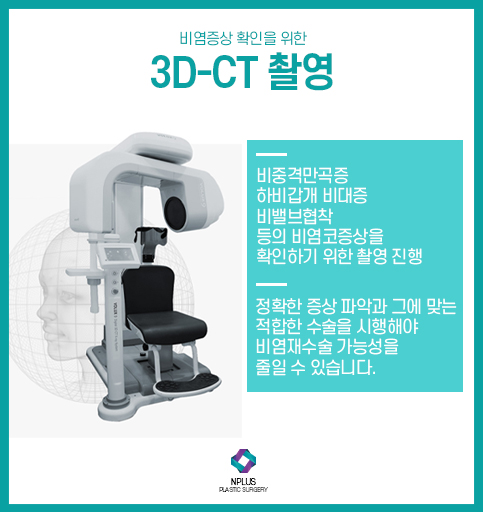
As there are many causes of nasal congestion, I recommend first identifying in detail why it is occurring before proceeding with nasal surgery. Functional problems inside the nose can be confirmed through 3D-CT imaging and endoscopy.
If surgical improvement is needed depending on the cause, rhinitis-related rhinoplasty tailored to the condition and cause should be performed, such as septoplasty, inferior turbinate reduction, or nasal valve reconstruction, and following this process can help prevent revision surgery for nasal congestion.

In the case of rhinitis-related rhinoplasty, if you are enrolled in actual expense insurance, the details vary depending on the insurer and the date of enrollment, but it may help reduce the financial burden. It is more accurate to check with the insurance company than to confirm this at the hospital, and it is not mandatory, so please refer to it as needed. If you have any questions about septoplasty, you can contact us for a consultation and we will provide detailed information. Thank you.