What to Know When Having Surgery Without an Implant Using Nasal Cartilage!

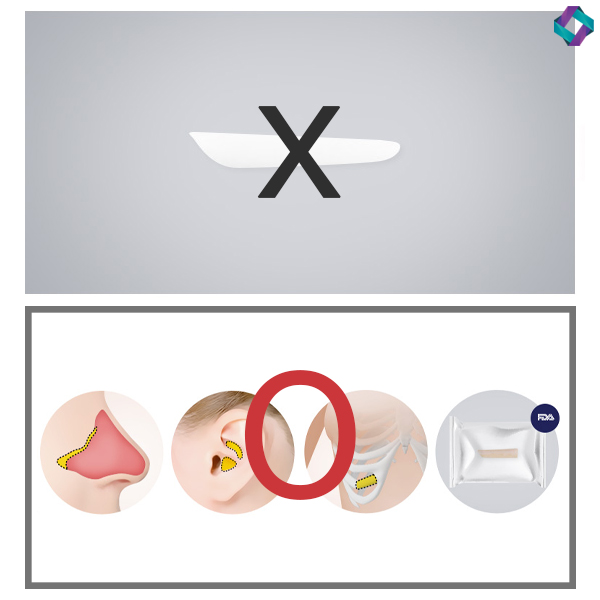
For people who are concerned about side effects after nose surgery, the biggest
thing they consider is inflammation, contracture, and similar issues.
These inflammatory reactions after nose surgery often occur in
inserted artificial implants.
Recently, to avoid these side effects,
inquiries about implant-free nose surgery using nasal cartilage
autologous cartilage used for tip surgery) have increased.
This is because the likelihood of inflammation is low, and it allows for
a natural-looking nose job that blends with your own nose.
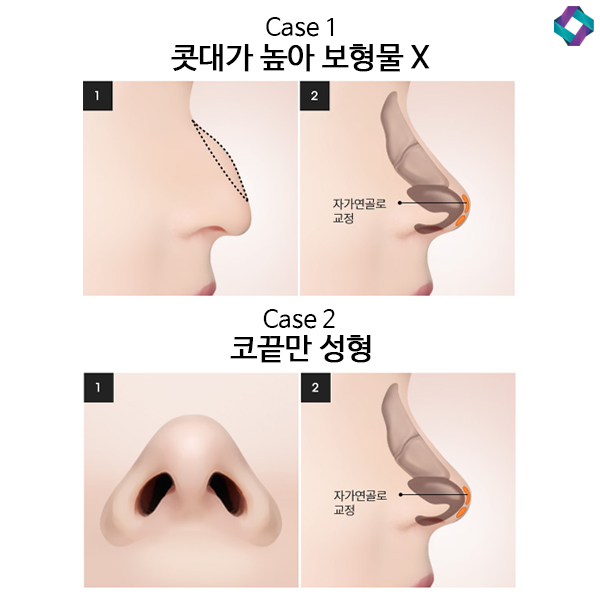
The implant-free method has no foreign-body sensation, and with nasal cartilage insertion alone
it can create a refined nose line.
First, implant-free nose surgery is a procedure I would recommend for cases where the bridge already appears high enough
and there is no need to use an implant, or when only the tip
needs to be operated on.
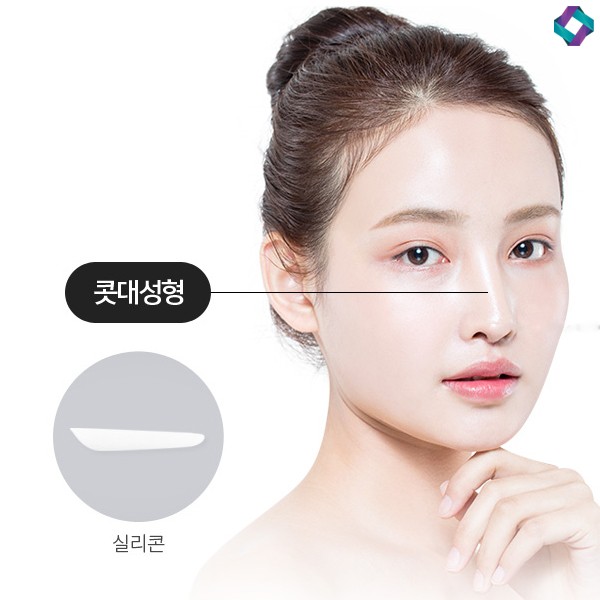
That is because when surgery is performed using the implant-free method,
for people with a low nasal bridge, nasal cartilage insertion alone may make the bridge appear somewhat
higher,
but
it may not produce a visibly dramatic effect.
If you do not want that case, the bridge should be raised with an
artificial implant such as silicone to
expect a more satisfying result.
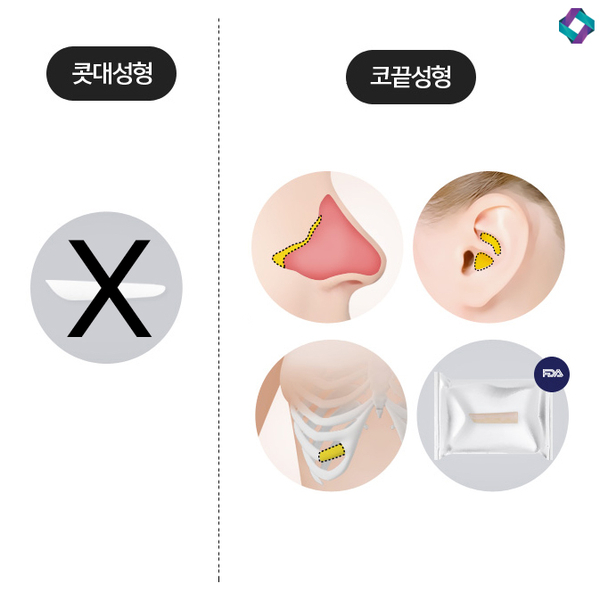
It is also recommended for nose revision cases.
As mentioned earlier, nasal cartilage, inflammation, and contracture-like issues are
more likely to be caused by the inserted artificial implant.
If an artificial implant is inserted again during revision surgery,
there is a chance of repeated inflammation or contracture.
Therefore, using autologous cartilage can correct the height
of the nasal tip, so compared with artificial implants,
you can worry less about inflammation and contracture.
However, there is a drawback when trying to increase the height of the nasal bridge
without an artificial implant. In this case, one alternative
is to use autologous rib cartilage to raise the bridge.
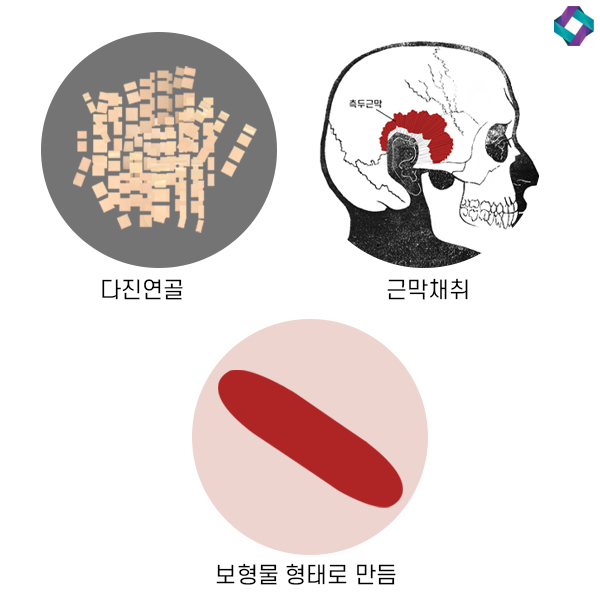
There is also a method of harvesting autologous rib cartilage and inserting it directly into the bridge,
but this method can cause warping (bending), so fascia is harvested and made into a pouch shape,
the cartilage is damaged and placed inside it, and then it is made to resemble an implant shape
and inserted into the nasal bridge.
This method is explained in detail in the rib cartilage post under the cartilage section of my blog's column tab,
so I hope you find it helpful as a reference.
Thank you.