Hello, this is A+.
Today, I will write a brief introduction to hump nose.
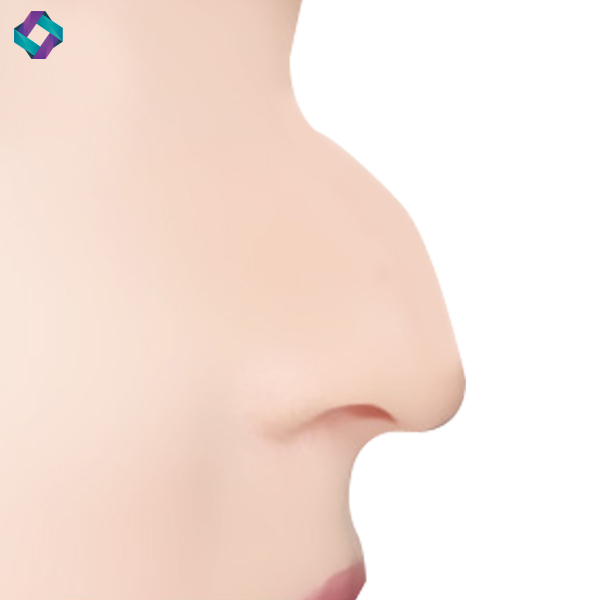
Causes of Hump Nose
The causes of hump nose can include genetic factors,
but in many cases, it develops due to trauma.
I will explain this with before-and-after photos.
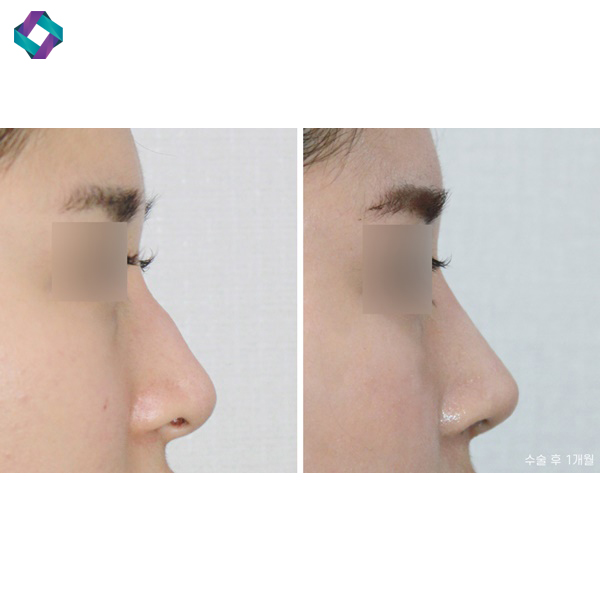
The patient in the before-and-after nose surgery comparison photo above
had a crooked nose and a hump nose caused by trauma.
A hump nose that develops from trauma like this can cause
not only cosmetic concerns, but also problems
with the internal function of the nose.
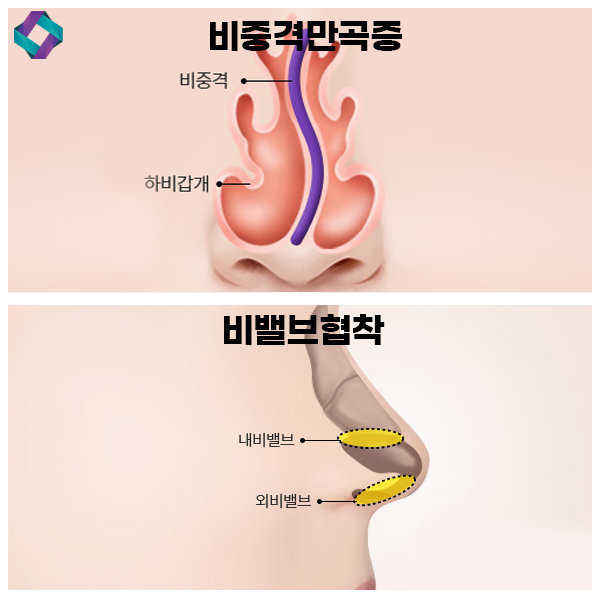
Functional issues can include a deviated septum and nasal valve stenosis,
which can cause nasal congestion.
Therefore, if possible, functional surgery and hump nose surgery,
and, in cases where the nose is crooked, crooked nose correction
should also be corrected together as much as possible.
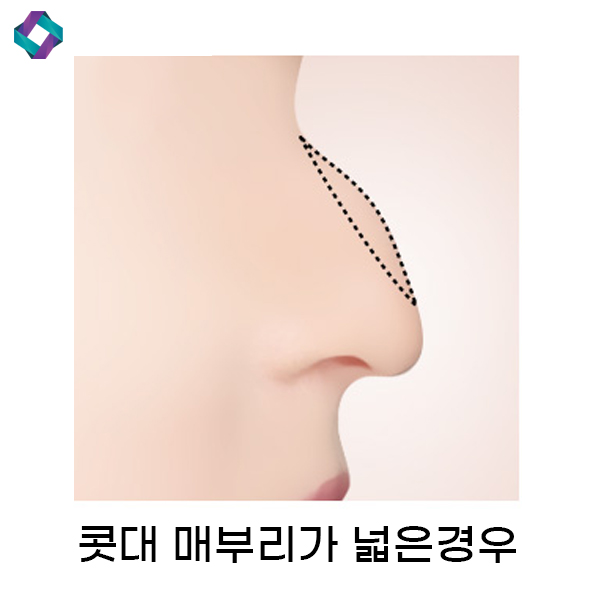
The surgical method for hump nose varies depending on
the amount of the hump.
If there is a large hump on the nasal bridge,
the hump should be neatly removed through osteotomy.
If the area to be removed is wide, lateral osteotomy should be performed.
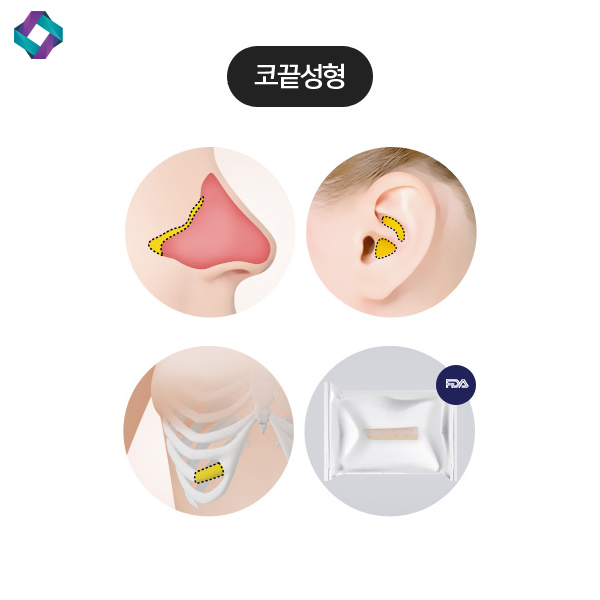
In cases where the hump is this prominent,
rhinoplasty can be performed without an implant.
Non-implant rhinoplasty is a nose surgery method that corrects only the tip of the nose with autologous cartilage,
rather than an artificial implant.
Compared with artificial implants,
non-implant rhinoplasty has a lower risk of side effects and is one of the popular types of rhinoplasty.
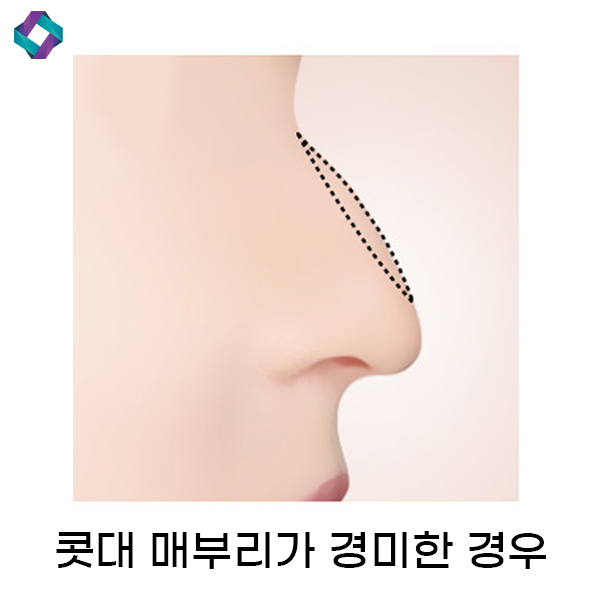
If the hump is only mild, correction may be sufficient by simply shaving it down.
However, if the nasal bridge is low,
after removing the hump on the bridge, an implant such as silicone
must be inserted for correction in order to expect a more satisfying result.
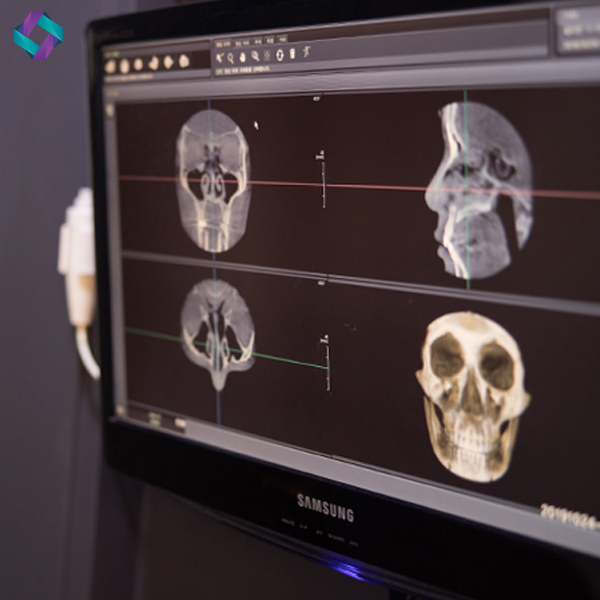
Since the surgical method differs depending on the cause and type analysis of the hump nose,
this part should be checked through examinations such as CT scans and endoscopy before surgery
in order to reduce the chance of recurrence of the hump.

More before-and-after nose surgery comparison cases
can be found on the website.