Hello.
Today, I will explain bulbous nose rhinoplasty.
First, if an appropriate surgical method is not performed for a bulbous nose,
the level of satisfaction may be low, and there is a high possibility of a second revision surgery.
Therefore, to determine the proper surgical method,
a CT scan and endoscopy should be performed to check the condition of the nose.
Only then can you expect a highly satisfying bulbous nose rhinoplasty result.
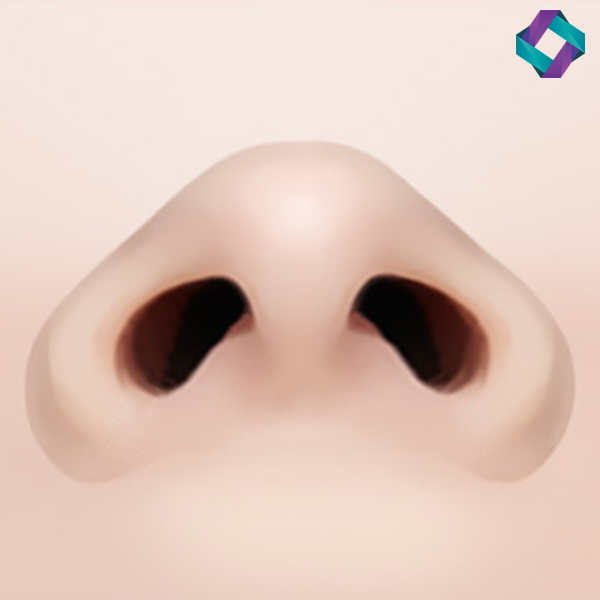
Bulbous nose surgery methods differ depending on the type.
For example, the method changes depending on whether the nostrils are simply large,
whether the internal nasal cartilage is large or spread apart,
or whether there is excessive subcutaneous fat, and so on.
However, even with the same type of bulbous nose,
the method of bulbous nose rhinoplasty can also differ depending on the desired nasal line,
so we recommend that you undergo a detailed consultation.
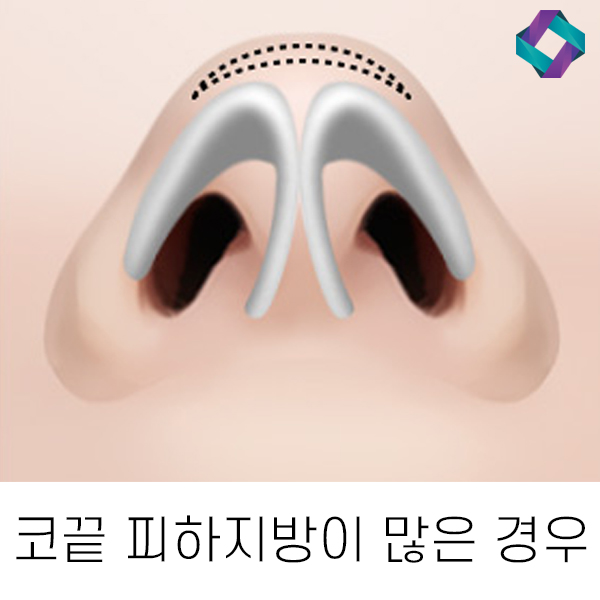
Bulbous nose rhinoplasty methods can be broadly classified into four categories.
- When there is a lot of subcutaneous fat at the nasal tip
If there is a lot of subcutaneous fat at the nasal tip or unnecessary soft tissue,
part of it must be removed.
In this case, it is important to remove the proper amount so the nose does not look pinched.
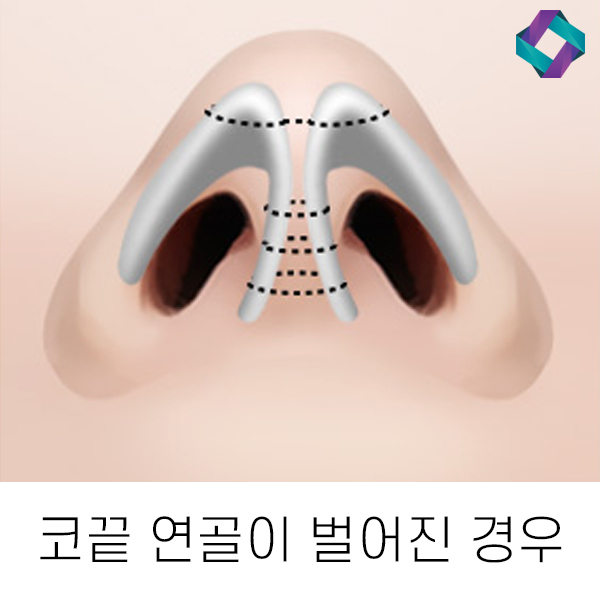
- When the nasal tip cartilage is spread apart
The alar cartilage, which is spread wide to the left and right, is sutured on both sides
to naturally bring it toward the center.
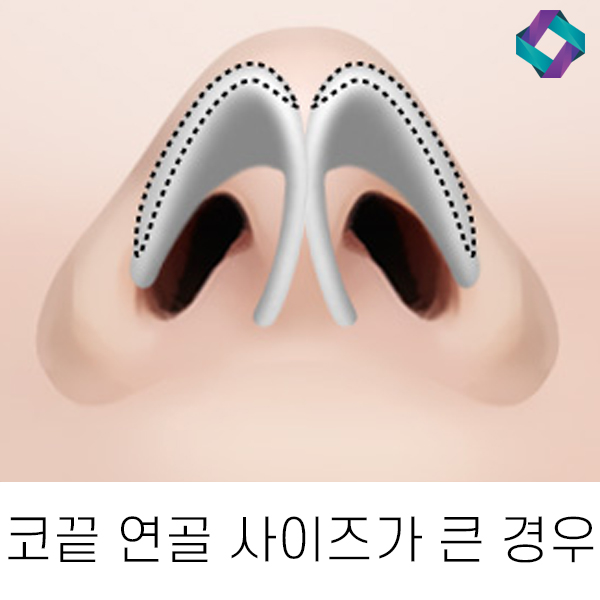
- When the nasal tip cartilage is large
A portion of the cartilage at the nasal tip is cut away to correct the cartilage size
and the overall shape.
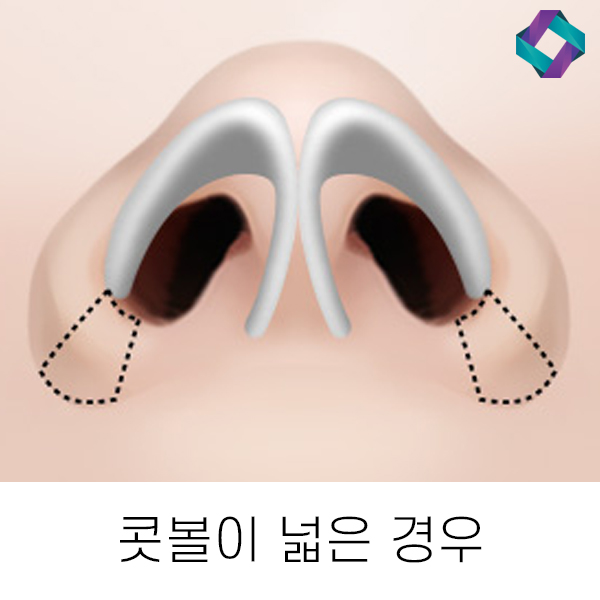
- When the nostrils are wide
If the nostrils are very wide, part of the tissue must be excised, removed,
and then sutured.
If the nostrils are not very wide, the procedure is performed by tying the nostrils
with a special thread to reduce their size.

In common, in all cases of bulbous nose rhinoplasty, additional correction of the bridge height or nasal tip height is performed
to match the desired nasal line.
If there is a hump on the bridge, that area is also corrected,
and if the bridge is low, a implant is inserted to correct the height.
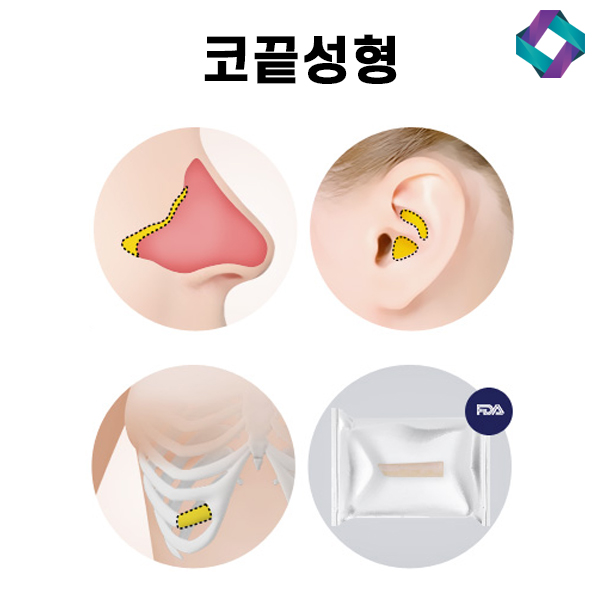
At the nasal tip, additional
autologous cartilage (ear cartilage, septal cartilage, costal cartilage, etc.) can be used
to correct the height of the nasal tip.

Even if it is all called bulbous nose,
there are differences from person to person.
In some cases, two or more of the methods above are performed,
and in addition to the causes mentioned above, there are also cases where the nasal cartilage lacks strength,
causing the nasal tip to droop and spread outward.
So for this part, in order to achieve highly satisfying results,
it is best to plan bulbous nose rhinoplasty after a one-on-one consultation,
which makes for the right nasal surgery.