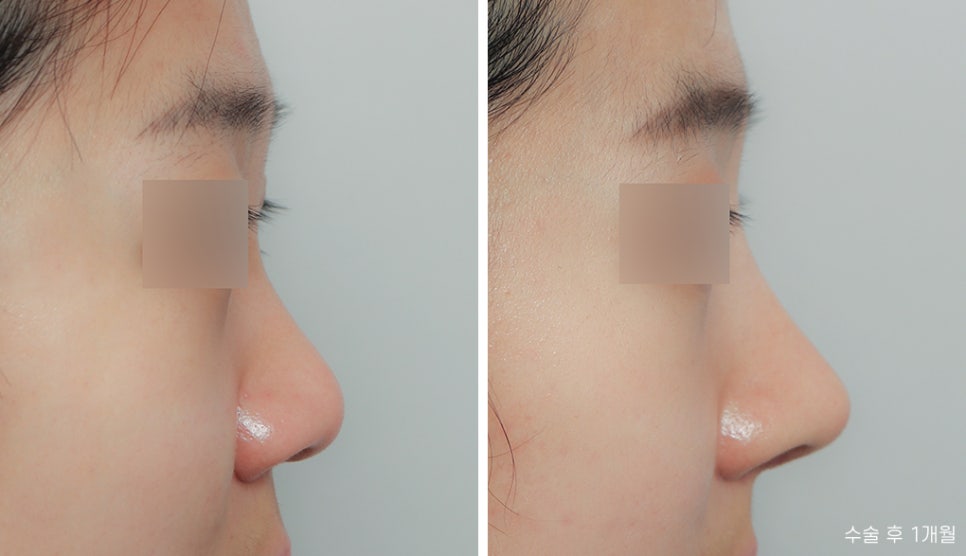
Hello, we are OjiKo N+Plus, focusing only on nose surgery for 15 years.
Find a Nose Like Mine!
The case introduced today is of a patient who underwent low nose rhinoplasty and rhinitis surgery.
The patient had been stressed for a long time because of nasal congestion,
and as the symptoms became severe enough to interfere with daily life, they came to N+Plus.
If nasal congestion is left untreated for a long time, it can cause rhinitis and sinusitis, so it is best to undergo an accurate examination.
What causes rhinitis-related nasal congestion?
When breathing, a blocked nose means that the passage is narrowed. In general, this can happen when the septum, the partition inside the nose, is bent, when the nasal valve is narrowed, or when the inferior turbinate tissue is enlarged beyond normal size, causing the passage to become narrower.
Three causes that may require rhinitis nose surgery
-
Deviated septum
-
Nasal valve stenosis
-
Hypertrophic rhinitis
Among these, it is important to accurately identify the cause of your nasal congestion and proceed with rhinitis surgery.
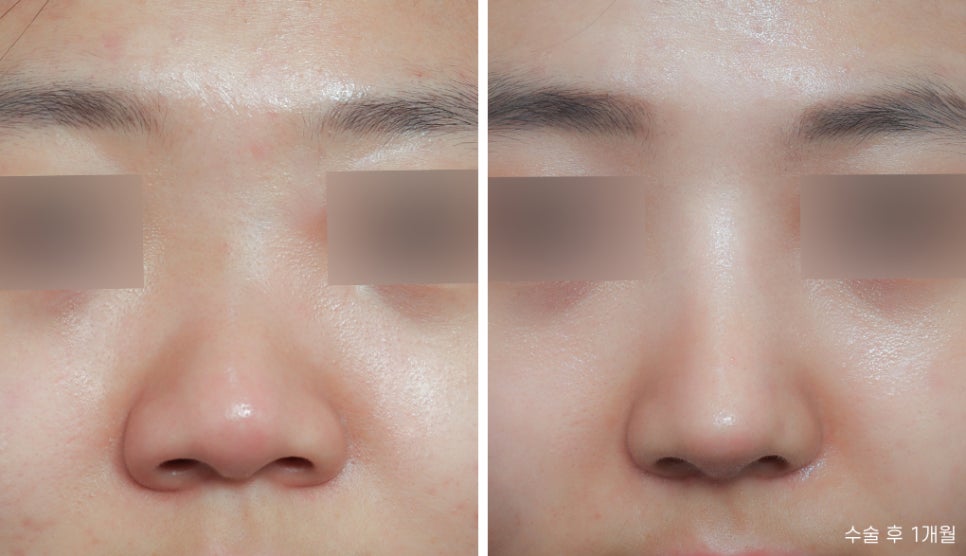
The case introduced today is one in which low nose rhinoplasty was performed at the same time as the rhinitis surgery described above.
Because cartilage that must be removed during rhinitis surgery can be used for the nasal tip to improve height,
many people look for functional nose surgery that allows rhinitis surgery and rhinoplasty to be done at the same time.
In this case, the surgery was performed using the patient’s own costal cartilage for the nasal tip and silicone for the bridge.
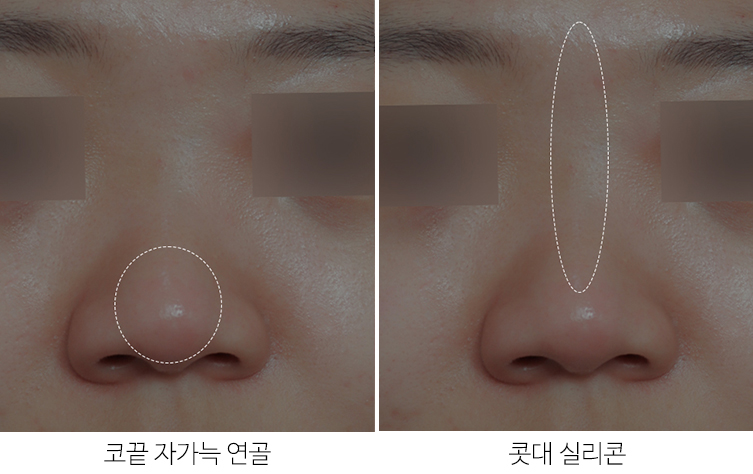
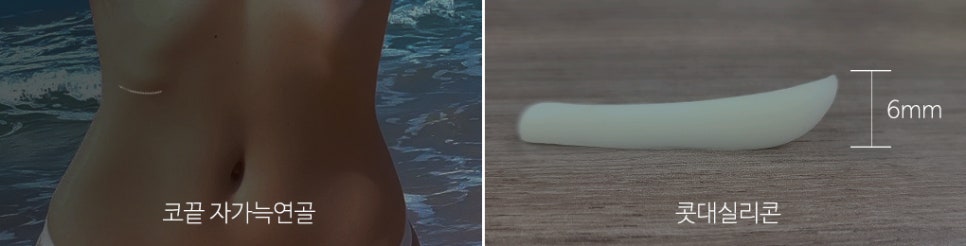
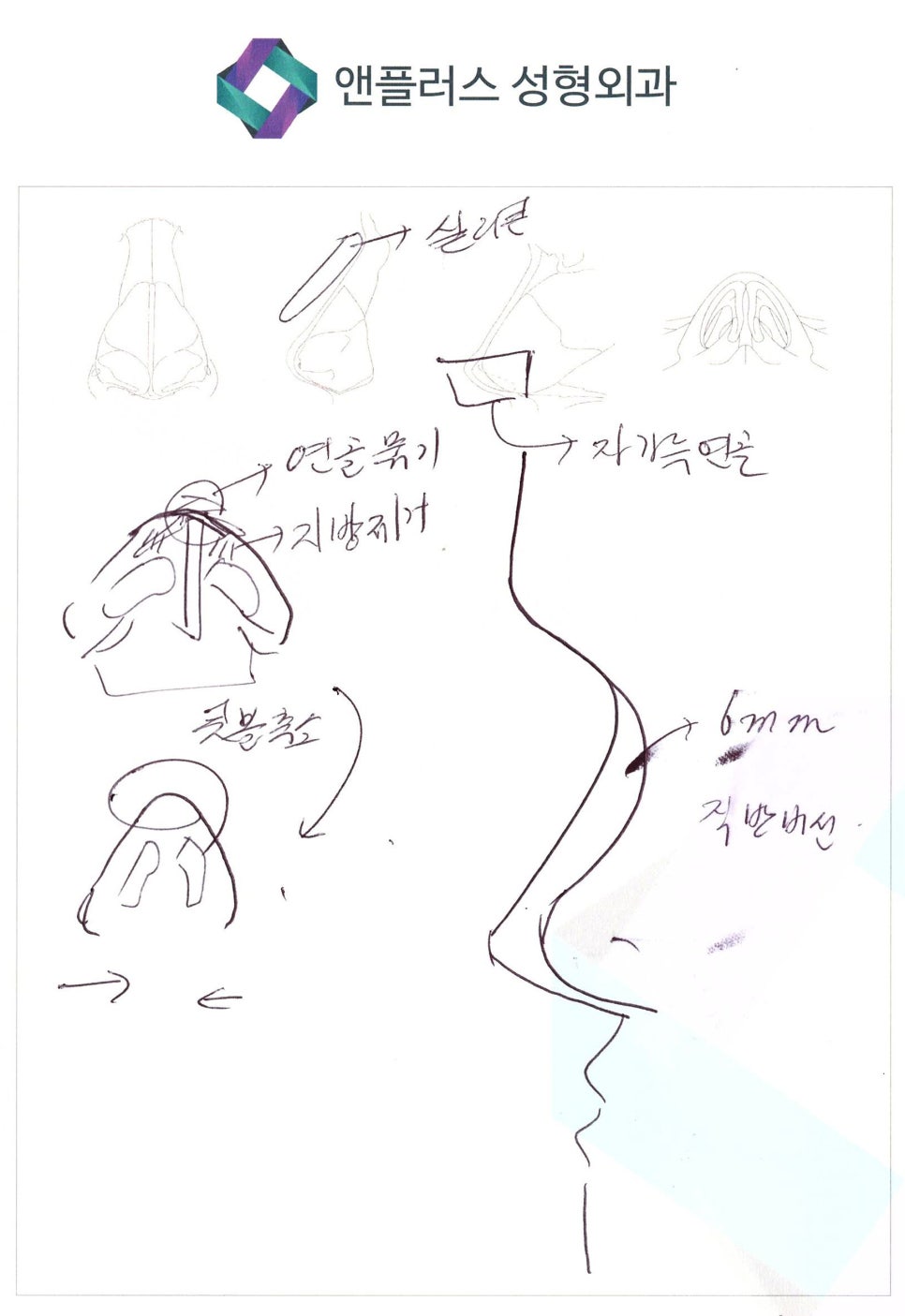
This is the mini chart used during consultation. We draw and explain how the surgery will be performed.
Autologous costal cartilage harvest: 40 minutes
Rhinoplasty surgery time: 2 hours 20 minutes
Dr. Yoon Hyun-cheol’s surgery note
Some of the excessive fatty tissue at the nasal tip was removed to address the bulbous nose, and the tip was supported with autologous costal cartilage to obtain strong structural support.
(Because the septal cartilage was somewhat small, and the skin was thick and firm, there was concern that if surgery were performed using septal cartilage or ear cartilage,
nasal tip drooping could occur in the future, so even though this was the first surgery, autologous costal cartilage was used.)
The patient wanted a change that would be noticeable but not too dramatic, and was satisfied with the results.
The bridge was somewhat low between the eyes, so the height in the glabella area was increased by 6 mm, and the line was made closer to straight than to a gently curved shape,
so that the bridge would appear sufficiently high.
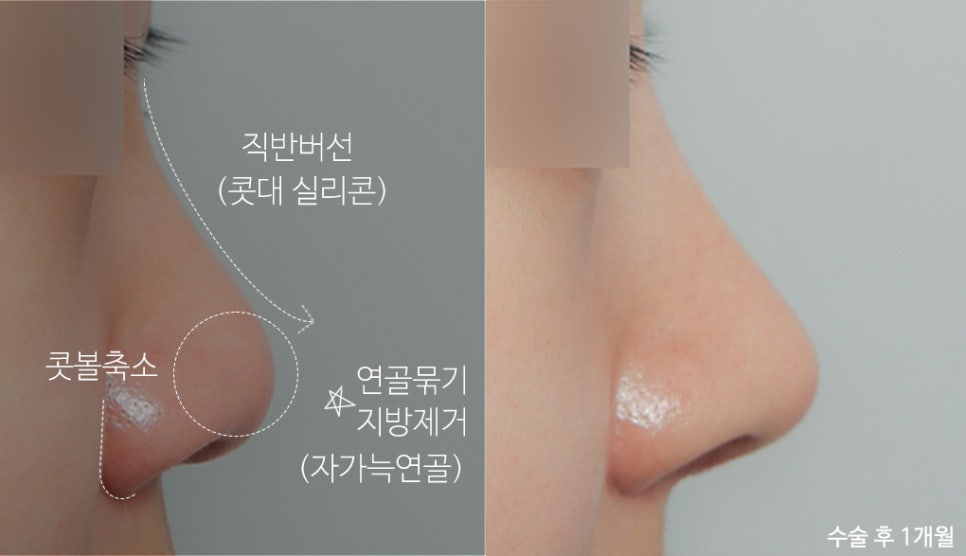
N+Plus low nose rhinoplasty and rhinitis surgery point
Bulbous nose correction and alar reduction The wide nostrils at the base looked wide even after lifting the nasal tip slightly, so alar reduction was additionally performed.
The patient was dissatisfied that the bridge looked low and wide from the front, so the bridge was raised sufficiently to maximize the frontal effect,
and bulbous nose correction and alar reduction were added to further enhance the frontal appearance.
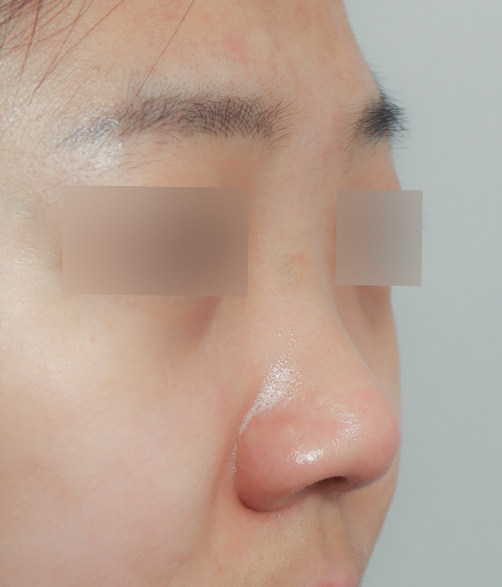
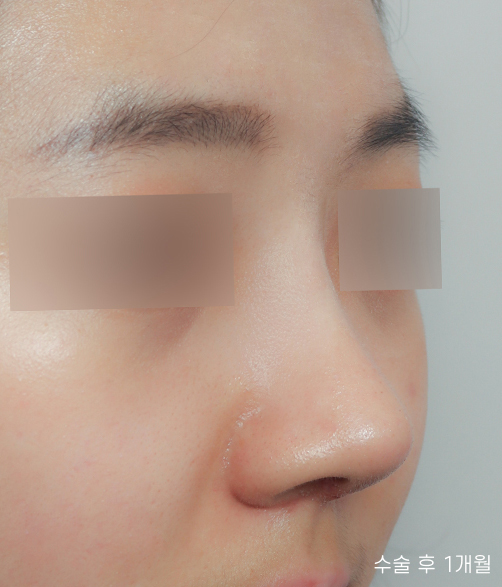
Low nose rhinoplasty and rhinitis surgery at the same time
If you focus only on increasing the bridge height rather than correcting the overall nasal line, the result can look more artificial.
At N+Plus, to minimize this artificial look, the silicone implant is carefully shaped by hand before insertion, taking into account various factors such as the patient’s overall image, the width and length of the bridge, and the width of the nasal tip.
As a result, we create a natural-looking nasal line without awkwardness, from the bridge line between the eyes, which can feel somewhat foreign, all the way to the nasal tip line.
Also, to prevent rhinitis from recurring, we first identify the exact cause of nasal congestion through detailed preoperative 3D-CT imaging and endoscopic examination inside the nose,
and then proceed with surgery.
Accurately identifying the symptoms and choosing the appropriate surgical method for them is the only way to minimize the possibility of revision surgery.