Hello, this is A+ Plastic Surgery, a place that promises 1% premium nose surgery with honesty.
The surgery introduced this time is hooked nose correction.
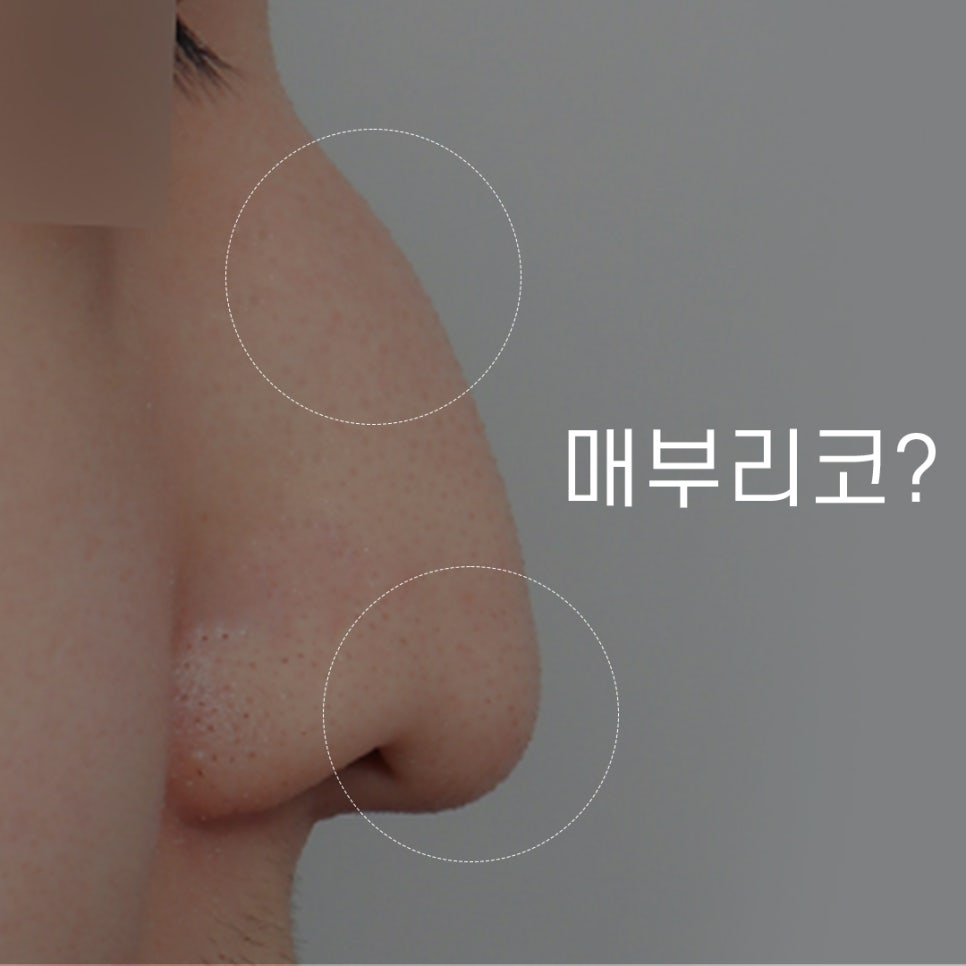
The causes of a hooked nose can be broadly divided into congenital and acquired causes.
A hooked nose can develop for genetic reasons, or it may have progressed after trauma.
Accurately identifying the cause is an important point in minimizing the chance of recurrence.
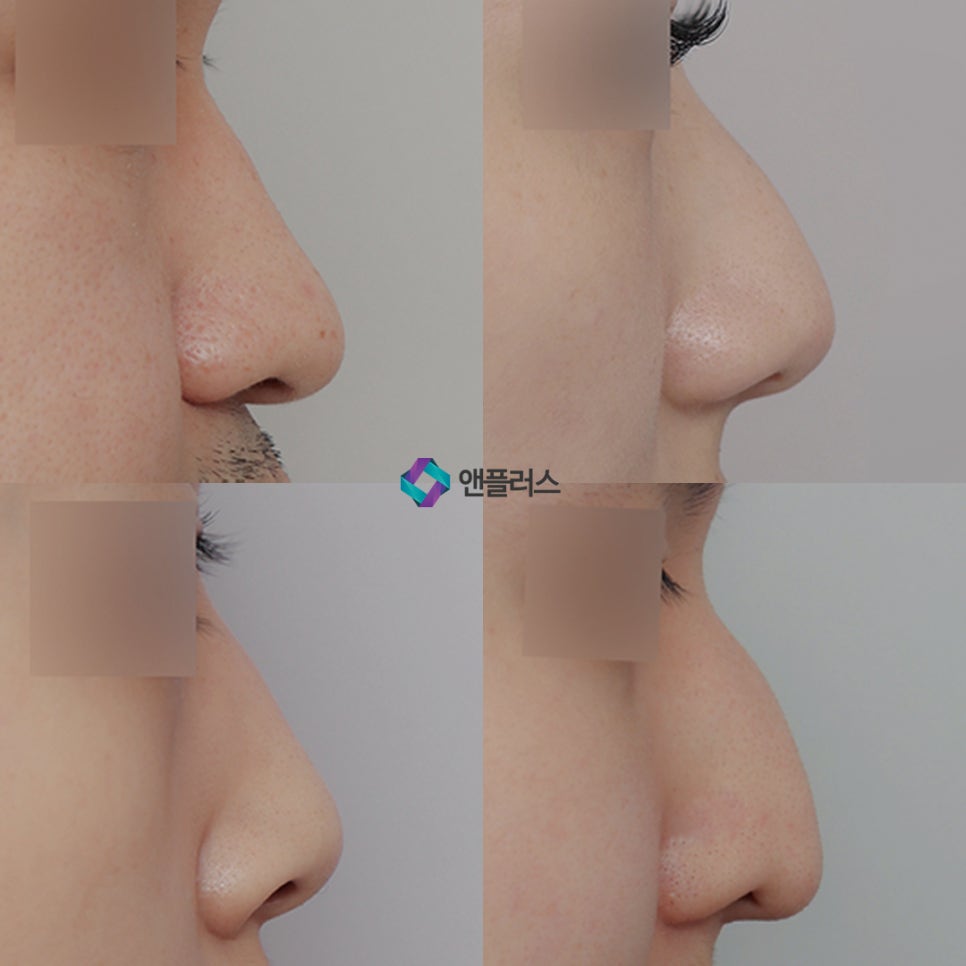
The photo above shows various types of hooked noses.
Usually, when people think of hooked nose before-and-after photos, they imagine the middle of the nasal bridge protruding and the tip drooping. In actual hooked nose cases, however, there are cases where the tip is drooping, cases where the tip is lifted, cases where the degree of the protruding hump is mild, and cases where it is severe. There are also cases where the bridge bone is high, so there is no need to use silicone separately and surgery can be performed without implants. In some cases, the nasal bridge is crooked, so both hump correction and crooked nose correction must be performed together.
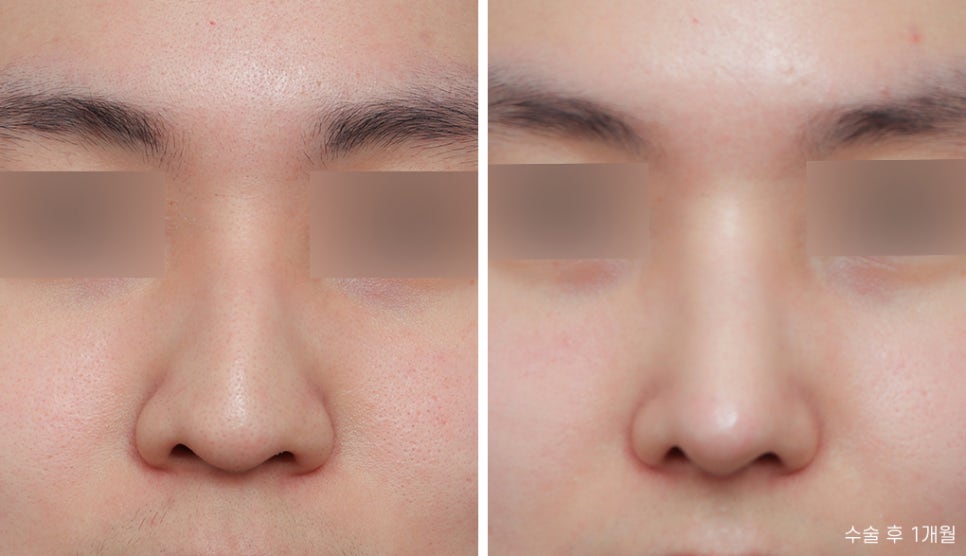
To explain with an example of hooked nose before-and-after photos from surgeries performed at our clinic, the case above shows a protrusion in the middle of the nasal bridge, and at the same time, when viewed from the front, the tip also appears broad, making it look like a bulbous nose.
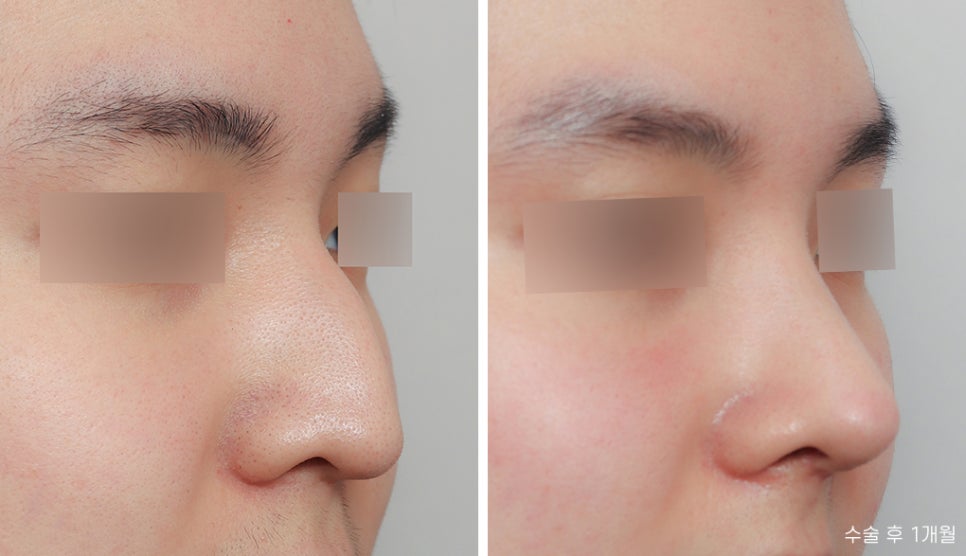
Looking at the 45-degree hooked nose before-and-after photo, the nasal bridge bone protrusion is fairly severe. In such cases, the hump must be removed and osteotomy must also be performed together.
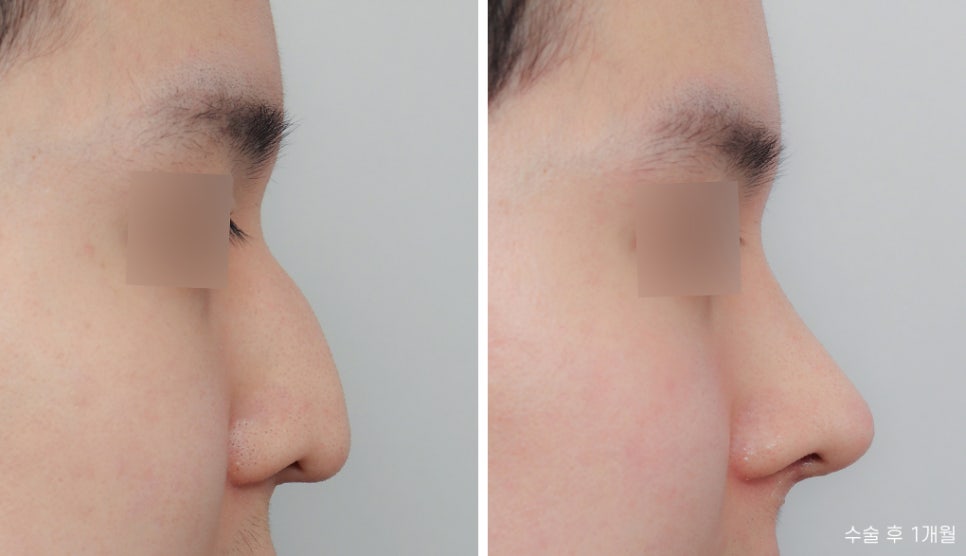
It is also important to correct a drooping tip by using autologous cartilage to reshape it.
Then, how is hooked nose surgery performed in cases that are not like the types above?
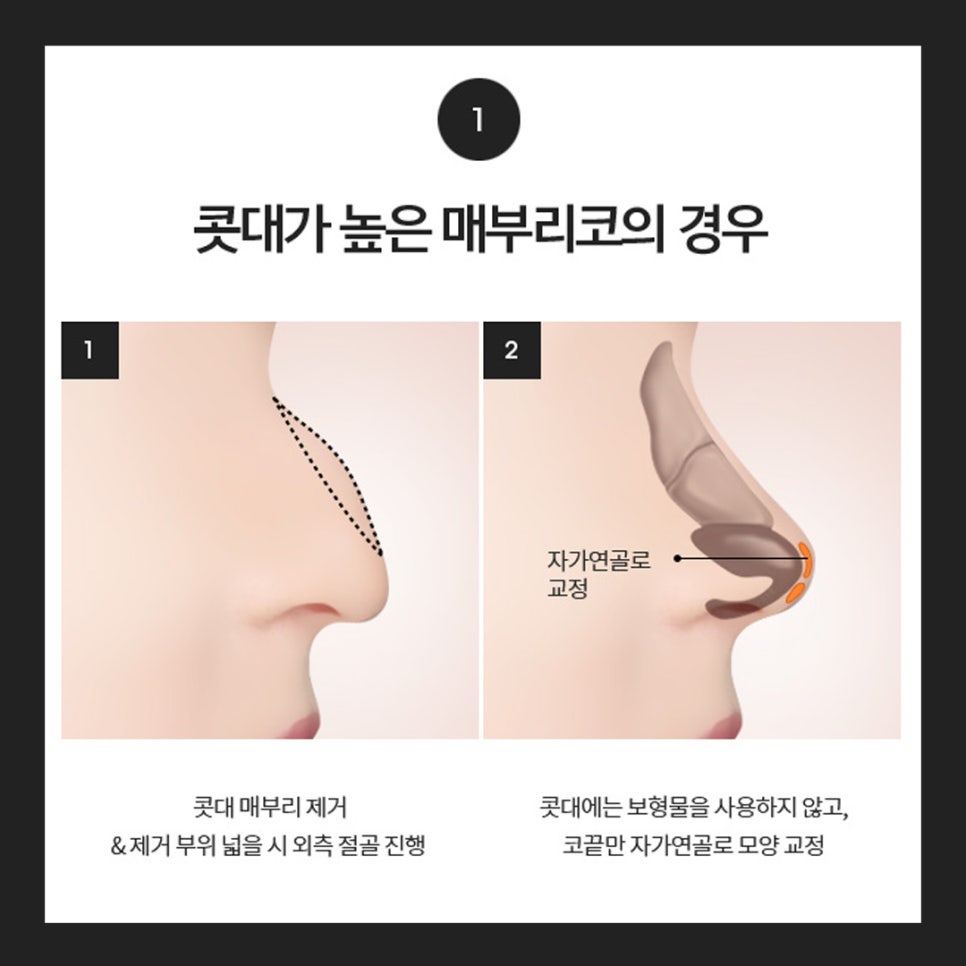
Hooked nose surgery methods can be broadly divided into three types.
First, in the case of a hooked nose with a high nasal bridge, the hump on the bridge is removed, and if the removed area is wide, lateral osteotomy is performed as well.
If silicone is inserted into an already high nasal bridge, the bridge height may become too high and look unnatural, so no implant is used on the bridge. Instead, only the tip is refined or reshaped with autologous cartilage.
A method that shapes the nose using only osteotomy and autologous cartilage without inserting any artificial implant is called no-implant rhinoplasty.
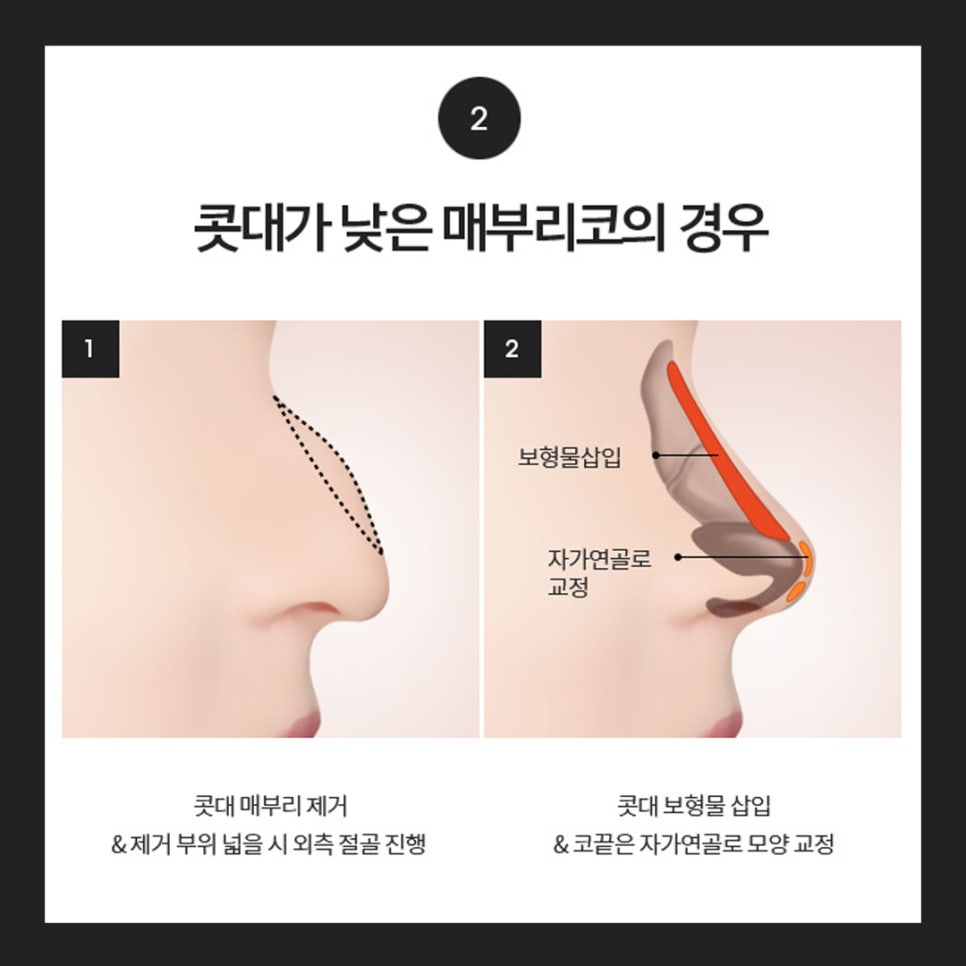
The second case is when the nasal bridge is low.
The way the protruding middle part of the bridge is addressed is the same, but an implant such as silicone is inserted to add height to the bridge and create a smooth line all the way to the tip.
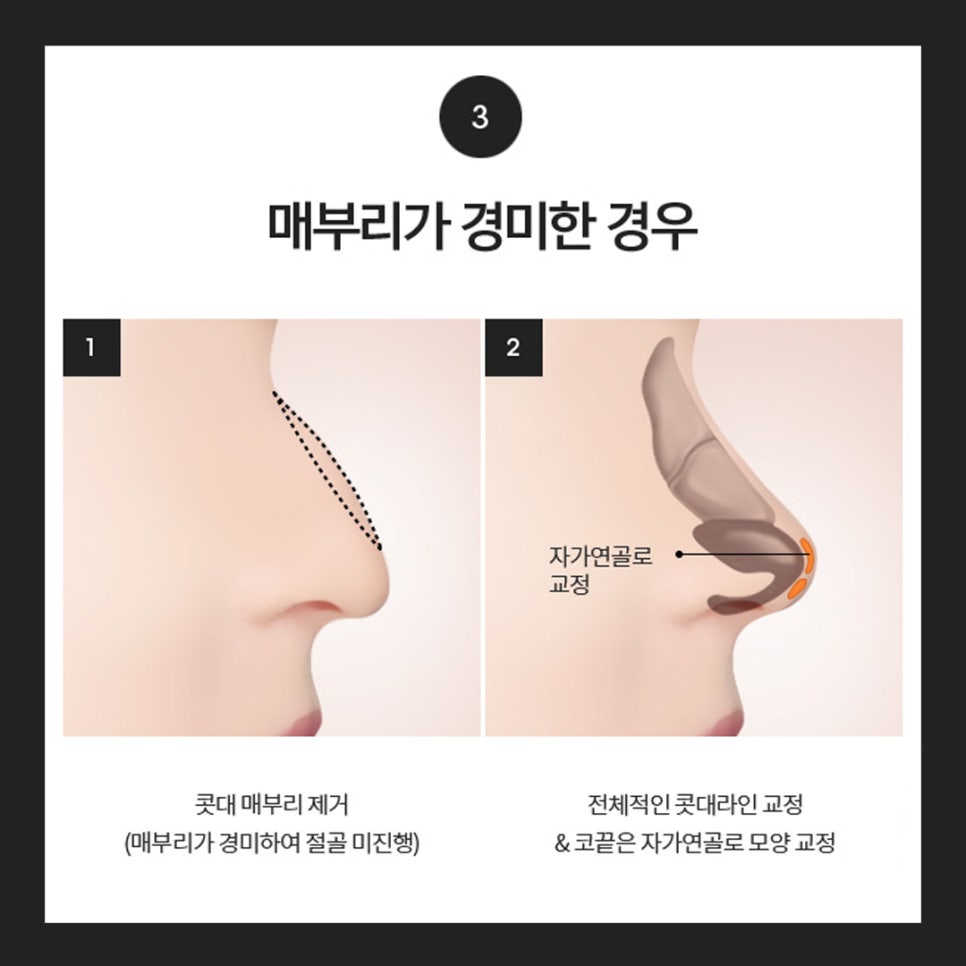
Lastly, when the hump is very mild, the procedure is performed by correcting the overall line without osteotomy.
For hooked nose correction, recurrence can be minimized only by completely removing the hump.
When planning hooked nose surgery, looking at many before-and-after photos can be helpful, but what is most important is checking whether the surgery is performed by an experienced medical team using a method that suits your face and whether they accurately analyze the cause of the hooked nose.
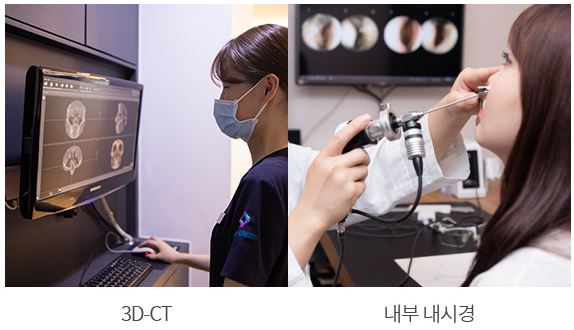
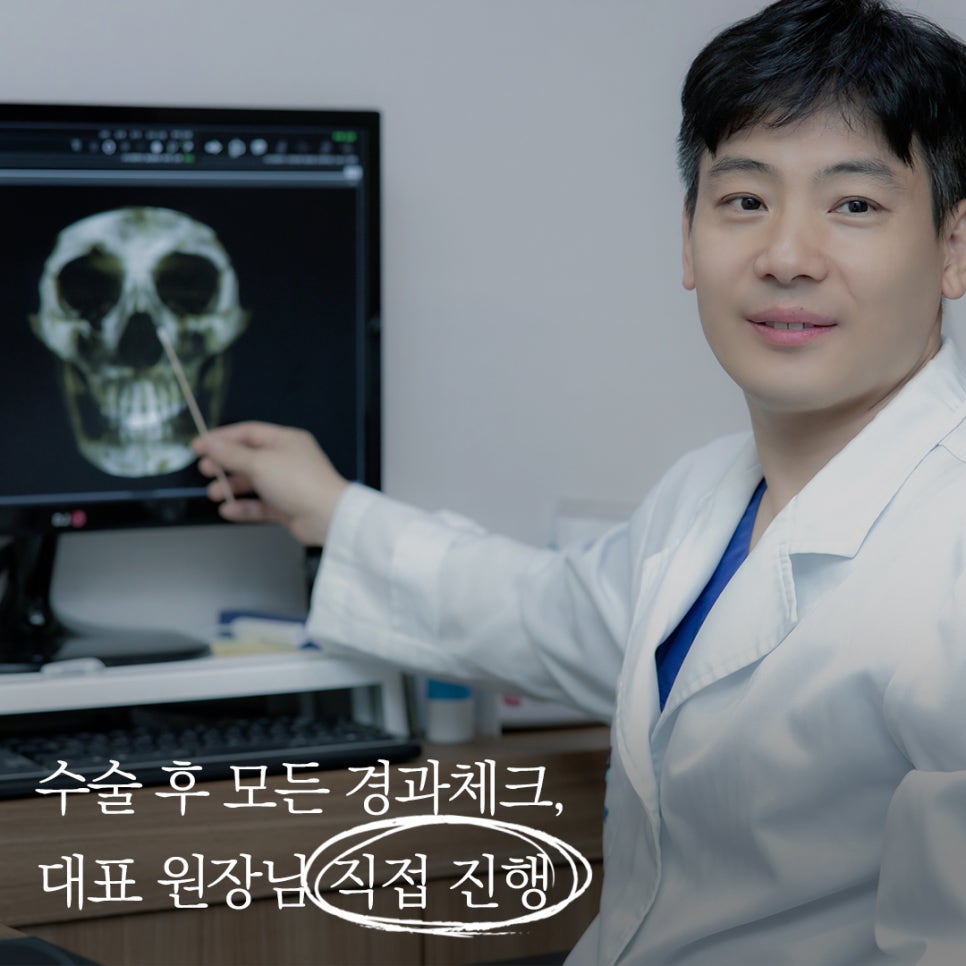
At A+ Clinic, in order to minimize the chance of revision surgery, Director Yun Hyun-cheol personally handles everything from consultation to treatment and follow-up. For individualized surgery, the clinic carefully analyzes the nose condition through endoscopic imaging inside the nose and 3D-CT scans before proceeding with consultation.
See more hooked nose before-and-after photos from A+ Clinic