Nose surgery for rhinitis?
It’s not difficult!
Everything About Functional Nose Surgery
Hello.
I’m Director Yoon Hyun-cheol of A+ Nose Surgery, the last nose surgery of my life.
Today, I’d like to explain in great detail the functional rhinoplasty that customers who visit A+ Nose Surgery ask about most often.
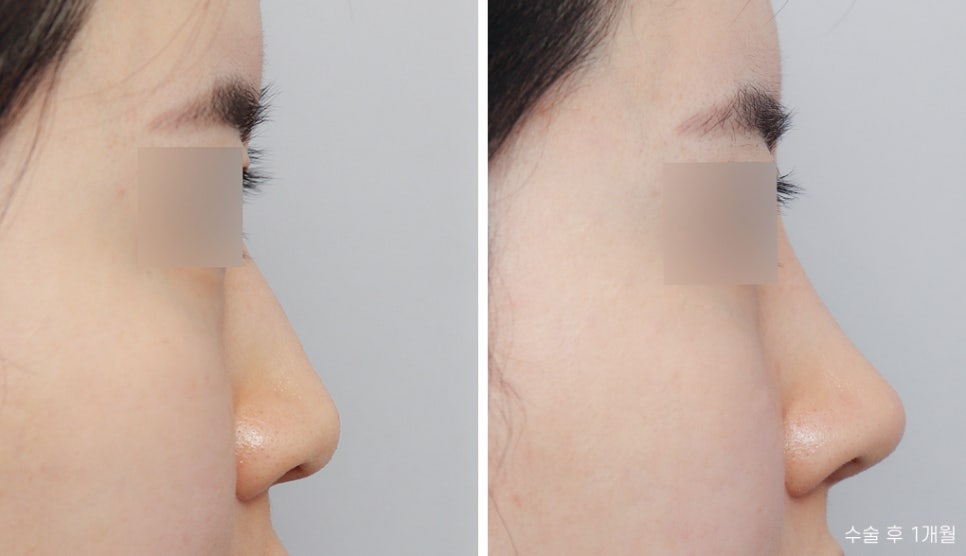
(This is a real case of combined functional and cosmetic nose surgery at A+.)
What is functional rhinoplasty?
It is a procedure that simultaneously performs functional nose surgery to correct various uncomfortable symptoms inside the nose and cosmetic rhinoplasty to improve any areas of the nose shape that the patient feels are lacking.
In short, it is a surgery that can achieve two goals at once!
What are the representative conditions that require functional nose surgery? There are exactly three.
- Rhinitis
- Deviated septum
- Nasal valve stenosis
The first, rhinitis, is broadly classified into allergic rhinitis and structural rhinitis caused by abnormalities in the internal nasal structure.

First, allergic rhinitis is rhinitis that reacts to specific substances such as mites, pollen, food, and dust, so it is highly related to an individual’s constitution.
Allergic rhinitis does not actually improve even if you undergo functional nose surgery!
Unfortunately, for allergic rhinitis, rather than expecting symptom improvement through surgery, consistent medication and health management that can strengthen your own immune system should come first.
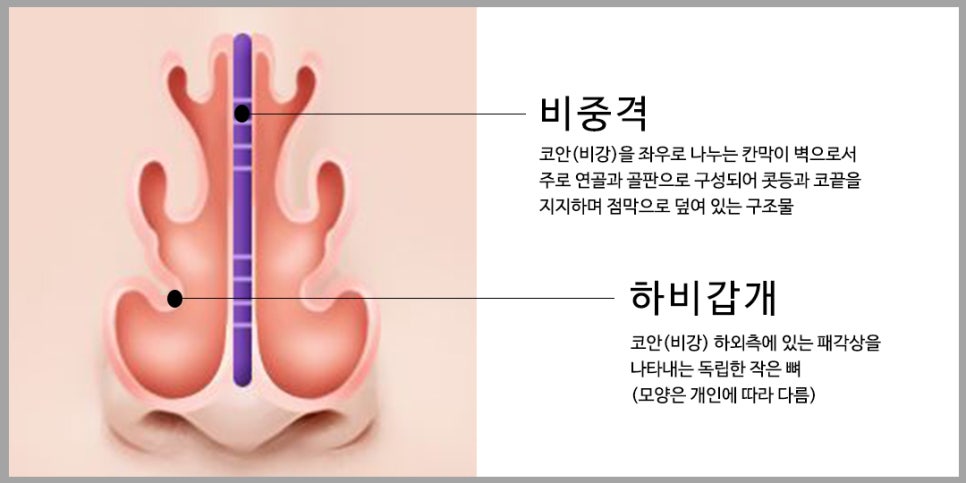
Next is structural rhinitis caused by abnormalities in the internal nasal structure.
In fact, rhinitis caused by structural abnormalities and a deviated septum are the same thing.
Both terms are a bit difficult, but they mean the same thing.
A deviated septum means that the septum is bent, or curved.
The septum is a structure like a partition that divides our nostrils into two.
This septum is not a hard structure; it is made of soft bone, that is, cartilage.
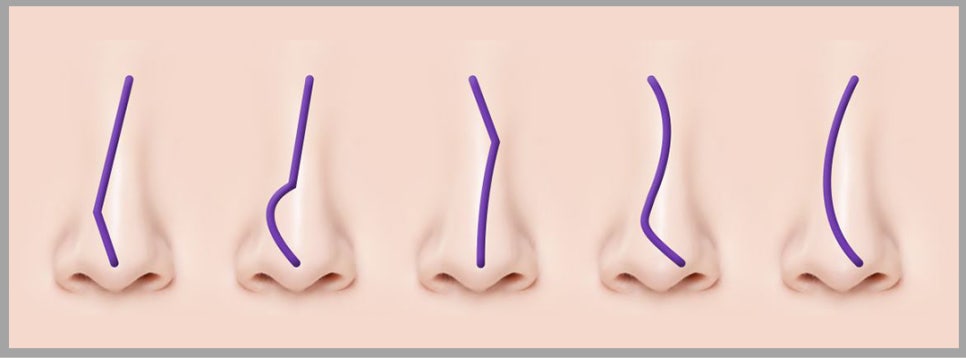
The septal cartilage may be bent congenitally, but in many cases it becomes bent later in life due to external impact.
When a septum that was standing straight becomes bent, one side of the nose becomes wider and the other side becomes narrower, making it difficult to breathe normally through the nose.
In the end, simply because the septal cartilage is bent, breathing becomes uncomfortable, the nose feels blocked, and headaches can even occur.
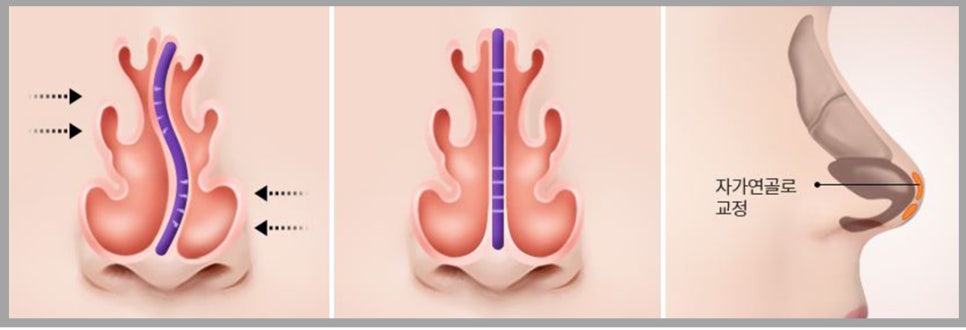
How to address a deviated septum / Correcting it with autologous cartilage
But there is hope!
Structural rhinitis, that is, a deviated septum, can be sufficiently improved through functional nose surgery!
Quite often, people say they heard things like, “Nose surgery for rhinitis recurs easily,” or “It doesn’t help even if you do it.”
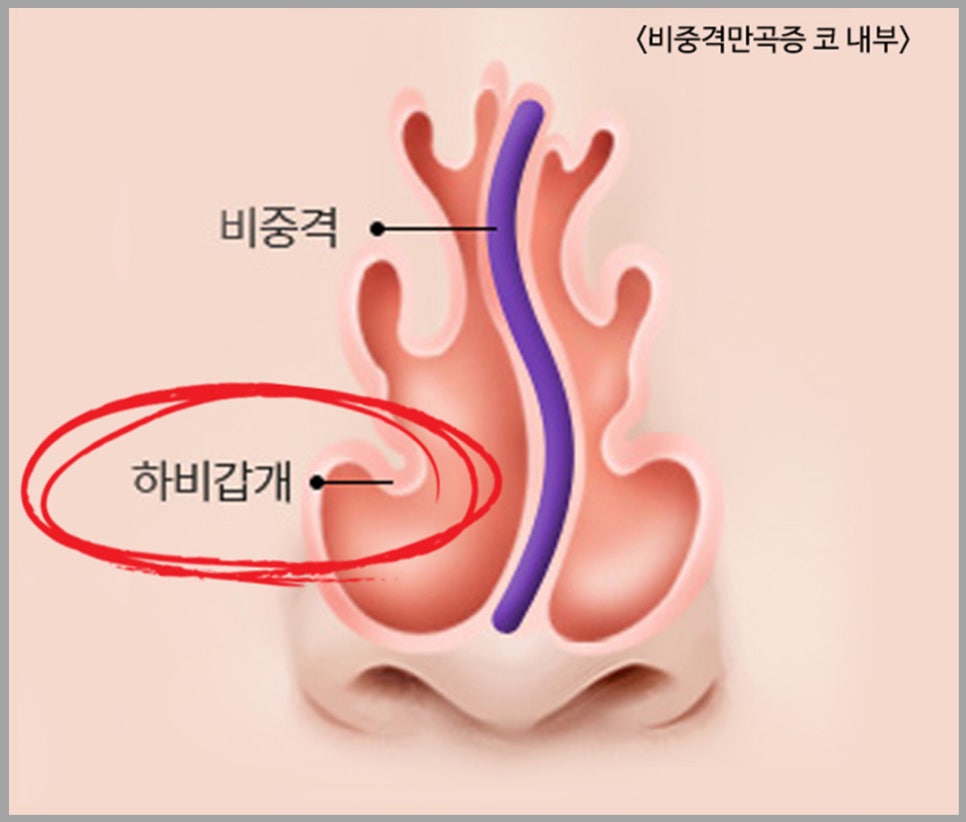
Cases where symptoms recur after surgery are when only the swollen inferior turbinate tissue inside the nose is removed, or when surgery is performed only to reduce its size using radiofrequency or a laser.
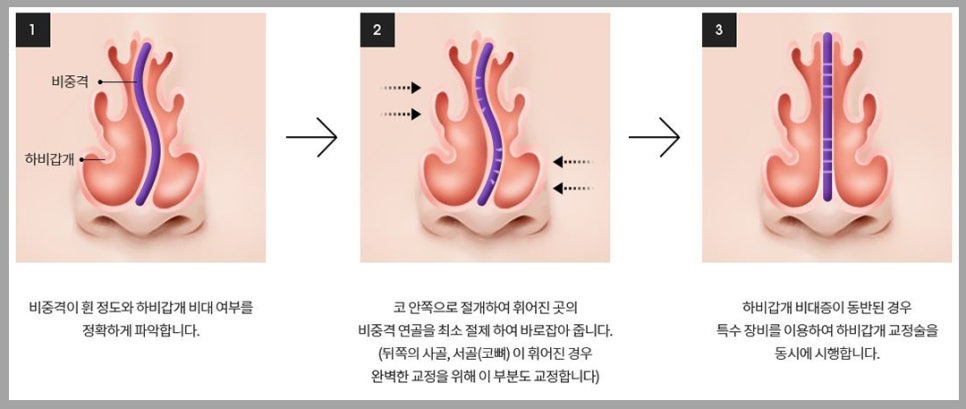
As shown in the image above, if septoplasty is also performed to properly and straightly correct the bent septum, rhinitis rarely recurs, so there is no need to worry!
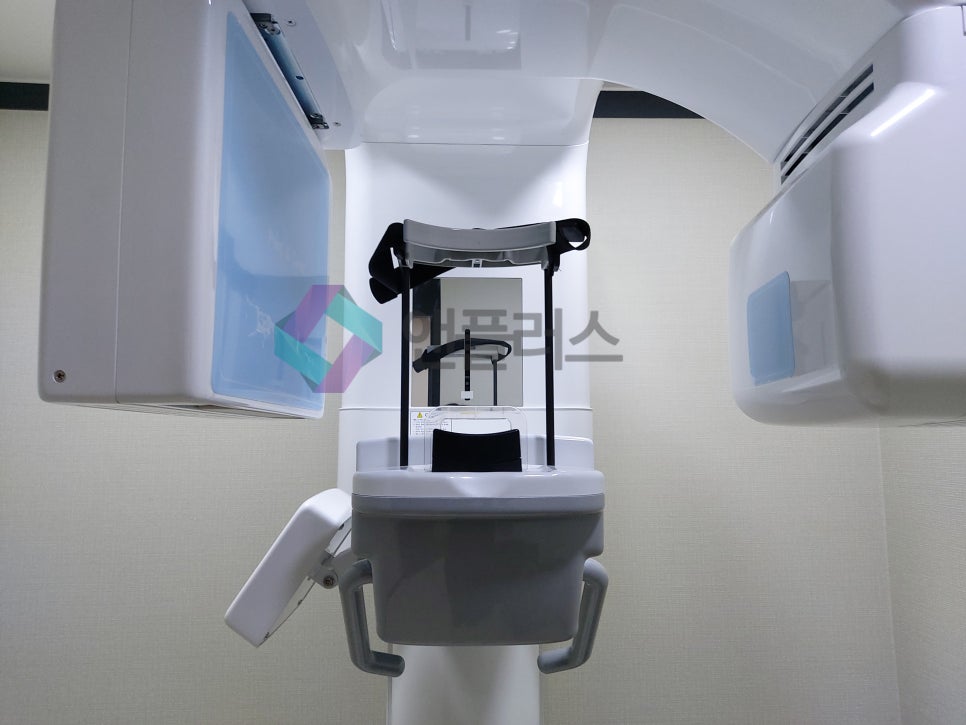
If you are not sure whether you have structural rhinitis,
you can visit a nearby otolaryngology clinic and get a simple CT scan.
By looking at the CT, you can immediately tell whether your septum is bent or not.
Lastly, the third representative condition that requires functional nose surgery is
nasal valve stenosis.
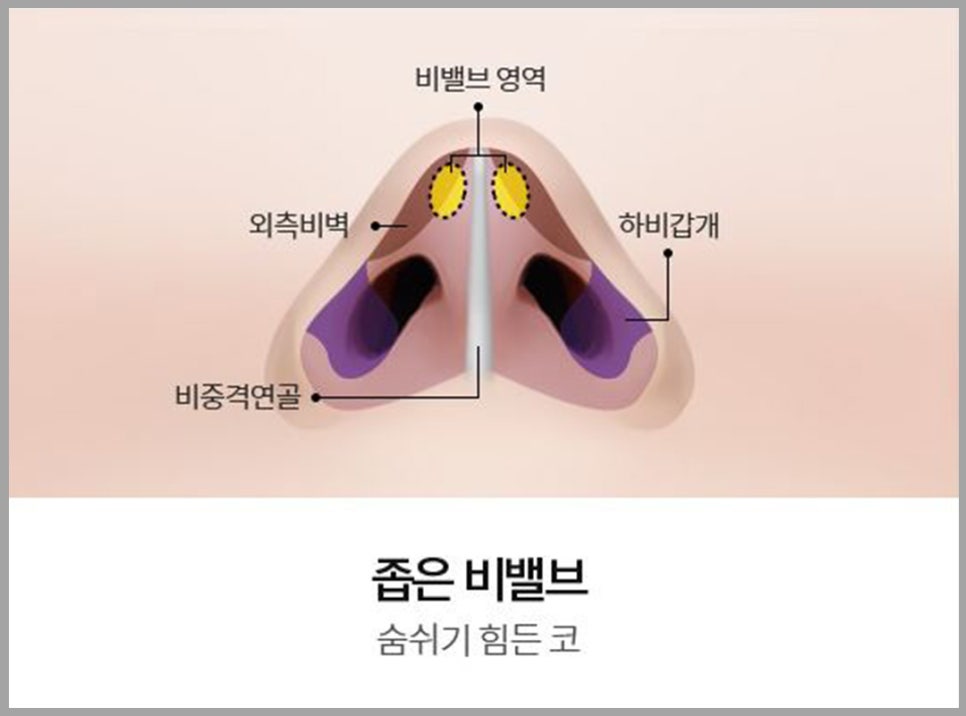
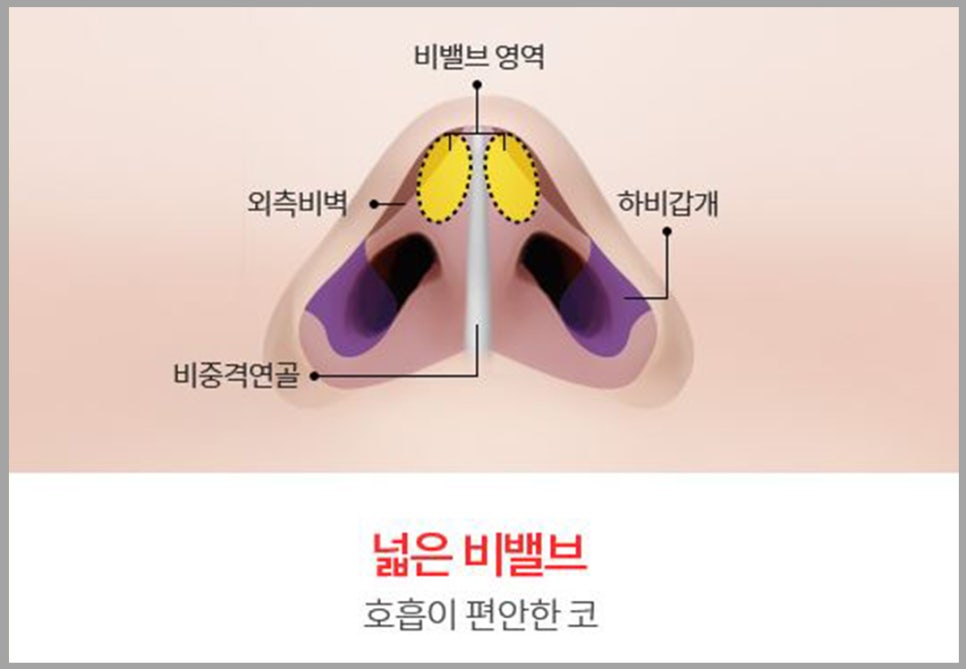
The nasal valve is the area where the septum meets the outer wall of the nose.
Among the pathways through which air passes inside the nose, it is the narrowest.
In fact, it can be said to be the most important part of breathing through the nose.
Nasal valve stenosis means that the nasal valve has become narrower than average.
When this nasal valve becomes narrow, the pathway for breathing through the nose itself becomes narrow, which can feel very stuffy.
So, the surgery that widens the nasal valve is nasal valve correction surgery.
If you previously had surgery for a deviated septum,
but nasal congestion symptoms still continue, there is a 99% chance that the problem is with the nasal valve.
If cosmetic surgery is performed without improving these internal nasal symptoms, nasal congestion may become even more severe after surgery, or the septum, which serves as the internal support structure, may weaken, causing the nose to become progressively more bent. So you must be careful.
Above all, when performing functional nose surgery, it is common to straighten the septum and trim away any excess cartilage.
And the excess septal cartilage that is trimmed away at this time is actually the very material used in cosmetic rhinoplasty to raise the nasal tip.
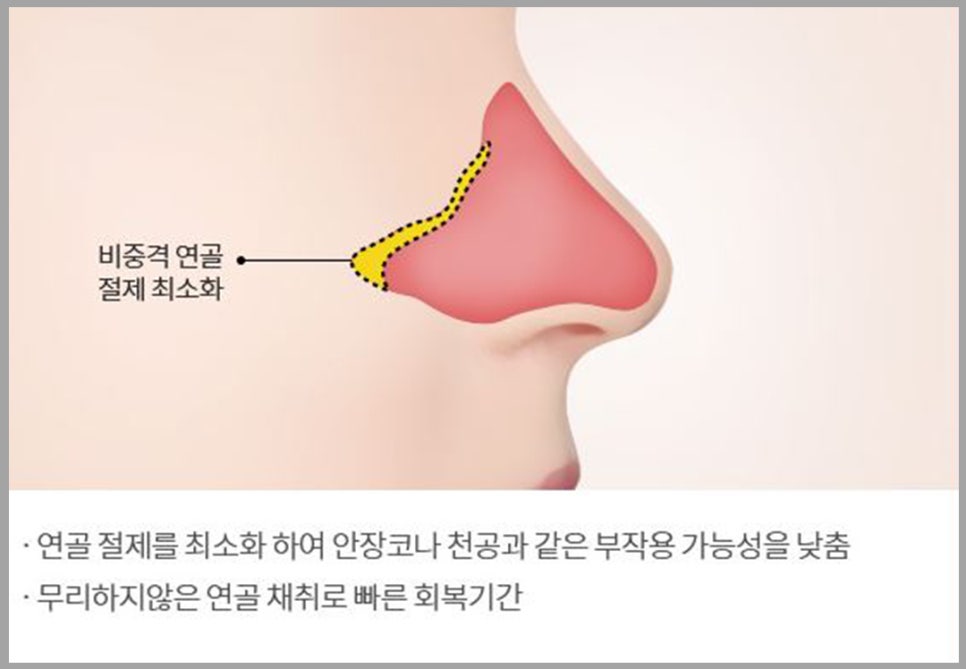
In the end, if functional nose surgery produces leftover septal cartilage and that cartilage can be used to slightly correct the height of the nasal tip, that is truly the best possible condition.
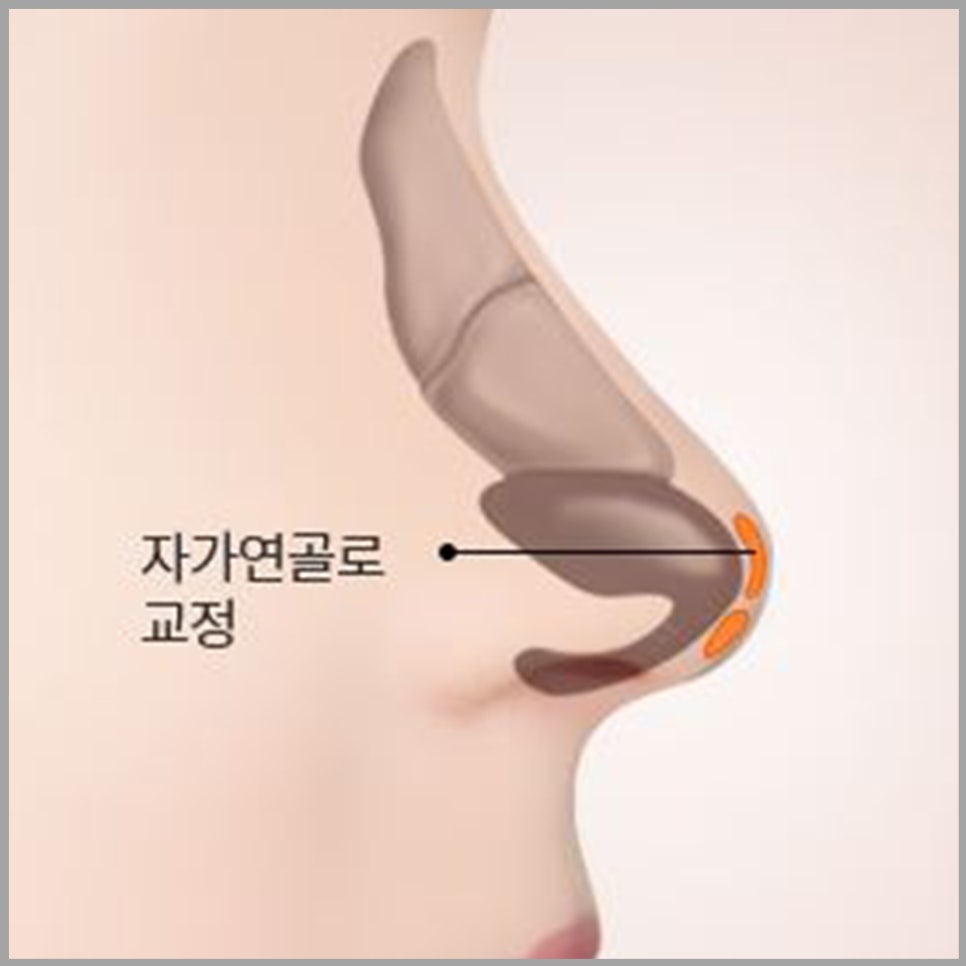
It is a very worthwhile surgery that can resolve functional problems inside the nose while also adding cosmetic beauty to the outside.
That concludes our look at functional rhinoplasty.
I hope this article is very helpful to those who are considering functional rhinoplasty in the future.
Thank you!