
Hello. These days, as the seasonal transition approaches, rhinitis symptoms are becoming more common.
Allergic rhinitis is the most common,
and although allergic rhinitis can be improved with medication,
if treatment is delayed, it may develop into chronic rhinitis.
The nose is a very important part of our body for smell and breathing.
However, if symptoms such as nasal congestion appear due to conditions like rhinitis,
it is important to identify the exact cause before it gets worse,
and carry out appropriate treatment or surgery accordingly
to prevent further worsening.

If symptoms persist for more than two weeks regardless of the surrounding environment,
an internal structural deformity may be the cause,
so it is best to analyze the inside of the nose, receive treatment or surgery,
and treat it before chronic rhinitis develops.
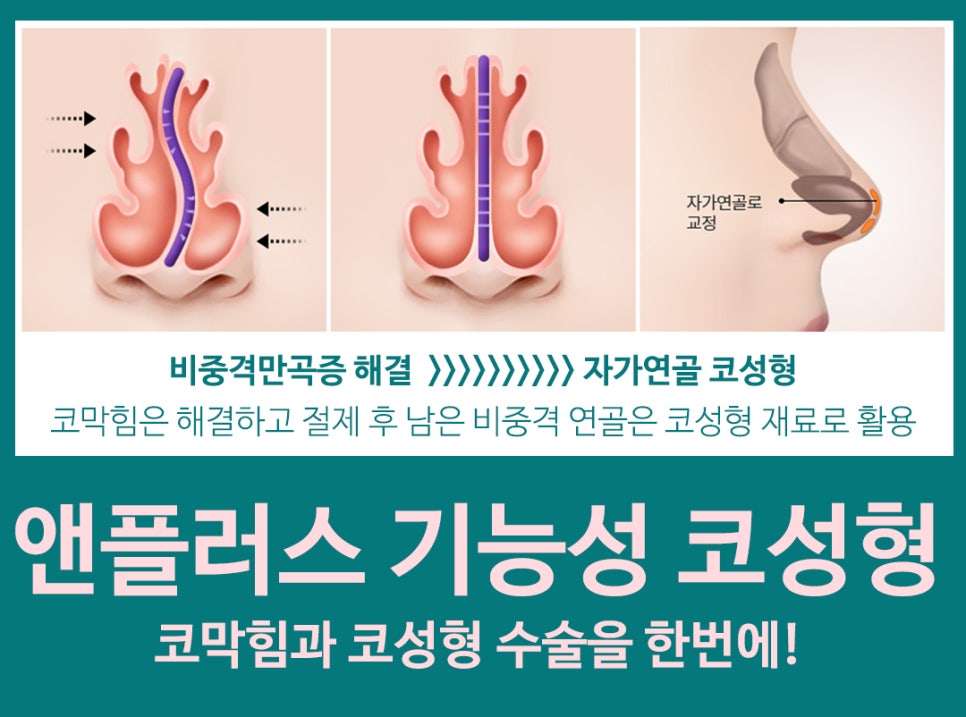
Rhinitis can easily occur due to inflammation inside the nose,
but it can also be a phenomenon caused by internal structural deformity.
If inflammation develops inside the nose, the passage for airflow becomes narrower,
which interferes with normal breathing and smelling,
and can even cause discomfort while sleeping.
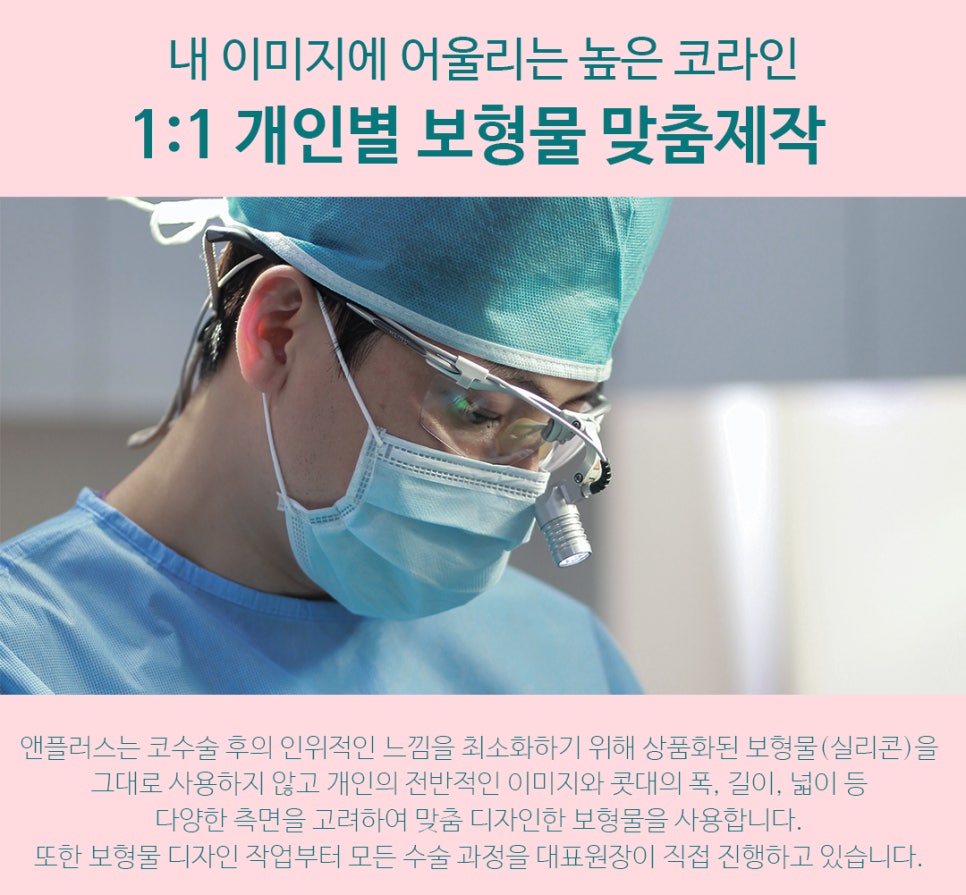
Therefore, because each person’s characteristics and causes are different, you should analyze the appropriate methods and causes
and find a place that provides treatment and surgery suited to them.

Also, when undergoing rhinitis treatment or surgery, did you know that rhinitis medical expense coverage may be applicable?
Many people considering functional nose surgery often feel burdened by the cost.
This may be because rhinitis surgery and cosmetic rhinoplasty are performed at the same time.
Rhinitis medical expense coverage has different reimbursement standards depending on each person’s nasal condition and diagnosis, or the standards of the insurance company they have joined,
but typically, about 80–90% of the surgery cost can be reimbursed through rhinitis medical expense coverage,
so you can take care of your nasal health and reduce the financial burden as well.
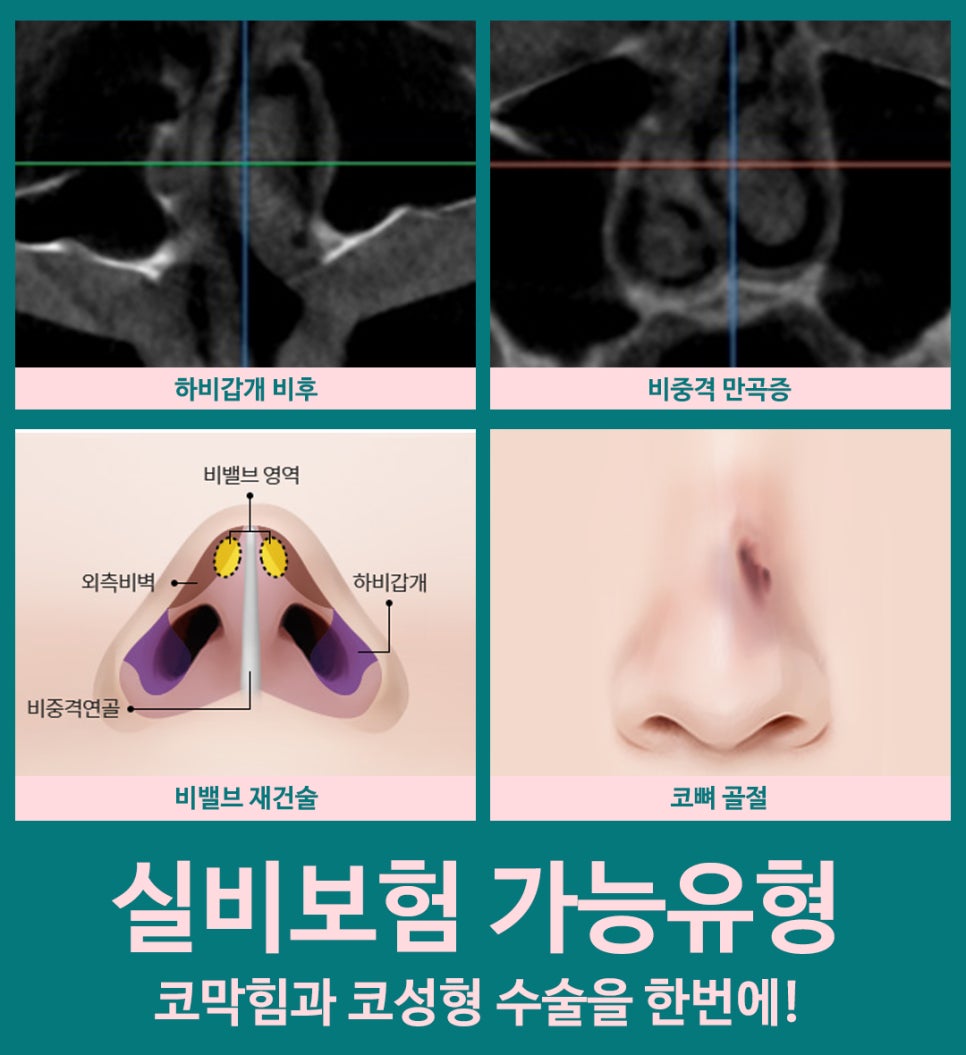
What types are eligible for rhinitis medical expense insurance claims?
-
Rhinitis nose surgery
-
Deviated septum
-
Nasal valve reconstruction
-
Nasal bone fracture
If even one of the above cases is performed, you can file a rhinitis medical expense insurance claim.
Therefore, if you suspect any of the above symptoms, you can visit an otolaryngology clinic and confirm whether you have the condition,
then receive a diagnosis.
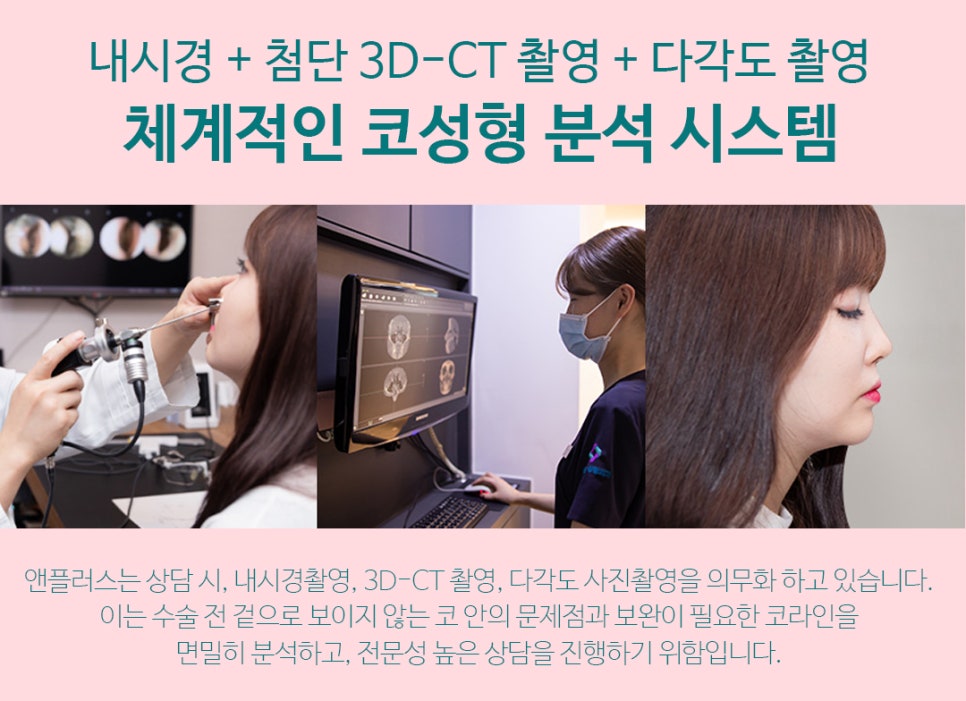
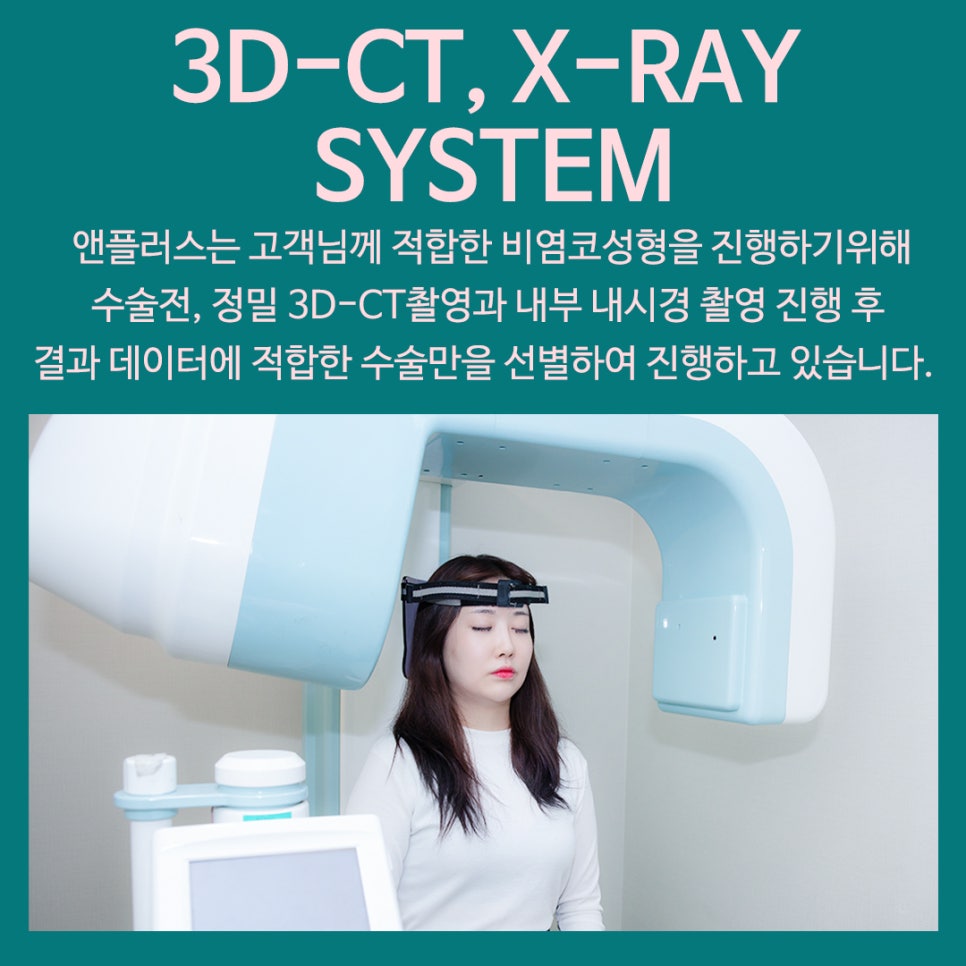
At Nplus, to perform functional nose surgery, we conduct allergy tests, internal endoscopy, and 3D-CT,
and select only the surgeries appropriate for the resulting data before proceeding.

The main symptoms that require rhinitis surgery are a deviated septum and inferior turbinate hypertrophy.
A deviated septum occurs when the septal cartilage inside the nose is bent, causing nasal congestion, headaches, and breathing difficulties,
and inferior turbinate hypertrophy likewise causes nasal congestion because the inferior turbinates on both sides of the nose become enlarged.
In cases of rhinitis caused by inferior turbinate hypertrophy, laser surgery to adjust the width of the inferior turbinates
and rhinoplasty should be performed; conversely, in the case of a deviated septum,
the crooked septum should be corrected first before proceeding with rhinoplasty.
If, during rhinitis nose surgery, the appropriate rhinitis surgery is not performed according to the symptoms,
rhinitis symptoms may not improve at all, and you may even feel that they have worsened.
Therefore, accurately identifying the symptoms and performing only the appropriate surgical method for them is the only way to minimize the possibility of repeat rhinitis surgery.
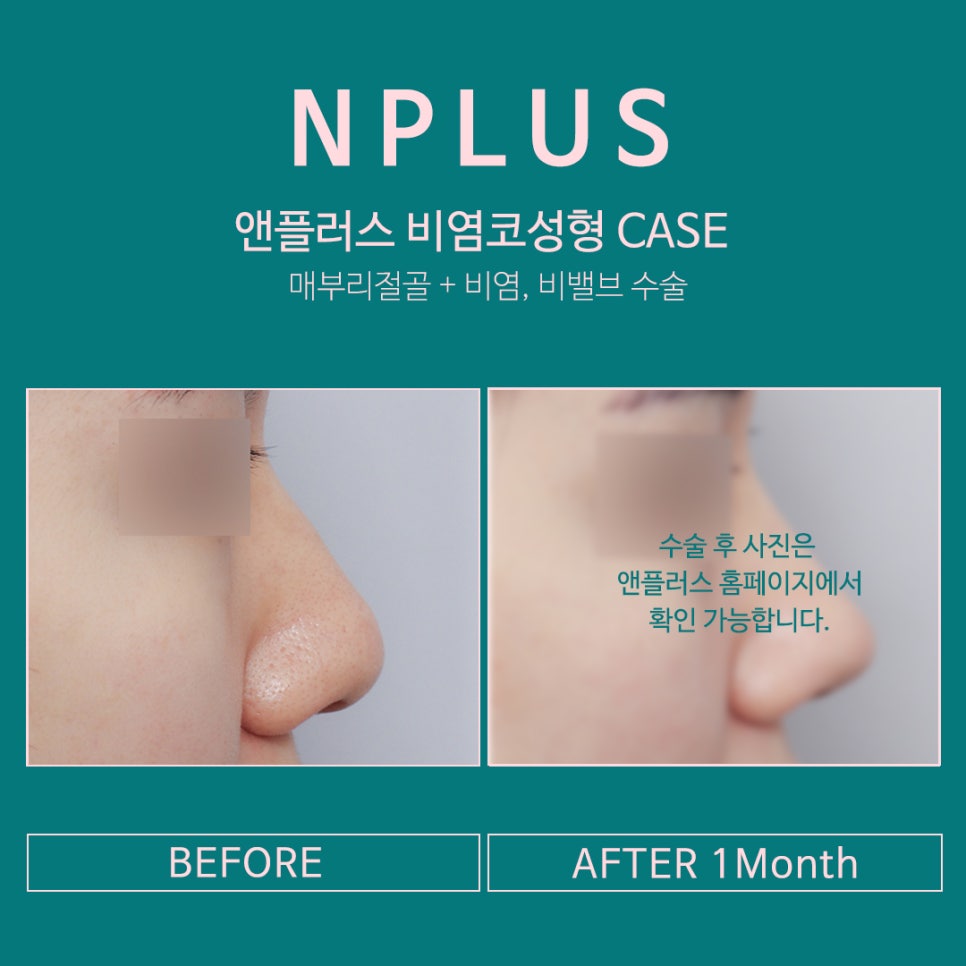
That concludes my explanation of rhinitis medical expense coverage.
I hope this article is very helpful for those preparing for rhinitis nose surgery.
Thank you^^