
Hello. We are OjiKO Plastic Surgery & Anplus Clinic, focused solely on your healthy and beautiful nose.
This time, we would like to introduce a rhinoplasty review using autologous cartilage.

Our nose is located at the center of the face, so when viewed from the front or side, it is one of the most prominent features.
Because it plays an important role in balancing the face, more and more people are seeking improvement for a low nose or a bulbous nose.
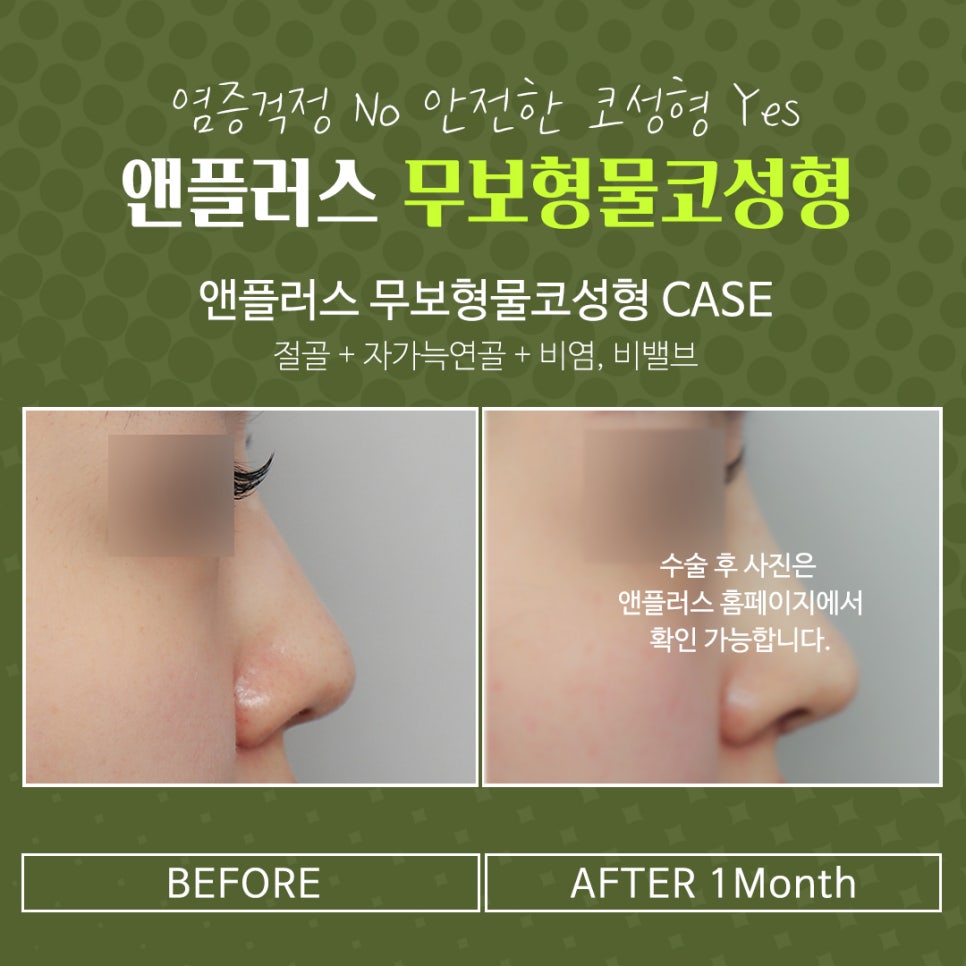
(The image above is a real rhinoplasty review using autologous cartilage from Anplus Clinic.)
However, because it is also the center of the face and an organ responsible for breathing and smell, many people carefully look for rhinoplasty reviews using autologous cartilage.

However, even those who first approached surgery with a focus only on appearance and later considered secondary rhinoplasty due to unsatisfactory results, capsular contracture, swelling, or inflammation symptoms are also looking for reviews of rhinoplasty using autologous cartilage.

Because the shape and length of the nose vary from person to person, the surgical method and the materials used will also differ, so this must be decided carefully.
Therefore, while it is important to look at a clinic’s rhinoplasty reviews, it is especially important to undergo surgery with a method suited to you based on an accurate diagnosis.
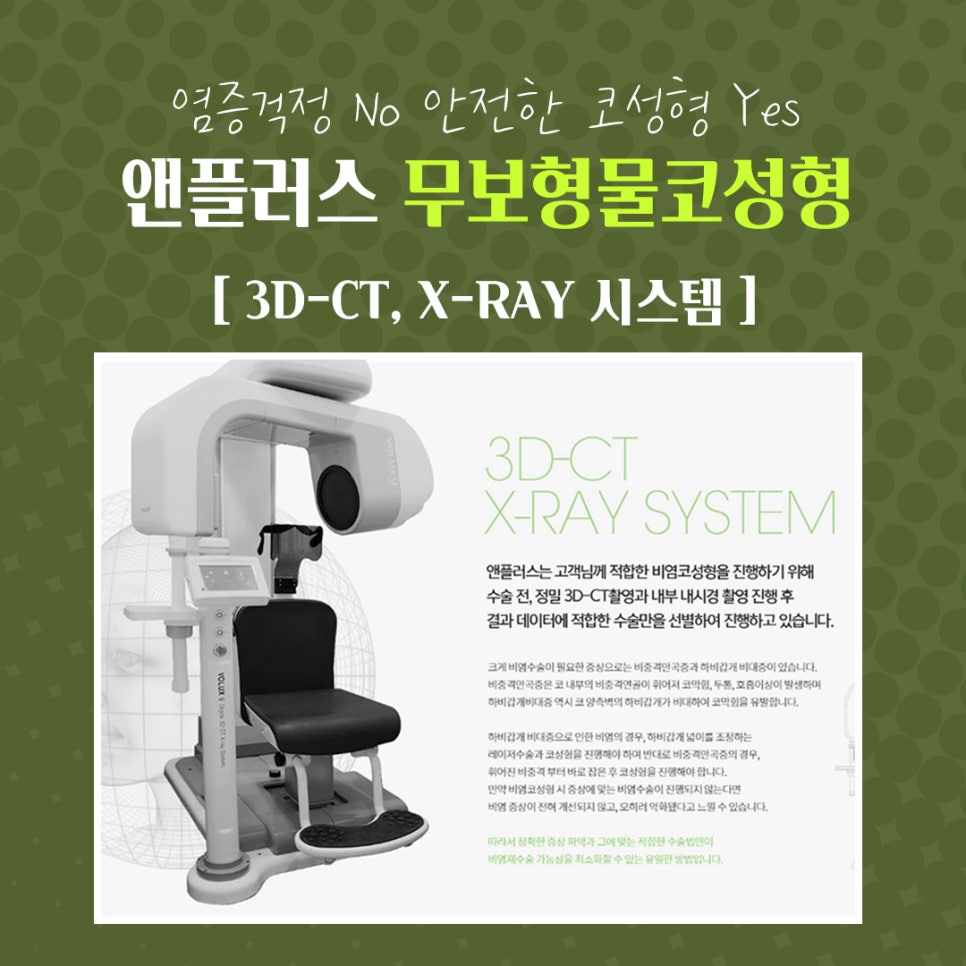
To make an accurate diagnosis, it is necessary to check whether the medical team has extensive knowledge of the nose and is experienced,
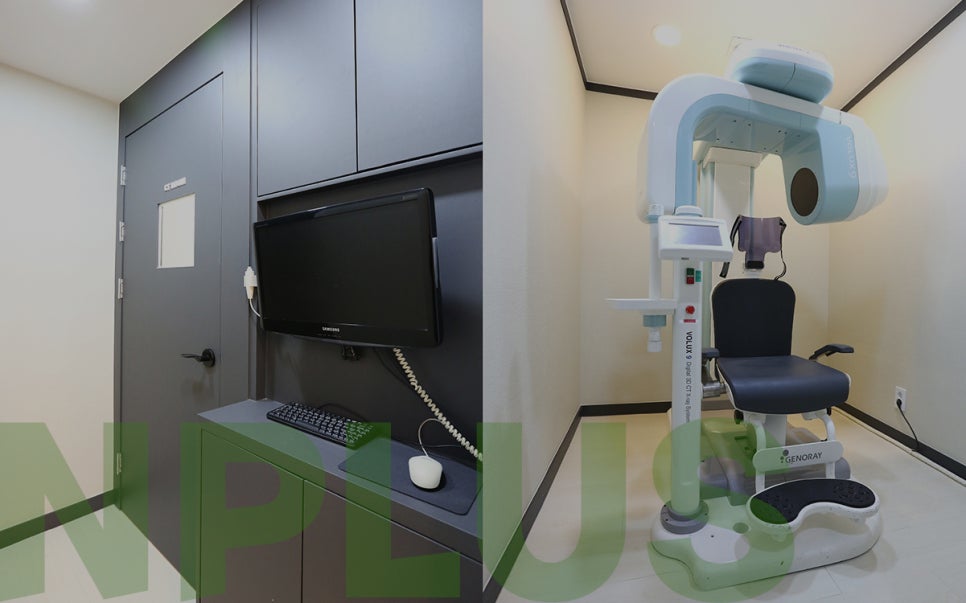
and we recommend proceeding after confirming whether 3D-CT scans and internal endoscopic examinations are performed.
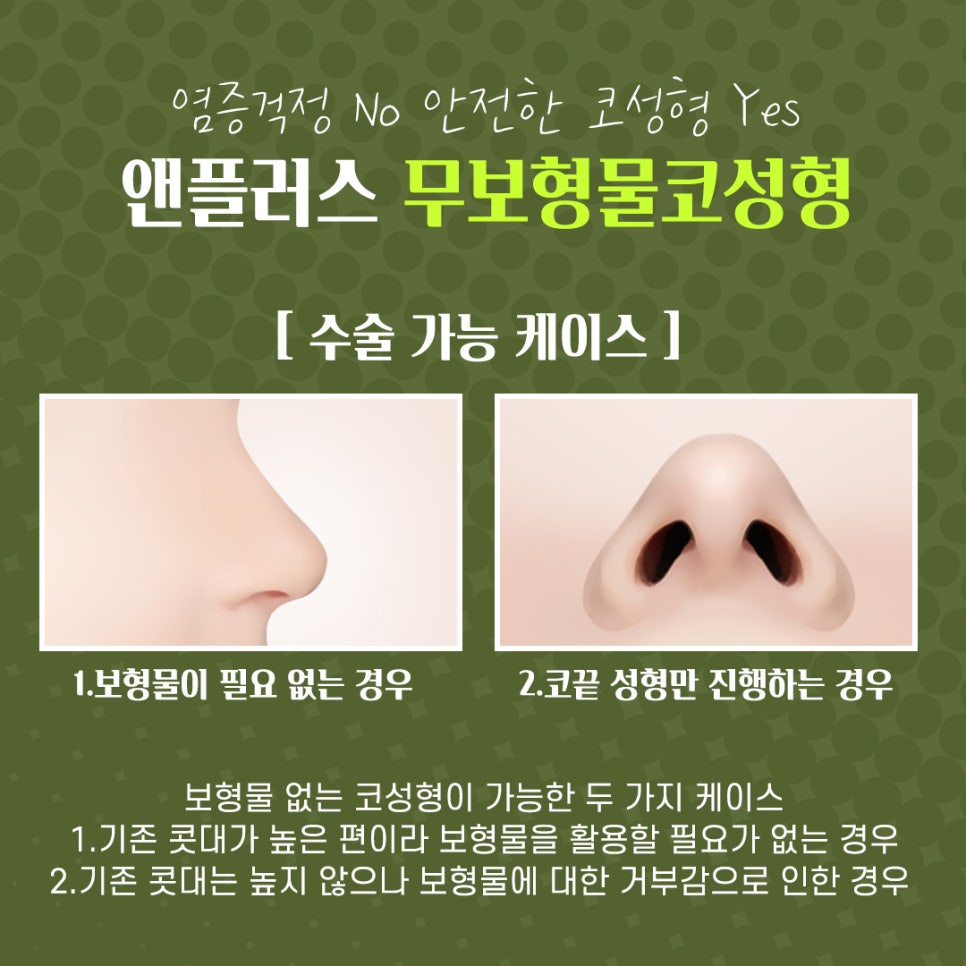
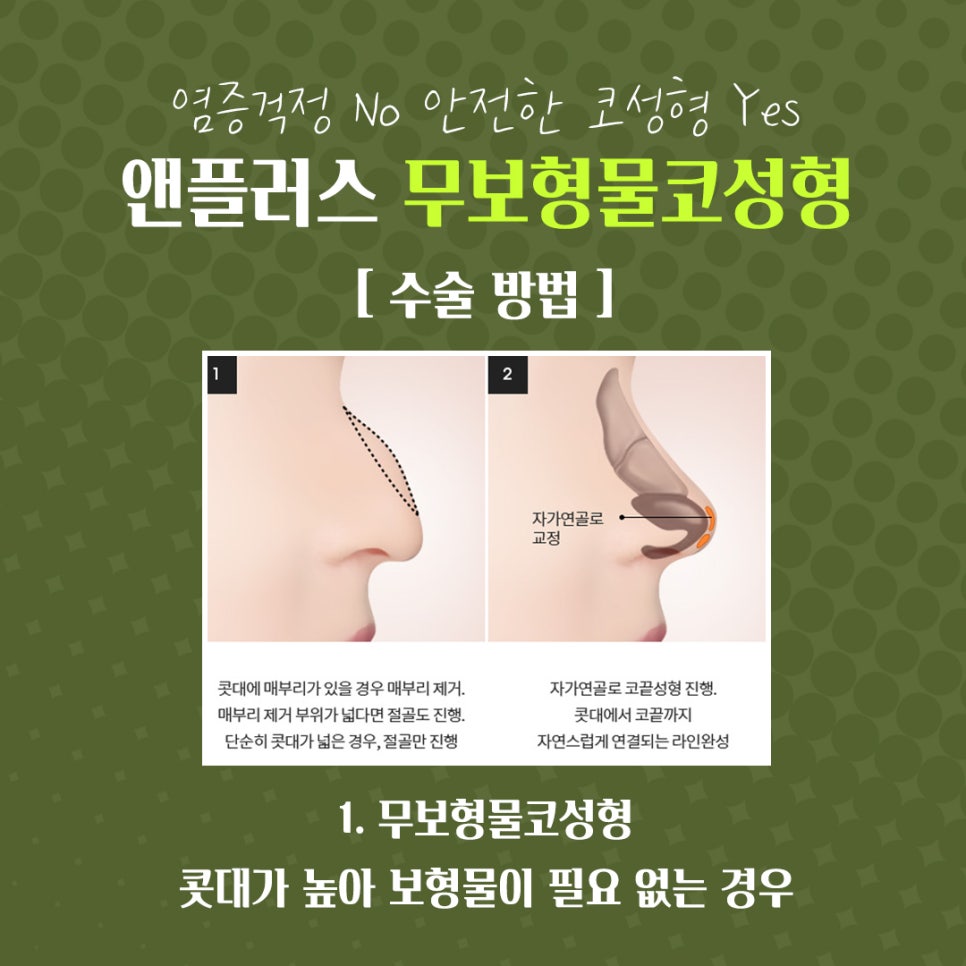
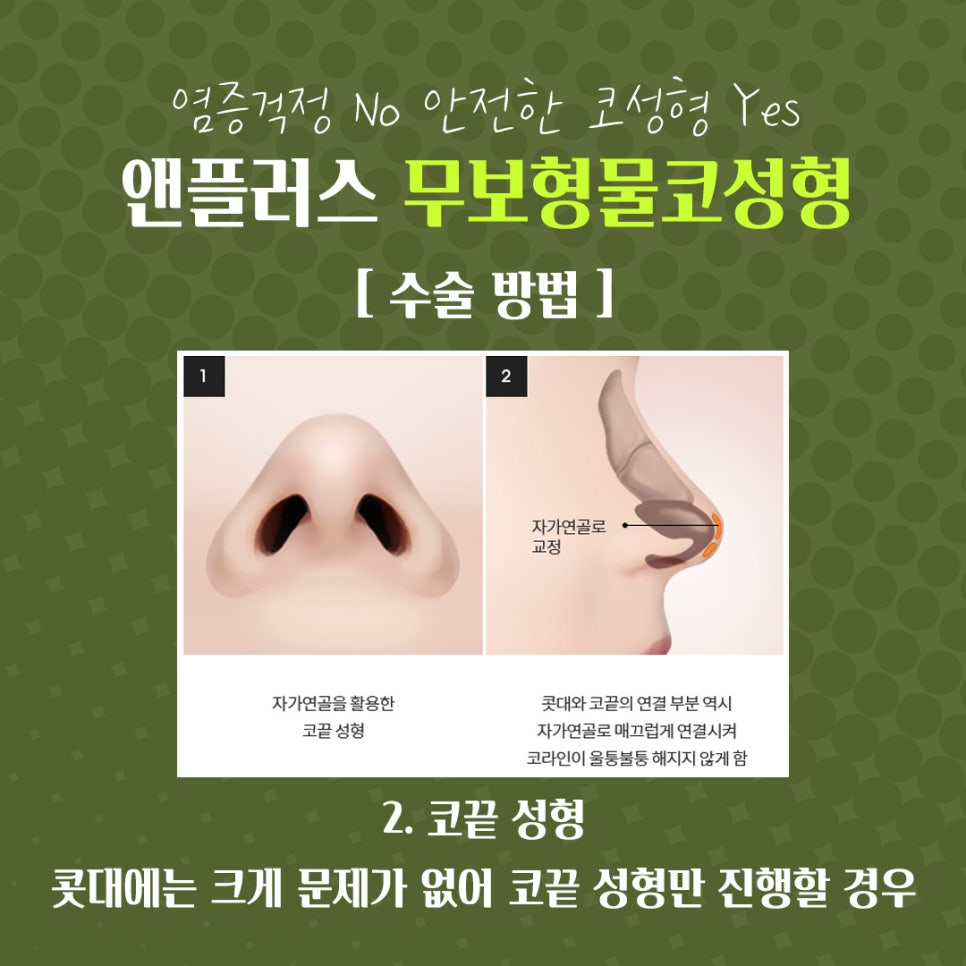
Rhinoplasty using autologous cartilage is a non-implant nose surgery.
Non-implant rhinoplasty is performed without using artificial implants such as silicone or Gore-Tex on the nasal bridge.
When considering rhinoplasty, the biggest concern is inflammation or capsular contracture that may occur after surgery.
In most cases, post-rhinoplasty inflammation comes from the implanted artificial material, so in the case of non-implant rhinoplasty, the likelihood of inflammation is considerably lower.
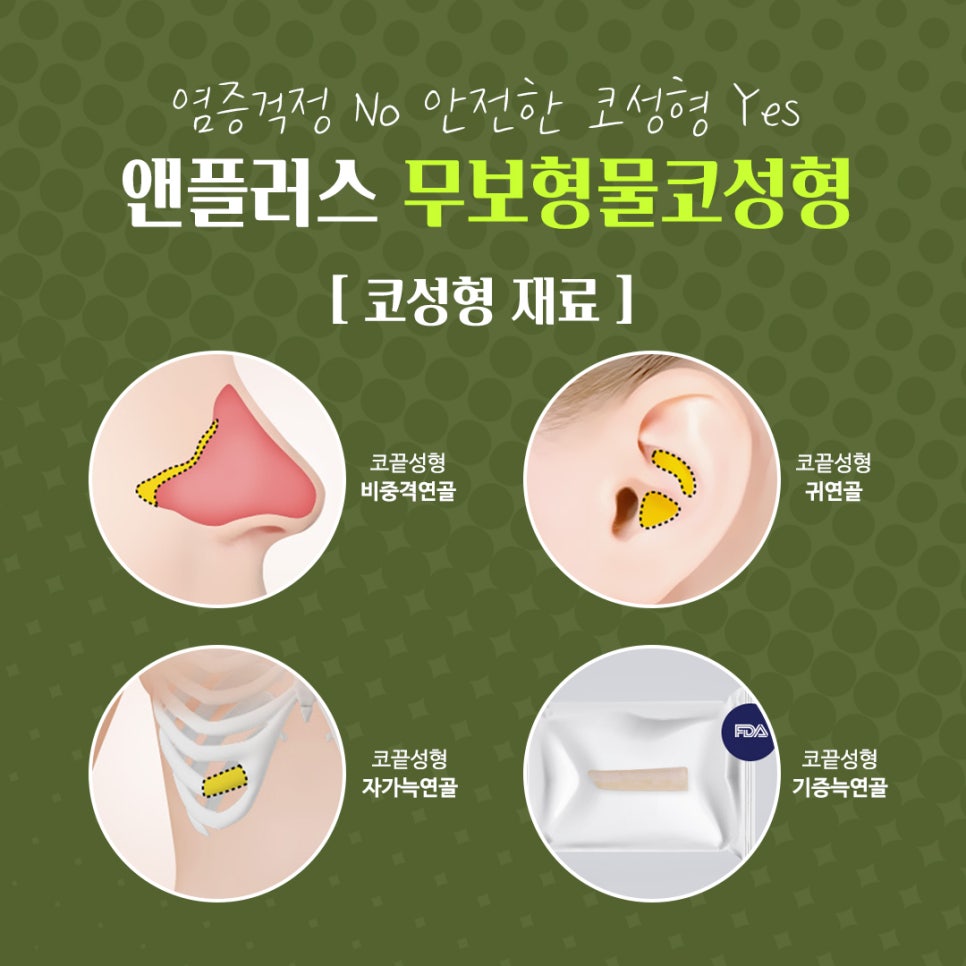
When performing non-implant rhinoplasty, autologous cartilage is harvested and used for the surgery. The autologous cartilage used in this process includes septal cartilage, ear cartilage, and autologous rib cartilage.
- Septal cartilage is the cartilage inside the nose, and it helps create a natural nose shape.
It is also firmer than ear cartilage, so it supports the nose firmly and helps prevent the nasal tip from drooping.
-
Ear cartilage is easy to harvest and helps create a natural, refined nasal tip.
-
Autologous rib cartilage is cartilage located in the ribs. It is used when septal cartilage or ear cartilage is insufficient during surgery,
and although it is generally known to be used often in revision surgery, it is also sometimes used in the first surgery in cases of a short nose.
- Donor rib cartilage is used when harvesting autologous cartilage is difficult. It is approved by the U.S. FDA, is safe, and has undergone special processing,
so the likelihood of a rejection reaction during grafting is low.

Lastly, non-implant rhinoplasty can reduce the overall burden of nasal surgery,
but because the inside of our nose is complex, if you focus on cost or only on cosmetic aspects based on rhinoplasty reviews,
you may cause internal functional problems. Therefore, be sure to check whether the clinic handles everything systematically, from preoperative testing and consultation to the surgical plan and postoperative care,
and whether they explain how autologous cartilage will be used in a way that suits you. Only then can satisfaction after rhinoplasty be improved.
So far, we have looked at a rhinoplasty review using autologous cartilage. If you are considering rhinoplasty but find silicone implants burdensome,
or if you want changes only to the nasal tip, I hope this article has been very helpful. Thank you^^




Previous image
Next image