Nasal Valve Stenosis
A Complete Guide to Nose Surgery Methods

Hello. This is OjiGo N+Plus, focused only on your healthy and beautiful nose.
Today’s topic is nasal valve stenosis and nose surgery methods for nasal valve stenosis.
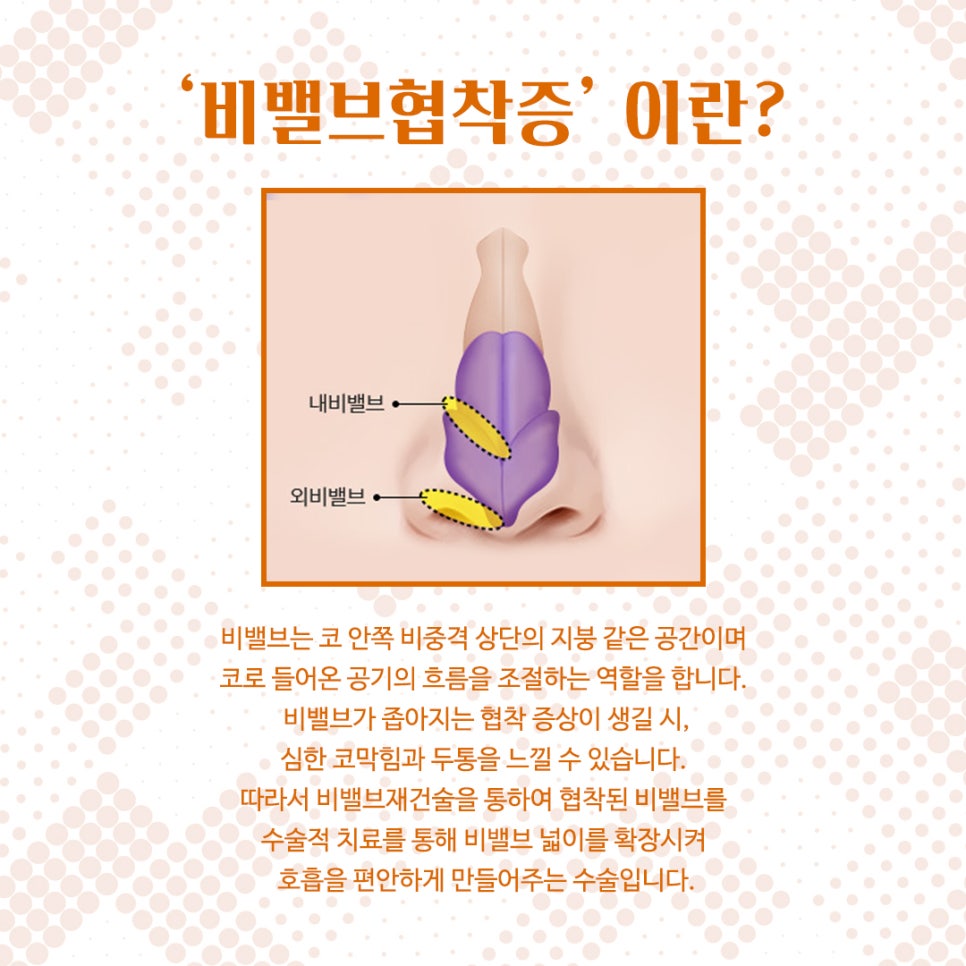
What is nasal valve stenosis?
The nasal valve is the roof-like space at the upper part of the nasal septum inside the nose, and it plays a role in controlling the flow of air returning through the nose.
When narrowing of the nasal valve occurs, you may experience severe nasal congestion and headaches.
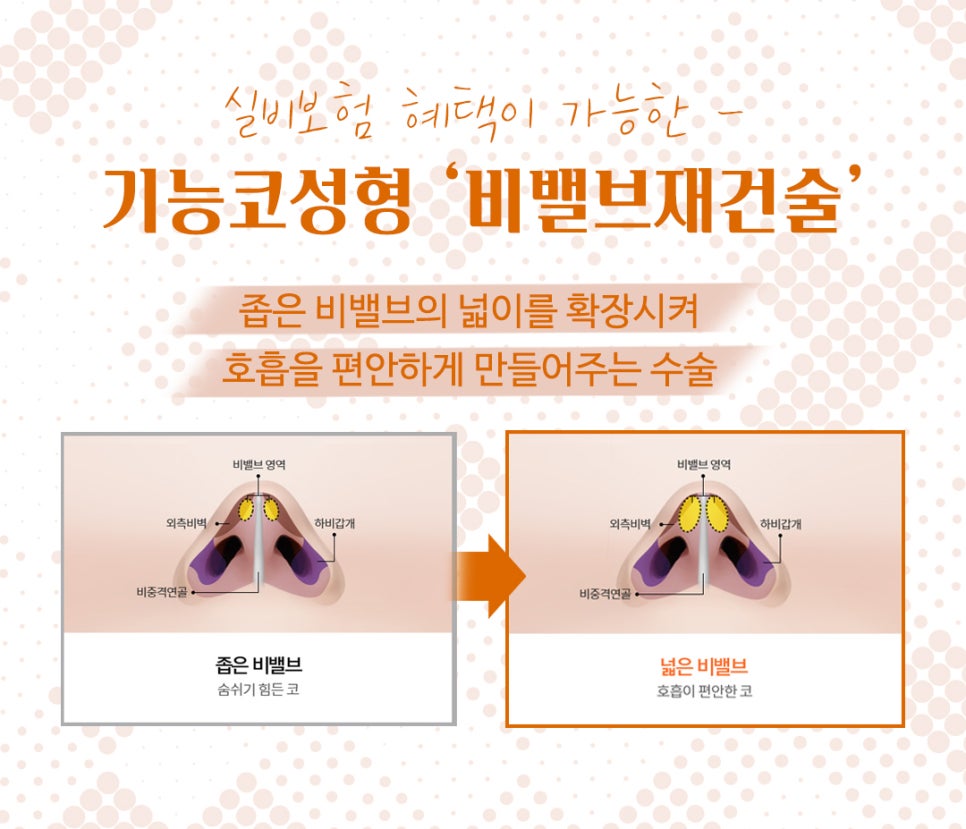
Therefore, through nasal valve reconstruction, the narrowed nasal valve is surgically treated to widen the nasal valve area
and make breathing more comfortable.
In particular, the nose is located at the center of our face, making it an important part that determines one’s impression and image.
A crooked nasal bridge, or a blunt or large nose, disrupts facial balance and affects the overall image.
However, even a slight external change to the nose can have a significant effect on improving one’s image, so interest in nose surgery methods is increasing.
The nose has a major external impact, but internally it is also an organ responsible for breathing and smell, so it should be carefully looked after as well.

Therefore, if nasal congestion appears due to rhinitis, various conditions may be involved.
In the case of allergic rhinitis, which many people are familiar with, it is difficult to treat with surgical help alone,
while rhinitis caused by structural changes inside the nose can also be resolved through surgery.
Broadly speaking, rhinitis caused by internal structural deformities includes deviated septum, inferior turbinate hypertrophy, and nasal valve stenosis.
The common symptom above is nasal congestion. At this time, if the correct surgery is not performed to improve the symptoms,
nasal congestion may not improve at all and may even feel worse.
Therefore, only when an accurate diagnosis of the symptoms is made and the appropriate nose surgery method is performed can the possibility of needing revision rhinitis surgery be minimized.
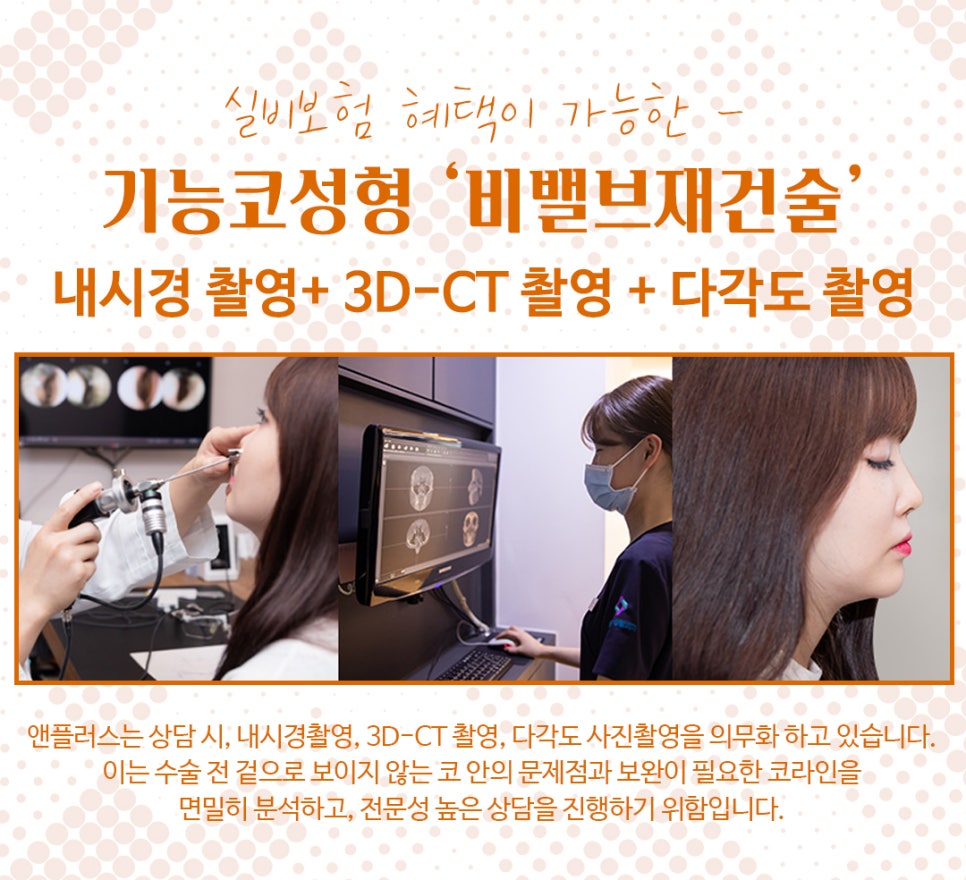
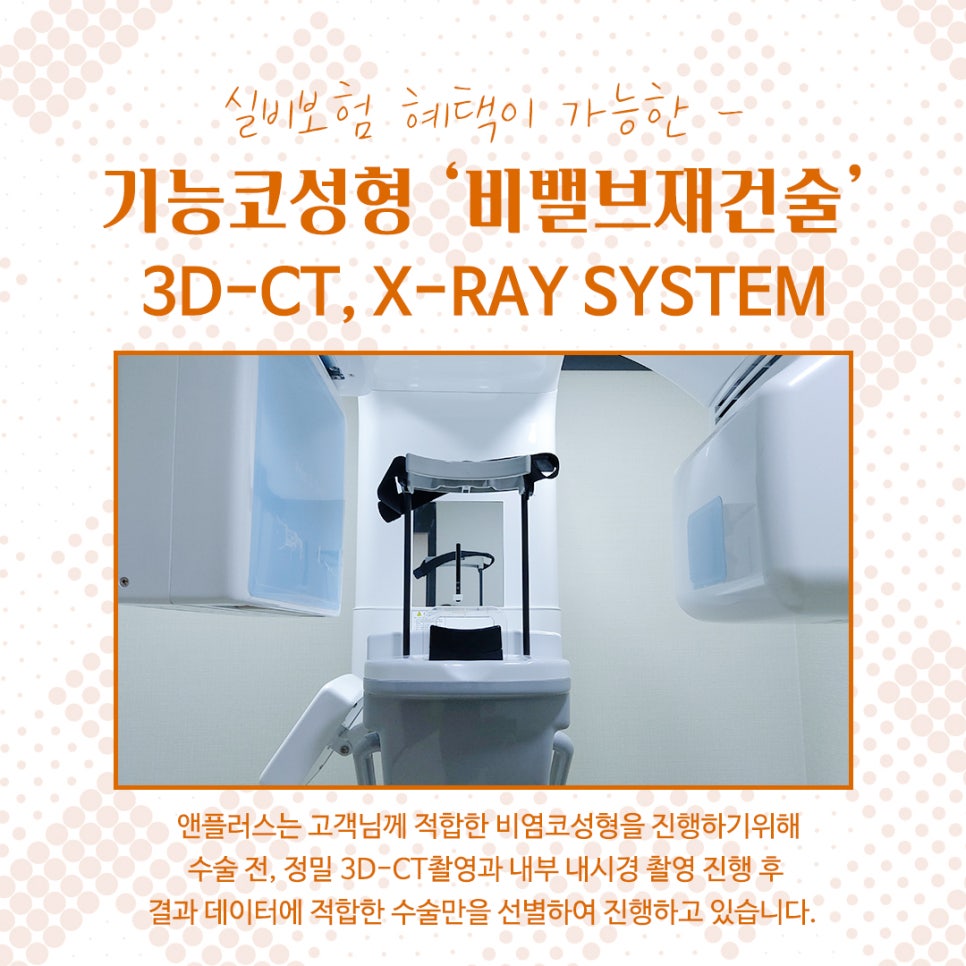
At N+Plus, to perform functional rhinoplasty, we conduct allergy testing, internal endoscopic imaging, and 3D-CT scanning
to select and perform only the nose surgery methods that are suitable for the resulting data.

Because it is difficult to determine the presence of disease with the naked eye, if nasal congestion persists regardless of medication treatment or the season or whether there are allergies,
the cause may be a deviated septum or nasal valve stenosis.
In addition, if nasal congestion continues even after rhinitis surgery, there is a high likelihood of nasal valve stenosis.
Therefore, you can check it right away through 3D-CT imaging at a nearby otolaryngology clinic.
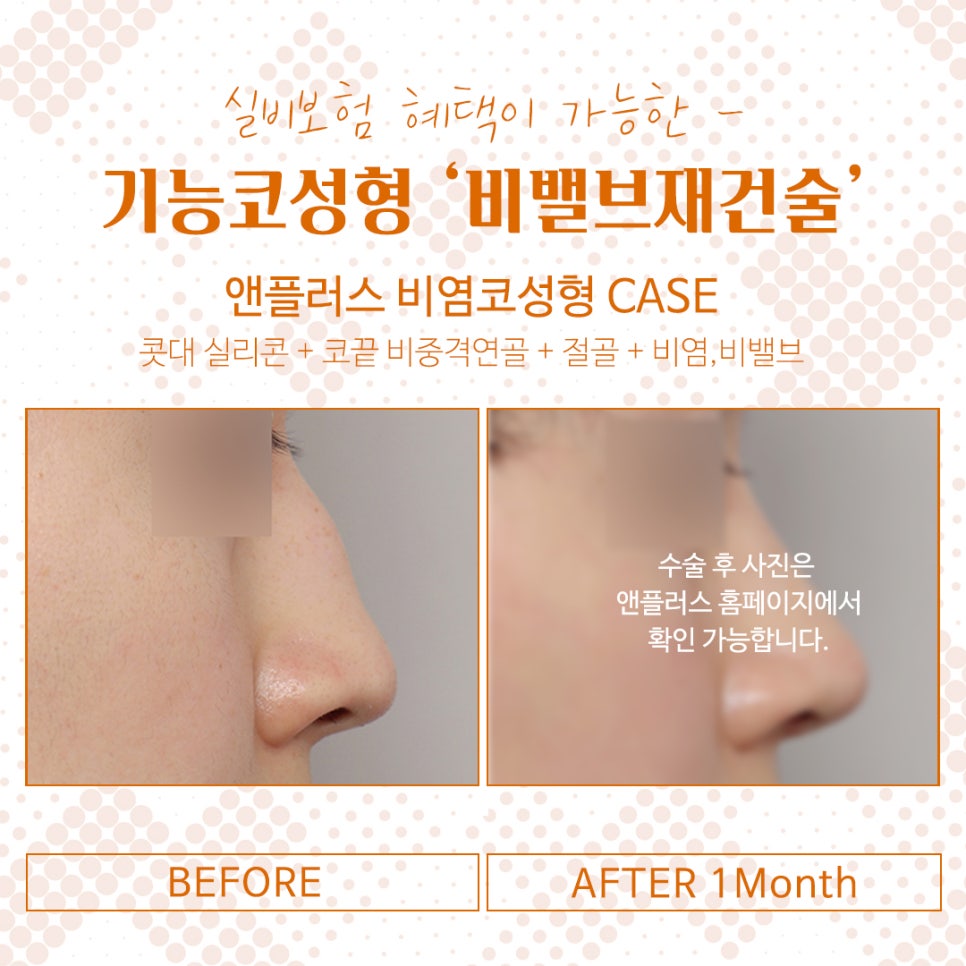
At N+Plus, we perform 1:1 customized nose surgery methods suited to the structure of nasal valve stenosis.
Depending on the degree of nasal valve stenosis, we divide the necessary nose surgery methods by type and perform customized surgery.
The nose surgery methods for nasal valve stenosis include:
-
Spreader grafting, which can widen the nasal valve simply
-
Butterfly grafting, in which cartilage is grafted in an overlapping form that folds the upper lateral cartilage inward
-
Upper spreader grafting, in which the nasal mucosa is separated and cartilage is layered between them
-
Suspension suturing, which uses thread to pull inward and tie
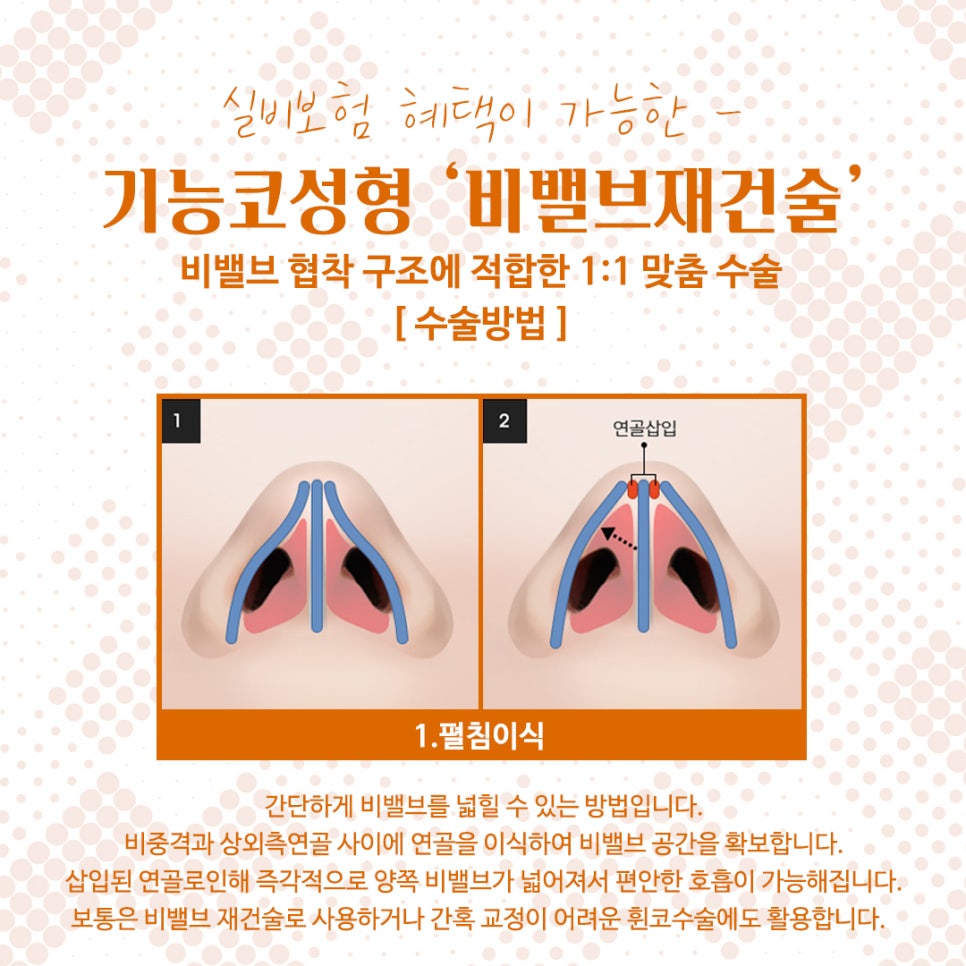
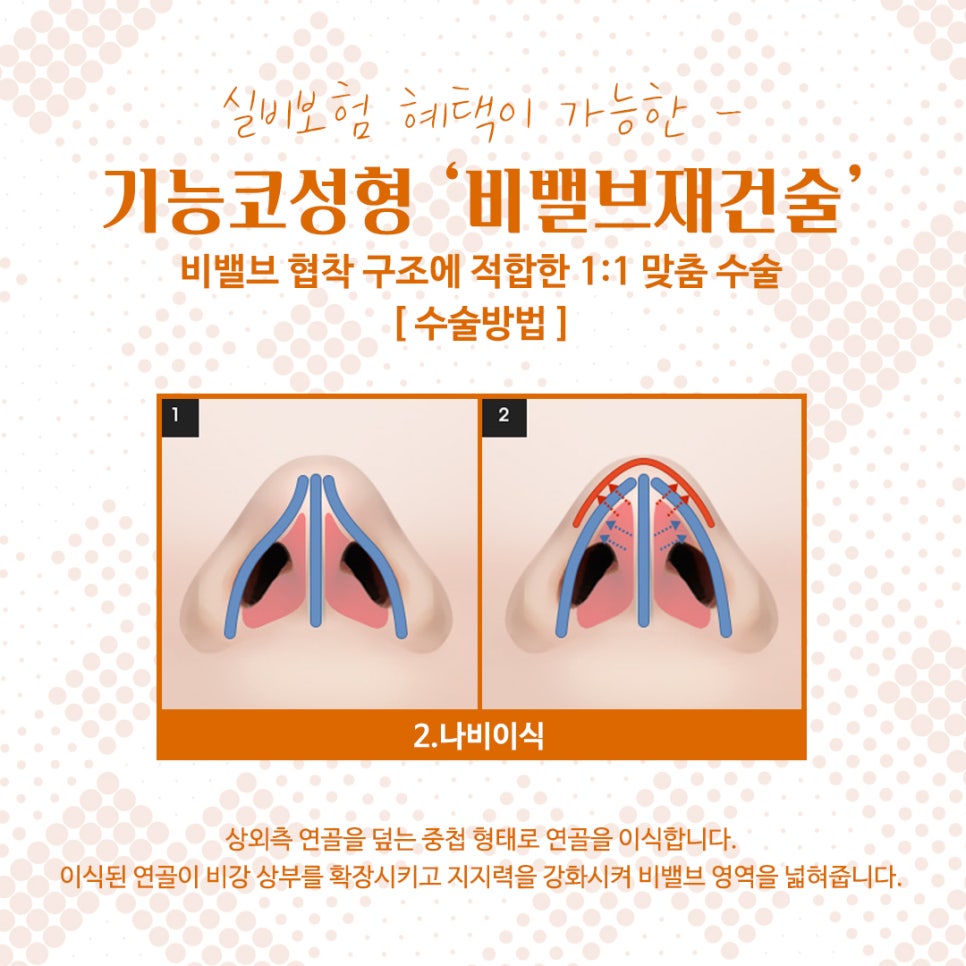
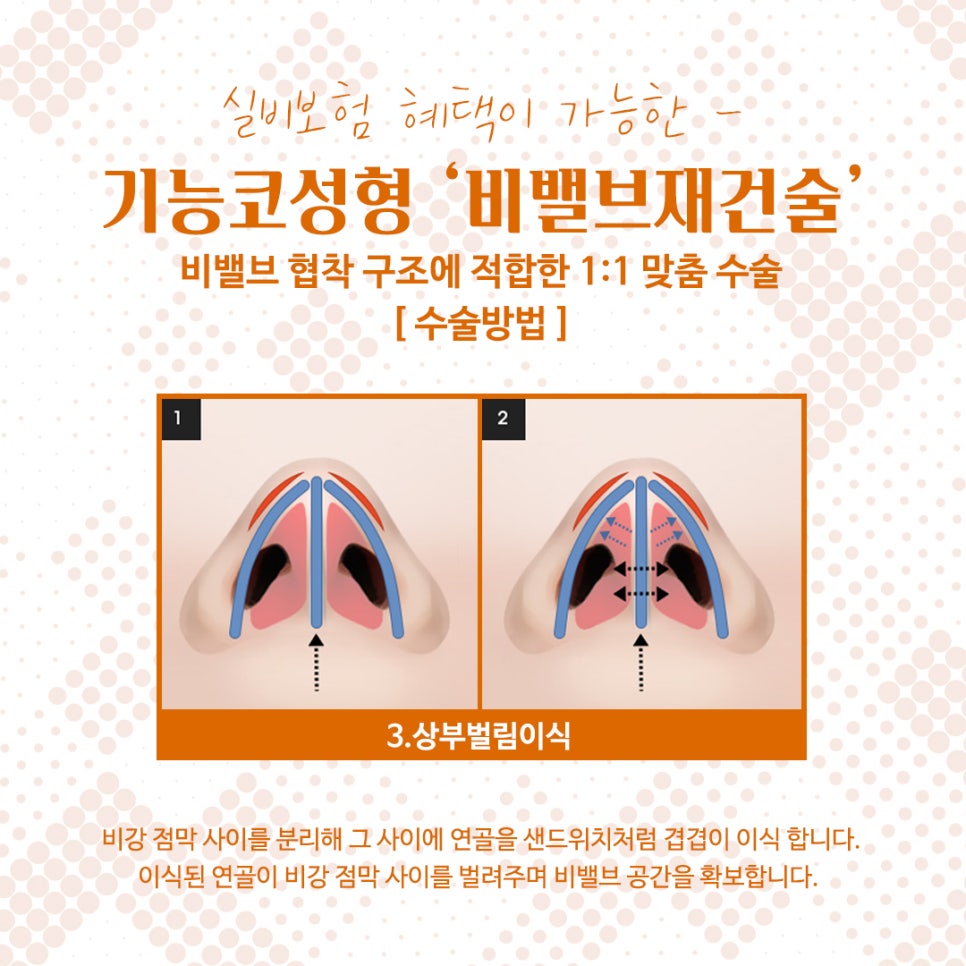
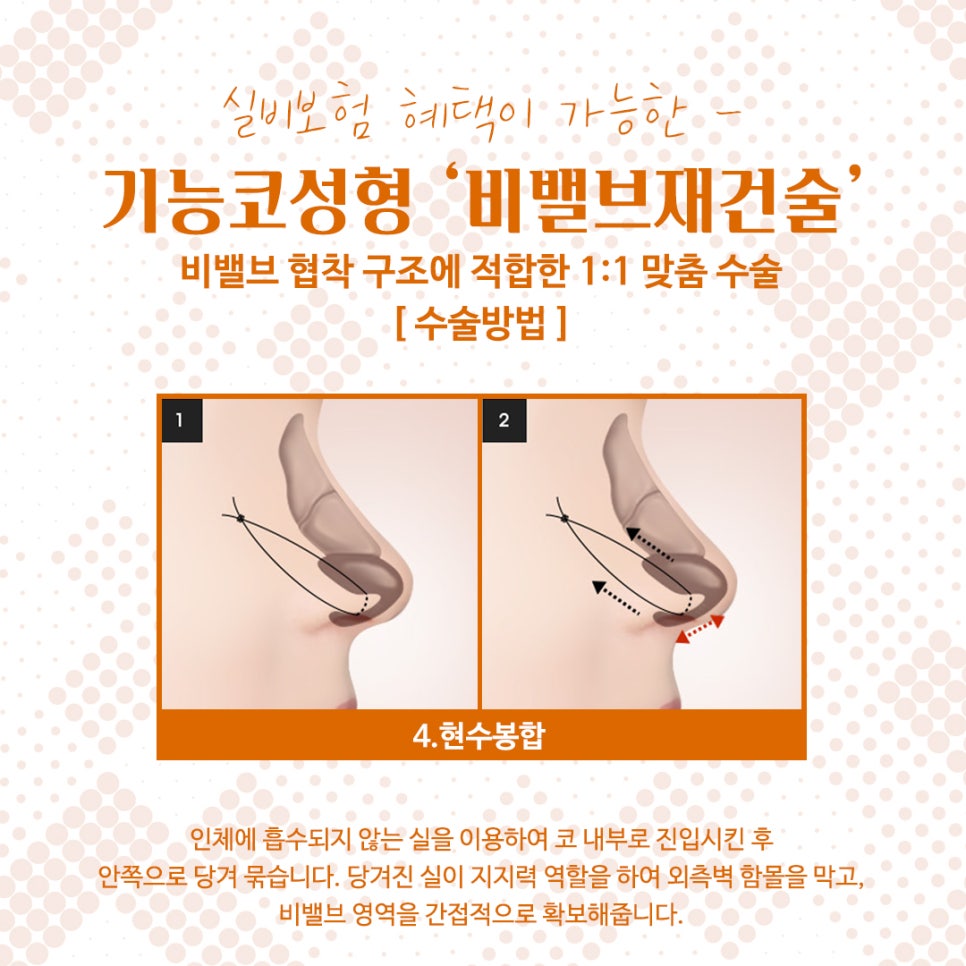
Through the four nose surgery methods above, we perform surgery tailored to each individual.
That concludes my explanation of nasal valve stenosis and nose surgery methods. I hope this article is very helpful for those who are feeling stressed by nasal congestion during seasonal changes. Thank you^^
�