Hello. This is Ojiko Plastic Surgery & N+ Plus, which thinks only about your beautiful and healthy nose.
Today, we’d like to share information about the causes of a hump nose and surgical methods.
What causes a hump nose?
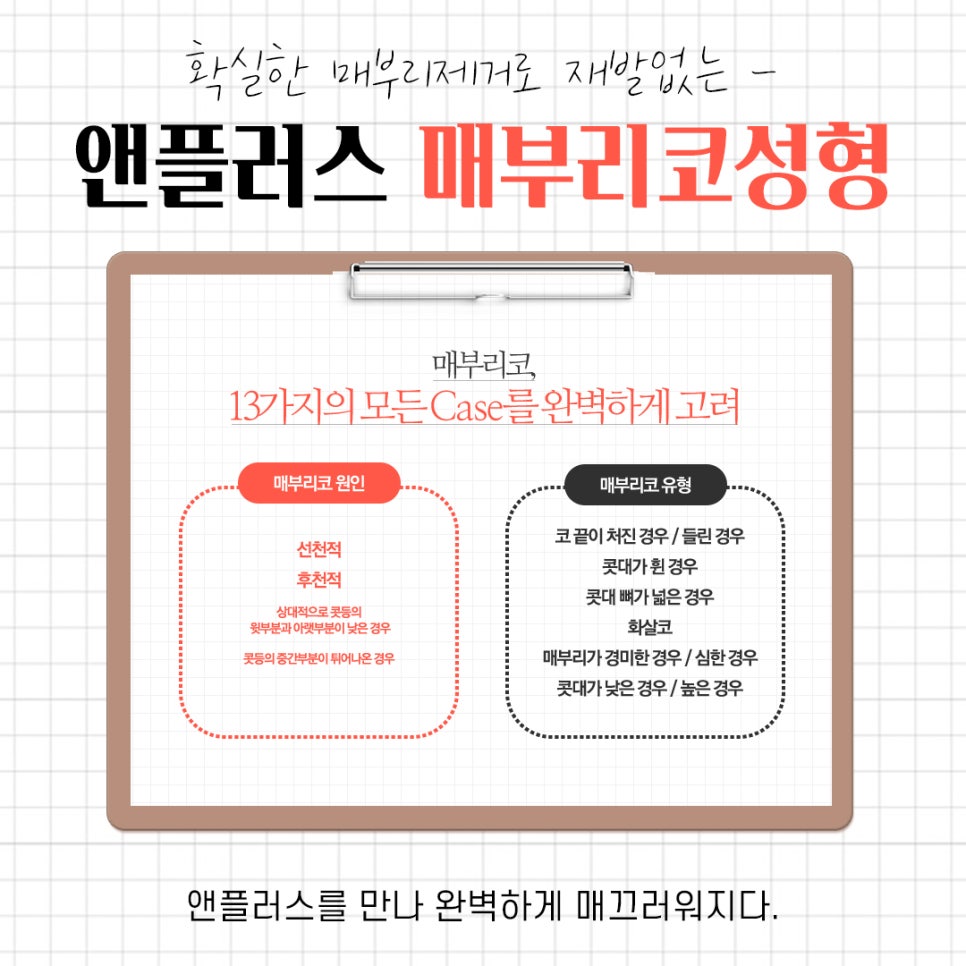
There are two main causes of a hump nose.
The first cause is genetic. If your parents have a hump nose, or if someone in an earlier generation has one, it can be inherited. The second cause is trauma, where a hump forms after injury. When the nose is struck, the impact is absorbed at the transition area between the bone and cartilage, causing that area to protrude. These two cases—genetic and trauma-related—can be causes of a hump nose.
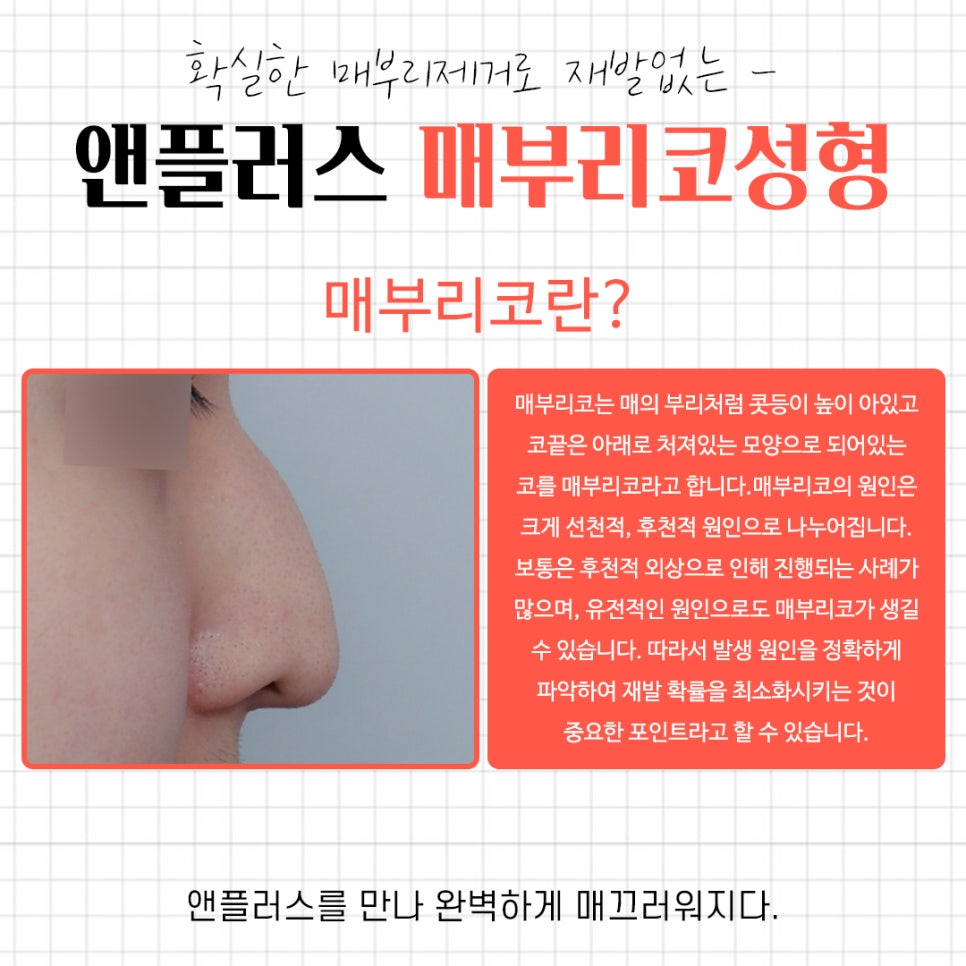
In cases where the cause is genetic, if you look below the tip of the nose, the columella (the column connecting the philtrum to the tip of the nose) is short.
Simply put, the nose should extend forward as it grows, but in this area the cartilage is weak, or the skin is short, so the tip of the nose droops.
As a result, the transition area between the nasal bone and cartilage appears relatively rounded and protruding at the top. And in cases where the hump nose is caused by trauma, because the impact is sudden, the hump at the bone-cartilage transition appears sharply protruded.
So when you touch it directly, it clearly feels sharp. In addition, the columella is not short, and even when pulled, it stretches sufficiently well.
In trauma-related cases, not only can a hump form on the outside, but the nose may also become crooked, the septum (the cartilage divider that separates the two nostrils) may deviate,
or the nasal valve (the roof-like space at the upper part of the septum inside the nose) may become narrowed.
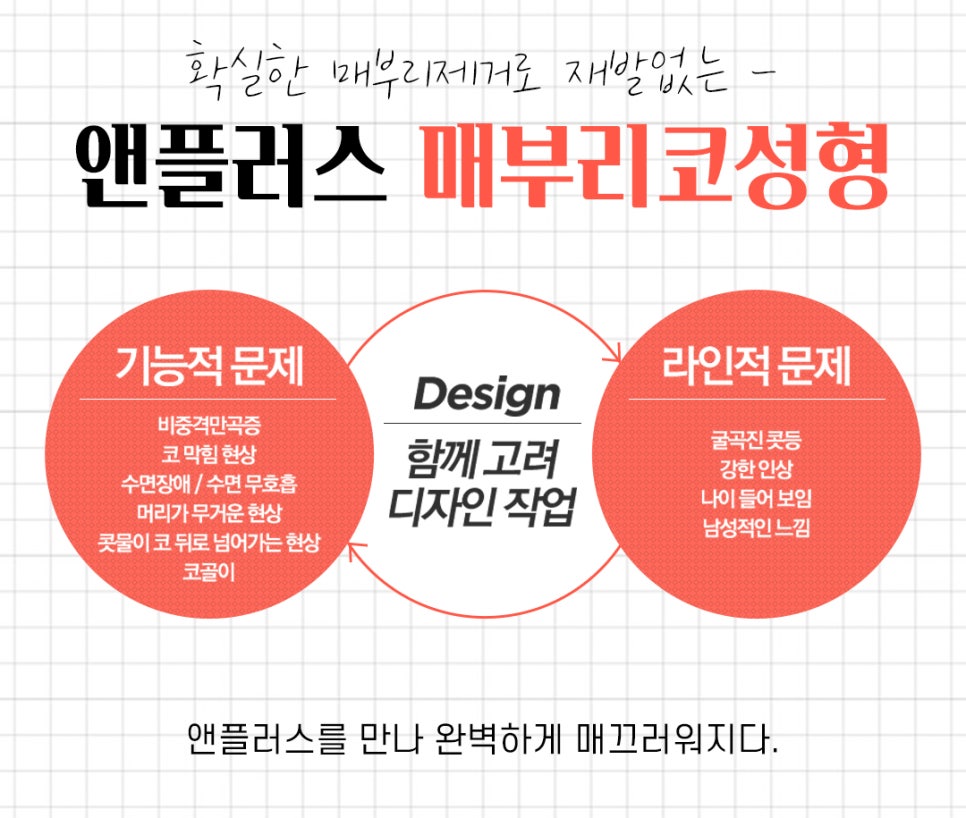
Among the various causes of a hump nose, many of the patients who visit N+ Plus have a hump nose caused by a broken nasal bone due to trauma.
If you are injured when the bone is still soft as a child, you may not remember it well. Because the nasal bone area is thin, it can easily break or crack. At the time, there may be no special symptoms, so CT scans or X-rays are not taken to confirm it. As a result, even if you have a hump nose now, you may not recognize it as a trauma-related issue. Therefore, after a long time, the bone has healed in that position. The protruding bone is shaved down to make it flat, the drooping nasal tip is corrected upward through tip surgery, and if problems are also present in the inner septum and nasal valve, those areas are corrected as well. So you can rest assured that the surgery can be performed without any issues.
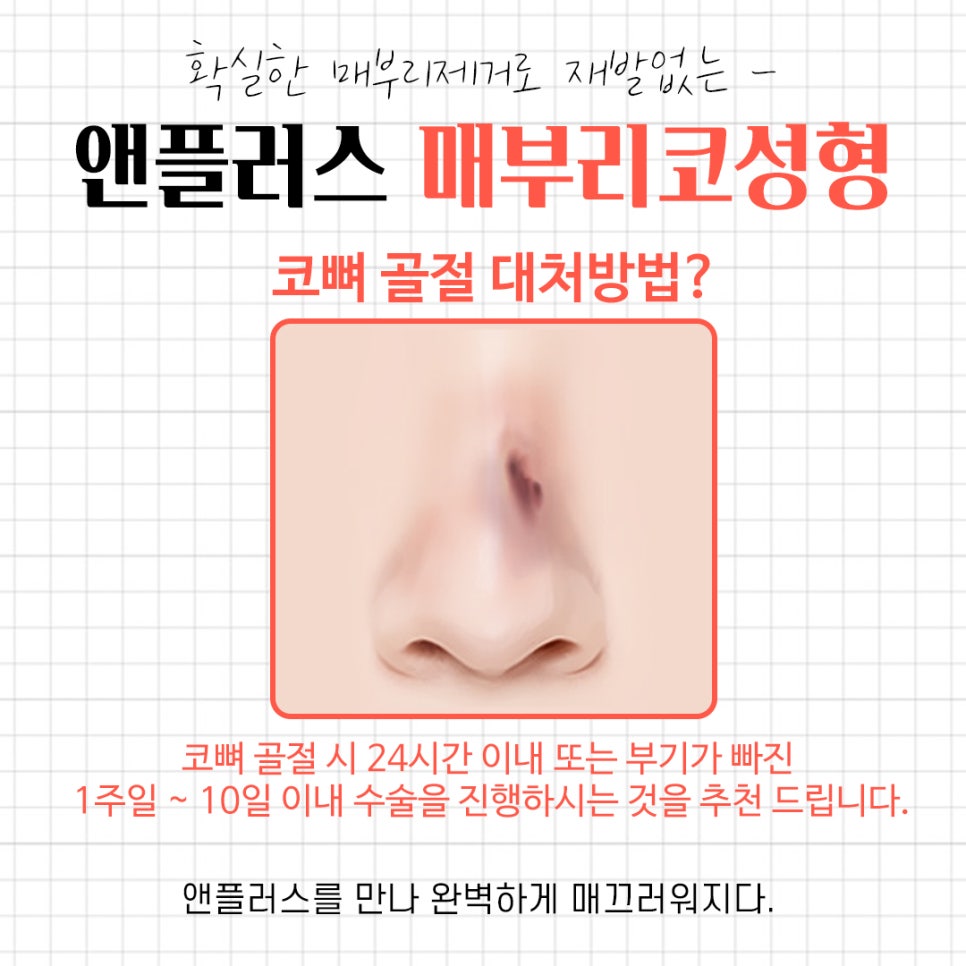
A quick note here! When should surgery be performed if the nasal bone is broken? Some people may not know how to respond when the nasal bone is fractured. Usually, when the nose is injured, it may seem fine at first, but after 24 hours it becomes very swollen. That swelling lasts for about 6 to 7 days. So if a broken nasal bone is confirmed, we recommend either correcting it within 24 hours before the swelling develops, or waiting until the swelling subsides after 6 to 7 days and then correcting it while assessing the nasal line.
In other words, the golden time for a broken nasal bone is before 10 days have passed since the fracture. After that, the broken parts of the nasal bone begin to heal together. Therefore, we recommend surgery within 24 hours or between 1 week and 10 days after the swelling has gone down.
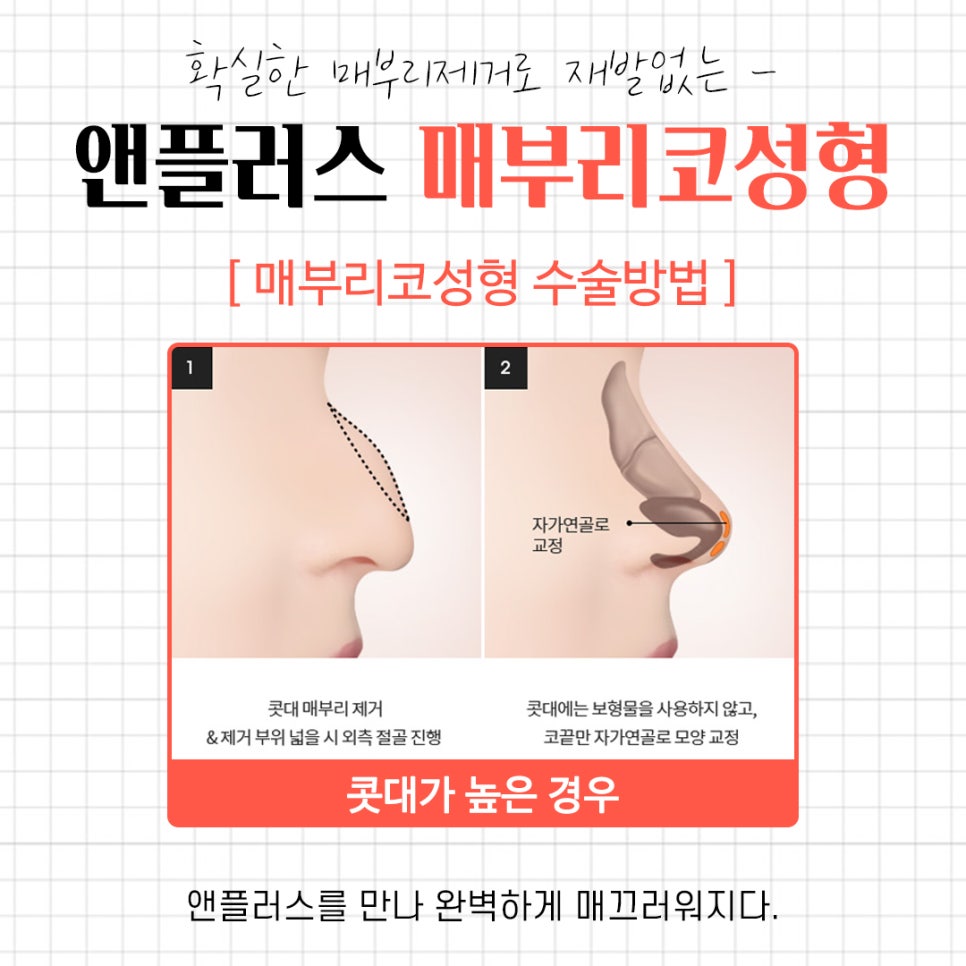
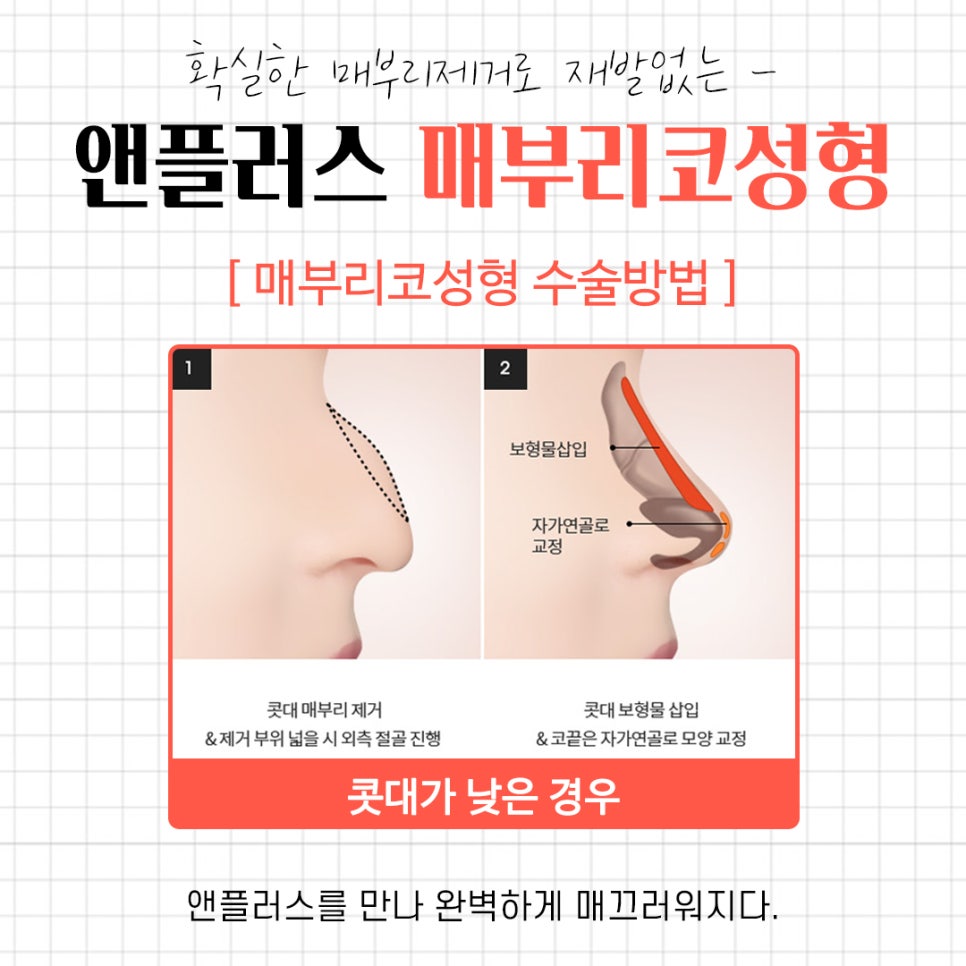
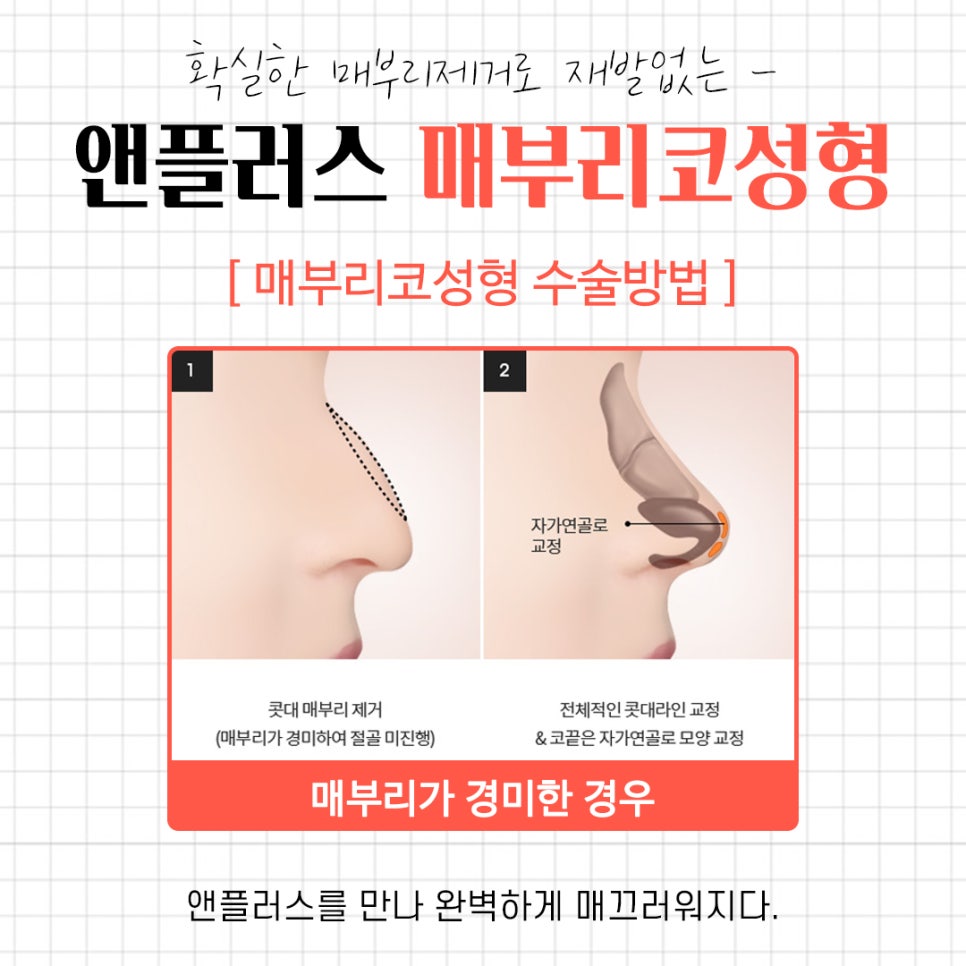
The surgical methods for a hump nose are divided into three categories: a hump nose with a high nasal bridge, a hump nose with a low nasal bridge,
and a mild hump nose, and we perform surgery tailored to each individual.
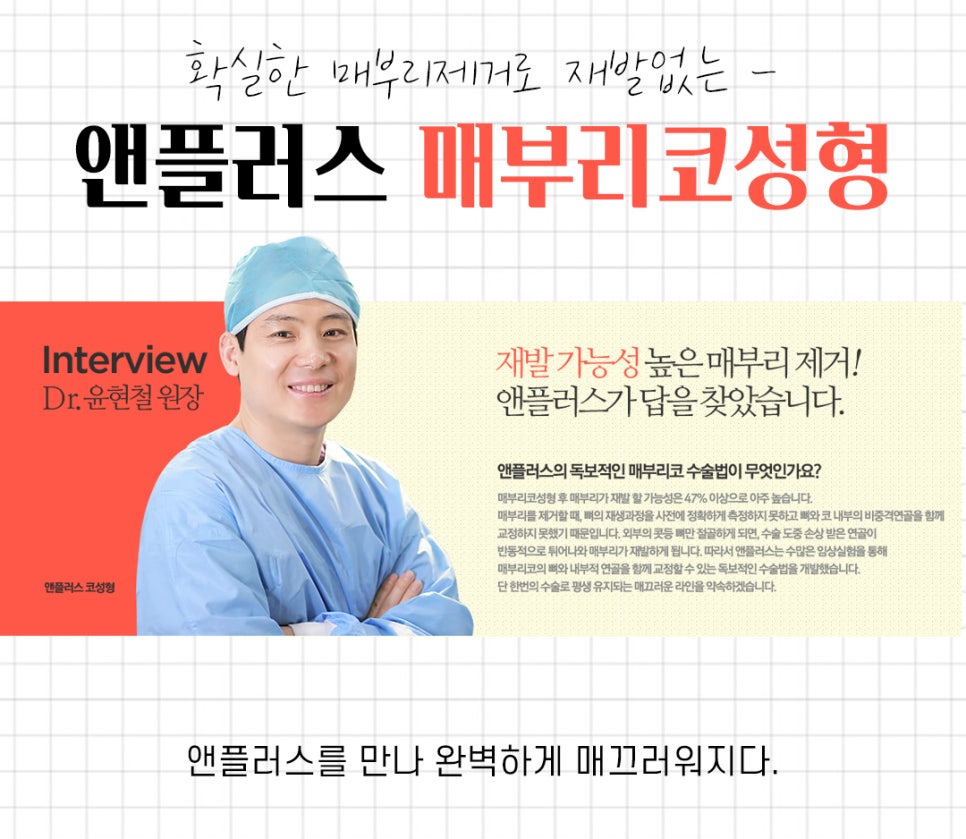
The key point in hump nose surgery depends on how completely the hump is removed.
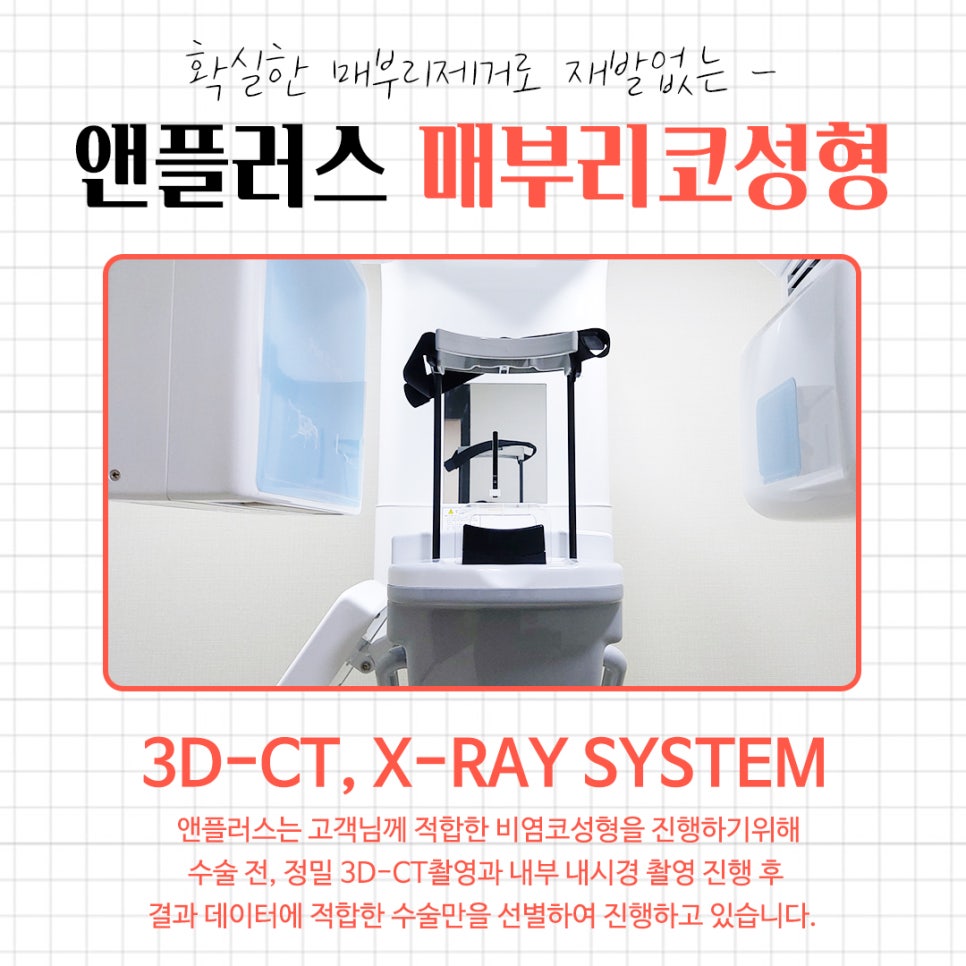
During hump nose surgery, if the hump is not removed cleanly, or if bone fragments created during removal form callus, it may look as if the hump has recurred. In the end, the key is to remove the hump cleanly from the start. N+ Plus accurately analyzes the causes and type of the hump nose, and performs surgery after precisely determining the size of the hump that needs to be removed through 3D-CT imaging and additional endoscopic imaging, which leads to high satisfaction.
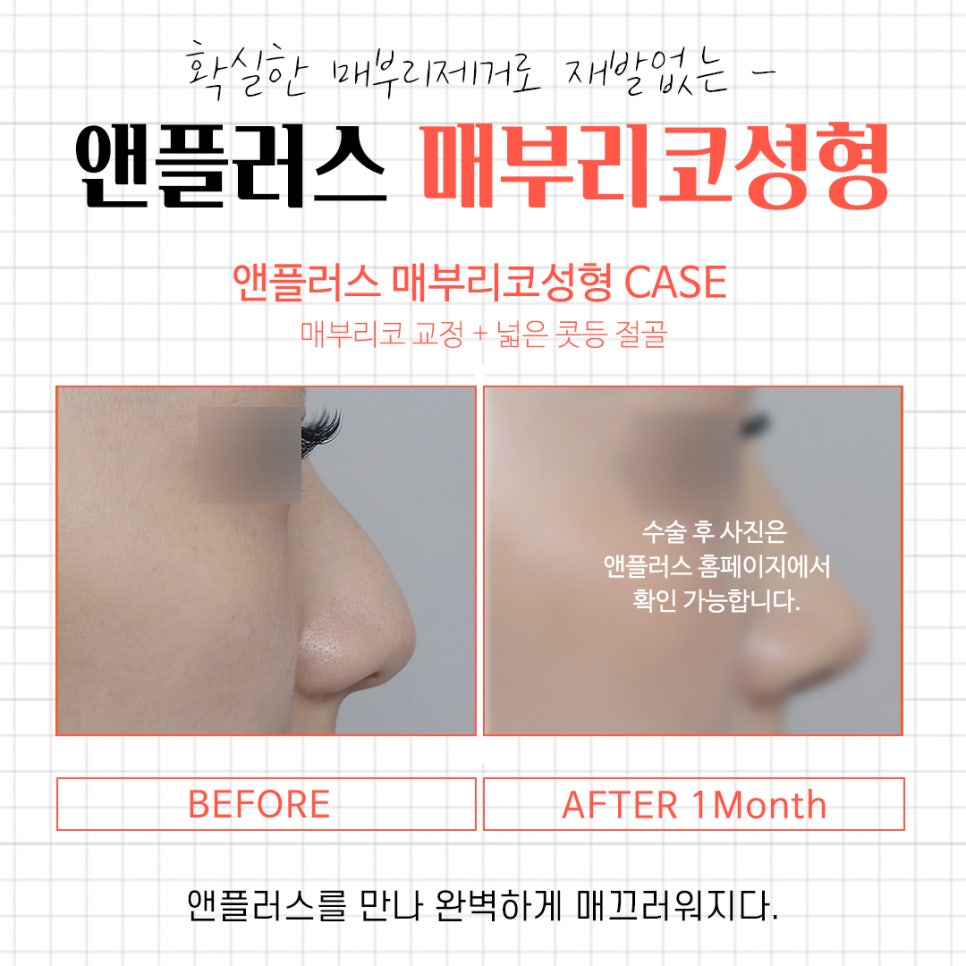
(The image above shows actual before-and-after photos of hump nose surgery at N+ Plus.)
That concludes our explanation of the causes of a hump nose and surgical methods at N+ Plus. I hope this article has been very helpful for those who are considering surgery because of the stress caused by a hump nose. Thank you^^