Hello. This is Oji Co & Plus, dedicated only to your beautiful and healthy nose.
In this post, we have organized information about small noses and large noses, which are difficult to operate on among nose types.

When performing rhinoplasty, there are times when the procedure is very difficult from the surgeon's perspective.
There are two nose types that are very difficult to operate on: small noses and large noses.
First, a small-nose type is one that has all three characteristics: small, low, and upturned.
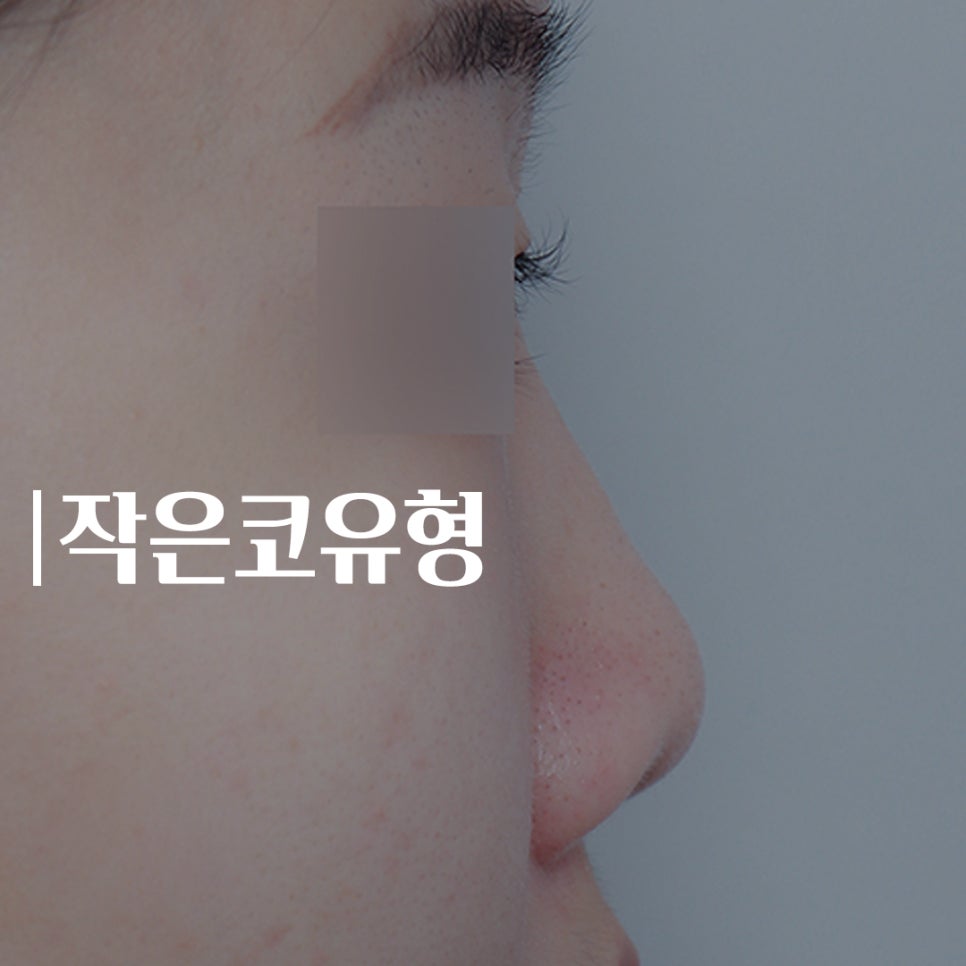
For this type of small nose, the nose must be extended as much as possible, and some volume must be maintained so that the overall balance of the face can be preserved. The nose can be divided into the framework and the skin. For example, rhinoplasty can be thought of as having a shape similar to the peak of a triangular tent. A tent also has an internal framework. It consists of the parts called poles and the tent fabric. The part that makes up the framework can be considered cartilage, and the tent fabric can be thought of as skin.
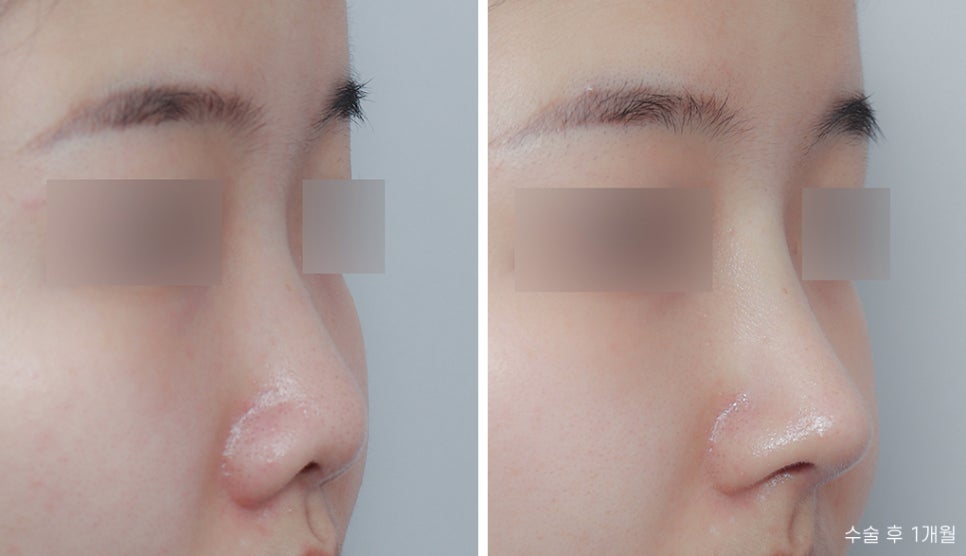
(The image above shows actual before-and-after photos of small-nose surgery at Anplus.)
There are broadly two surgical approaches for a small nose: one in which both the bridge and the tip are low, and one in which only the bridge is low.
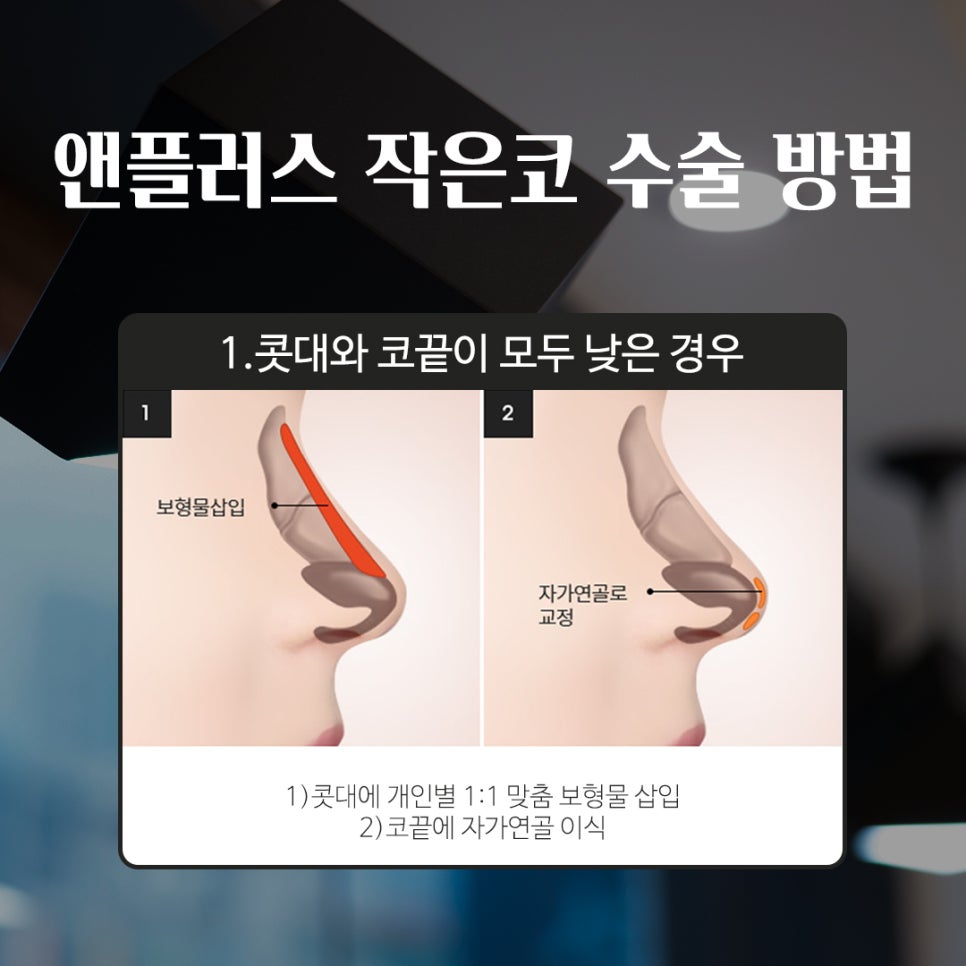
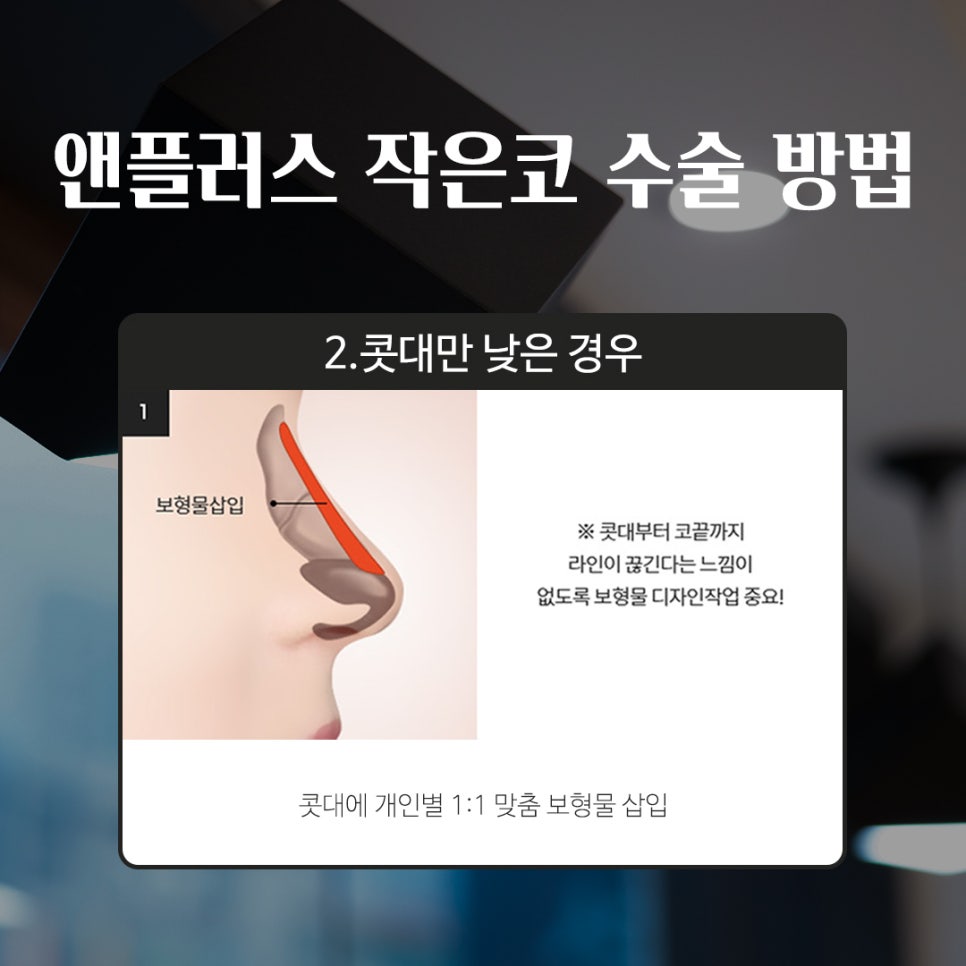
When performing small-nose surgery, the patient's own cartilage is used for the tip. Commonly used autologous cartilage includes ear cartilage, septal cartilage, and rib cartilage. However, people with small noses generally also have a small septal cartilage inside the nose, and since their faces are small, their ear cartilage is often small as well. In such cases, we recommend using rib cartilage.
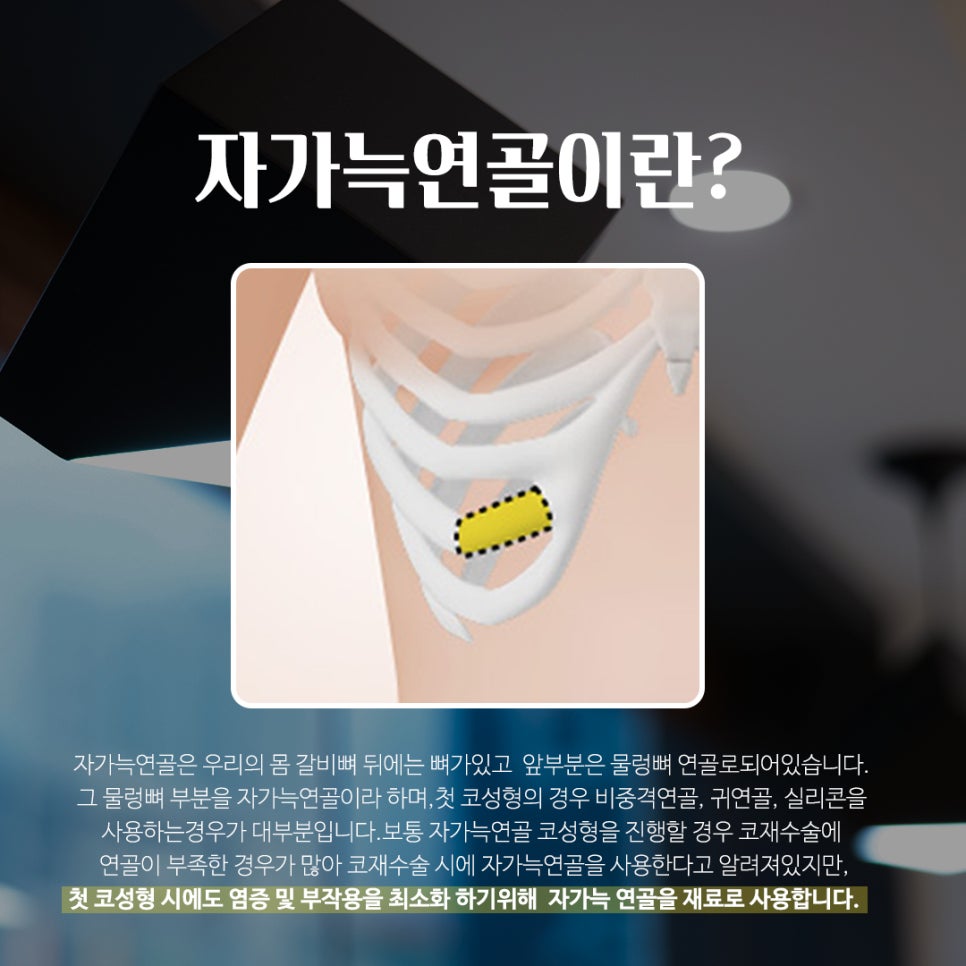
This is because rib cartilage can be harvested in the amount needed for sufficient use.
However, even if there is enough framework material, the skin can still be a problem. Problems can arise when the skin does not stretch sufficiently.
For example, if a sumo wrestler were to wear children's clothing, they would not even be able to put it on at all. No matter how much volume is created with the framework, if the skin cannot cover it, surgery becomes difficult. Therefore, for people with small, low, and upturned noses, there is a limit to how much volume can be added, so we provide thorough guidance before surgery. If surgery is performed without fully considering the patient's nasal condition, cartilage or an implant may become visible, or in severe cases the cartilage may bend and other problems may occur. In that case, not only aesthetic issues but also complications can occur more easily, so while the appearance may improve compared to before, a dramatic effect is difficult to achieve.
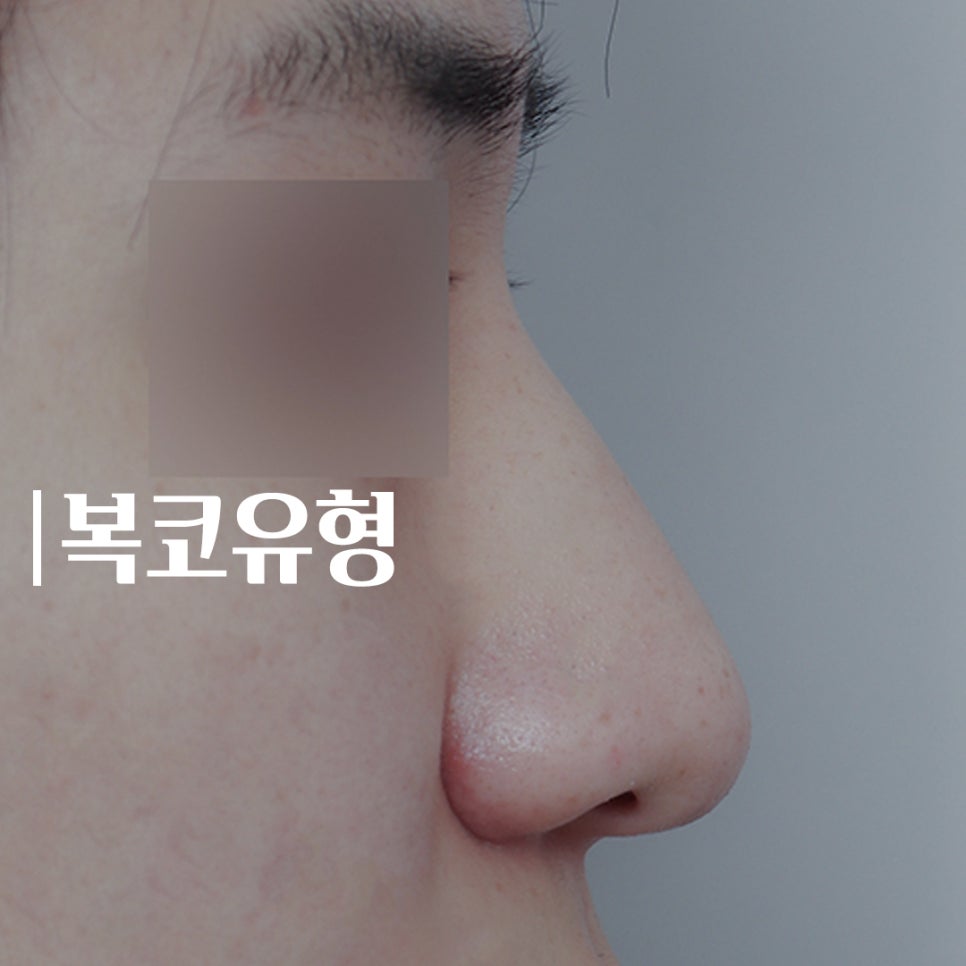
Second, large noses are difficult to operate on. Usually, a bulbous nose falls into the large-nose type, and you may have often heard that bulbous noses are difficult to operate on. That is correct. Bulbous noses are more difficult surgically.
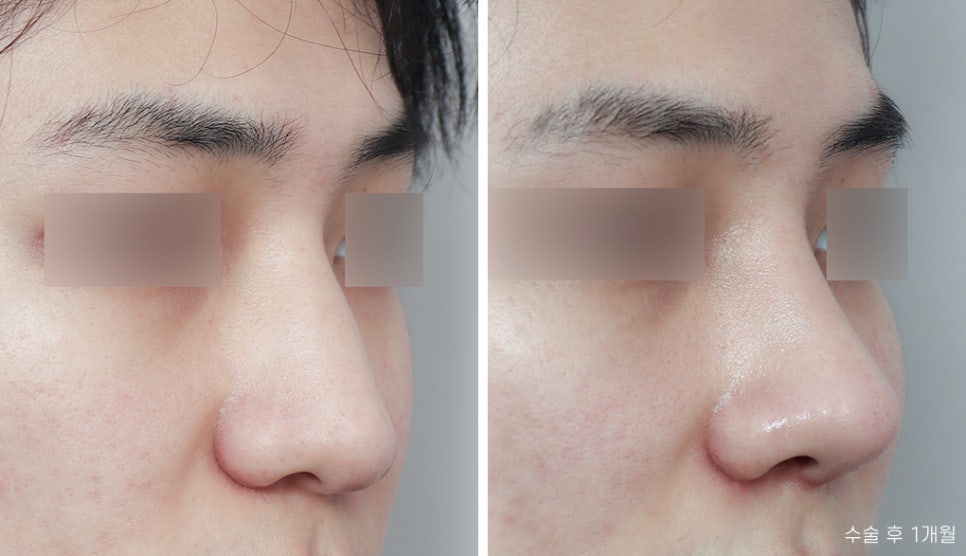
(The image above shows actual before-and-after photos of bulbous-nose surgery at Anplus.)
There are several causes of a bulbous nose, including a large framework, large cartilage, and skin that is thick or composed of a fatty layer.
These are the four most representative causes.
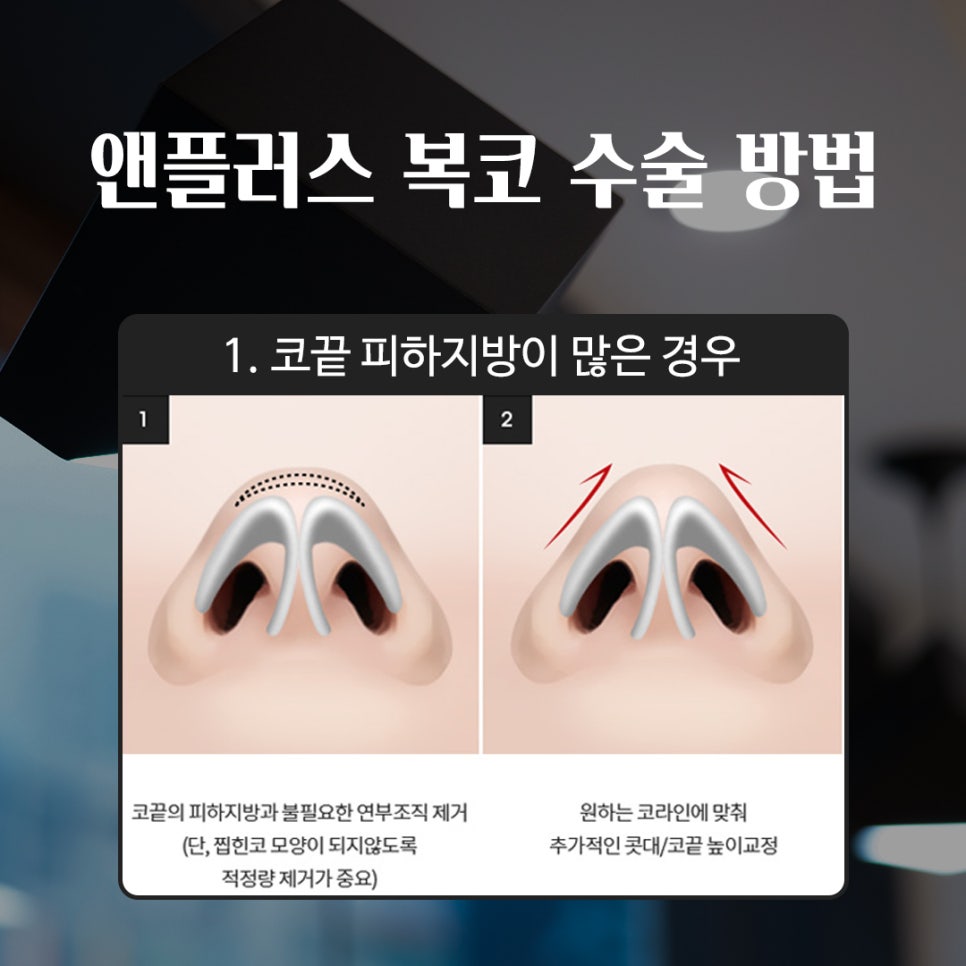
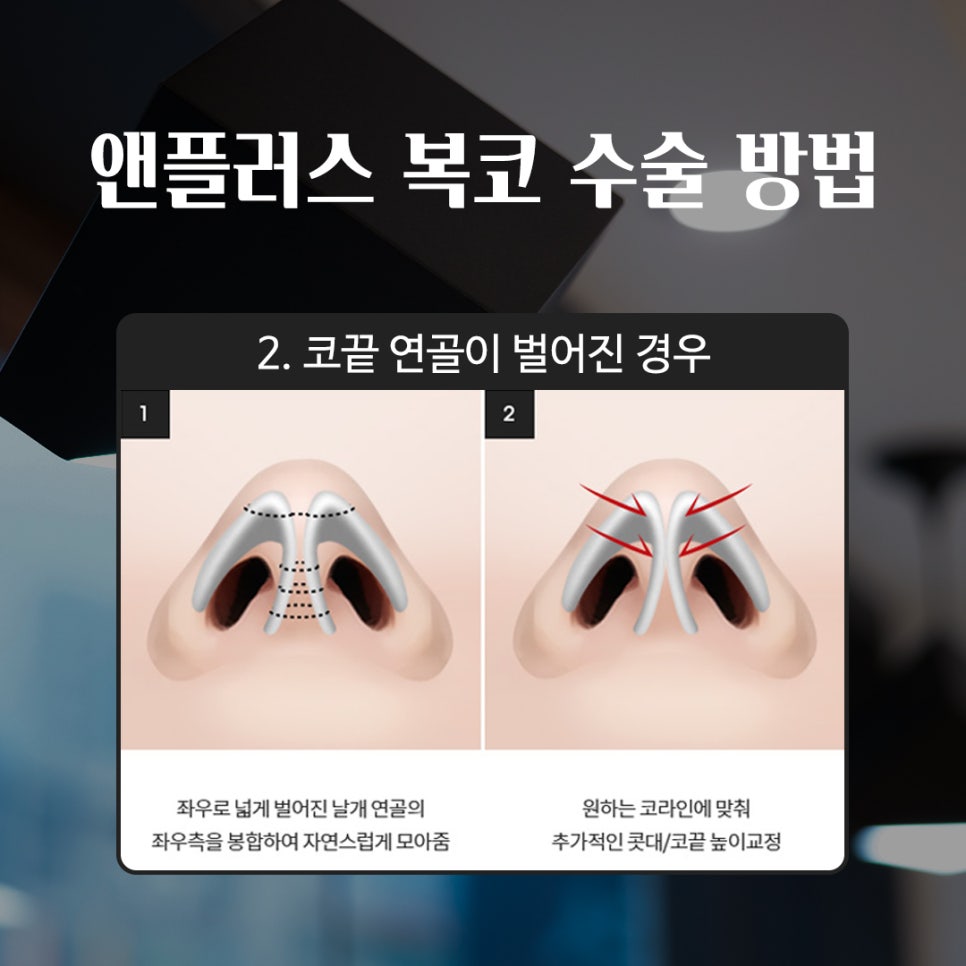
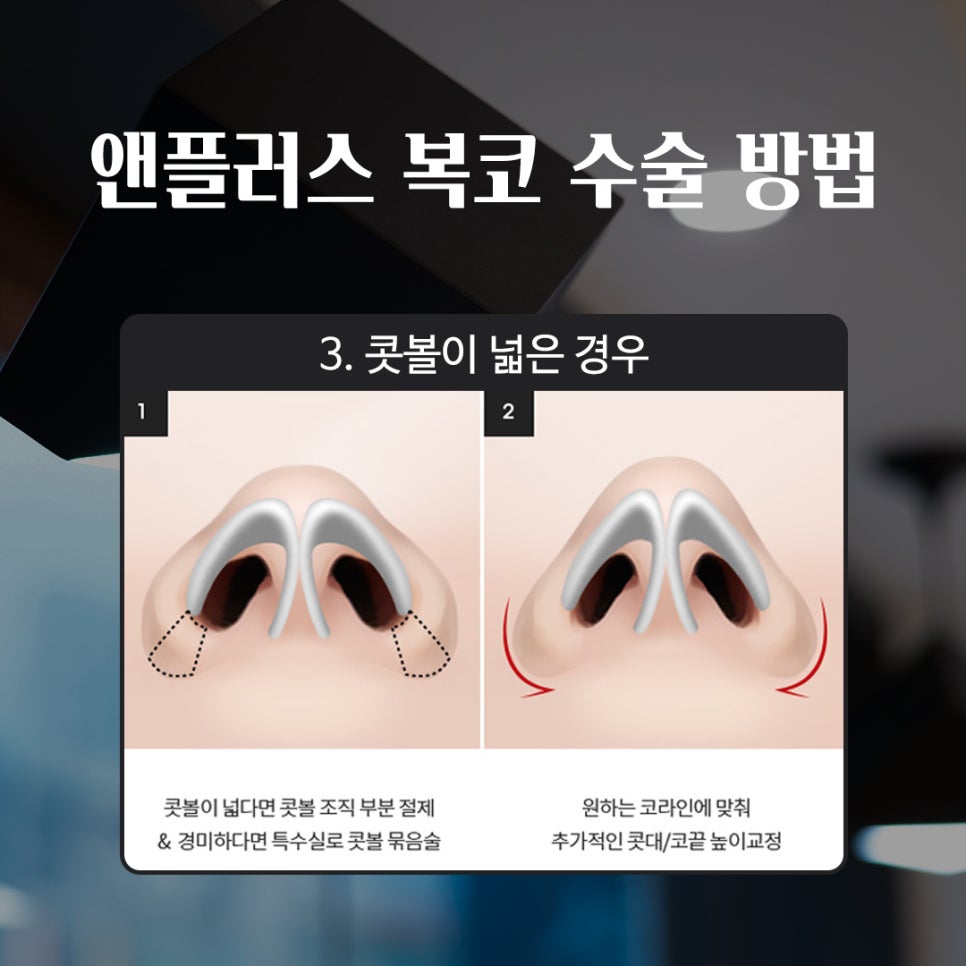
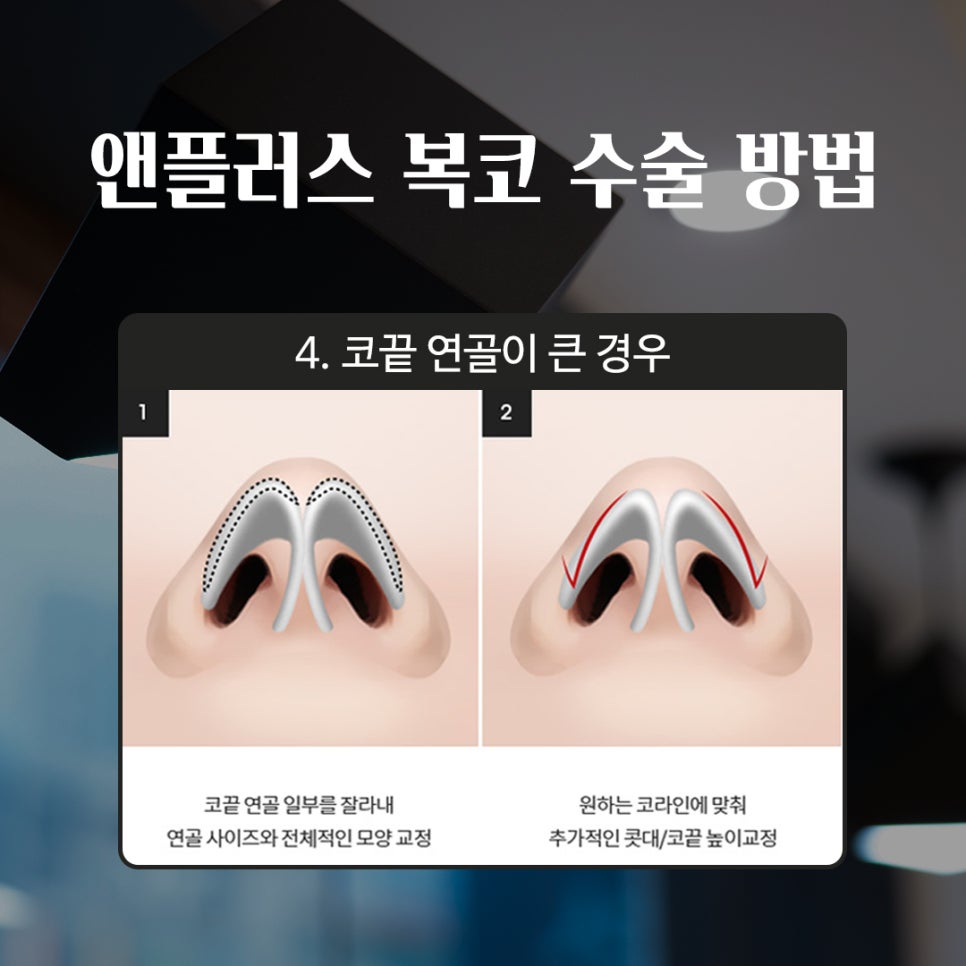
To briefly explain the surgical methods above: if the framework is large, osteotomy is performed; if the cartilage is large, the cartilage can be reduced appropriately and then tied together, and the volume can be decreased through cartilage rearrangement; if there is a lot of fat inside the nose, the fat can be removed. However, if the skin is thick, patient satisfaction after surgery tends to be lower.
Reducing the skin itself is surgically difficult and extremely risky, and tissue necrosis can occur.
Up to this point, we have summarized the types of noses that are difficult to reshape and the surgical methods. For those who have a small or large nose type and are considering cosmetic surgery, I hope this article has been very helpful. Thank you^^