Hello. We are Oji Co. & Plus Clinic, where for 15 years we have focused only on your beautiful and healthy nose.
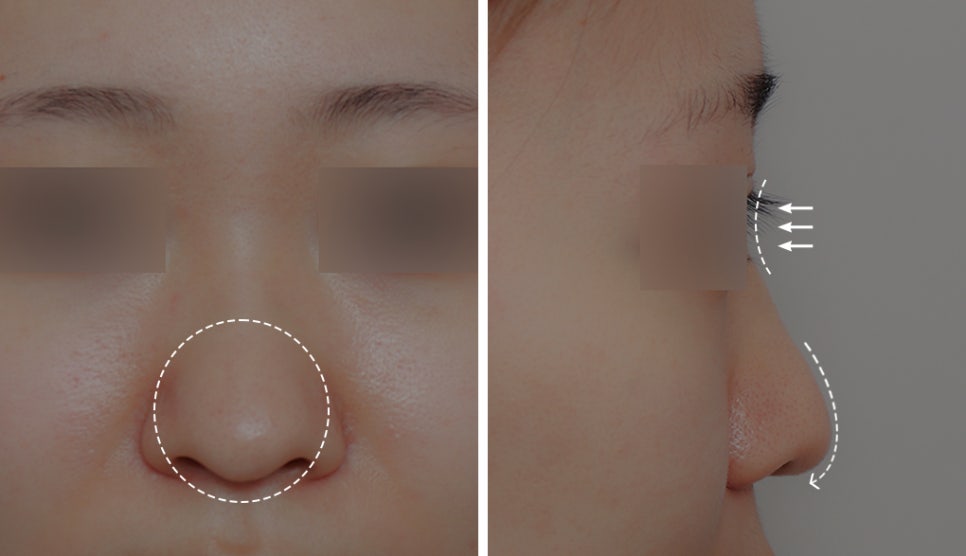
The case we are introducing this time features a low nasal bridge, a blunt nasal tip, and a drooping tip.
In this patient’s case, the nasal tip was broad, with bulbous nose as well,
and there was a lot of fat at the nasal tip, so the patient visited us because they were very stressed about the shape of their nose.
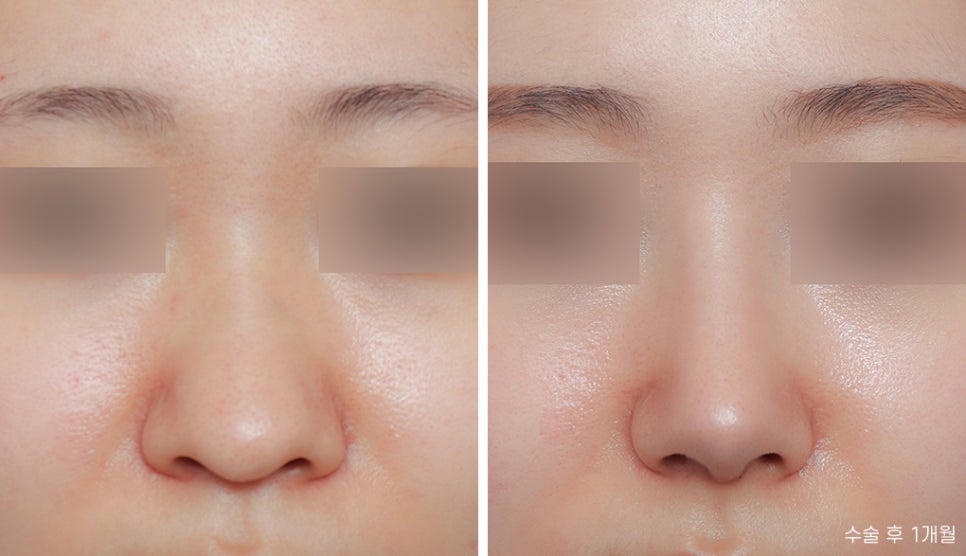
(The image above is an actual before-and-after photo of a columella reduction and straight-but-slightly-curved nose procedure at Plus Clinic.)
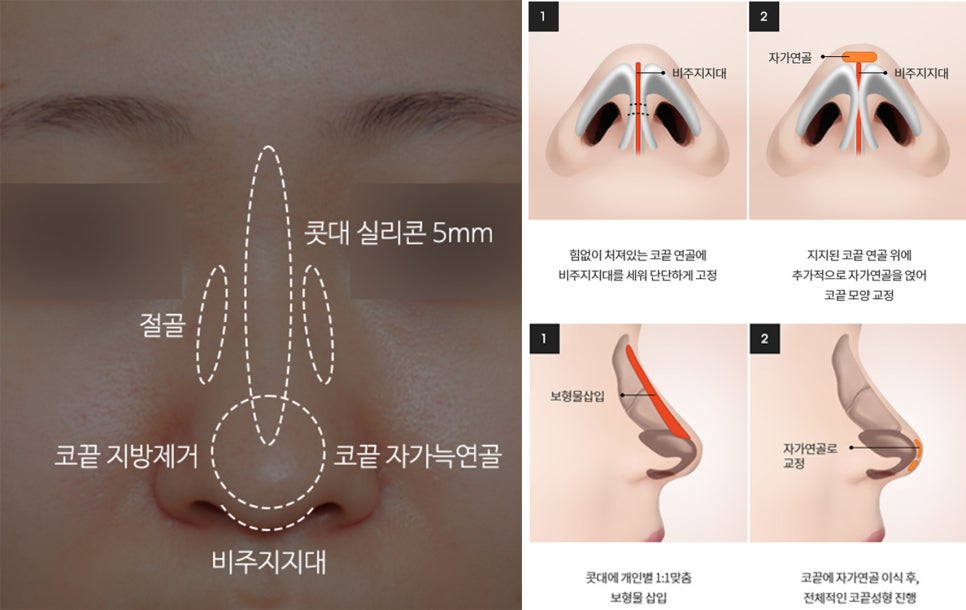
The surgery for this patient included nasal tip fat removal + autologous rib cartilage for the nasal tip + osteotomy + silicone for the nasal bridge.
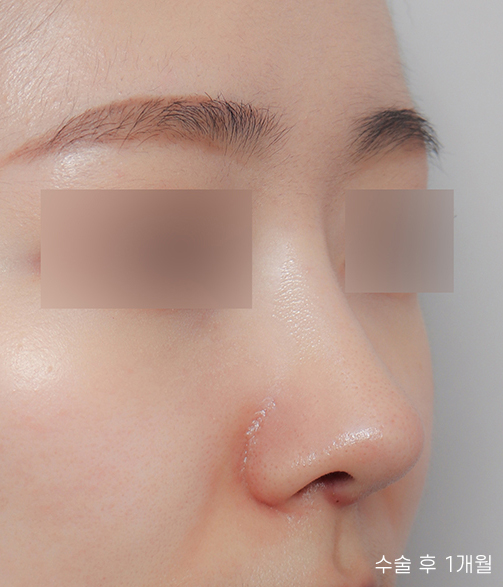
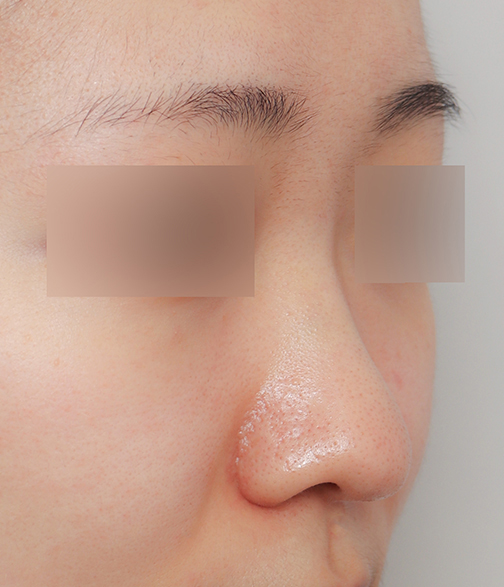
(The images above are before-and-after photos of a columella reduction and straight-but-slightly-curved nose procedure at Plus Clinic.)
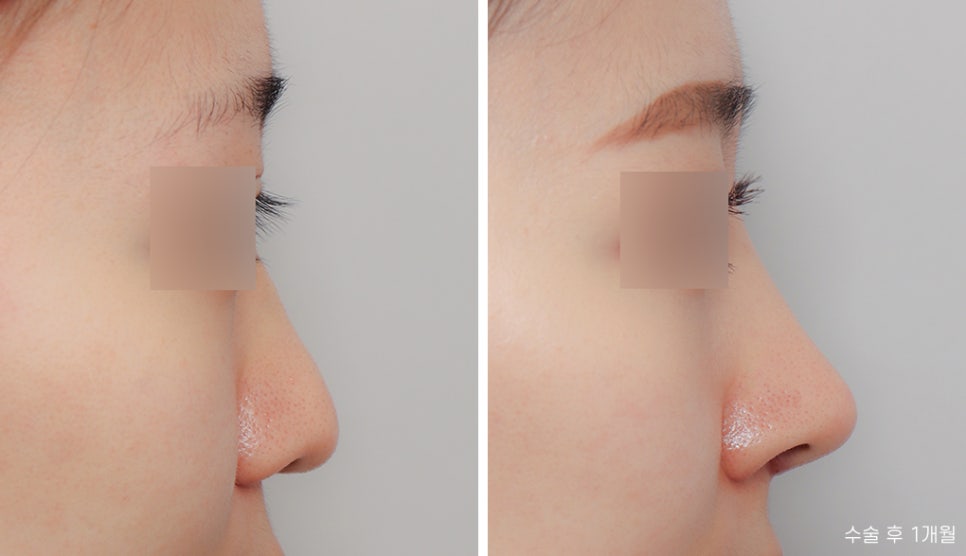
(The image above is a before-and-after photo of a columella reduction and straight-but-slightly-curved nose procedure at Plus Clinic.)
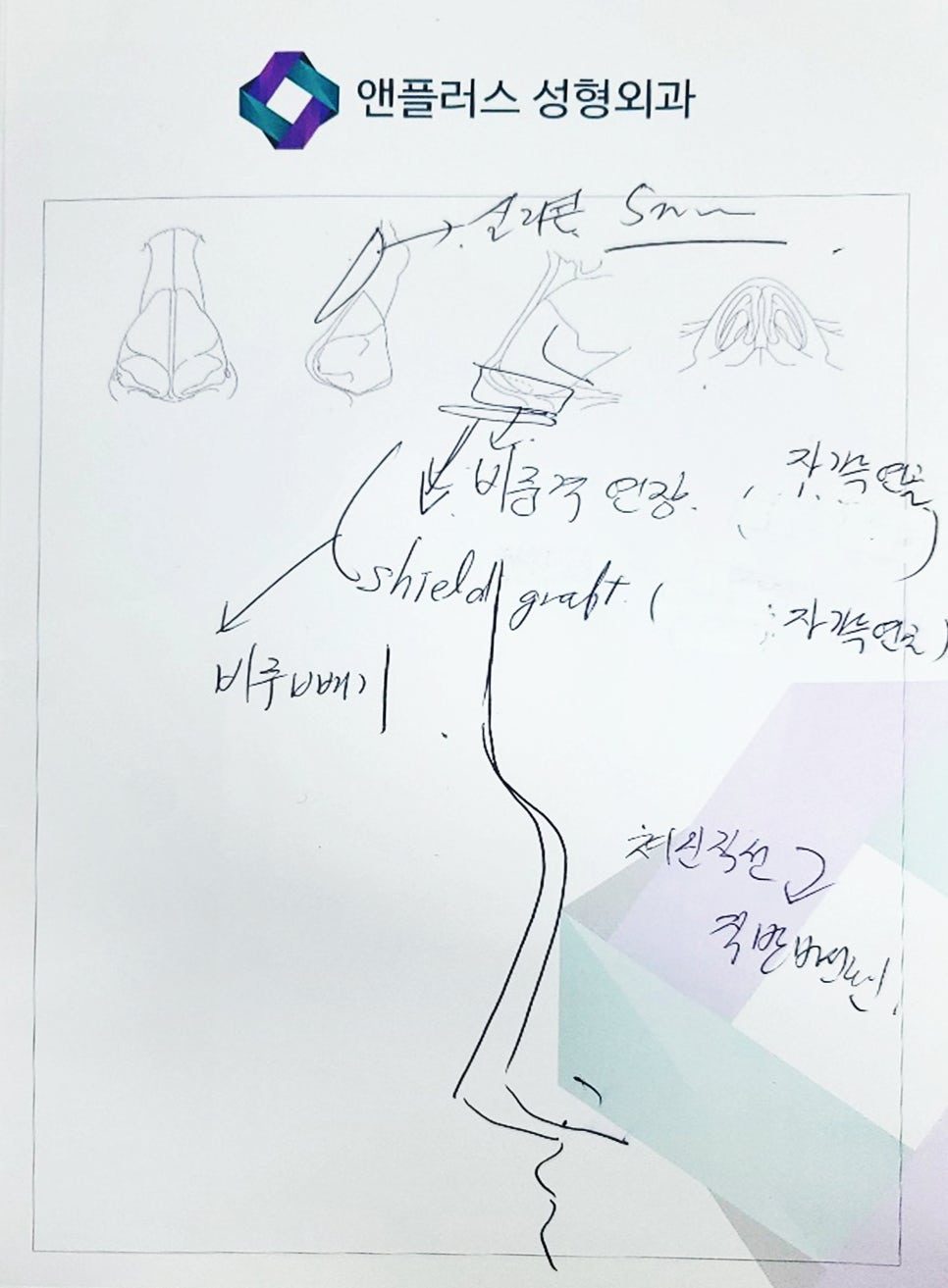
(The image above is a mini chart used during consultations at Plus Clinic. It explains how the surgery will be performed through illustrations.)
Surgeon Yoon Hyun-cheol’s Surgery Note
Because the nasal bridge was low and the nose tip had a lot of fat, making it look blunt and droopy, we decided to perform the surgery in a way that would create the sharpest possible impression. CT review showed that the fat was concentrated heavily at the nasal tip, so we removed the nasal tip fat first. The septum was small and thin, so it seemed difficult to achieve sufficient tip extension with septal cartilage alone, which is why we used autologous rib cartilage. In the case of autologous rib cartilage, there is enough cartilage available and it allows the nasal tip to be extended with stronger support. For a drooping nasal tip and a columella lacking support, we fixed it firmly so it would not droop again. In addition, the nasal bridge was refined through bilateral nasal bone osteotomy to match the tip and then volumized with silicone on the low bridge to correct it into a straight-but-slightly-curved nose line.
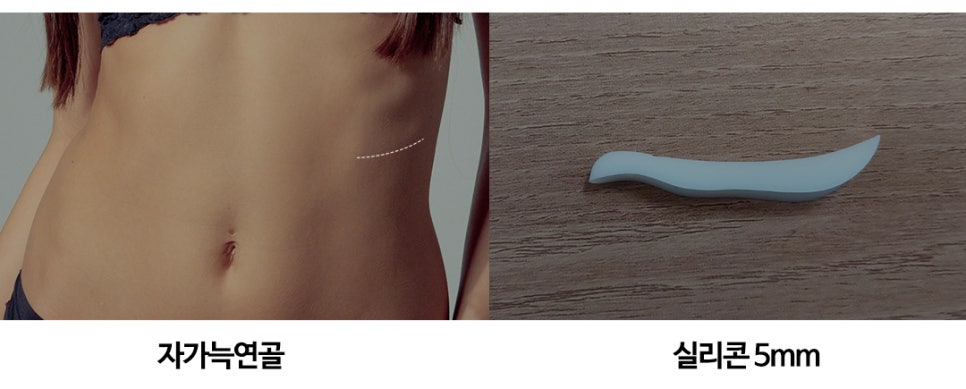
The materials used for this patient were 5 mm silicone for the nasal bridge and autologous rib cartilage for the nasal tip.
Surgery time: Nose surgery 2 hours 30 minutes / Rib cartilage harvest time 40 minutes
Plus Clinic Columella Reduction Straight-But-Slightly-Curved Nose Surgery Point
Because there was a lot of fat at the nasal tip, the patient was unhappy that from the front the nasal bridge looked low and broad. We sufficiently elevated the bridge and designed it into a straight-but-slightly-curved nose line to create dimension. For the nasal tip, through fat removal and columella reduction, the previously drooping and elongated-looking tip was lifted and refined into a slimmer shape, which also created a more youthful effect and improved satisfaction.
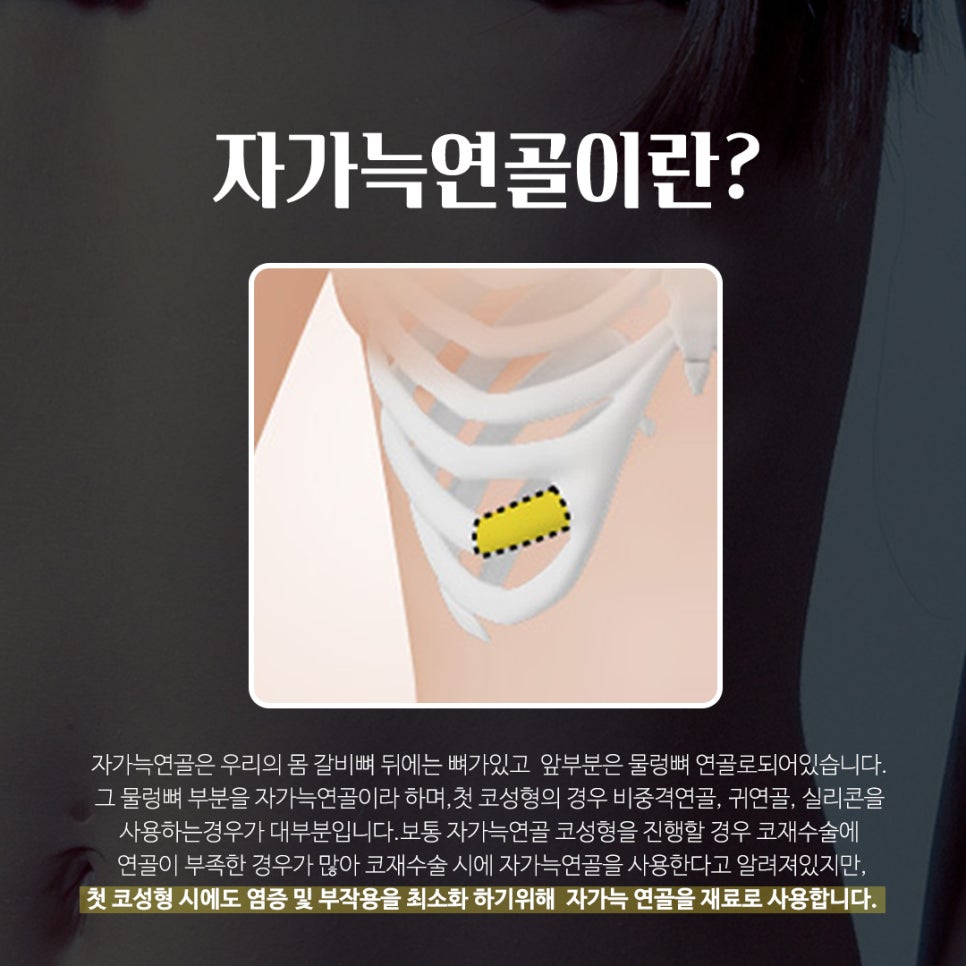
What is the autologous rib cartilage used in this surgery? Autologous rib cartilage refers to the cartilage from the front part of our ribs, which is made of soft cartilage.
That soft cartilage portion is called autologous rib cartilage, and in primary rhinoplasty, septal cartilage, ear cartilage, and silicone are used in most cases.
In general, autologous rib cartilage rhinoplasty is known to be used in revision rhinoplasty because cartilage is often insufficient, but
it is also used in primary rhinoplasty to minimize inflammation and side effects.
Therefore, it is used when the nose is small and low and the septum is insufficient, or when the amount of ear cartilage is insufficient,
and when operating on the nasal tip, strong cartilage in a sufficient amount is needed, which is where septal cartilage or ear cartilage can be lacking.
Autologous rib cartilage is large and strong, making a satisfying surgery possible.
In the past, low-nose surgery focused mainly on raising the nasal bridge rather than correcting the overall nose line, which made the result feel more artificial.
At Plus Clinic, to minimize any artificial appearance after nose surgery,
we do not use a mass-produced implant as-is. Instead, we carefully shape the implant ourselves while considering the patient’s overall image, the width and length of the nasal bridge, the width of the nasal tip, and various other factors before inserting it.
As a result, we create a natural nose line without awkwardness, from the glabella and nasal bridge line to the nasal tip line, where an implant might otherwise feel somewhat foreign.
This concludes our explanation of the straight-but-slightly-curved nose line surgery performed with columella reduction at Plus Clinic.
We hope this post is helpful for those who are worried about a bulbous nose or a drooping nasal tip like the patient above. Thank you^^