
Hello. This is Oji Hospital & Plus, which thinks only about your healthy and beautiful nose.
The topic we are introducing this time is septoplasty surgery.
With the weather getting quite cold these days, many people are looking into septoplasty surgery because nasal congestion is causing stress in their daily lives.
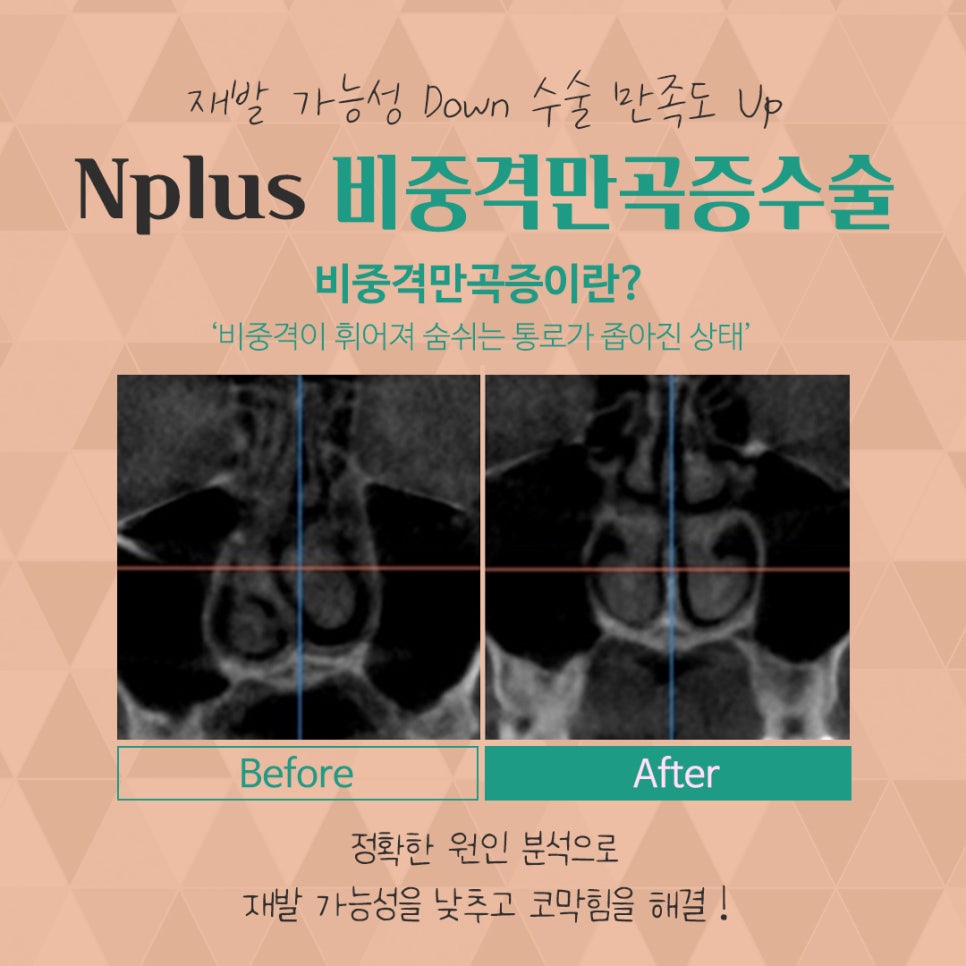
What is a deviated septum? It refers to the cartilage that acts as a partition dividing our nostrils, and when this cartilage is bent, it is called a deviated septum. When the septal cartilage is bent, it obstructs airflow and causes nasal congestion. Through septoplasty surgery, the bent cartilage can be straightened to improve nasal congestion symptoms.

Nasal congestion usually starts with rhinitis, which is broadly divided into allergic rhinitis and structural rhinitis. More than 70% of adults in Korea have rhinitis, and among them, 20% have allergic rhinitis, while the remaining 80% are said to have structural rhinitis caused by a deviated septum.

In the case of allergic rhinitis, because it is difficult to cure completely, you can see symptom improvement through consistent medication and strengthened immunity. A deviated septum, which is an internal structural abnormality, can have its symptoms improved through septoplasty surgery.
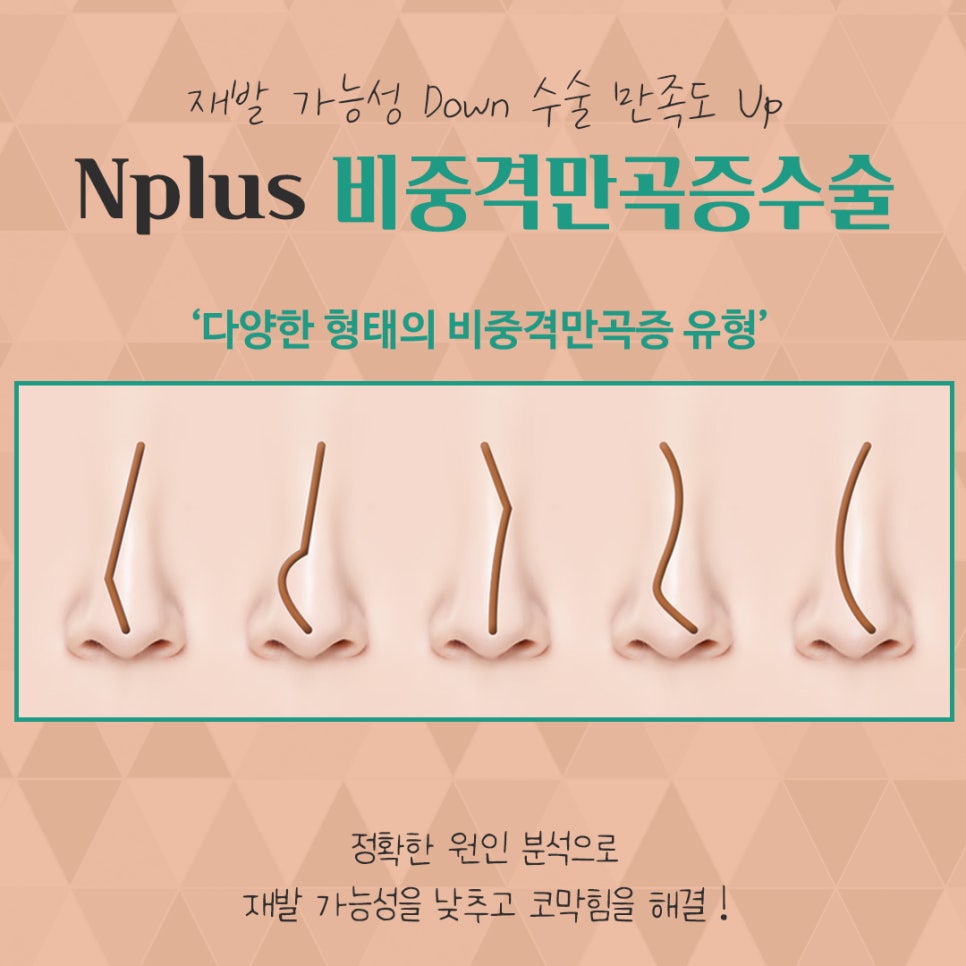
It is difficult to determine rhinitis with the naked eye based on the symptom of nasal congestion alone. The septum is not bent in a uniform way, and just as our facial shapes differ, the shape of septal deviation also varies. In addition, there may be complex symptoms accompanying a deviated septum, such as inferior turbinate hypertrophy or nasal valve stenosis. Therefore, it is important to visit a hospital and confirm the condition through an accurate diagnosis. Since septoplasty surgery itself is a difficult procedure, choosing a place with extensive anatomical knowledge of the nose and a high level of experience in the procedure can lead to higher satisfaction after surgery.
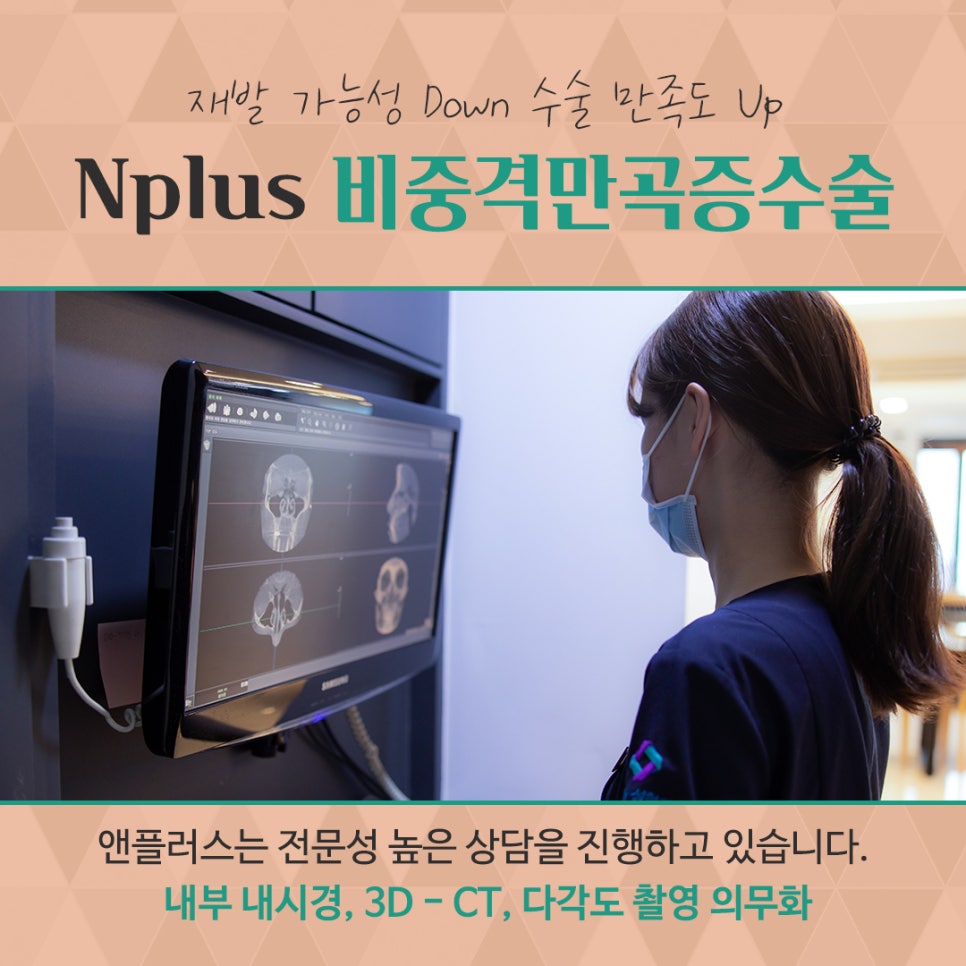
At N Plus, to accurately assess nasal congestion symptoms, we perform various allergy tests, 3D CT scans, and internal endoscopic examinations before surgery. Through this, we accurately identify the location of the bent cartilage and the cause of nasal congestion symptoms, and then proceed with septoplasty surgery.
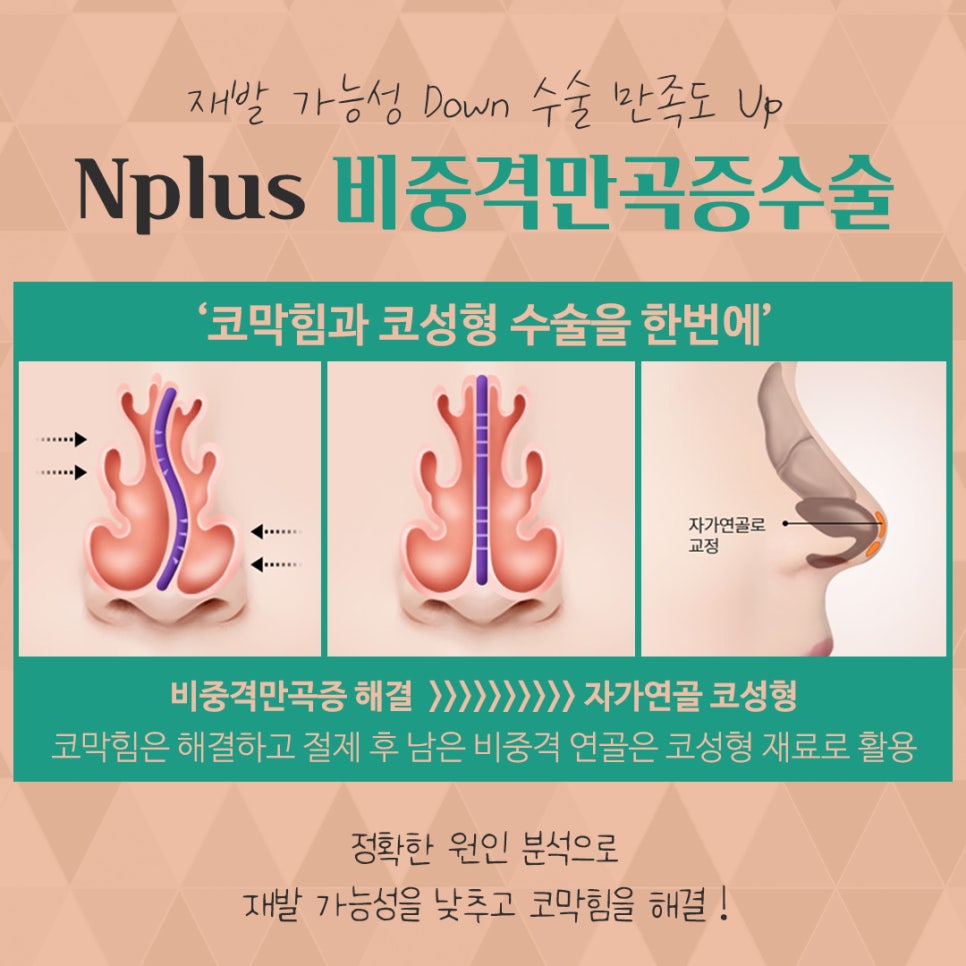
As for the septoplasty method, after accurately determining the degree of septal deviation and whether inferior turbinate hypertrophy is present, the inside of the nose is incised, and a minimally removed portion of the deviated septal cartilage is used to straighten the bent area, with part of the deviated septum being resected.
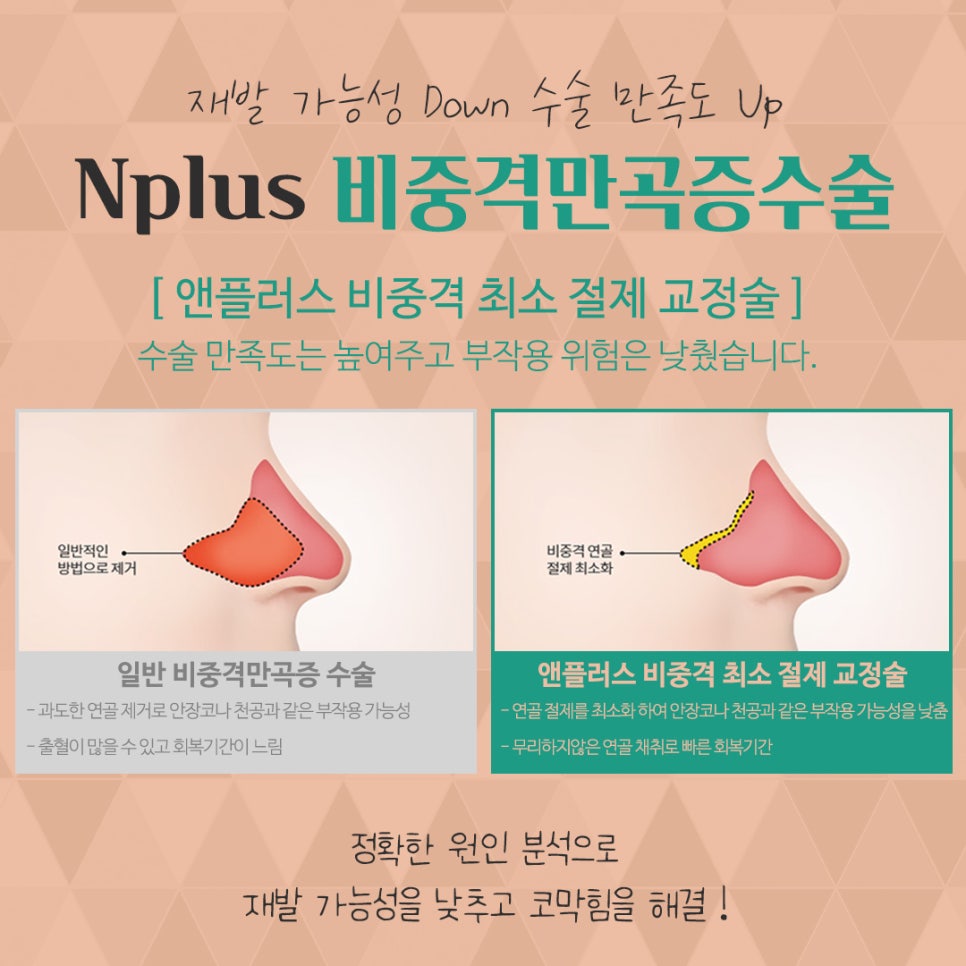
The septal cartilage obtained at this time can be used as material to shape the nasal tip during rhinoplasty. Therefore, septoplasty surgery can also help create a natural nasal tip shape. If you are planning rhinoplasty, the septal cartilage can be used effectively so that one surgery can provide the effects of two procedures, allowing you to expect both functional improvement and cosmetic improvement.
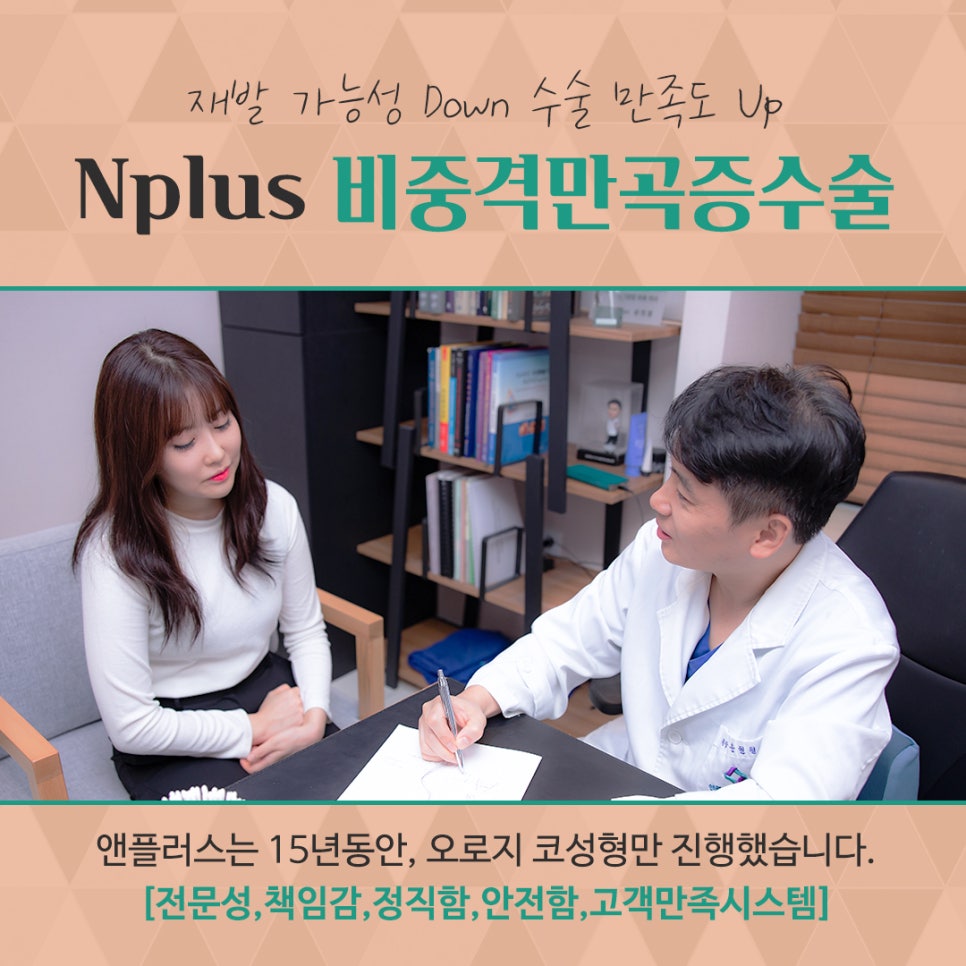

At N Plus, Director Yoon Hyun-cheol personally handles every step one-on-one, from consultation to surgical planning, procedure, treatment, and follow-up care. For aftercare as well, through the N Plus membership card, the clinic operates a free one-year after-sales service system after surgery and a surgery responsibility guarantee system prepared for any situation that may arise, including postoperative pain, inflammation, or dissatisfaction with the appearance.
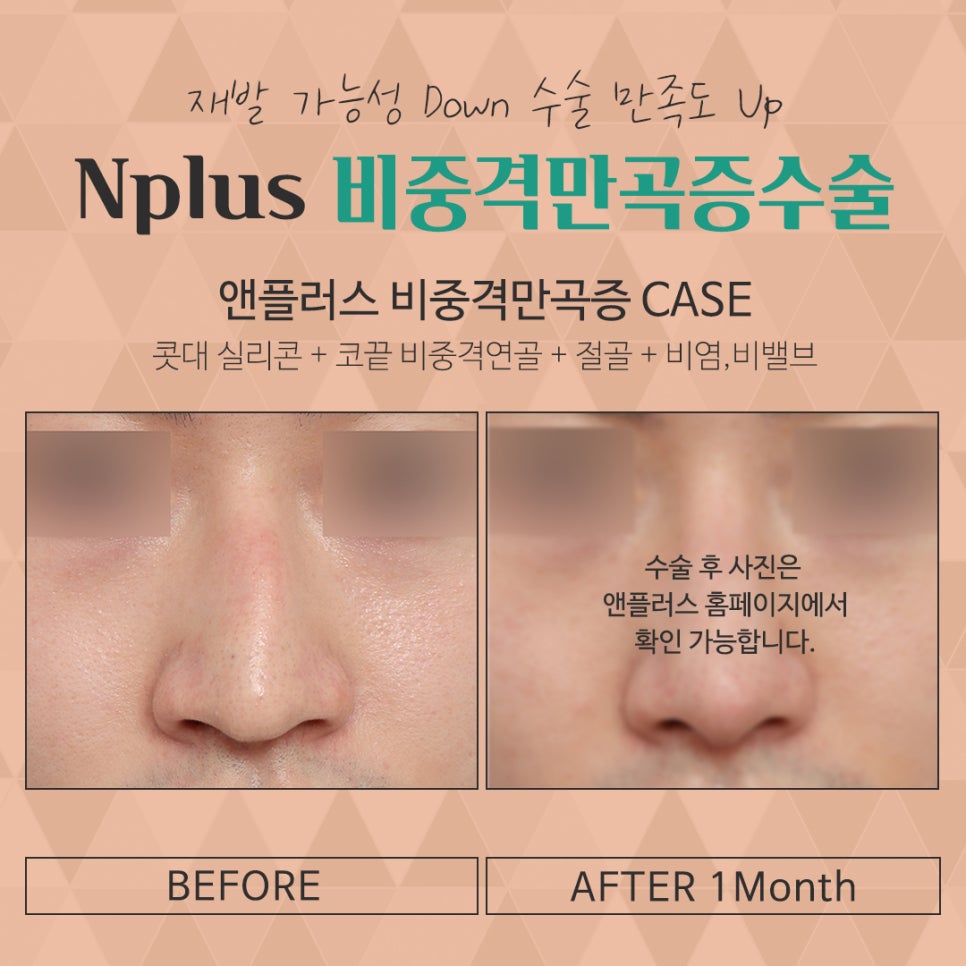
(The image above shows actual before-and-after photos of N Plus septoplasty surgery.)
That concludes our explanation of N Plus septoplasty surgery. I hope this article will be very helpful to those who are feeling stressed because of rhinitis caused by a deviated septum. Thank you^^