
Hello. We are OjiGo Hospital and N+ Clinic, where we have spent only the past 15 years thinking only about your beautiful and healthy nose.
This time, we would like to share information about deviated septum and the surgical procedure.
When you think about rhinoplasty, it is usually approached as a way to make cosmetic changes to your appearance. However, since the nose is located at the center of our face, it plays a role in balancing our facial features. More importantly, it is a functional organ responsible for smell and breathing, so both cosmetic and functional aspects must be checked.

Accordingly, when considering the functional aspect, the first thing to check is nasal congestion. Nasal congestion can be divided into cases where it occurs temporarily due to causes such as seasonal changes or weather, and cases where the symptoms persist regardless of weather or season.

Nasal congestion is mainly a symptom of rhinitis and is divided into temporary allergic rhinitis and structural rhinitis caused by abnormalities in the internal structure. More than 70% of adults in Korea have rhinitis, and among them, 20% have allergic rhinitis, while the remaining 80% have deviated septum, which is a type of structural rhinitis. Since it is difficult to determine rhinitis by appearance alone based only on symptoms, accurate diagnosis by a specialist is needed for treatment or surgical improvement.
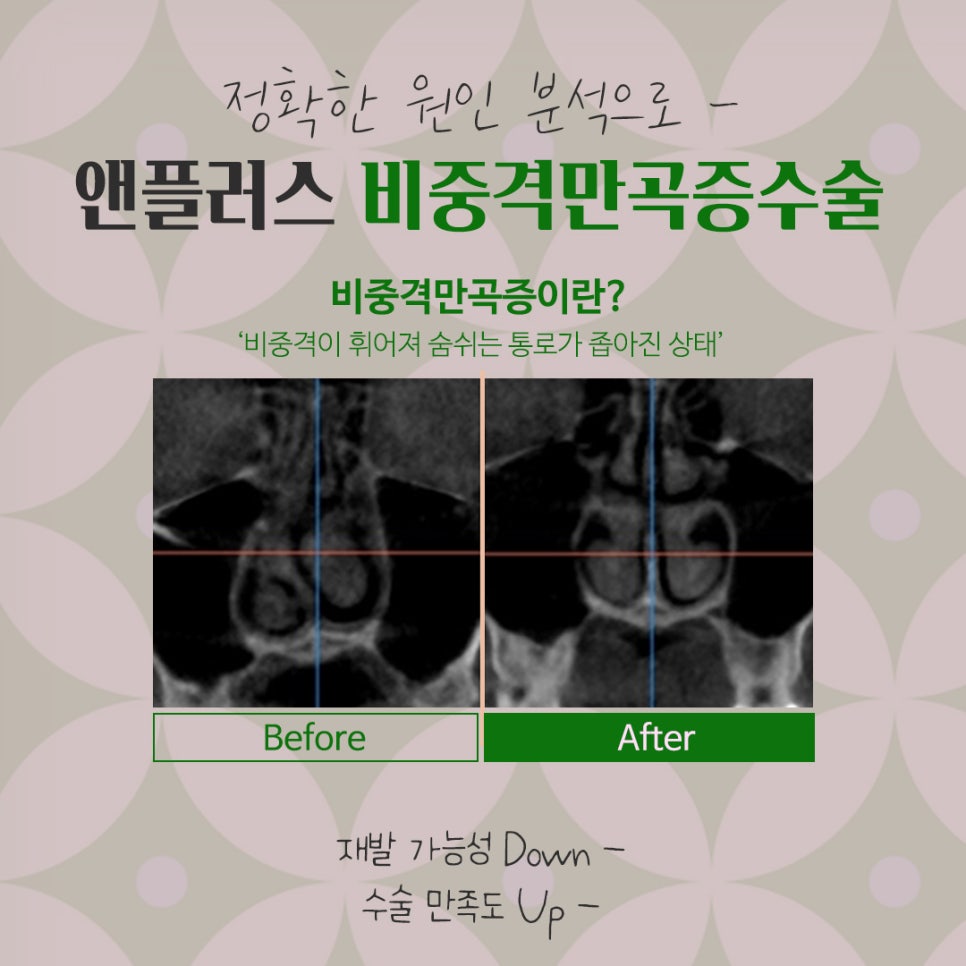
What is a deviated septum? The partition that divides our nostrils into two and the cartilage that supports the nose is called the septal cartilage, and a condition in which the septal cartilage is bent is called a deviated septum. The representative symptom of a deviated septum is nasal congestion, which occurs because the bent septal cartilage obstructs airflow. Through deviated septum surgery, the bent cartilage can be straightened to improve nasal congestion.
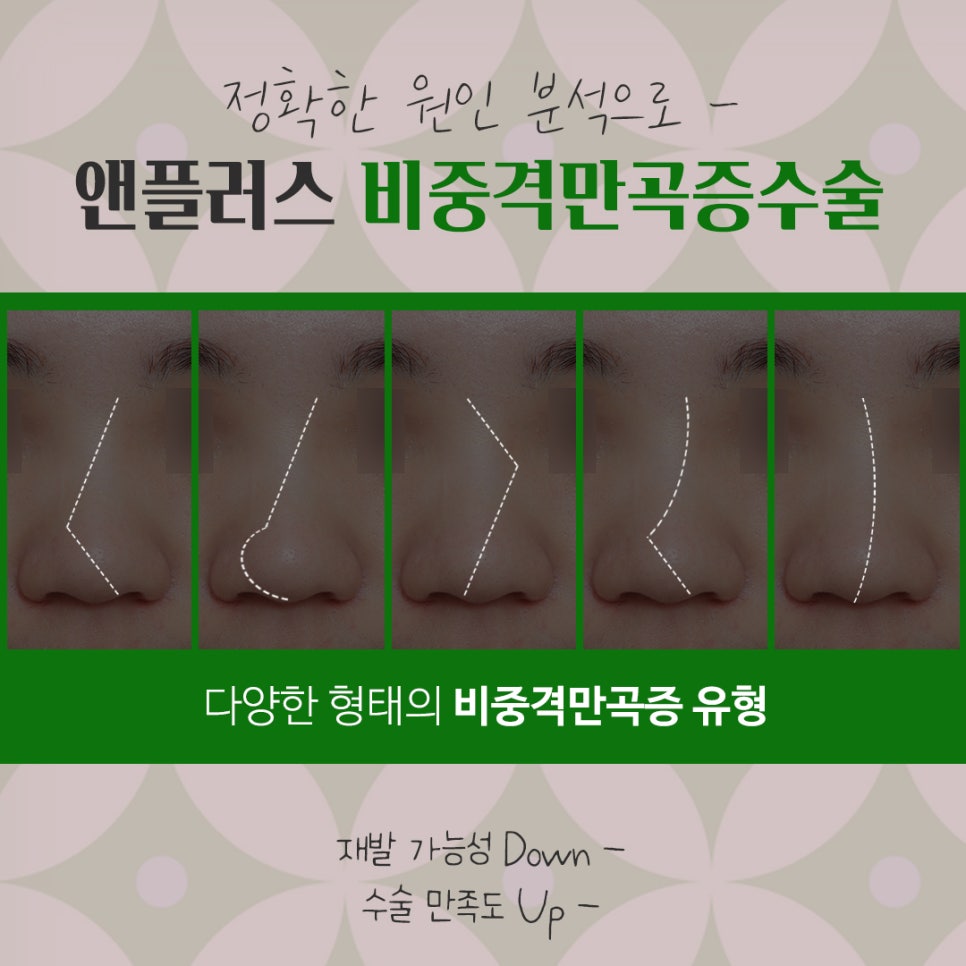
Also, when deviated septum surgery is performed, examining the septum shows that it is not bent in a uniform way. The shape of the deviation differs from person to person, and there is a high likelihood of complex symptoms accompanying the deviated septum, such as inferior turbinate hypertrophy or nasal valve stenosis. When looking at the nose from the outside, many people think nasal surgery is simple.

However, because the nose is an organ responsible for smell and breathing, its internal structure is much more complex than we might think, so the surgery itself can be considered highly difficult. Therefore, it is important to decide on surgery after checking the condition of your nose through an accurate diagnosis at a place with extensive anatomical knowledge of the nose and a high level of experience in the field, which can lead to greater satisfaction with the procedure.
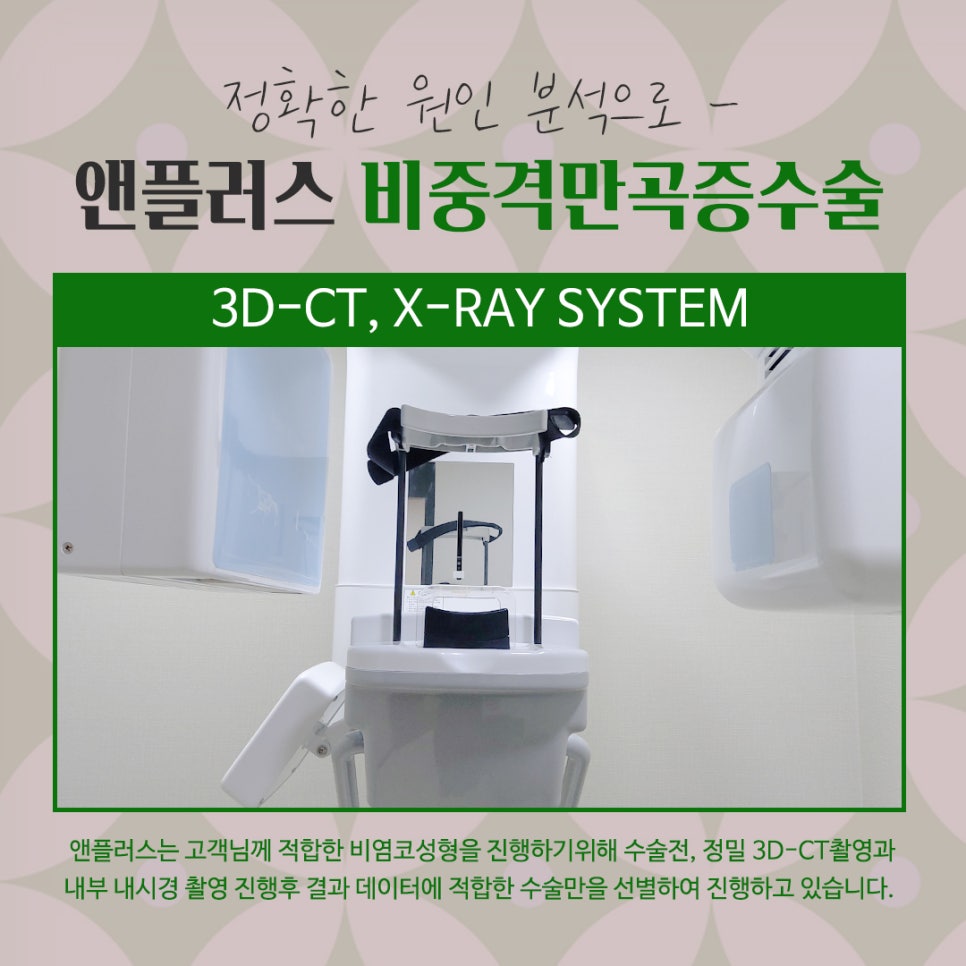
At N+ Clinic, when performing deviated septum surgery, we accurately identify the cause of nasal congestion by conducting various allergy tests, 3D-CT imaging, and internal endoscopic imaging before surgery to determine the location of the bent cartilage and precisely identify the cause of the nasal congestion, then proceed with the surgery.
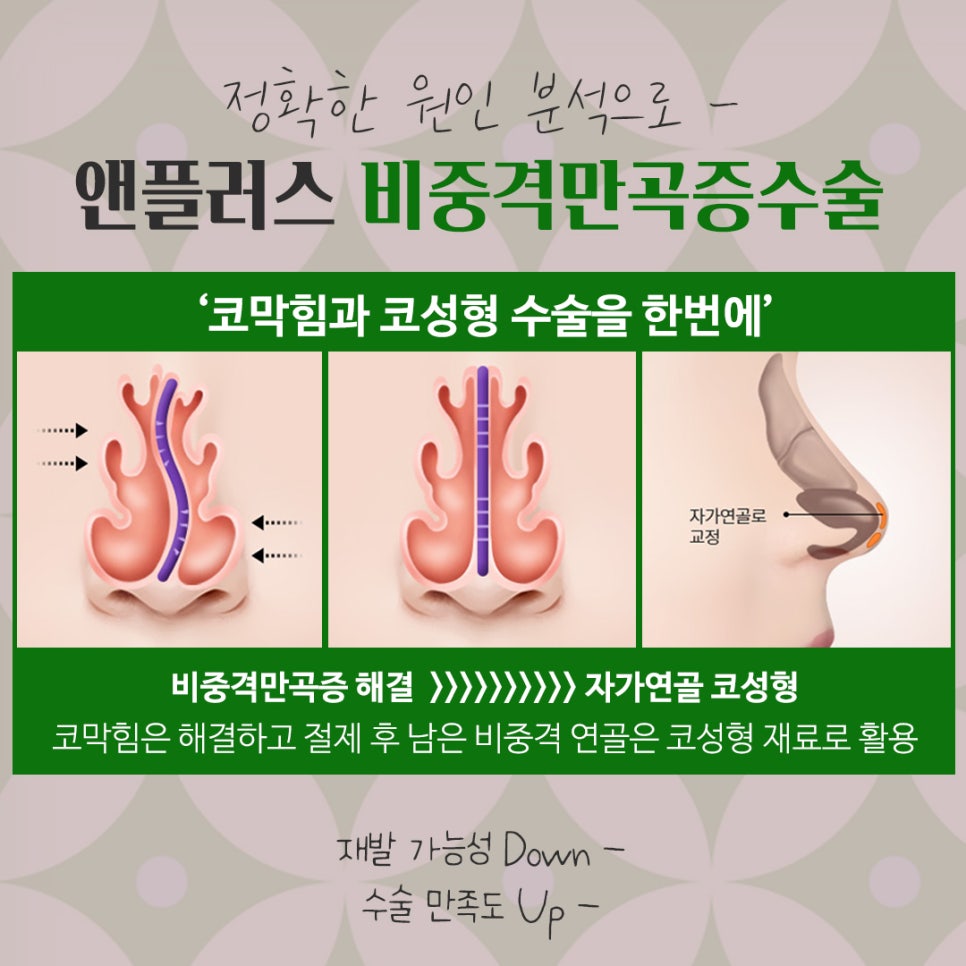
For the deviated septum surgical method, after accurately determining the degree of septal deviation and whether inferior turbinate hypertrophy is present, an incision is made inside the nose, and the deviated septal cartilage is minimally removed and corrected. In addition, if inferior turbinate hypertrophy is accompanied, inferior turbinate correction is performed at the same time using specialized equipment.
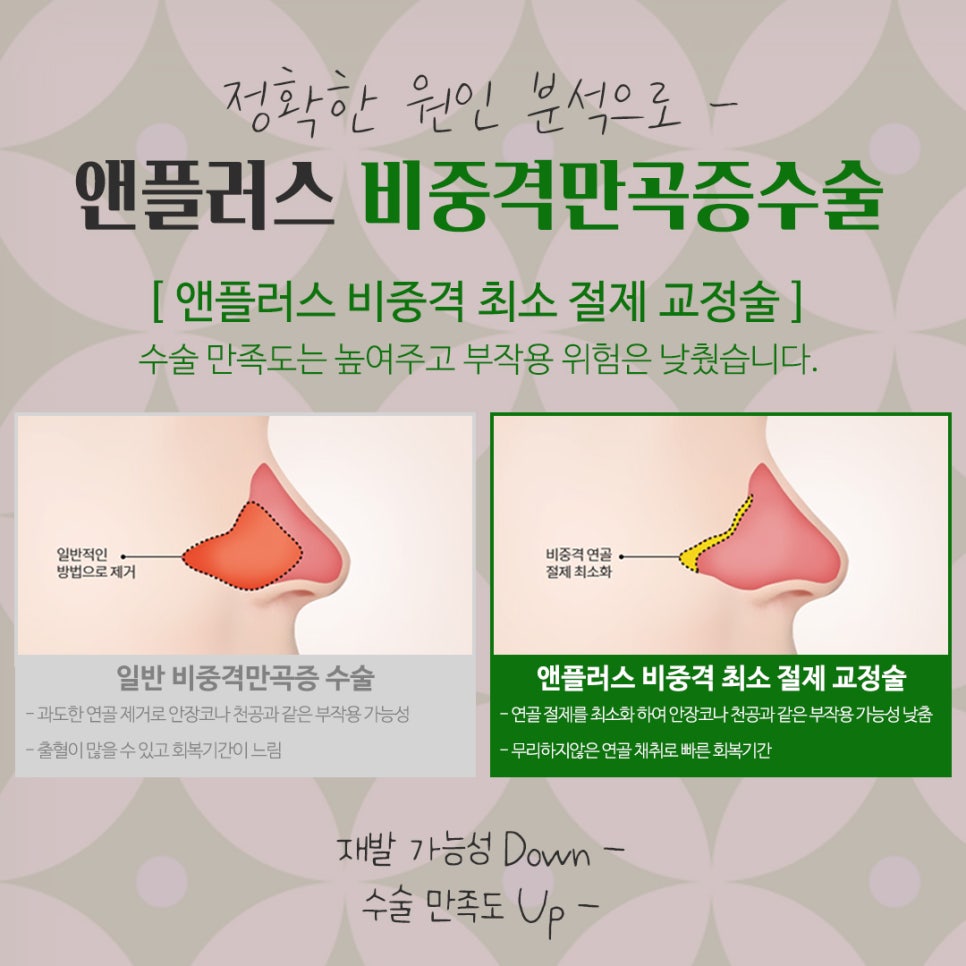
Also, when deviated septum surgery is performed, part of the bent septum is removed. The septal cartilage obtained at this time can also be used as material to shape the tip of the nose, so cosmetic rhinoplasty can be performed at the same time as functional nasal surgery, allowing the effects of two procedures in one surgery.
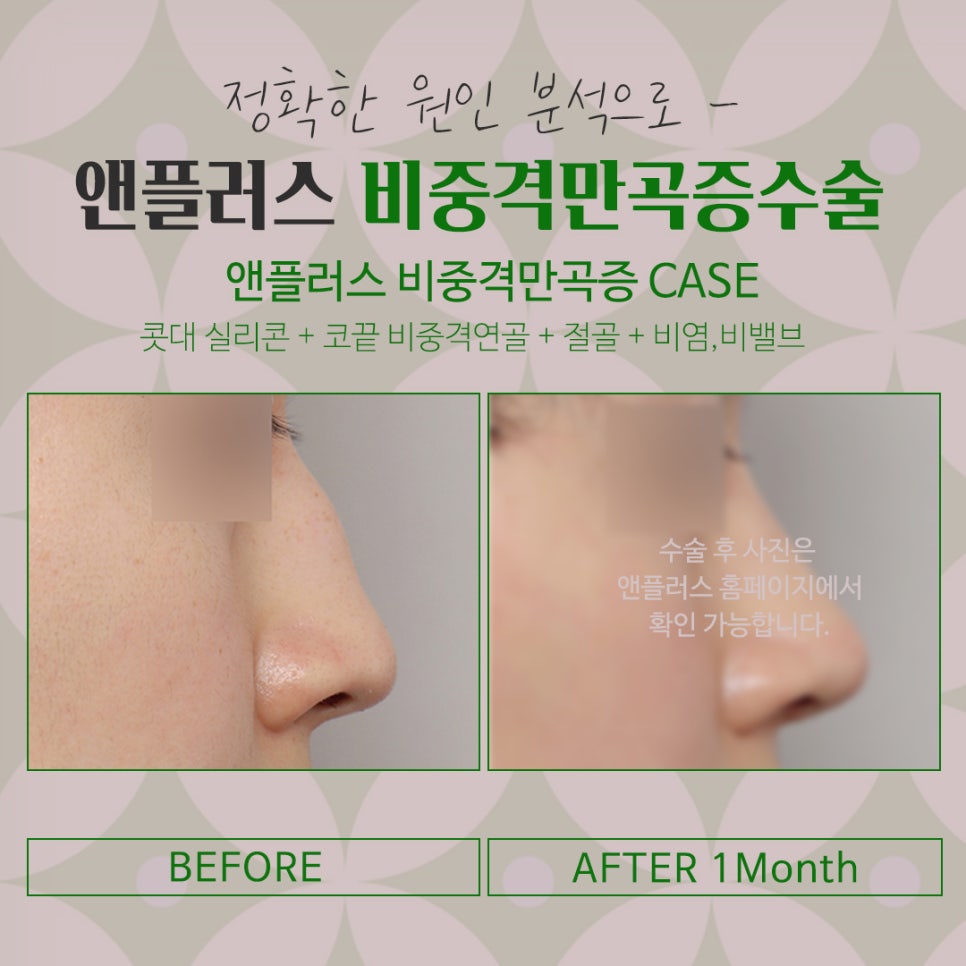
(The image above shows actual before-and-after photos of deviated septum surgery at N+ Clinic.)
So far, we have summarized the information about deviated septum and the surgical procedure at N+ Clinic. I hope this article is of great help to those who are considering treatment or surgery because of chronic nasal congestion. Thank you.