Hello, this is OjiKo Plastic Surgery & N+Plus, dedicated only to your beautiful and healthy nose.
The content we will introduce this time is about rhinitis surgery.

As the weather has become quite cold, more and more people are experiencing nasal congestion and discomfort due to rhinitis symptoms.
A representative symptom of rhinitis is nasal congestion, and because it obstructs the supply of oxygen we breathe in,
it can cause headaches, migraines, fatigue, lethargy, sneezing, sinusitis, and more.
In some cases, these symptoms pass temporarily, but when they continue for a long time,
people who feel significant inconvenience in their daily lives often search for rhinitis surgery.

Rhinitis is broadly divided into allergic rhinitis and structural rhinitis caused by abnormalities in the internal structure. In the case of allergic rhinitis, improvement can be expected through consistent immunotherapy and medication, while structural rhinitis can be improved through rhinitis surgery.

Symptoms that often require rhinitis surgery include deviated septum, inferior turbinate hypertrophy, and nasal valve stenosis. A deviated septum occurs when the septal cartilage inside the nose is bent, obstructing airflow into the nose. Inferior turbinate hypertrophy also causes nasal congestion because the inferior turbinates, which are the fleshy structures on both inner side walls of the nose, become enlarged. Lastly, nasal valve stenosis refers to a narrow, roof-like space at the upper part of the septum inside the nose, and when this space becomes narrowed, it also causes nasal congestion.

There are various rhinitis surgery methods depending on the symptoms. In the case of rhinitis caused by inferior turbinate hypertrophy, laser surgery to adjust the width of the inferior turbinate and rhinoplasty are performed; conversely, in the case of a deviated septum, the deviated septum is corrected first, followed by rhinoplasty.
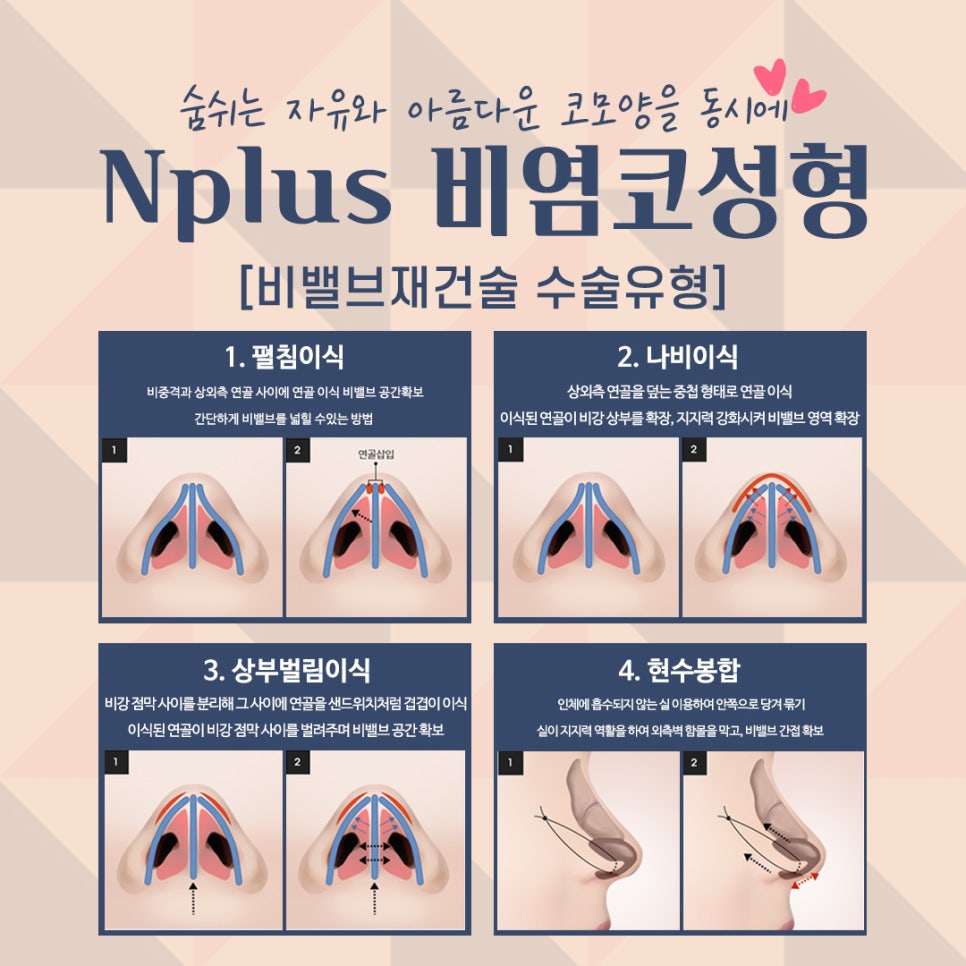
In the case of nasal valve stenosis, one of four methods is used to expand the nasal valve according to the symptoms and widen the space. However, if the rhinitis surgery is not performed in a way that matches the symptoms, nasal congestion may not improve at all and may even feel worse. Therefore, only by accurately identifying the symptoms and performing rhinitis surgery with the appropriate method can the possibility of repeat rhinitis surgery be minimized.
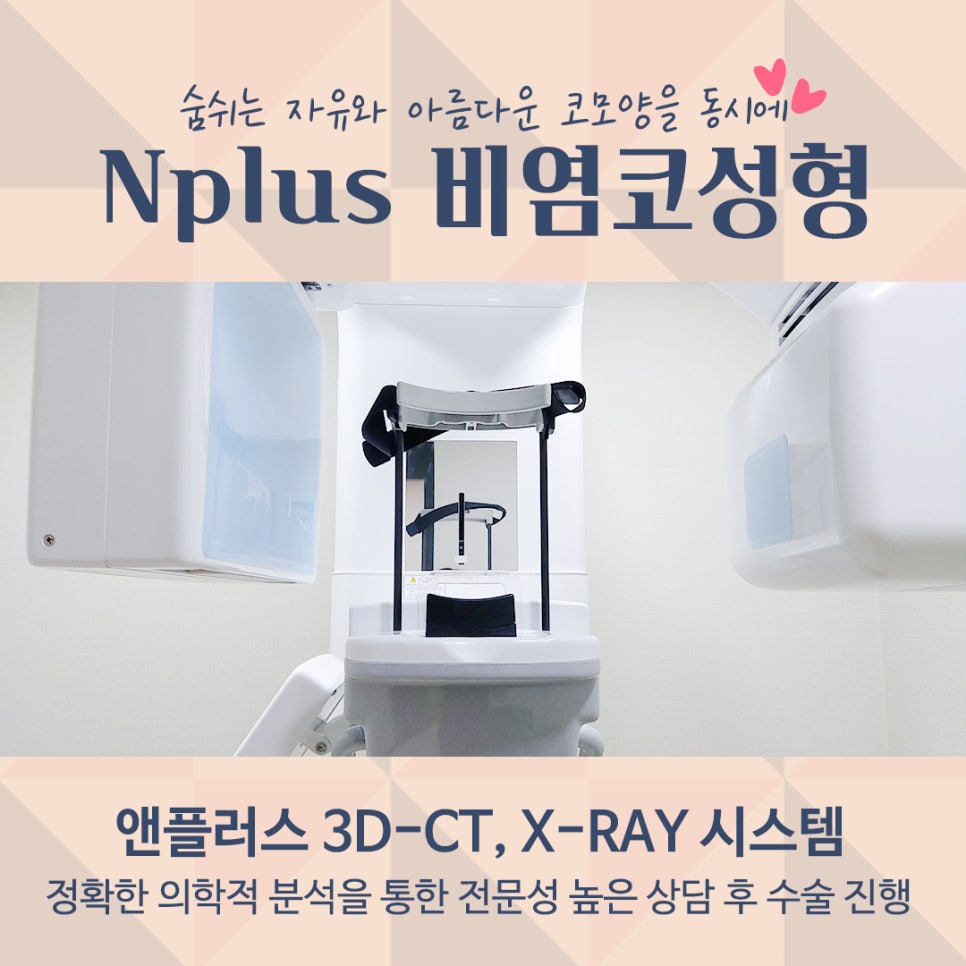
At N+Plus, when performing rhinitis surgery, we conduct various allergy tests, internal endoscopic imaging, and 3D-CT scans before surgery in order to accurately identify the cause and proceed only with the precise surgical method suited to each individual. Because the symptoms or condition are difficult to confirm by visual inspection alone during rhinitis surgery, it is essential to undergo preoperative examinations for an accurate diagnosis and then proceed with surgery that matches the symptoms.
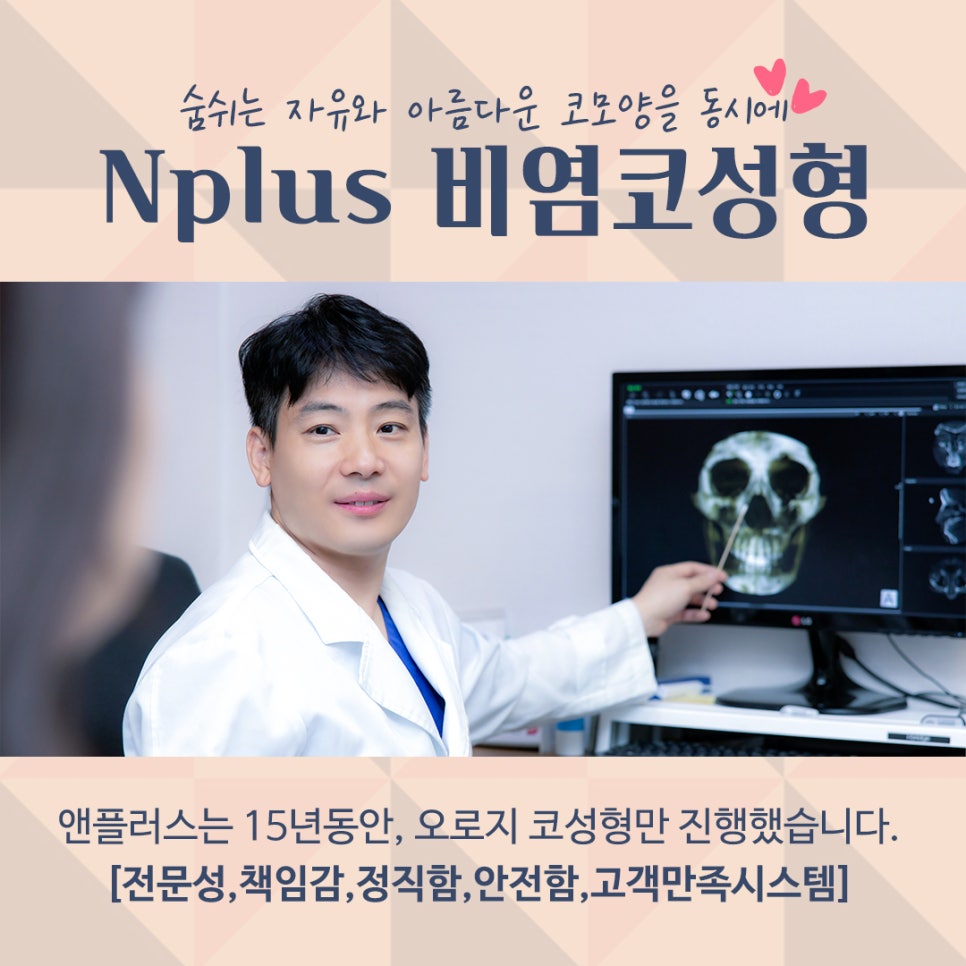
Therefore, when undergoing rhinitis surgery, we recommend choosing a medical team with extensive anatomical knowledge of the nose and a place that can accurately understand the unique characteristics of each person’s nose.
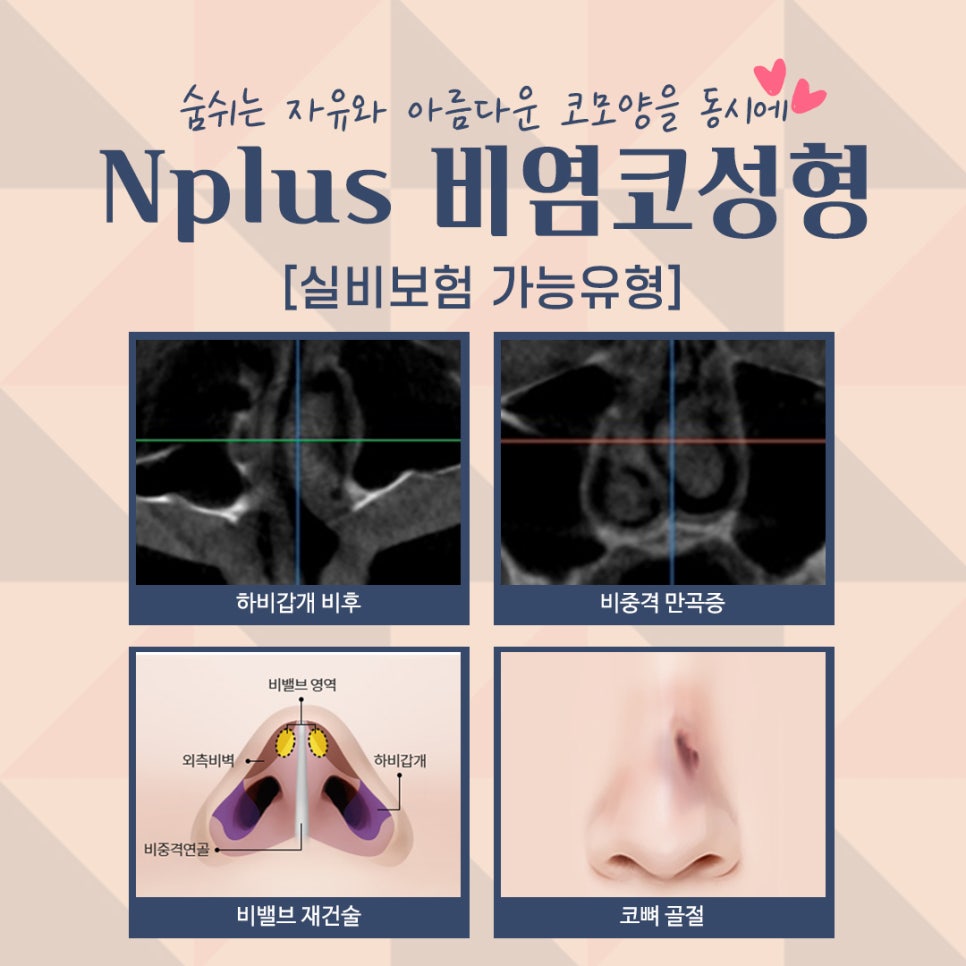
Because cosmetic rhinoplasty and rhinitis surgery can be performed at the same time, the cost burden may feel significant. However, if you visit our clinic, we provide detailed guidance on insurance-related matters and all related details.
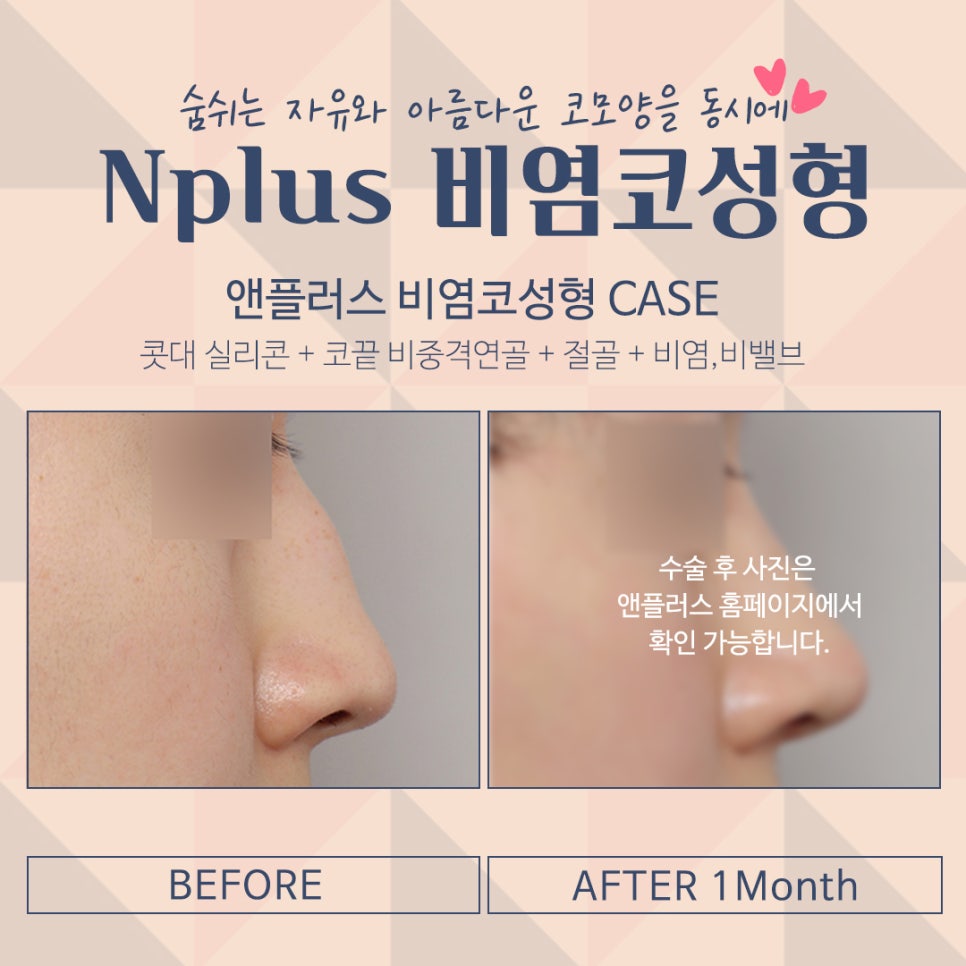
(The images above are actual before-and-after images of rhinitis surgery at N+Plus.)
This concludes our summary of N+Plus rhinitis surgery. We hope this post is of great help to those who are normally stressed by nasal congestion caused by rhinitis. Thank you.