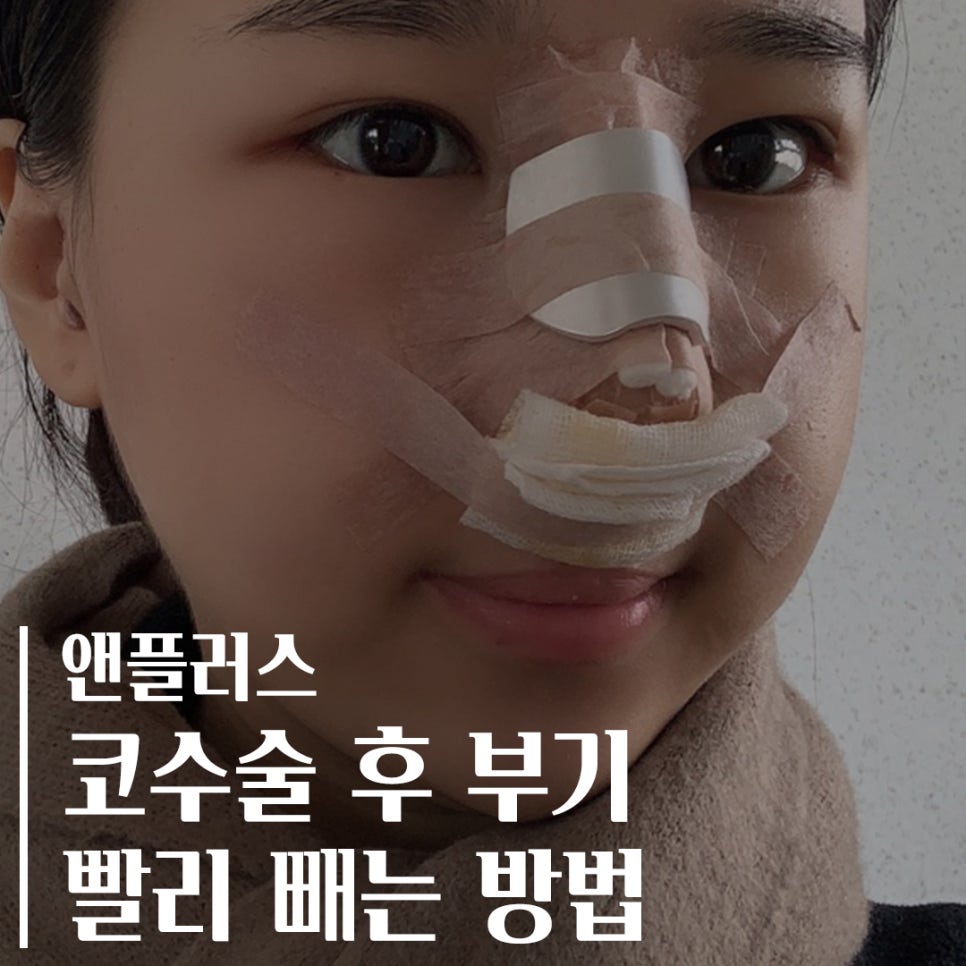
How to Reduce Swelling Quickly After Nose Surgery
Hello. This is Oji Nose Plastic Surgery & N+ Plus, which thinks only of your beautiful and healthy nose.
What I’ll be introducing this time is how to reduce swelling quickly after nose surgery.

Many people wonder when the swelling and bruising that occur after nose surgery will go down. Even when the same surgery is performed, some people experience a lot of swelling while others have less. In such cases, constitution can be said to play a major role.

For example, people who eat salty foods like ramen the day before and swell a lot the next day may be more likely to develop swelling after surgery,

and people who wake up and notice bruises on their arms or legs that were not visible before may also be more likely to bruise after surgery. These individuals may have characteristics such as a low platelet count.
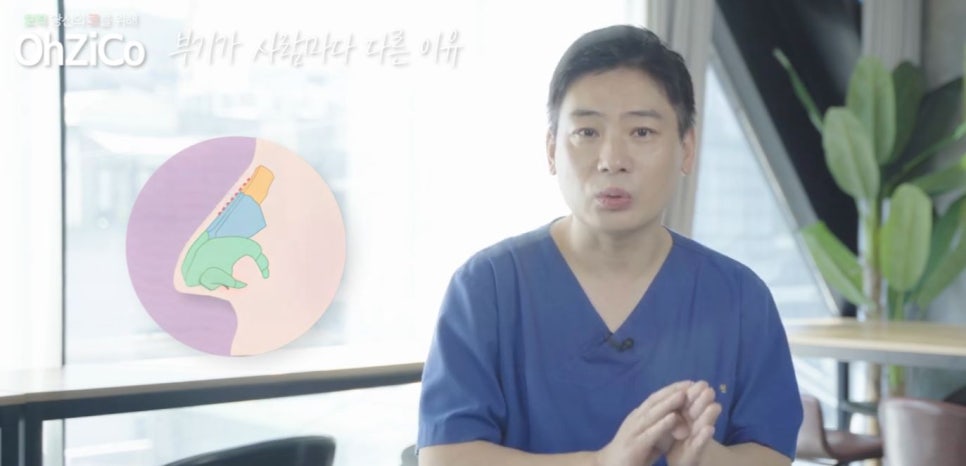
Likewise, the surgery itself also has an effect. In cases such as osteotomy surgery or revision surgery, where the procedure is more complex,
there is naturally a greater chance of bruising and swelling.
So, when bruising or swelling occurs after nose surgery, what can we do to minimize it?

First of all, supplements and products taken for health or to improve circulation before surgery, such as Ginkgin, hormonal medications, omega-3, and krill oil, can help blood circulation. However, if circulation becomes excessive, bleeding may become more severe. As a result, bruising and swelling can become worse.

Therefore, it is recommended to stop taking circulation-improving medications about 11 days to 2 weeks before nose surgery.

It is also better to stop taking them for 1 to 2 weeks after surgery.
And if you have high blood pressure, you should take your blood pressure medication even right before surgery, with only a very small amount of water.

In addition, medications that can cause bleeding, such as aspirin and warfarin, should be stopped for about 2 weeks before and after surgery.

Also, many people drink pumpkin juice after surgery. Pumpkin juice has a diuretic effect, meaning it helps remove water from the body. Since swelling is also caused by a buildup of fluid at the wound site, its diuretic effect can help reduce swelling.

People often do compresses after surgery. When you have surgery, blood-related substances are released from the body to the wound area, causing swelling,
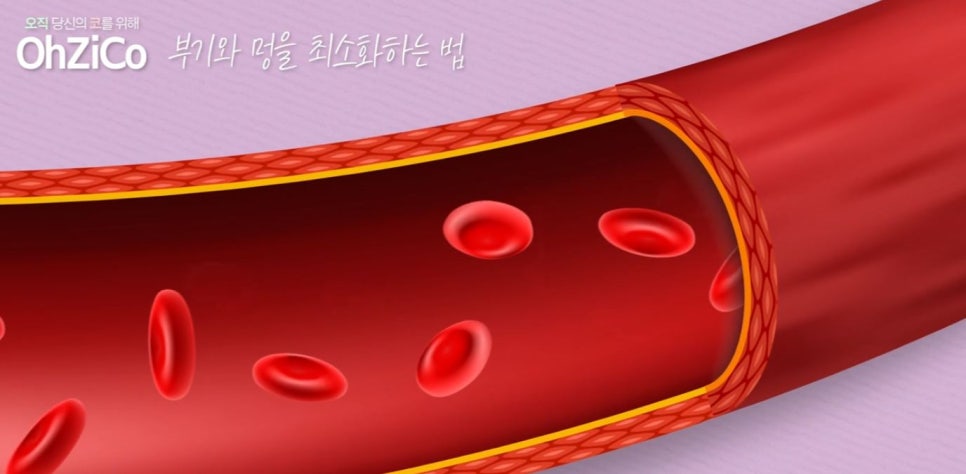
and at that time, cold compresses help constrict blood vessels, stop bleeding, and reduce various factors in the blood.
Cold compresses can be effective for about 3 days after nose surgery,
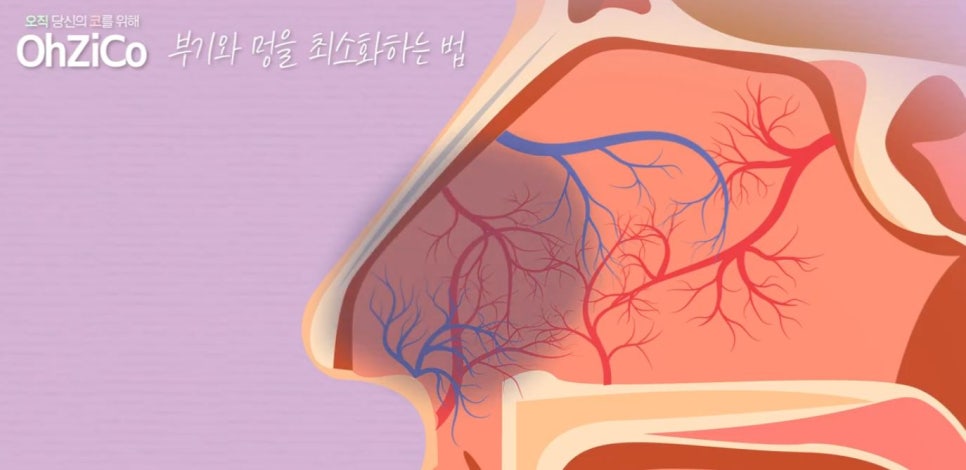
after which warm compresses should be used to dilate blood vessels and help circulation. This can help distribute the bruising and swelling that have already formed more evenly throughout the body, which may reduce bruising and swelling.

Also, it is best to rest completely during the 3 days when cold compresses are used.
After those 3 days, walking can help circulation and may help bruising and swelling go down more quickly.
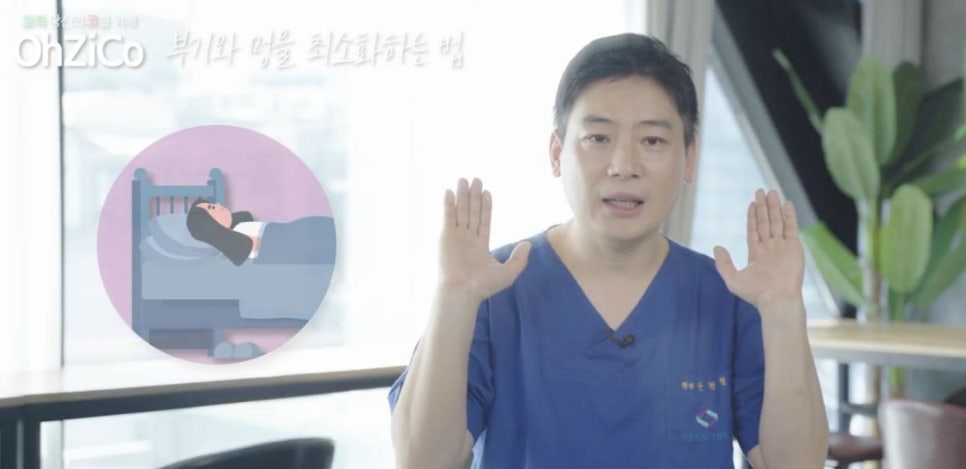
After nose surgery, keeping your head slightly higher than your heart helps reduce bleeding, bruising, and swelling.
However, some people sleep sitting up after surgery. You do not need to go that far. It is enough to keep your head slightly higher than your heart than usual while sleeping, so raising your pillow a little more than normal is appropriate. In fact, sleeping sitting up can interfere with deep sleep. Getting good sleep and allowing the body to recover well are important for swelling and bruising to go down more quickly.

Do medications that reduce bruising and swelling work?
Yes, they definitely help. Hospitals recommend medications that help bruising and swelling go down faster. There are medicines taken right before surgery, right after surgery, and after some time has passed. Right before surgery, they slightly constrict blood vessels and reduce bleeding to lessen bruising and swelling, and after surgery, they work by further dilating blood vessels to help bruising and swelling subside more quickly.
Lastly, when it comes to swelling after nose surgery, the most important thing is, in a sense, 'time.'
With time, most bruising and swelling will go down. However, if the bruising or swelling is slow to subside, there may be a problem. In such cases, it is important to visit the hospital where you had the surgery, show your condition to the doctor in charge, and have it checked. That concludes my explanation of how to reduce swelling quickly after nose surgery. I hope this article is very helpful for those wondering when swelling will go down after surgery. Thank you.
https://youtu.be/-gm6OyMki5E