
Hello. We are OJIKO Plastic Surgery & Nplus, a clinic that only thinks about your beautiful and healthy nose.
This time, we are introducing nasal bridge surgery that also improved rhinitis.

Recently, rather than following trends, the trend has been to enhance appearance by bringing out one’s own individuality. However, the area that has been difficult to improve with makeup or filming techniques alone is the nose, and more people are visiting medical institutions for a more refined image while preserving their own individuality. The nose can bring about a large change in appearance with just a small adjustment, so it is increasingly being sought as a way to overcome complexes.

Among these, many people visit because they feel self-conscious about having a low nose. Since a smooth, sharply elevated nose line is generally considered ideal, a low nose can be improved through nasal bridge surgery.

If you proceed with nasal bridge surgery, it is advisable to understand the condition of your own nose accurately before proceeding. The nose is important aesthetically, but functionally it is an organ that is responsible for our breathing and sense of smell, so if the approach is based only on cosmetic or financial considerations, it can lead to secondary surgery. Before nasal bridge surgery, it is important to accurately check the functional aspects first.

More than 70% of adults in Korea have rhinitis, and among them, 20% have allergic rhinitis and 80% have rhinitis caused by internal structural abnormalities. The representative symptom of rhinitis is nasal congestion. Therefore, if you usually experience nasal congestion, checking the internal condition of your nose accurately before undergoing nasal bridge surgery can help ensure a more satisfactory result.
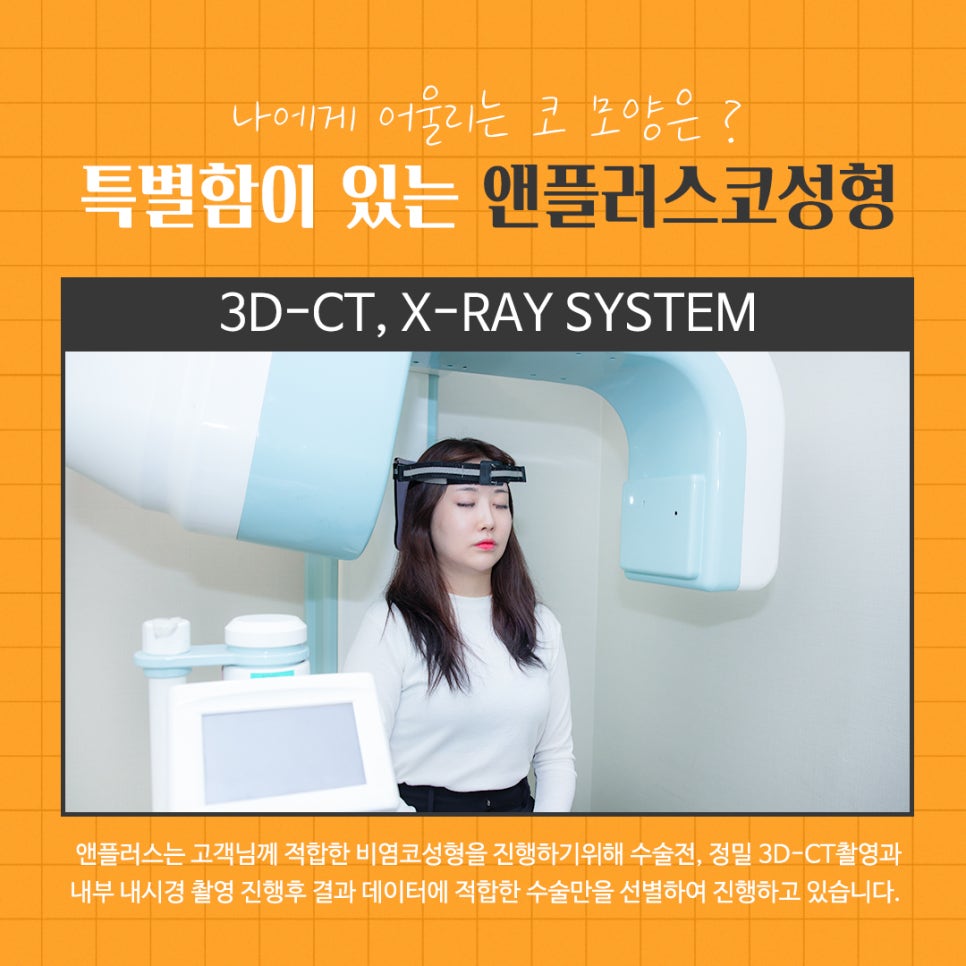
At Nplus, when performing nasal bridge surgery, we use 3D-CT imaging and internal endoscopic examination to accurately identify functional abnormalities (rhinitis, deviated septum, nasal valve stenosis, etc.), the condition of the nasal bones, and whether cartilage is present, then based on the data, proceed with a nasal bridge surgery method tailored to the individual.
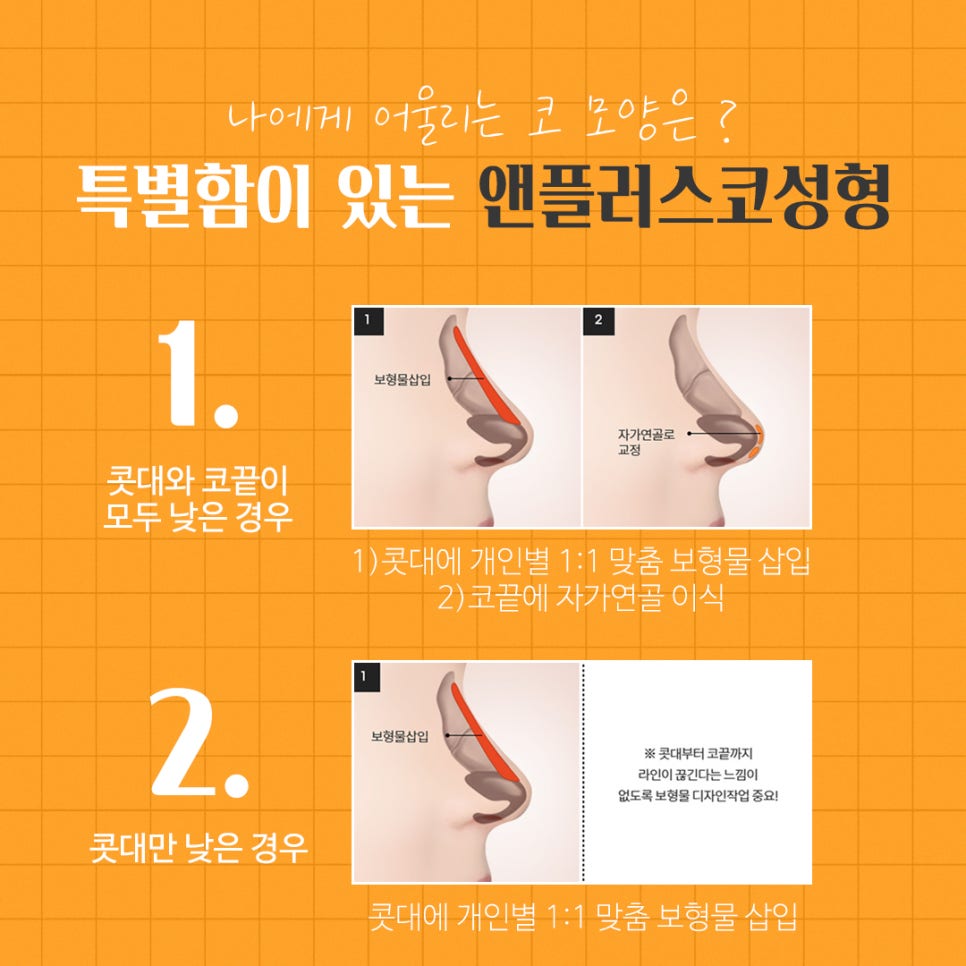
There are two ways to perform nasal bridge surgery. One is when both the nasal bridge and the nasal tip are low, and the other is when only the nasal bridge is low. If only the nasal bridge is low, the procedure is performed by inserting a customized implant on a one-on-one basis. If both the nasal bridge and the nasal tip are low, the surgery is performed by inserting an implant and grafting autologous cartilage to the nasal tip.
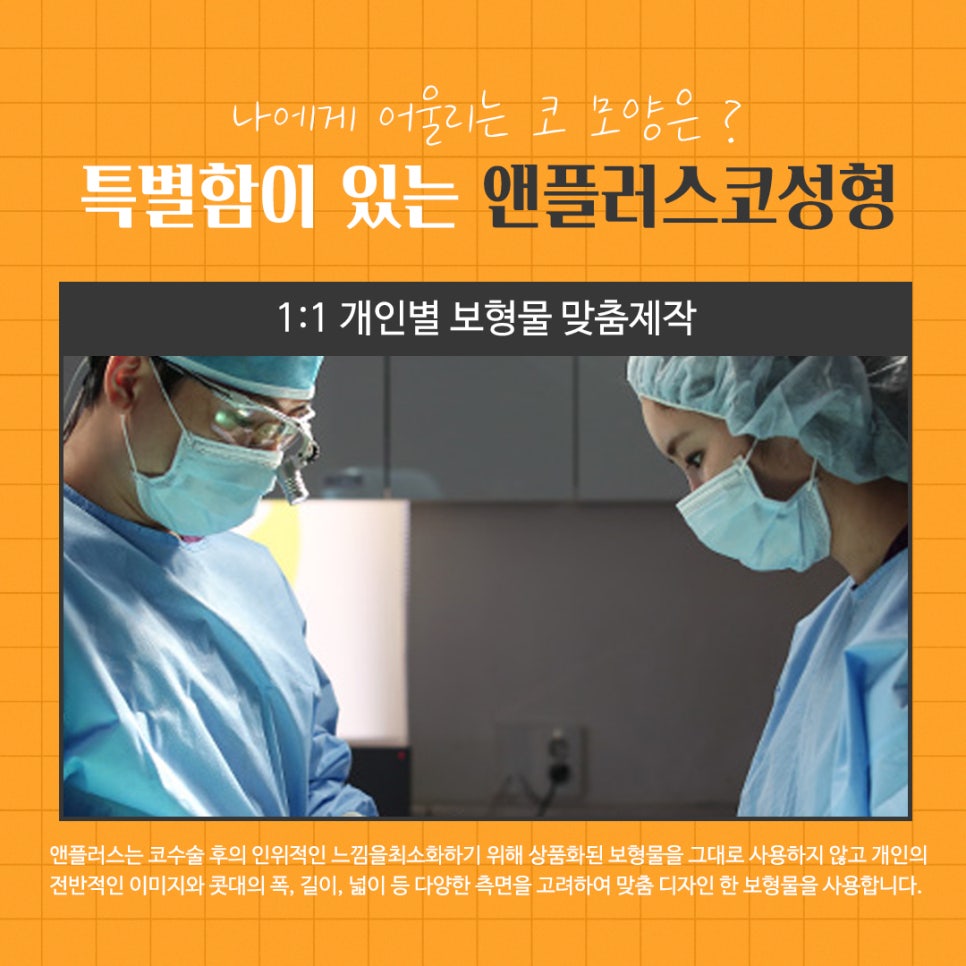
At Nplus, to minimize an artificial appearance during nasal bridge surgery, we do not use mass-produced implants (silicone) as they are. Instead, we use custom-designed implants that take into account various aspects such as the individual’s overall image, the width, length, and breadth of the nasal bridge. In addition, Director Yoon Hyun-cheol personally oversees everything from implant design to the entire surgical process.
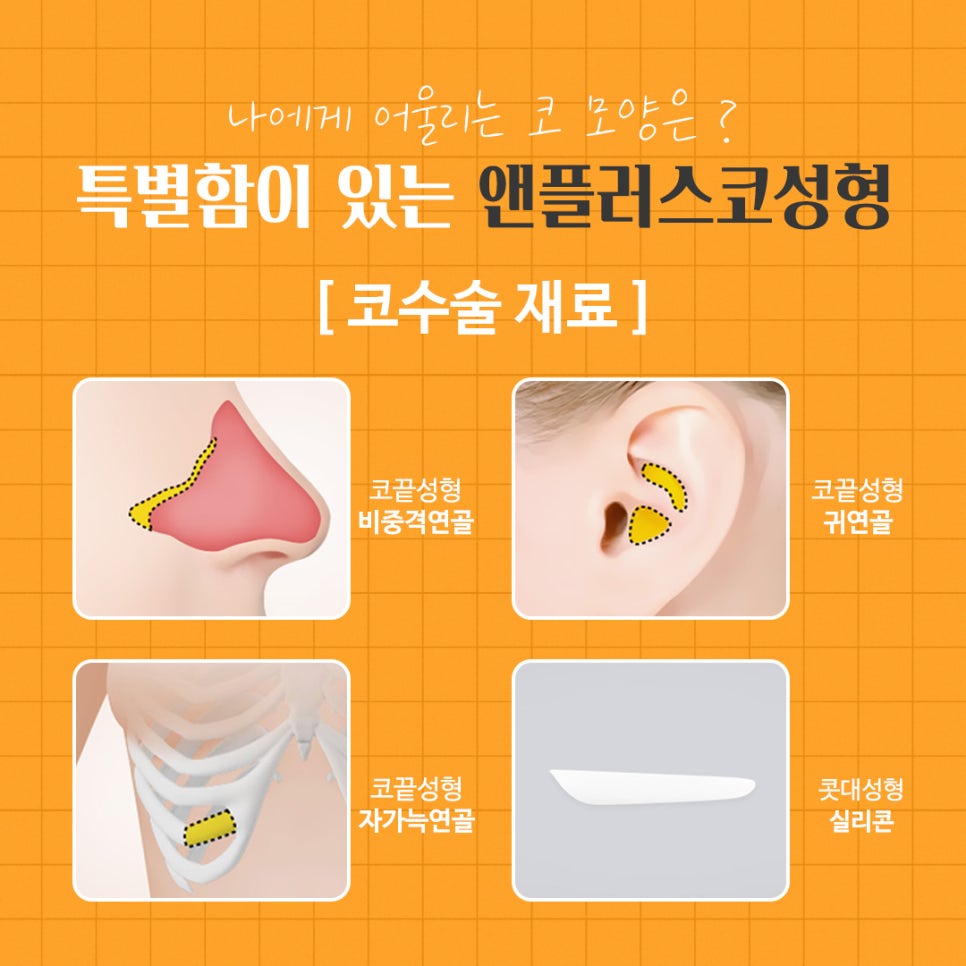
Also, to minimize side effects from surgery, we perform nose surgery using the safest materials, such as an implant (silicone) for the nasal bridge and autologous cartilage for the nasal tip (septal cartilage, ear cartilage, rib cartilage). In addition, to prevent secondary infection that may occur during surgery, all implants and cartilage undergo sterilization before transplantation.

Lastly, one thing to check when undergoing nasal bridge surgery is that the nose is an organ responsible for both our aesthetic and functional aspects, so it must be decided more carefully than other areas. Therefore, the surgery must be performed so that no problems arise with the internal function. If inflammation occurs or the cartilage bends, functional problems may arise.
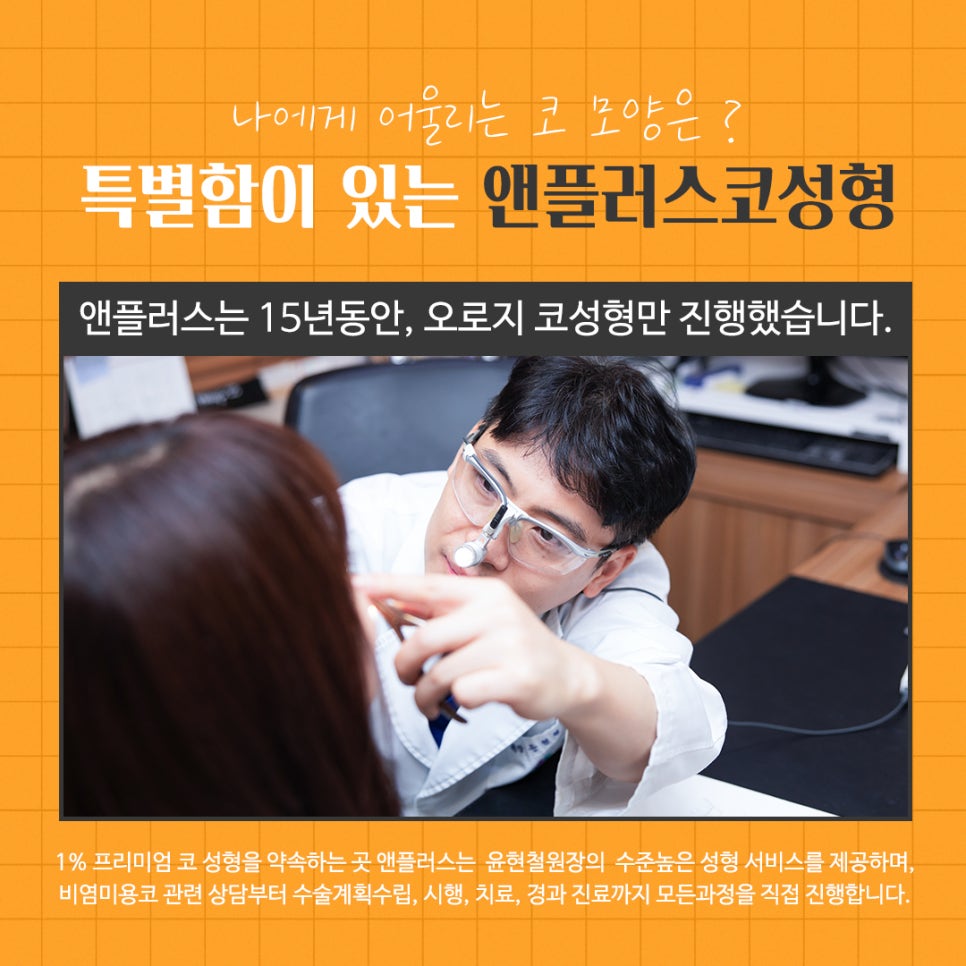
Based on this, it is better to undergo surgery at a place where the medical staff have strong anatomical knowledge of the nose, extensive experience, and reliable aftercare.
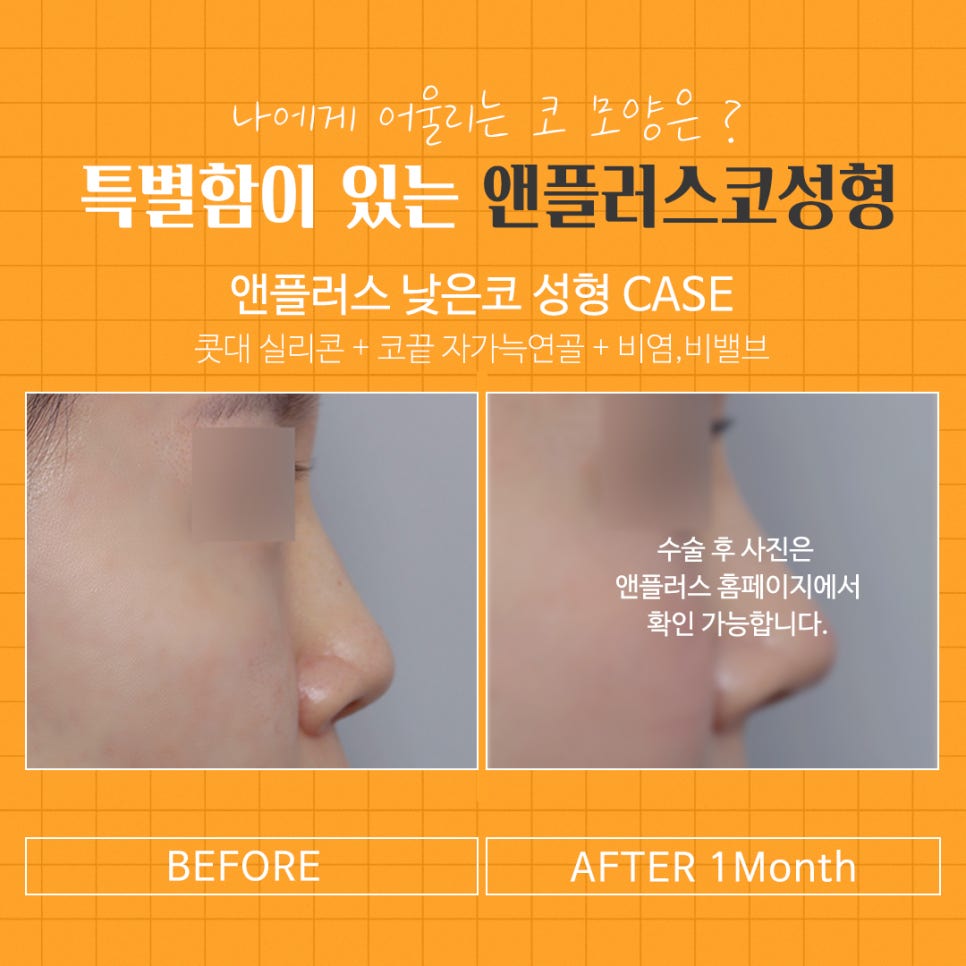
(The image above is a before-and-after photo of nasal surgery at Nplus that improved rhinitis.)
That concludes the information we’ve shared about nasal bridge surgery that also improved rhinitis. We hope this article is of great help to those who are stressed because of a low nose shape. Thank you.