
Hello. This is Ozico & Plus Clinic, which thinks only about your beautiful and healthy nose.
The content introduced this time is about a nose surgery review that also checked for a deviated septum.

Recently, people of all ages and genders have been showing a strong interest in beauty-related industries.
Because we live in an era where people promote themselves through videos or images, many are interested in taking care of their appearance. More and more people are choosing plastic surgery to enhance their individuality while improving areas they feel are lacking. Among these, there is especially high interest in the nose, which is difficult to change with makeup or filming techniques alone. Since even a small change to the nose can greatly improve one’s overall image, many people search for nose surgery reviews to learn more.

People looking into nose surgery reviews usually start from either an aesthetic perspective or a cost perspective. However, our nose is not only an important aesthetic feature that sits at the center of the face and helps balance the facial features, but also an organ with very important functional roles, such as smelling and breathing. Therefore, in addition to nose surgery reviews, it is also important to look into the functional aspects as well.
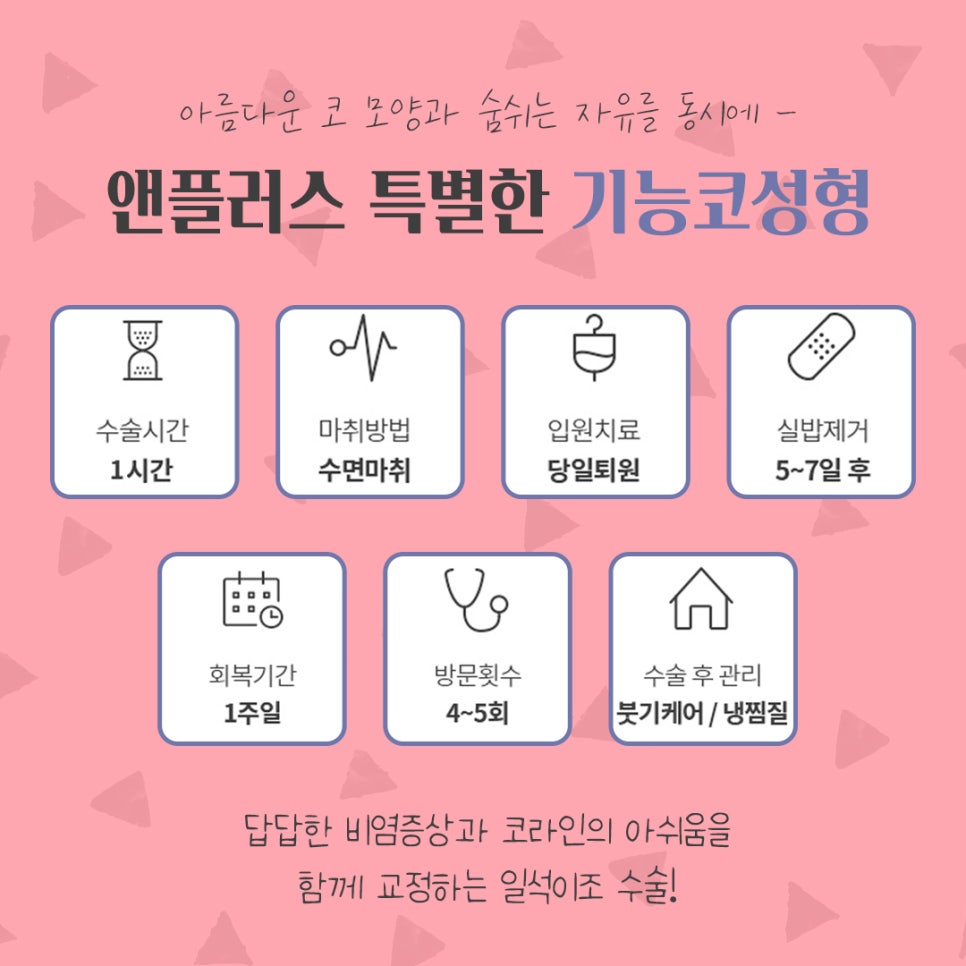
When considering surgical improvement of nasal function, the most common symptom is nasal congestion. Nasal congestion is a symptom caused by rhinitis. It is said that more than 70% of adults in Korea have rhinitis, with 20% having allergic rhinitis and the remaining 80% having rhinitis caused by internal structural abnormalities, including a deviated septum. In the case of allergic rhinitis, a complete cure is difficult, so improvement can be achieved through consistent medication and strengthening the immune system. In the case of a deviated septum, because the rhinitis is caused by an internal structural abnormality, improvement can be achieved surgically.
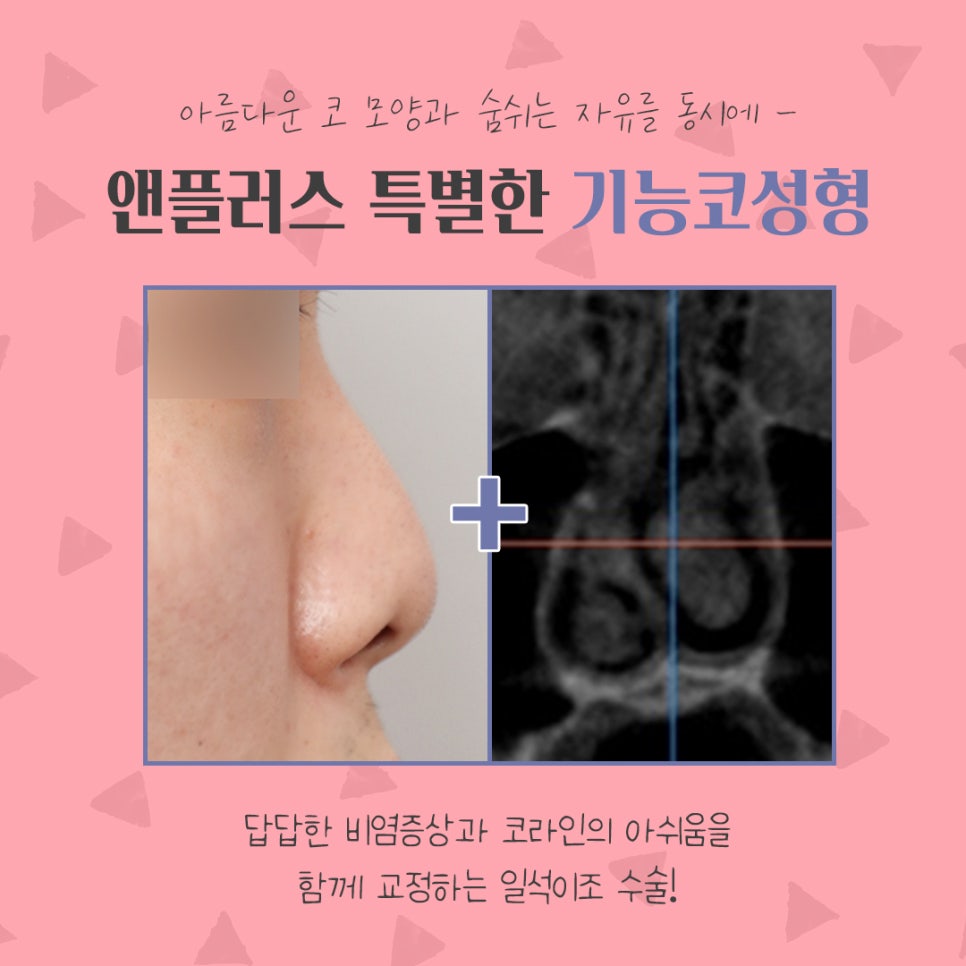
What is a deviated septum? When we divide the nostrils into two, the cartilage that forms the partition in the middle is called the septum, and a condition in which this septum is bent is called a deviated septum. The most representative symptom is nasal congestion. Since this is caused by an abnormality in the internal structure of the nose, it is difficult for individuals to determine by visual inspection alone, so you must visit a hospital to receive an accurate diagnosis.

Also, if the nasal congestion caused by a deviated septum is very mild, treatment may not be necessary. However, as symptoms become more severe, the likelihood of progressing to chronic rhinitis increases, so you must check the condition of your nose. If left untreated, insufficient oxygen supply to the brain can lead to headaches, migraines, reduced concentration, and loss of motivation, causing major inconvenience in daily life.
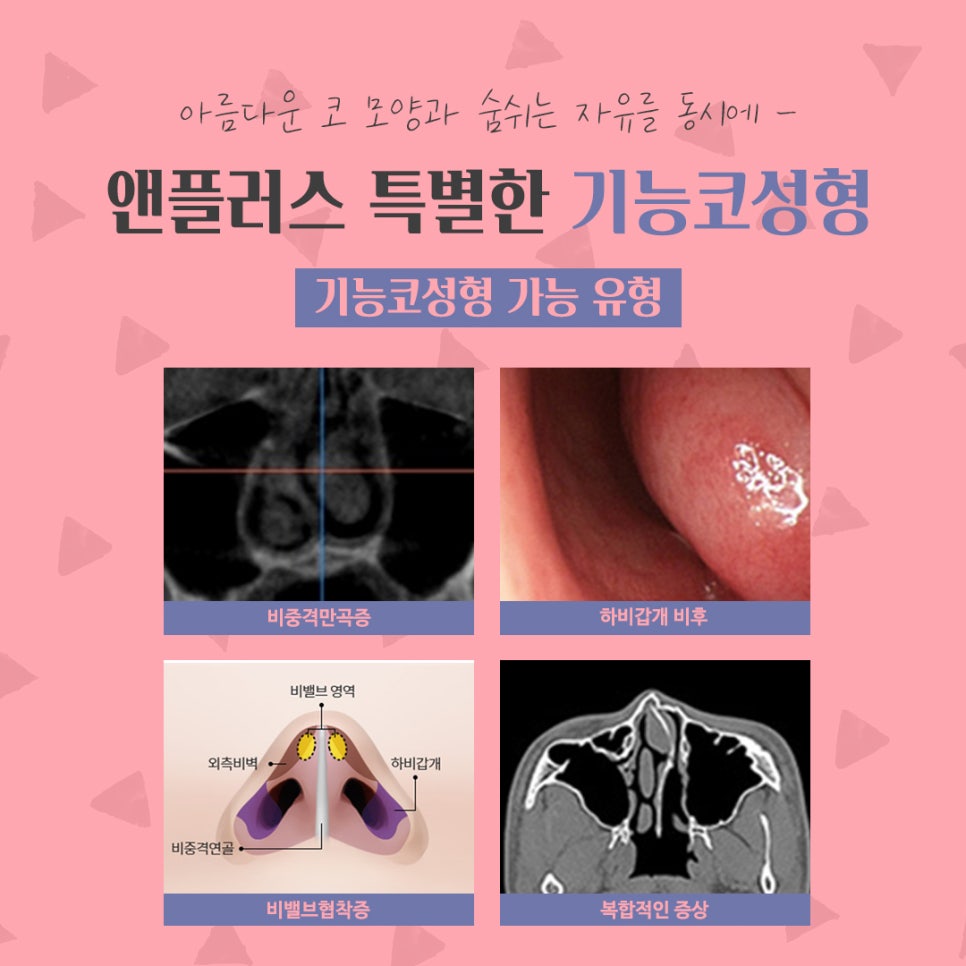
In addition, the nasal congestion symptoms of a deviated septum can occur in combination with conditions such as inferior turbinate hypertrophy and nasal valve stenosis. Therefore, to minimize the chance of revision surgery, you should choose a clinic with extensive anatomical knowledge of the nose and a strong surgical track record in related procedures. Accordingly, if you are looking into nose surgery reviews, we recommend checking both the internal function and the cosmetic aspects before proceeding with surgery.
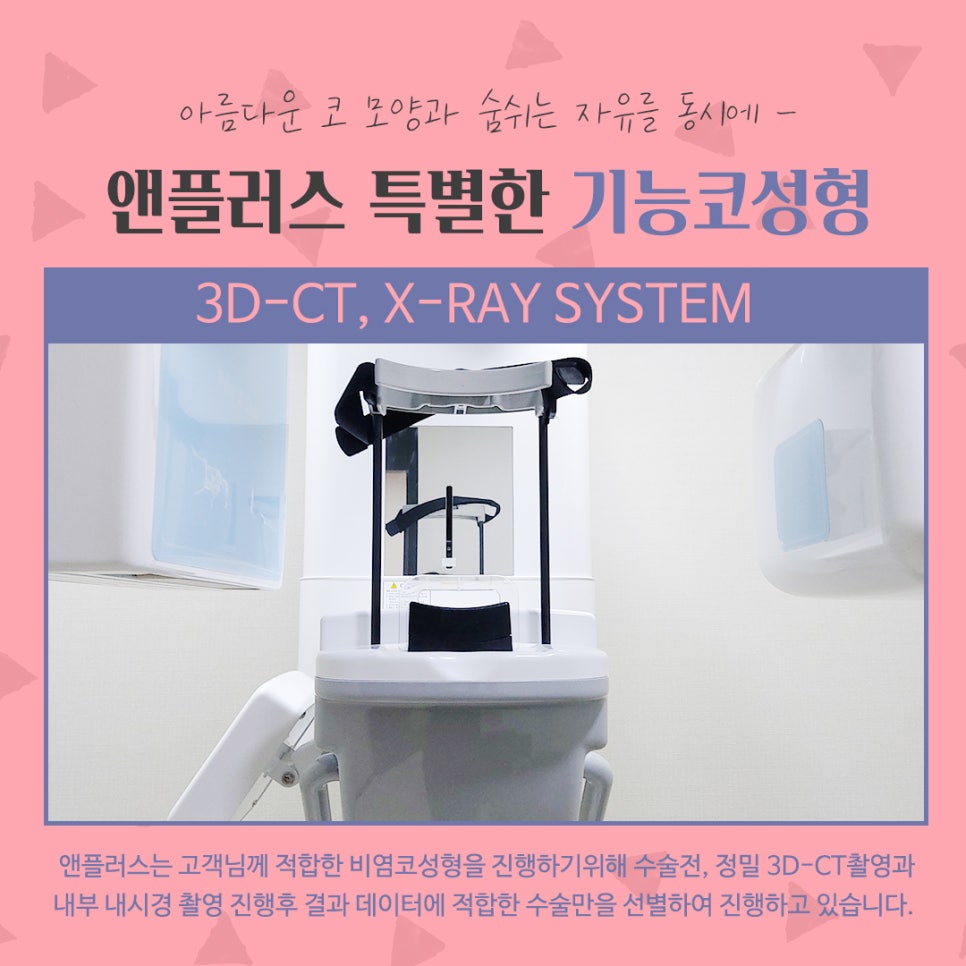
At N Plus Clinic, to provide a satisfying nose surgery review, we precisely check the degree of cartilage deviation in a deviated septum and the cartilage position through preoperative 3D-CT imaging and internal endoscopy, then proceed with a surgical method tailored to the individual based on the data.
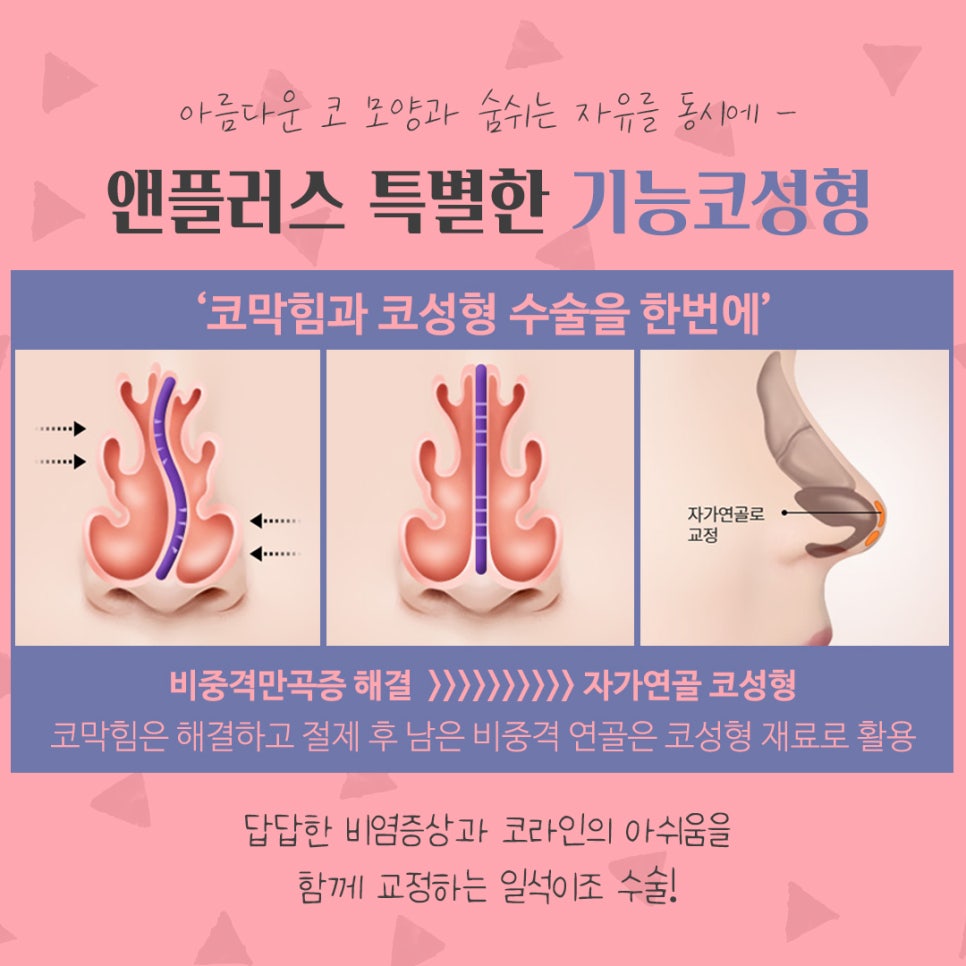
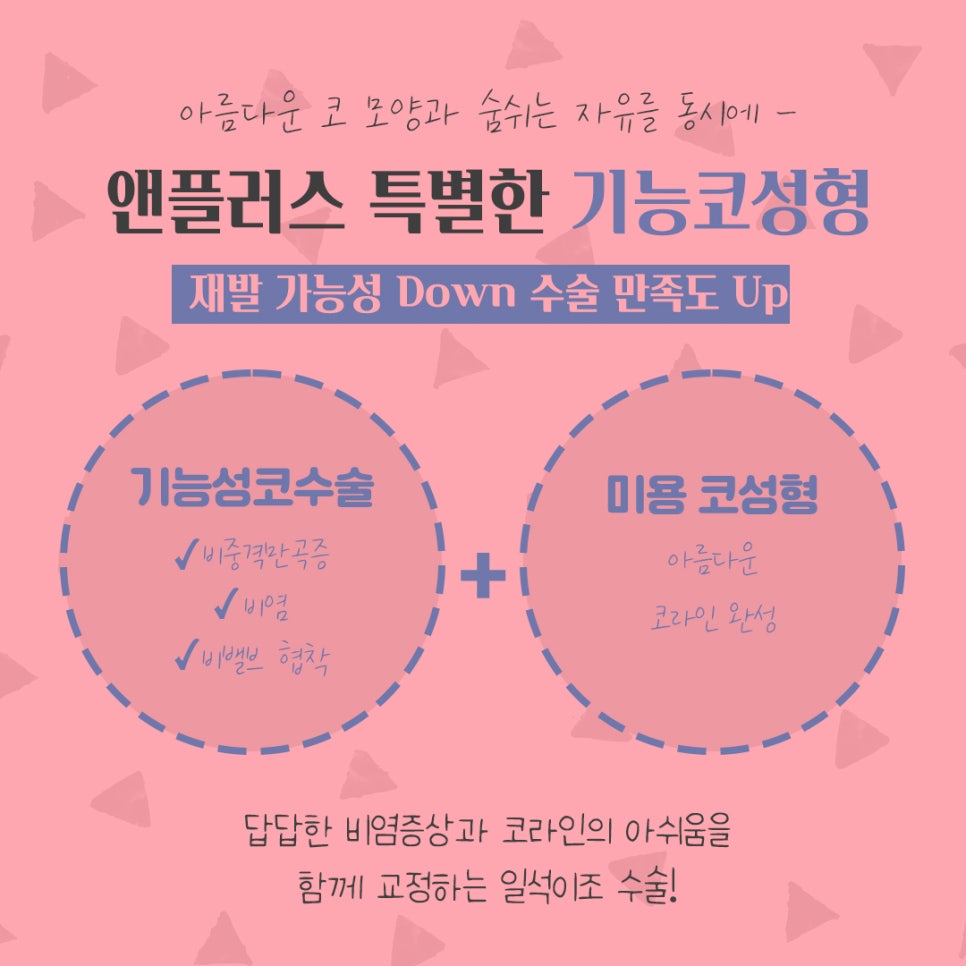
For deviated septum surgery, after accurately assessing the degree of septal deviation and whether the inferior turbinate is enlarged, an incision is made inside the nose and the deviated septal cartilage is minimally removed and straightened. In cases where inferior turbinate hypertrophy or nasal valve stenosis is also present, correction is performed using special equipment before surgery, and after the nasal obstruction is resolved, the remaining septal cartilage can be used as material for rhinoplasty.
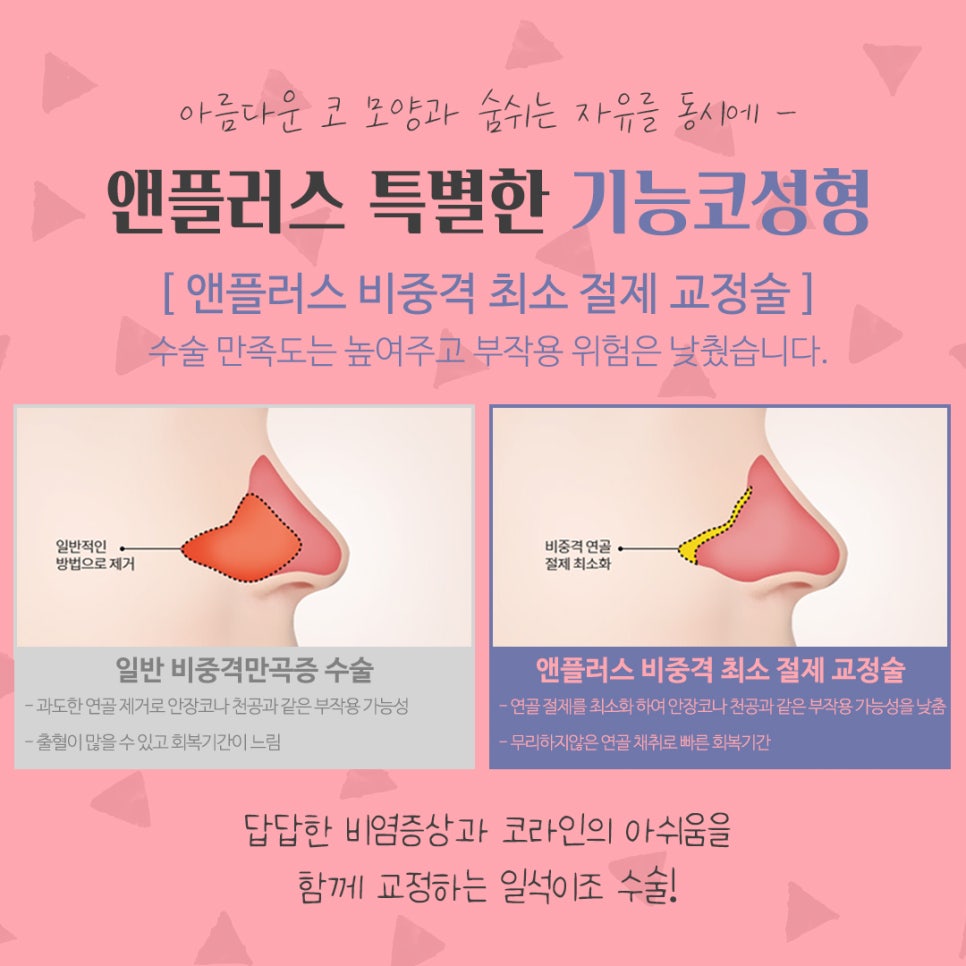
Therefore, it is possible to resolve nasal congestion while also undergoing rhinoplasty, resulting in a satisfying nose surgery review.
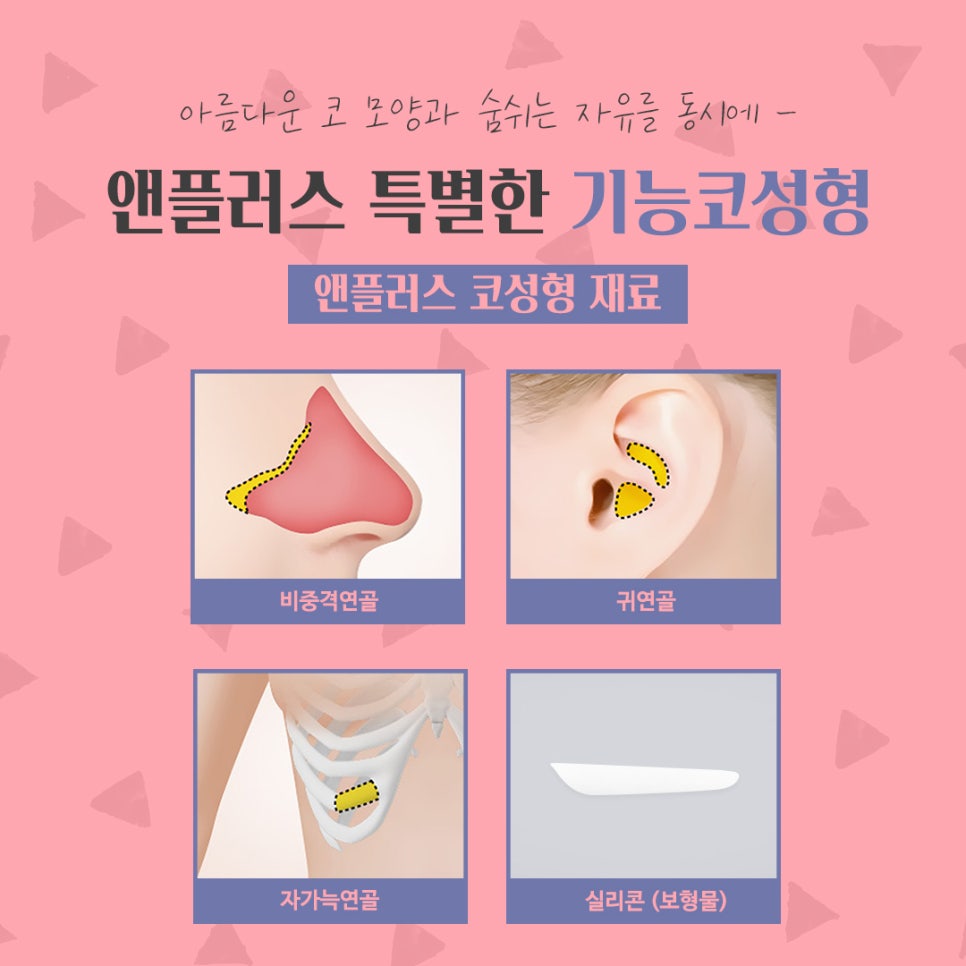
For cosmetic rhinoplasty, the surgery generally uses silicone for the nasal bridge and autologous cartilage for the nasal tip. Types of autologous cartilage include septal cartilage, ear cartilage, and autologous rib cartilage, and among these three, the most suitable material for the individual can be selected through preoperative examination.
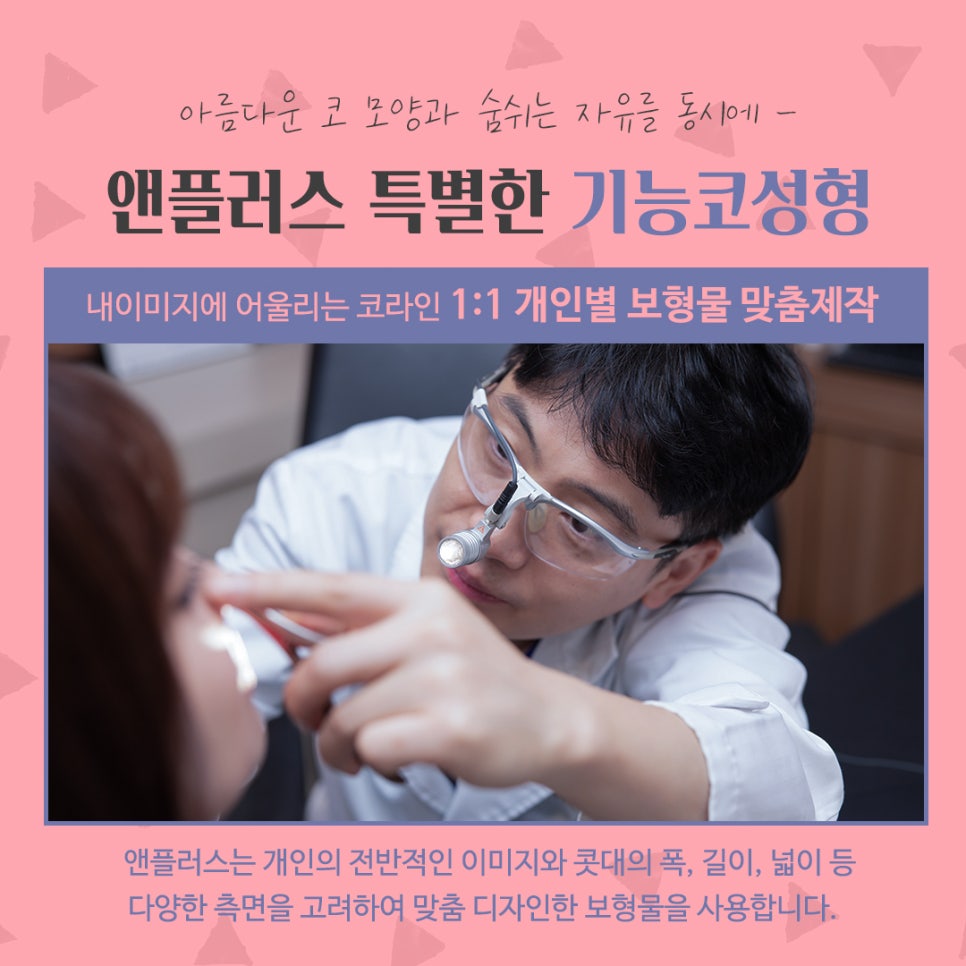
At this time, in the case of silicone used for nose surgery, in the past it focused more on creating a high bridge rather than correcting the overall nasal line, so it had a strong artificial feel. However, at N Plus Clinic, to minimize the artificial appearance after nose surgery, we do not use mass-produced implants as they are; instead, we carefully reshape the implant ourselves while considering various factors such as the patient’s overall image, the width, length, and breadth of the nasal bridge, and then insert it, resulting in a more satisfying nose surgery review.
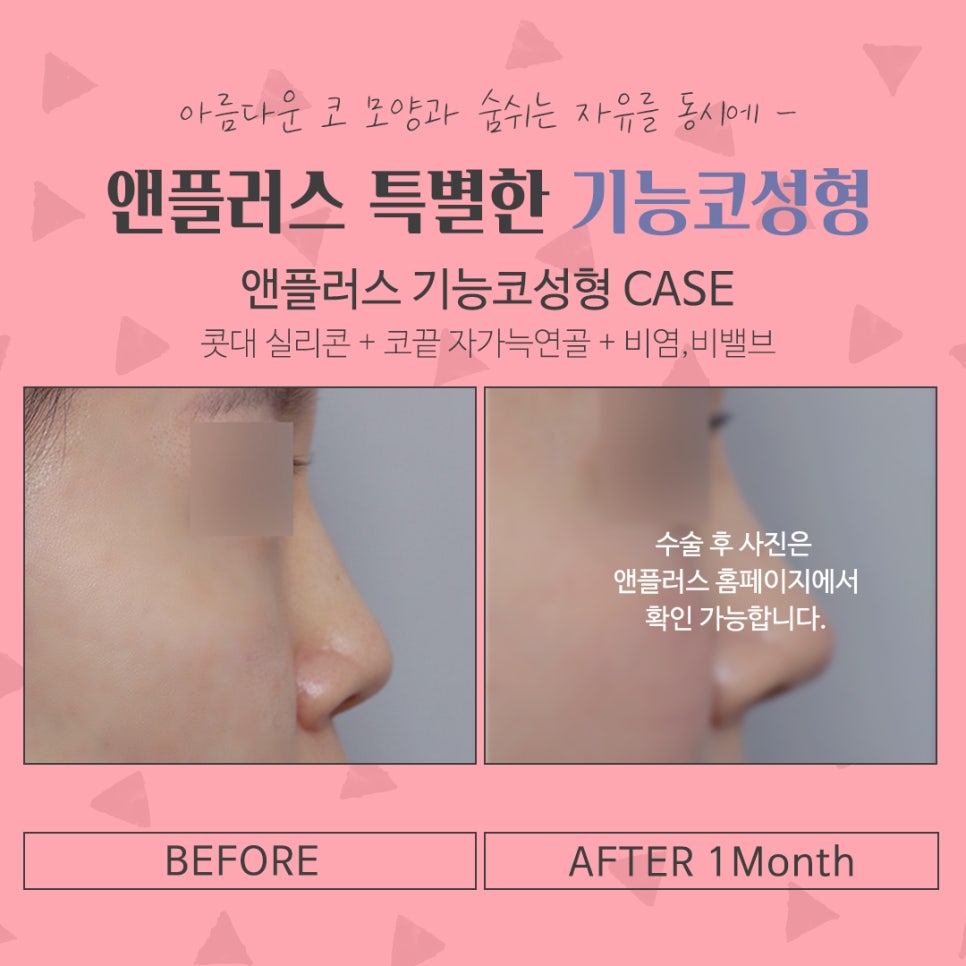
(The images above are before-and-after photos of an actual nose surgery review from N Plus Clinic in which a deviated septum was improved.)
Lastly, when looking into nose surgery reviews, aftercare is also very important. At N Plus Clinic, in addition to a free one-year A/S warranty after surgery, we operate a surgical responsibility guarantee system that prepares for all possible situations, including postoperative pain, inflammation, and dissatisfaction with the appearance. Customers who have an N Plus membership card can receive aftercare benefits at any time.
That concludes the information on the nose surgery review from N Plus Clinic that checked for a deviated septum. I hope this article is very helpful to those who are usually suffering from rhinitis caused by nasal congestion or are stressed because of the shape of their nose. Thank you.