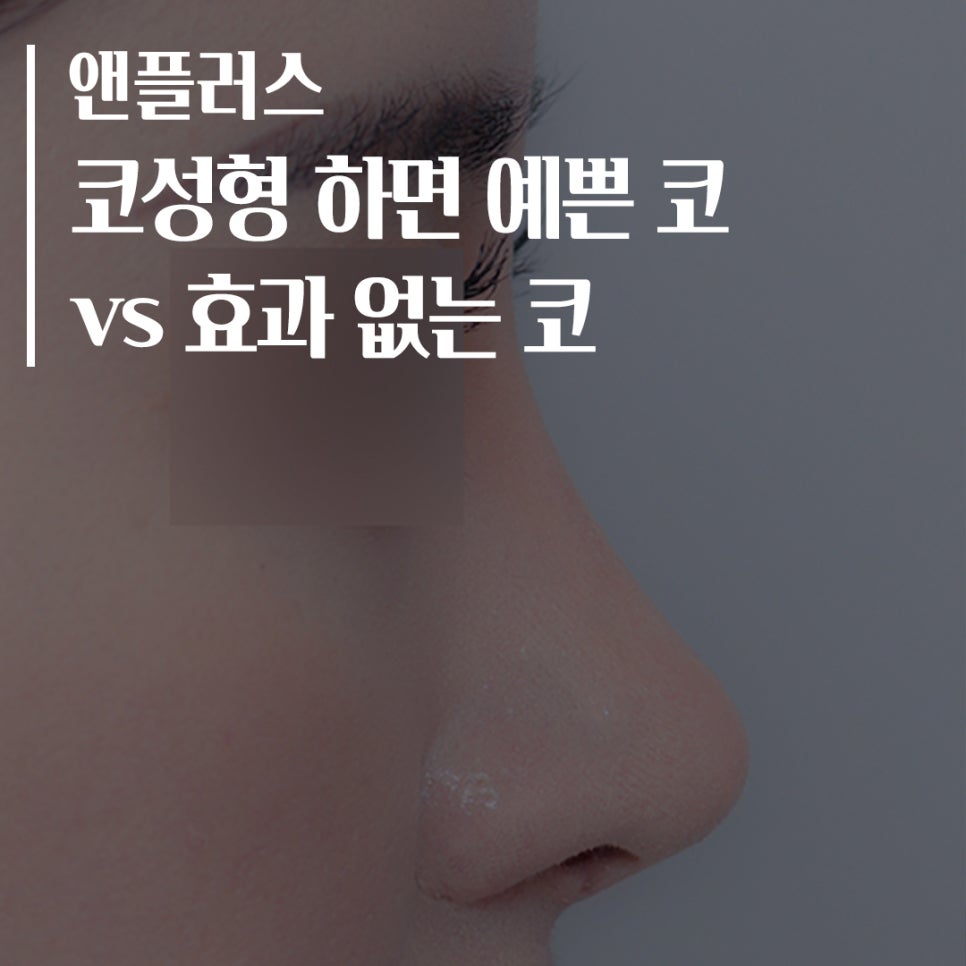
If You Get Rhinoplasty: Beautiful Noses and Noses That Show No Effect

Hello. This is Oji Hospital N Plus, which thinks only about your beautiful and healthy nose.
This time, we have prepared information about beautiful noses after nose surgery and noses that show no effect even after surgery.

When it comes to nose surgery, the thing we want most is a change in volume.

The types of noses people most often want to improve with plastic surgery are small and low noses, very large noses, and hump noses, since these are areas where volume can be changed.

At this time, it does not simply become higher; you can think of it as becoming about 20% higher than the volume of your existing nose.
Among these, if the nose is very small, low, and upturned, it is difficult to transform it into a very high and dramatic shape.

In addition, it is also difficult to reduce a very large, blunt nose to make it thinner and smaller by more than 20%.
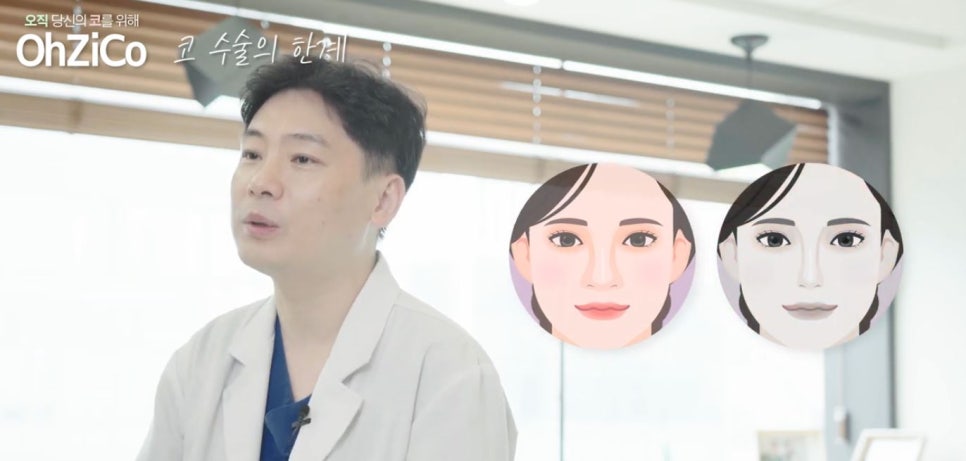
For these cases, one simple way to get a rough idea yourself is by how much the nose can stretch when you touch it.
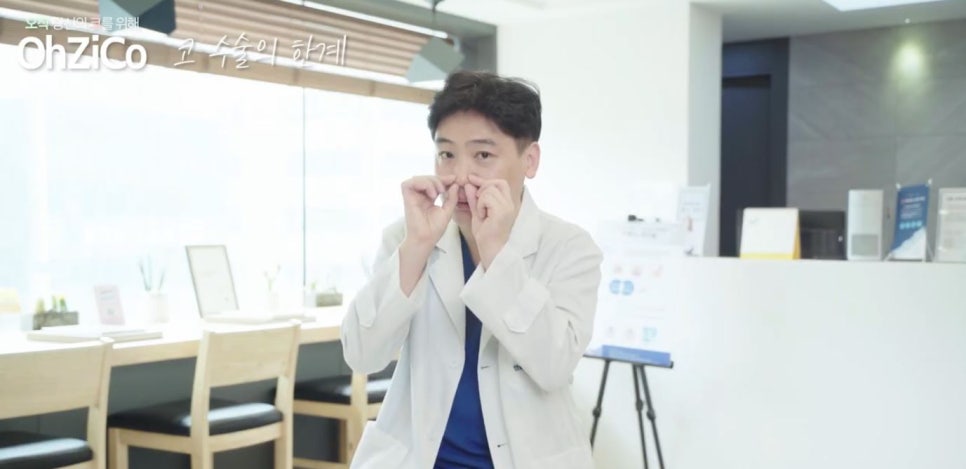
For example, when the skin tissue is very thick and does not compress by hand, it feels like squeezing a rubber eraser tightly with your hand. That means the dermis, in other words the skin thickness, is thick.

If the dermis is reduced, problems such as uneven skin or necrosis can occur, so there are limits.
Because the skin itself cannot be reduced, if you expect more than that, it may be difficult.

However, even a 20% change can greatly alter your impression, so if you are considering rhinoplasty, rather than judging on your own, I recommend visiting the clinic and receiving an accurate consultation to check the degree of skin thickness and cartilage so that you can understand your nose more precisely.

Next is a crooked nose. The causes of a crooked nose include trauma, genetics, lifestyle habits, or disease. In such cases, if the nose is simply bent, it refers to a case where the area centered around the glabella and the tip of the nose is crooked, and in that case it can be corrected relatively easily.
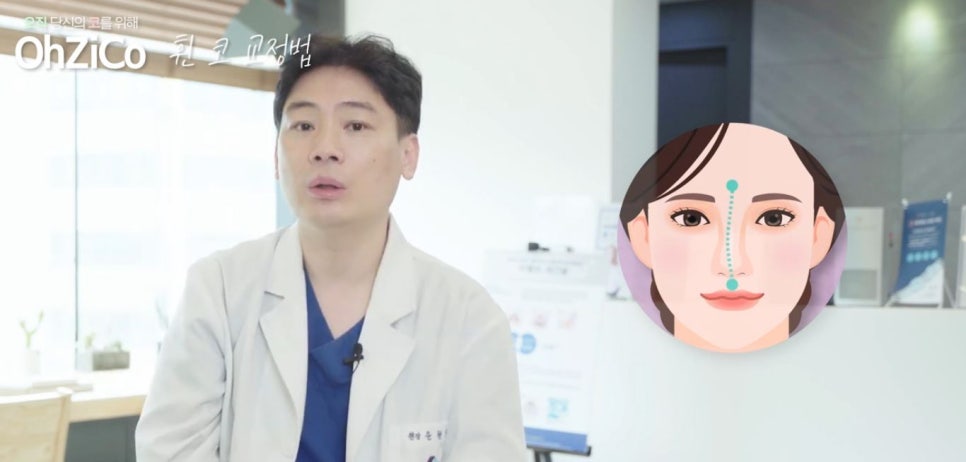
However, many people do not only have a crooked nose itself; quite a few also have a crooked face or facial asymmetry.
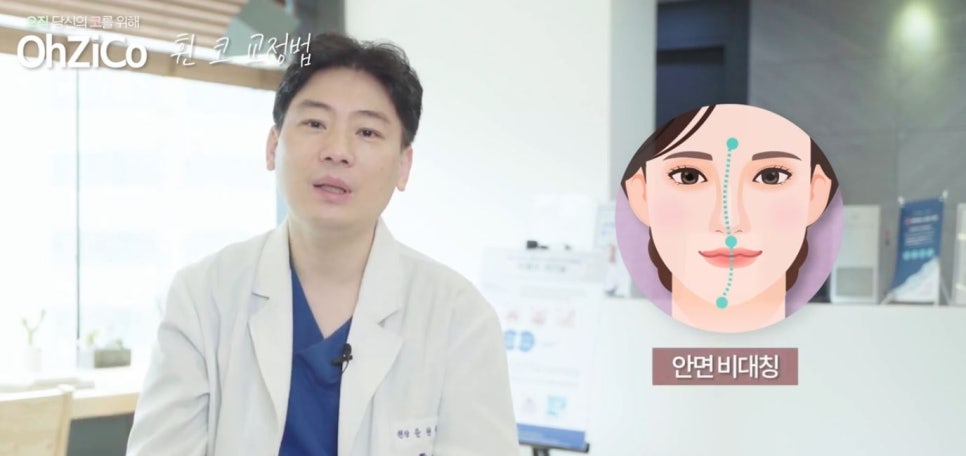
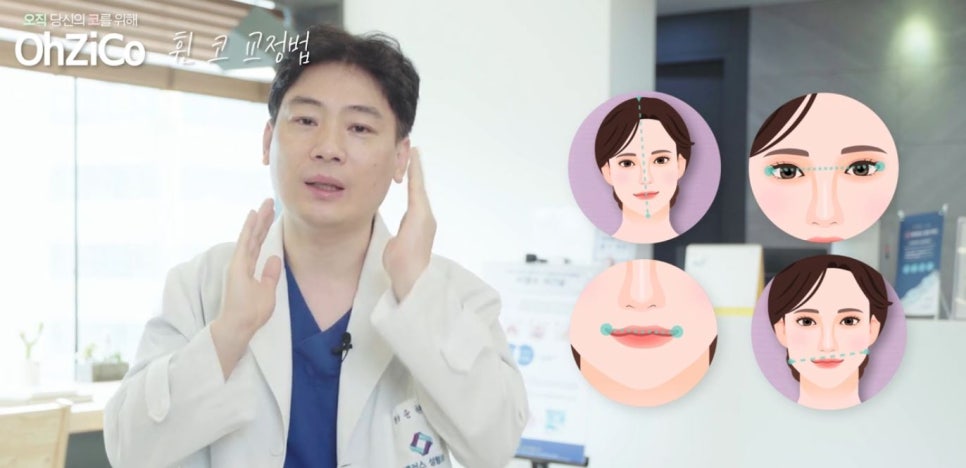
When such people come in for a consultation, they may have asymmetries such as a tilted head, slightly different eye levels, a raised corner of the mouth, or slightly different positions of the cheekbones and square jaw.
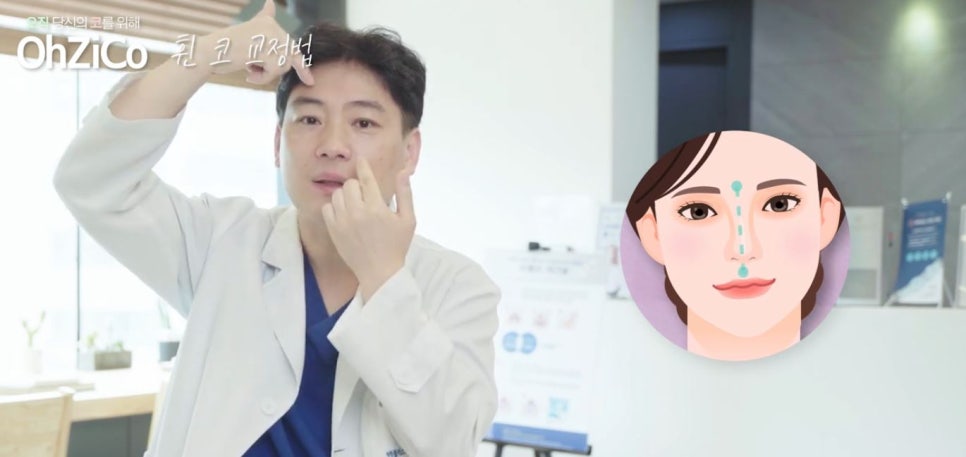
During consultation, if you align the center of the face, you can see that the face is tilted and the central axis of the forehead and philtrum is also off. In such cases, when performing surgery, if you align it to the forehead and move downward, it will go off the philtrum, and if you move upward from the philtrum toward the glabella, the glabella side will become crooked. Therefore, it is difficult to match the central axis perfectly 100%. For that reason, the surgery is performed in a way that takes the patient’s usual posture into account and makes the nose appear as straight as possible.
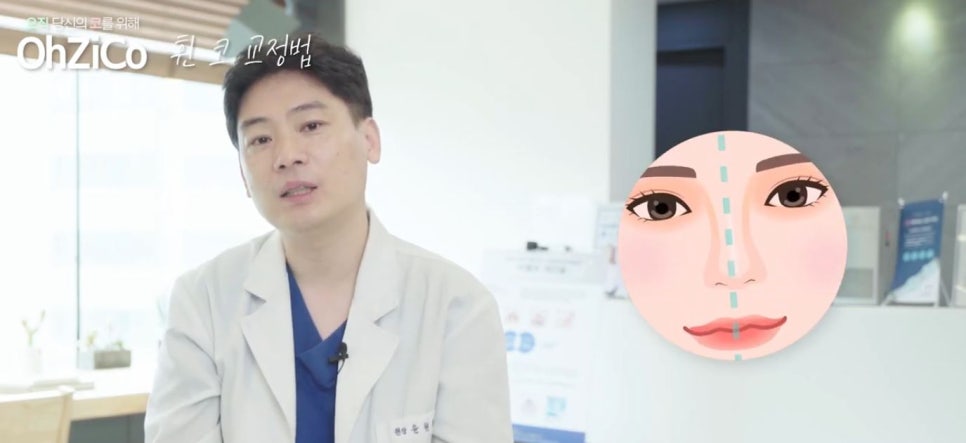
For example, if someone has a slightly tilted head,
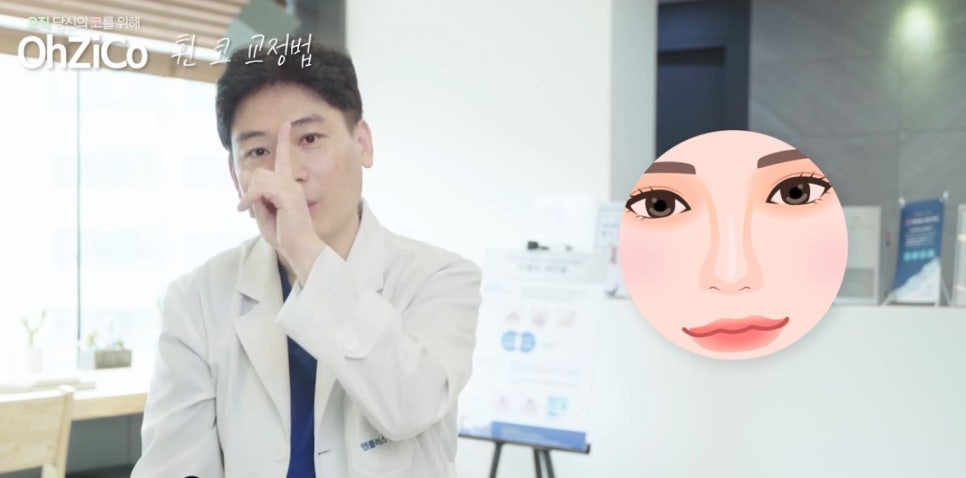
rather than aligning the axis of the nose straight according to the head, it must be adjusted in the opposite direction.
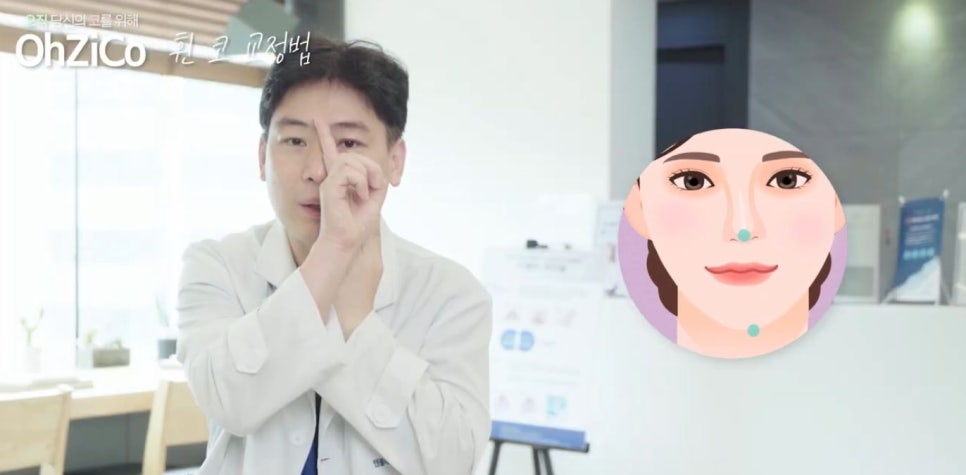
Some people have a slightly asymmetrical jaw, but the nose is not adjusted to match the crooked jaw.
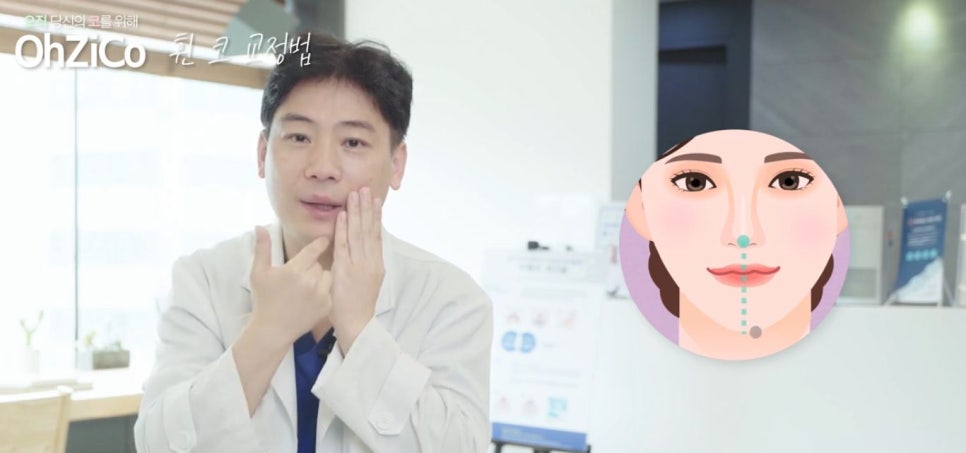
Instead, it is corrected by aligning it to the center of the nose. If the center is matched to the face and nose rather than to the jaw, the result can be corrected so that it looks much straighter than before surgery. To summarize, in the case of facial asymmetry, the surgery does not align the nose axis with the crooked part, but instead aligns the axis with the entire face so that the overall asymmetry does not appear more pronounced. That may make it easier to understand.

So far, I have summarized the noses that are easy and difficult to operate on. I hope this article is very helpful for those who are considering rhinoplasty because they are usually stressed about asymmetry or the shape of their nose. Thank you.
https://youtu.be/xRMF-b_rVac