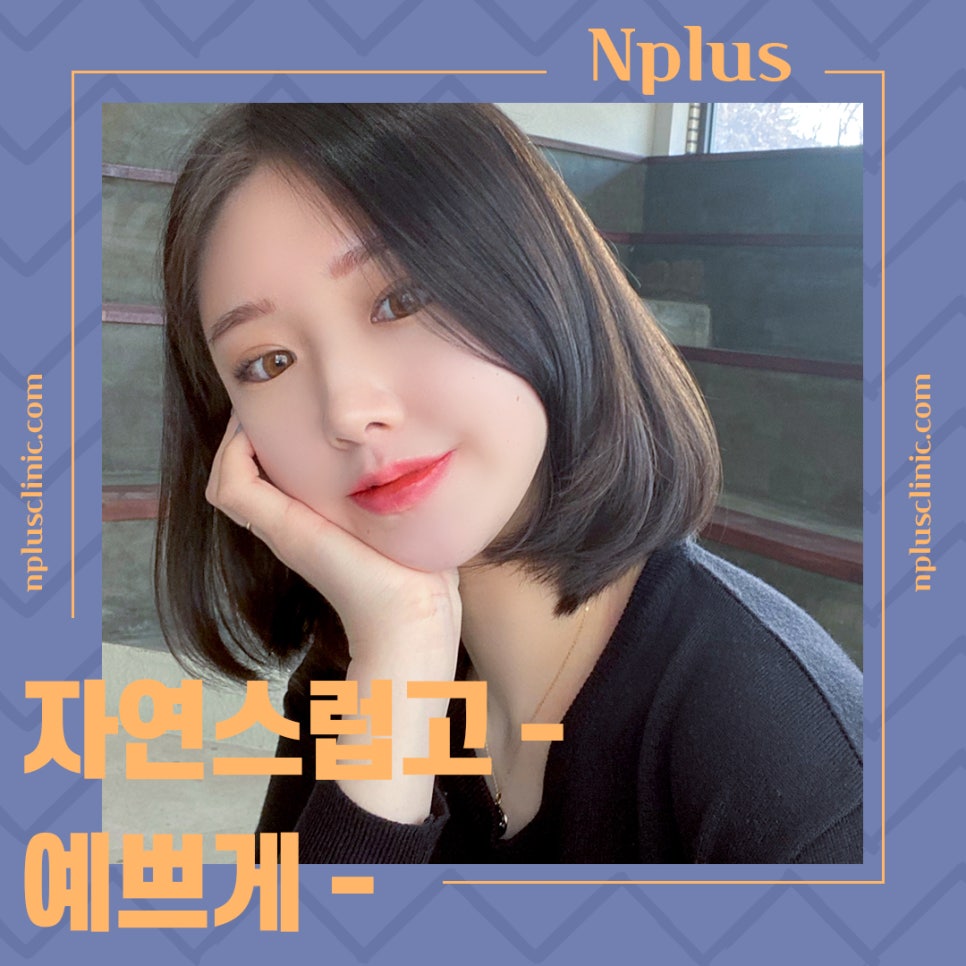
Hello. This is OjiKo Plastic Surgery & N+Plus, which has spent the past 16 years focusing only on your beautiful and healthy nose.
This time, we will introduce information about septoplasty surgery reviews.

When we look into rhinoplasty, we often try to correct the appearance seen from the outside. But because the nose is responsible not only for aesthetics but also for breathing and the sense of smell, surgery can also be considered when problems arise in these functional aspects. The most common symptom caused by functional issues is nasal congestion. Nasal congestion is a symptom that comes from rhinitis and is divided into allergic rhinitis and structural rhinitis caused by internal structural abnormalities. Among these, structural rhinitis can be improved surgically. Allergic rhinitis is difficult to improve with surgery, so consistent medication treatment and immune management are needed. In the case of structural rhinitis, surgical improvement is possible, so you can learn more about septoplasty surgery reviews for structural rhinitis.
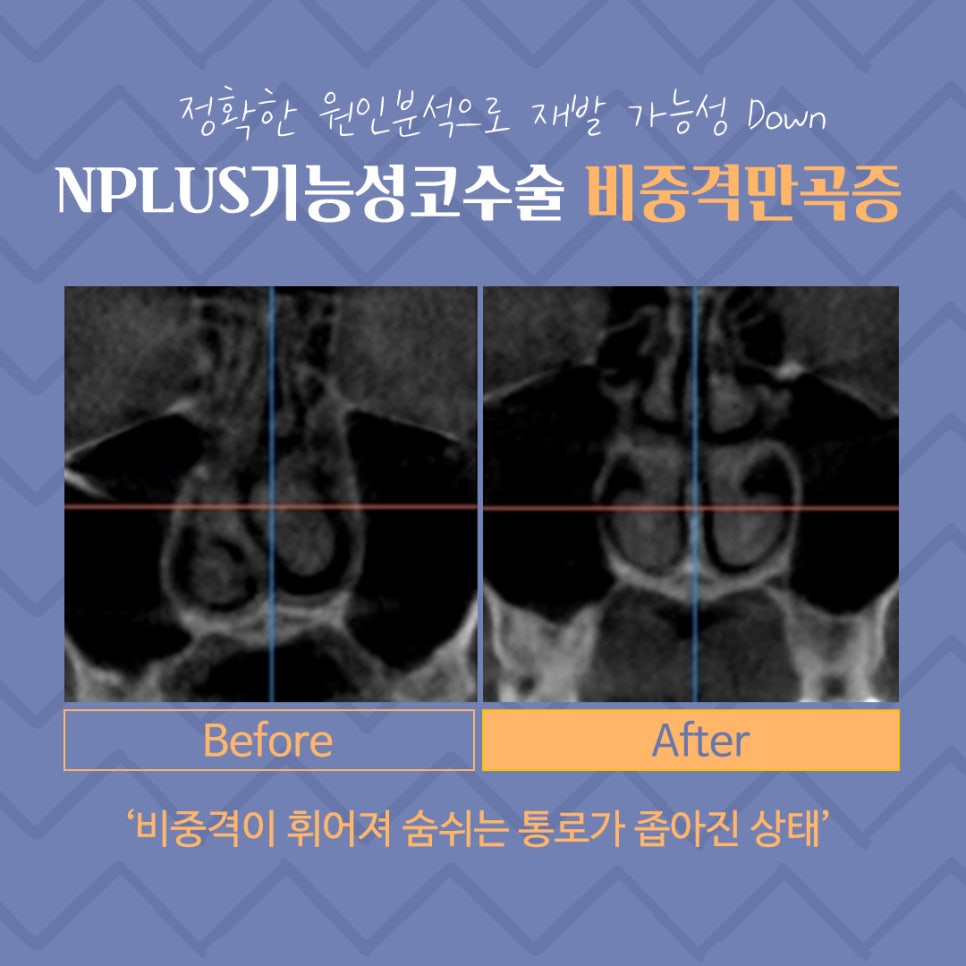
What is a deviated septum? It is classified as structural rhinitis caused by an internal structural abnormality among types of rhinitis. The cartilage that forms the center divider when the nostrils are divided into two is called the septum, and the condition in which this septum is bent is called a deviated septum.
The most representative symptom caused by a deviated septum is nasal congestion. If the congestion is mild, treatment may not be necessary, but as symptoms become more severe, it can progress into chronic rhinitis. If left untreated, the brain may not receive enough oxygen, which can lead to headaches, migraines, reduced concentration, and loss of motivation. It can also cause major inconvenience in daily life. That is why, while checking septoplasty surgery reviews, it is important to accurately determine the condition of your own nose.

In addition, nasal congestion caused by a deviated septum may occur on its own, but there is a high probability that symptoms such as inferior turbinate hypertrophy and nasal valve stenosis will occur together. Because these symptoms must be accurately identified before surgery, choosing a clinic with strong anatomical knowledge of the nose and abundant experience and track record in the procedure can help minimize the likelihood of revision surgery. Therefore, for those looking into septoplasty surgery reviews, we recommend carefully checking the points above before deciding on surgery.
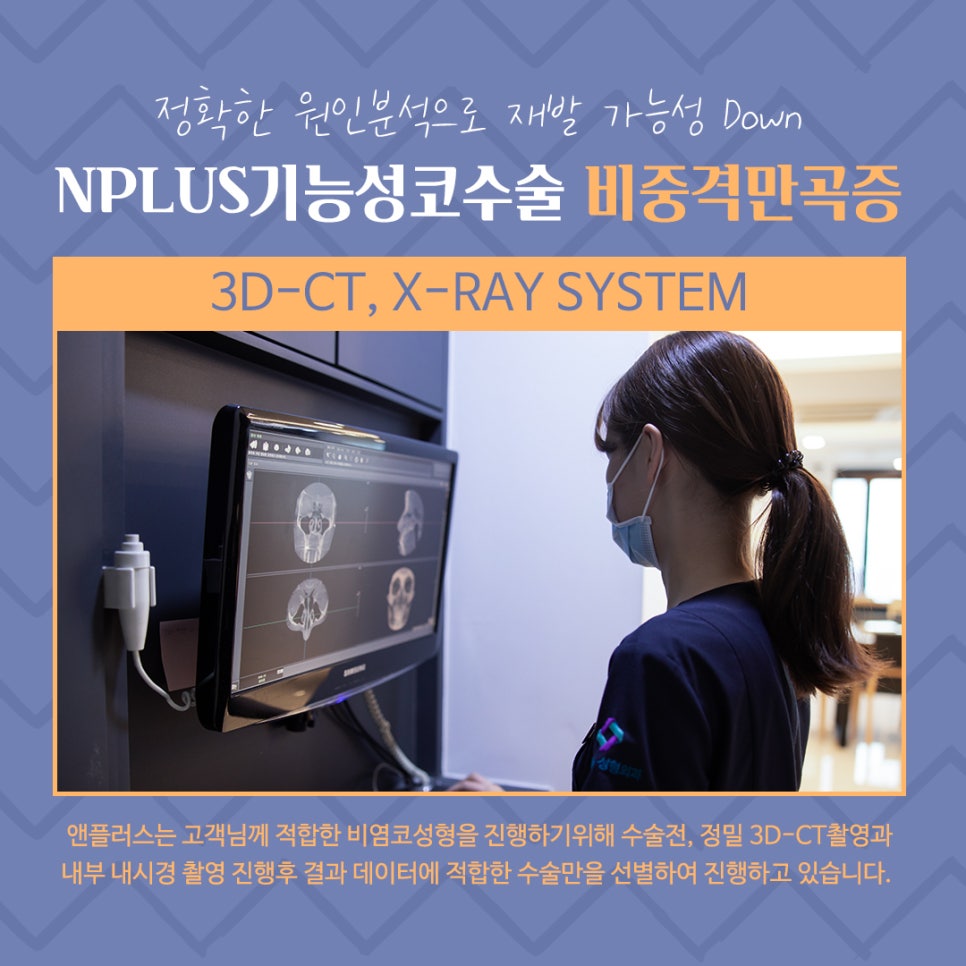
At OjiKo Plastic Surgery & N+Plus, for a satisfying septoplasty surgery experience, we accurately assess the degree of cartilage deviation, the position of the cartilage, and any combined symptoms through preoperative 3D-CT imaging and internal endoscopic imaging, then proceed with a surgical method tailored to each individual based on the data.
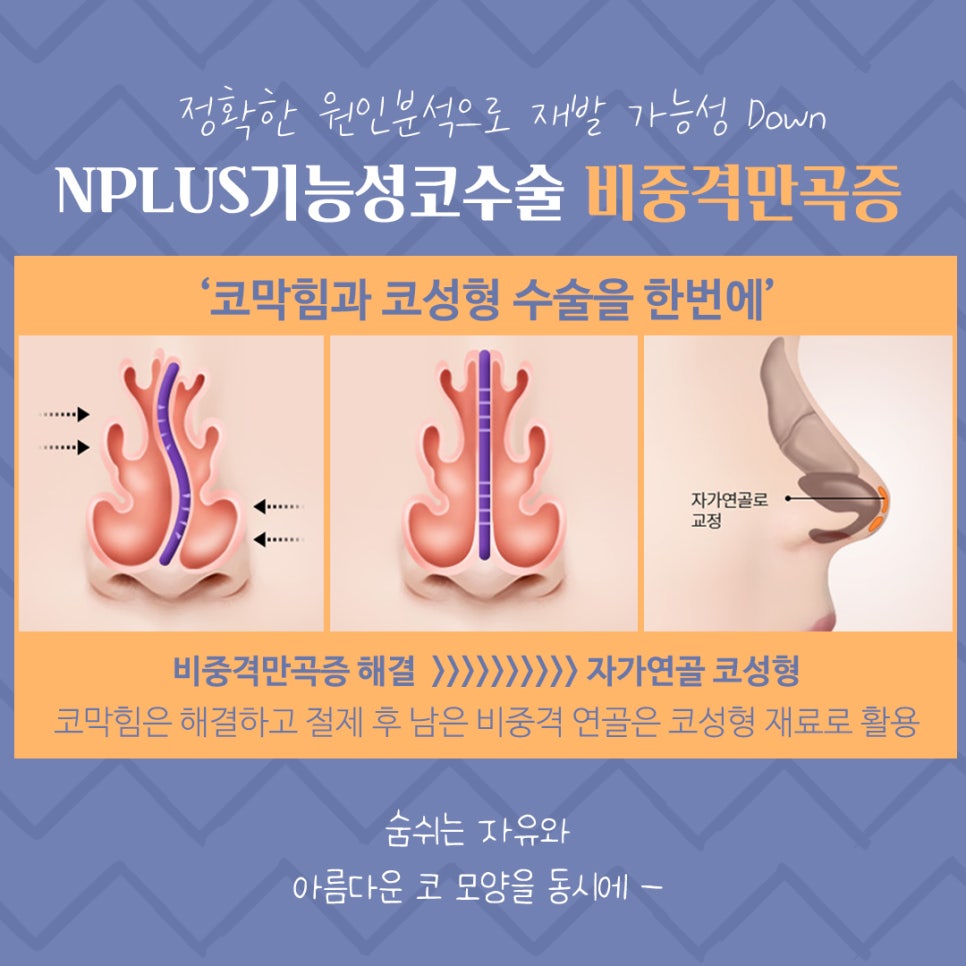
The septoplasty method involves accurately determining the direction of the bent septum, whether the inferior turbinate is enlarged, and the degree of nasal valve stenosis. Then, by making an incision inside the nose, the deviated septal cartilage is corrected with minimal resection. If inferior turbinate hypertrophy or nasal valve stenosis is present, the surgery is performed after correction using specialized equipment.
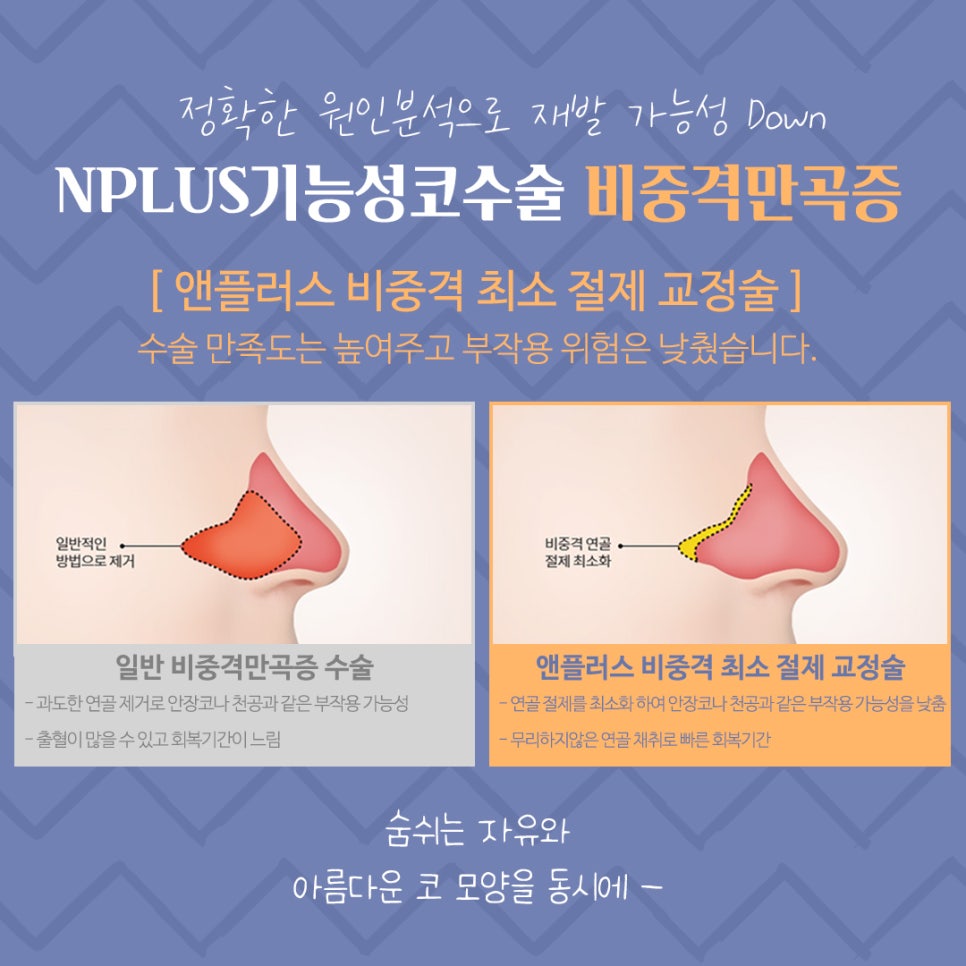
In addition, the septal cartilage left after surgery can be used as a material for rhinoplasty, which can lead to a more satisfying septoplasty surgery experience.
When cosmetic rhinoplasty is performed after septoplasty, the materials used are silicone for the bridge and autologous cartilage for the tip. Autologous cartilage materials include septal cartilage, ear cartilage, and costal cartilage. Among these three, the material suitable for each person is selected through preoperative examination and used for the surgery.
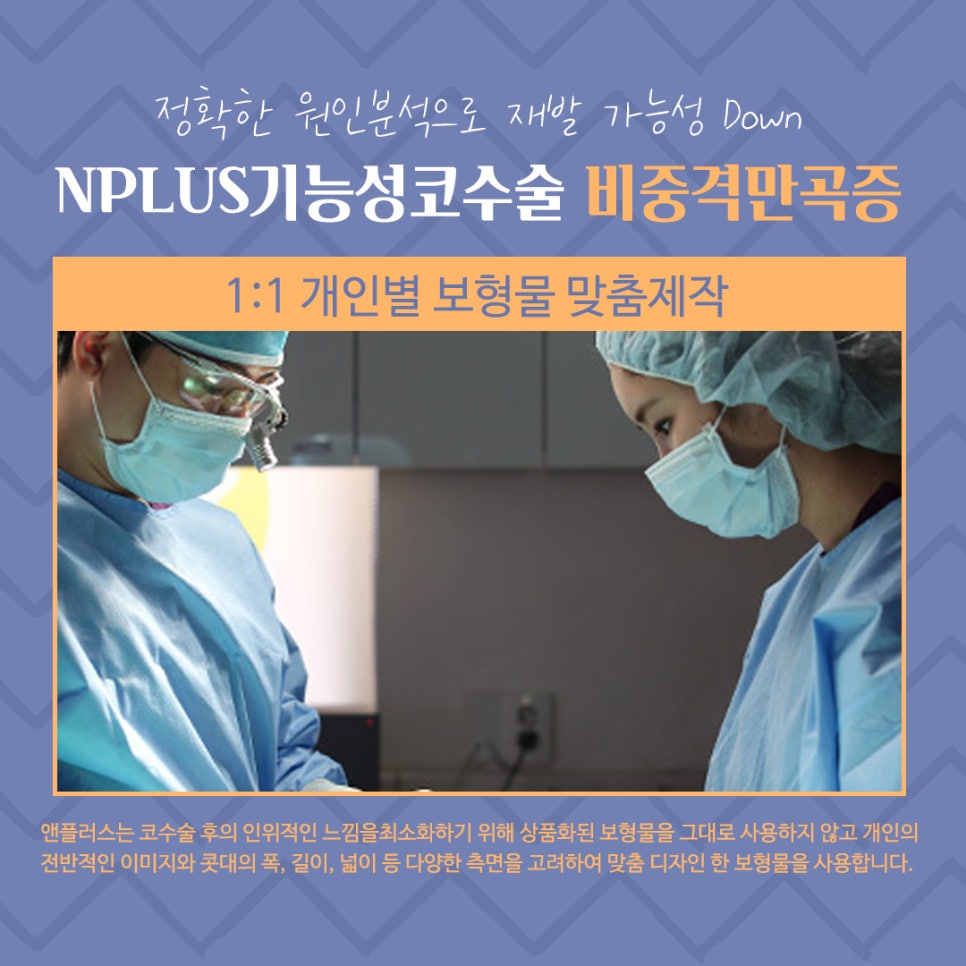
In the past, silicone used in cosmetic rhinoplasty focused more on creating a high nasal bridge rather than correcting the overall nose line. However, because it often created a strong artificial look, at N+Plus we do not use pre-made implants as they are. Instead, to minimize an artificial appearance after nose surgery, we carefully shape the implant ourselves after considering various aspects such as the person’s overall image, the width, length, and breadth of the nasal bridge, and then insert it.
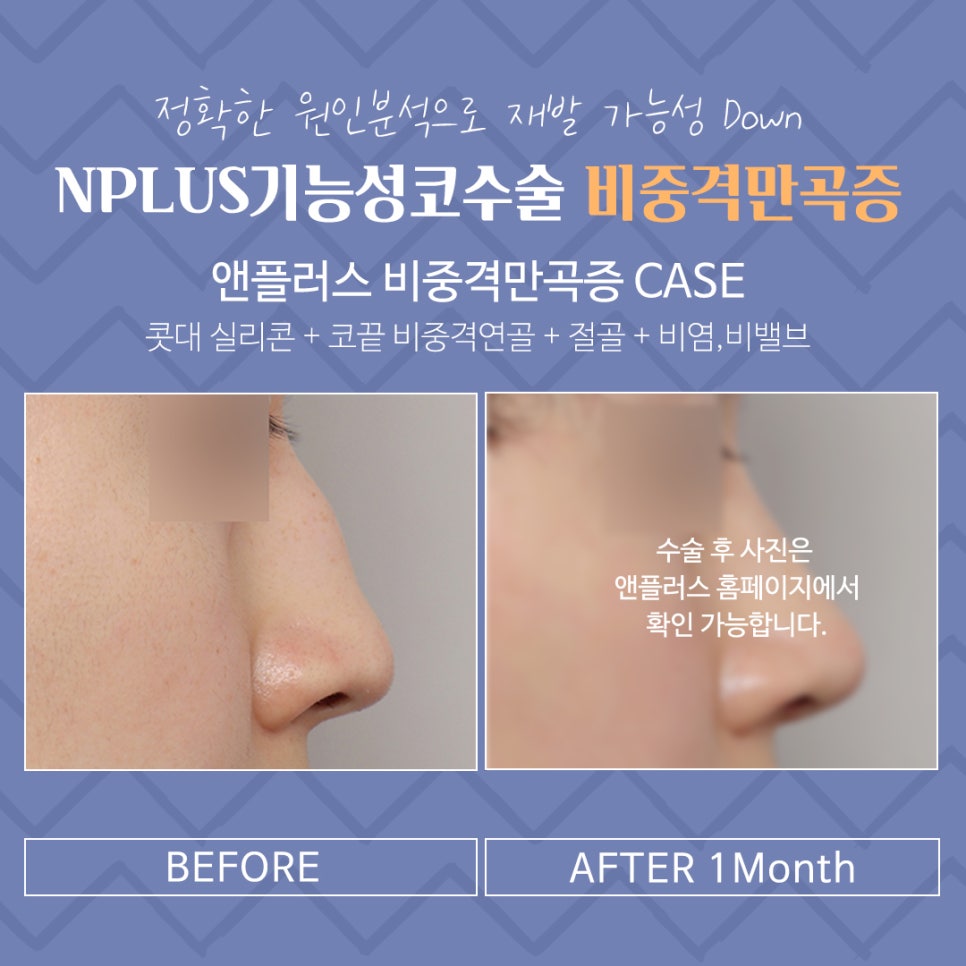
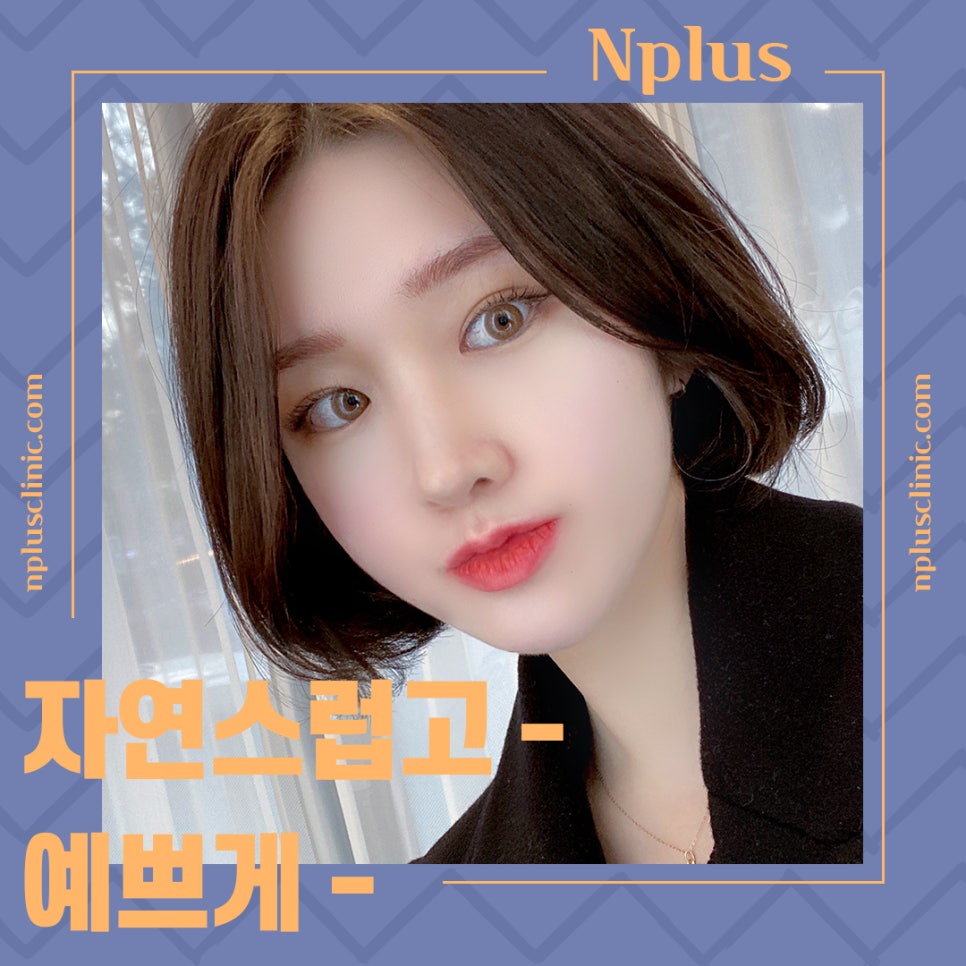
(The image above is an actual before-and-after photo from OjiKo Plastic Surgery & N+Plus’s septoplasty surgery review.)
If you look at septoplasty surgery reviews, you can see that it is not just one procedure being performed, but often a combined treatment that addresses structural symptoms along with cosmetic rhinoplasty. Because two surgeries are performed at the same time, it can be considered a highly difficult procedure, so we recommend researching carefully and thoroughly before proceeding.
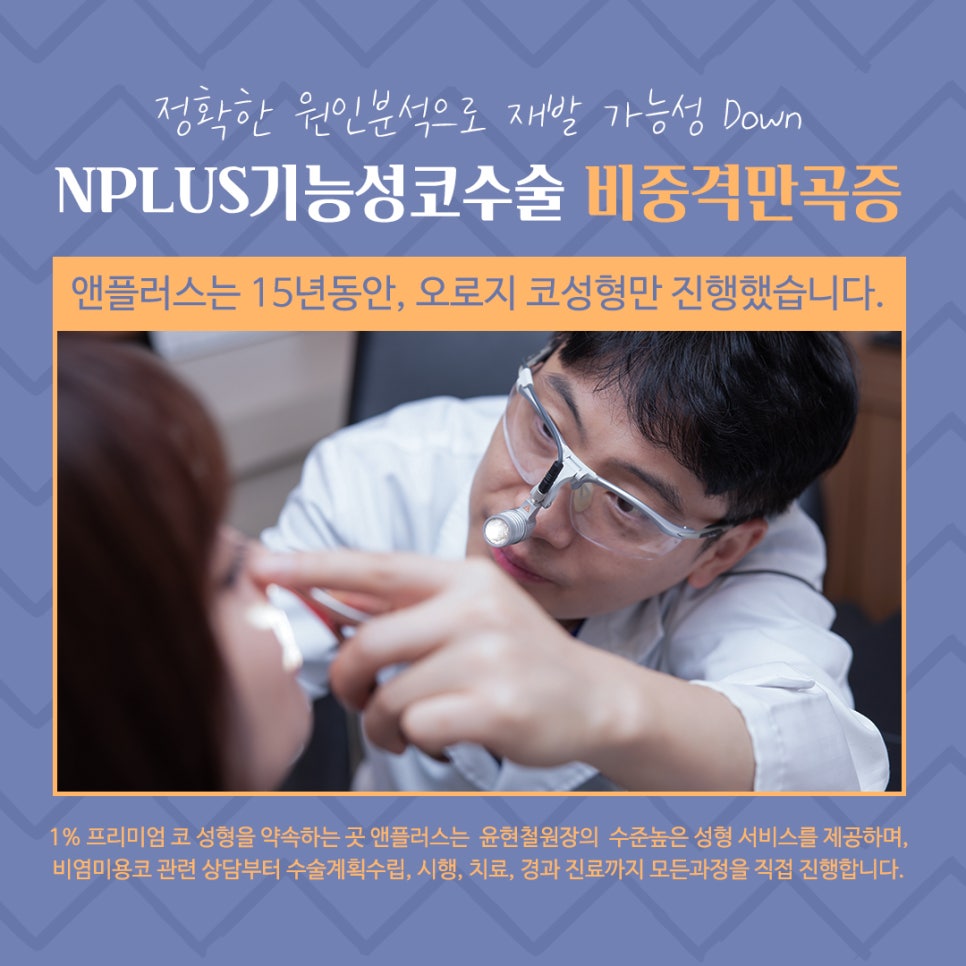
At OjiKo Plastic Surgery & N+Plus, Director Yoon Hyun-cheol personally handles every stage one-on-one, from rhinoplasty consultation and surgical planning to the procedure, treatment, and follow-up care. Postoperative care also includes a free A/S system guaranteed for one year after surgery, as well as a surgical responsibility guarantee system prepared for all possible situations such as postoperative pain, inflammation, and dissatisfaction with the results.

This concludes the information we shared about septoplasty surgery reviews from OjiKo Plastic Surgery & N+Plus. We hope this post is helpful for those who are often stressed by nasal congestion caused by rhinitis. Thank you.