Nasal allergy surgery methods and reviews

Hello. This is OjiKO Plastic Surgery & N Plus, which thinks only about your beautiful and healthy nose.
Today, we have organized information about nasal allergy surgery methods and reviews.
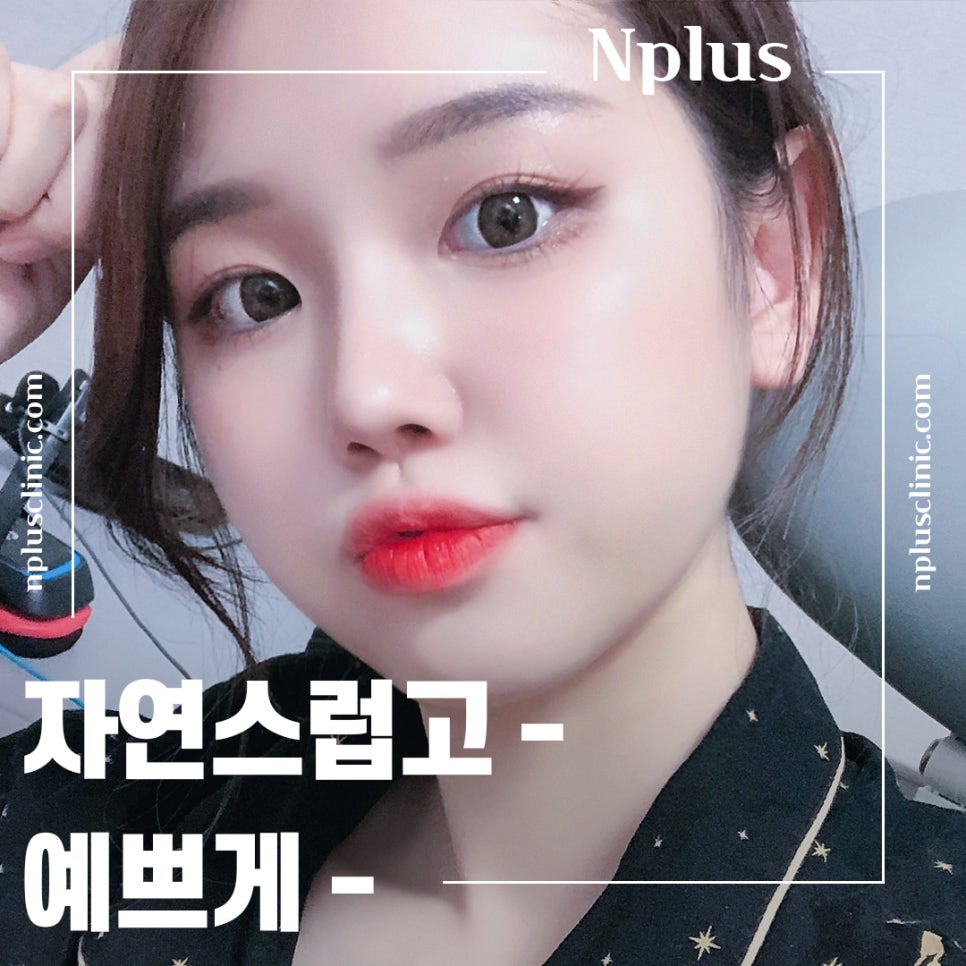
Because the nose is located at the center of our face, it is an area many people consider carefully when they want to change their impression. It also plays a major role outwardly, but it is also a very important organ for smelling and breathing.

Therefore, when trying to change the nose through rhinoplasty, it is important to also understand these functional aspects. A functional procedure that can be performed together with rhinoplasty is nasal allergy surgery. So if you are looking into rhinoplasty, it can be very helpful to also look into nasal allergy surgery methods and reviews together.

The reason is that more than 70% of adults in Korea suffer from rhinitis, and only 20% of those cases are allergic rhinitis, while more than 80% of the rest have structural rhinitis caused by internal structural abnormalities. The representative symptom of this rhinitis is nasal congestion.
In many cases, people assume it is allergic rhinitis and do not receive treatment, leaving the symptoms untreated, which can develop into chronic rhinitis and even cause changes in the internal structure of the nose. Since nasal congestion caused by structural changes inside the nose is difficult to treat with medication, you should carefully look into nasal allergy surgery methods and reviews that can improve these symptoms and check them in detail.
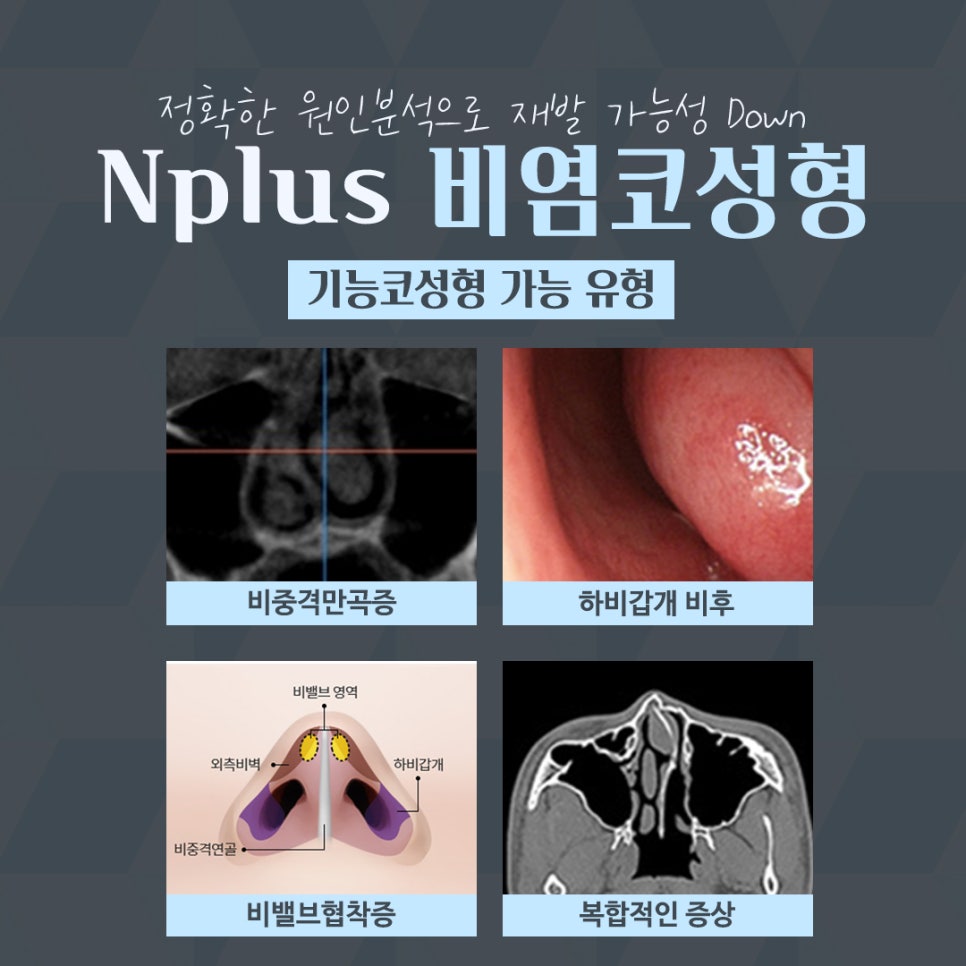
The symptoms that can be improved with nasal allergy surgery are as follows.
-
Deviated septum
-
Inferior turbinate hypertrophy
-
Nasal valve stenosis
These can largely be divided into three types. A deviated septum refers to the cartilage that acts as a partition dividing the nostrils into two, and when this cartilage is bent, it is called a deviated septum. Inferior turbinate hypertrophy appears when the soft tissue inferior turbinate inside the nose becomes enlarged, and nasal valve stenosis refers to the space like the roof of the nose that helps regulate airflow. All three symptoms interfere with breathing, causing nasal blockage or a runny nose. Because the brain may not receive enough oxygen, they can lead to headaches, migraines, reduced concentration, and loss of motivation. Nasal congestion is the most common symptom and can make daily life inconvenient, and mouth breathing due to a blocked nose can cause dry mouth, or complications such as sore throat and pharyngitis may occur.
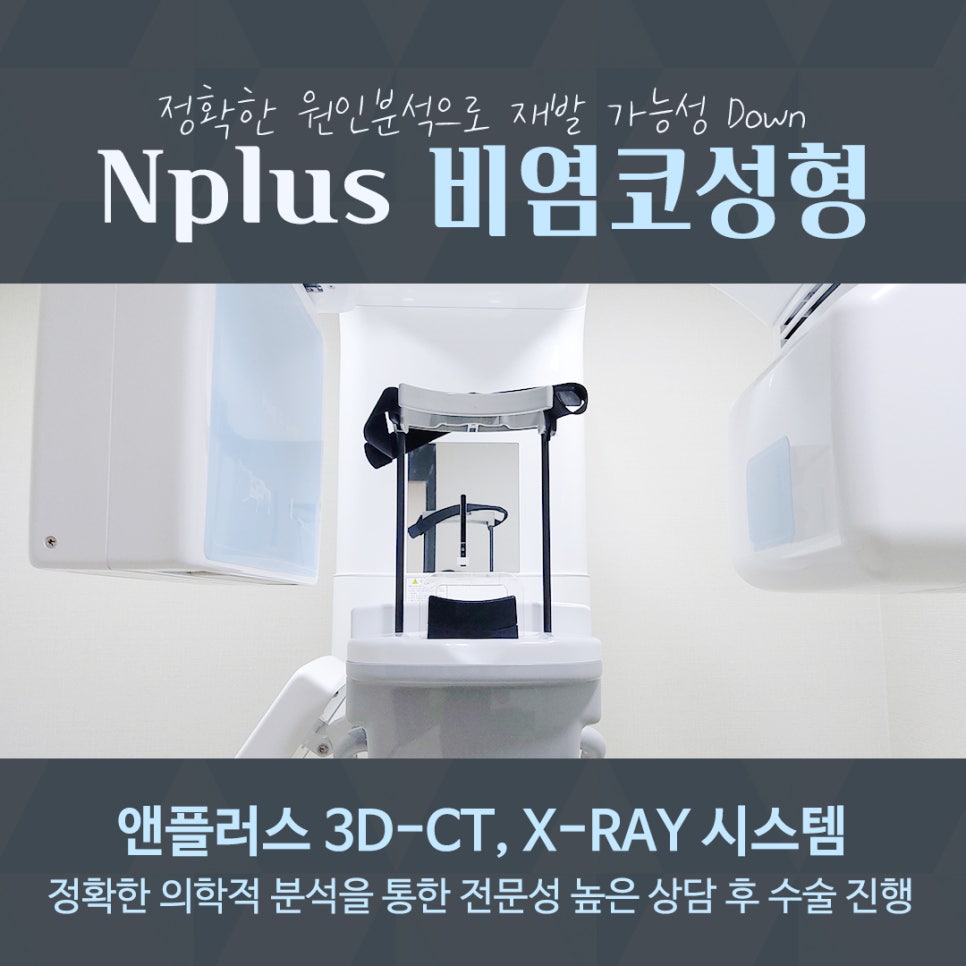
However, because a blocked nose alone makes it difficult to identify the exact cause, an accurate judgment should be made through allergy testing, 3D-CT scans, and internal endoscopy, followed by nasal allergy surgery appropriate for the symptoms. If surgery is performed using a method different from the actual cause, it may lead to revision surgery, so even if you do not have rhinitis symptoms, we recommend checking the condition of your nose before proceeding with surgery.
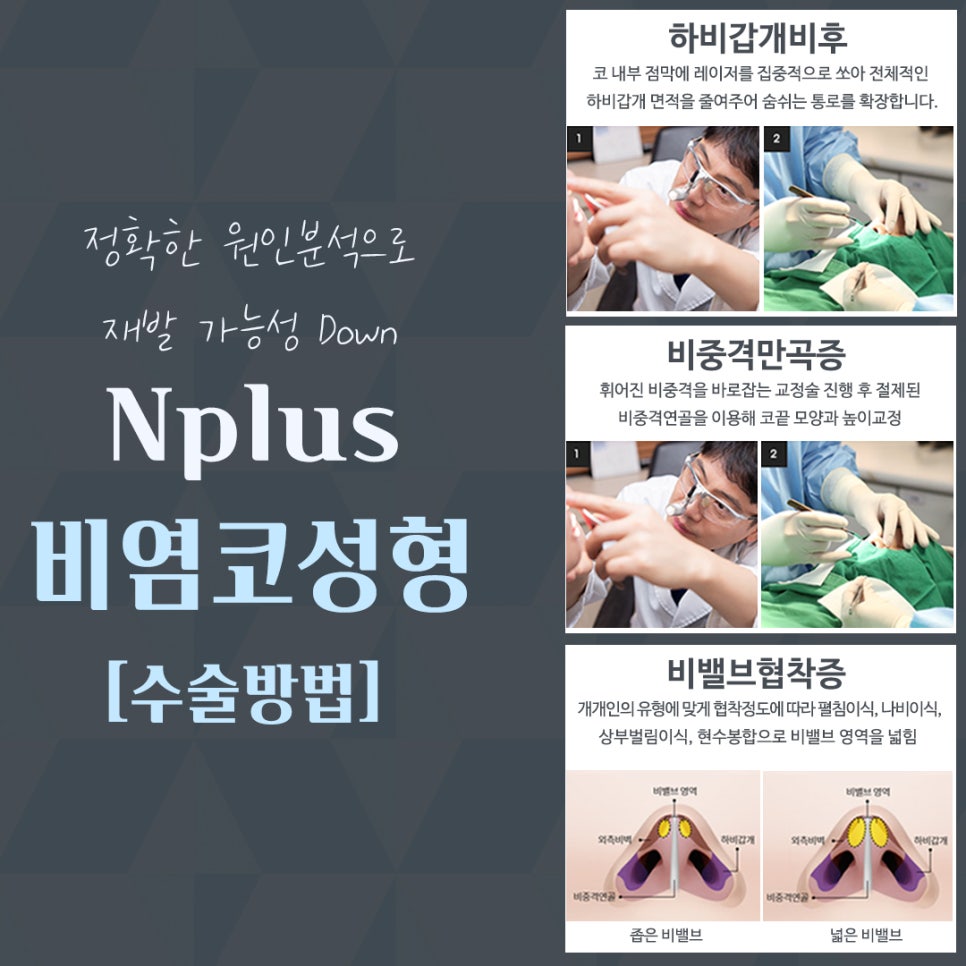
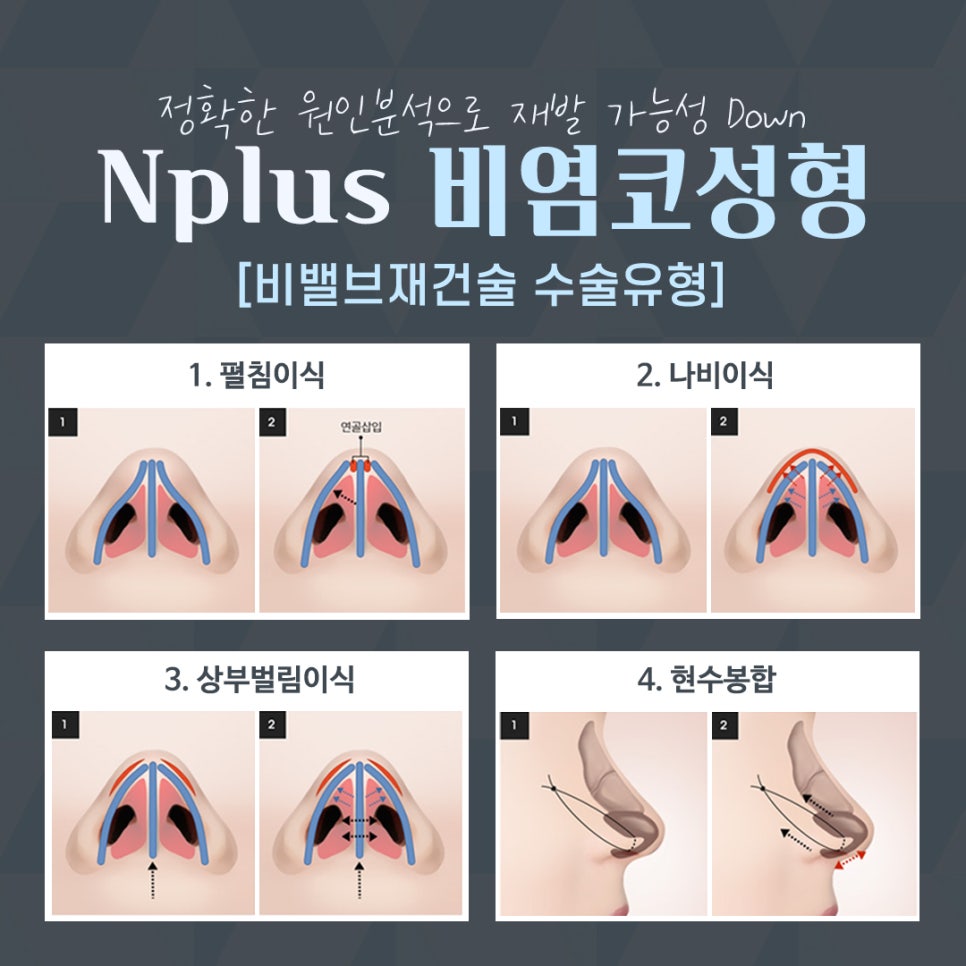
As for nasal allergy surgery methods, in cases of rhinitis caused by inferior turbinate hypertrophy, laser surgery to adjust the size of the inferior turbinate and rhinoplasty are performed. In cases of a deviated septum, the bent septum is corrected and then rhinoplasty is performed. Also, in cases of nasal valve stenosis, correction is performed using a method suited to the symptoms among four surgical methods: spreader graft, butterfly graft, superior lateral cartilage graft, and suspension suture.
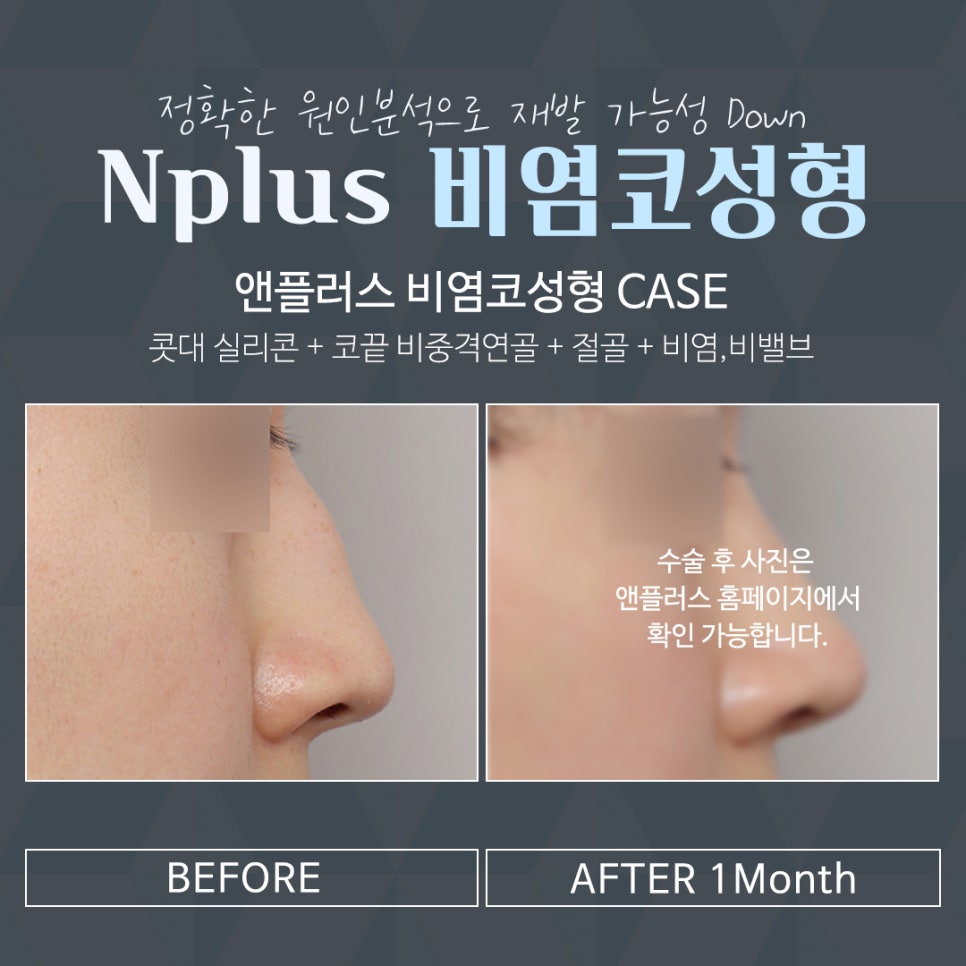
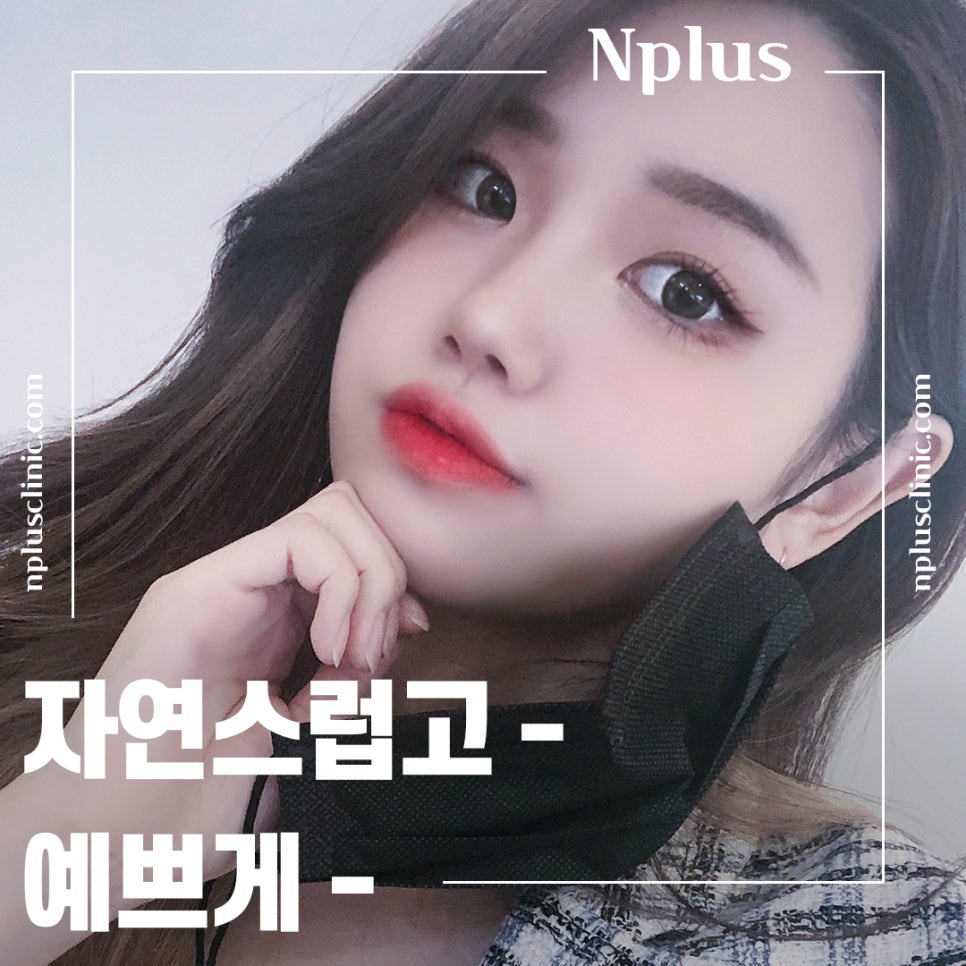
(The image above is an actual before-and-after photo from OjiKO Plastic Surgery & N Plus nasal allergy surgery review.)
If you check nasal allergy surgery reviews, you will see that two procedures are performed at the same time: nasal allergy surgery and aesthetic nose surgery, making it a high-difficulty operation. Therefore, since choosing a clinic with strong anatomical knowledge of the nose and extensive experience in the procedure can help you achieve both safe surgery and a beautiful nose line, it would be good to carefully check these details before deciding.
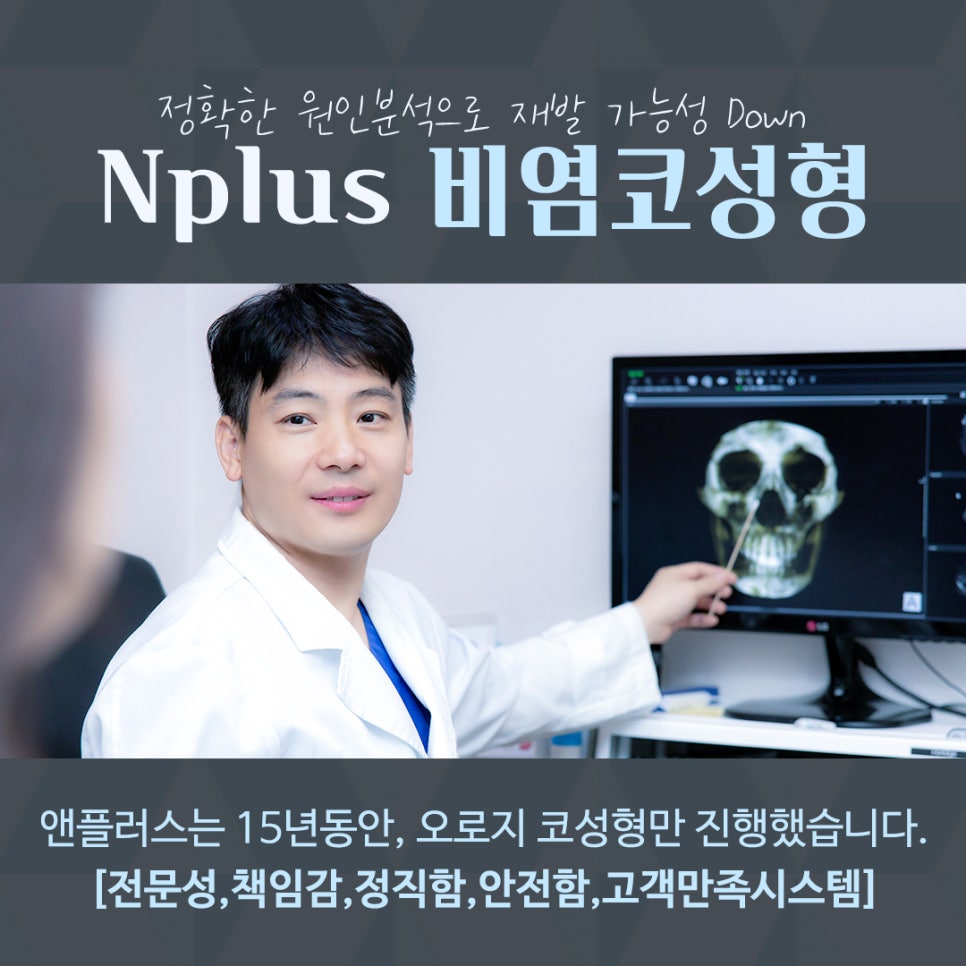
At OjiKO Plastic Surgery & N Plus, CEO surgeon Yoon Hyun-cheol personally handles every step one-on-one, from consultation regarding nasal allergy surgery to surgical planning, execution, treatment, and follow-up care. Postoperative care also includes not only a one-year warranty-based after-sales service system, but also a surgery responsibility guarantee system in preparation for possible postoperative pain, inflammation, or dissatisfaction with the appearance.

This concludes the explanation of nasal allergy surgery methods and reviews. I hope this article is of great help to those who are stressed in daily life because of nasal congestion caused by rhinitis. Thank you.