
Hello, we are OJIKO & Plus Clinic, which thinks only about your beautiful and healthy nose.
This time, we will introduce information related to functional nose surgery coverage.

These days, regardless of age or gender, people are increasingly interested in their appearance, so it is fair to say that many are interested in exercise and makeup to improve themselves. However, even with these efforts, it can still be difficult to improve parts of the face that feel lacking. In particular, people tend to be very interested in the nose, which is the most three-dimensional feature of the face. If the nose is low, has a bumpy hump, or is crooked rather than having a straight line, it can keep drawing attention and cause stress. For that reason, many people look into nose reshaping to relieve stress.

However, while the nose plays a very important aesthetic role, its functional role is also very important. As an organ responsible for breathing and the sense of smell, when these functional aspects do not work properly, people may look into functional nose surgery and functional nose surgery coverage.
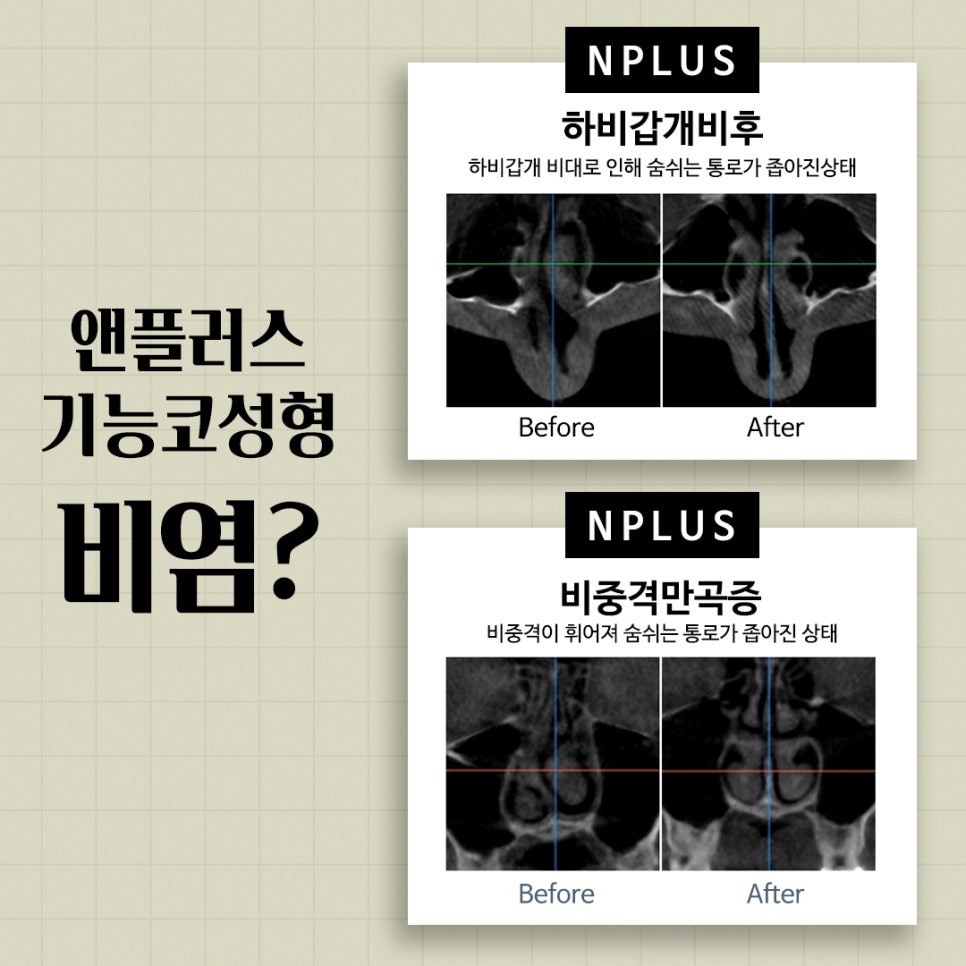
Conditions that may be treated with functional nose surgery include rhinitis. Rhinitis is broadly classified into allergic rhinitis and structural rhinitis caused by abnormalities in the internal nasal structure. In the case of allergic rhinitis, it is a type of rhinitis that reacts to specific substances such as mites, pollen, food, and dust. It is related to an individual’s constitution, and improvement through surgery is difficult. However, it may improve through consistent medication and strengthening of the immune system. On the other hand, structural rhinitis caused by abnormalities in the internal nasal structure can be improved through surgery. Examples include a deviated septum, inferior turbinate hypertrophy, and nasal valve stenosis, and surgery that combines these functional procedures with nose reshaping is called functional nose surgery.

The most representative symptom of the conditions mentioned above that can be treated with functional nose surgery—deviated septum, inferior turbinate hypertrophy, and nasal valve stenosis—is nasal congestion. In some cases, the symptoms are temporary, but in others they may last more than two weeks. If these symptoms recur, they can lead to headaches, chronic fatigue, loss of appetite, and facial deformity. Therefore, it is necessary to identify the exact cause and proceed with appropriate treatment and surgery for a satisfying nose reshaping result.

Among the conditions that can be addressed during functional nose reshaping, the one most often associated with rhinitis is a deviated septum. More than 70% of adults in Korea have rhinitis, and among them, more than 80% account for deviated septum. A deviated septum refers to the septum—the wall that divides the nostrils into two—being bent, causing functional abnormalities in the nose. Although it can be caused by genetic factors, it most often occurs due to trauma. Therefore, septoplasty, which corrects the deviated septum, is a highly difficult surgery. It is important to have the procedure performed by an experienced specialist who understands the nasal structure well, to minimize resection of the septal cartilage in order to reduce the possibility of side effects, and to lower the risk of recurrence through extensive clinical experience and analysis of accumulated data.
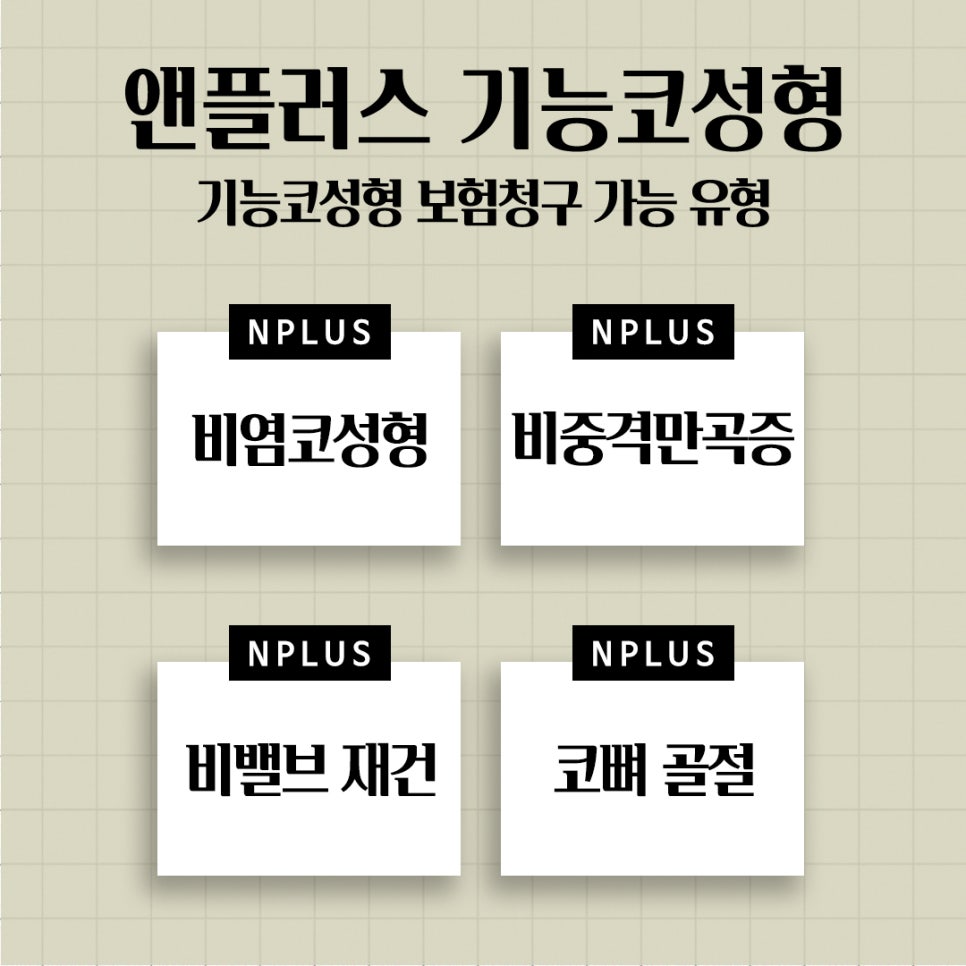
In addition, some people who are looking into surgery because of nasal congestion may hesitate due to the cost even in these uncomfortable situations. However, surgery for conditions such as the rhinitis, deviated septum, nasal valve reconstruction, and nasal bone fracture mentioned above may be eligible for out-of-pocket coverage benefits, which can be helpful when looking into functional nose surgery coverage. Therefore, if even one of the conditions above is present, you may be able to receive functional nose surgery coverage. If you suspect any of the symptoms above, you can visit a nearby otolaryngology clinic to check and be diagnosed for your condition.
The nose is the center of our face, so while its aesthetic appearance is important, it also plays a small but significant role because it is responsible for smell and breathing. Therefore, if nasal congestion appears due to the conditions mentioned above, it is necessary to identify the exact cause and proceed with appropriate treatment or surgery before it worsens so that deterioration can be prevented. However, if you proceed with nose surgery based only on these symptoms and assumptions, you may not be able to receive functional nose surgery coverage benefits. Therefore, we recommend that you first obtain an accurate diagnosis through tests, understand the diagnosis and details of the condition, and then contact the relevant insurance company for precise guidance. If you proceed without following these steps, the eligibility for payment and the payment rate may differ. For that reason, it would be helpful to organize the information about the functional nose surgery coverage mentioned above in a reliable place before proceeding so that you can receive the benefits.
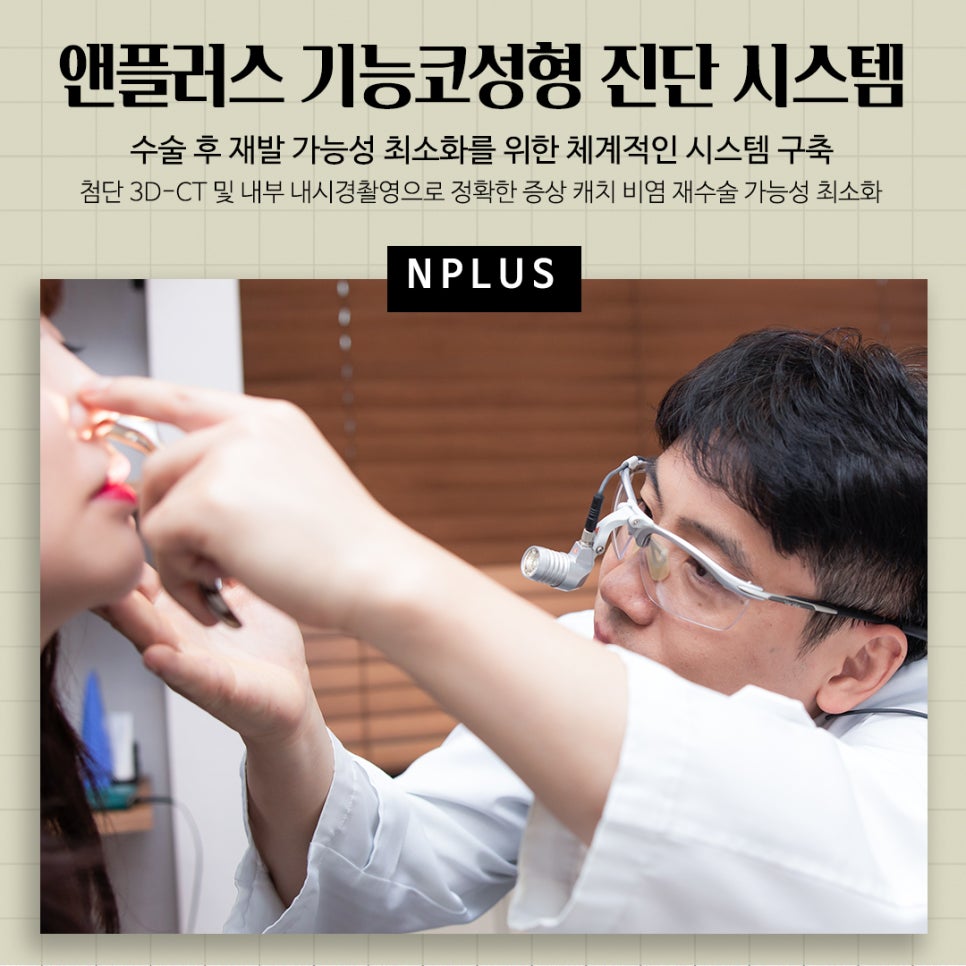
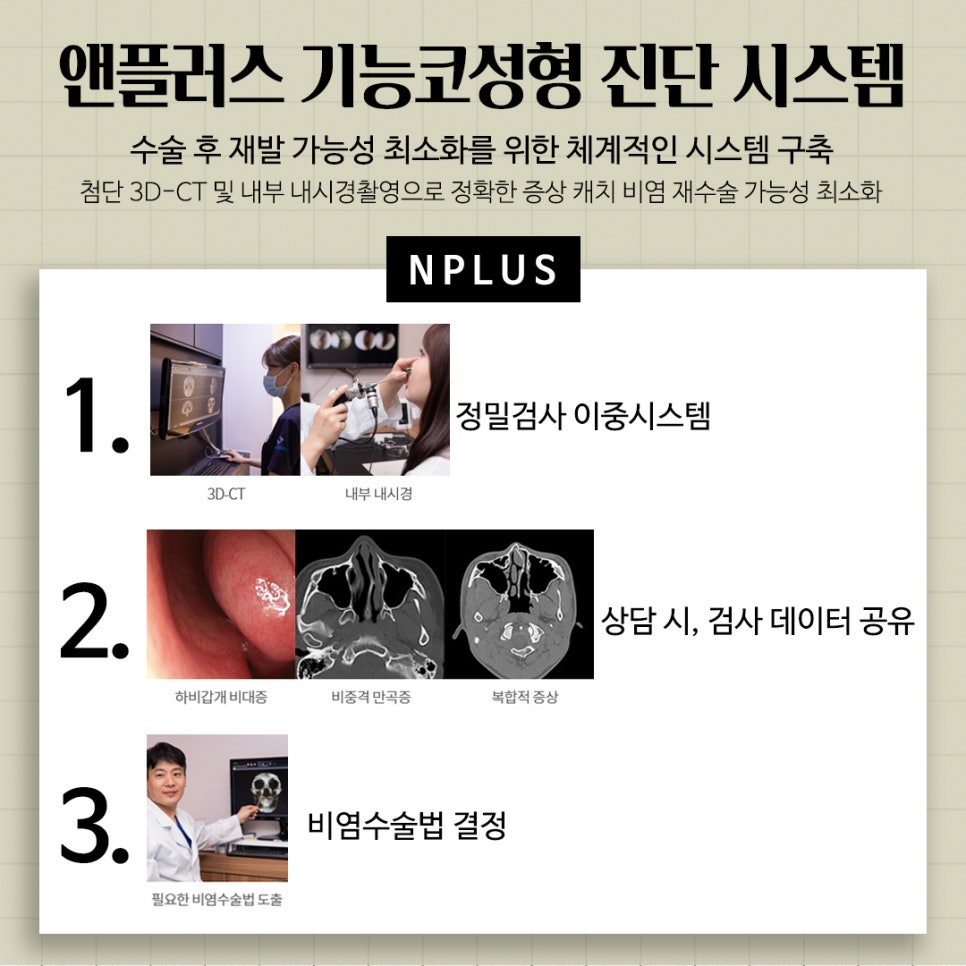
At OJIKO & Plus Clinic, to determine the exact cause of nasal congestion, we perform allergy tests, internal endoscopy, and 3D-CT scans, and only select nose surgeries that are appropriate for the resulting data.

As for the surgical methods used in functional nose reshaping, for a deviated septum, the surgery is performed to correct the deviated septum before proceeding with nose reshaping. For inferior turbinate hypertrophy, a laser procedure that adjusts the width is performed together with nose reshaping. If the appropriate surgery is not performed according to the symptoms during functional nose surgery, rhinitis symptoms may not improve at all and may even feel worse. Therefore, accurate symptom assessment and the appropriate surgical method are necessary to minimize the possibility of repeat rhinitis surgery.

Lastly, here is the procedure for functional nose surgery coverage insurance.
-
Detailed examination
-
Check eligibility and reimbursement rate
-
Proceed with surgery and treatment
-
Check the documents needed for filing an out-of-pocket insurance claim and request that the hospital issue them
-
Submit the individual documents to the insurance company
-
Receive the insurance payout after individual review by the insurance company
Functional nose surgery coverage insurance is handled through the process above. Since nose surgery is one of the more technically difficult surgeries, it should be performed after examination at a place with excellent skill and experience, so that nasal congestion symptoms can improve while also increasing satisfaction with the nose shape after surgery.
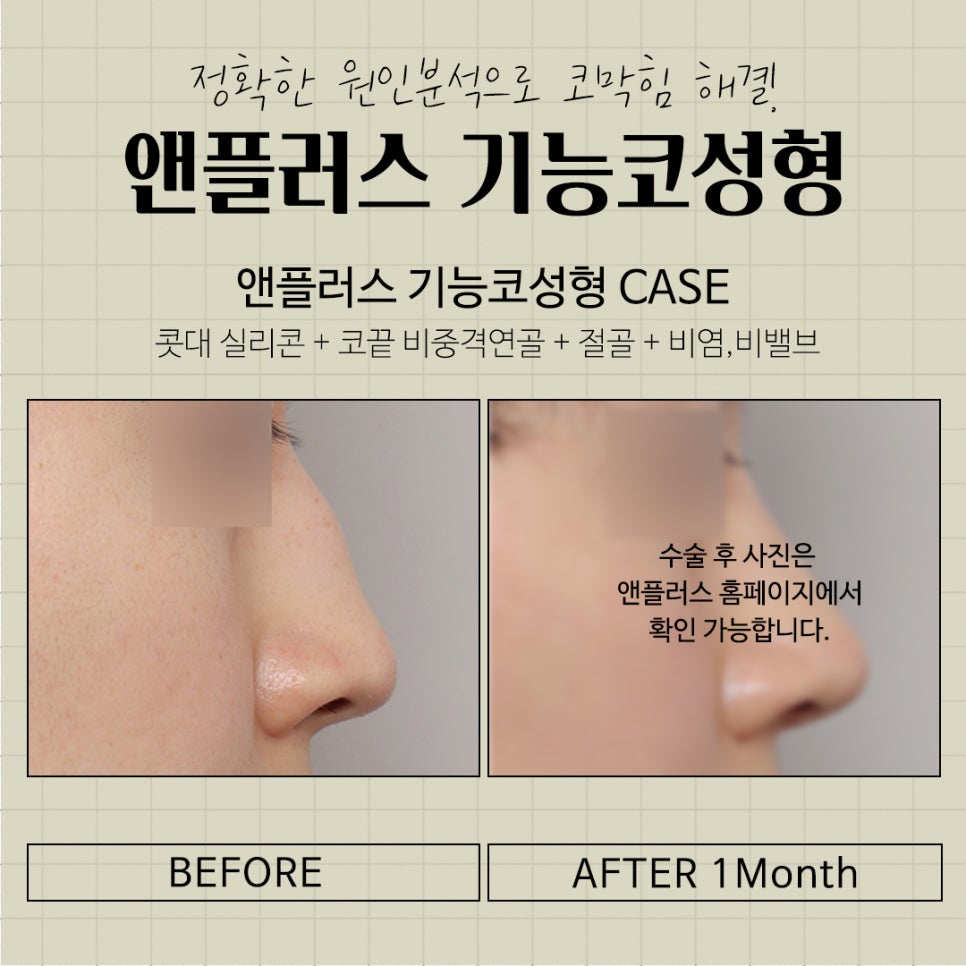
(The image above shows before-and-after photos of functional nose surgery that was actually carried out with OJIKO & Plus Clinic’s functional nose surgery coverage.)
That concludes the information about functional nose surgery coverage. I hope this article is very helpful for those who are considering nose reshaping due to nasal congestion. Thank you.