
Hello, we are N+ Clinic, thinking only about your beautiful and healthy nose for the past 16 years.
This time, we have prepared information about functional rhinoplasty at N+ Clinic.

The facial features of our face play the biggest role in determining external beauty. However, at the same time, they also serve functional roles, making them very important parts of our body. Since the nose is at the center of the facial features, when the nose is crooked, low, upturned, or has a protruding bridge, an attempt is made to improve it into a straight and smooth shape.

Because the nose is an organ responsible for breathing and smell, external beauty is important, but if the nose is crooked or the internal cartilage is deviated, its normal function may not work properly. For this reason, people often look into information about functional rhinoplasty.
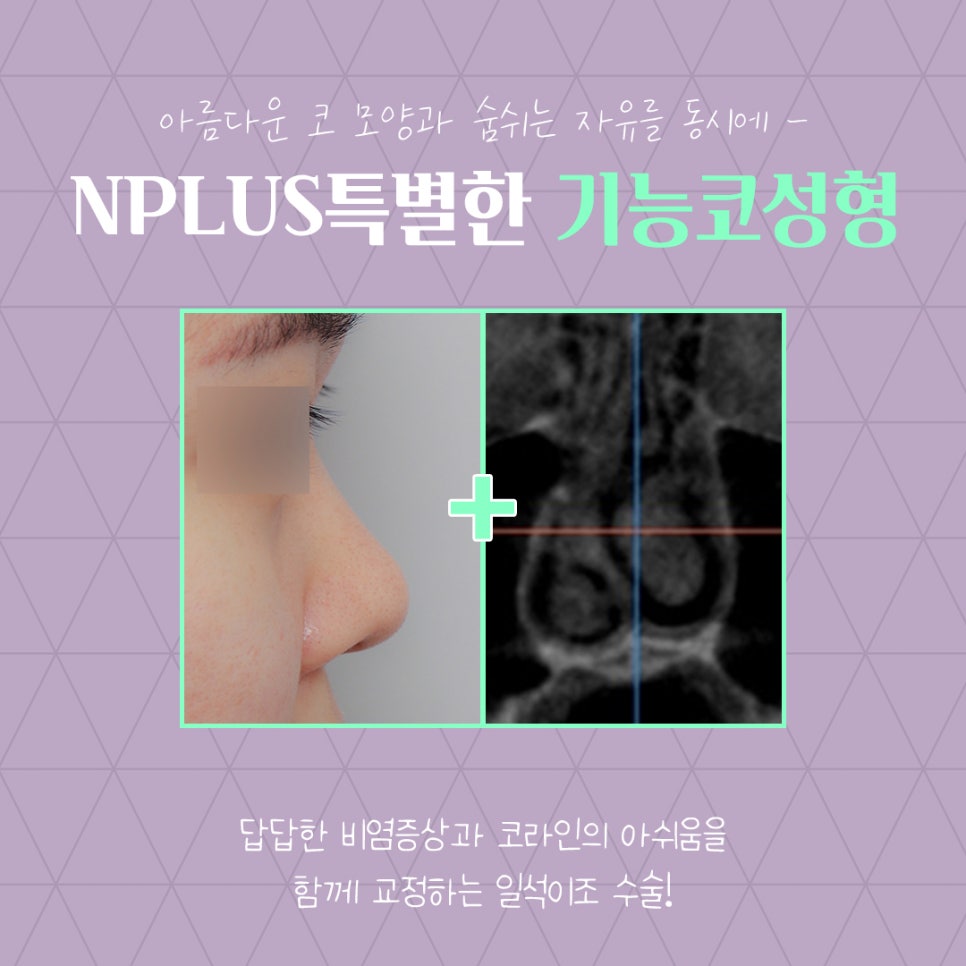
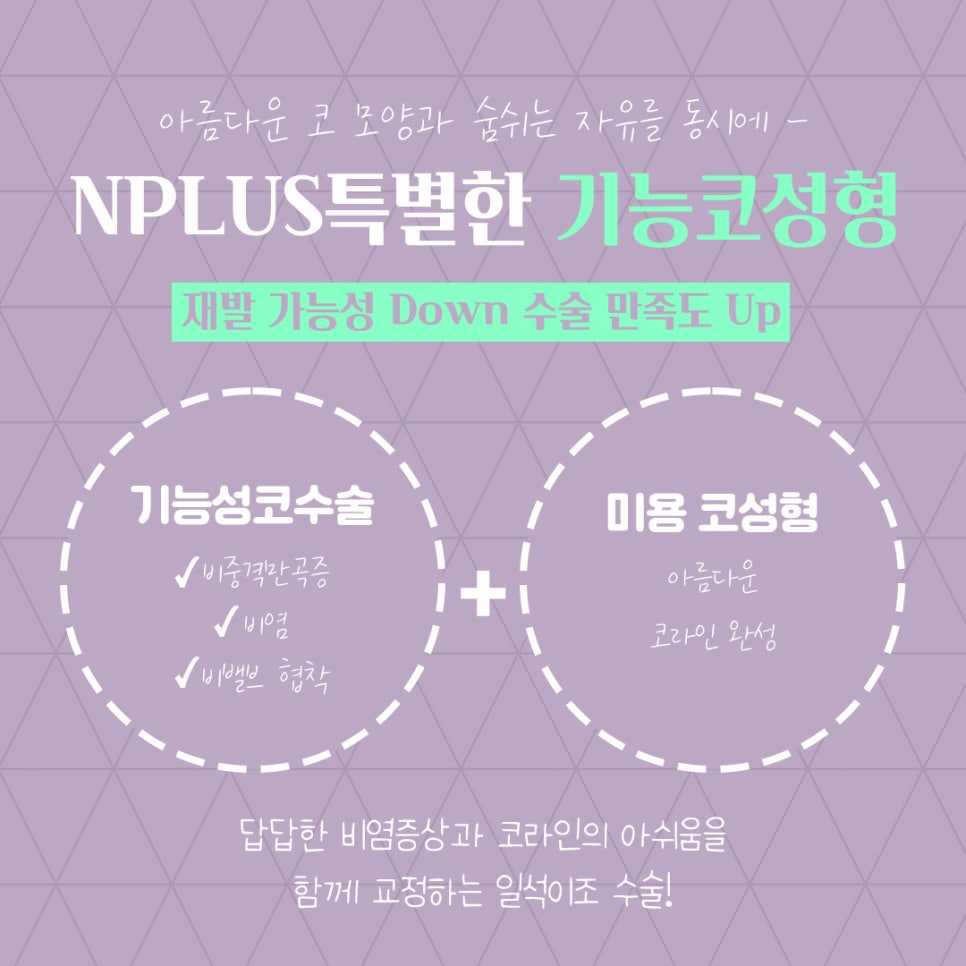
What is functional rhinoplasty? It is a surgery in which functional nasal surgery that corrects various uncomfortable symptoms inside the nose and cosmetic rhinoplasty that complements areas one is dissatisfied with in the shape of the nose are performed at the same time.

Among those looking into functional rhinoplasty, the most common symptoms are nasal congestion or a runny nose. These two symptoms usually begin with rhinitis. In Korea, more than 70% of adults have rhinitis; 20% is allergic rhinitis, and the remaining 80% can be said to be structural rhinitis caused by internal structural abnormalities.
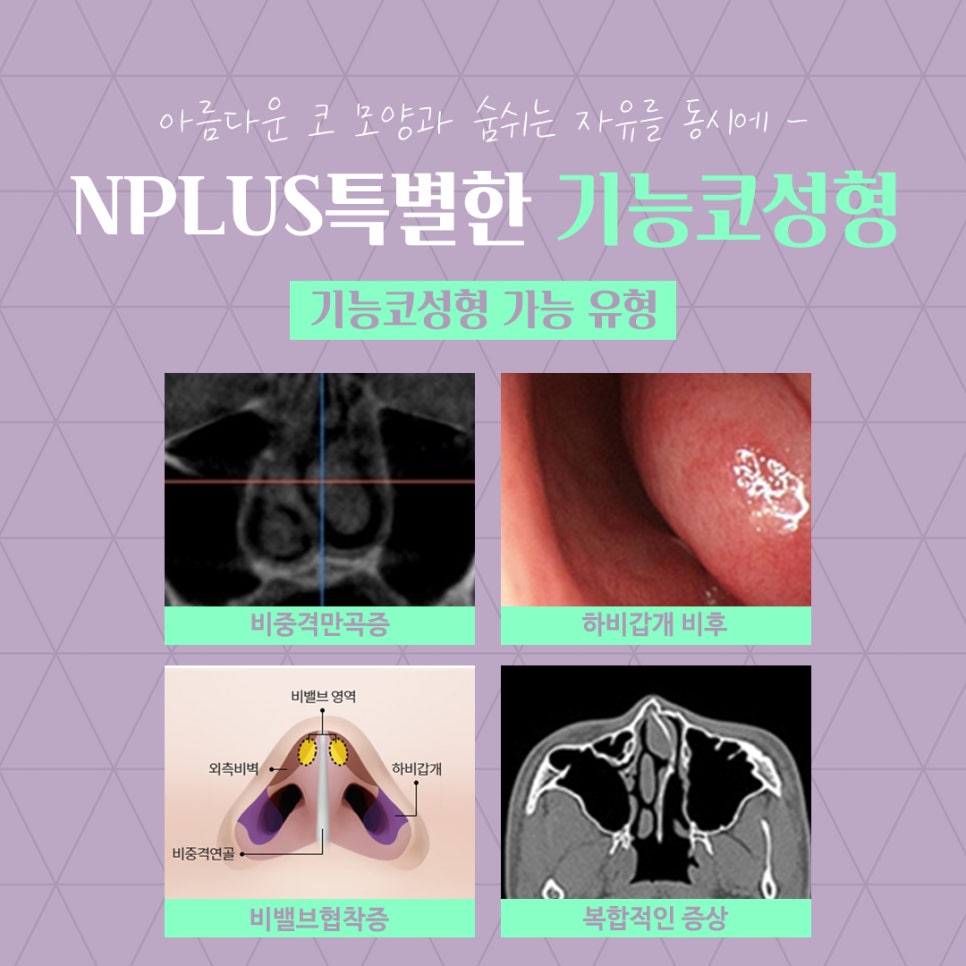
Structural rhinitis includes deviated septum, nasal valve stenosis, and inferior turbinate hypertrophy. A deviated septum means that the septum, which acts as a partition dividing the nostrils in half, is bent and obstructs airflow. Nasal valve stenosis refers to a narrowed and constricted state of the nasal valve, the space that acts like the roof of the nose and regulates airflow. Inferior turbinate hypertrophy refers to a state in which the fleshy tissue protruding inside the nose, called the inferior turbinate, becomes enlarged and interferes with breathing.
As such, in the case of allergic rhinitis, a complete cure is difficult, so we recommend consistent medication treatment and prioritizing improved immunity. Conditions caused by structural rhinitis can be improved through functional surgery. Therefore, many people are highly interested in functional rhinoplasty, which can improve symptoms through functional surgery while also addressing cosmetic concerns they have had for a long time.

However, it is difficult to determine allergic rhinitis and structural rhinitis by visual inspection based only on the symptom of "nasal congestion." Also, if the symptoms are mild, treatment may not be necessary, but if the condition is left untreated when the symptoms are severe, the likelihood of progression to chronic rhinitis is high. If symptoms worsen into chronic rhinitis, insufficient oxygen may be supplied to the brain due to nasal congestion, which can cause headaches, migraines, reduced concentration, and loss of motivation. Severe nasal congestion can also lead to mouth breathing, which may result in complications such as dryness, sore throat, and pharyngitis. Therefore, accurate symptom assessment and a surgical approach tailored to the various causes are necessary for satisfactory functional rhinoplasty.
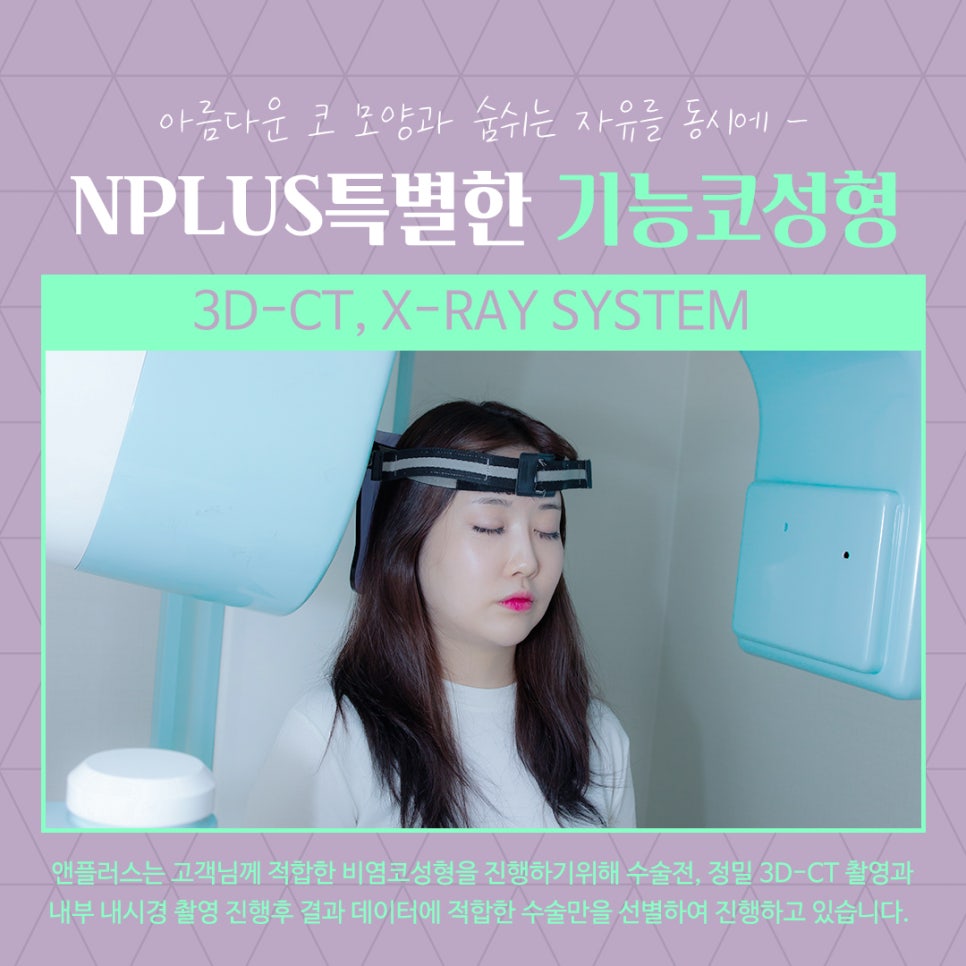
At N+ Clinic, in order to assess the condition of the nose, various allergy tests, 3D-CT imaging, and internal endoscopic imaging are performed before surgery to accurately identify the cause and symptoms, understand various conditions such as deviated internal cartilage, skin tissue, and inflammation, and based on the data, functional rhinoplasty is performed with a surgical method tailored to each individual.

The surgical methods for functional rhinoplasty are broadly classified into three categories depending on the symptoms: inferior turbinate hypertrophy, deviated septum, and nasal valve stenosis. For inferior turbinate hypertrophy, laser treatment is performed on the internal nasal mucosa. For deviated septum, correction is performed to straighten the bent septum. For nasal valve stenosis, correction is carried out using one of four methods—spreader graft, butterfly graft, upper lateral cartilage spreader graft, or suspension suture—depending on the symptoms. After treatment and surgery according to these symptoms, cosmetic rhinoplasty is performed; the bridge of the nose is augmented with silicone, and the nasal tip is shaped with autologous cartilage as part of the functional rhinoplasty.
�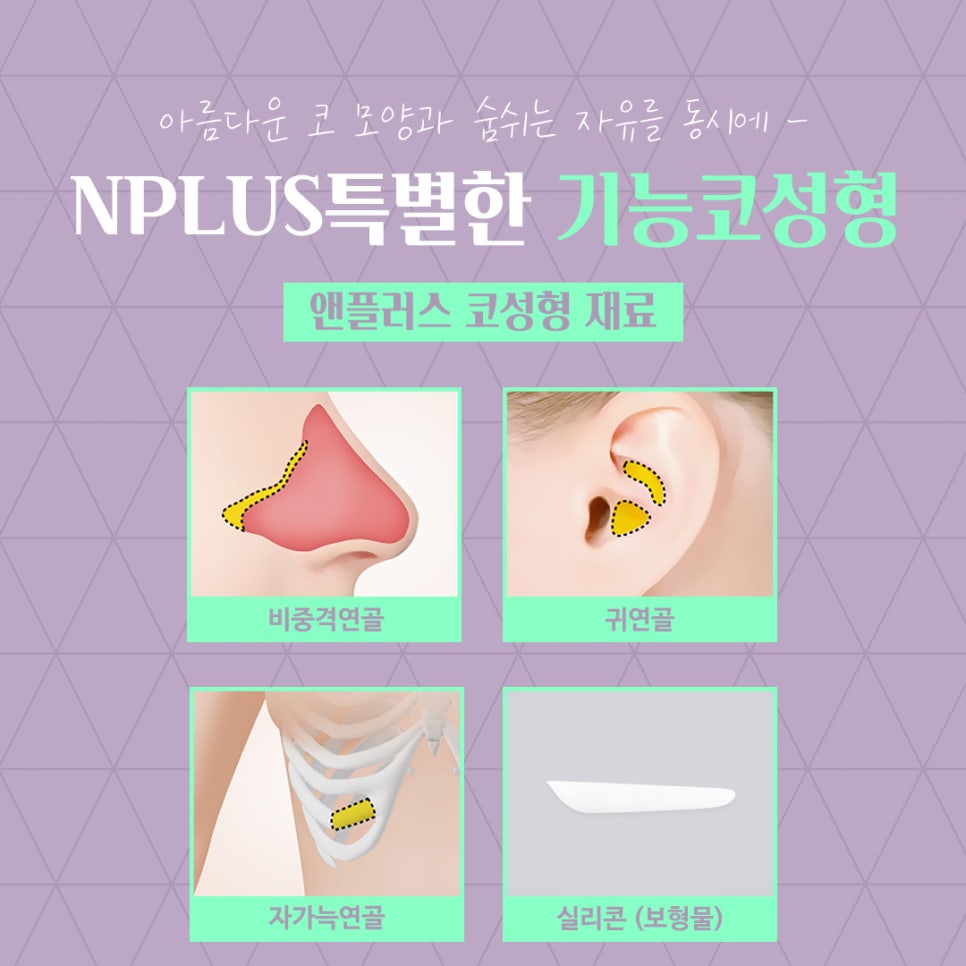
The materials used in functional rhinoplasty include silicone and autologous cartilage (septal cartilage, ear cartilage, and autologous costal cartilage). The autologous cartilage material is also selected through preoperative testing to determine the material best suited to the individual. Silicone is not inserted using a pre-made implant as is, in order to minimize an artificial look after nose surgery; instead, the implant is carefully and directly shaped by hand while considering various aspects such as the individual’s overall image and the width, length, and breadth of the nasal bridge, and then inserted. For this reason, the result can be a more natural and satisfying functional rhinoplasty.
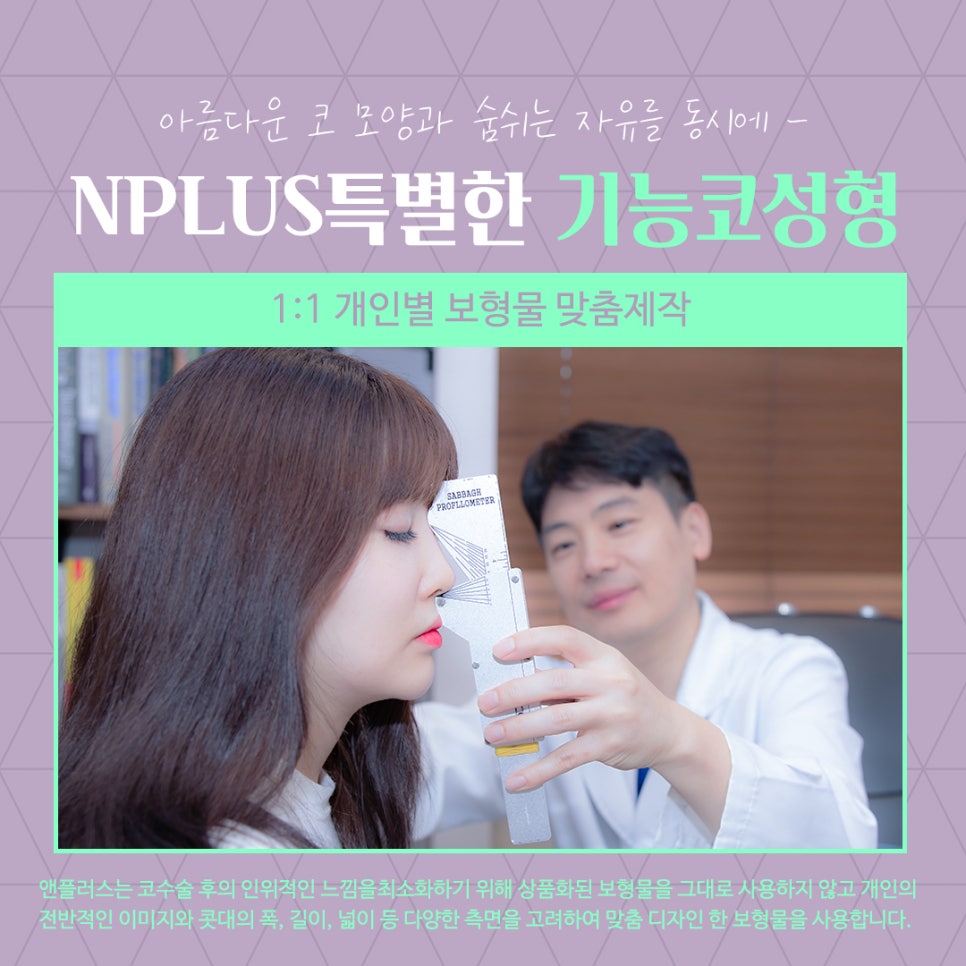
Because functional rhinoplasty is classified as a high-difficulty surgery since two procedures are performed at the same time, it is helpful to have it done at a place where the medical staff has a high level of anatomical knowledge of the nose and abundant surgical experience and career history. Therefore, we recommend carefully and thoughtfully researching before making a decision.

At N+ Clinic, Director Yoon Hyun-cheol personally oversees the entire process one-on-one, from functional rhinoplasty consultation to surgical planning, execution, and follow-up treatment. In addition, through the free after-service system guaranteed for one year after surgery, post-operative care after functional rhinoplasty is also handled thoroughly.
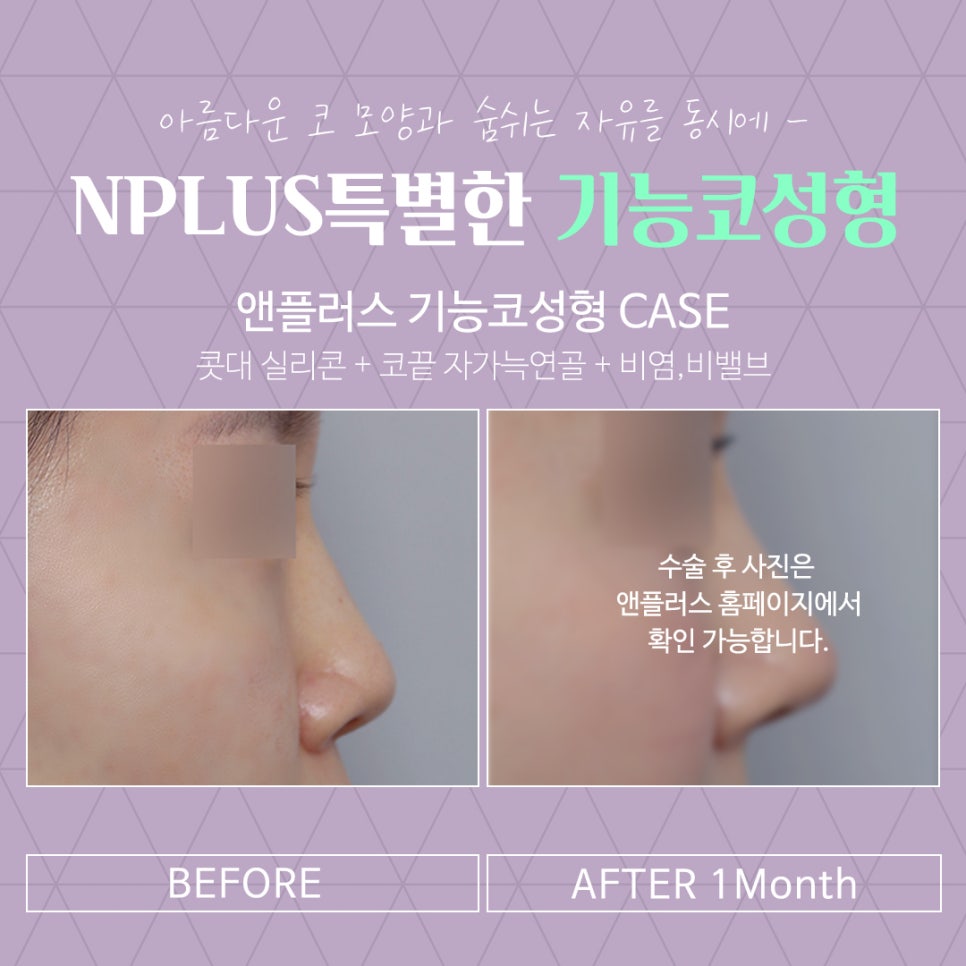
(The images above are actual before-and-after photos of functional rhinoplasty at N+ Clinic.)
That concludes the information we shared about functional rhinoplasty at N+ Clinic. We hope this post has been very helpful for those considering both improvement of nasal congestion and cosmetic rhinoplasty. Thank you.