Hello. This is Oziko N Plus Clinic, which thinks only about your beautiful and healthy nose.
The topic we will introduce this time is upturned nose surgery.
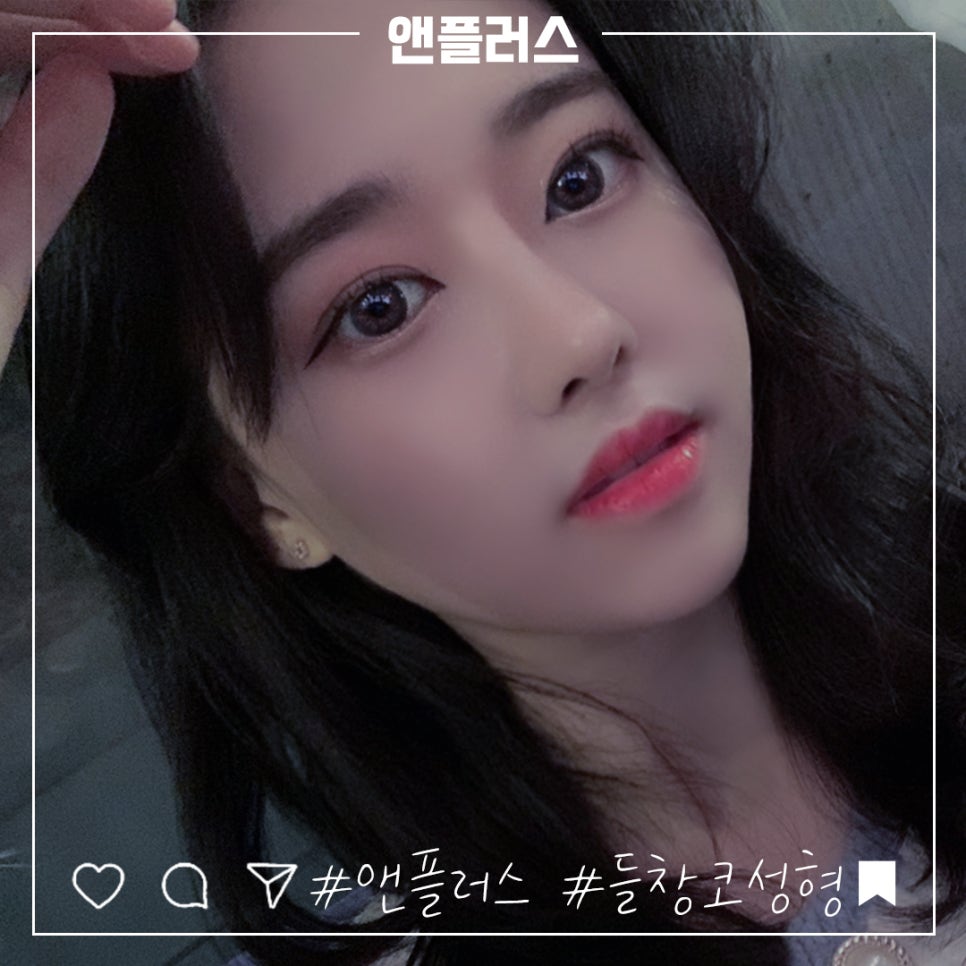
When we judge a person's first impression, appearance is not everything, but we can say that we instinctively assess people through the outward image we see. For that reason, many people try to improve their appearance into a more favorable image through makeup or photography techniques. However, because the shape of the nose often leaves noticeable points of dissatisfaction despite various attempts, many people are concerned and look into nose surgery.
Those who are looking into nose surgery usually do so when the nose is low, has a bumpy hump nose shape, is crooked, or is an upturned nose. Today, among these, we would like to explain upturned nose surgery, which is known to be more difficult.
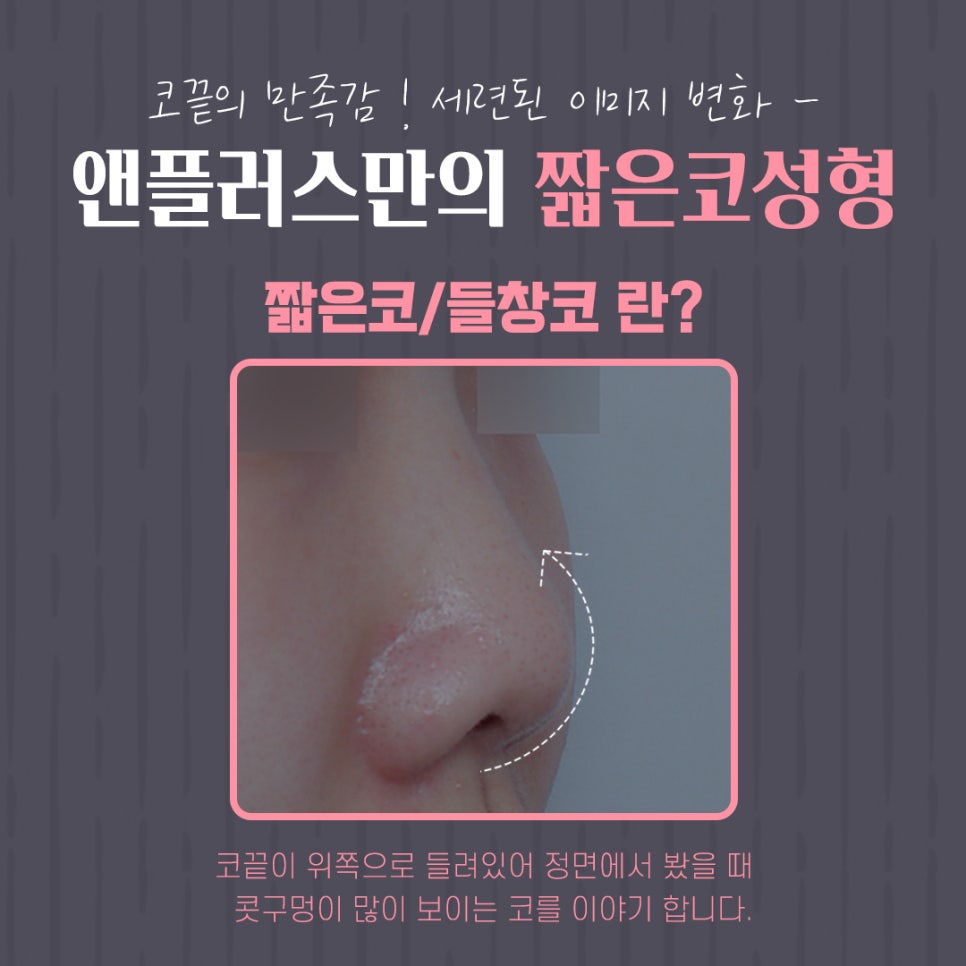
What is an upturned nose? It refers to a nose whose tip is turned upward, making the nostrils highly visible from the front. An upturned nose can be divided into two types: a congenital cause, and an acquired cause that appears when the nose tip becomes shorter due to contracture after surgery. It can be improved through upturned nose surgery.

Usually, people who look into upturned nose surgery are said to have many concerns about the nose tip. In particular, if the nose tip is lifted and has a blunt, bulbous shape, the nose draws attention, so they look into ways to improve it. Through upturned nose surgery, you can try to achieve a sharper and more refined image.

However, many people try to undergo surgery by thinking of upturned nose surgery as something simple and judging it only by cost or cosmetic aspects. In the case of upturned nose surgery, it is classified as one of the more difficult nose surgeries, and because it is performed to lower the lifted nose tip while also correcting the height of the tip, it is better to make the decision more carefully and cautiously to help prevent revision surgery.
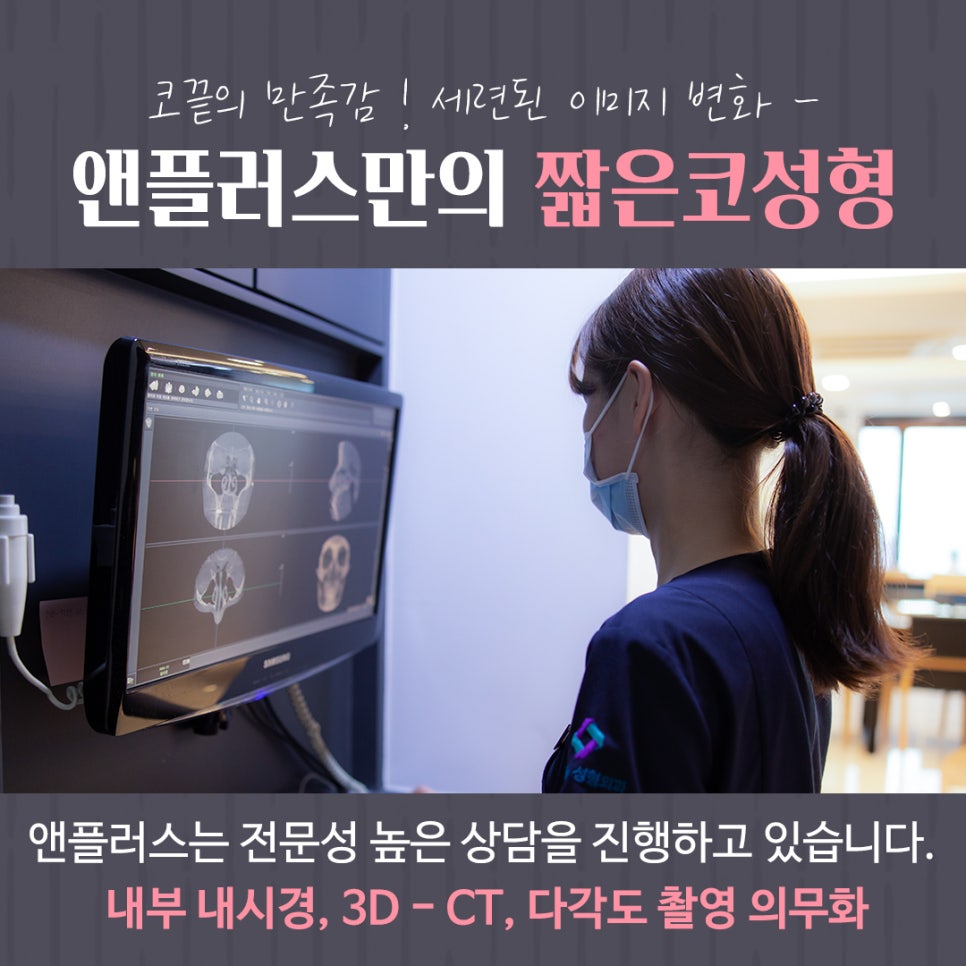
At N Plus Clinic, to ensure a satisfying upturned nose surgery, we accurately analyze the cause of the upturned nose through 3D-CT imaging and internal endoscopic imaging, and perform surgery based on the resulting data. We also use various combined correction procedures tailored to each person's condition so that the nose does not become upturned again over time.
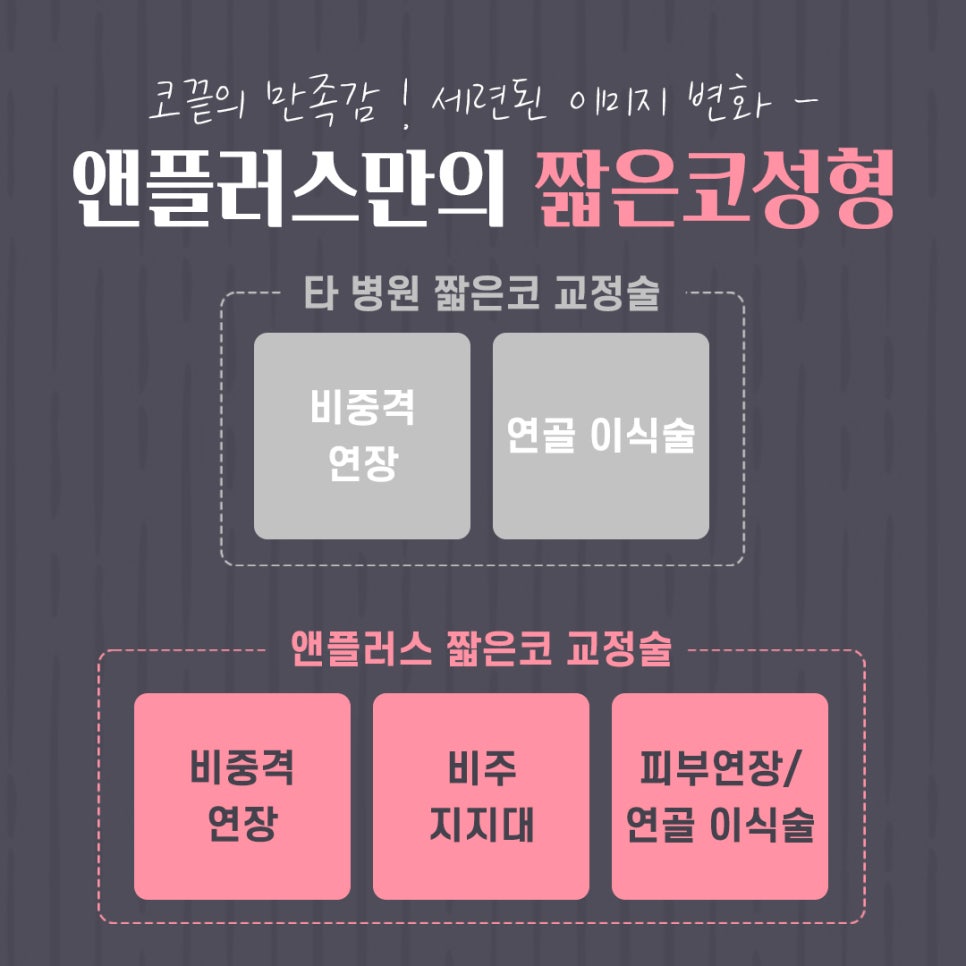
N Plus Combined Correction Program
Septal Extension Surgery - Using strong septal cartilage or rib cartilage, the nose tip is extended downward and forward,
then the length of the lifted nose tip is clearly increased so that the nostrils are not visible.
Columellar Support - Ear cartilage or septal cartilage is grafted between the inner legs of the alar cartilage (nostril cartilage)
and firmly fixed so that the nose tip does not become lifted or droop again.
Skin Extension, Cartilage Grafting - Secures the skin space needed for nose tip correction and grafts autologous cartilage to
correct the nose tip height, giving the tip a clear sense of height and completing an overall higher nasal line.
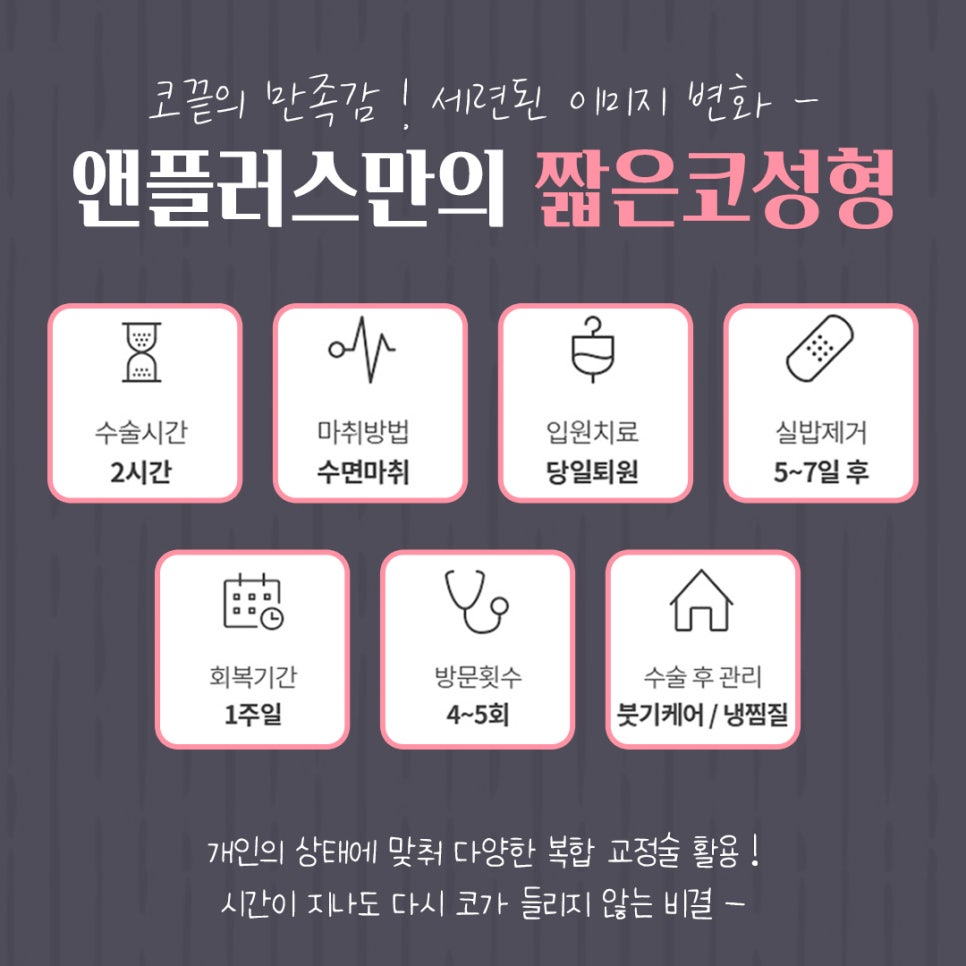
What is the method for upturned nose surgery? It is performed by dividing cases into mild nose tip elevation and severe nose tip elevation.
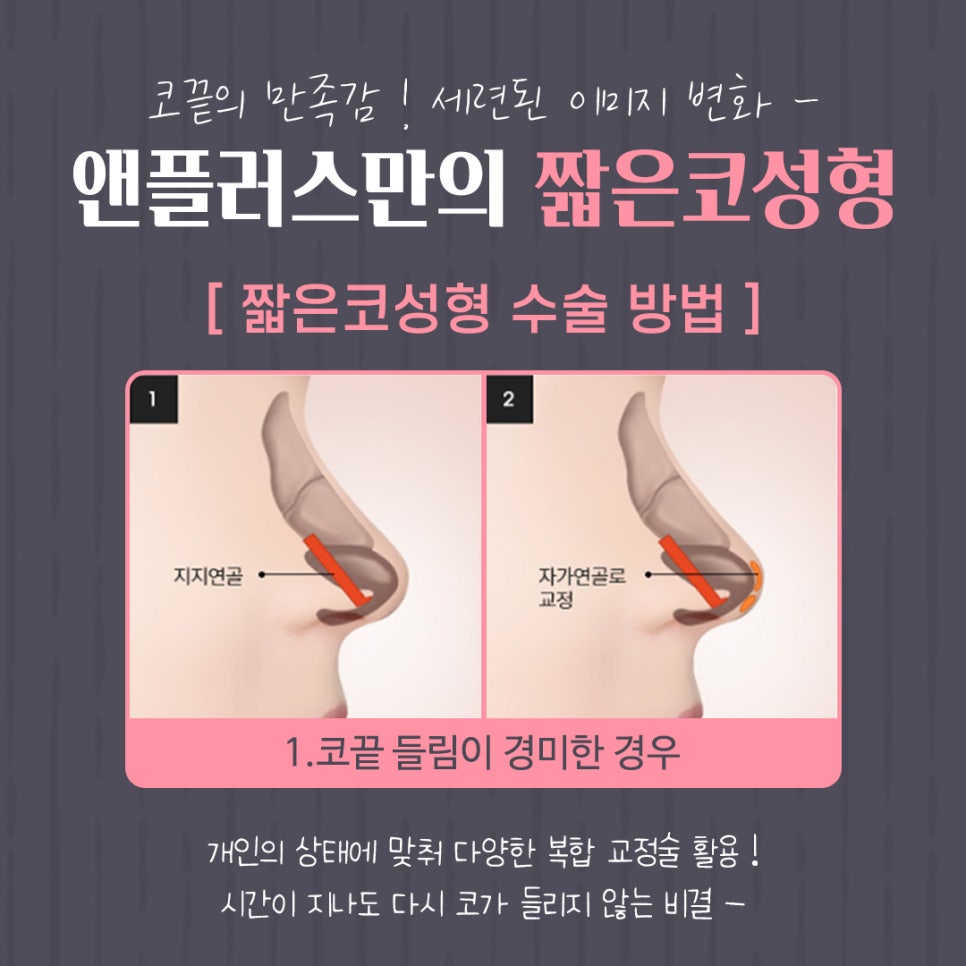
First, in cases where the nose tip elevation is mild, a strong support cartilage is grafted between the columellae to fix the nose tip cartilage so that it does not move, and then autologous cartilage is grafted to the nose tip to refine the overall nasal line.
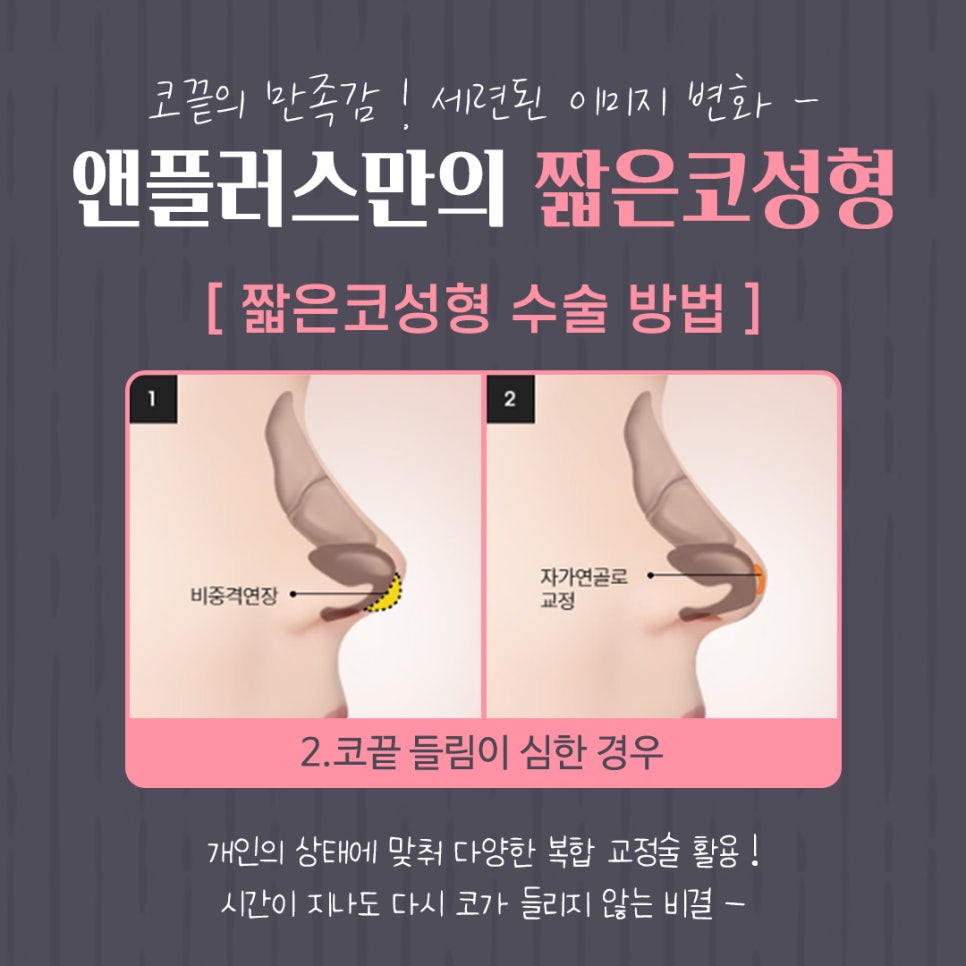
In cases where the nose tip elevation is severe, strong autologous cartilage is used to sufficiently lengthen the nose tip (septal extension), and after autologous cartilage is grafted to the nose tip, the overall nasal line is refined.
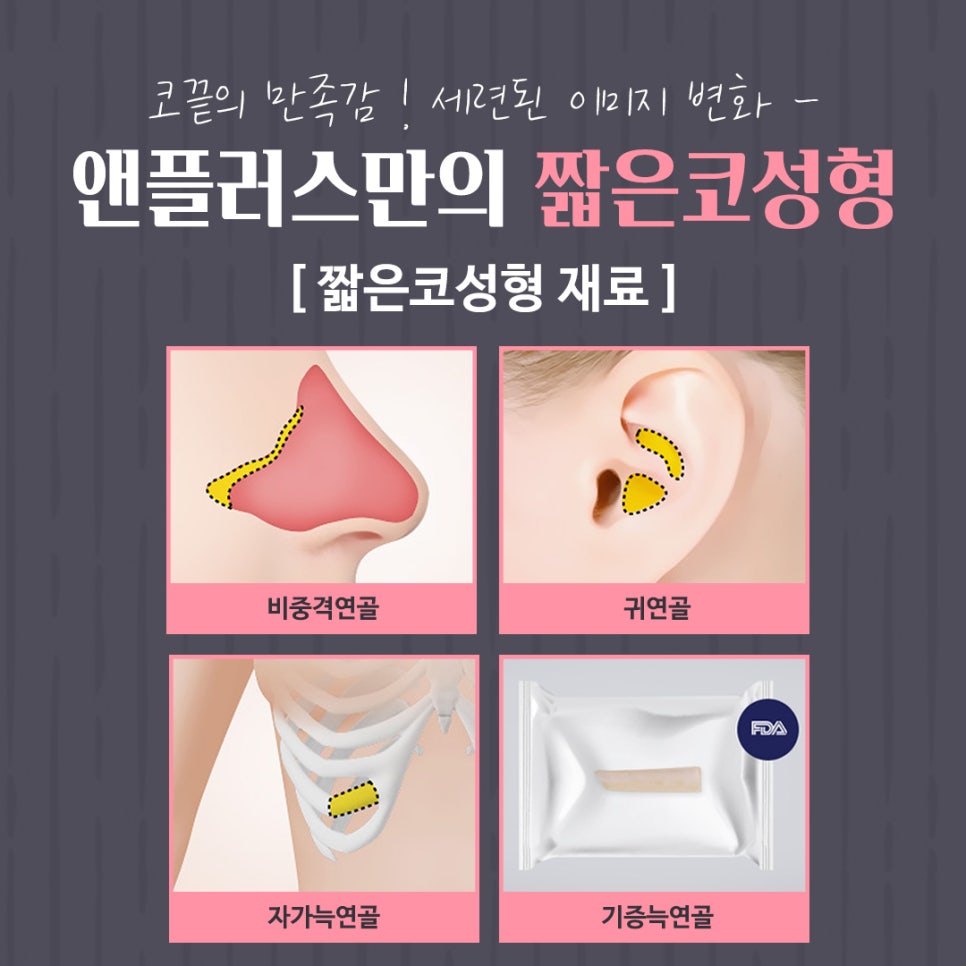
What materials are used in upturned nose surgery? There are ear cartilage, septal cartilage, and autologous rib cartilage. Ear cartilage is easy to harvest and creates a natural nose tip shape. Septal cartilage is firmer than ear cartilage and supports the nose tip so it does not droop. Autologous rib cartilage is large in size and available in ample quantity, so it is often used for short nose, upturned nose surgery, or revision surgery. Before surgery, examinations are performed to select the material suitable for each person. However, if harvesting such autologous cartilage is difficult or insufficient, donor rib cartilage that has received FDA approval from Migo is used.
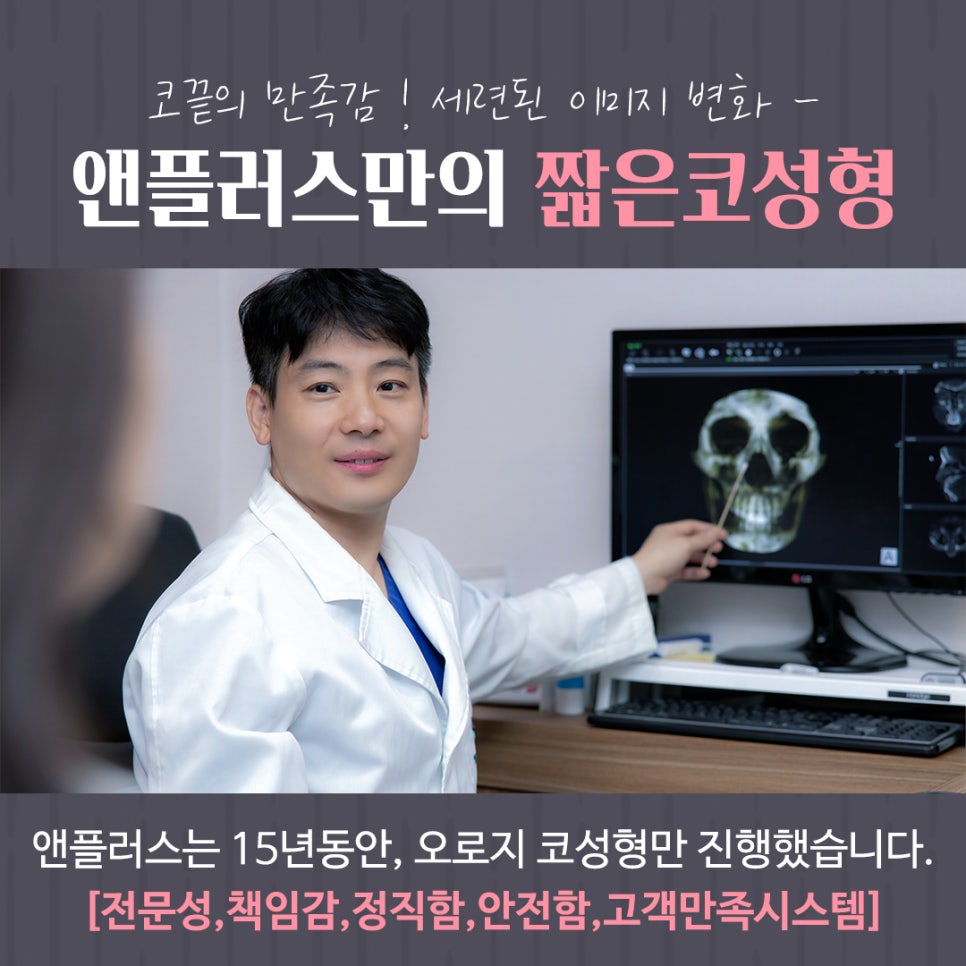
Lastly, at N Plus Clinic, to ensure a satisfying upturned nose surgery, Director Yoon Hyun-cheol personally handles the entire process one-on-one, from preoperative consultation, surgical planning, and procedure to treatment and follow-up care. We also provide thorough aftercare.
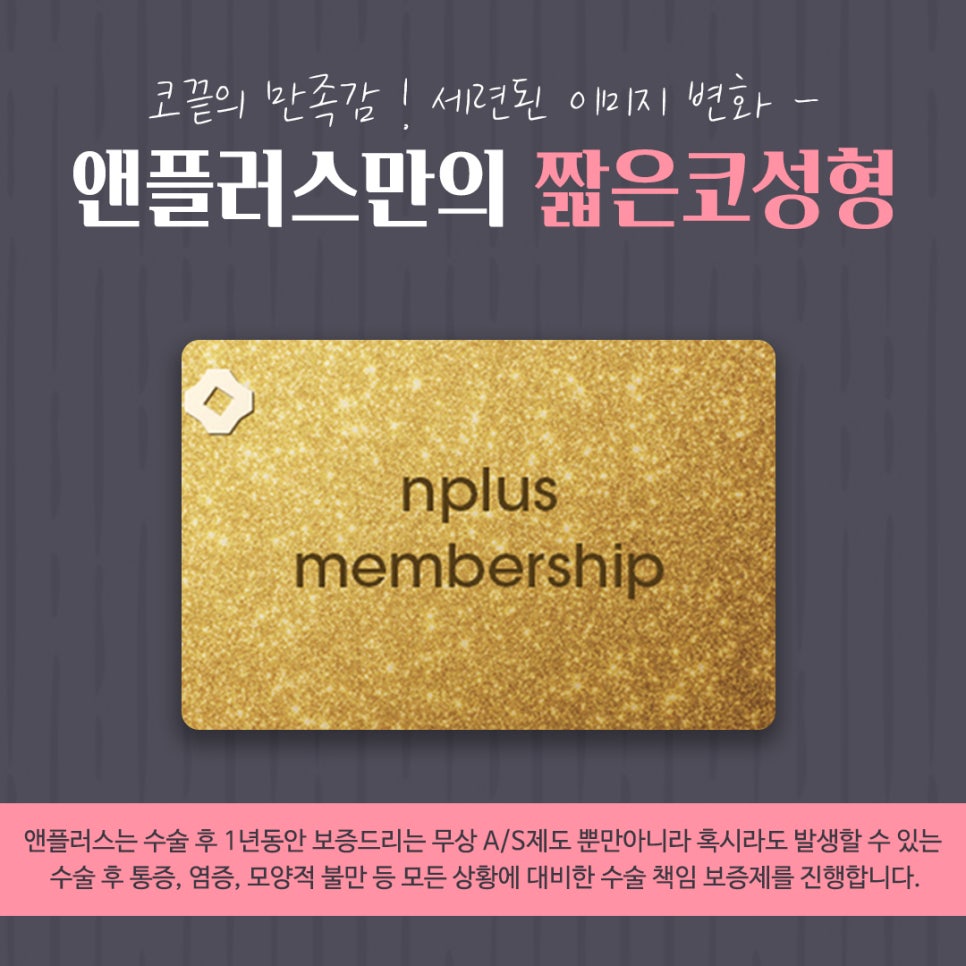
We operate a one-year after-sales service system guaranteed after surgery, as well as a surgery responsibility guarantee system that prepares for all possible situations such as postoperative pain, inflammation, or dissatisfaction with the result. If you hold an N Plus Clinic membership card, you can receive aftercare benefits at any time.
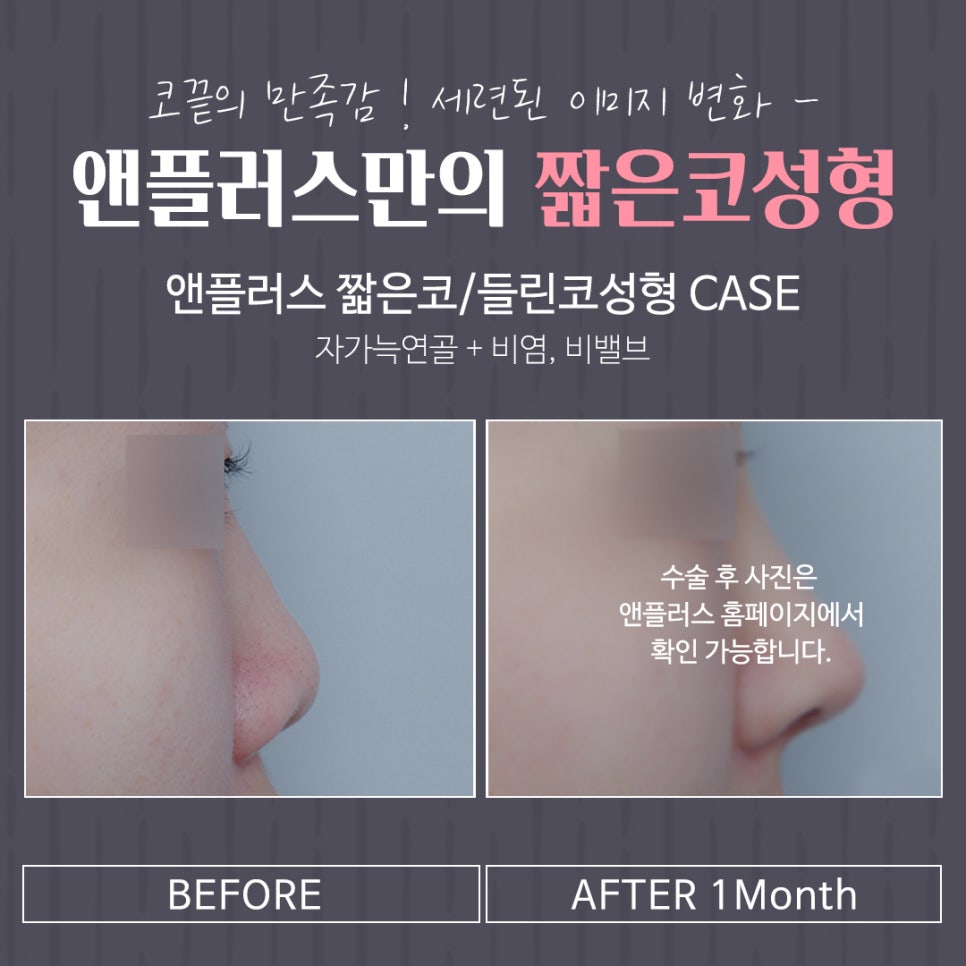
(The images above are actual before-and-after photos of upturned nose surgery at Oziko N Plus Clinic.)
That concludes our introduction to image transformation through upturned nose surgery at Oziko N Plus Clinic. We hope this post is of great help to those who feel stressed about their appearance because of an upturned nose. Thank you.