Hello. We are Ojiiko Hospital & N Plus Clinic, where we have focused only on rhinoplasty for 16 years.
The topic we will introduce this time is a nose tip surgery review using autologous cartilage.
The nose, located at the center of the face, is said to be the area that determines our impression. When the nose is low, has a hump, is drooping, or is upturned, many people search for nose tip surgery reviews to improve the shape of the nose.
The nose is the center of our face and balances the facial features while also being responsible for breathing and the sense of smell. Since overall facial harmony differs from person to person, surgery should be performed to suit each individual. For that reason, it is advisable to check the inside through various devices and then proceed with a nose tip surgery review.
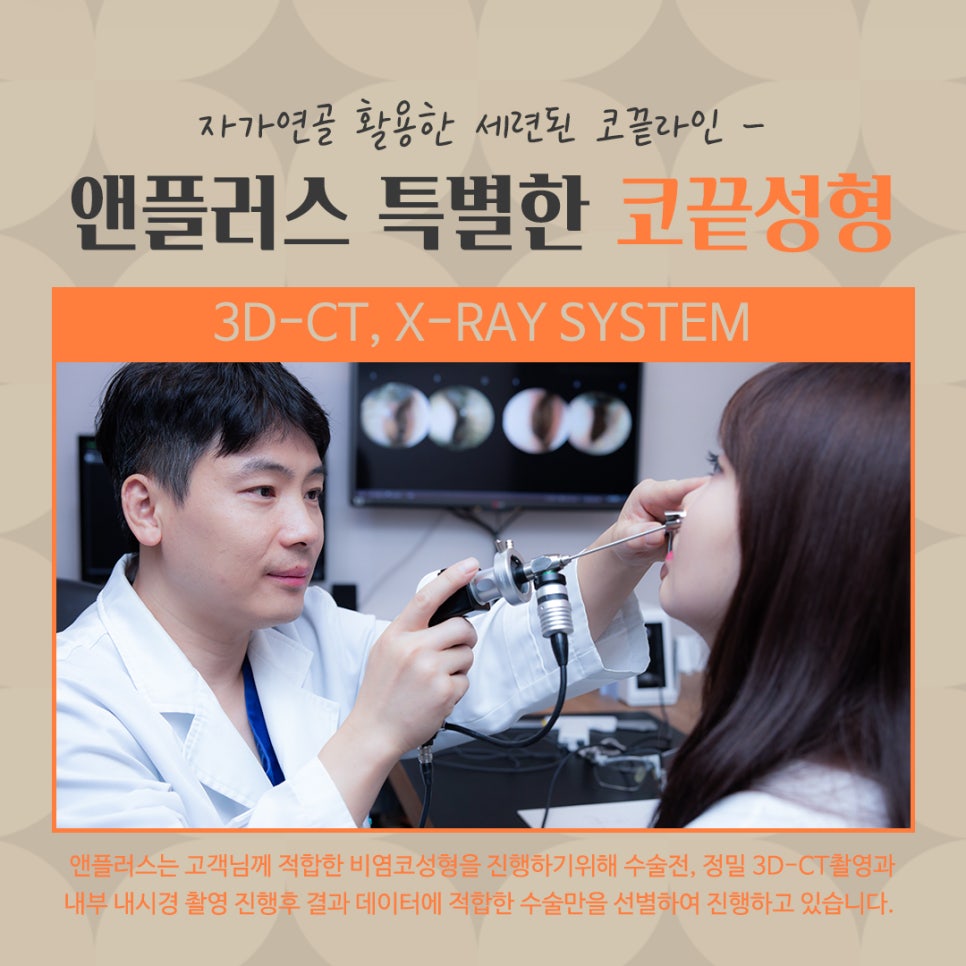
At N Plus Clinic, to ensure a satisfying nose tip surgery review, we accurately identify the current nose tip issues—such as whether the tip is upturned, drooping, or spread out, and how much fatty tissue is distributed in the nose—through 3D-CT scanning and internal endoscopic imaging, then proceed with nose tip surgery by selecting the most effective method.
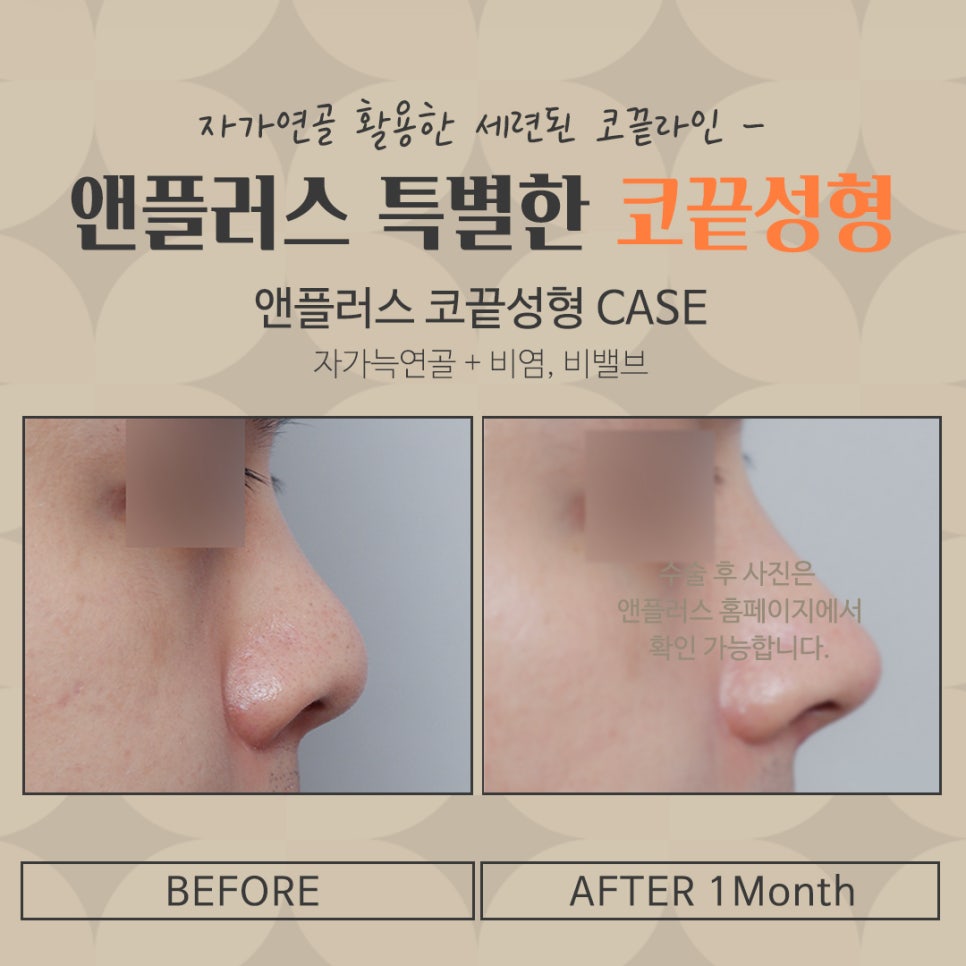
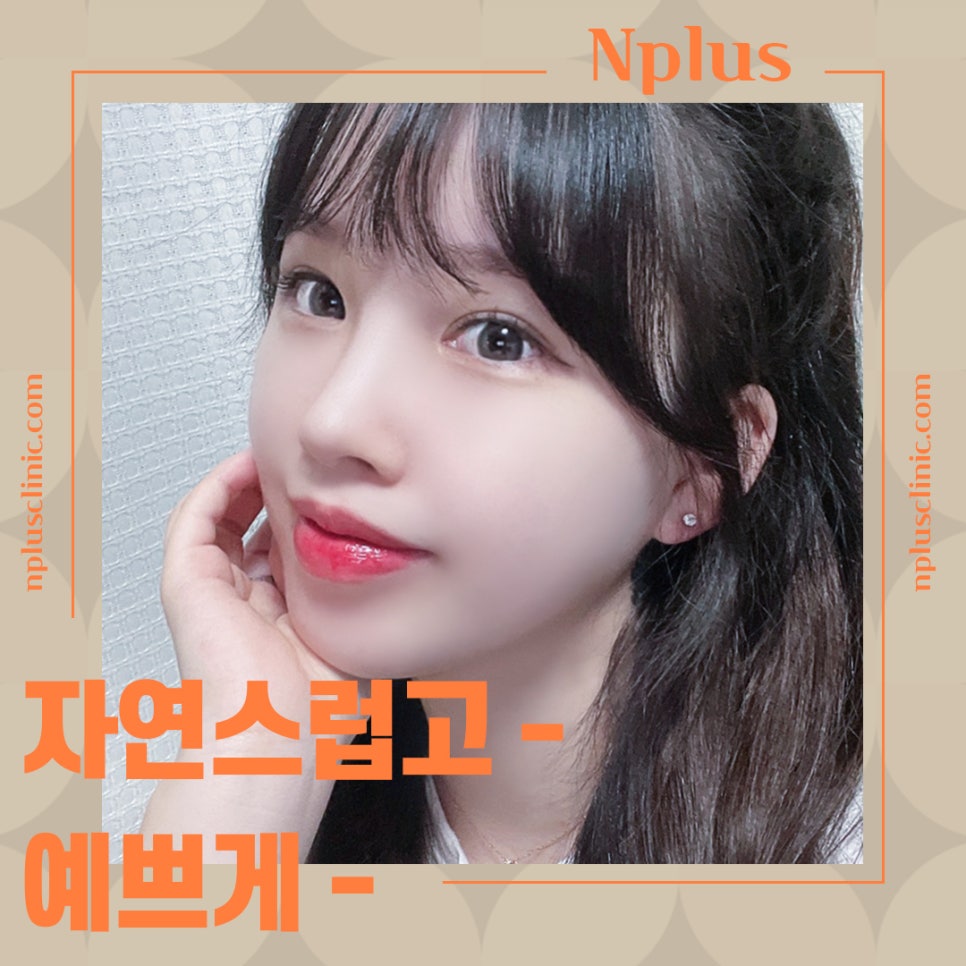
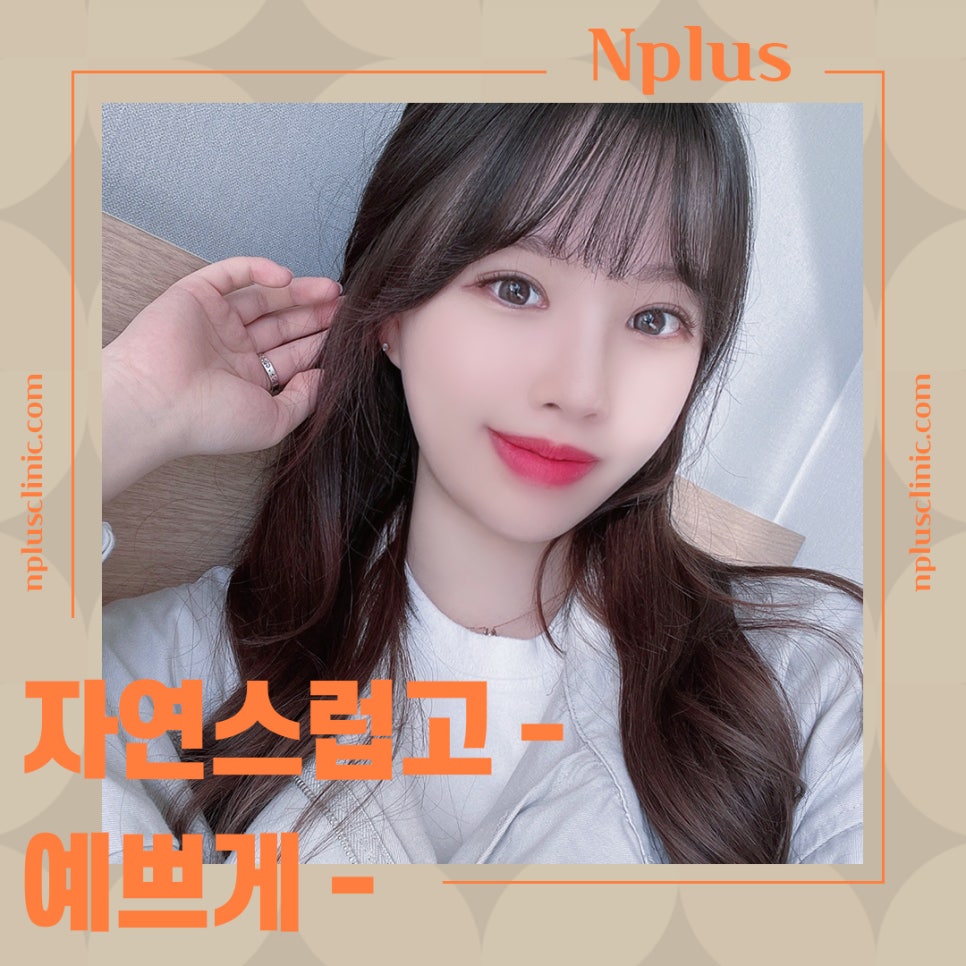
(The image above shows before-and-after photos from a nose tip surgery review at Ojiiko Hospital & N Plus Clinic.)
If you look at nose tip surgery reviews, you can see that the procedure is performed differently for each person. Cases that require nose tip surgery are broadly divided into four types: when the nose tip is low, when it is upturned, when it is drooping, and when it is spread out.
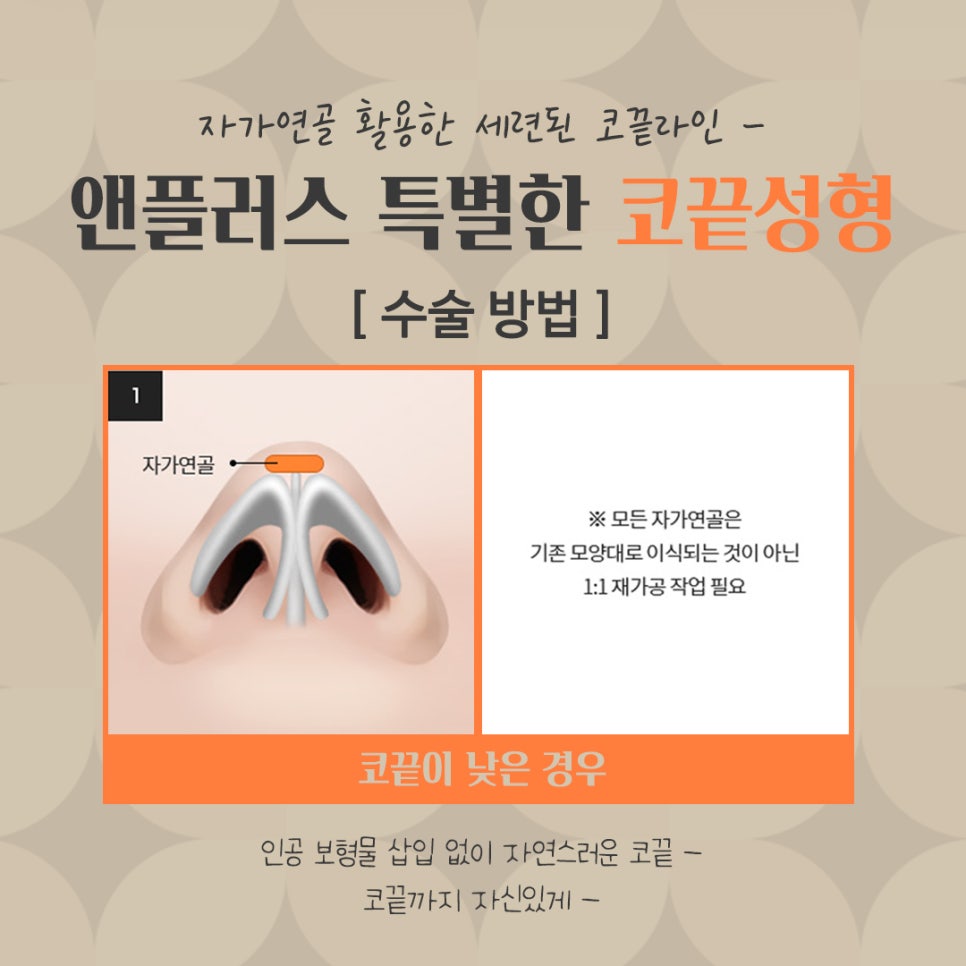
First, when the nose tip is low, autologous cartilage is additionally grafted over the tip cartilage.
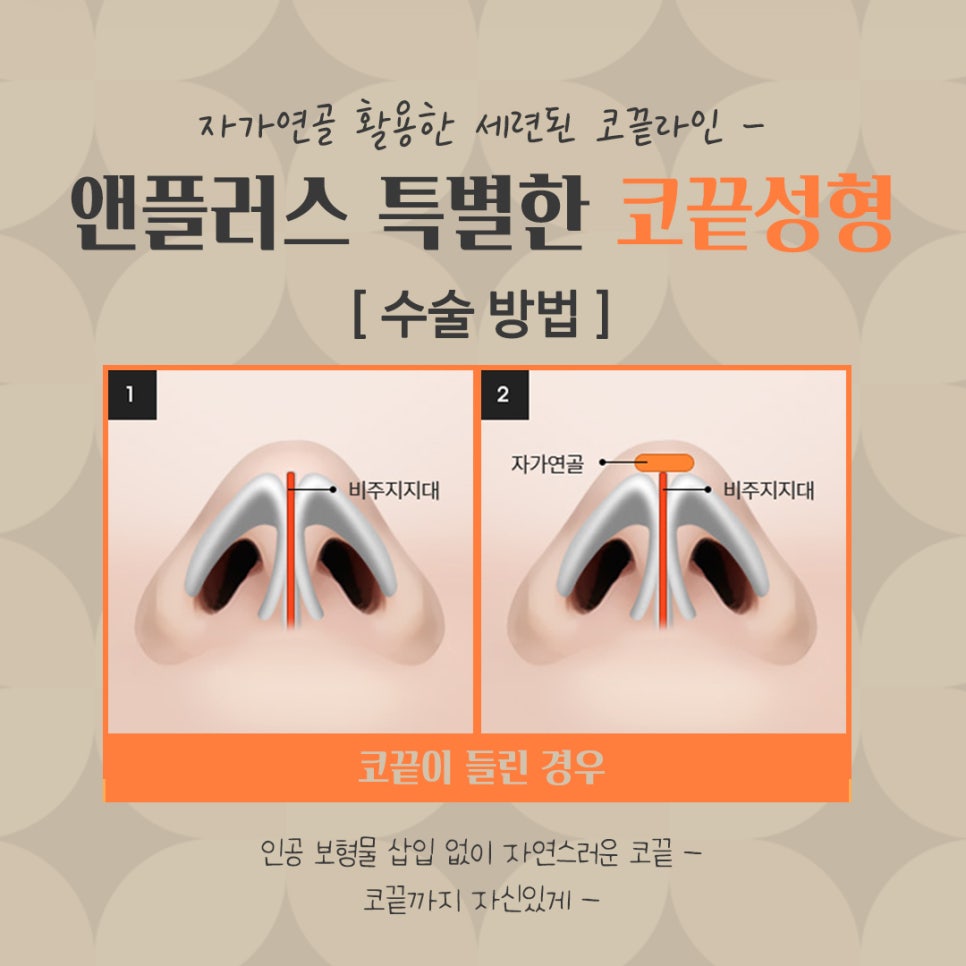
Second, when the nose tip is upturned, a columellar strut is inserted to prevent the nose from being upturned, or septal extension surgery is performed. Then autologous cartilage is additionally placed over the supported tip cartilage to correct the shape of the nose tip.
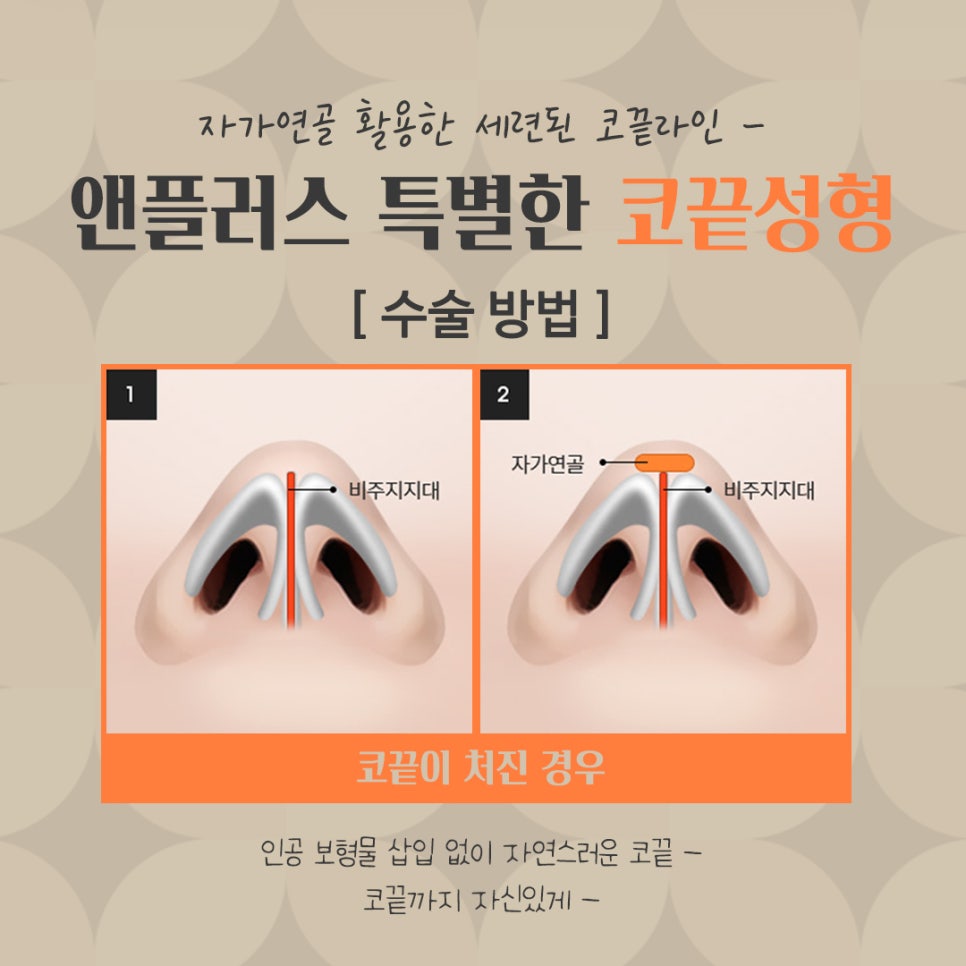
Third, when the nose tip is drooping, a columellar strut is placed to firmly fix the weak, drooping tip cartilage. Then autologous cartilage is additionally placed over the supported tip cartilage to correct the shape of the nose tip.
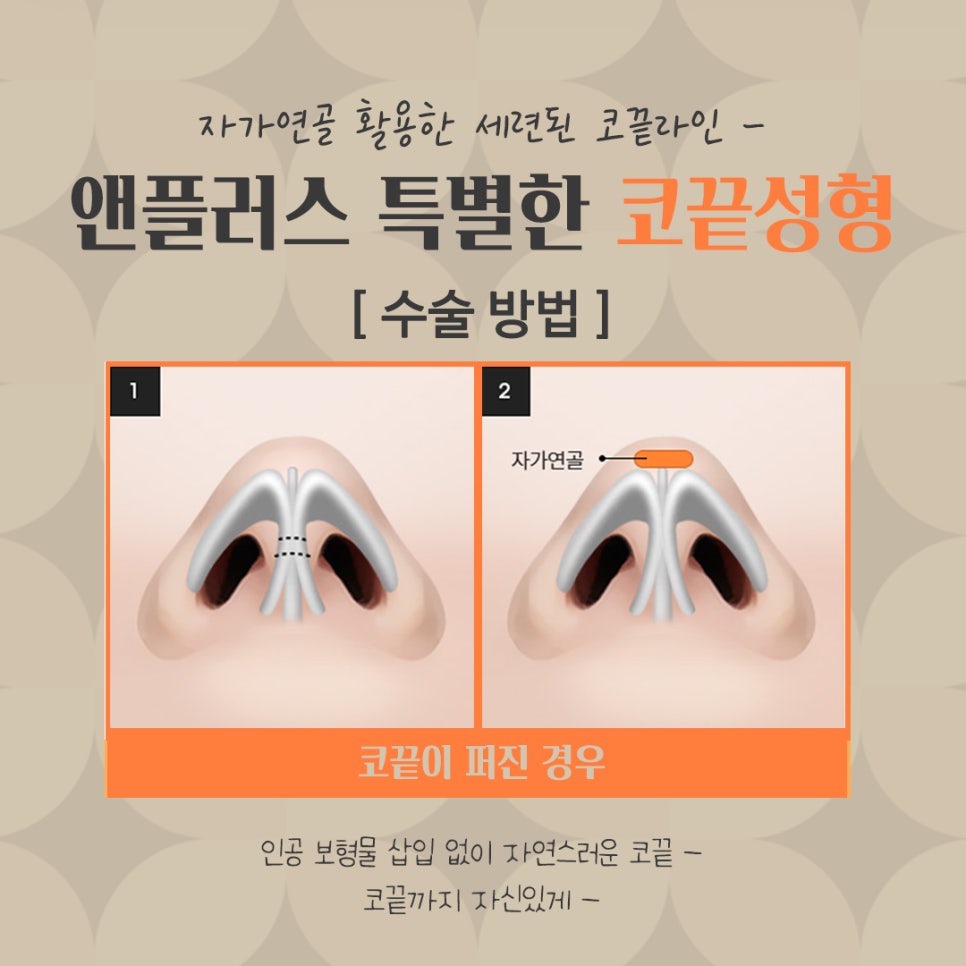
Fourth, when the nose tip is spread out, the spread cartilage is gathered, the tip cartilage is brought together, and the tip cartilage is secured firmly by tying it. However, if gathering the cartilage is not enough to achieve the desired effect, autologous cartilage grafting is needed.

As such, nose tip surgery differs depending on each person’s septal cartilage, alar cartilage, surrounding soft tissue, skin thickness, nasal framework, and other characteristics. If you want to transform your nose tip into a sharper and more refined image, it is important to look at nose tip surgery reviews, but we also recommend checking the surgical methods above together with an accurate assessment of your own nose.
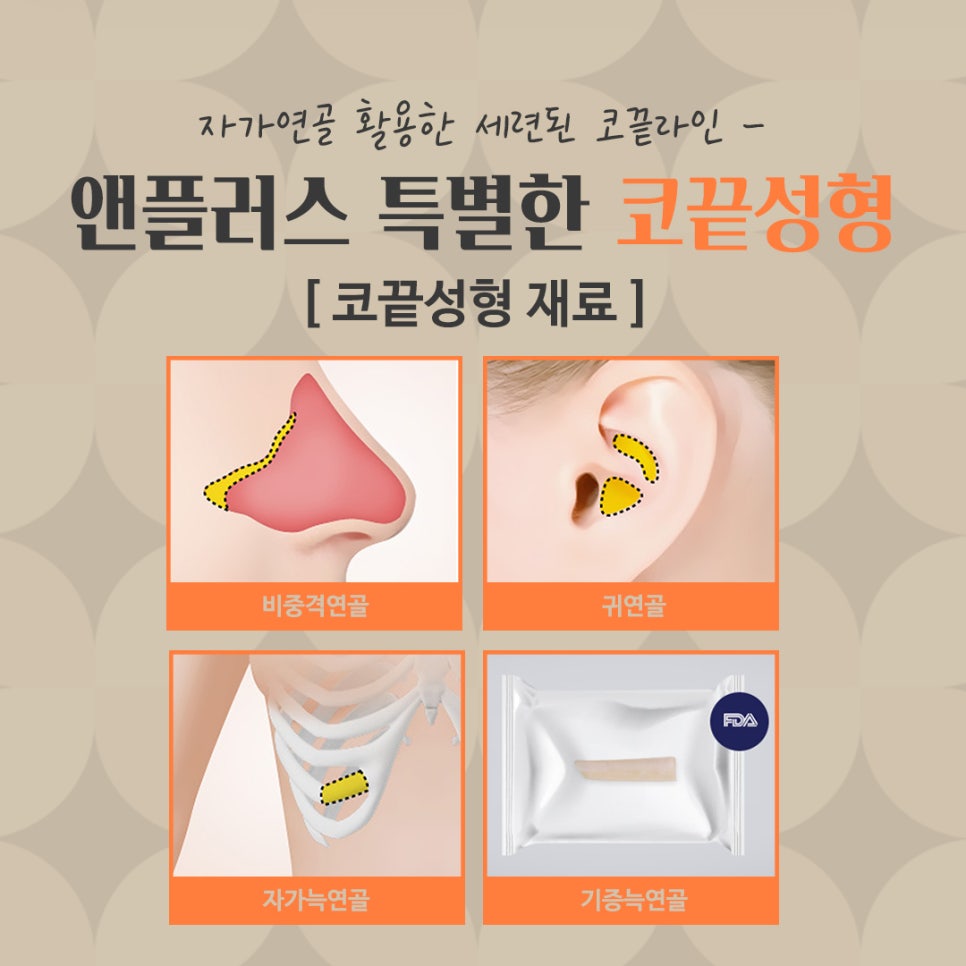
Also, if you look at nose tip surgery reviews, you can see that the autologous cartilage used in nose tip surgery varies from person to person. Autologous cartilage includes septal cartilage, ear cartilage, and autologous rib cartilage, and the appropriate material is selected for each individual through preoperative examinations. If the use of autologous cartilage is unavoidably difficult, donated rib cartilage approved by the U.S. FDA is used.
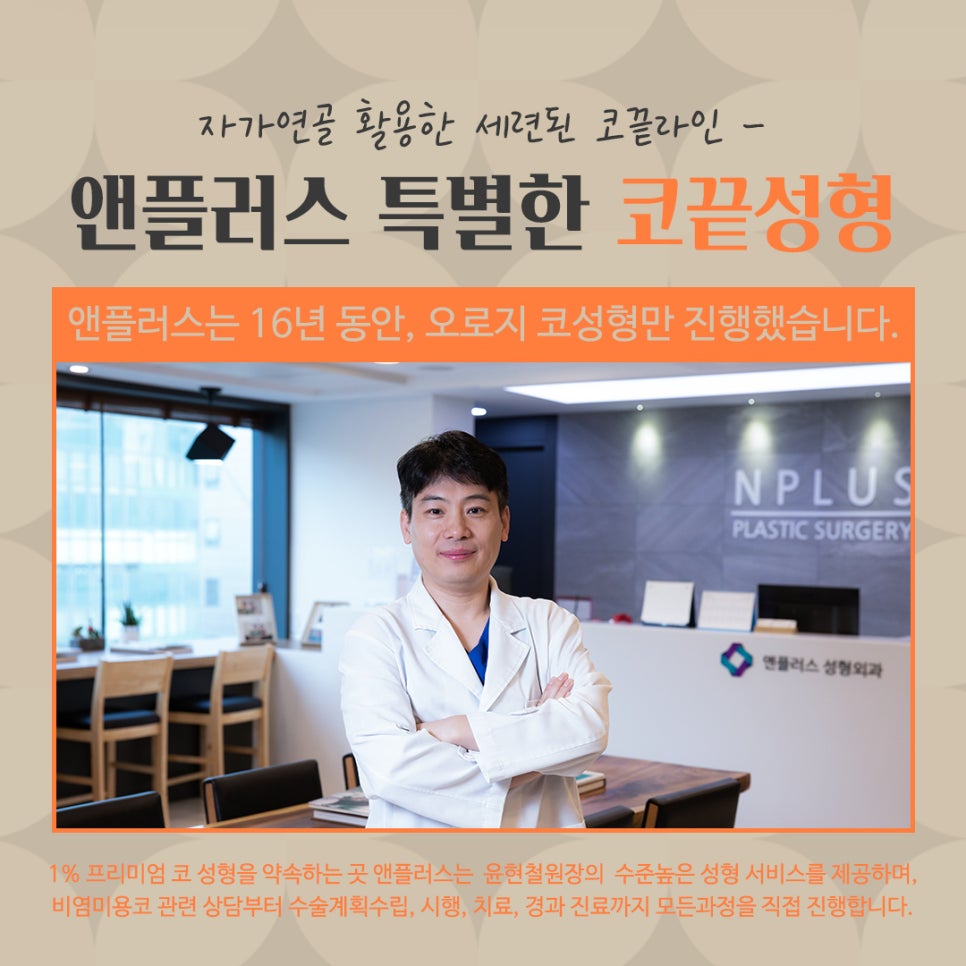
When looking into nose tip surgery, rather than simply following nose tip surgery reviews, we recommend checking the features of the methods and materials described above and proceeding with the method that suits you at a place where both the outside and the inside can be examined at the same time. During consultation, it is advisable to check and proceed with a clinic that has handled many surgical cases, with extensive experience and know-how, so that your nose tip surgery review can be satisfying.
This concludes the explanation of nose tip surgery reviews using autologous cartilage. I hope this article was very helpful for those who are considering nose tip surgery because they are unhappy with the current shape of their nose tip. Thank you.