
Hello. This is OJIKO & Plus Clinic, which thinks only about your beautiful and healthy nose.
The topic we will introduce this time is OJIKO rhinitis nose surgery.

These days, people of all ages and genders can be said to be very interested in appearance. So if you have a complex about your own face, you may want to improve it through plastic surgery. Among these, there is especially strong interest in rhinoplasty, since the nose is located at the center of our face. While improving appearance is important, the nose is also an organ responsible for our sense of smell and breathing, so when its functional side does not work properly, it can likewise be improved through surgery. You can learn about rhinitis nose surgery in such cases.

To explain the functional issues of the nose mentioned above, one example is nasal congestion caused by rhinitis. Rhinitis is a common condition affecting more than 70% of adults in Korea, and it can be divided into allergic rhinitis and structural rhinitis. When people hear that they have nasal congestion, they often suspect allergic rhinitis. However, if the nasal congestion is temporary, it may be something you simply pass over, but if the symptoms last for more than two weeks, it is worth suspecting structural rhinitis. Symptoms of structural rhinitis that can be improved through rhinitis nose surgery include a deviated septum, nasal valve stenosis, and inferior turbinate hypertrophy.
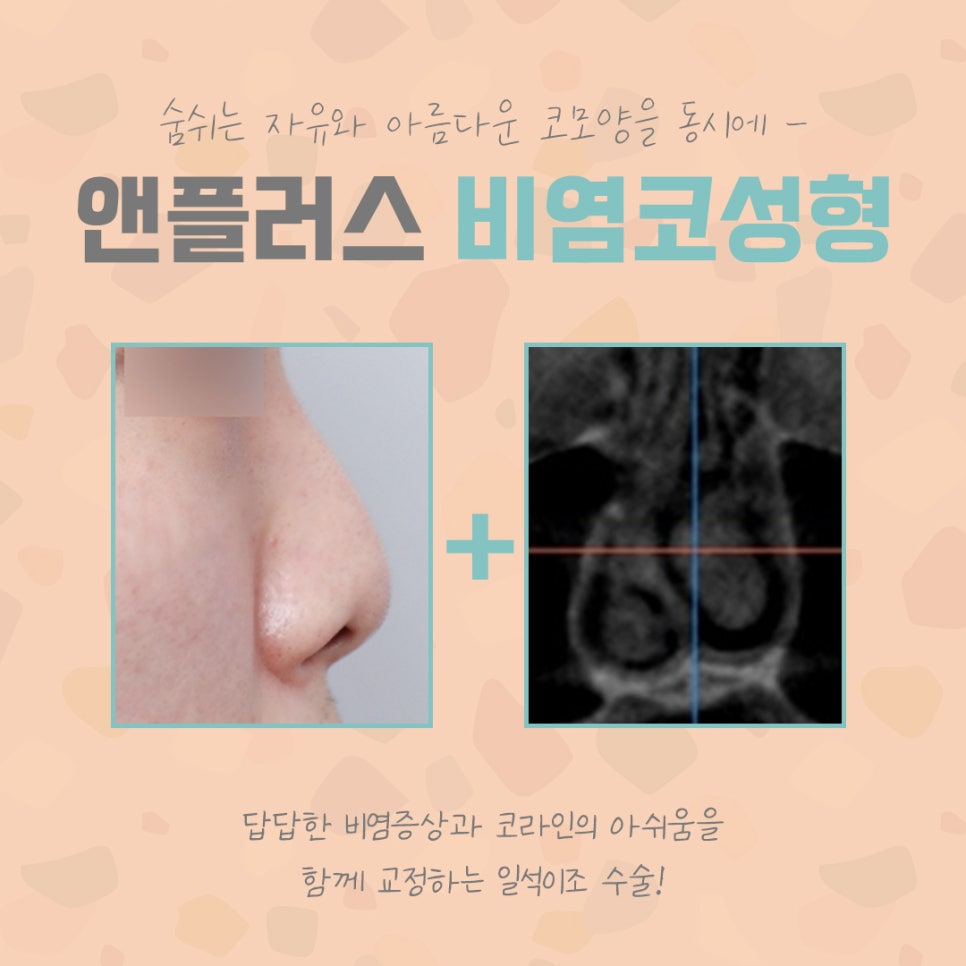
What is rhinitis nose surgery? The symptom for which improvement can be expected due to a functional abnormality of the nose is nasal congestion caused by rhinitis. Therefore, this surgery improves functional issues through rhinitis nose surgery when daily life is made inconvenient by nasal congestion or a runny nose, and it is a procedure that can address both functional and cosmetic concerns at the same time through additional cosmetic rhinoplasty to improve the nose shape that you may have felt dissatisfied with.
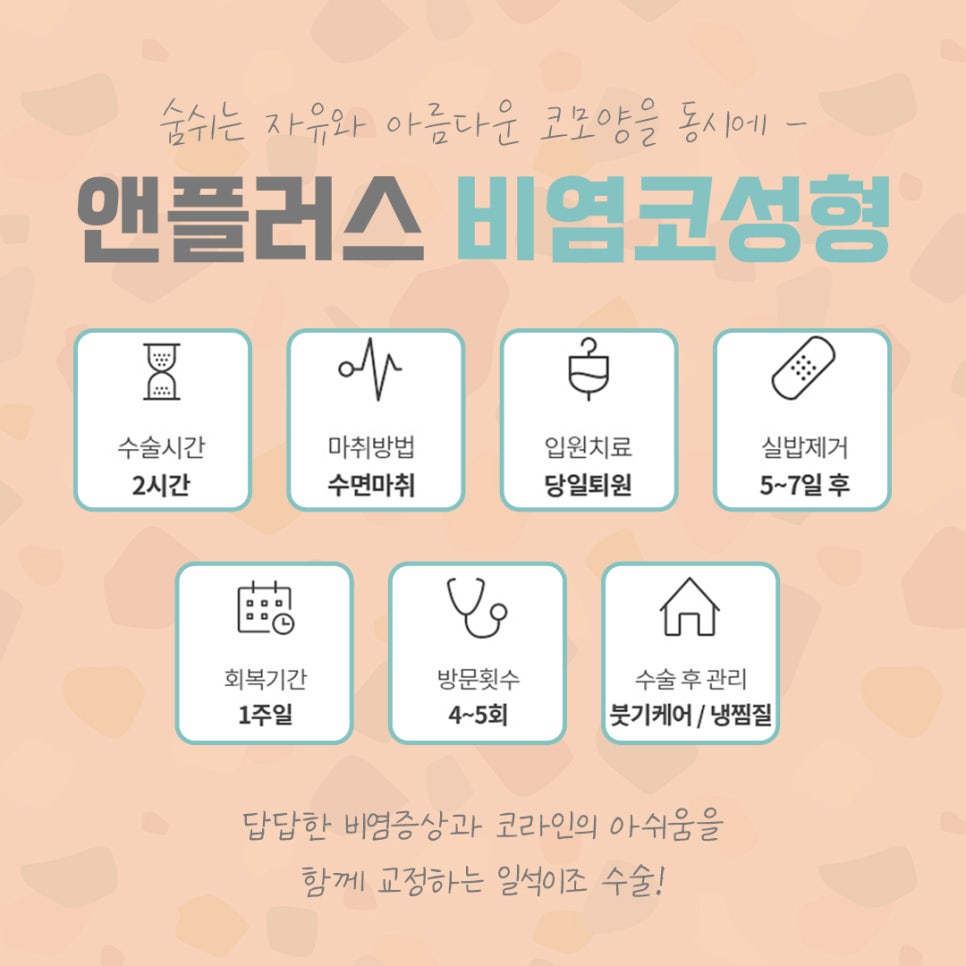
First of all, many people approach rhinoplasty with the expectation of improving their appearance for cosmetic reasons. However, since the nose is an organ that is responsible for breathing and smell, it is essential to check the cartilage inside the nose, the shape of the nasal bones, and any functional abnormalities, and if necessary, perform functional rhinitis nose surgery together. This is because doing so can help prevent revision surgery caused by functional problems that may occur after cosmetic rhinoplasty.
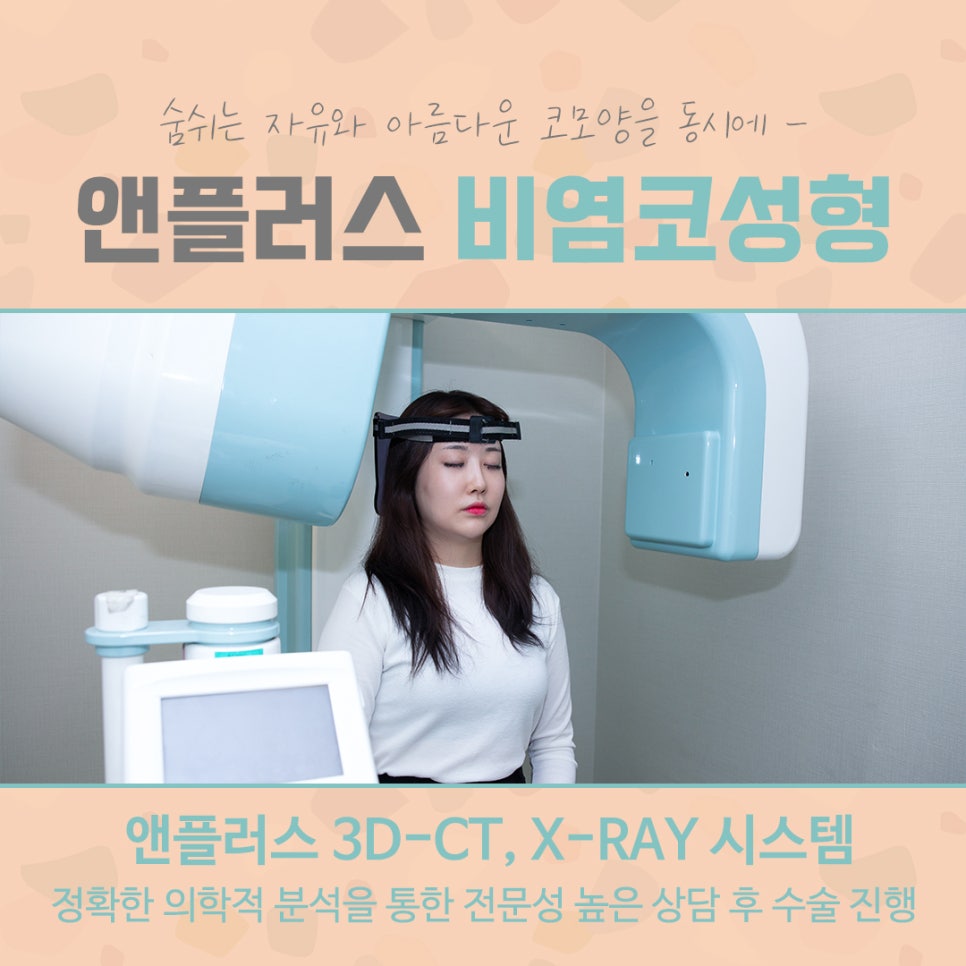
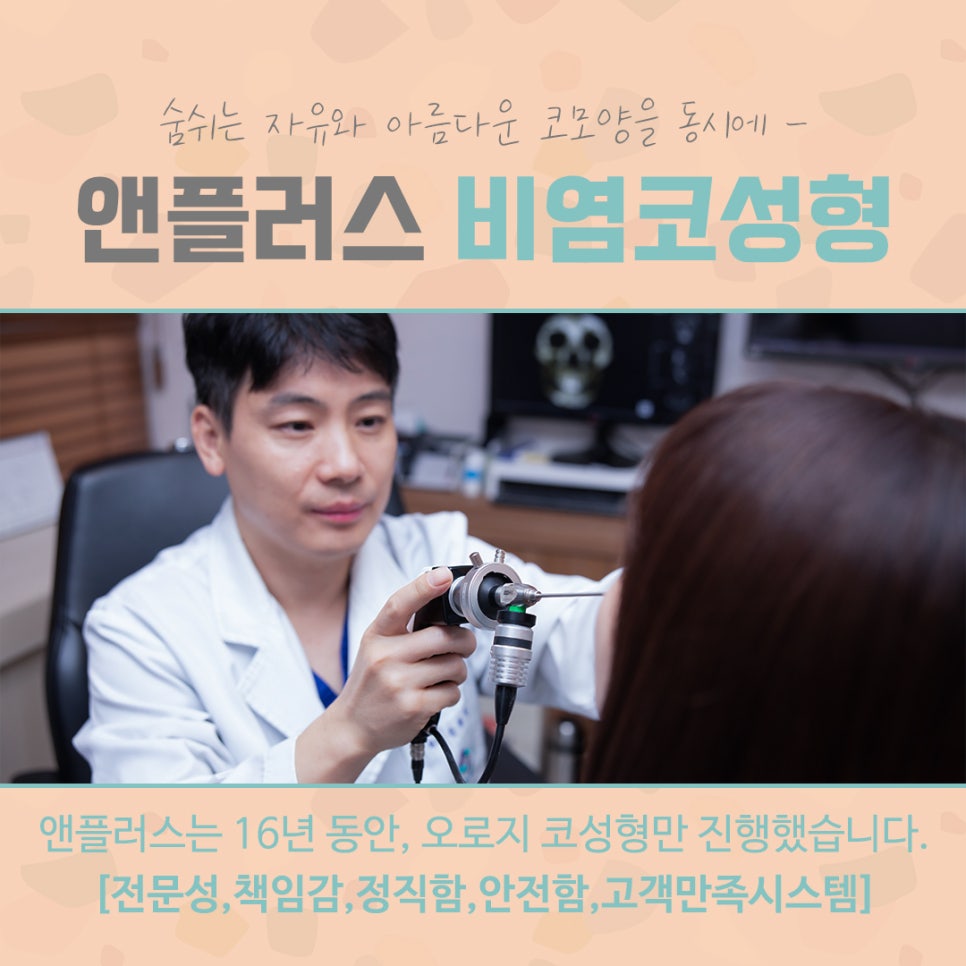
Before performing rhinitis nose surgery, OJIKO & Plus Clinic carries out various allergy tests, 3D-CT scans, and internal endoscopic examinations to determine whether cartilage is present, the size of the nasal bones, whether there are internal functional abnormalities, and the position of the cartilage, and then proceeds with surgery based on an accurate analysis of the cause.
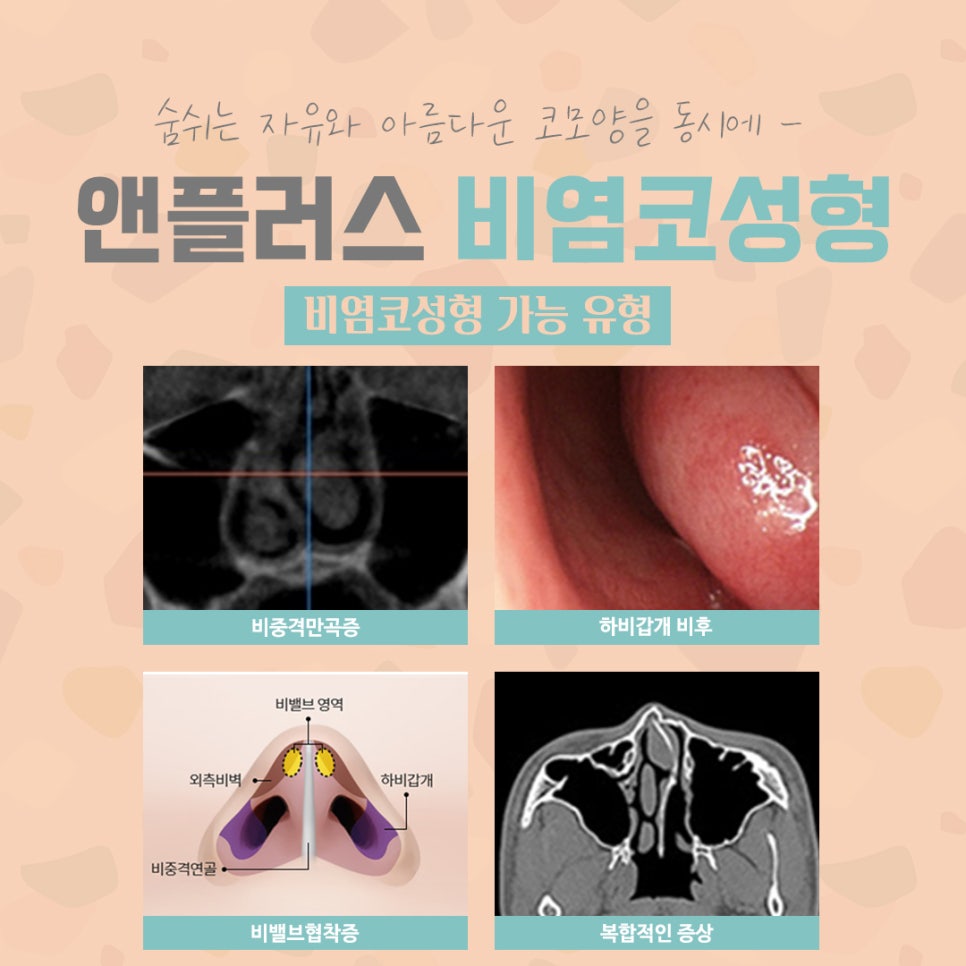
Types eligible for rhinitis nose surgery can include the previously mentioned deviated septum, inferior turbinate hypertrophy, nasal valve stenosis, and combined symptoms. A deviated septum refers to a condition in which the septum, which acts as a partition dividing the nostrils into two, is bent. Inferior turbinate hypertrophy is a symptom that occurs when the inferior turbinate, the flesh-like tissue inside the nose, becomes enlarged. Nasal valve stenosis refers to a narrowed and constricted nasal valve, which serves as the roof of the nose. Therefore, when rhinitis nose surgery is performed, nasal congestion can arise from these various causes, so accurate preoperative examination using equipment is essential.
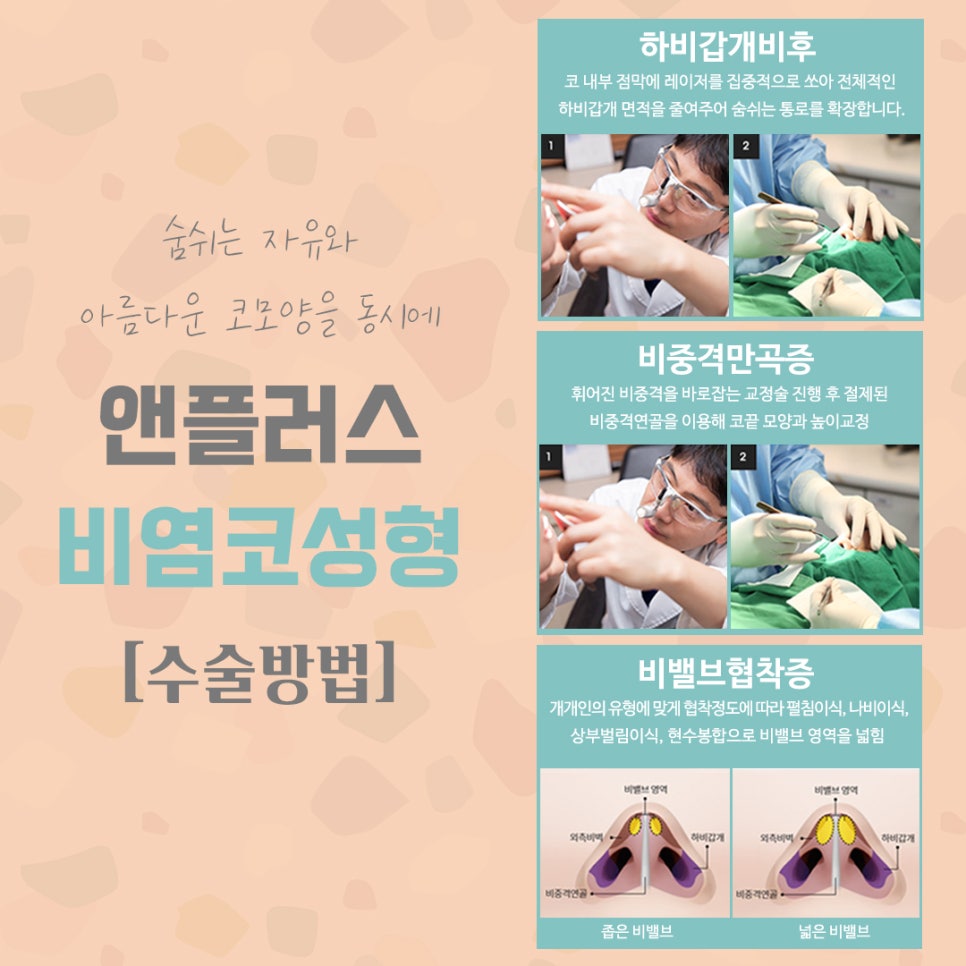
As for the surgical methods for rhinitis nose surgery, in the case of a deviated septum, the bent septum is straightened and corrected. For inferior turbinate hypertrophy, a laser is concentrated on the nasal mucosa inside the nose to adjust the overall area of the inferior turbinates. In the case of nasal valve stenosis, depending on the degree of narrowing, surgery is performed using one of four methods—spreader graft, butterfly graft, upper lateral cartilage spreader graft, or suspension suture—according to the individual. Therefore, depending on the patient’s symptoms, rhinitis nose surgery can widen the breathing passage and improve nasal congestion.
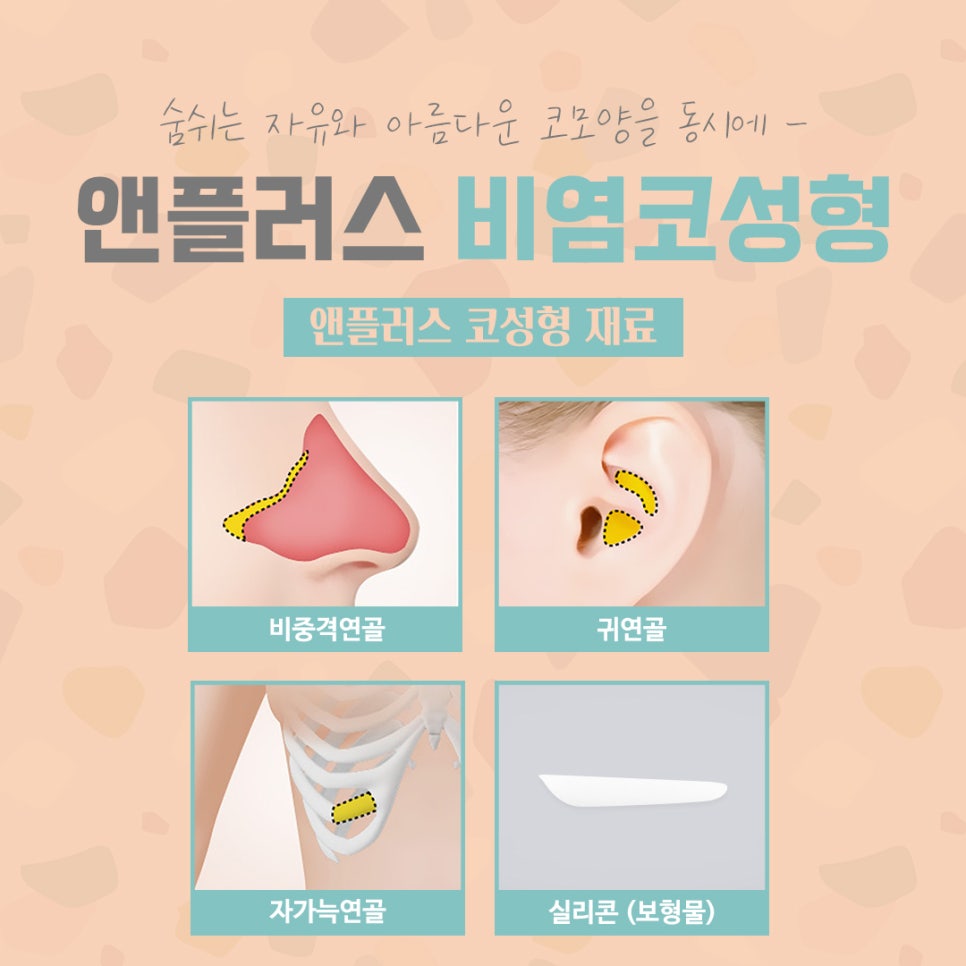
After rhinitis nose surgery, cosmetic rhinoplasty is performed. Cosmetic rhinoplasty usually involves using silicone for the bridge of the nose and autologous cartilage for the tip. Autologous cartilage includes septal cartilage, ear cartilage, and rib cartilage harvested from the patient. Autologous cartilage is also selected through preoperative examination and used in surgery with materials suited to the individual. In the case of septal cartilage, it is worth noting that cosmetic rhinoplasty may be performed using septal cartilage obtained during the process of resecting septal cartilage in rhinitis nose surgery.
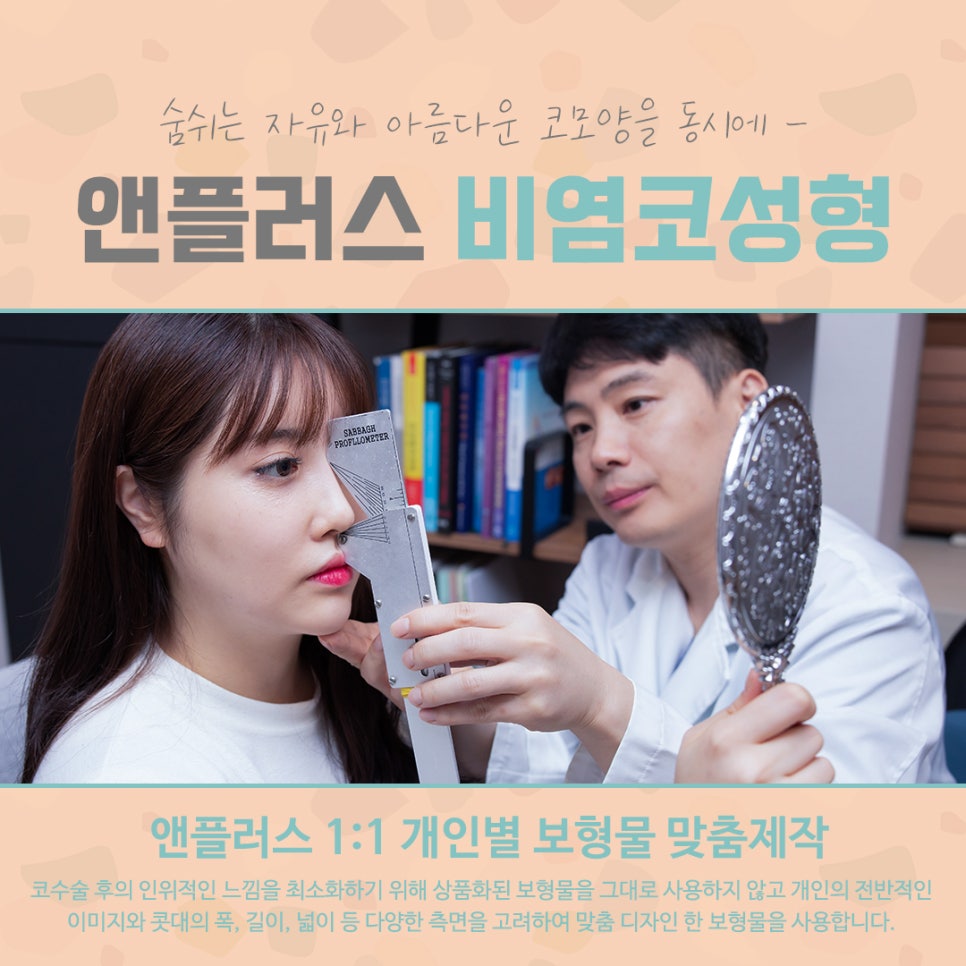
In addition, when OJIKO & Plus Clinic performs rhinitis nose surgery and cosmetic rhinoplasty, the silicone used is not commercial silicone used as-is. To minimize an artificial feeling after surgery, the clinic directly and carefully refines the implant while considering the person’s overall image and various aspects such as the width, length, and breadth of the nasal bridge before inserting it, which can lead to a more satisfying rhinitis nose surgery.
As such, because the surgical methods and materials for rhinitis nose surgery vary depending on symptoms, if surgery that does not match the symptoms is performed, the symptoms may not improve and may even worsen. Since rhinitis nose surgery and cosmetic rhinoplasty are often performed at the same time, with two or more surgical methods applied, it is best to have the procedure done at a place where the medical team has a high level of anatomical knowledge of the nose and abundant experience and expertise, so that the rhinitis nose surgery can be satisfying.

Lastly, at OJIKO & Plus Clinic, to ensure satisfying rhinitis nose surgery, CEO Director Yoon Hyun-cheol personally handles the entire process one-on-one, from consultation and surgical planning to the procedure, treatment, and follow-up care. Postoperative care also includes an A/S system provided for one year after surgery, as well as a surgery responsibility guarantee system in preparation for possible pain, inflammation, or dissatisfaction with the appearance after surgery.
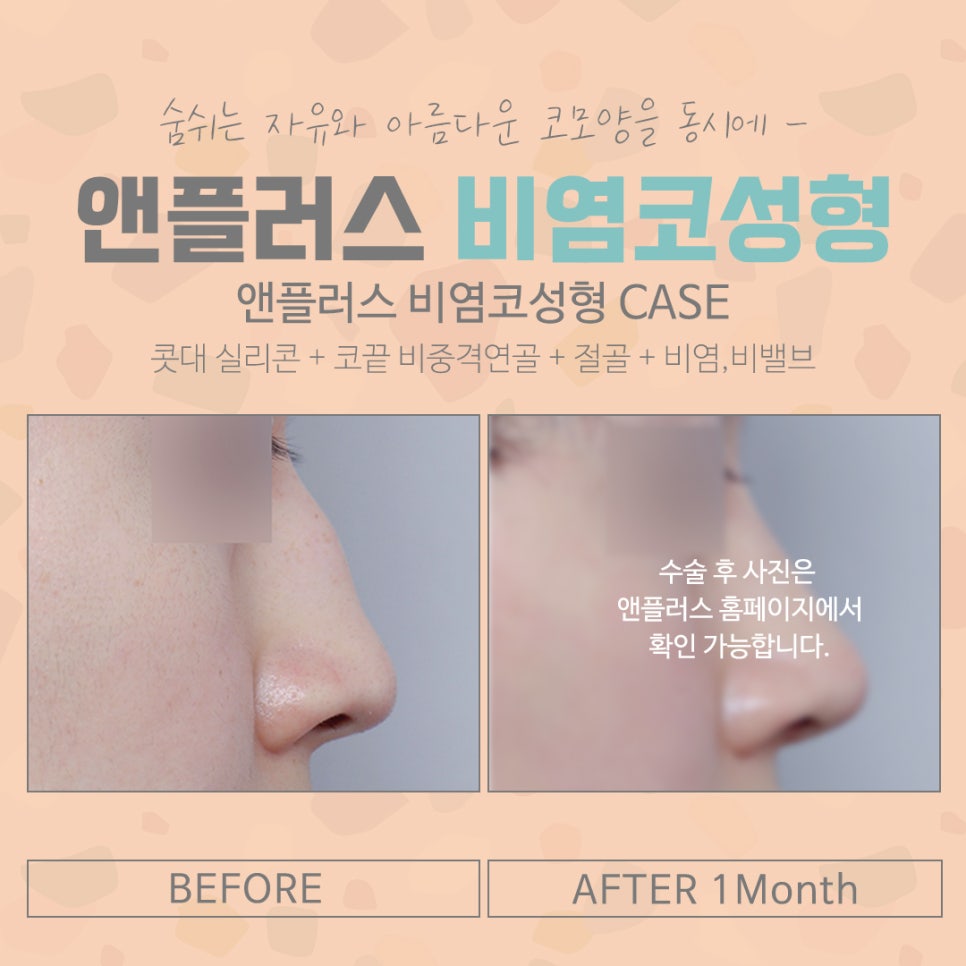
(The image above shows before-and-after photos of rhinitis nose surgery at OJIKO & Plus Clinic.)
This concludes the information we shared about rhinitis nose surgery at OJIKO & Plus Clinic. We hope this article was very helpful for those who are experiencing stress in daily life due to nasal congestion caused by rhinitis, or who are considering improving the appearance of their nose shape. Thank you.