Hello. We are Oji-ko N Plus Clinic, which has spent only 16 years thinking about your beautiful and healthy nose.
The topic we will introduce this time is septal nose surgery.

During the changing seasons, which always come around, many people complain that nasal congestion, runny nose, and sneezing symptoms make daily life uncomfortable. Usually, these symptoms are thought to be allergic rhinitis or a cold and are left untreated, which often leads to chronic rhinitis. As a result, many people look into information about septal nose surgery.
Since more than 70% of adults in Korea have rhinitis, it can be considered a common condition. Among them, 20% are allergic rhinitis, and the remaining 80% are structural rhinitis caused by abnormalities in the internal structure. Structural rhinitis includes deviated septum, inferior turbinate hypertrophy, and nasal valve stenosis, and the representative symptom of rhinitis is nasal congestion. However, nasal congestion may sometimes be temporary, but in some cases it lasts more than two weeks. Because the various causes explained above are difficult to identify with the naked eye, those looking into septal nose surgery are advised to accurately check the condition of their nose and, through consultation, consider improvement using various treatment and surgical methods.

Rhinitis, which causes nasal congestion, is difficult to cure completely in the case of allergic rhinitis because it is triggered by specific substances or by the weather. Symptoms may be improved through consistent medication treatment and strengthening the immune system. In the case of structural rhinitis, however, because the problem is caused by abnormalities in the internal structure of the nose, improvement can be expected through surgery.
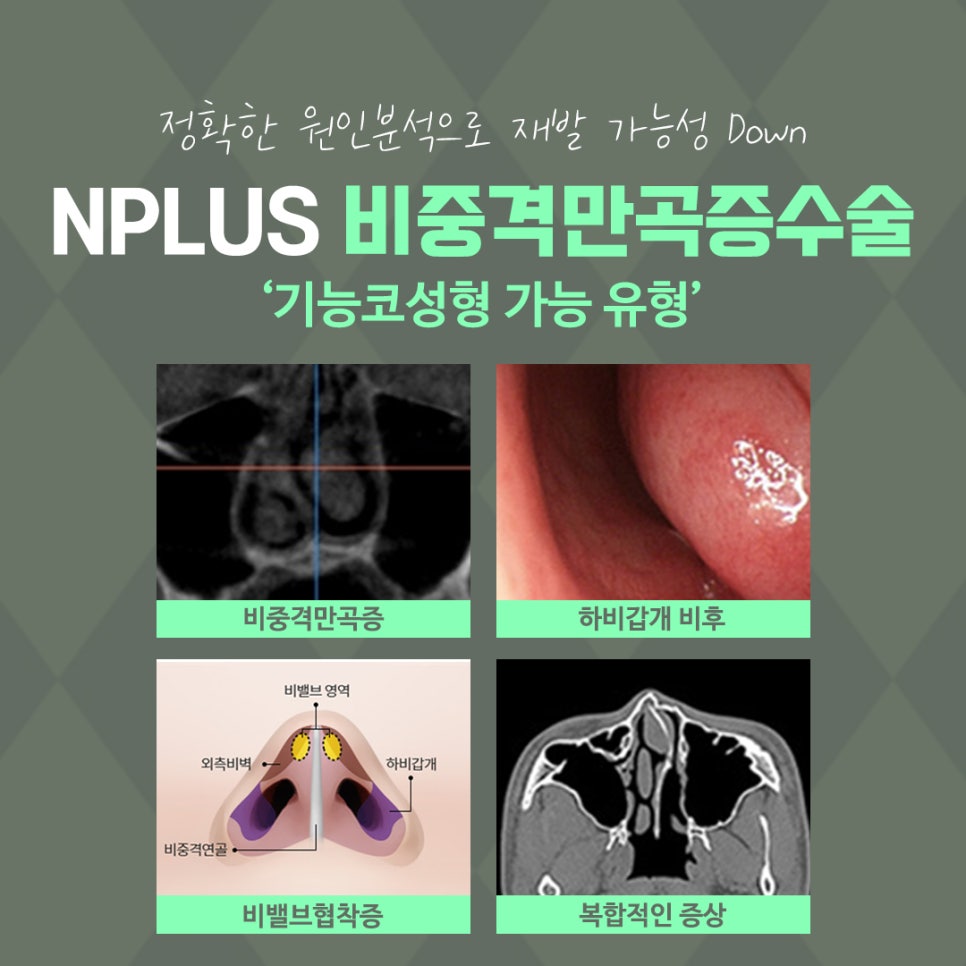
To explain structural rhinitis simply: deviated septum refers to a condition in which the septum, which acts as the partition between the nostrils, is bent; inferior turbinate hypertrophy refers to enlargement of the inferior turbinate, the tissue inside the nose, which obstructs airflow entering through the nose; and nasal valve stenosis refers to a narrowed state in which the nasal valve, the space that helps regulate airflow into the nose and is located in the area that serves as the roof of the nose, becomes constricted. The most common condition is deviated septum, which can be improved through septal nose surgery. If it is a complex condition in which inferior turbinate hypertrophy or nasal valve stenosis is present at the same time, additional correction can relieve nasal congestion symptoms.
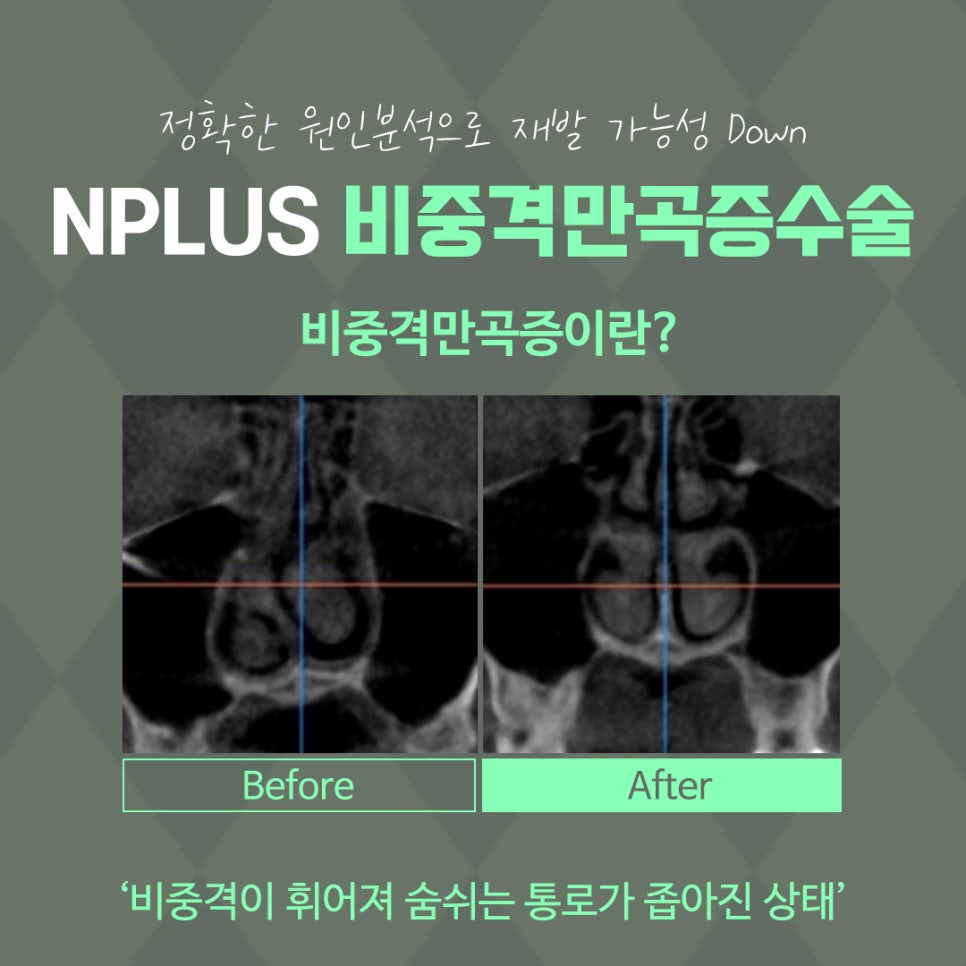
What is deviated septum nose surgery?
Deviated septum, the most representative cause of structural rhinitis, causes nasal congestion because the septum inside the nose is bent and obstructs airflow. If breathing becomes difficult, it is important to treat it quickly because it leads to decreased concentration, headaches, and chronic fatigue, which increases inconvenience in daily life and also raises stress. In the case of deviated septum, the septum may be bent congenitally, or it may be bent due to an external impact from a postnatal injury. When the septum, which had been straight, becomes bent, one side becomes narrow and the other side becomes wide, creating an imbalance in breathing. Symptoms can be improved through septal nose surgery, which straightens the bent septum.
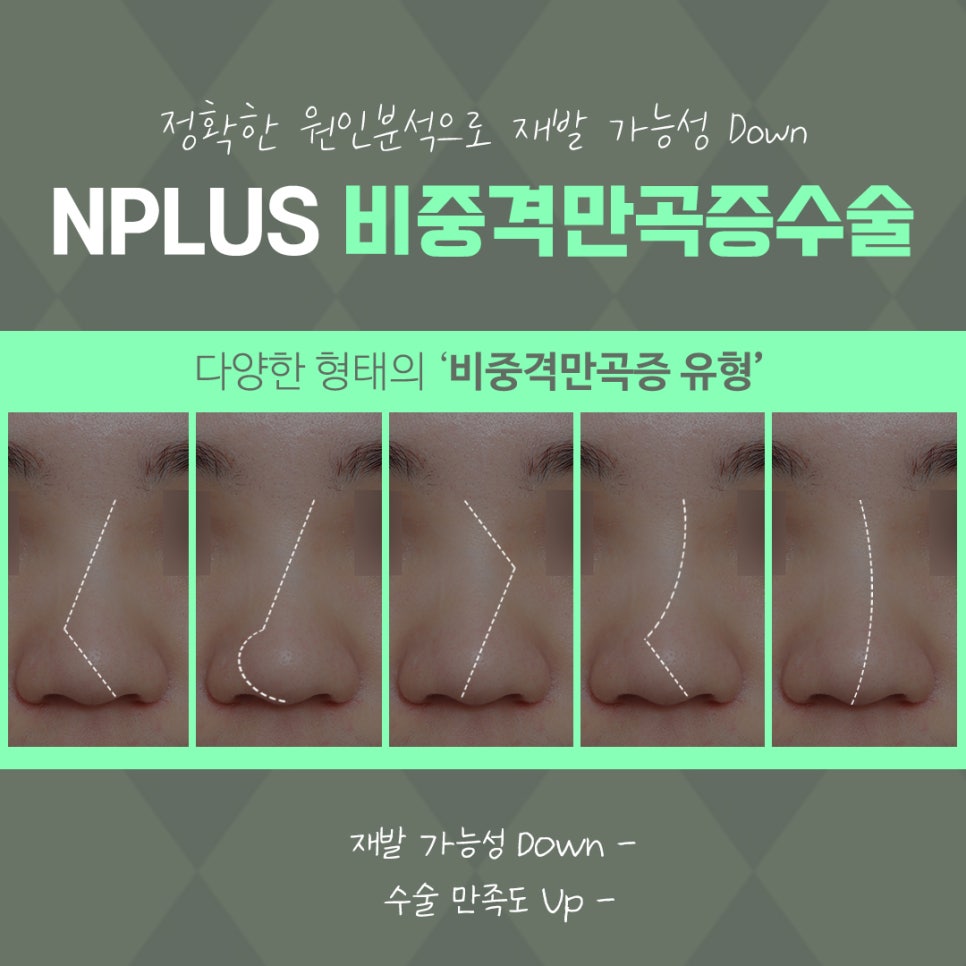
When performing septal nose surgery, it is important to accurately check the condition of your nose. It is difficult to visually determine whether rhinitis is allergic rhinitis or structural rhinitis, and the degree to which the septum inside the nose is bent also varies from person to person. Therefore, it is best to choose a clinic that can verify this through equipment and has medical staff with a high level of anatomical knowledge of the nose, along with extensive surgical experience and career history, so that the cause can be accurately analyzed and the appropriate surgery can be performed.
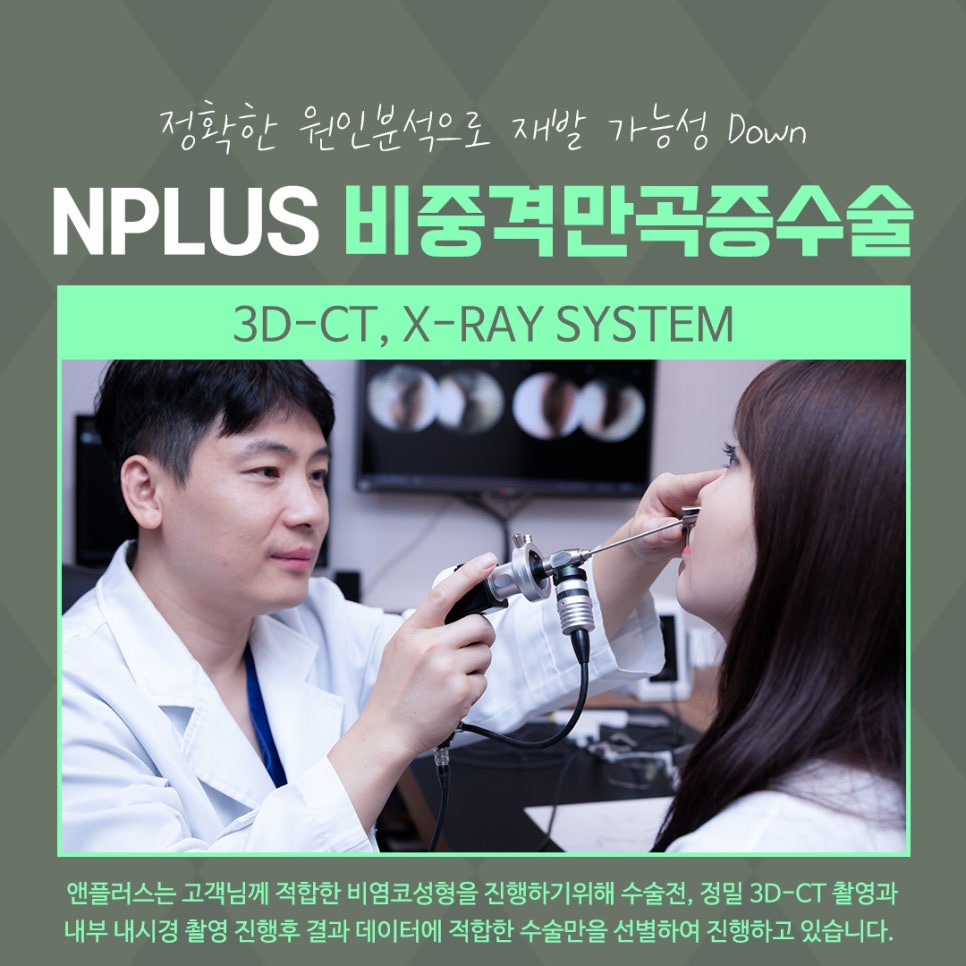
At Oji-ko N Plus Clinic, to ensure a satisfying septal nose surgery, various allergy tests, 3D-CT imaging, and internal endoscopic imaging are performed before surgery to accurately analyze the cause of nasal congestion. Based on the data obtained through these devices, thorough consultation and the correct surgical method tailored to each individual are used, helping prevent secondary surgery.
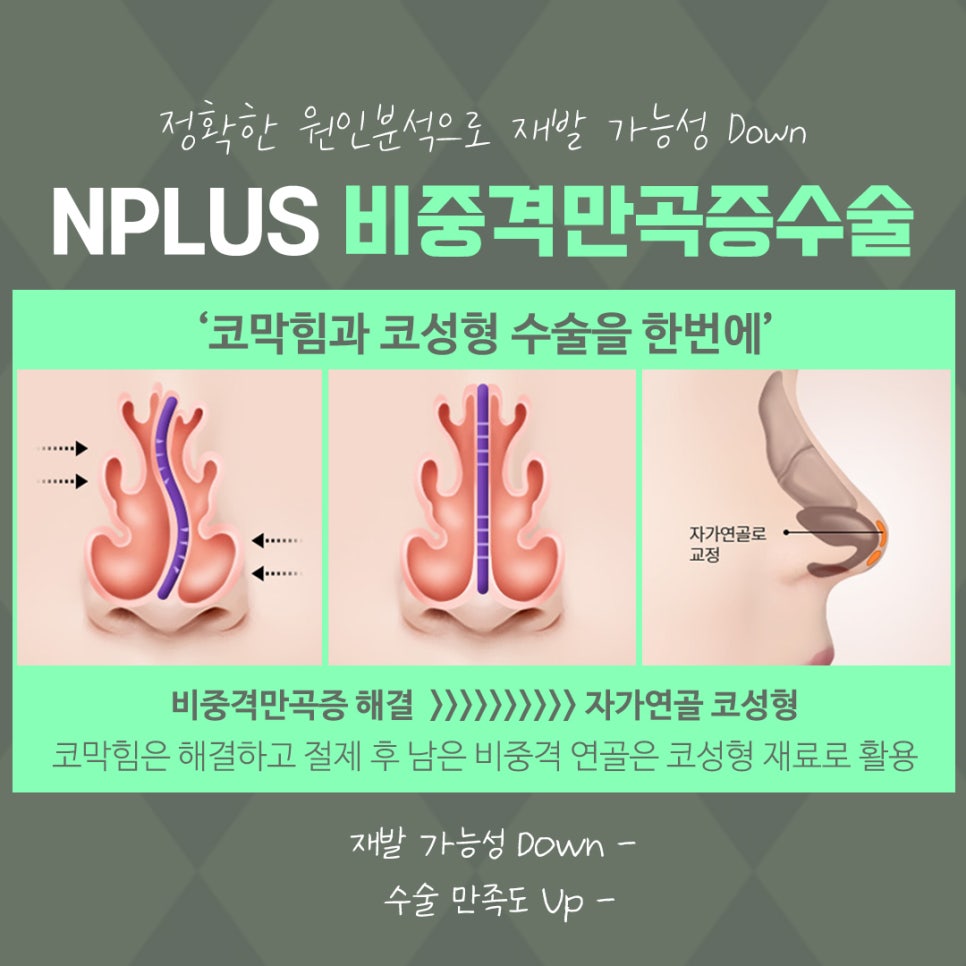
The septal nose surgery method involves correction to straighten the bent septum, and if inferior turbinate hypertrophy and nasal valve stenosis are present as part of a complex set of symptoms, additional correction is performed using lasers and various surgical methods.
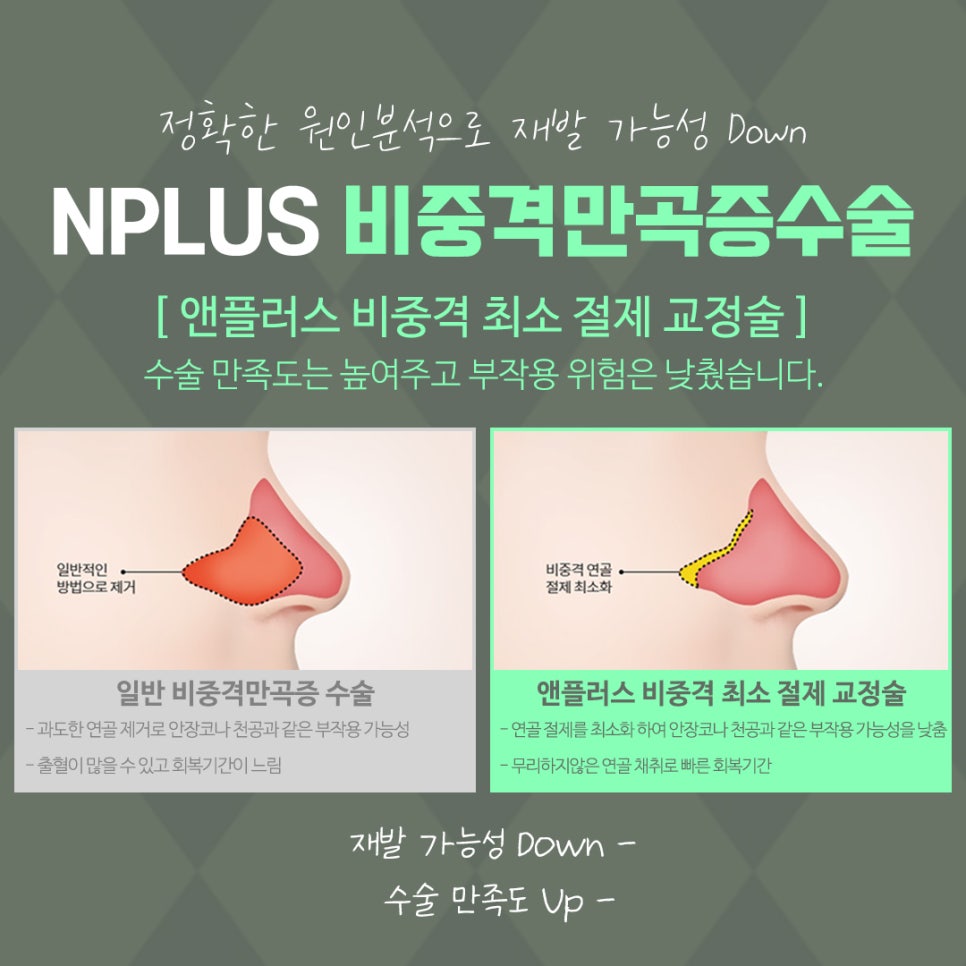
In addition, during septal nose surgery, part of the bent septal cartilage is removed. At this time, the septal cartilage obtained through minimal removal can be used as material to shape the nasal tip during cosmetic rhinoplasty. Therefore, cosmetic rhinoplasty can also be performed at the same time as septal nose surgery, allowing two effects to be achieved with one surgery, which can lead to greater satisfaction.
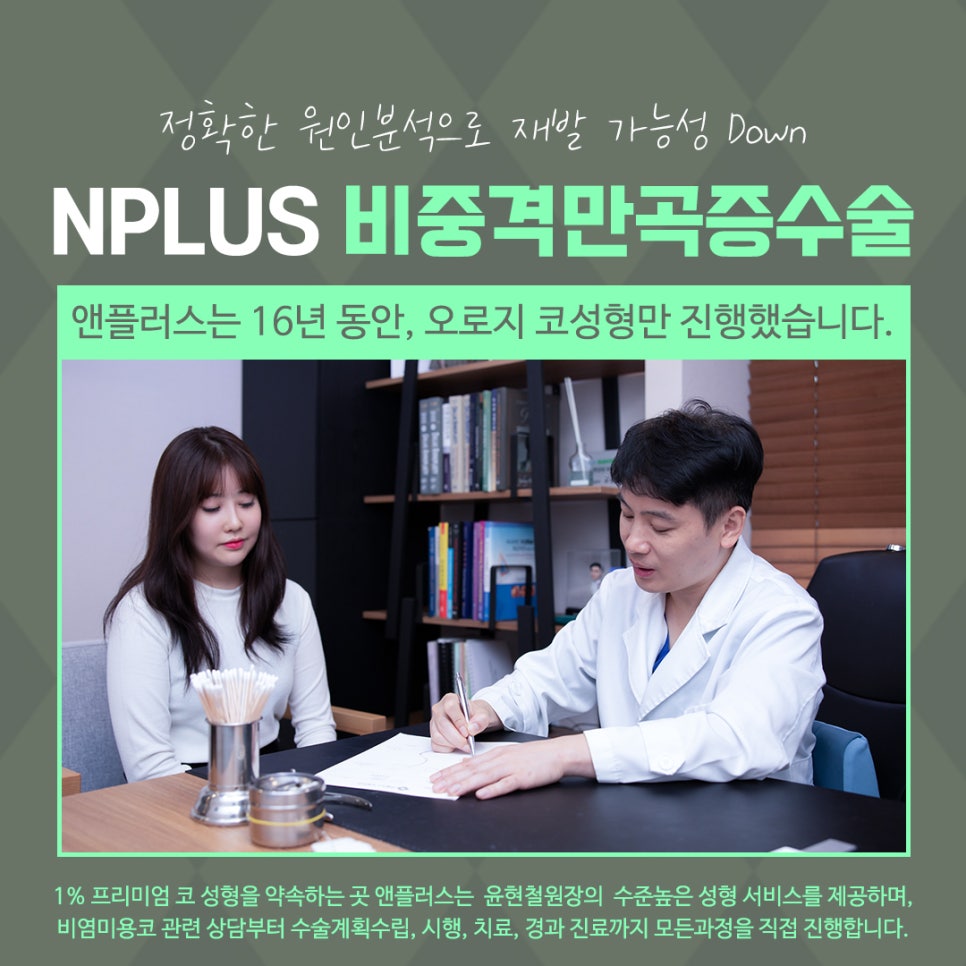
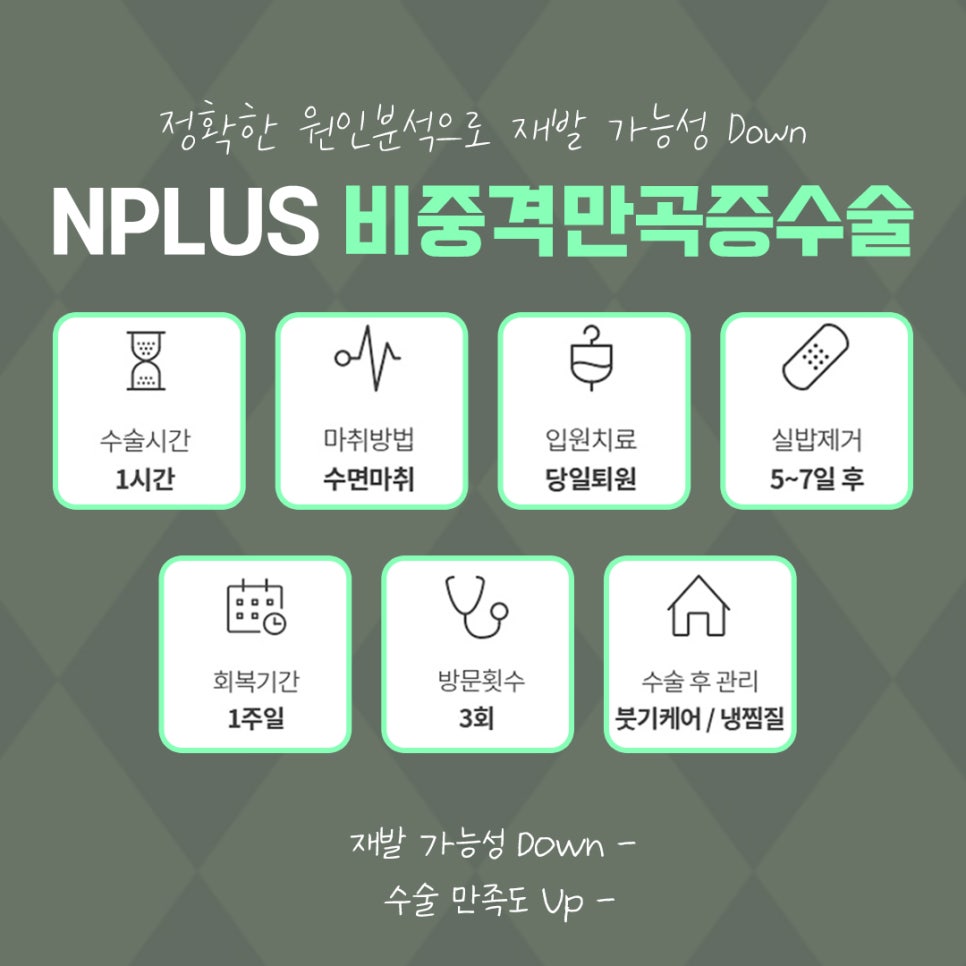
In this way, Oji-ko N Plus Clinic performs septal nose surgery based on extensive surgical experience and more than 16 years of know-how. In the case of septal nose surgery, on average, two or more procedures are performed, so it can be considered a high-difficulty surgery. Therefore, accurately identifying the cause is important, and it can lead to a highly satisfying septal nose surgery.

Lastly, at Oji-ko N Plus Clinic, to ensure safe and satisfying results, CEO Director Yoon Hyun-cheol personally oversees the entire process one-on-one, from septal nose surgery consultation to surgical planning, implementation, treatment, and follow-up care. For aftercare as well, the clinic provides an N Plus Clinic membership card that guarantees one year after surgery, and implements a surgical responsibility guarantee system for possible postoperative inflammation, pain, and dissatisfaction with appearance.
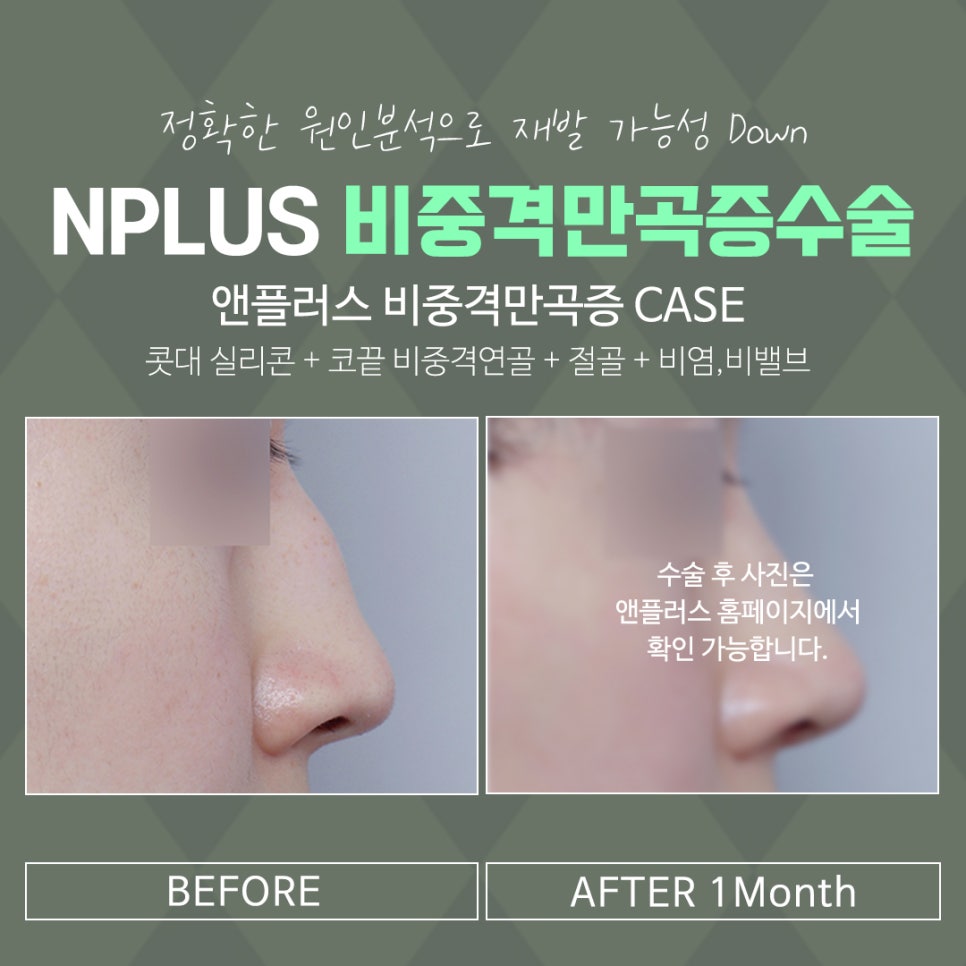
(The above image shows before-and-after photos of septal nose surgery at Oji-ko N Plus Clinic.)
This has been information about septal nose surgery at Oji-ko N Plus Clinic. We hope this post is very helpful for those who are considering septal nose surgery because they are stressed in daily life by nasal congestion caused by rhinitis. Thank you.