
Hello. This is Oziko Plastic Surgery & Nplus, a clinic that thinks only about your beautiful and healthy nose.
The content introduced here is a review of nose tip surgery that improved a drooping nose tip.

The reason we decide to undergo rhinoplasty is that the nose is located at the center of the face, so even a small change can make a big difference in our impression. That is why people often try rhinoplasty to improve an image they have been dissatisfied with. There are various concerns, such as a low bridge, a drooping nose tip, an upturned nose tip, or a crooked bridge. Because of these different issues, many people search for rhinoplasty in order to make the nose look higher and smoother.

In the past, when people talked about rhinoplasty, procedures that corrected both the bridge and the nose tip were commonly performed. Nowadays, however, interest in nose tip surgery reviews, which focus on correcting only the shape of the nose tip while preserving individuality, has grown even more. Therefore, if you are dealing with problems such as a drooping or upturned nose tip, you can consider improving the nose tip shape into a higher and more refined image.

For those looking into nose tip surgery reviews, it is important to receive counseling about the current nose shape and then proceed with surgery after accurately identifying the problems with your nose. The nose may be judged aesthetically from the outside, but because it is also an organ responsible for breathing and the sense of smell, functional issues must be clearly checked as well. Since the surgical method and materials may differ based on both image improvement and internal functional issues, it needs to be examined more carefully.
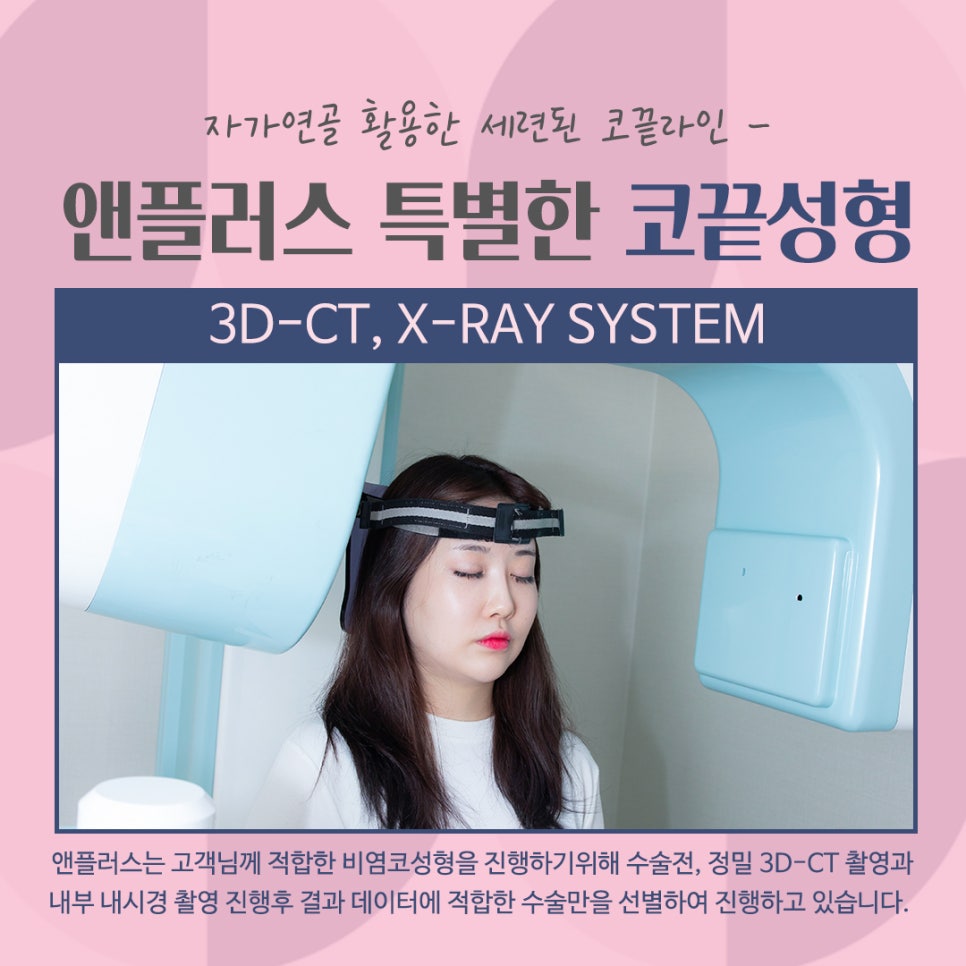
At Oziko Plastic Surgery & Nplus, to help ensure a satisfying nose tip surgery review, we accurately assess both external and internal issues—such as the degree of nose tip drooping, the degree of upturn, the distribution of the nose’s fatty layer, and whether there are any functional problems—through preoperative 3D-CT imaging and internal endoscopic imaging, and then perform surgery using the most effective method.

If you look at nose tip surgery reviews, you can see that each case is performed with different causes and surgical methods. Therefore, nose tip surgery methods can be broadly divided into four categories: cases where the nose tip is low, cases where the nose tip is upturned, cases where the nose tip is drooping, and cases where the nose tip is wide.
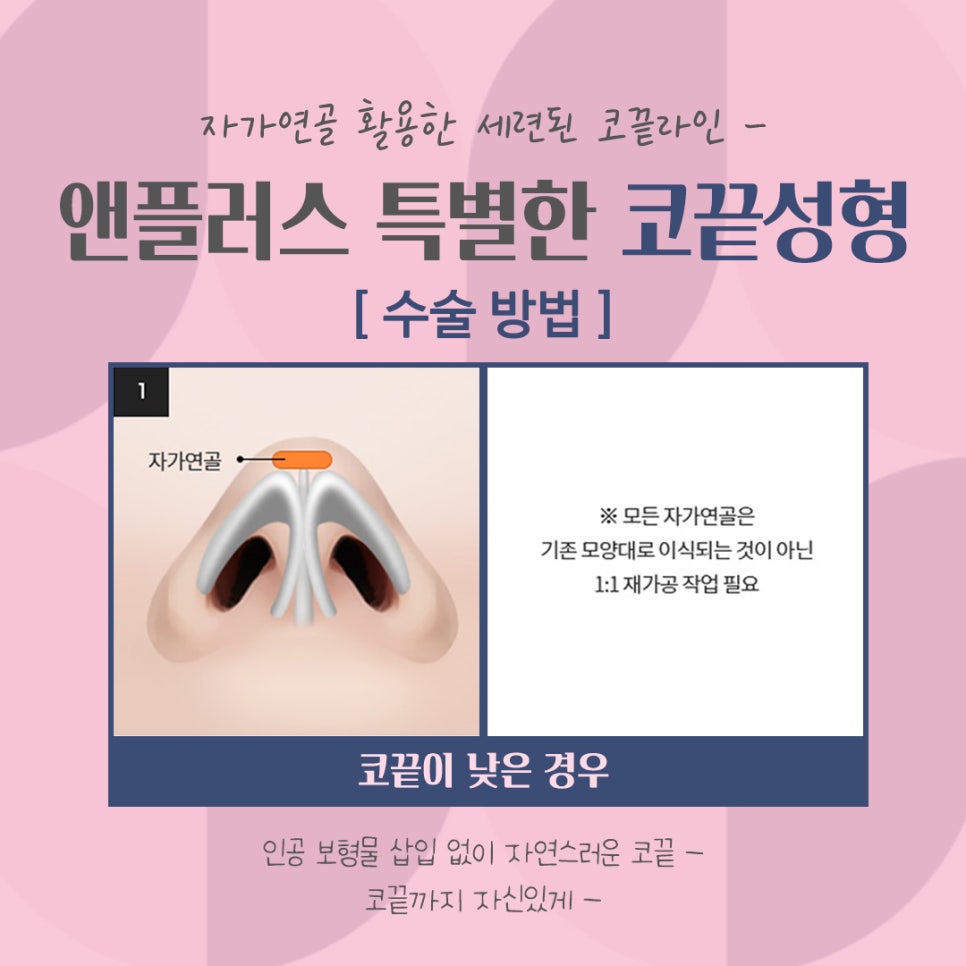
When the nose tip is low, autologous cartilage is additionally grafted over the nose tip cartilage to correct the nose tip.
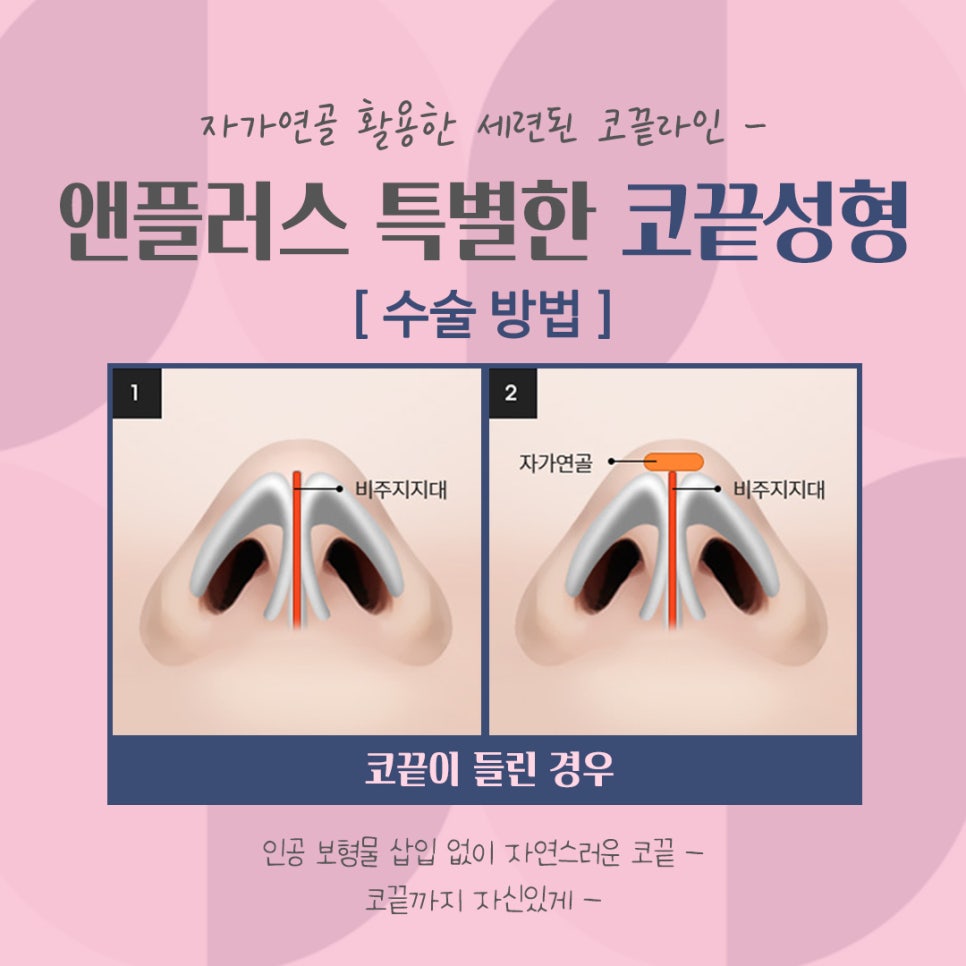
When the nose tip is upturned, a columellar strut is placed to prevent the nose from turning upward again, or septal extension is performed, and then additional autologous cartilage is placed over the supported nose tip cartilage to correct the shape of the nose tip.
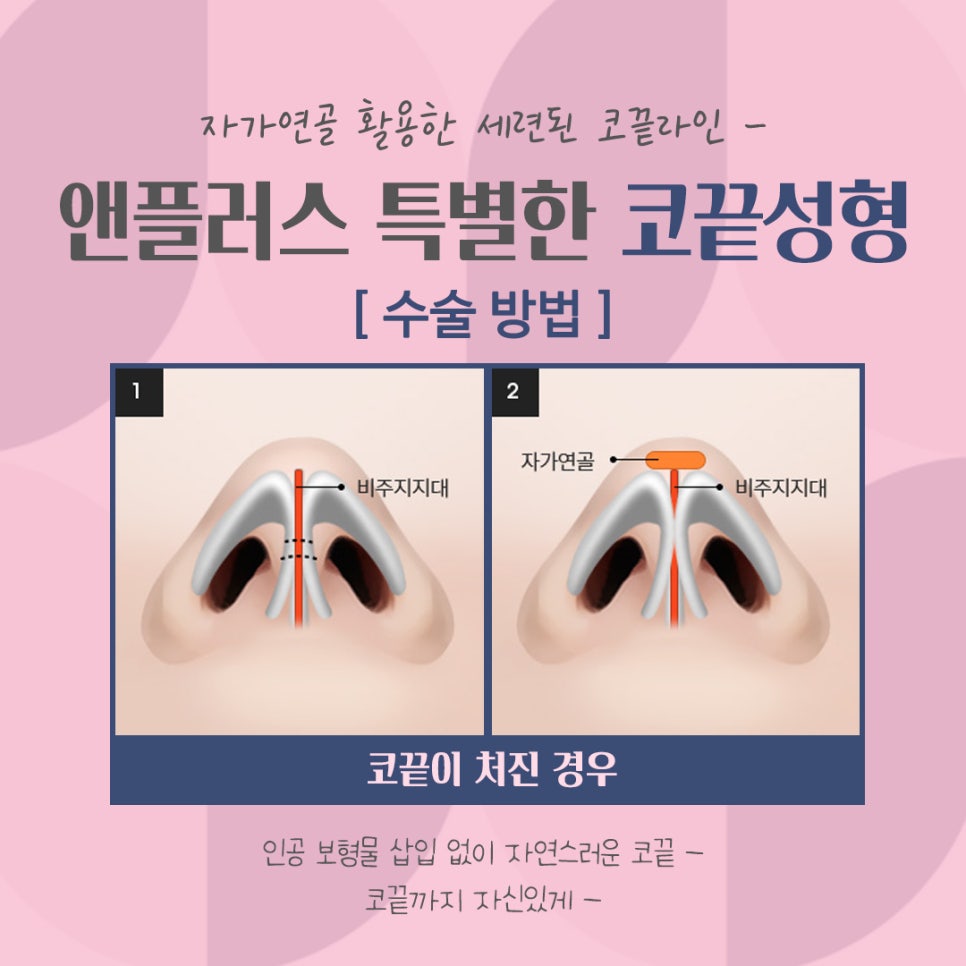
When there is a drooping nose tip, a columellar strut is placed to firmly fix the weakened, drooping nose tip cartilage, and then additional autologous cartilage is placed over the supported nose tip cartilage to correct the shape of the nose tip.
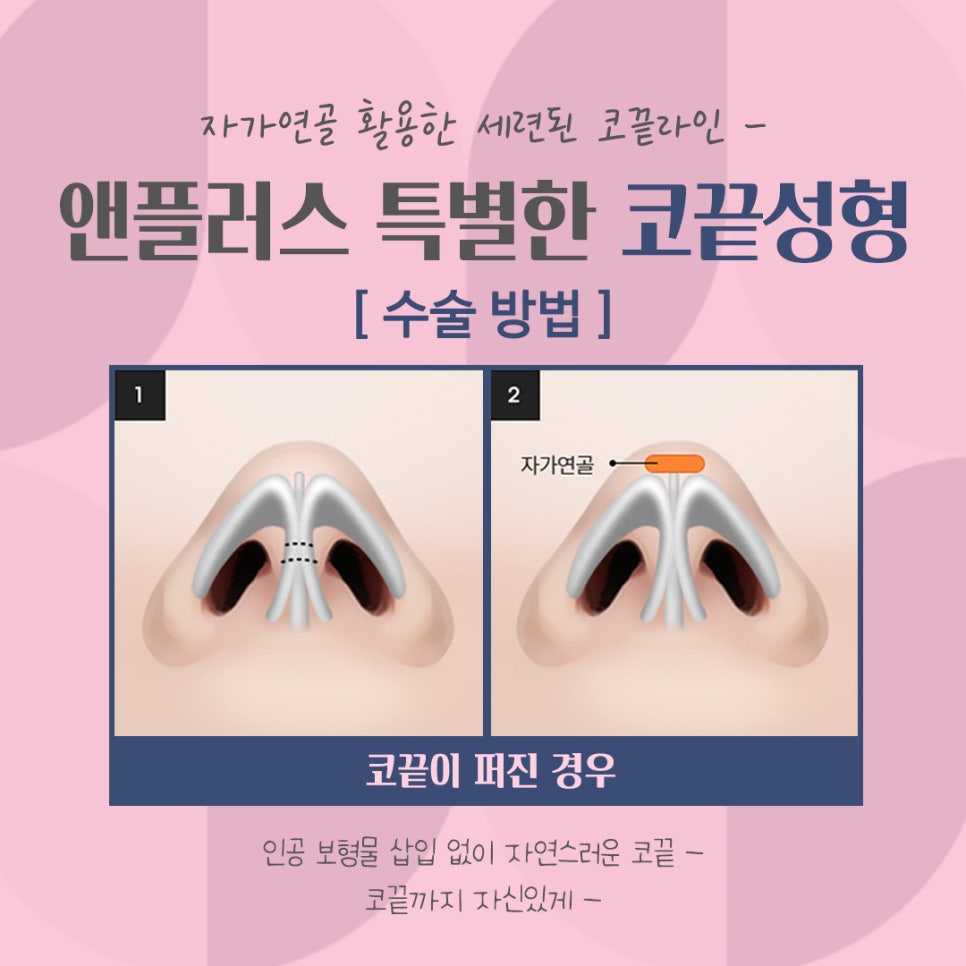
When the nose tip is wide, the nasal cartilage is brought together, the nose tip cartilage is gathered, and then the cartilage is firmly fixed through tip suturing. However, if bringing the cartilage together is not sufficient, autologous cartilage grafting is necessary.
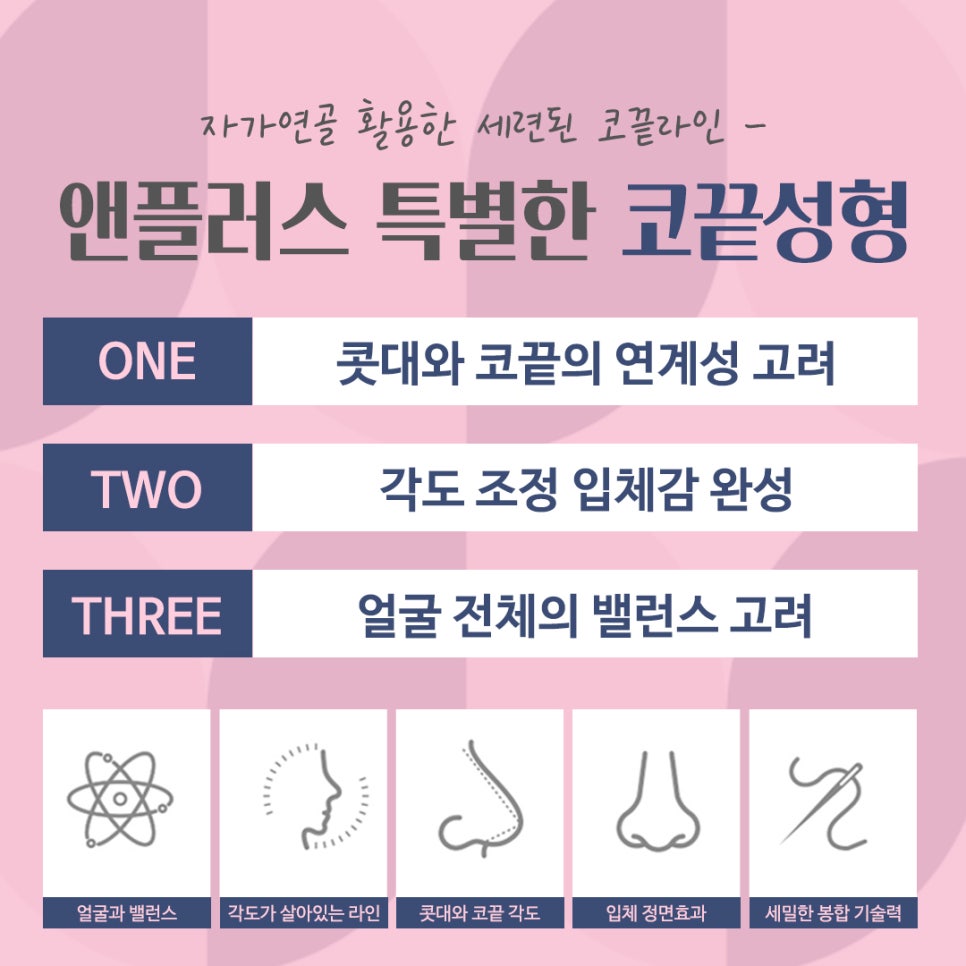
As such, because nose tip surgery is performed using different methods depending on each person’s condition, it is difficult to assess the inside of the nose with the naked eye. Therefore, confirming the condition of the nose through equipment is essential for a satisfying nose tip surgery review.
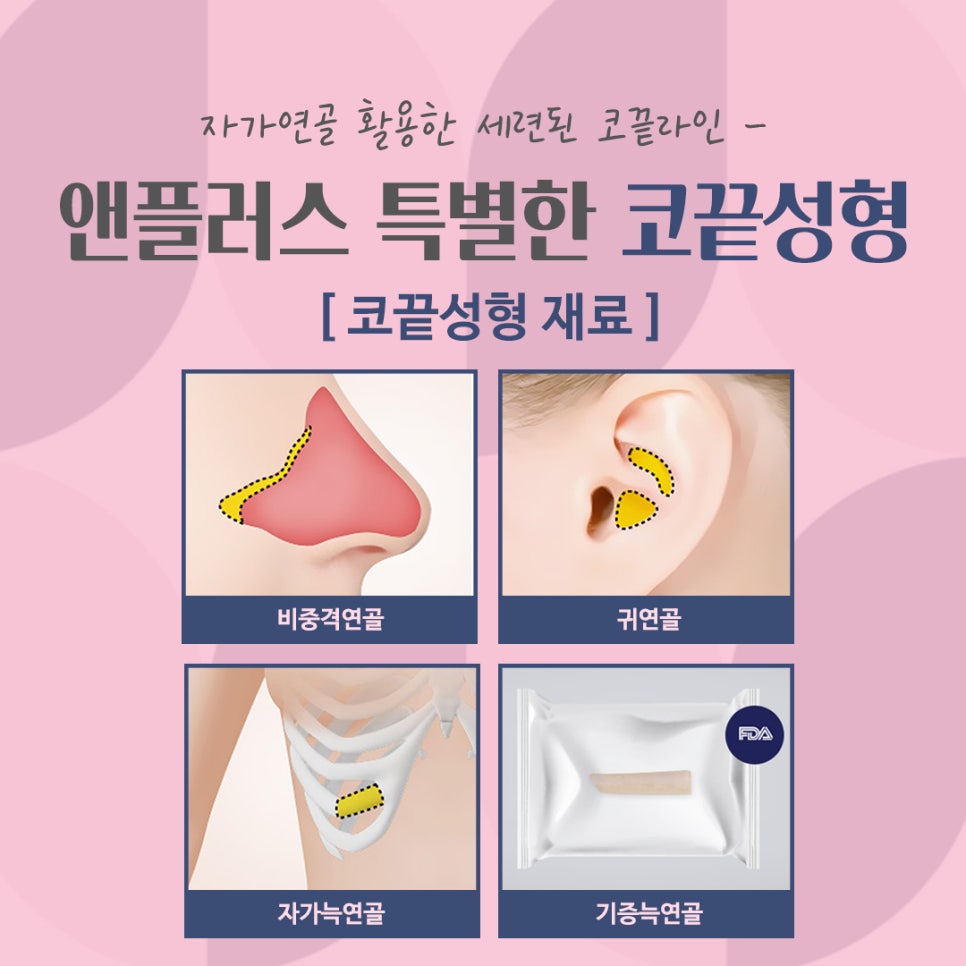
Also, if you look at nose tip surgery reviews, you can see that the autologous cartilage used differs from person to person. The autologous cartilage used in nose tip surgery includes septal cartilage, ear cartilage, and autologous rib cartilage. Before surgery, the procedure is carried out with materials suited to each individual through preoperative testing, and if the use of autologous cartilage is unavoidably difficult, donor rib cartilage approved by the U.S. FDA is used.

In addition, silicone for the nasal bridge may be used in cases where the bridge is low. At this time, instead of using a mass-produced silicone as is, the silicone is custom-designed by considering various aspects such as the person’s overall image, as well as the width, length, and breadth of the bridge, in order to minimize any artificial appearance after surgery.
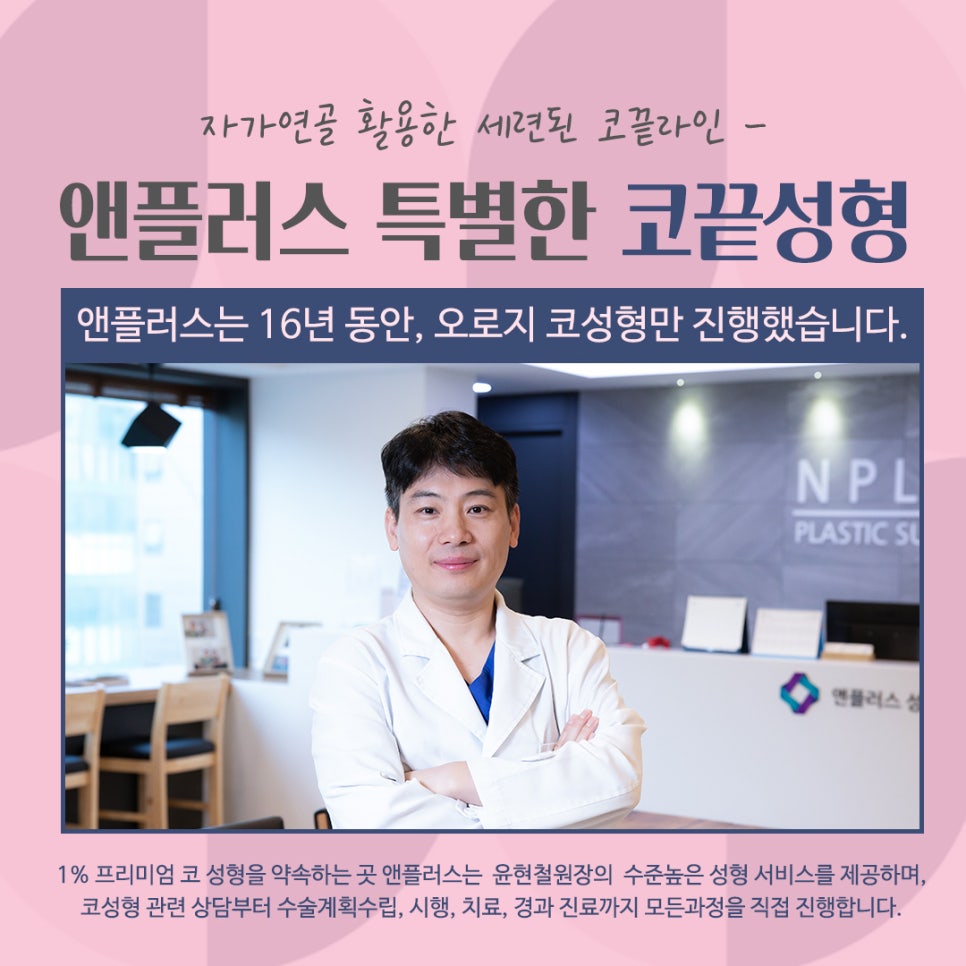
At Oziko Plastic Surgery & Nplus, Director Yoon Hyun-cheol personally oversees everything one-on-one, from consultation for nose tip surgery to planning, performing the surgery, treatment, and follow-up care. Postoperative care is also supported by an aftercare system, and the clinic operates a surgical responsibility guarantee system in preparation for any postoperative pain, inflammation, or dissatisfaction with the shape that may occur, helping make the nose tip surgery review even more satisfying.
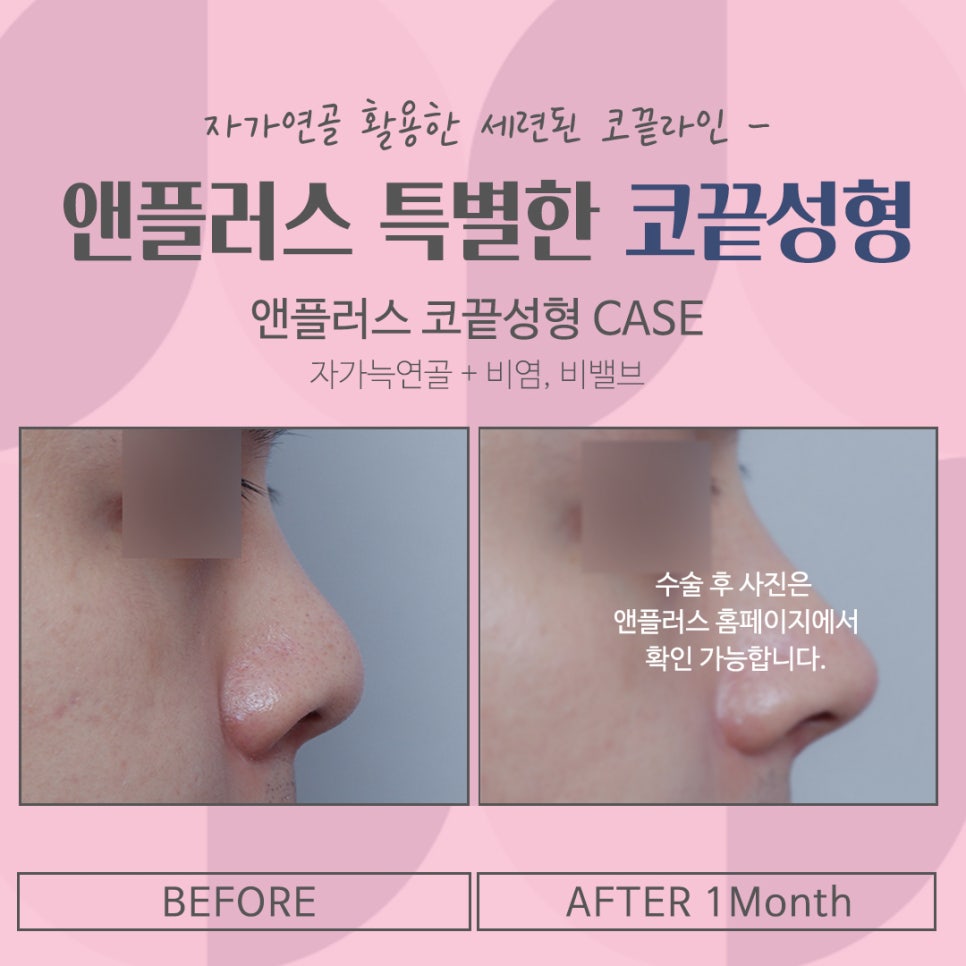
That concludes the information about Oziko Plastic Surgery & Nplus’s nose tip surgery review on improving a drooping nose tip. I hope this article is of great help to those who are feeling stressed in daily life because of a nose tip shape they are unhappy with. Thank you.