
Hello, this is OJIKO Hospital & ANPLUS, which only thinks about your beautiful and healthy nose.
The content we will introduce this time is about before and after nose surgery.

Our nose is located at the center of the face and, because each person has a different shape, it plays a role in balancing all of our facial features. That is why many people try to change their image through rhinoplasty. The reason such image changes are possible through rhinoplasty is that even a small change in the nose can have a major effect on our impression.
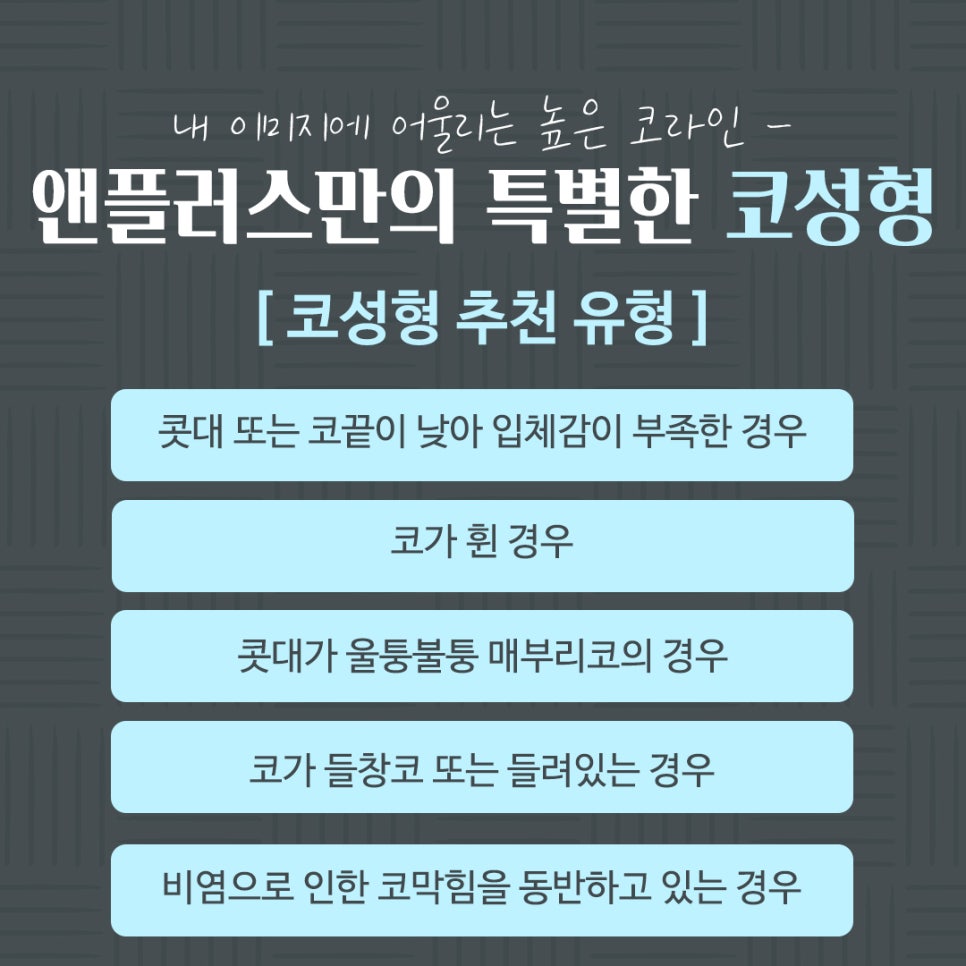
However, because this is such an important part of the image, it is important to undergo rhinoplasty that suits your own appearance. If surgery is performed carelessly, it can lead to revision surgery, so it is necessary to learn about before and after nose surgery in more detail and carefully.

Also, as mentioned above, the nose is not only an important external feature but also a vital organ responsible for the sense of smell and breathing. Along with the before-and-after aspects of nose surgery, it is essential to check these functional aspects as well in order to achieve a satisfying result.
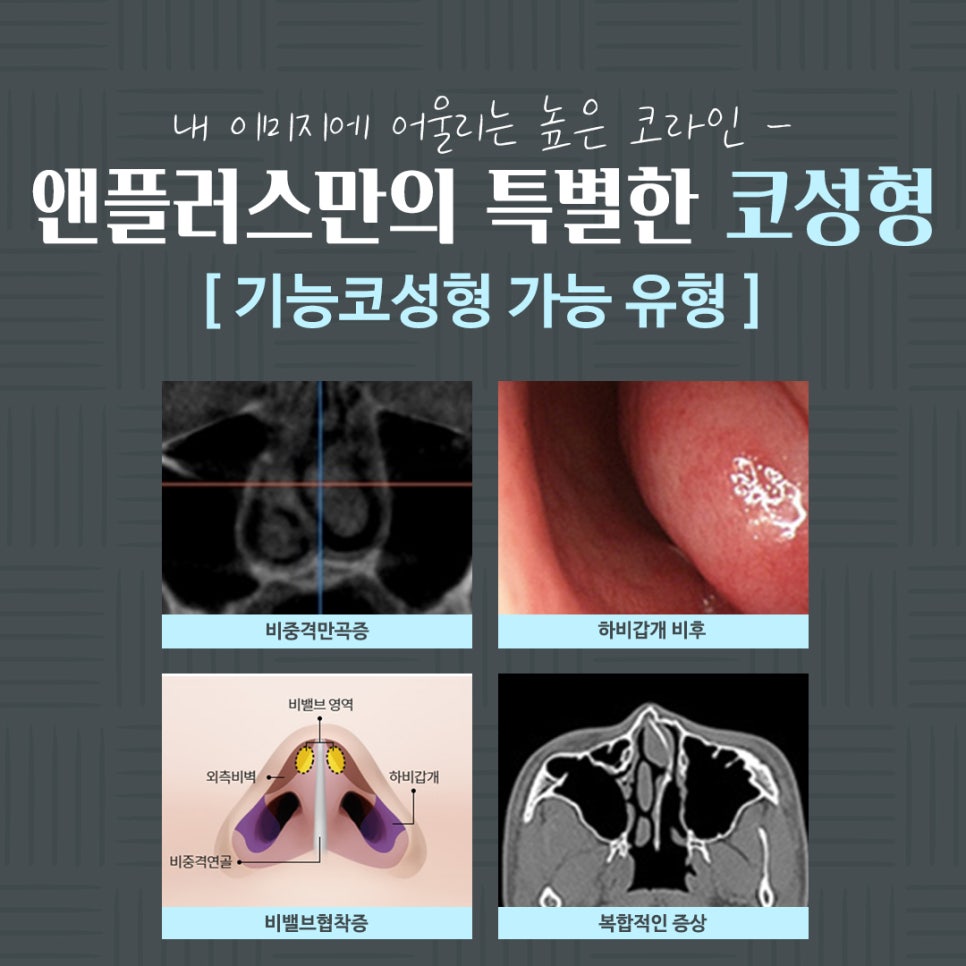
A representative symptom that can be improved through nose surgery is nasal congestion caused by rhinitis. Among these are septal deviation, nasal valve stenosis, and inferior turbinate hypertrophy, which fall under structural rhinitis. All three disrupt the flow of air entering through the nose due to internal functional abnormalities, causing nasal congestion. In the case of nasal congestion, it can occur as a postoperative side effect if surgery is performed carelessly without accurately checking the inside of the nose. Therefore, while reviewing before and after nose surgery, we recommend that even if you do not have such nasal congestion symptoms, you should 반드시 have the inside of the nose examined before proceeding with surgery.
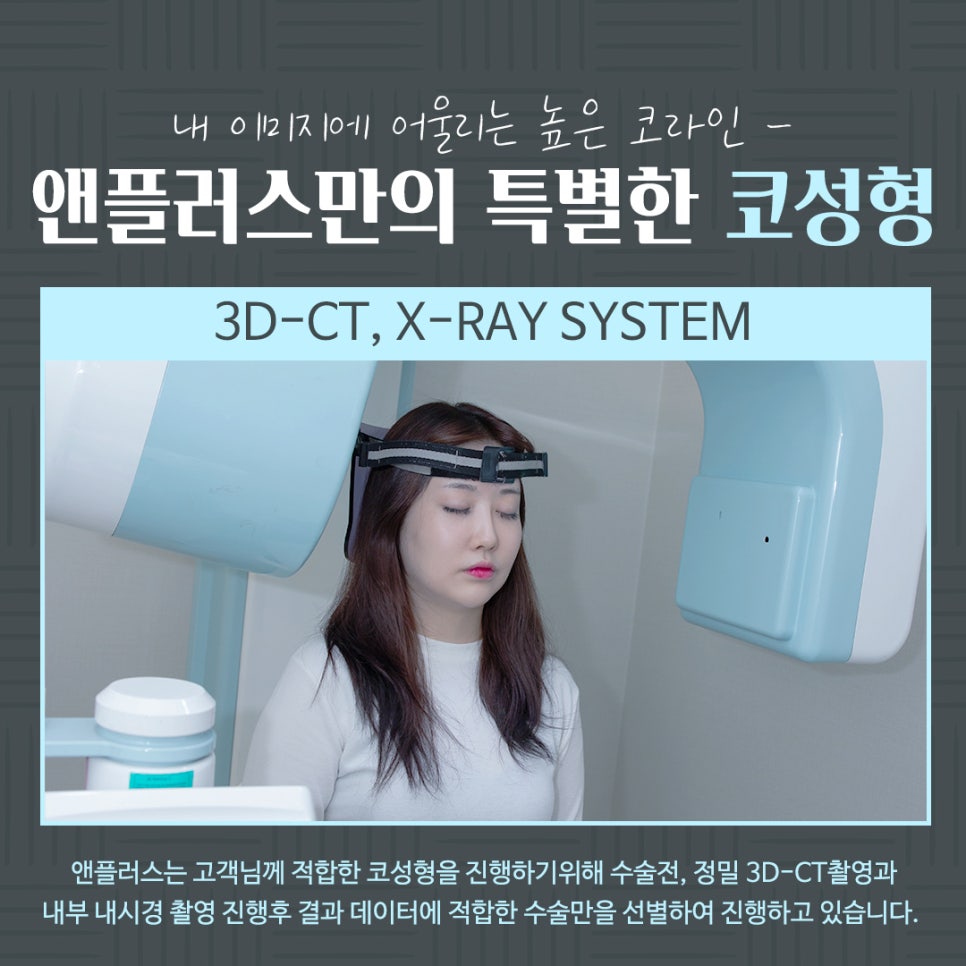
Therefore, at OJIKO Plastic Surgery & ANPLUS, to ensure satisfying results before and after nose surgery, we accurately check the condition of the nose through 3D-CT imaging and internal endoscopic imaging before surgery, establish a surgical plan based on the data, and then perform rhinoplasty using a surgical method tailored to each individual.
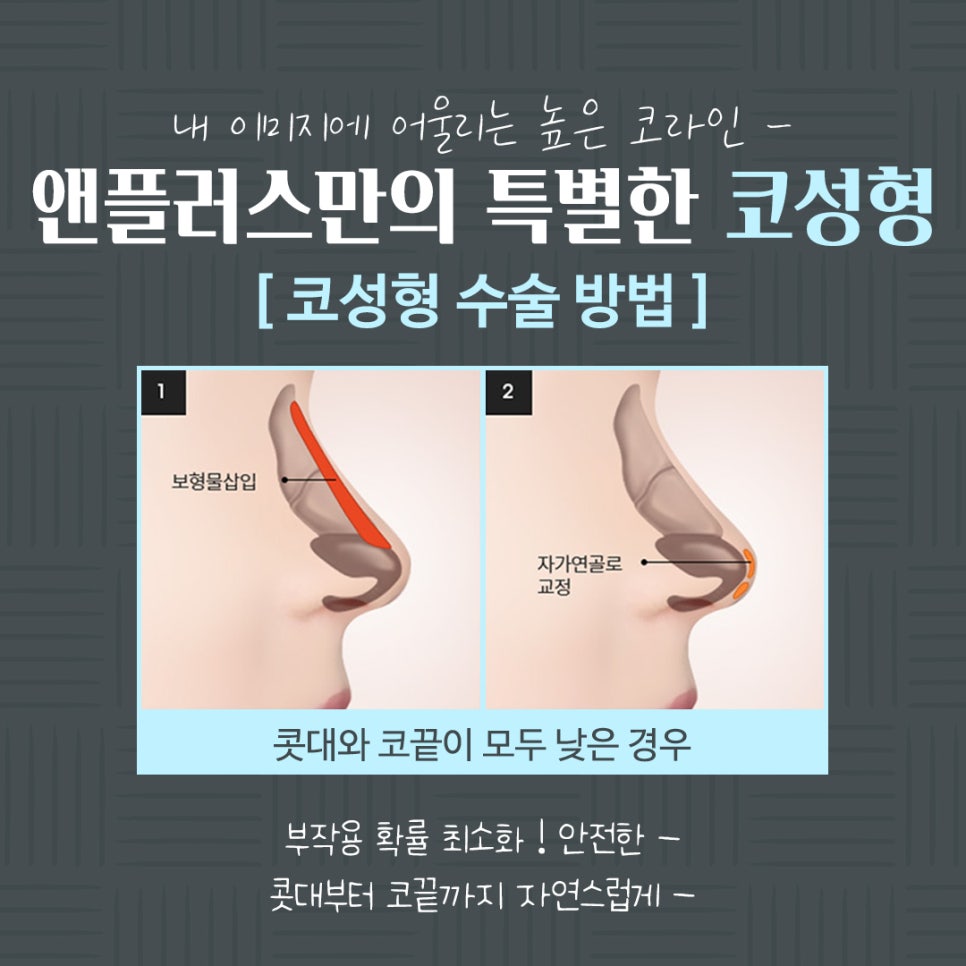
Usually, when you look at before-and-after nose surgery cases, the bridge of the nose is corrected with silicone, and the tip of the nose is corrected using autologous cartilage. If the functional problems mentioned above—septal deviation, nasal valve stenosis, and inferior turbinate hypertrophy—occur at the same time, the functional issues are corrected first before performing aesthetic rhinoplasty.
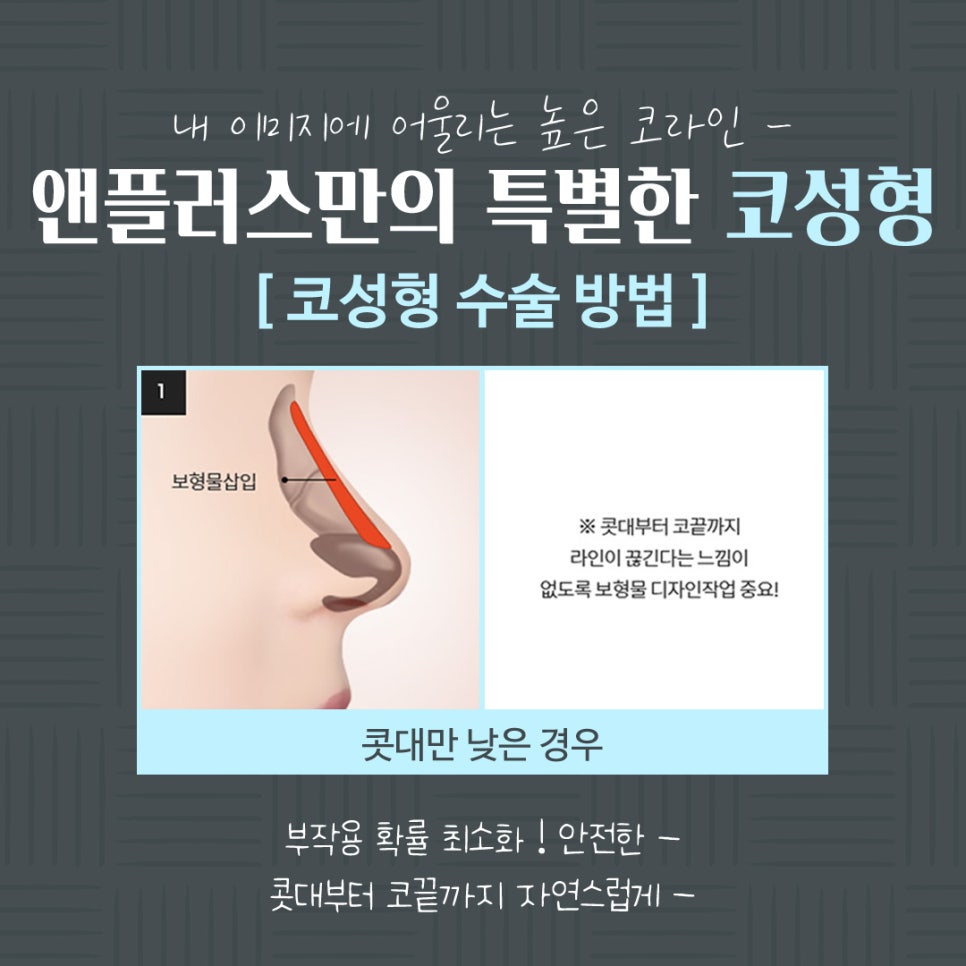
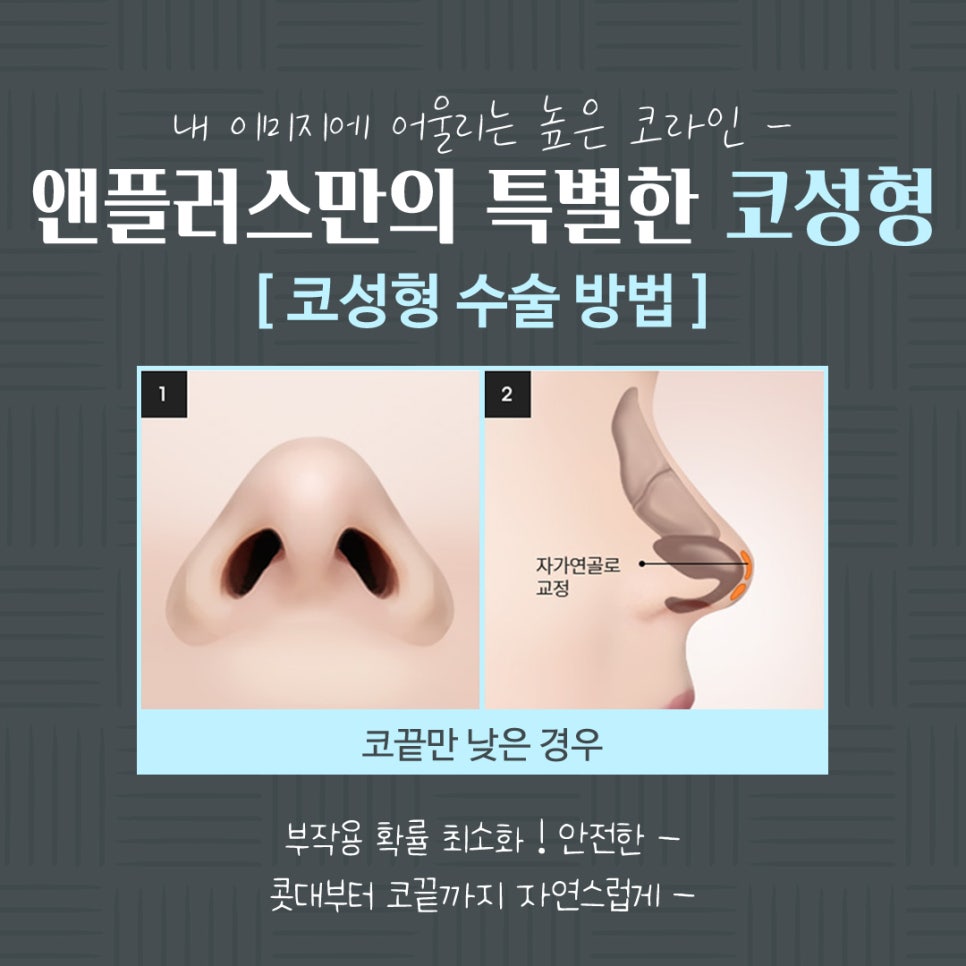
In addition, depending on the patient's condition, if only the nasal bridge is low or only the nose tip is low, surgery may be performed on just one area depending on the situation.
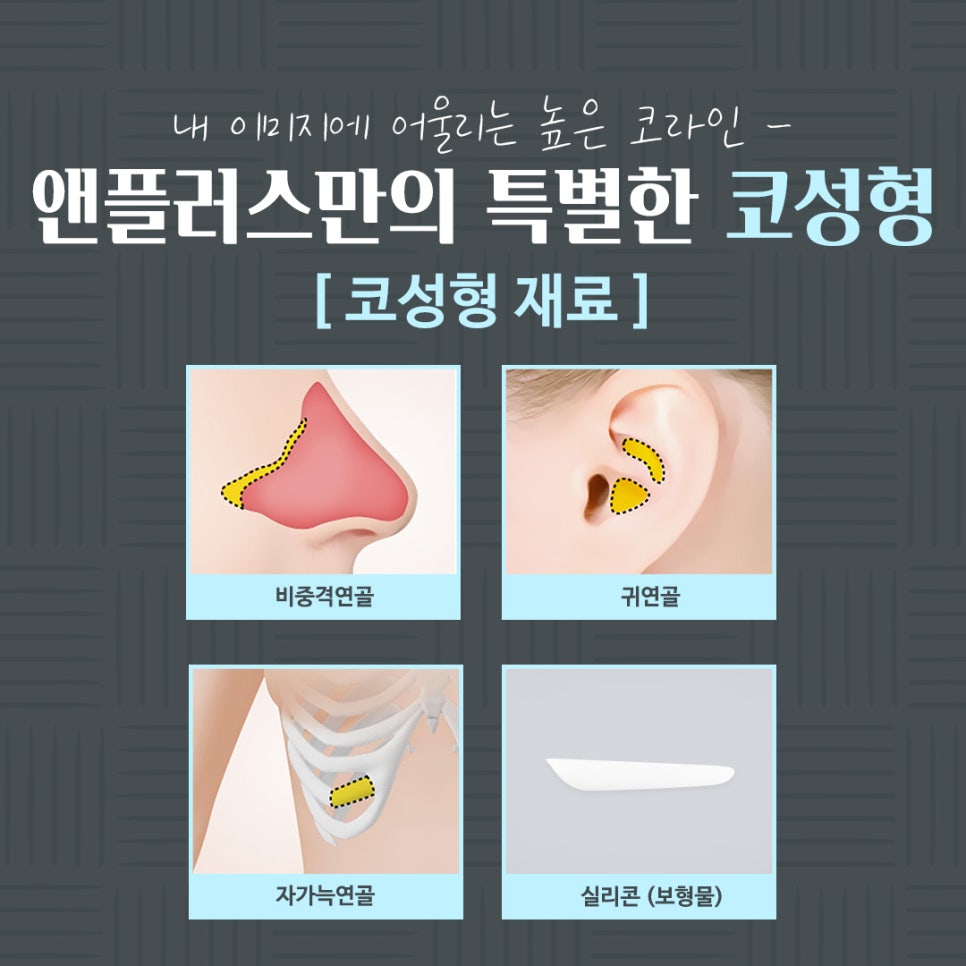
The autologous cartilage used for the nose tip includes septal cartilage, ear cartilage, and costal cartilage. Septal cartilage is the cartilage that acts as a partition dividing the nostrils into two, ear cartilage is the cartilage located inside the ear, and costal cartilage is the cartilage located in the ribs. This is selected through preoperative examinations and used as the material best suited to each individual.
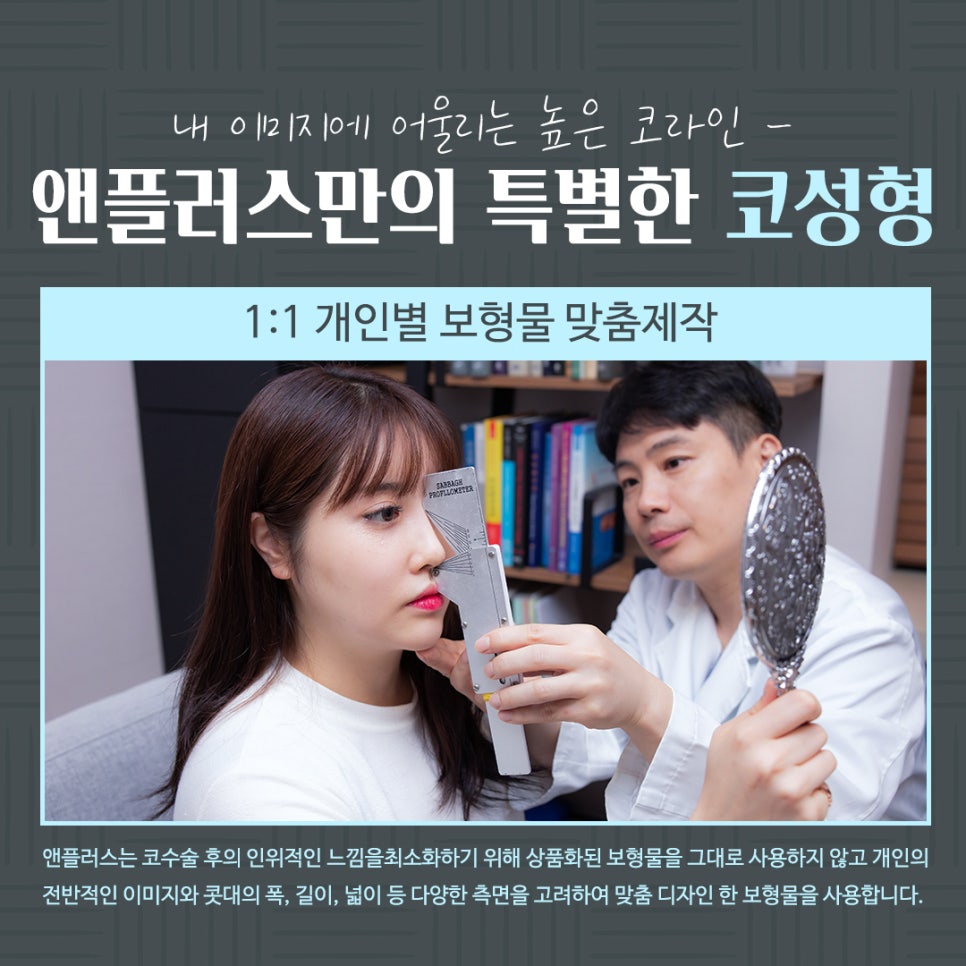
In addition, at OJIKO Hospital & ANPLUS, the silicone used for the nasal bridge is not focused solely on creating a high bridge. Instead, it takes into account each person’s nasal bridge width, length, and overall proportions. Rather than using commercially manufactured silicone as is, it is manually trimmed before use, making it possible to achieve more satisfying before-and-after results from nose surgery.
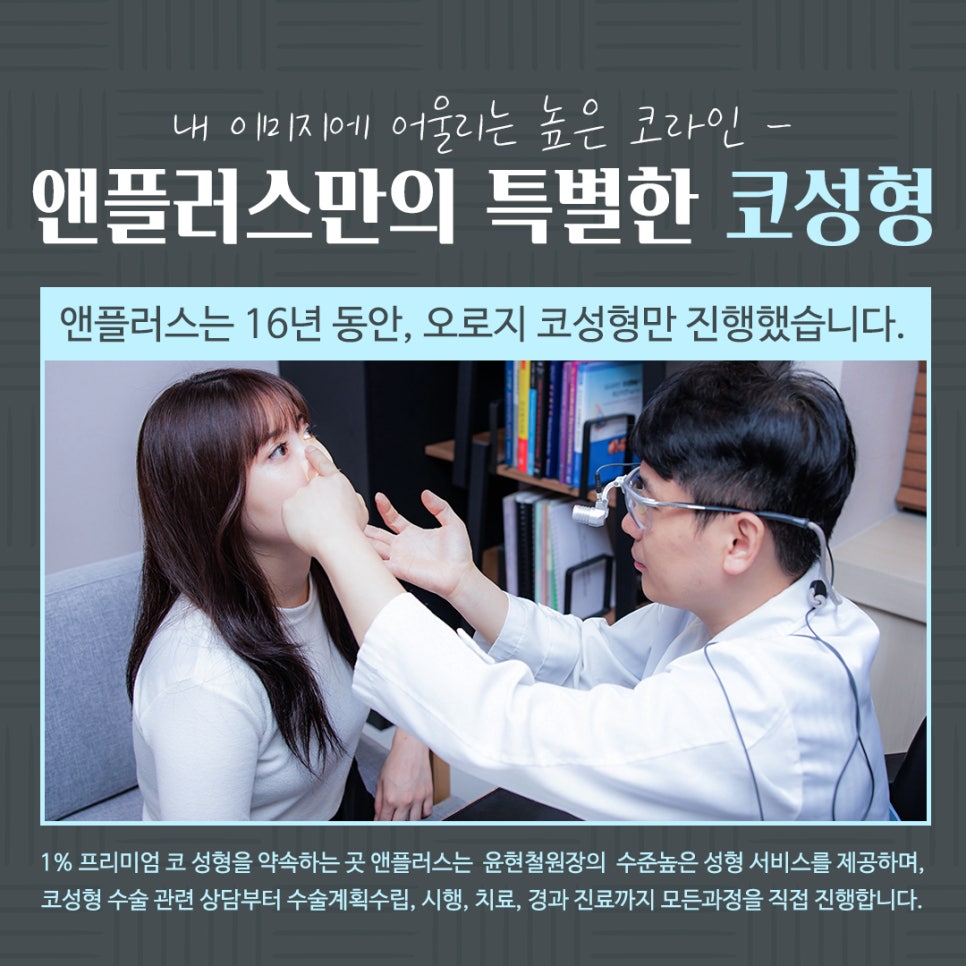
Lastly, if you look at before and after nose surgery, because more than one surgical method is usually applied, nose surgery can be said to be more difficult than other surgeries. Therefore, choosing a medical team with strong anatomical knowledge and extensive surgical experience and career history can be helpful in achieving satisfying results. We recommend looking into multiple options and checking more carefully before making a decision.

At OJIKO Hospital & ANPLUS, CEO surgeon Yoon Hyun-cheol personally oversees everything one-on-one, from consultation about before and after nose surgery to surgical planning, procedure, treatment, and follow-up care. Even after surgery, an ANPLUS membership card is issued, and the aftercare program is carried out thoroughly. To prepare for any possible postoperative pain, inflammation, or dissatisfaction with the appearance, a surgical responsibility guarantee system is in place. Customers who hold an ANPLUS membership card can receive aftercare benefits at any time.
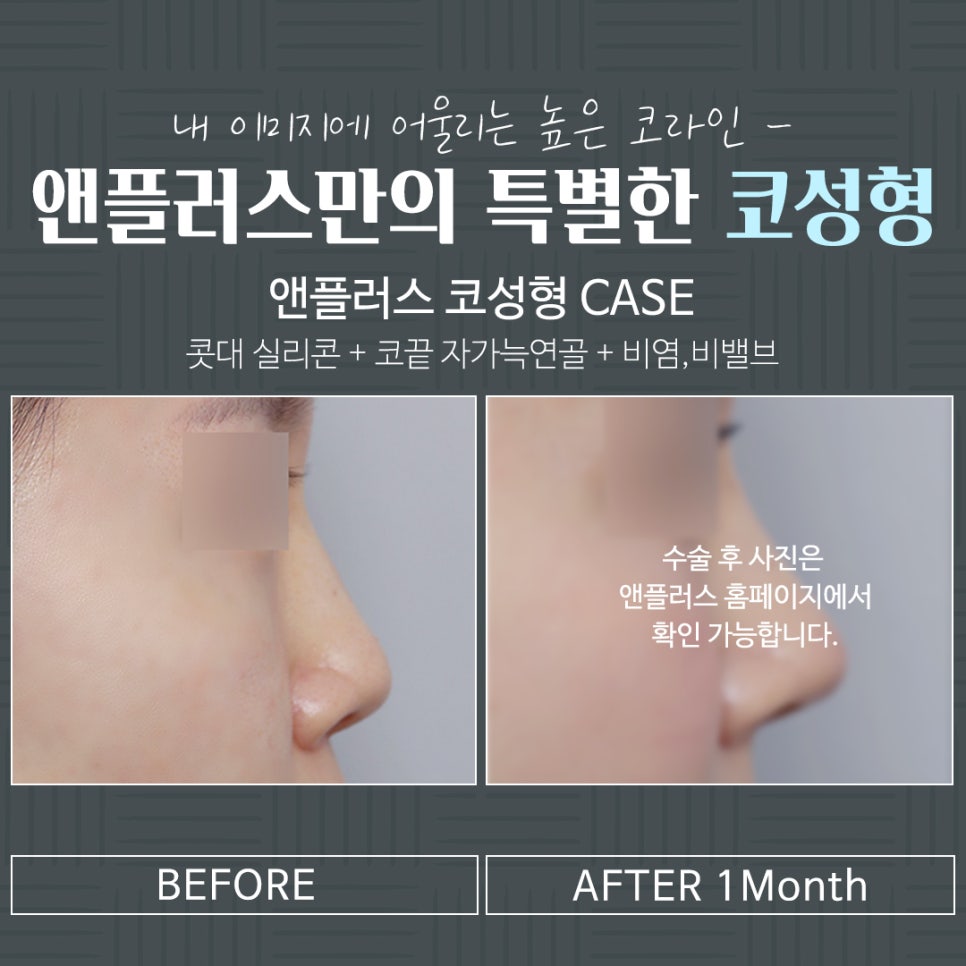
(The image above shows real before-and-after nose surgery photos from OJIKO Hospital & ANPLUS.)
That concludes the information we shared about before and after nose surgery at OJIKO Hospital & ANPLUS. We hope this post is of great help to those who want to change their current image into a more favorable one. Thank you.