
Hello. We are Oji-Ko Hospital & Plus, thinking only about your beautiful and healthy nose for the past 16 years.
This time, we’ve prepared content about a septoplasty surgery review that also considers the overall line.

When people think of rhinoplasty, the first thing that comes to mind is usually a procedure to correct the appearance of the nose—such as a low nose, a crooked nose, or a hump nose—into a more three-dimensional and attractive line. For those who are researching rhinoplasty for the first time, it can be said that they primarily consider surgery from an aesthetic perspective.

However, the nose is located at the center of our face, so it plays an aesthetically important role by balancing the entire face and drawing attention when its most three-dimensional part loses balance. At the same time, it is also an organ responsible for breathing and smelling, making it an important part of the whole body. Therefore, when these functions are impaired, improvement through surgery is also possible. A representative symptom that requires surgical improvement is nasal congestion caused by rhinitis. That is why interest in septoplasty surgery reviews has increased among people with nasal congestion symptoms.
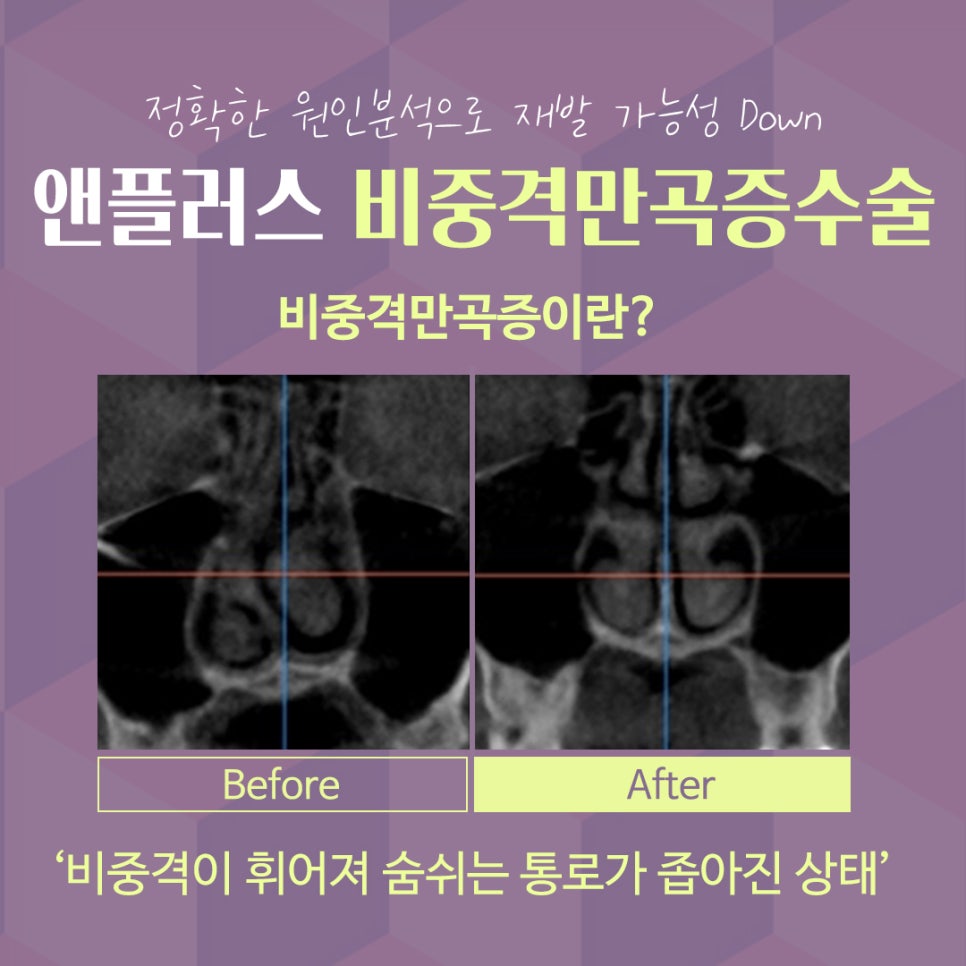
What is a deviated septum? Rhinitis is a common condition affecting more than 70% of adults in Korea. Of these, 20% have allergic rhinitis, and the remaining 80% have structural rhinitis caused by abnormalities in the internal nasal structure. A representative symptom is nasal congestion. Structural rhinitis includes a deviated septum, inferior turbinate hypertrophy, and nasal valve stenosis. The most common of these, a deviated septum, refers to the cartilage that serves as the partition dividing the nostrils, called the septum. When this septum is bent, it is called a deviated septum, and it obstructs the flow of air entering through the nose, causing nasal congestion.
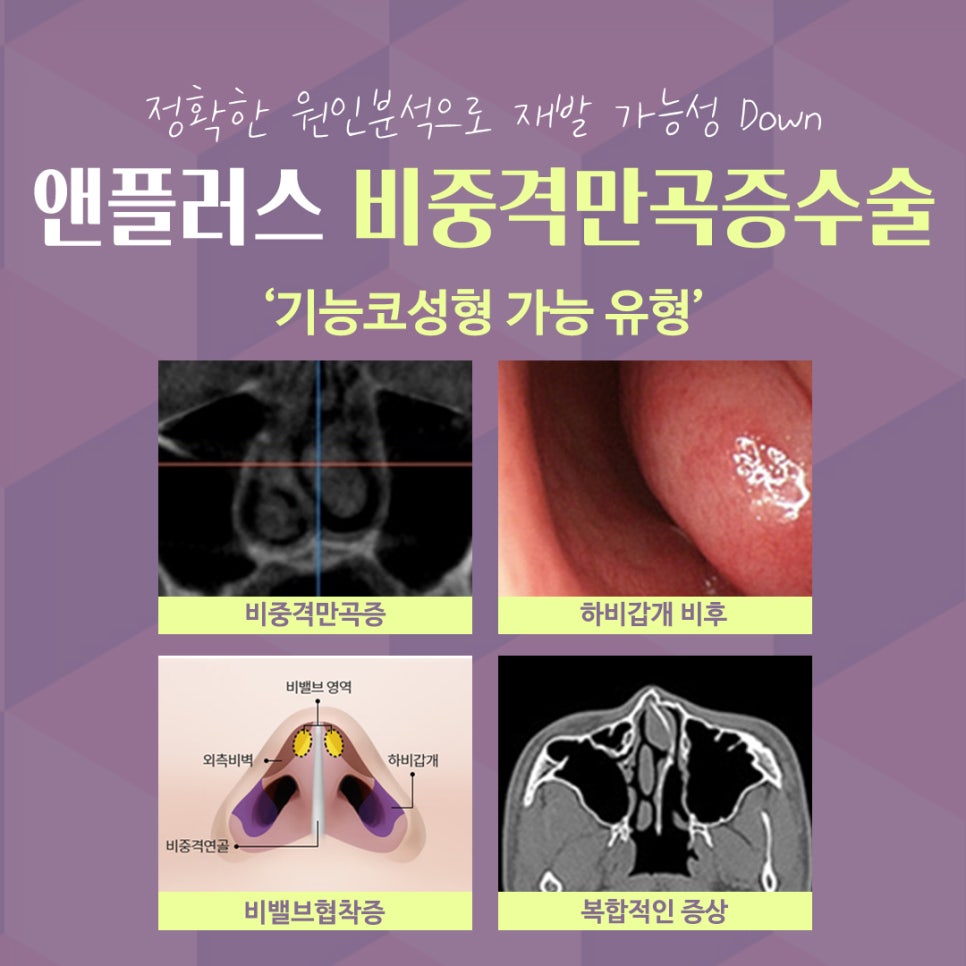
Therefore, when you look at septoplasty surgery reviews, a deviated septum may occur on its own, but there are also cases where it appears together with inferior turbinate hypertrophy, in which the inferior turbinate—the soft tissue inside the nose—becomes enlarged, or nasal valve stenosis, in which the space of the nasal valve, which acts as the roof of the nose, becomes narrowed. Because all of these symptoms obstruct airflow into the nose in different ways, it is essential to accurately check the condition of the nose and then perform the appropriate surgery. Only then can recurrence of nasal congestion symptoms be prevented.
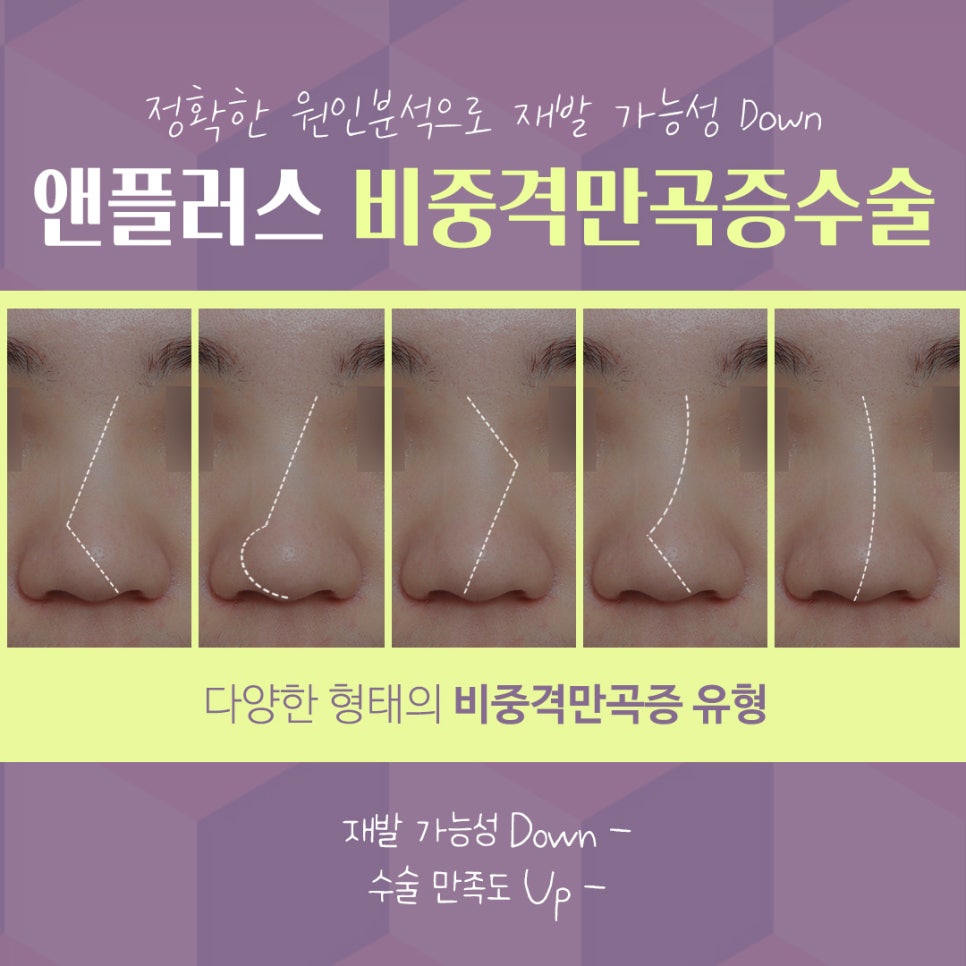
Also, in the case of a deviated septum, the degree of bending of the nasal bone and the severity of nasal congestion differ from person to person. In some cases, the septum is bent enough that the nose appears visibly crooked, but conversely, even if the nose looks straight to the eye, a deviated septum may still be present inside. Because nasal problems are difficult to assess accurately with the naked eye, if surgery is performed only for cosmetic purposes without considering these functional aspects, it may lead to revision surgery due to functional issues. Therefore, even if you do not have nasal congestion symptoms, we recommend checking the internal function of the nose before proceeding with surgery.

Nasal congestion can have various causes, such as a cold, allergic rhinitis, and structural rhinitis, and treatment should be provided according to the symptoms. In the case of structural rhinitis, it is necessary to check the degree of bending of the nasal bone, the degree of nasal valve stenosis, and the degree of inferior turbinate enlargement. Because it is difficult to identify the cause based on nasal congestion symptoms alone, a satisfactory septoplasty surgery review can only be achieved when the condition is identified through equipment and surgery is performed using a method tailored to each individual.
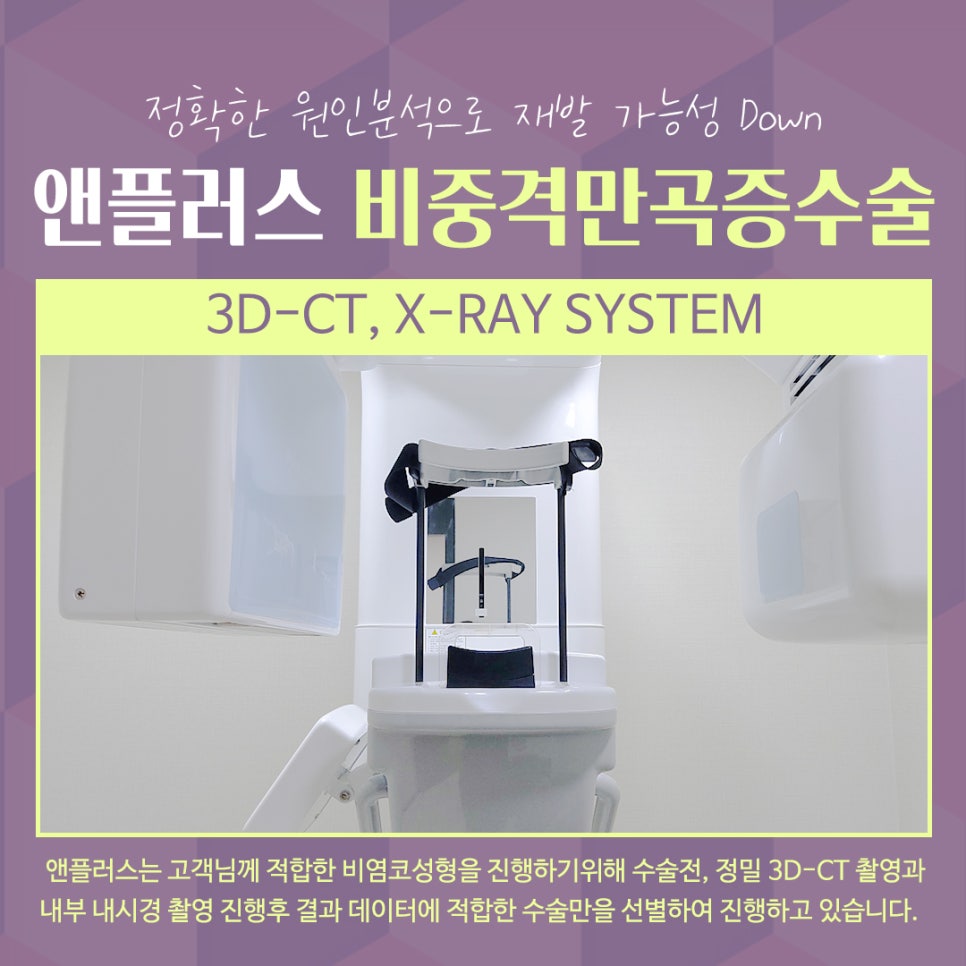
At Oji-Ko Hospital & Plus, in order to ensure a satisfactory septoplasty surgery review, we accurately identify the cause of nasal congestion through various allergy tests, 3D-CT scans, and internal endoscopic imaging before surgery, and then perform surgery using methods and materials tailored to each individual.
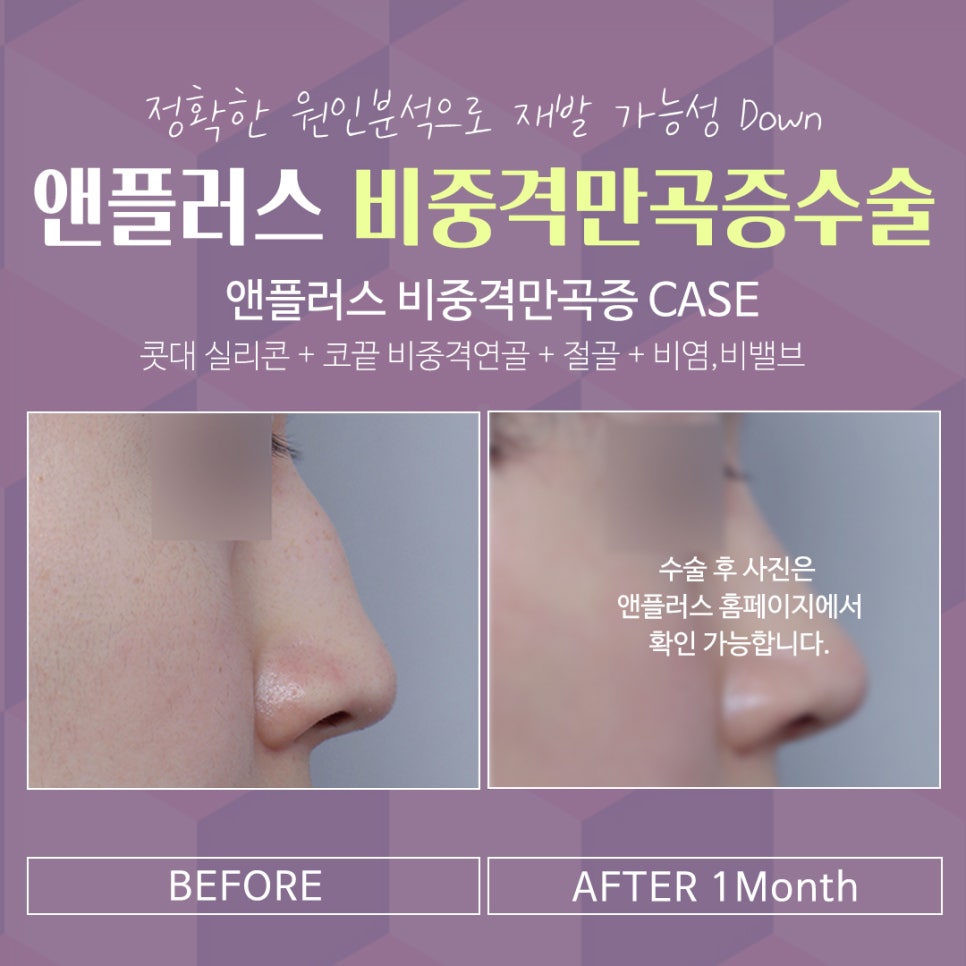
(The image above shows actual before-and-after photos from Oji-Ko Hospital & Plus septoplasty surgery reviews.)
Looking at septoplasty surgery reviews, functional nasal surgery may be performed on its own, but it can also be performed at the same time as treatment for complex symptoms or cosmetic rhinoplasty.
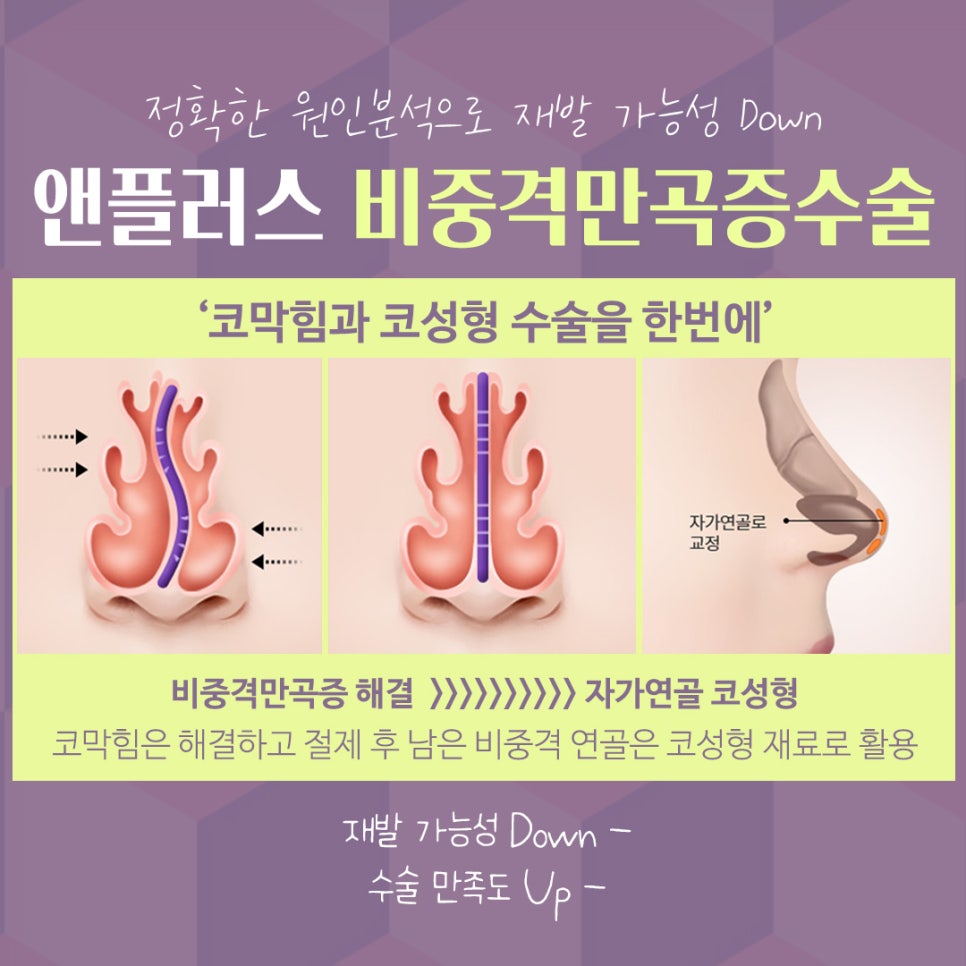
Septoplasty involves making an incision inside the nose, minimally removing the bent septum and straightening it, and then correcting the nasal tip using the patient’s own cartilage. If complex symptoms are present, additional procedures such as laser treatment or other surgical methods may be performed.
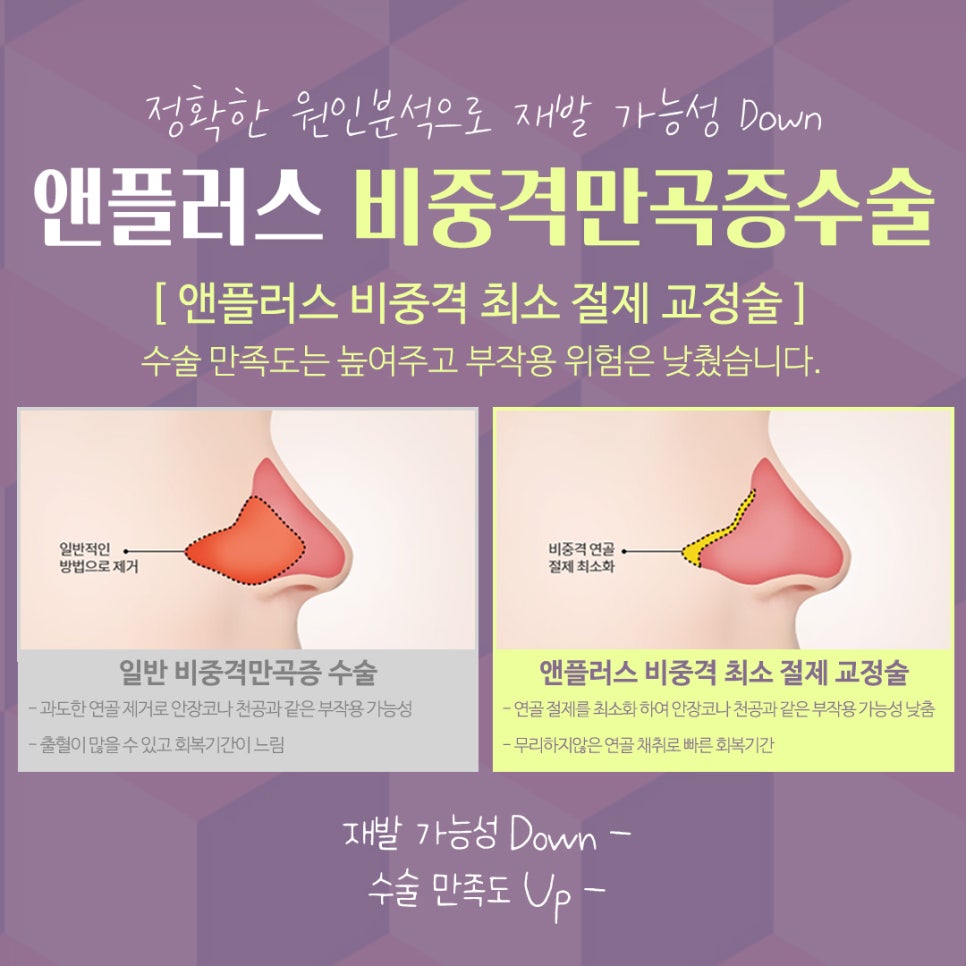
Because cosmetic rhinoplasty is possible by correcting the nasal tip using the minimally removed septal cartilage from septoplasty, checking septoplasty surgery reviews can be seen as a way to evaluate a functional nasal surgery with a somewhat higher level of satisfaction.
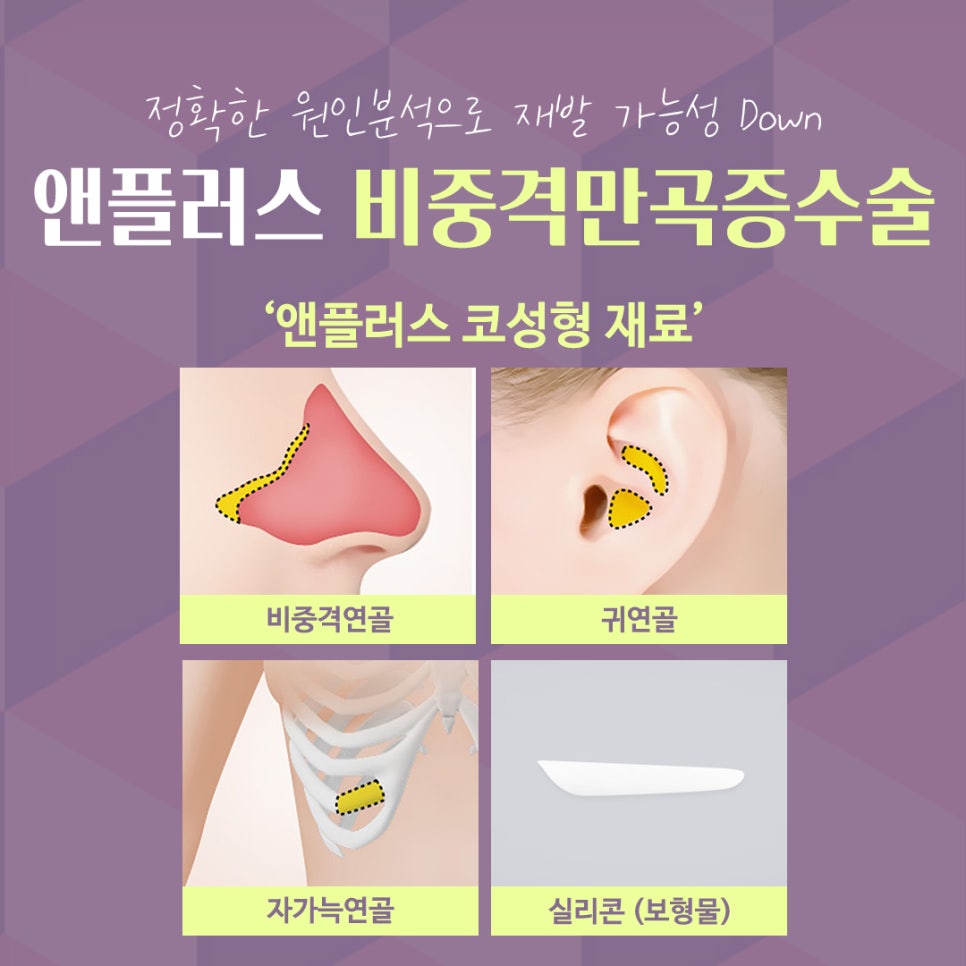
When cosmetic rhinoplasty is additionally performed after correction of a deviated septum, the nasal tip is usually made with the patient’s own cartilage and the bridge with silicone. The cartilage materials used for the nasal tip include ear cartilage, septal cartilage, and autologous rib cartilage, and the surgical materials are also selected after preoperative testing to suit each individual.
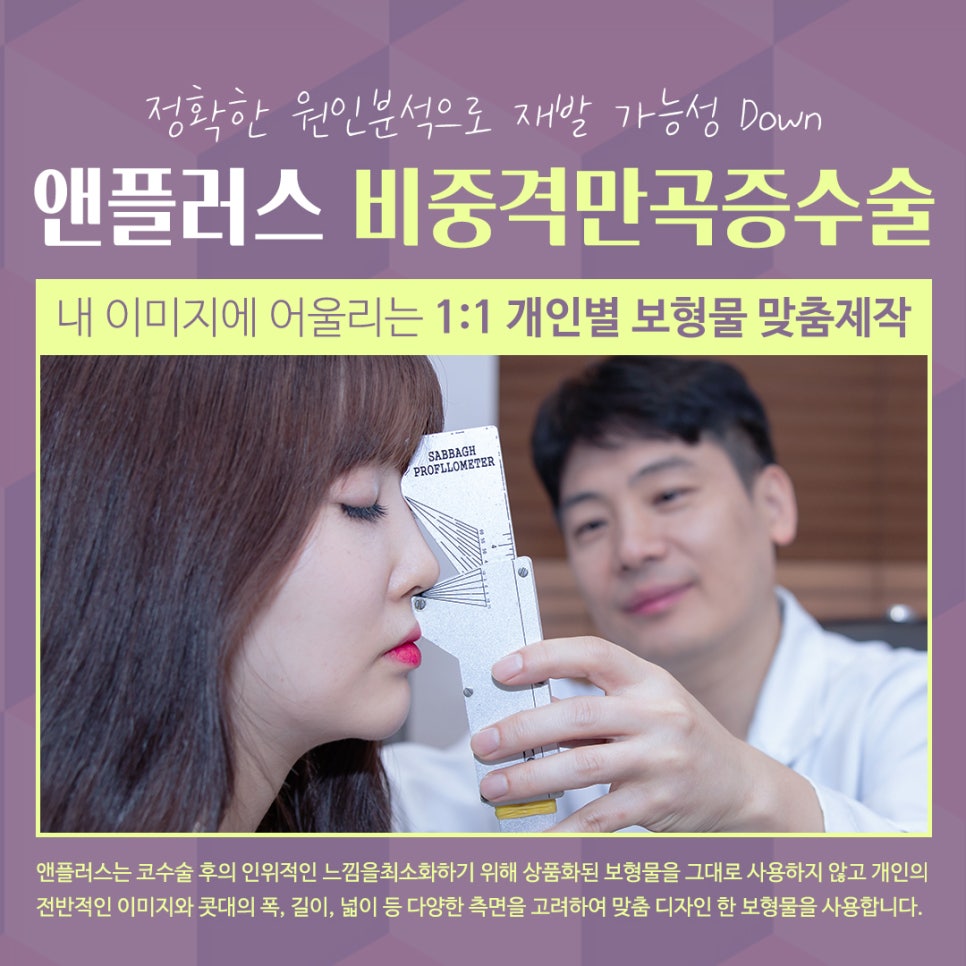
In addition, when it comes to silicone used for the nasal bridge, rather than focusing only on creating a higher bridge, we minimize an artificial look and do not use pre-made silicone as is. Instead, we tailor it by hand while considering each individual’s overall image, as well as the width, length, breadth, and height of the nasal bridge, and then insert it as part of cosmetic rhinoplasty.
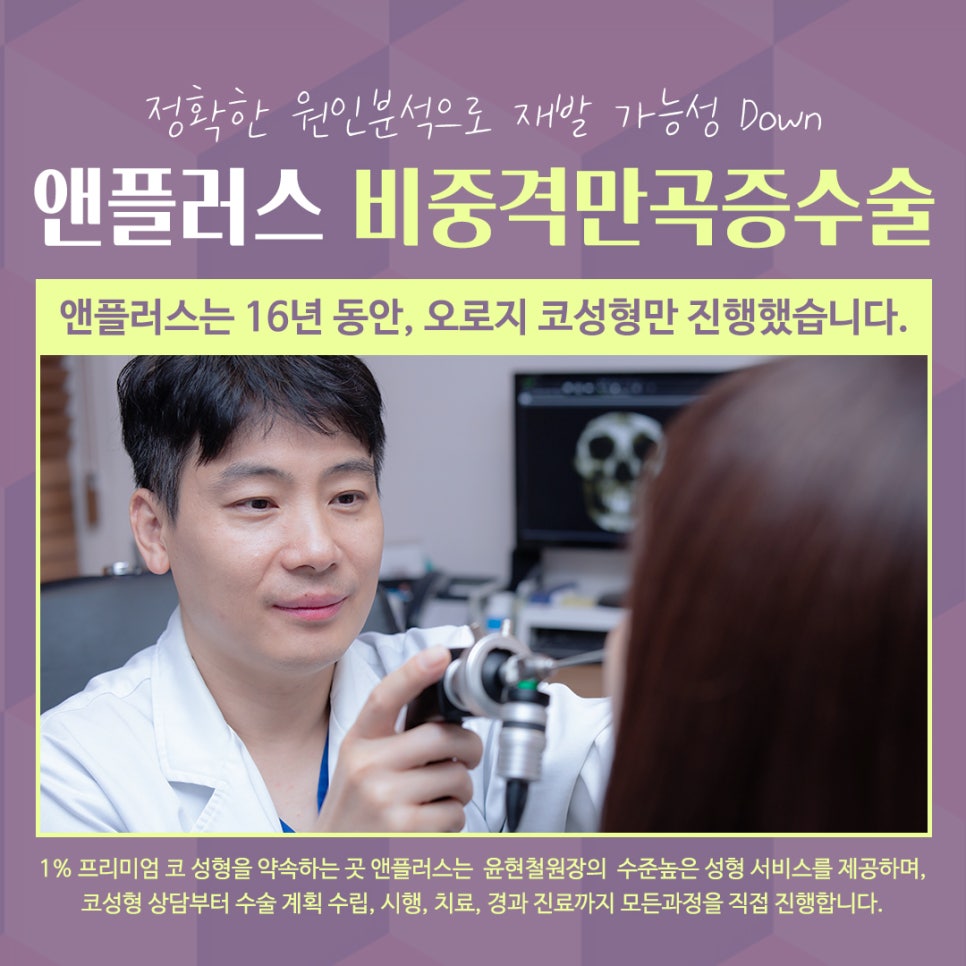
At Oji-Ko Hospital & Plus, we aim for a satisfactory septoplasty surgery review, and Director Yoon Hyun-cheol personally handles every step one-on-one, from consultation for septoplasty surgery to planning, surgery, treatment, and follow-up care.

For post-operative care, we issue an & Plus membership card and operate a warranty system guaranteed for one year after surgery. We also implement a surgery responsibility guarantee system to prepare for any situation that may arise after surgery, such as pain, inflammation, or dissatisfaction with the result. If you have the & Plus membership card, you can receive post-operative care benefits.

That concludes the information on septoplasty surgery reviews. We hope this article is very helpful for those who are considering rhinoplasty because nasal congestion caused by rhinitis is making daily life uncomfortable. Thank you.