
Hello. This is Oziko Plastic Surgery and N Plus, which only thinks about your beautiful and healthy nose.
This time, we have prepared information about beautifully and naturally corrected autologous cartilage rhinoplasty.

These days, many people are interested in dieting, hairstyles, and skin care in order to make up for shortcomings while bringing out their own individuality. Through this kind of self-care, they hope to improve their image into one that feels a little more likable than before. However, even with this kind of care, the nose is one of the hardest areas to change. Because the nose is located at the center of the face and plays a role in balancing the overall facial features, even a change to the nose alone can have a strong effect on the overall image. That is why rhinoplasty is said to be more popular than procedures on other areas. As a result, interest in autologous cartilage rhinoplasty has increased among those looking into nose surgery.
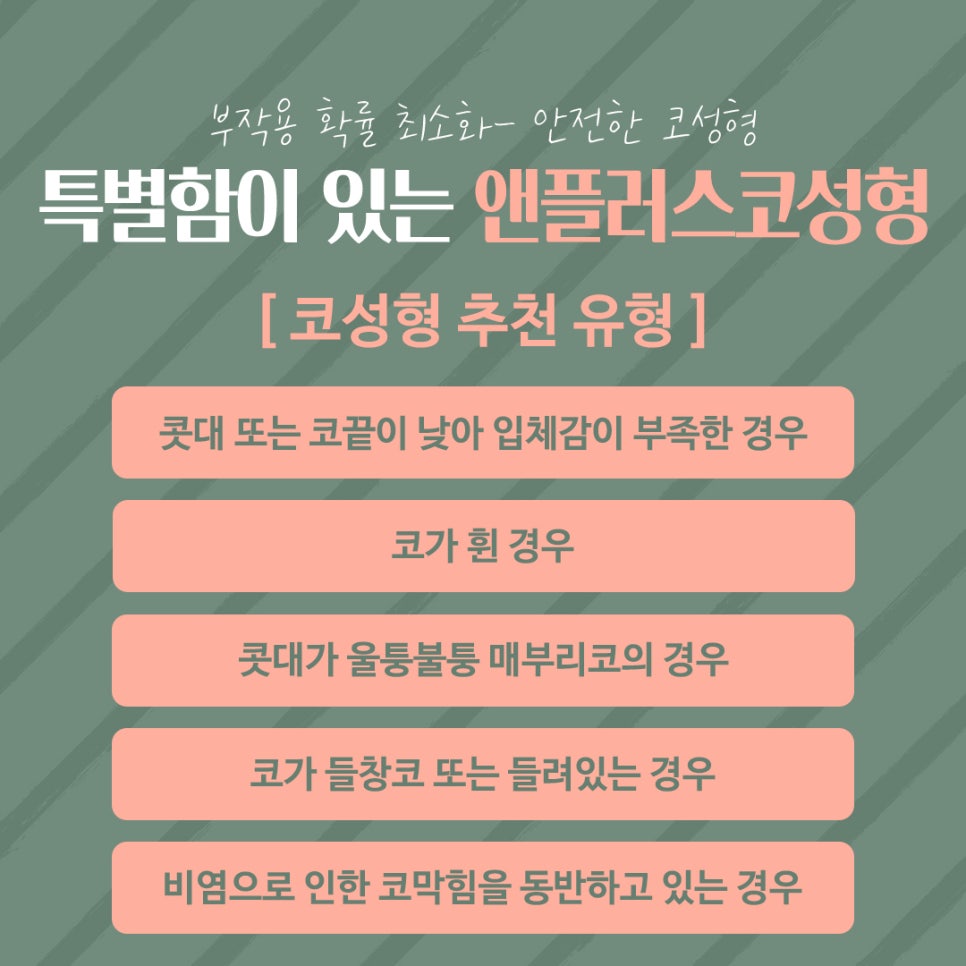
Types that may need autologous cartilage rhinoplasty include a low nose, a crooked nose, a hump on the bridge, an upturned nose or a nose that is raised upward, and cases accompanied by nasal congestion due to rhinitis. In general, when the nose shape is not straight and has the above features, people want it improved into a straighter and higher line. Because each person's nose shape is different and the causes of concern are also different, a rhinoplasty tailored to the individual must be performed in order to prevent revision surgery.

Also, many people consider surgery mainly for aesthetic reasons, focusing first on the external appearance as with the types above that may need autologous cartilage rhinoplasty. However, the nose plays a very important role in appearance, and it is also the organ responsible for breathing and smelling. Therefore, it is correct to examine the internal function as well before proceeding with surgery.
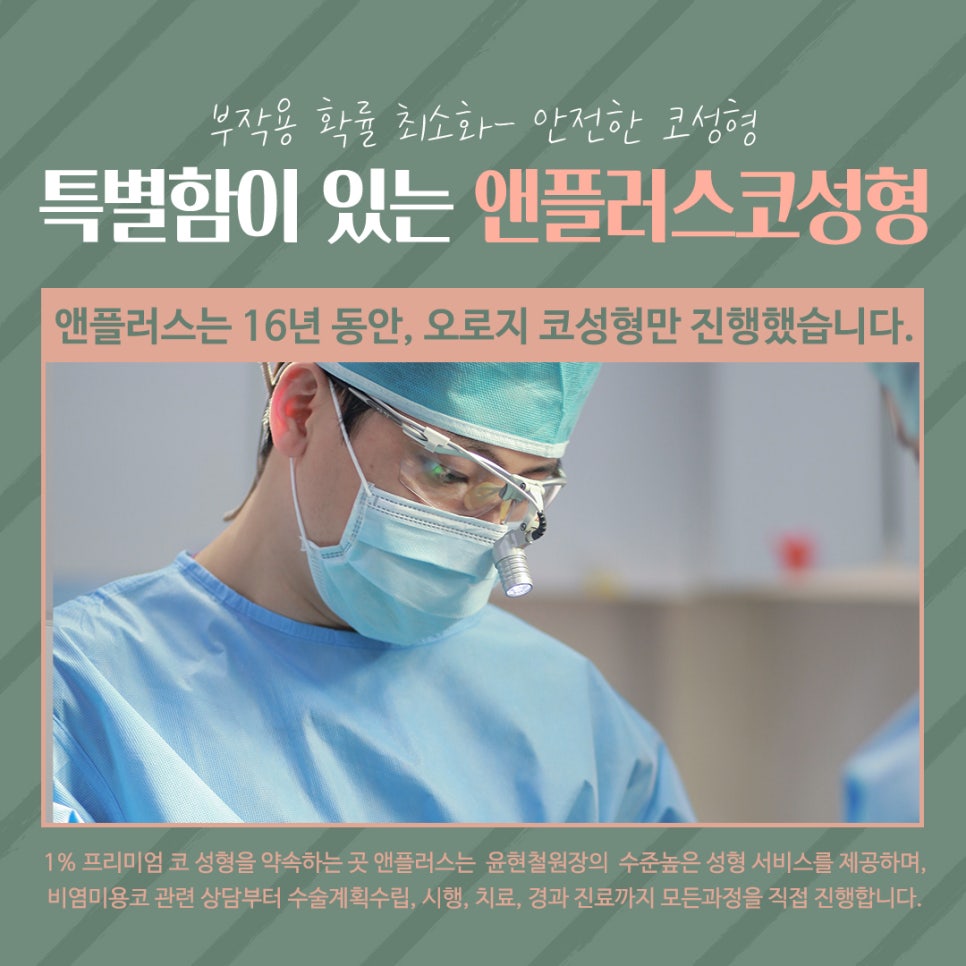
Therefore, if you are looking into autologous cartilage rhinoplasty, it is important not only to check images through reviews, but also to carefully consider additional points such as whether the medical staff have strong anatomical knowledge of the nose, whether they have abundant surgical experience and a solid career background, whether equipment is available to accurately assess the condition of your nose, and how aftercare is handled. Making your decision after checking these details carefully can lead to a more satisfying autologous cartilage rhinoplasty.
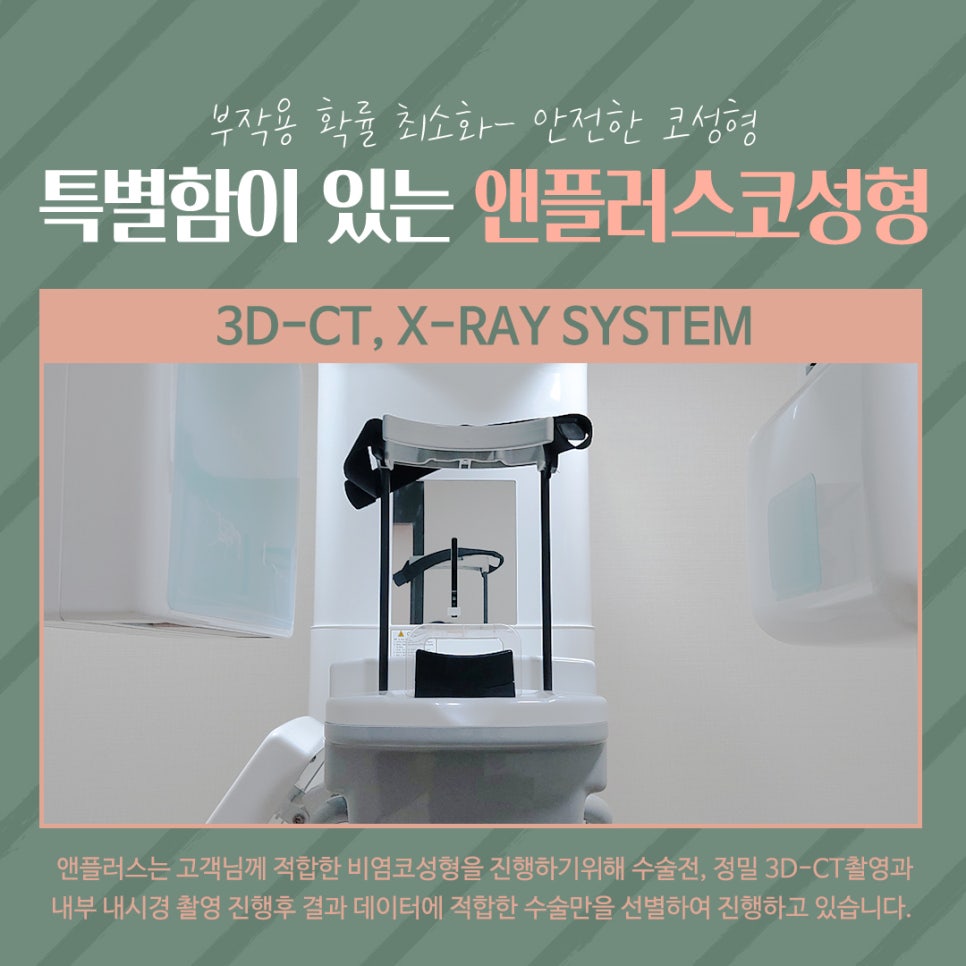
At Oziko Plastic Surgery and N Plus, to ensure satisfying autologous cartilage rhinoplasty, we accurately assess the condition inside the nose, including the state of the nasal bone, whether cartilage is present, the location of the cartilage, and any internal functional issues, through preoperative 3D-CT scans and internal endoscopic imaging. We then establish and carry out a surgical plan based on the extracted data.
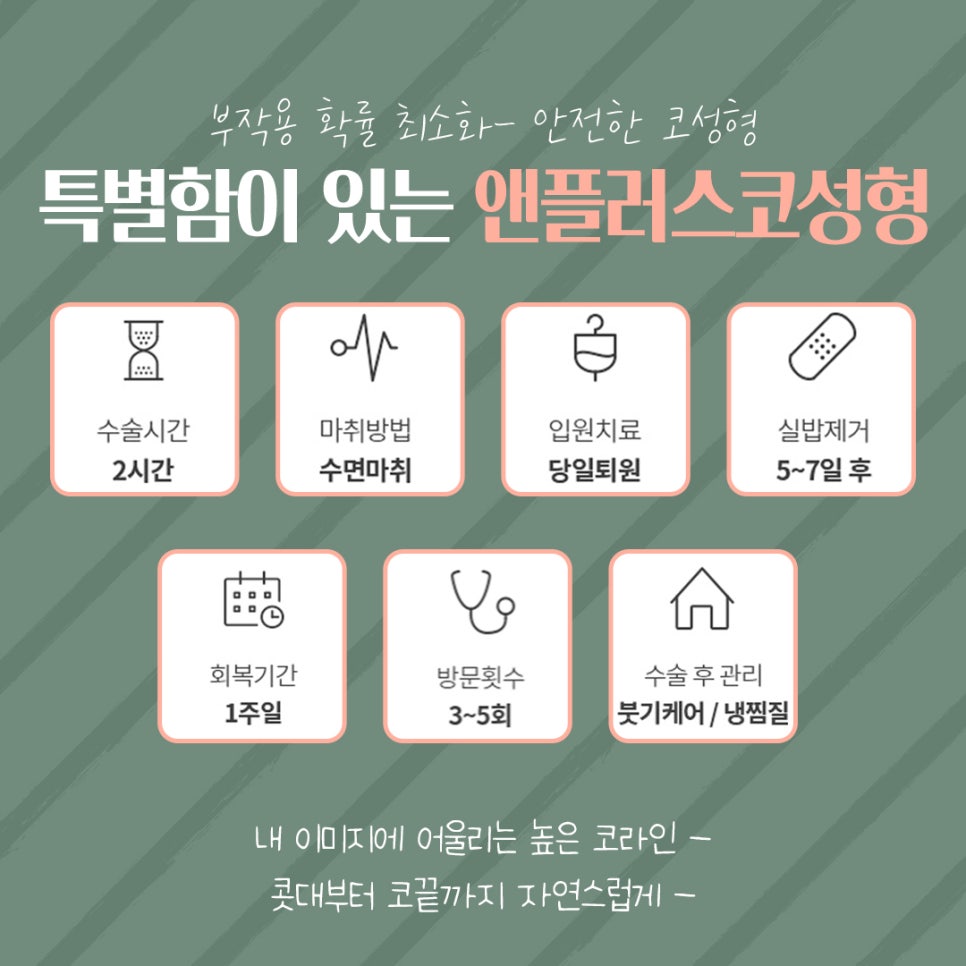
As for the surgical methods for autologous cartilage rhinoplasty, the bridge of the nose is usually corrected with silicone and the tip of the nose with autologous cartilage. Depending on the individual's condition, N Plus broadly divides the procedure into three methods.
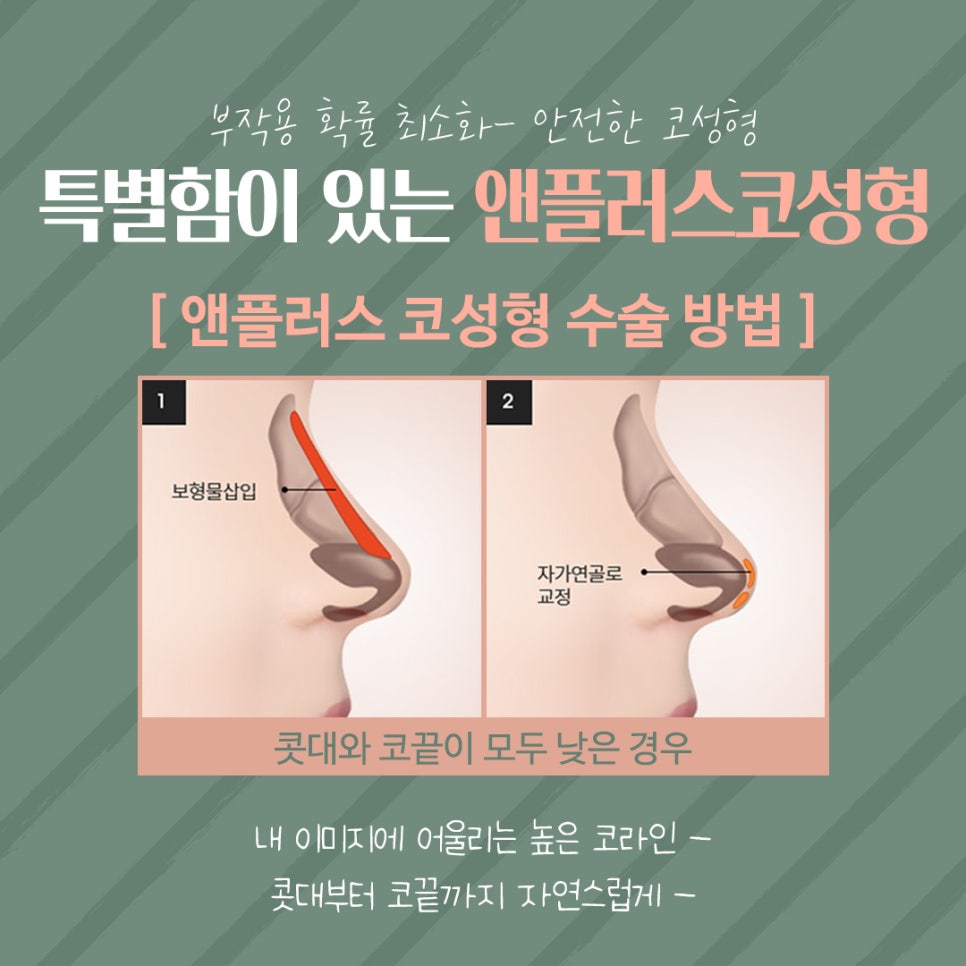
First, when both the nasal bridge and the nose tip are low, the bridge is augmented with an implant and the tip is corrected using autologous cartilage.
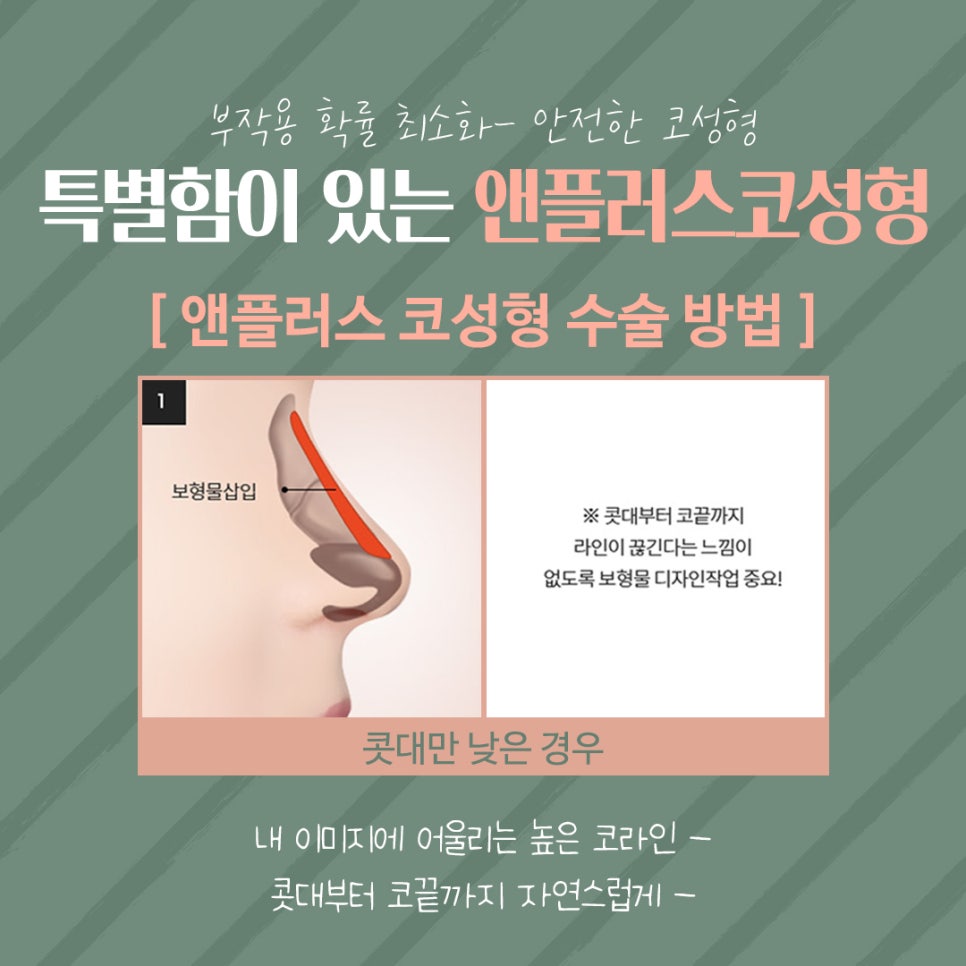
Second, when only the nasal bridge is low, after inserting a bridge implant, the implant is delicately trimmed and used so that there is no feeling that the line breaks at the nose tip.
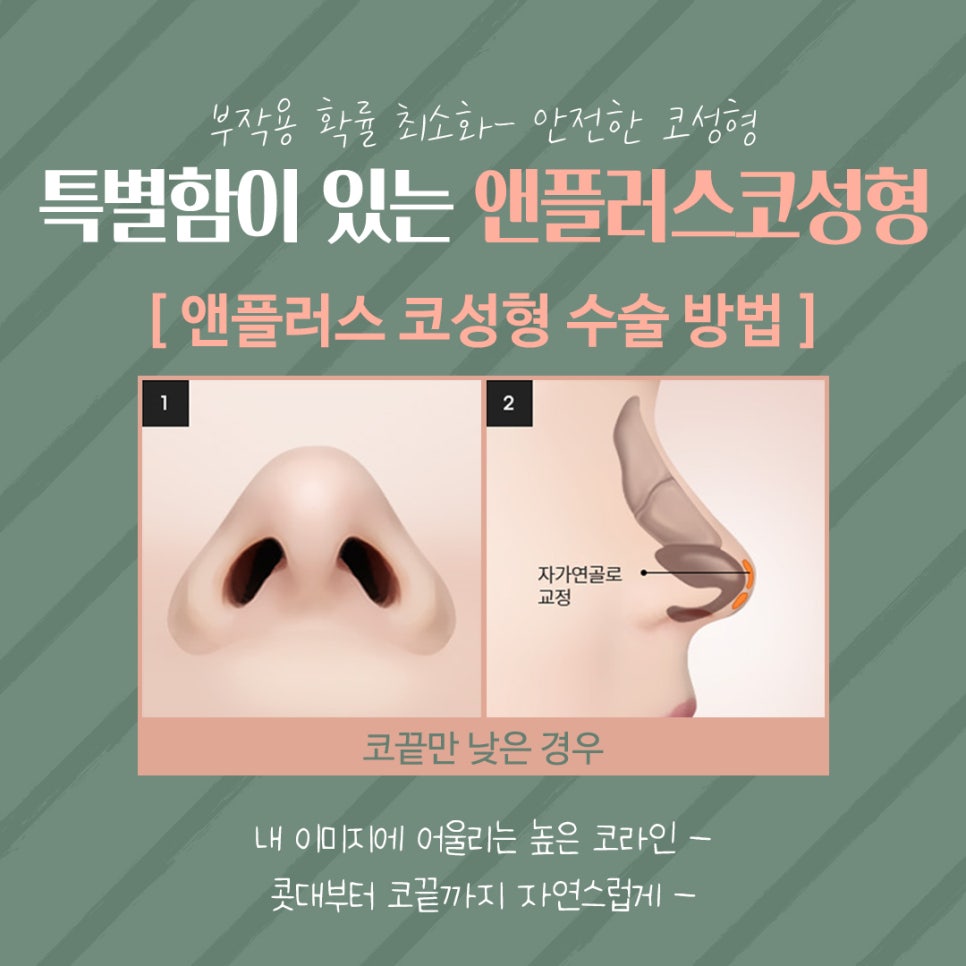
Lastly, when only the nose tip is low, tip correction is performed using autologous cartilage.
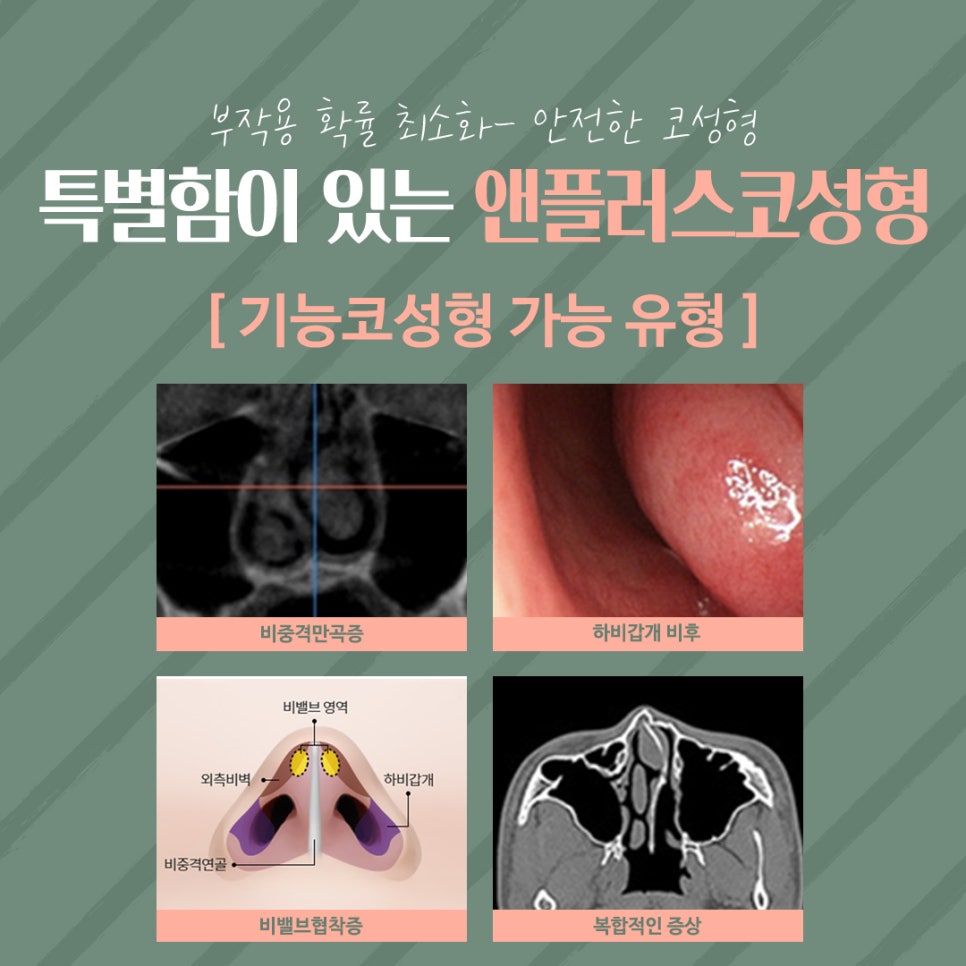
As such, autologous cartilage rhinoplasty is broadly classified into three methods. In addition, if functional nose surgery is performed due to internal functional problems, this usually refers to nasal congestion caused by rhinitis. In such cases, surgery is first performed with an emphasis on improving function, followed by cosmetic rhinoplasty.
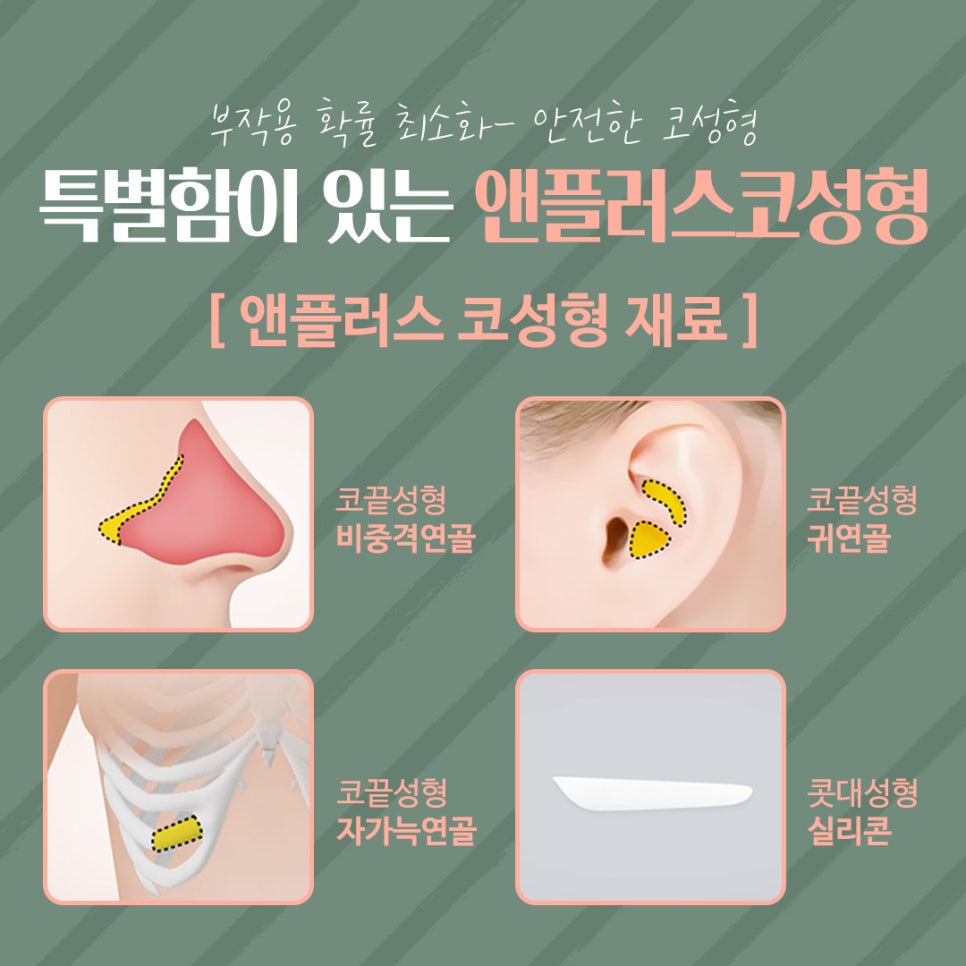
When it comes to the materials used for autologous cartilage rhinoplasty, in a typical rhinoplasty the bridge is corrected with silicone and the tip is corrected using autologous cartilage. Autologous cartilage includes septal cartilage, ear cartilage, and rib cartilage. During preoperative examination using equipment, the surgical material is selected to suit the individual.

In the case of implants used for autologous cartilage rhinoplasty, we do not use commercial implants as they are. Instead, we carefully trim them by hand to match the overall image of the individual, taking into account the width, length, and breadth of the nasal bridge, and then insert the custom-designed implant.

At Oziko Plastic Surgery and N Plus, to ensure satisfying autologous cartilage rhinoplasty, Director Yoon Hyun-cheol personally handles every step one-on-one, from consultation for autologous cartilage rhinoplasty to surgical planning, the procedure itself, treatment, and follow-up care.

The aftercare provided for one year after surgery includes issuance of an N Plus membership card, and not only a free A/S system but also a surgical responsibility guarantee system to prepare for all possible situations such as postoperative pain, inflammation, or dissatisfaction with the shape.
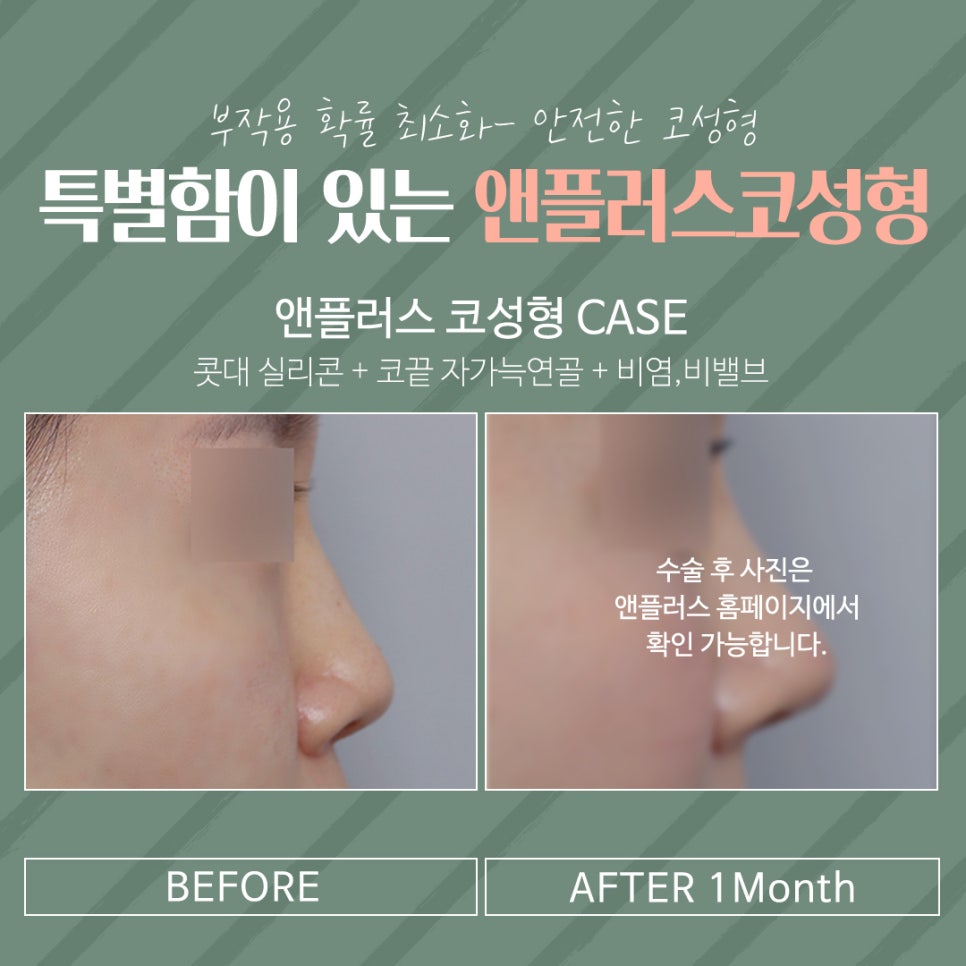
(This is a before-and-after photo of autologous cartilage rhinoplasty at Oziko Plastic Surgery and N Plus.)
That concludes our information on autologous cartilage rhinoplasty at Oziko Plastic Surgery and N Plus. We hope this article has been very helpful for those currently considering rhinoplasty because they are unhappy with the shape of their nose. Thank you.