
Hello. We are Oji KO Hospital & Plus, where we have spent 16 years focusing only on your healthy and beautiful nose.
Today’s topic is rhinoplasty with rhinitis surgery.
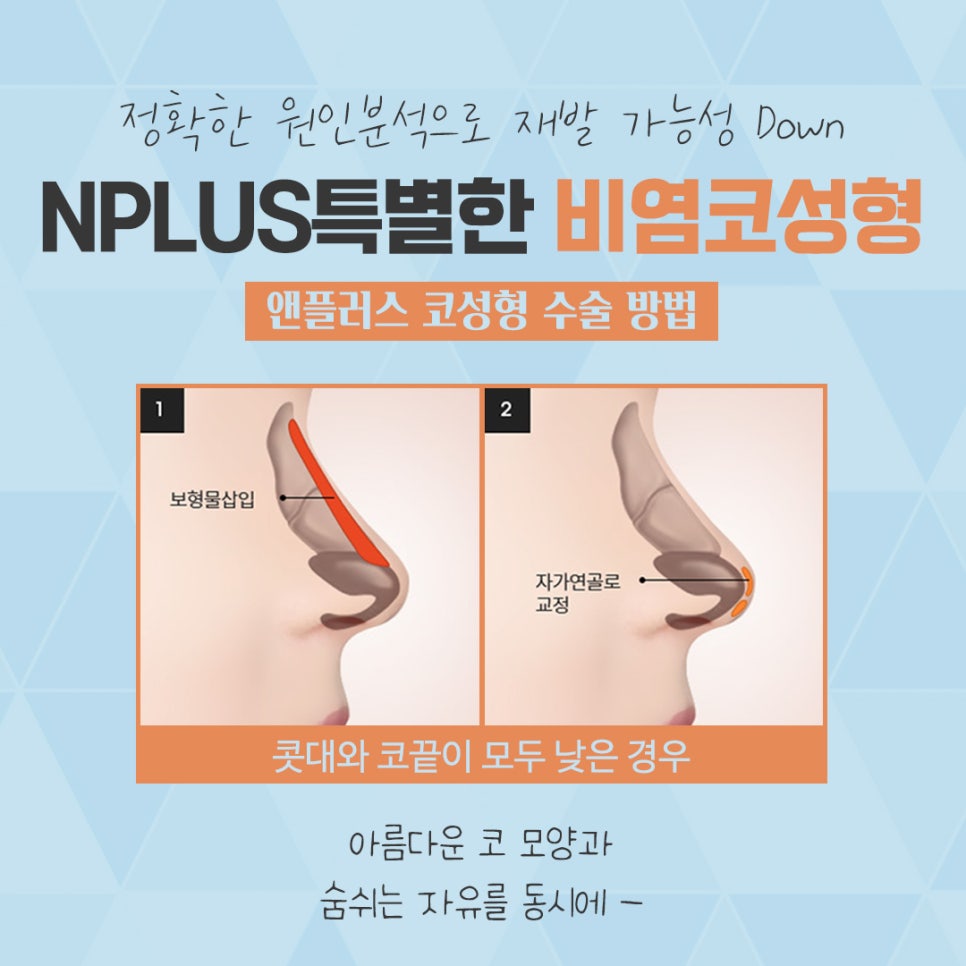
When people think of rhinoplasty, they usually imagine a high, smooth nose line. The nose is located at the center of the face and is also the most three-dimensional part, so it is the area that naturally draws attention first. That is why, when the nose is crooked, has a hump, is low, or droops, people often search for rhinoplasty as a way to improve their appearance.

As mentioned above, the nose plays a major role in appearance, but it also has an important functional role in breathing and smell. Because of that, it is the right approach to accurately check the condition of your nose before proceeding with surgery, so it is better to make a more careful choice.

One symptom that can be functionally improved through rhinoplasty is nasal congestion caused by rhinitis. When nasal congestion appears, people often suspect a cold or allergic rhinitis and let it pass lightly, but if the symptoms are left untreated, chronic rhinitis can develop, so it is important to check the condition of the nose.
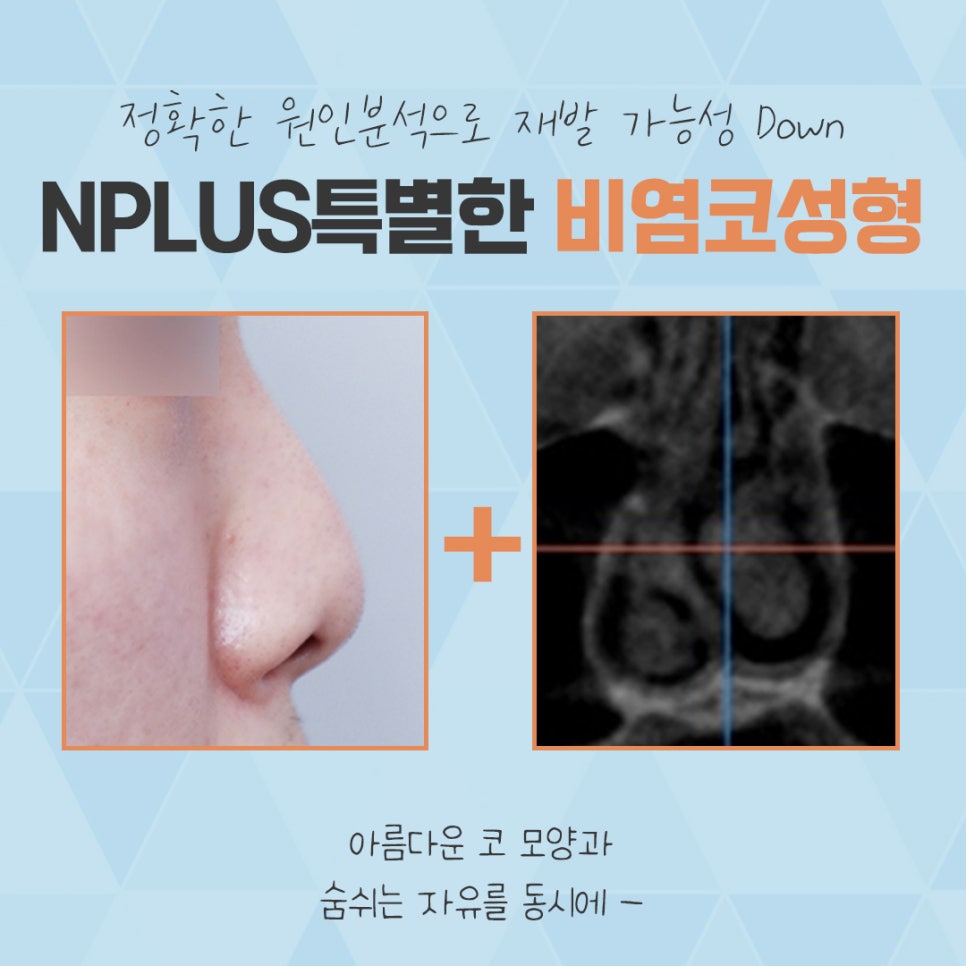
However, rhinitis is a common condition affecting more than 70% of adults in Korea. About 20% is allergic rhinitis, and 80% is structural rhinitis caused by abnormalities in the internal structure. Structural rhinitis includes a deviated septum, inferior turbinate hypertrophy, and nasal valve stenosis. In the case of allergic rhinitis, it is caused by specific substances or weather conditions, so it is difficult to cure completely. Symptom relief can be expected through steady immune improvement and medication treatment. In the case of structural rhinitis, because it is caused by an internal structural abnormality, a cure is possible through surgery. Since many people experience significant inconvenience in daily life due to nasal congestion caused by rhinitis, interest in rhinoplasty with rhinitis surgery has grown.
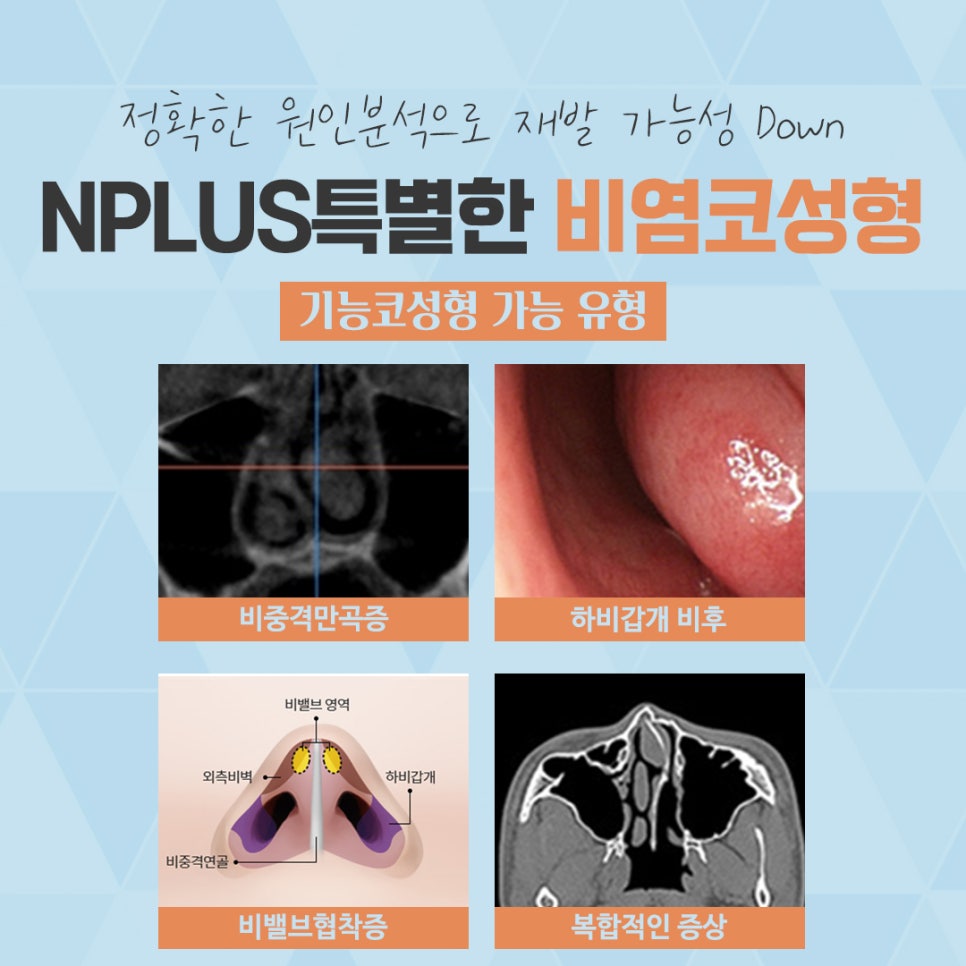
Rhinoplasty with rhinitis surgery is a procedure that simultaneously improves nasal congestion symptoms caused by rhinitis—such as a deviated septum, nasal valve stenosis, and inferior turbinate hypertrophy—through surgery, while also performing cosmetic rhinoplasty to improve the nose shape that may have been unsatisfactory. For that reason, it can be considered a more satisfying procedure than general rhinoplasty.
That is why it is necessary to accurately identify the various symptoms and causes in order to resolve them. With nasal congestion alone, as explained above, it is difficult to tell by appearance alone whether it is a cold or allergic rhinitis. Therefore, to identify the cause, it is better to carefully and thoroughly check whether the inside of the nose can be examined through various devices, whether the medical staff have a high level of anatomical knowledge of the nose, and whether the clinic has extensive surgical experience. Doing so can help make rhinoplasty with rhinitis surgery a more satisfying procedure.
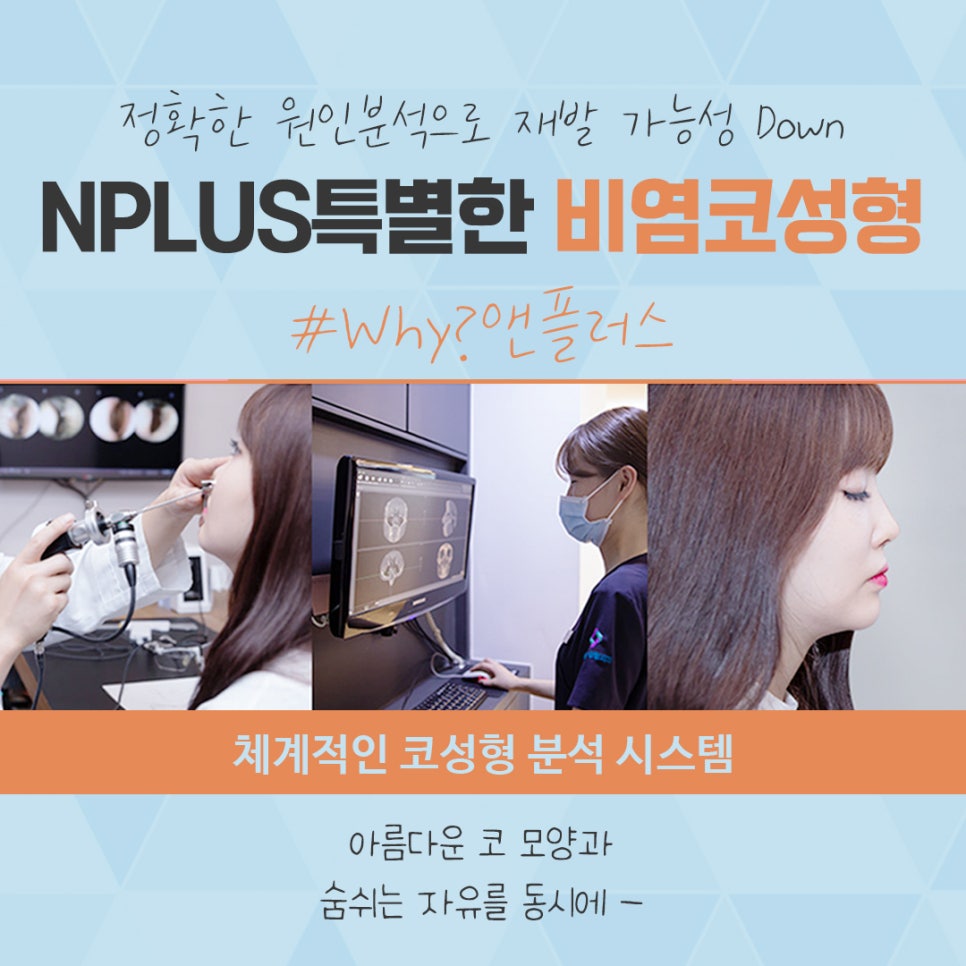
At Oji KO Hospital & Plus, to ensure a satisfying rhinoplasty with rhinitis surgery, we conduct various allergy tests, 3D-CT scans, and internal endoscopic examinations before surgery to assess the inside of the nose, the position of the nasal bones, and the presence of cartilage. We then perform rhinoplasty with rhinitis surgery using a surgical method suited to each individual.
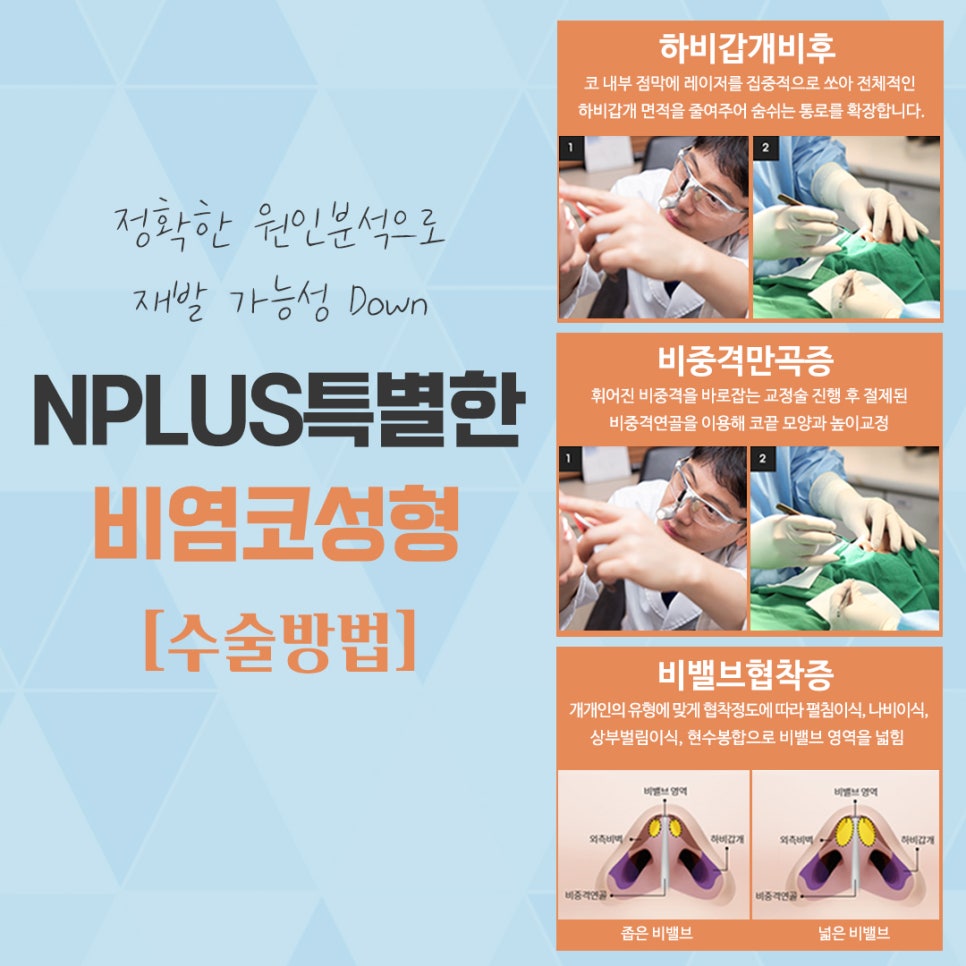
For rhinoplasty with rhinitis surgery, different surgical methods are applied depending on the cause of nasal congestion. In the case of a deviated septum, the bent septum is corrected. For inferior turbinate hypertrophy, the enlarged inferior turbinate is corrected using a laser. For nasal valve stenosis, correction is performed using one of four methods suited to the individual. In this way, rhinoplasty with rhinitis surgery is a procedure that widens the airway through the nose according to the cause of the individual’s nasal congestion, allowing airflow to move smoothly. After this functional nasal surgery is performed first, cosmetic rhinoplasty is carried out using silicone for the bridge and autologous cartilage for the tip.
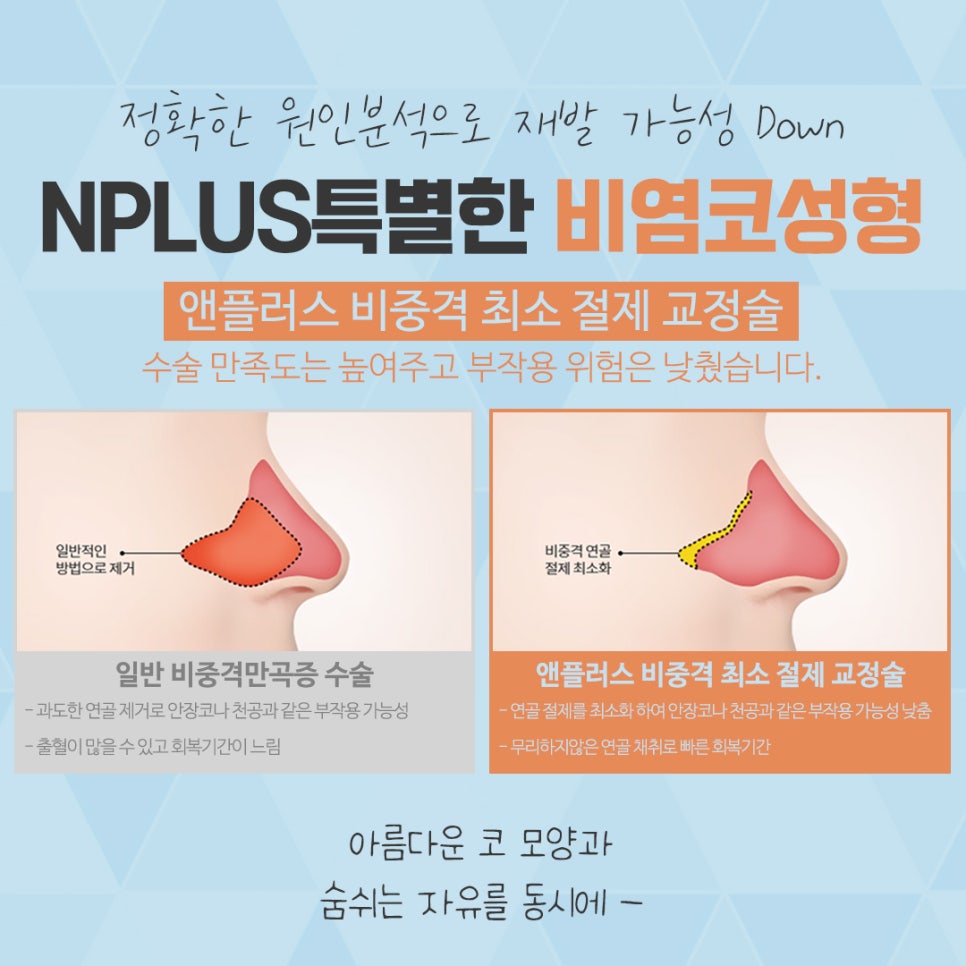
Also, when functional nasal surgery is performed first, septal cartilage is removed in order to straighten the deviated septum. In this case, the remaining septum can be used for cosmetic rhinoplasty, so in rhinoplasty with rhinitis surgery, both functional correction and shape improvement can be performed at the same time, making it a highly satisfying procedure.
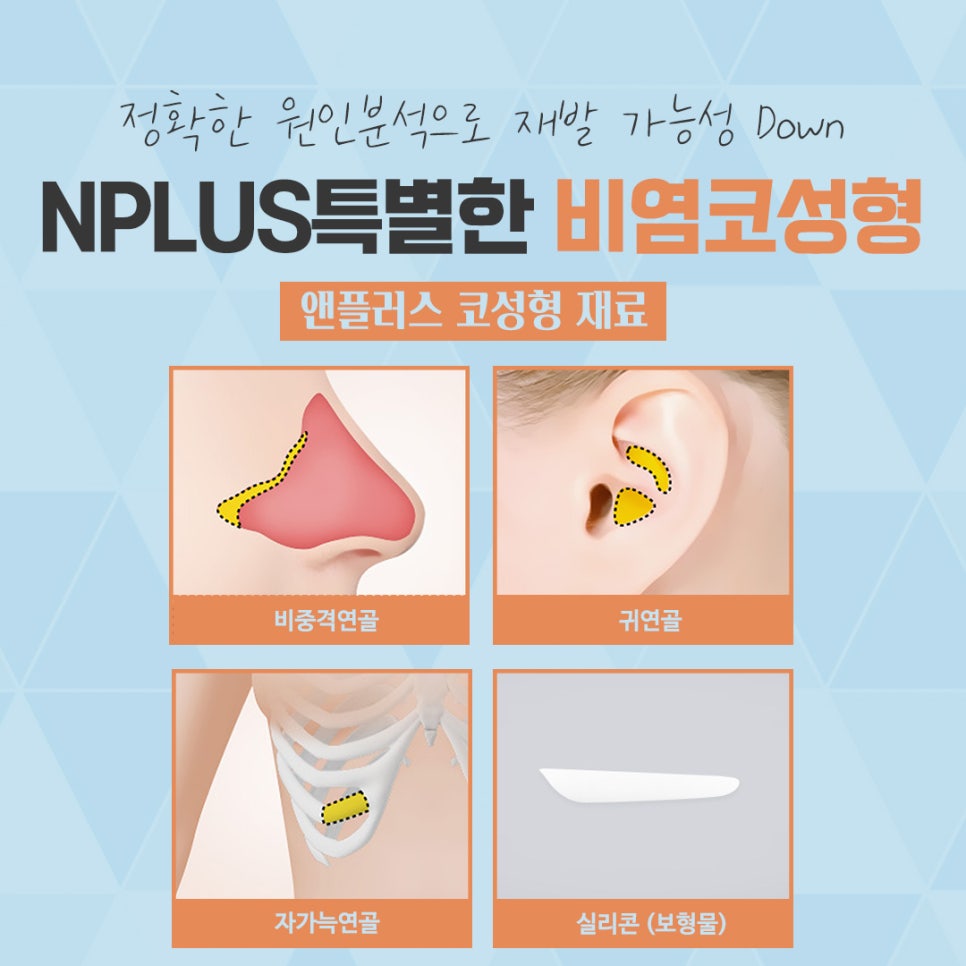
As for materials used in rhinoplasty with rhinitis surgery, when the bridge is made with silicone and the tip with autologous cartilage, the autologous cartilage used may include septal cartilage, ear cartilage, or autologous rib cartilage. Before surgery, preoperative testing is performed to select the material that best suits the individual.

In addition, at Oji KO Hospital & Plus, the silicone inserted into the bridge of the nose is not simply used as a pre-manufactured product. Instead, after carefully tailoring it by hand while considering the individual’s overall appearance as well as the bridge width, length, and breadth, we use silicone that has been custom-designed.
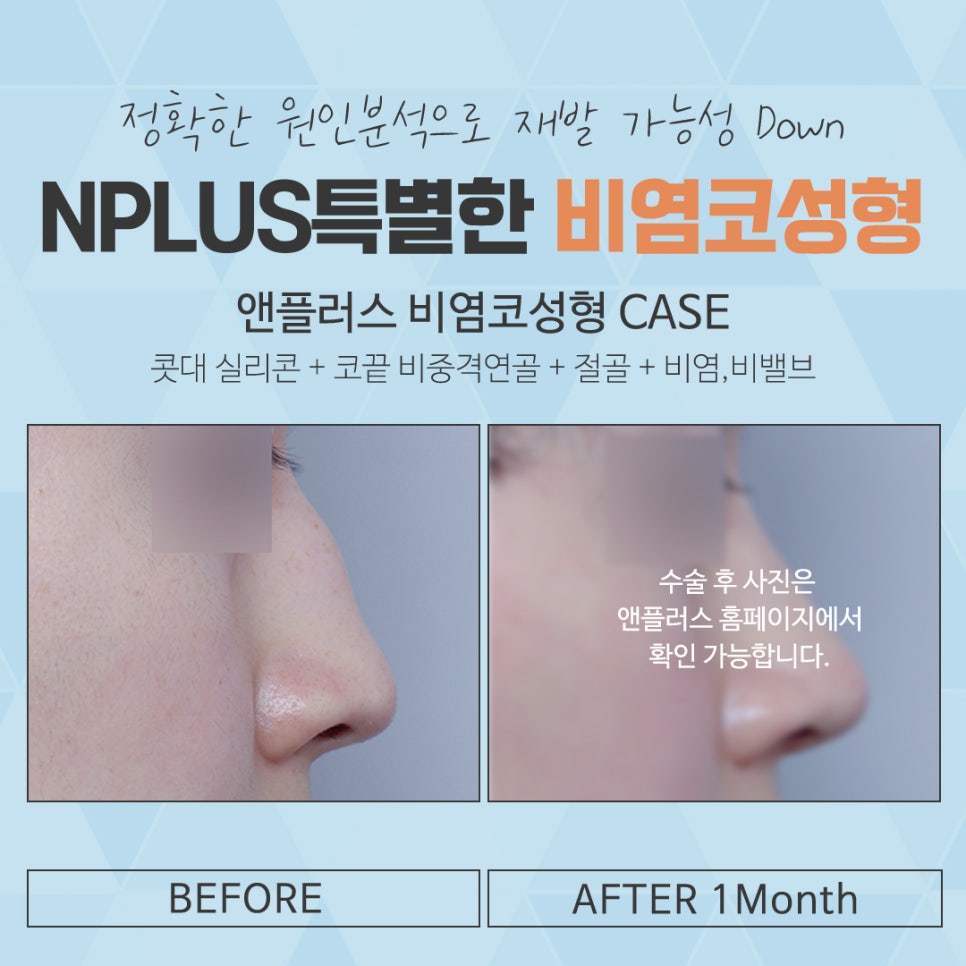
(The image above shows actual before-and-after photos of rhinoplasty with rhinitis surgery performed at Oji KO Hospital & Plus.)
As such, in the case of rhinoplasty with rhinitis surgery, the surgical method and materials differ depending on the individual’s condition, so it is important to accurately check the condition of the nose before proceeding. If surgery is performed with a cosmetic approach only, excluding functional aspects, nasal congestion symptoms may recur or even develop, so even if there are no symptoms, it is essential to accurately check the internal condition of the nose before proceeding in order to help prevent revision surgery.

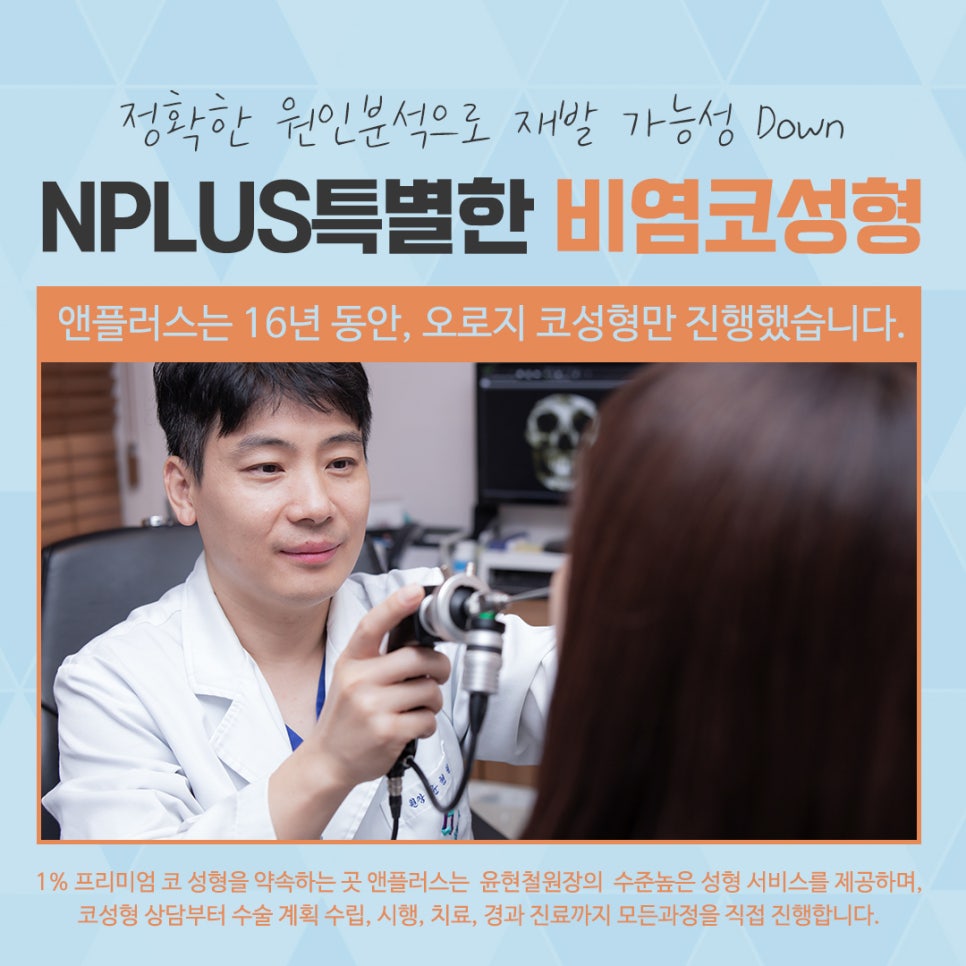
At Oji KO Hospital & Plus, to ensure a satisfying rhinoplasty with rhinitis surgery, Director Yoon Hyun-cheol personally oversees all processes one-on-one, from consultation and surgical planning to the procedure, treatment, and follow-up care. In addition, by issuing an Plus Membership Card, we provide a warranty service guaranteed for one year after surgery and operate a surgical responsibility guarantee system to prepare for all possible situations, including postoperative pain, inflammation, and dissatisfaction with appearance. Those who hold an Plus Membership Card can receive reliable aftercare benefits at any time.

This concludes the information about rhinoplasty with rhinitis surgery at Oji KO Hospital & Plus. I hope this post is helpful to those who are struggling with daily life because of nasal congestion caused by rhinitis, or those who are considering rhinoplasty because they are unhappy with the shape of their nose. Thank you.