
Hello. We are Ojiko Hospital and N Plus Clinic, where we think only about your healthy and beautiful nose.
The content introduced this time is a nose surgery review of correction into a straight-humped, straight-half-moon line.

Recently, many people can be said to think of plastic surgery as the best choice as a way to make themselves look more appealing. Among these, the most commonly attempted procedure is rhinoplasty, which changes the impression of the face the most. The nose is located at the center of the face and is the most three-dimensional feature, so even a slight change can make a significant improvement. Likewise, if the nose is slightly crooked or low, attention is drawn to it, and many people who consider it a complex and want improvement show a high level of interest in nose surgery reviews.

When we think about rhinoplasty, we often approach it from an aesthetic standpoint because of simple dissatisfaction with appearance. However, the nose plays an important external role and also serves internally for breathing and the sense of smell, so rather than approaching it simply with the idea of changing one’s appearance, it is important to accurately understand the condition of your nose and proceed with surgery that fits it.

If you look at nose surgery reviews, you can see that each person has concerns caused by different nose shapes. You can see cases in which people seek improvement for complexes such as a low nose, an upturned nose, a crooked nose, a dorsal hump, a drooping nose, or nasal congestion accompanied by rhinitis. Through rhinoplasty, you can also see cases where these types were improved into a straight-humped, straight-half-moon line nose shape.
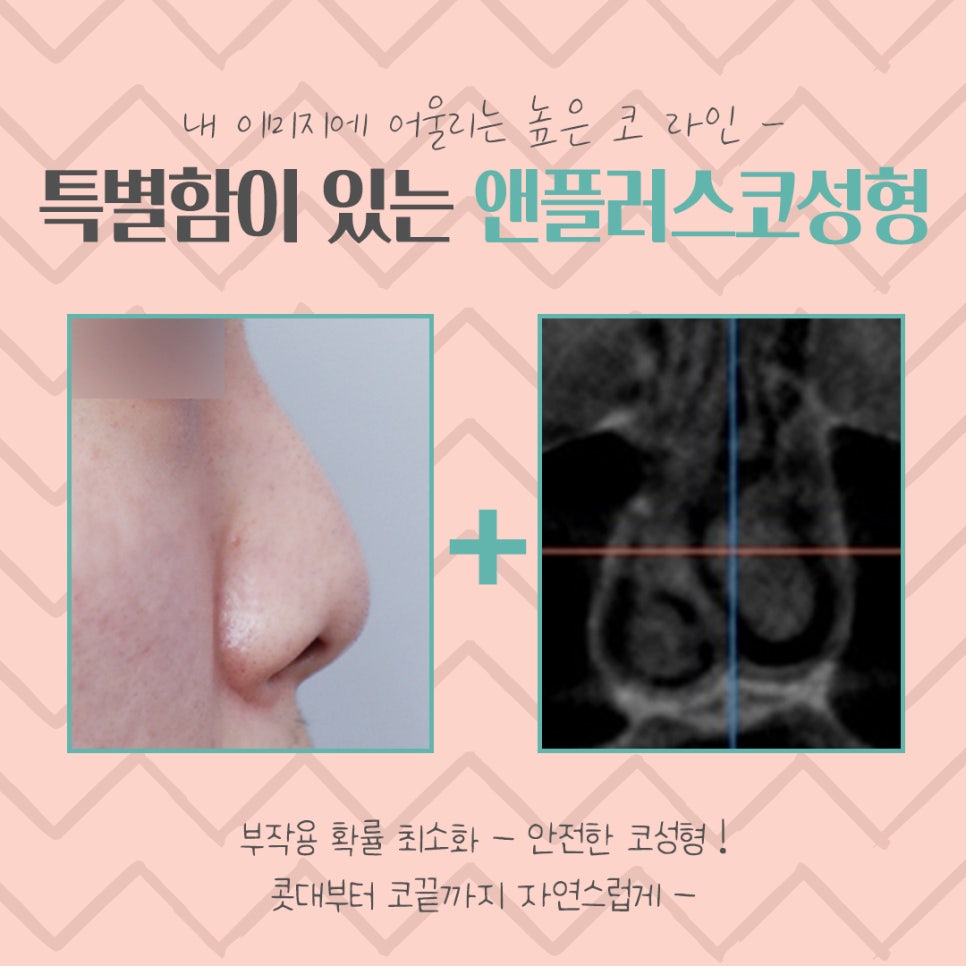
In addition, if you refer to the content of nose surgery reviews, you can see cases in which different surgical methods and different materials are used for each person, as well as cases in which functional surgery is added. The reason functional surgery is performed is that more than 70% of Korean adults have rhinitis, of which 20% is allergic rhinitis and the remaining 80% corresponds to structural rhinitis. The most representative symptom of rhinitis is nasal congestion. In the case of allergic rhinitis, because it is related to specific substances or seasons, a complete cure is difficult, and improvement can be expected through steady immune enhancement and medication. In the case of structural rhinitis, a cure can be expected through surgery. Because with rhinitis, it is difficult to tell by sight whether it is allergic or structural rhinitis based only on the symptom of nasal congestion, it is necessary to accurately check the condition through equipment.
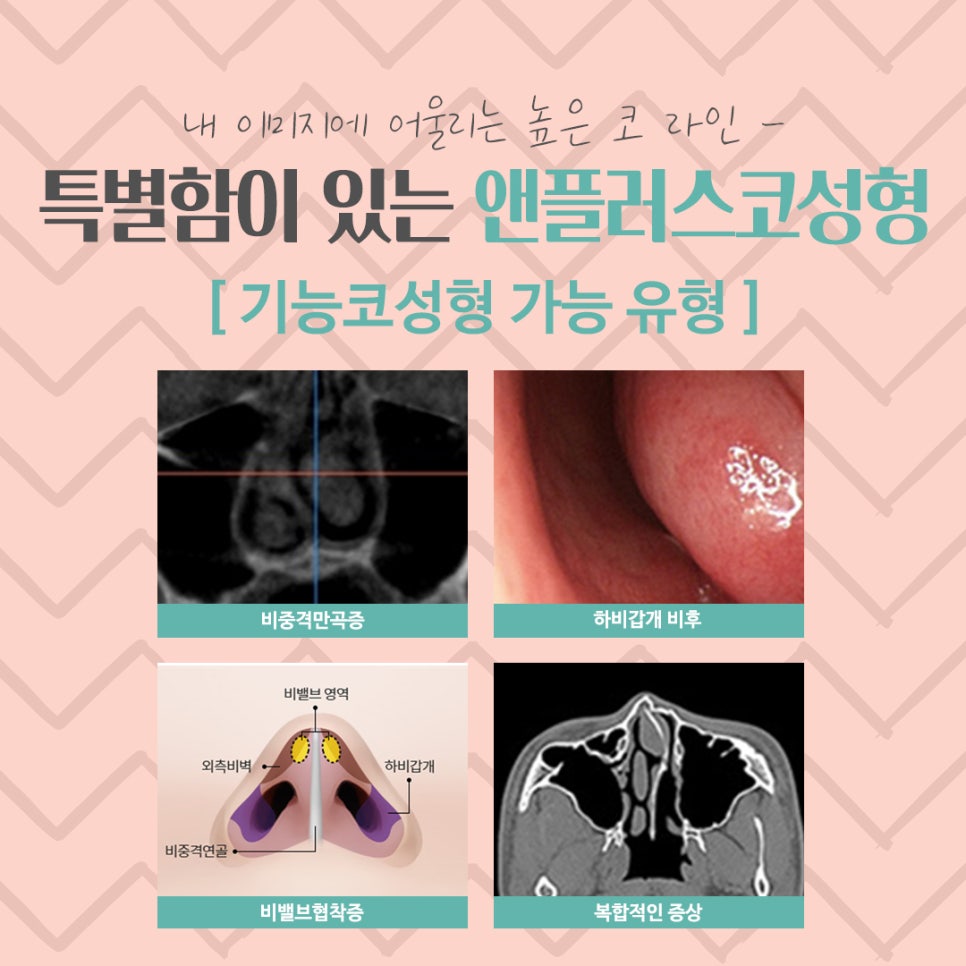
The causes of structural rhinitis include deviated septum, inferior turbinate hypertrophy, and nasal valve stenosis. These symptoms may occur alone, but they can also occur in combination. A deviated septum refers to a bent septum; the septum is the cartilage that acts as a partition dividing the nostrils in half. Inferior turbinate hypertrophy is a condition caused by enlargement of the soft tissue inside the nose, and nasal valve stenosis refers to narrowing and stenosis of the nasal valve, which serves as the roof of the nose. All three of these symptoms obstruct the flow of air entering through the nose and cause nasal congestion.
In this way, the nose plays an important aesthetic role, but its internal function must also be checked. If surgery is performed after checking only the aesthetic aspect, it can lead to reoperation due to postoperative functional problems. Therefore, while it is important to review nose surgery cases, we recommend that you make your choice only after checking whether equipment is available to assess your own nasal condition, whether the medical staff has a high level of anatomical knowledge of the nose, whether they have abundant surgical experience and career history, and whether postoperative care is carried out properly.
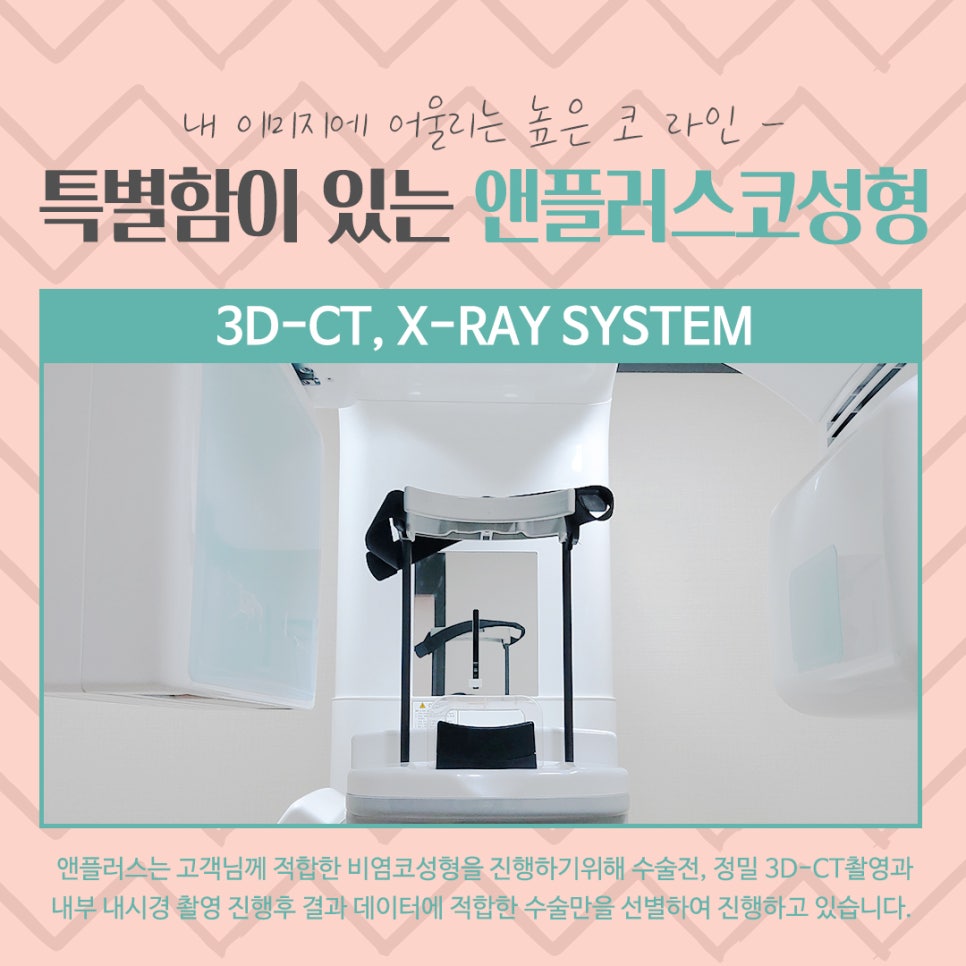
At Ojiko Hospital and N Plus Clinic, to ensure a satisfying nose surgery review with a straight-humped, straight-half-moon line, we accurately check the internal condition of the nose, the position of the nasal bones, the presence of cartilage, and the external condition of the nose through preoperative 3D-CT imaging and internal endoscopic imaging. After conducting expert consultations at least twice, we perform surgery tailored to each individual based on the data.

If you look at nose surgery reviews, the usual rhinoplasty method can be said to involve silicone for the bridge of the nose and autologous cartilage for the tip. Depending on the individual’s condition, surgery is broadly divided into cases where both the bridge and tip are low, cases where only the bridge is low, and cases where only the tip is low.
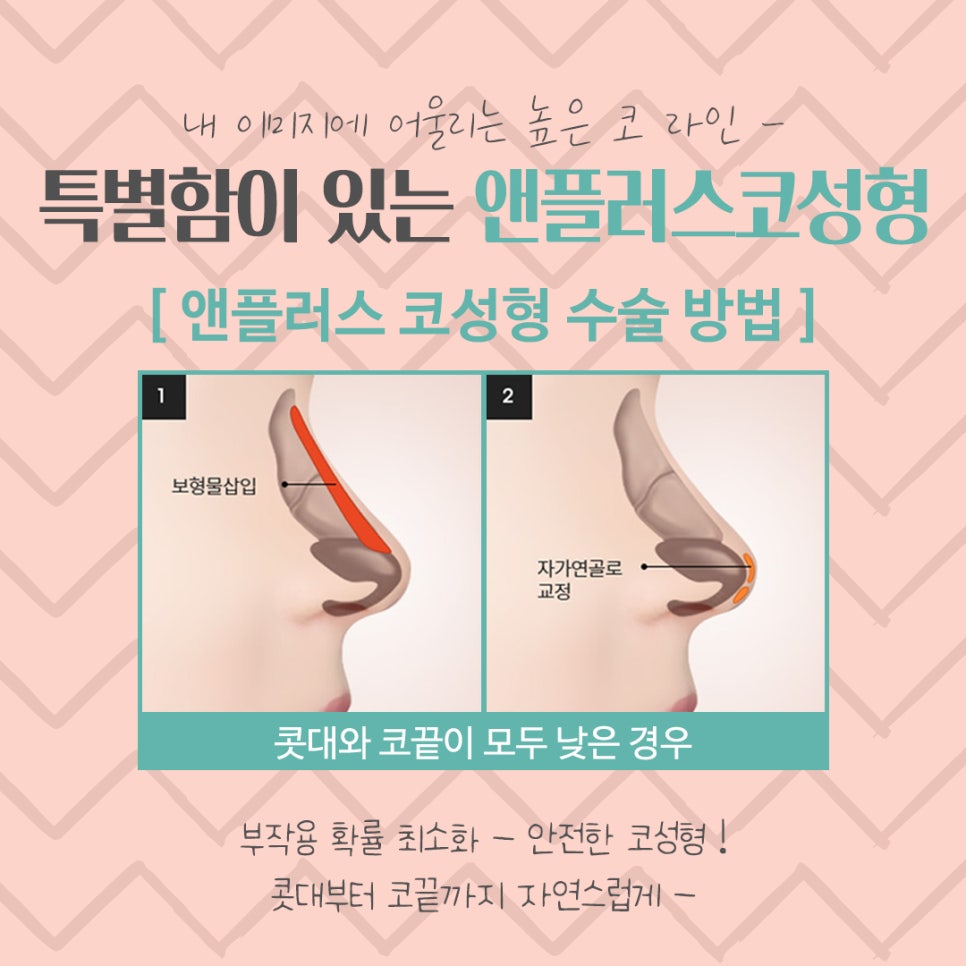
When both the bridge and the tip are low, the bridge is corrected with silicone insertion and the tip with autologous cartilage.
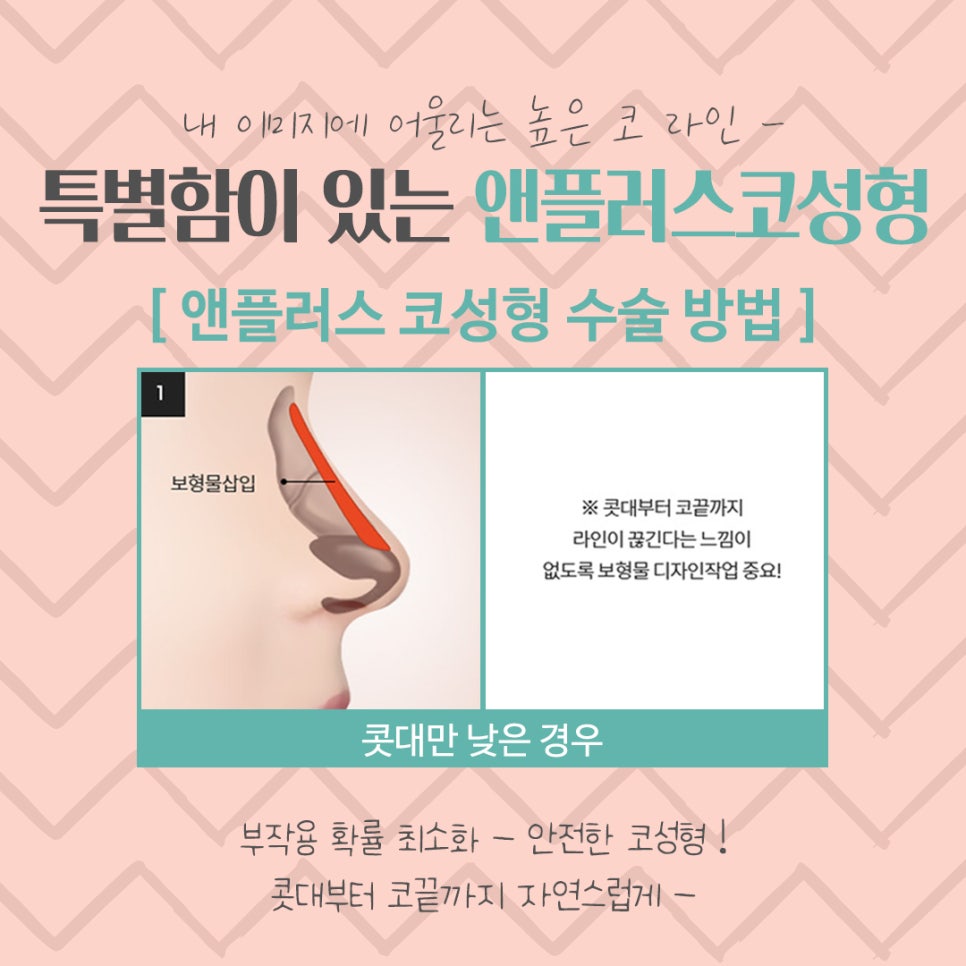
When only the bridge is low, silicone is inserted into the bridge to add volume and the line is designed so that it does not break between the bridge and the tip.
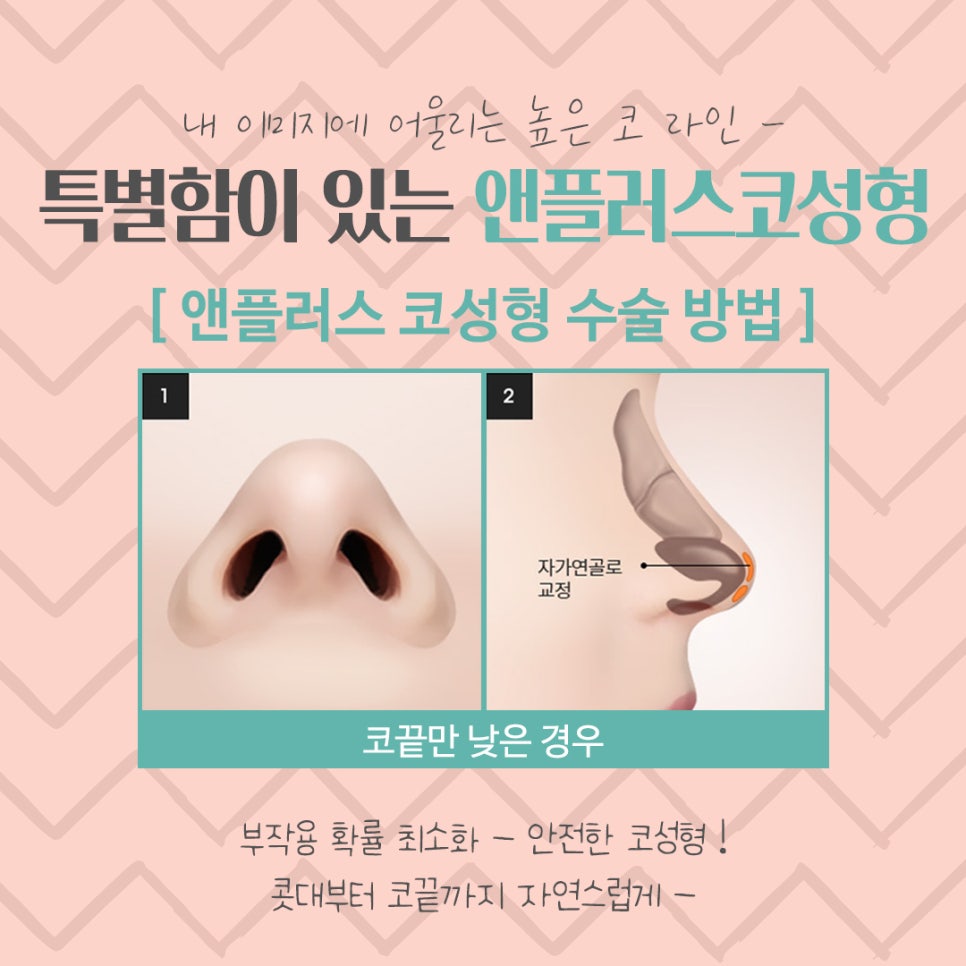
When only the tip is low, correction is performed using autologous cartilage at the tip, and the tip is designed so that the line does not break from the bridge.
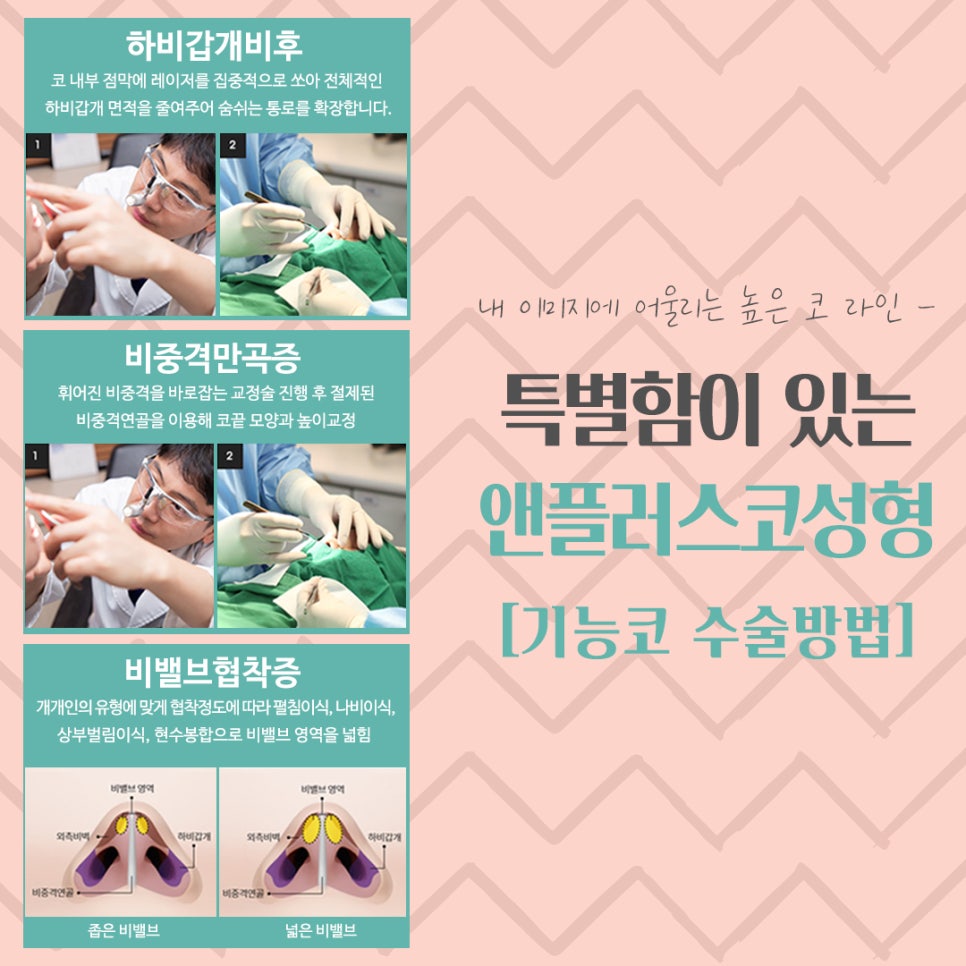
As such, the surgical method and materials for the nose can vary depending on the current condition of the nose. If there is a functional problem, surgery for conditions such as a deviated septum, inferior turbinate hypertrophy, and nasal valve stenosis is performed first, and cosmetic rhinoplasty can be carried out after functional correction.
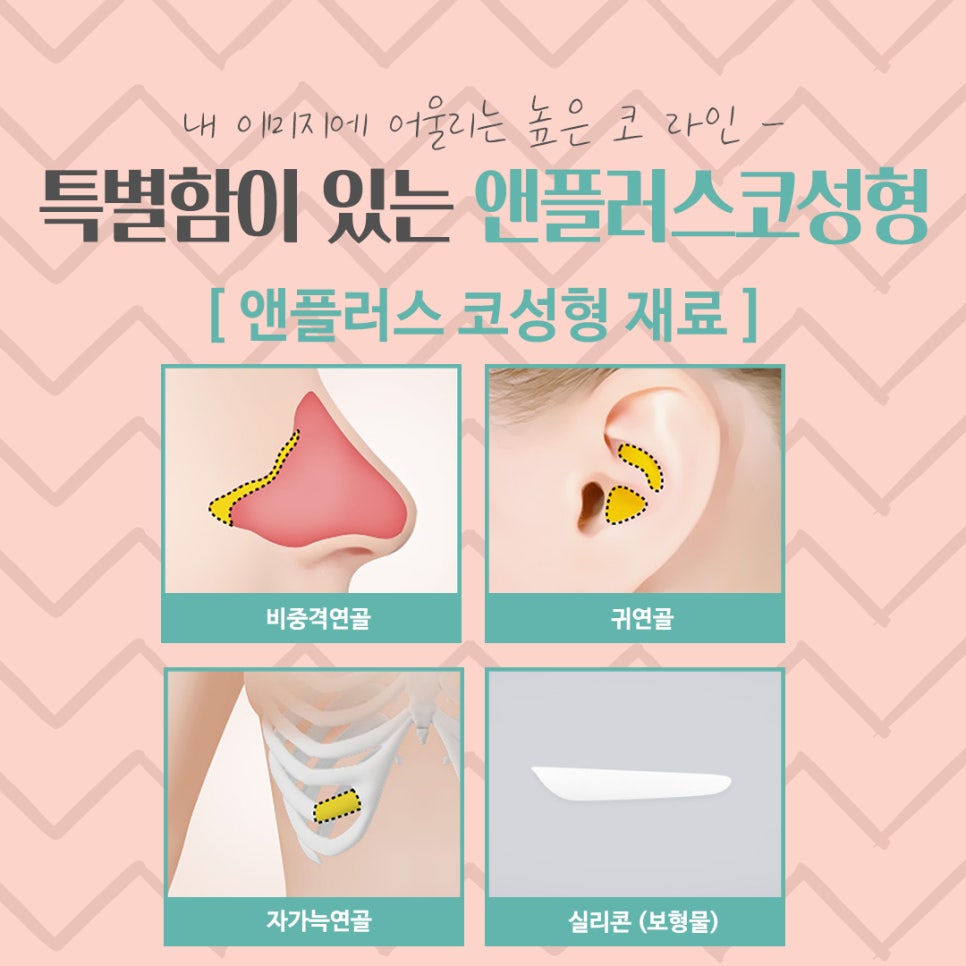
You can also see from nose surgery reviews that the surgical materials used for rhinoplasty are different for each person. As mentioned earlier, silicone is used for the bridge and autologous cartilage for the tip. The autologous cartilage used for the tip includes septal cartilage, ear cartilage, and autologous rib cartilage, and the material is selected based on preoperative examination and used for surgery according to the individual.
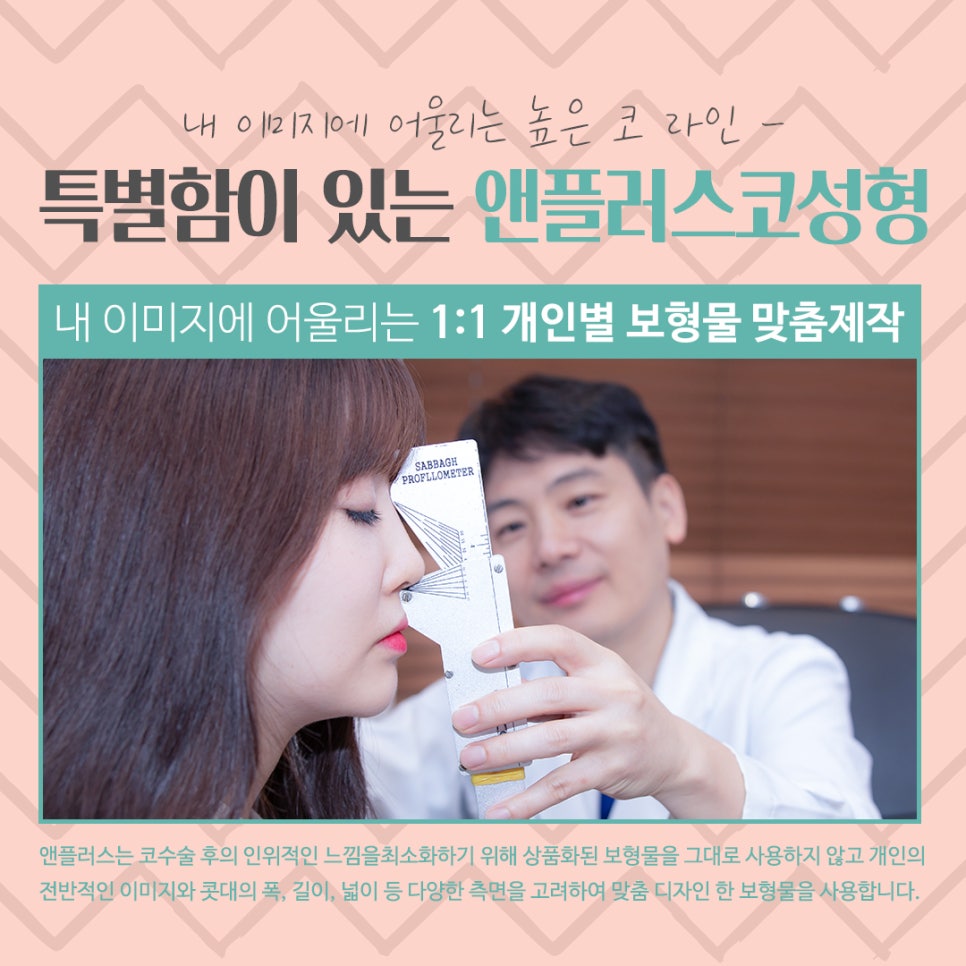
In the case of silicone used for the bridge, commercially available silicone is not used as-is. Instead, after considering various aspects such as the individual’s overall image and the width, length, and breadth of the bridge, we carefully shape it by hand and use a custom-designed silicone implant.

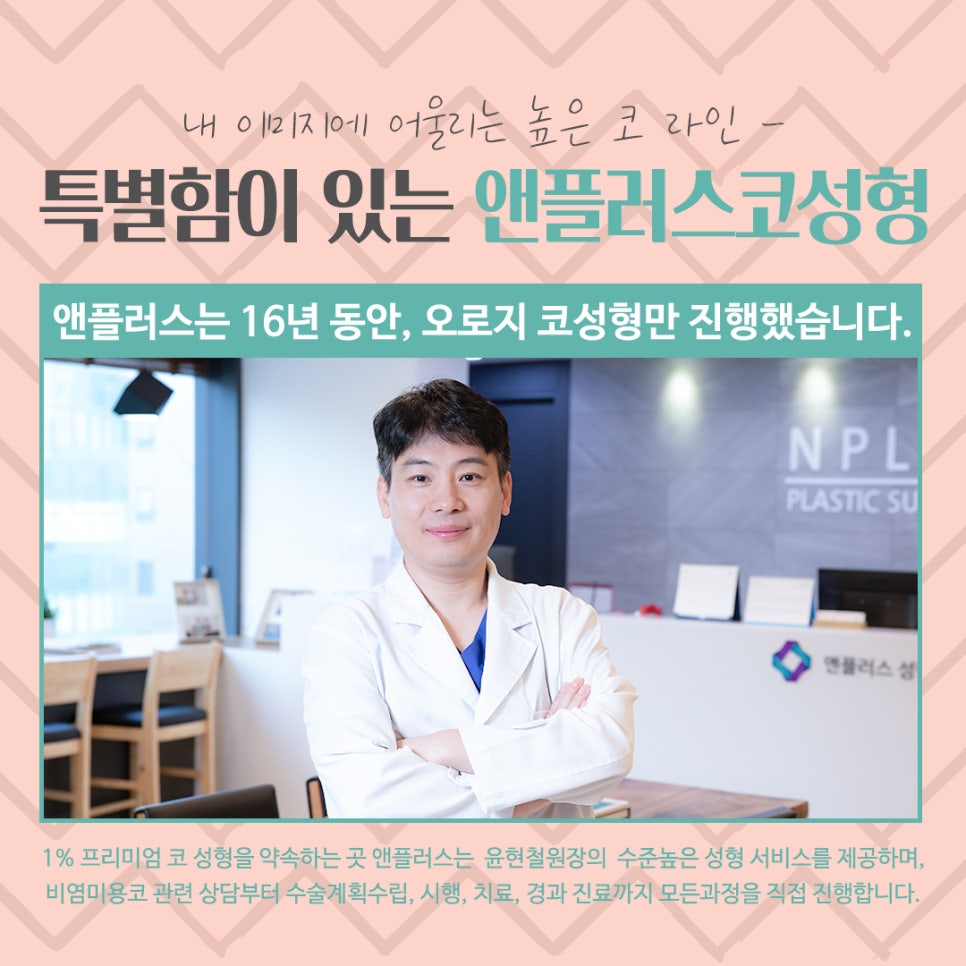
Therefore, at Ojiko Hospital and N Plus Clinic, we pursue satisfying nose surgery reviews, and Director Yoon Hyun-cheol personally handles all processes one-on-one, from consultation regarding rhinoplasty to establishing the surgical plan, performing the procedure, and follow-up treatment.

For postoperative care, we issue an N Plus Clinic membership card and provide an after-service system guaranteed for one year after surgery, along with a surgical responsibility guarantee system for any postoperative pain, inflammation, or dissatisfaction with the shape that may occur. This allows us to provide thorough aftercare and create an even more satisfying nose surgery review.
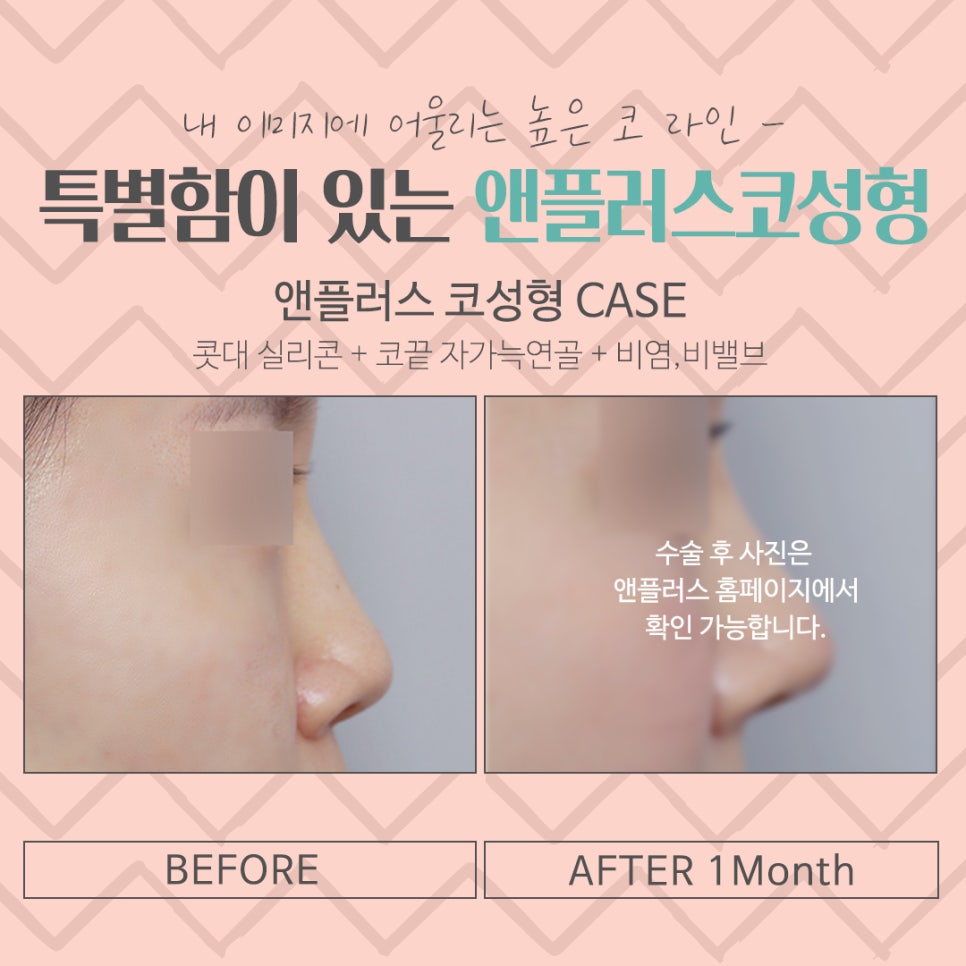
(The images above are before-and-after photos from an actual nose surgery review of correction into a straight-humped, straight-half-moon line at Ojiko Hospital and N Plus Clinic.)
That concludes the information we shared about a nose surgery review of correction into a straight-humped, straight-half-moon line at Ojiko Hospital and N Plus Clinic. We hope this article will be of great help to those who are considering rhinoplasty because they are stressed in daily life by a nose shape they do not like. Thank you.