
Hello. We are OjiKo N+Plus, a clinic that has spent the past 16 years thinking only about the freedom to breathe and a beautiful nose shape.
The topic introduced this time is related to rhinoplasty insurance.
The nose is located at the center of our face and is the part responsible for balancing our facial features, so even a small change in the nose can affect the overall impression. Therefore, when thinking about rhinoplasty, the focus is often on aesthetic changes to alter the external appearance of the nose. However, the nose is also the organ responsible for breathing and smelling. If there is a structural abnormality inside the nose, it can cause symptoms such as nasal congestion or a runny nose due to rhinitis. In such cases, surgery performed after looking into rhinoplasty insurance to improve these internal functional issues is called functional rhinoplasty.

Functional rhinoplasty is a procedure performed for rhinitis caused by problems in the internal structure of the nose. Rhinitis is a common condition that more than 70% of adults in Korea have, and it can be said that 20% is allergic rhinitis, while the remaining 80% is structural rhinitis caused by internal structural abnormalities. Typical symptoms include nasal congestion, and structural rhinitis caused by internal abnormalities includes deviated septum, inferior turbinate hypertrophy, and nasal valve stenosis. In the case of allergic rhinitis, it reacts to certain substances or weather, so it is difficult to cure completely. In the case of structural rhinitis, improvement is possible through surgery. Therefore, when you want to improve nasal congestion caused by such rhinitis, we recommend looking into both functional rhinoplasty and rhinoplasty insurance.
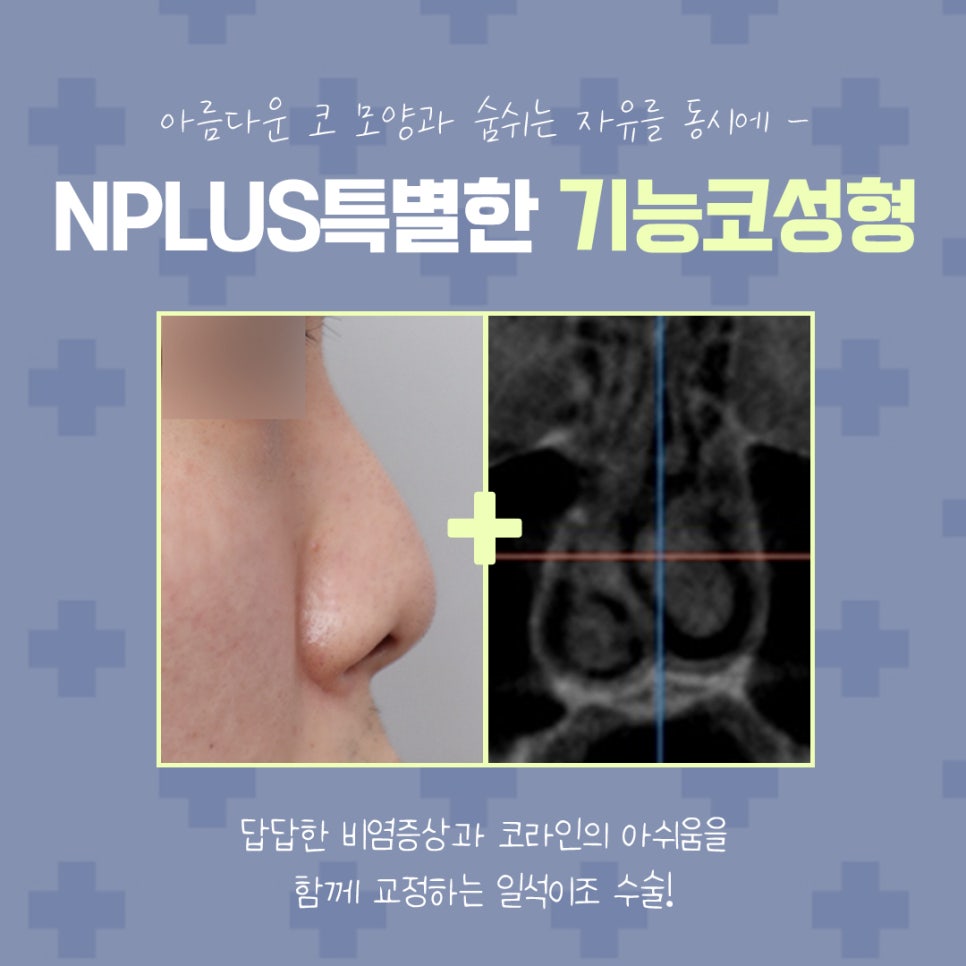
However, in the case of rhinitis, you cannot tell with the naked eye whether it is allergic rhinitis or structural rhinitis based on nasal congestion alone. As a result, people often mistake nasal congestion for allergic rhinitis or a cold and leave the symptoms untreated, allowing them to develop into chronic rhinitis. This has led to an increasing number of people complaining of headaches, migraines, reduced concentration, and chronic fatigue. Rhinitis is difficult to identify from such symptoms or outward appearance alone, but to check how much the inside of the nose is bent, whether there is nasal valve stenosis, and whether the inferior turbinates are enlarged, it is essential to accurately examine the inside of the nose using equipment before deciding on surgery and treatment, along with whether rhinoplasty insurance benefits apply. This can help prevent a second surgery from being performed.
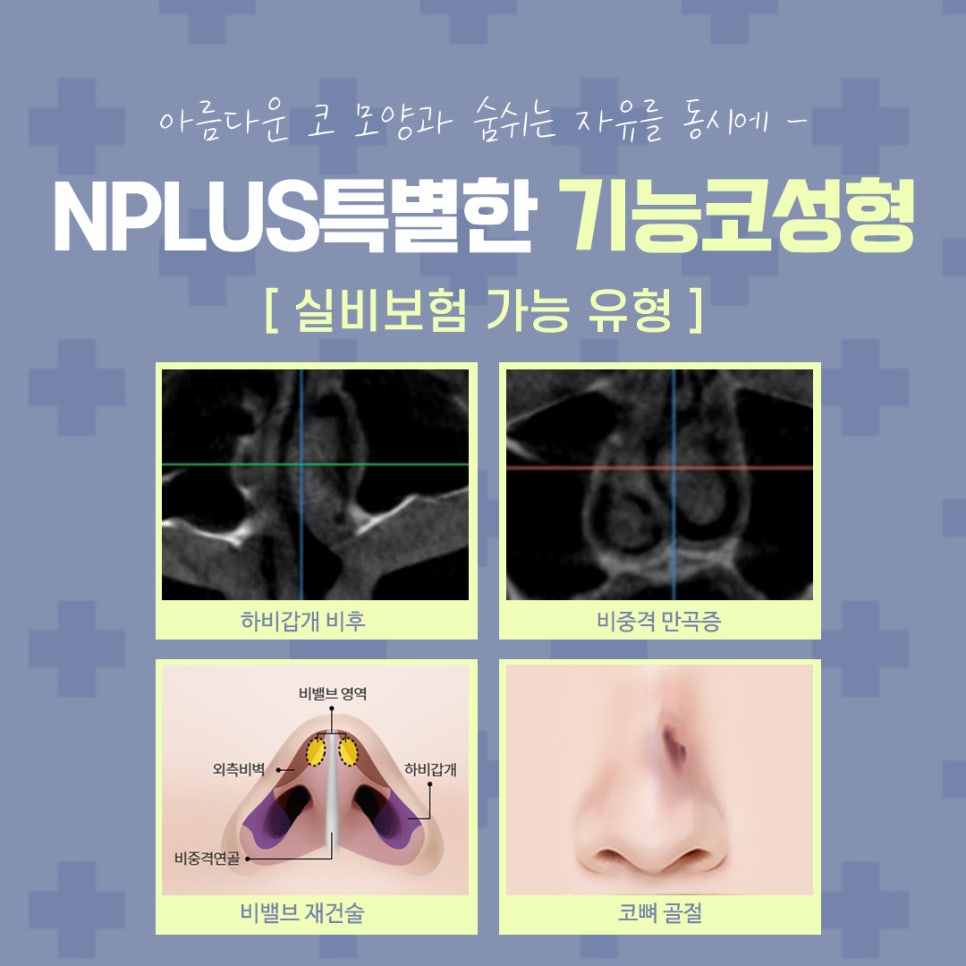
Once the surgical method and materials are determined through equipment-based examination, functional rhinoplasty is carried out through consultation. Cases that may be eligible for rhinoplasty insurance benefits include deviated septum, inferior turbinate hypertrophy, nasal valve stenosis, nasal bone fracture, and complex symptoms. Depending on whether rhinoplasty insurance benefits apply, you may also undergo cosmetic rhinoplasty at the same time to improve the shape of the nose that you have long been dissatisfied with.
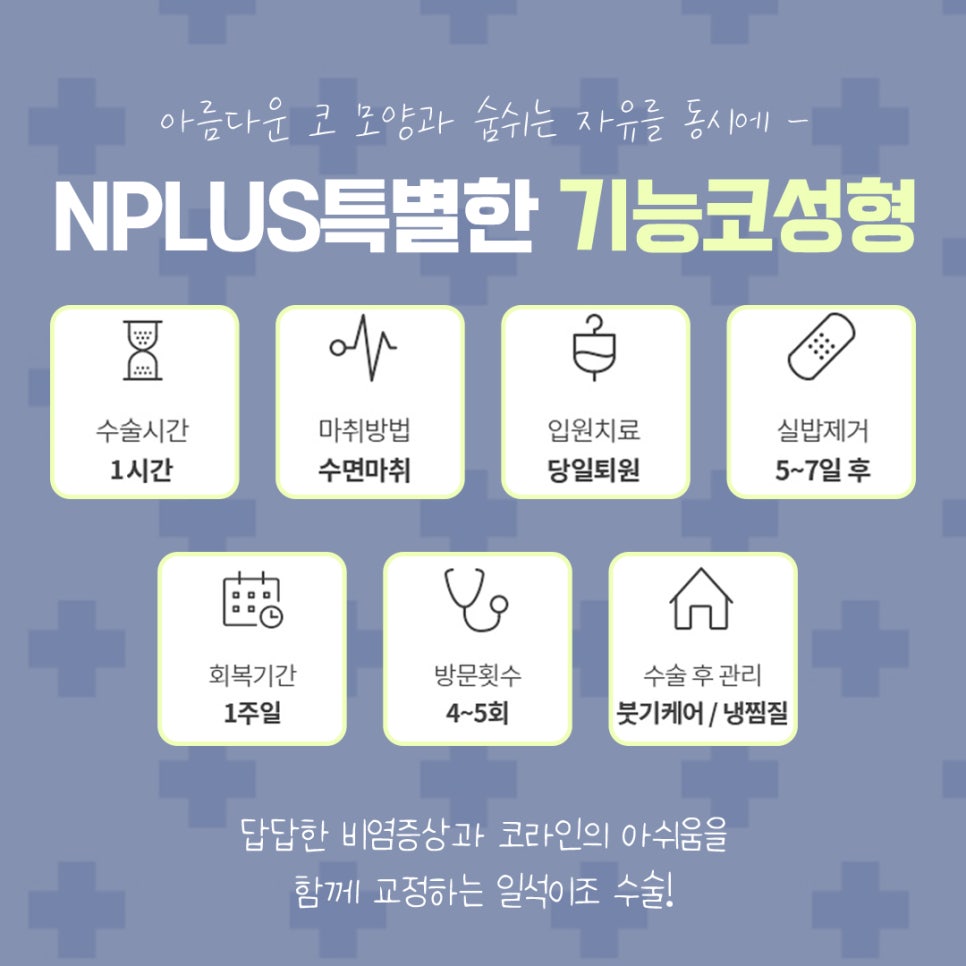
Therefore, because functional rhinoplasty is performed using two or more surgical methods, it is important to proceed only after carefully checking whether the medical team has sufficient anatomical knowledge of the nose and extensive experience and track record, whether equipment is in place to accurately assess the condition of your nose, and whether aftercare is clearly provided.
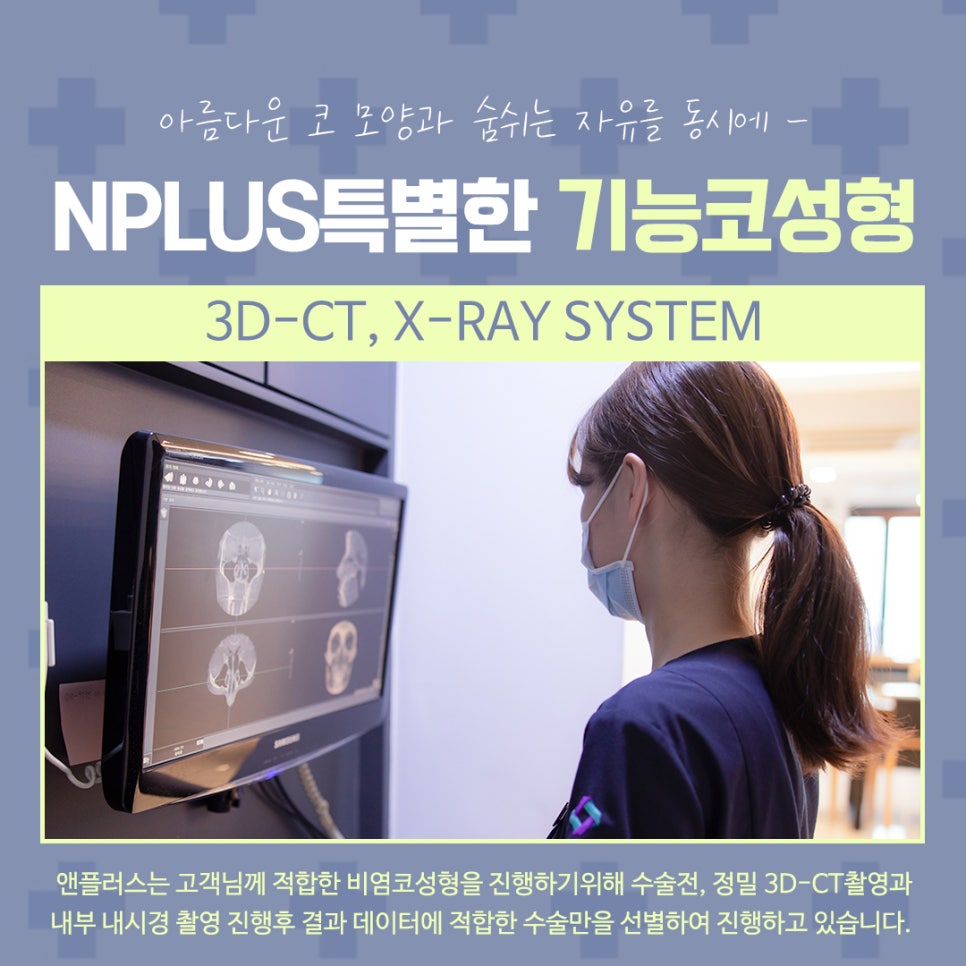
At OjiKo N+Plus, to ensure satisfying functional rhinoplasty, various allergy tests, 3D CT scans, and internal endoscopic imaging are performed before surgery to identify problems with internal nasal function and check the degree of nasal bone deviation, nasal valve stenosis, and inferior turbinate hypertrophy. Surgery is then carried out using methods and materials suited to each individual’s symptoms, and you can also check whether rhinoplasty insurance benefits apply.

Functional rhinoplasty can be broadly divided into three methods. It improves nasal congestion by widening the airflow pathway into the nose through different surgical methods and treatments for deviated septum, inferior turbinate hypertrophy, and nasal valve stenosis.
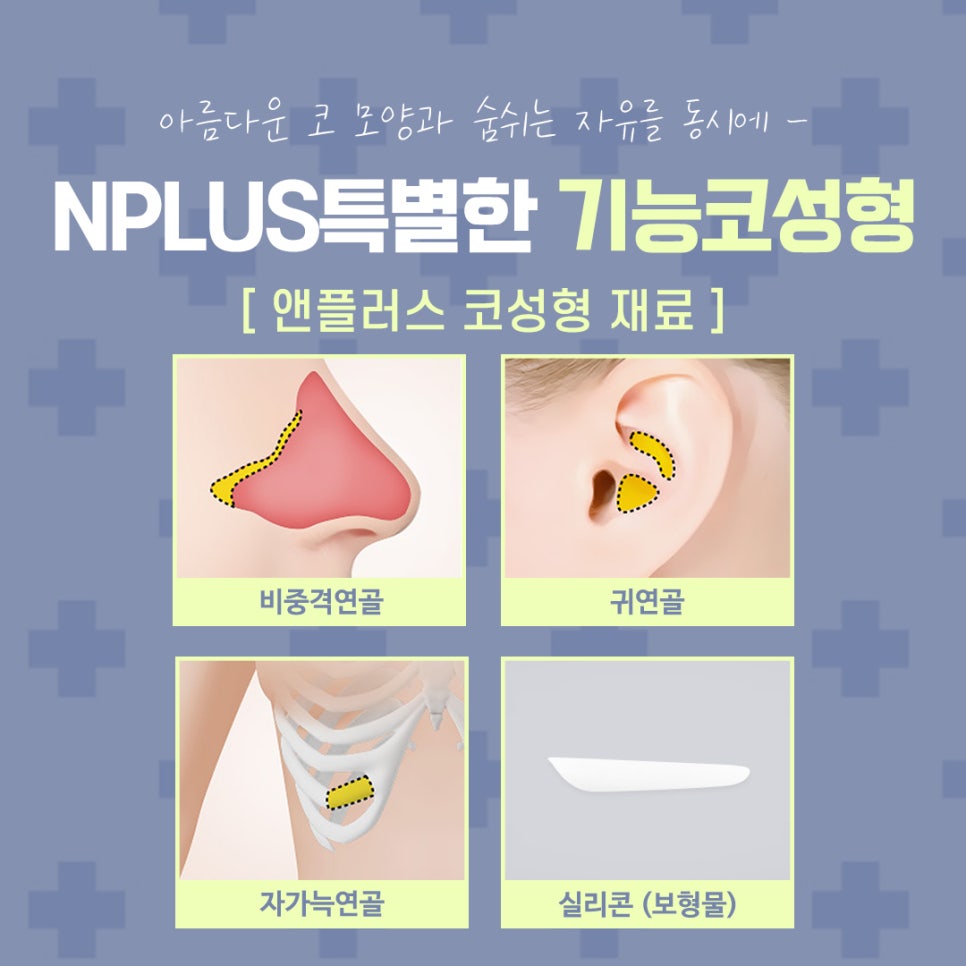
After functional improvement is carried out, cosmetic rhinoplasty can be added as needed. On average, the bridge of the nose is corrected with silicone, and the tip of the nose is corrected using autologous cartilage. However, when septoplasty for a deviated septum is performed, part of the septum is removed to straighten the deviated septum. In that case, the septal cartilage that is removed can be used to correct the nasal tip, and if it is insufficient, ear cartilage or autologous rib cartilage is selected as a material that suits the individual through prior examination.
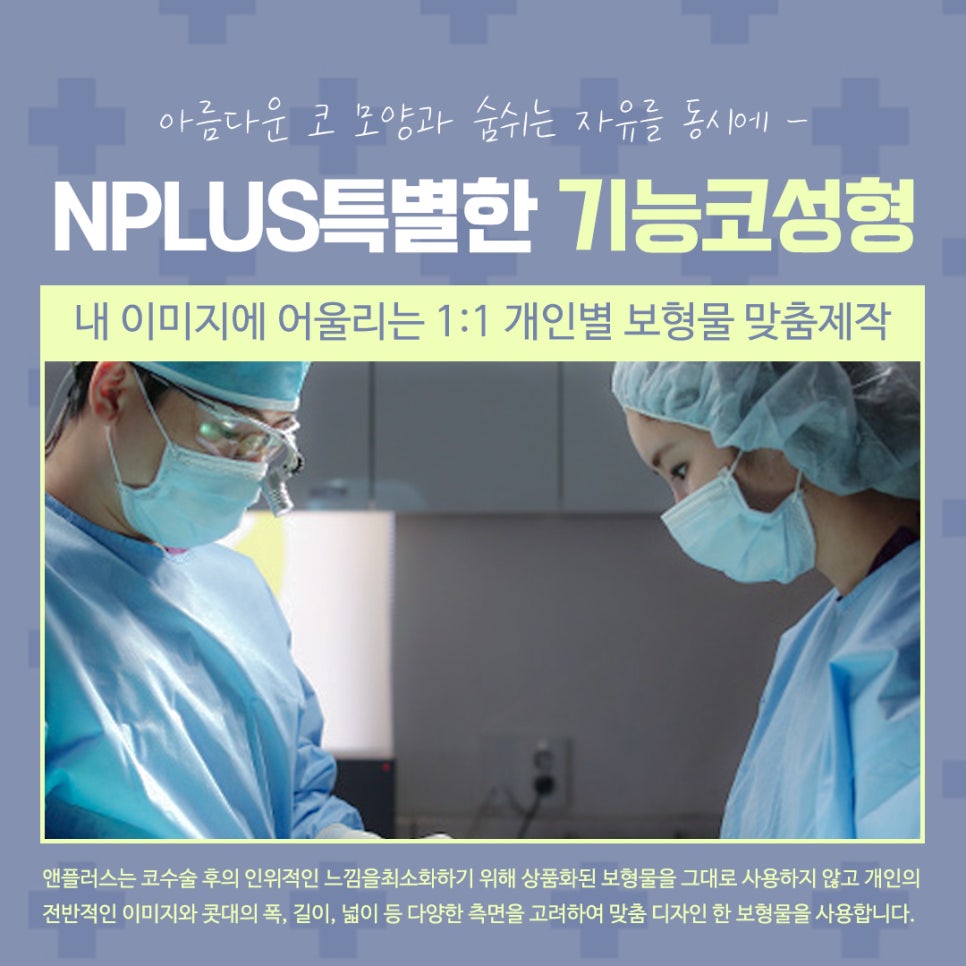
The silicone used for the nasal bridge is not simply a pre-made commercial silicone product. During surgery, it is carefully sculpted by hand while considering the individual’s overall facial image, as well as the width, length, and breadth of the nasal bridge, and the procedure is carried out using customized silicone.
For those looking into rhinoplasty insurance because of nasal congestion caused by rhinitis, the surgical method differs depending on the cause of the rhinitis. So while it is important to check through overall reviews, the most accurate approach is to first carefully review the full details and the condition of your own nose, and then receive counseling about rhinoplasty insurance.
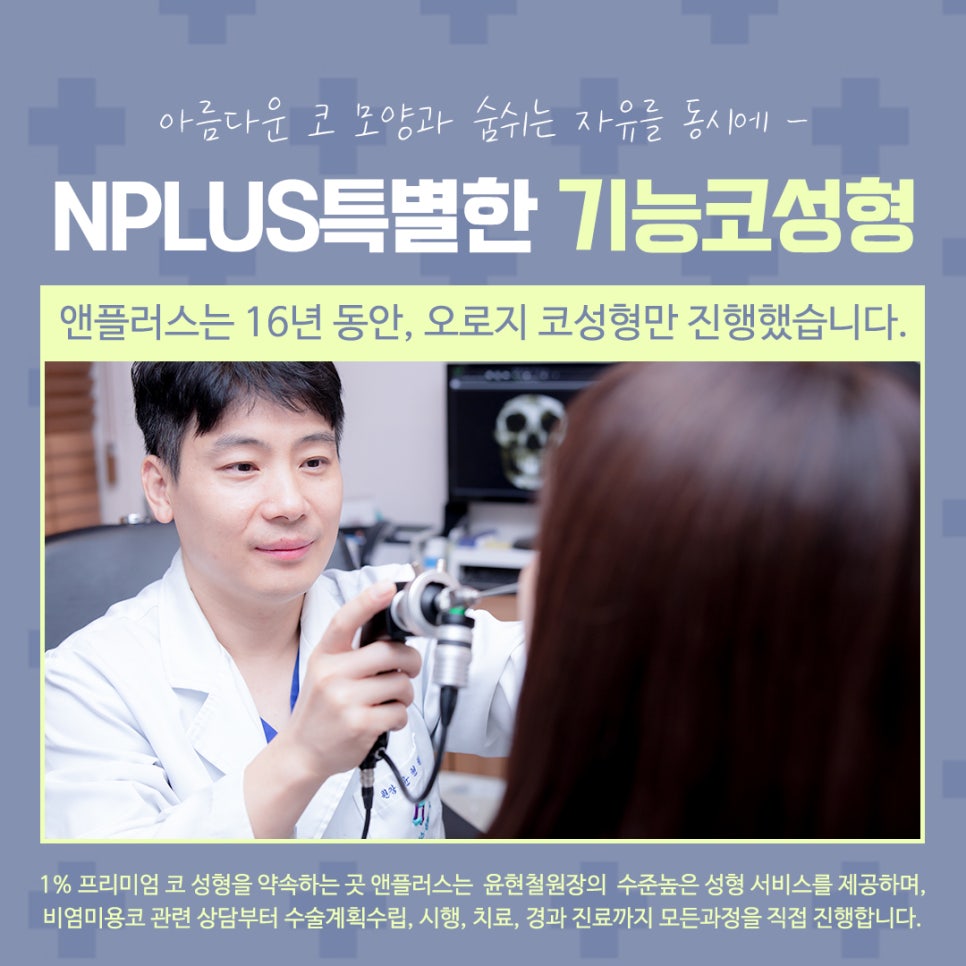
At OjiKo N+Plus, to help ensure satisfying rhinoplasty, Director Yoon Hyun-cheol provides one-on-one, dedicated care and personally handles the entire process, from consultation related to rhinoplasty, to surgical planning, the procedure itself, treatment, and follow-up visits. You can also receive expert guidance regarding rhinoplasty insurance.

In addition, an N+Plus membership card is issued, and the clinic operates a warranty system that guarantees one year after surgery. It also implements a surgical responsibility guarantee system in preparation for any post-surgery pain, inflammation, or dissatisfaction with the shape that may occur. Customers who hold the N+Plus membership card can clearly receive aftercare benefits as well.
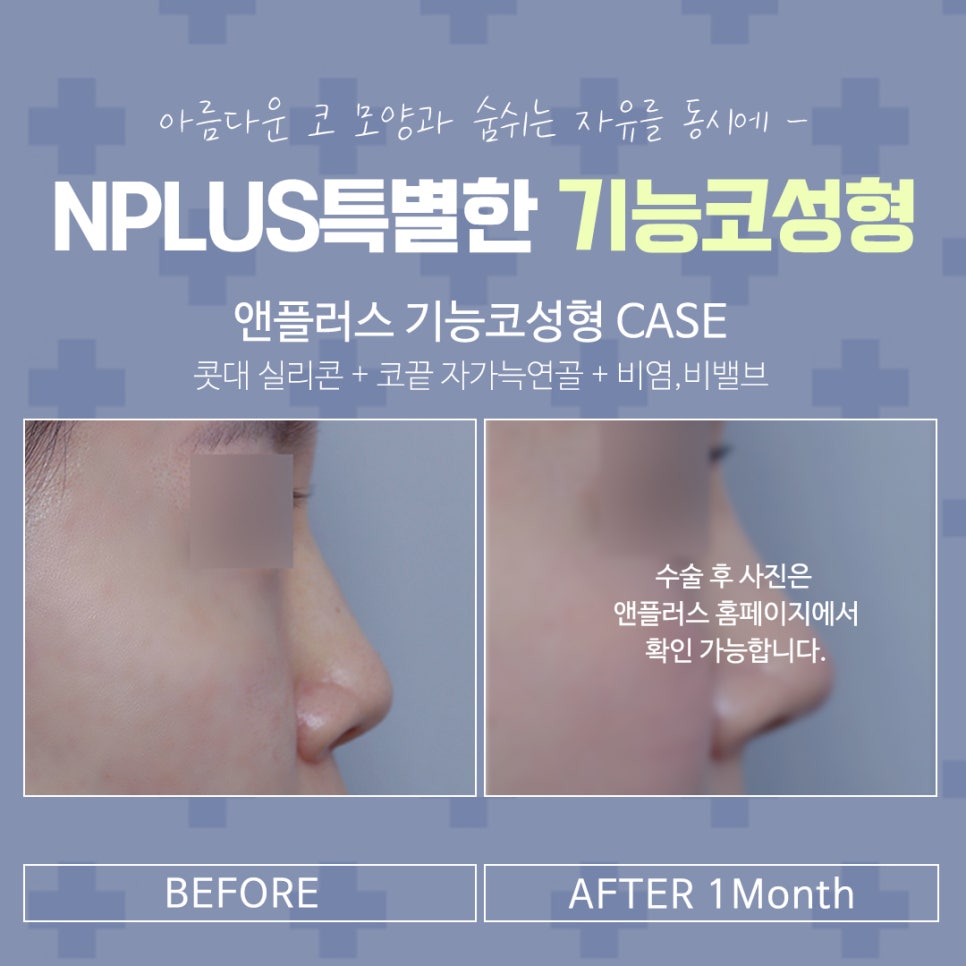
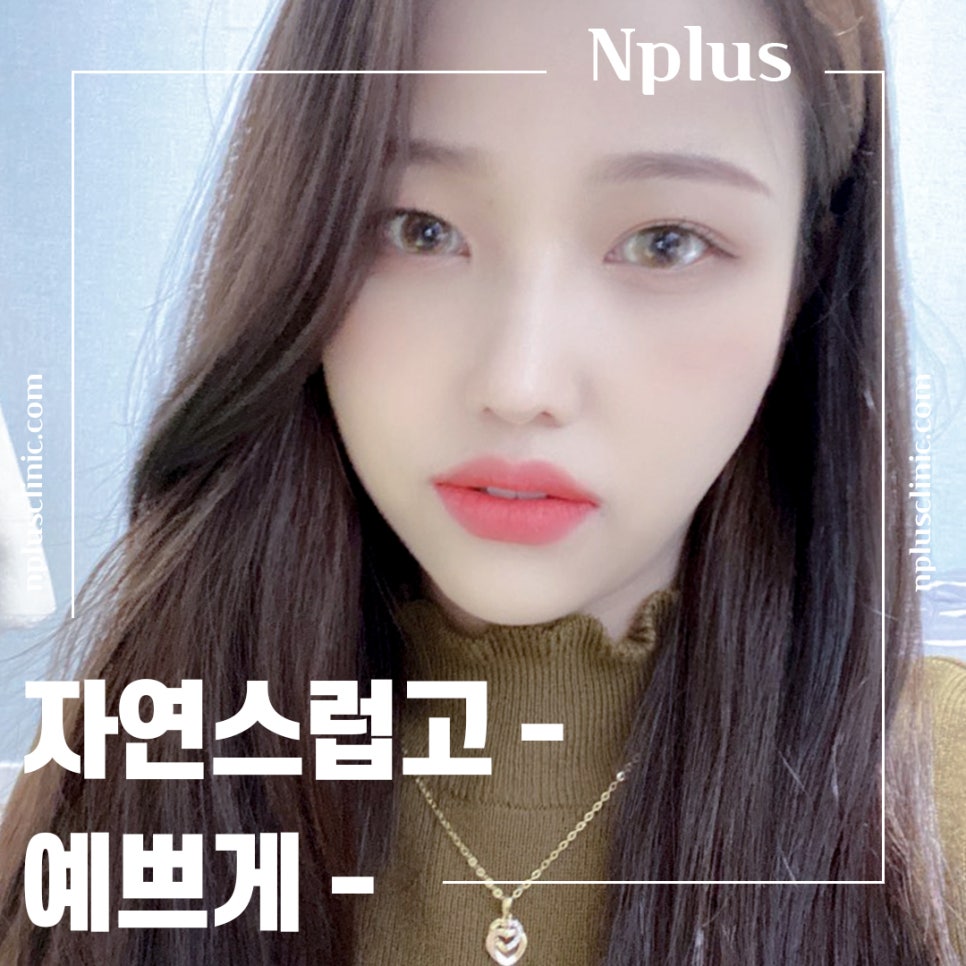
(The images above are actual before-and-after photos of functional rhinoplasty from OjiKo N+Plus.)
That concludes the information on rhinoplasty insurance and functional rhinoplasty, which OjiKo N+Plus helps patients understand clearly before proceeding. I hope this article is very helpful for those who are currently looking into rhinoplasty insurance because nasal congestion caused by rhinitis is causing stress in daily life. Thank you.