
Hello. This is Ohjiko Hospital N+1, which thinks only about your beautiful and healthy nose.
The topic introduced this time is about the accurately identified cause of nasal congestion.

These days, as the changing of the seasons approaches, many people visit us because their nasal congestion symptoms have worsened. In general, the cause of nasal congestion is a symptom caused by rhinitis, and people who experience nasal congestion that returns every time the seasons change or the weather changes can suffer from headaches, migraines, reduced concentration, chronic fatigue, and other inconveniences in daily life. For this reason, interest in the cause of nasal congestion has increased even more.
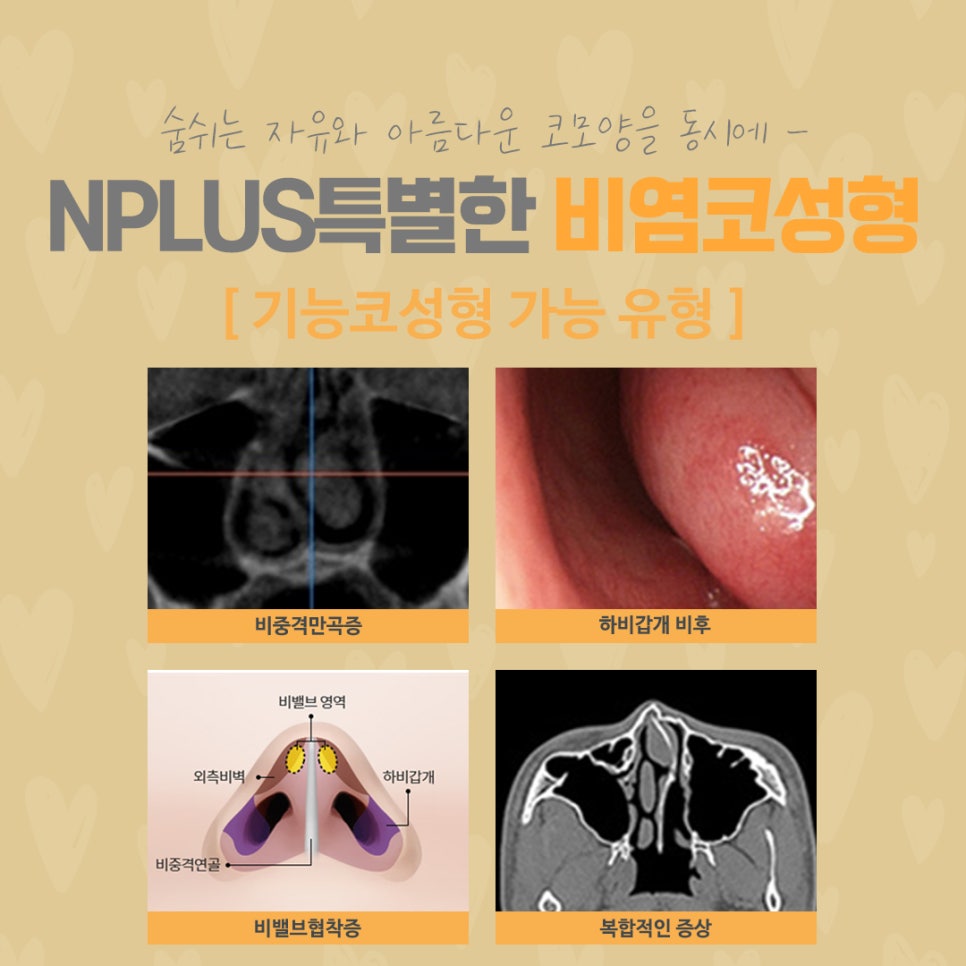
What is rhinitis? Rhinitis is a condition that more than 70% of adults in Korea have. Of these, allergic rhinitis accounts for 20%, and the remaining 80% corresponds to structural rhinitis caused by abnormalities in the internal structure. In the case of structural rhinitis, there are a deviated septum, inferior turbinate hypertrophy, and nasal valve stenosis, which obstruct the flow of air entering the nose and can be seen as causes of nasal congestion.

In the case of the commonly known allergic rhinitis, symptoms appear because it reacts sensitively to certain substances or weather, so a complete cure is practically difficult. Therefore, ongoing medication treatment or constitutional improvement through strengthening immunity is necessary. On the other hand, structural rhinitis can be cured through surgery. However, because it is difficult to determine with the naked eye whether rhinitis is allergic or structural, if nasal congestion lasts for more than two weeks, we recommend visiting a nearby otolaryngology clinic and checking the inside of the nose with equipment.

In the case of structural rhinitis, where functional surgery is possible, the previously mentioned causes of nasal congestion—deviated septum, inferior turbinate hypertrophy, and nasal valve stenosis—may occur individually, but there are also cases where they occur in combination. Therefore, even if the symptom of nasal congestion is the same, the surgical method and materials differ depending on the condition of the nose, so it is better to proceed after accurately understanding the condition of the nose.
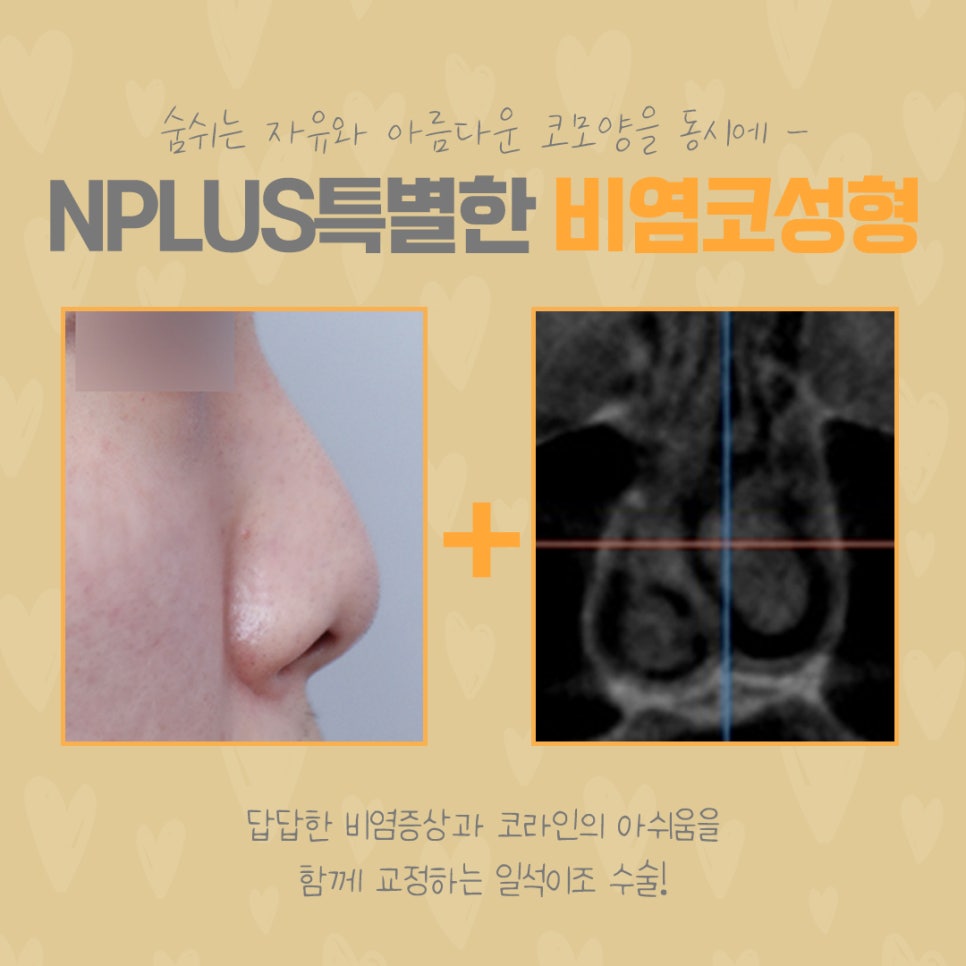
The nose plays an important role in our breathing, but many people try rhinoplasty with the primary goal of improving appearance when the nose is slightly low, crooked, or has a hump. However, if cosmetic rhinoplasty is performed without checking the inside of the nose, it may instead become a cause of nasal congestion due to impaired internal nasal function after surgery, which can lead to revision surgery. Therefore, for those considering rhinoplasty, it can be helpful to establish a surgical plan by considering both the functional and cosmetic aspects of the nose. Since the inside of the nose has a much more complex structure than we think, we recommend making a decision only after carefully checking whether the medical staff have strong anatomical knowledge, abundant surgical experience and track records, whether equipment to check the condition of your nose is available, and whether postoperative care is handled properly.
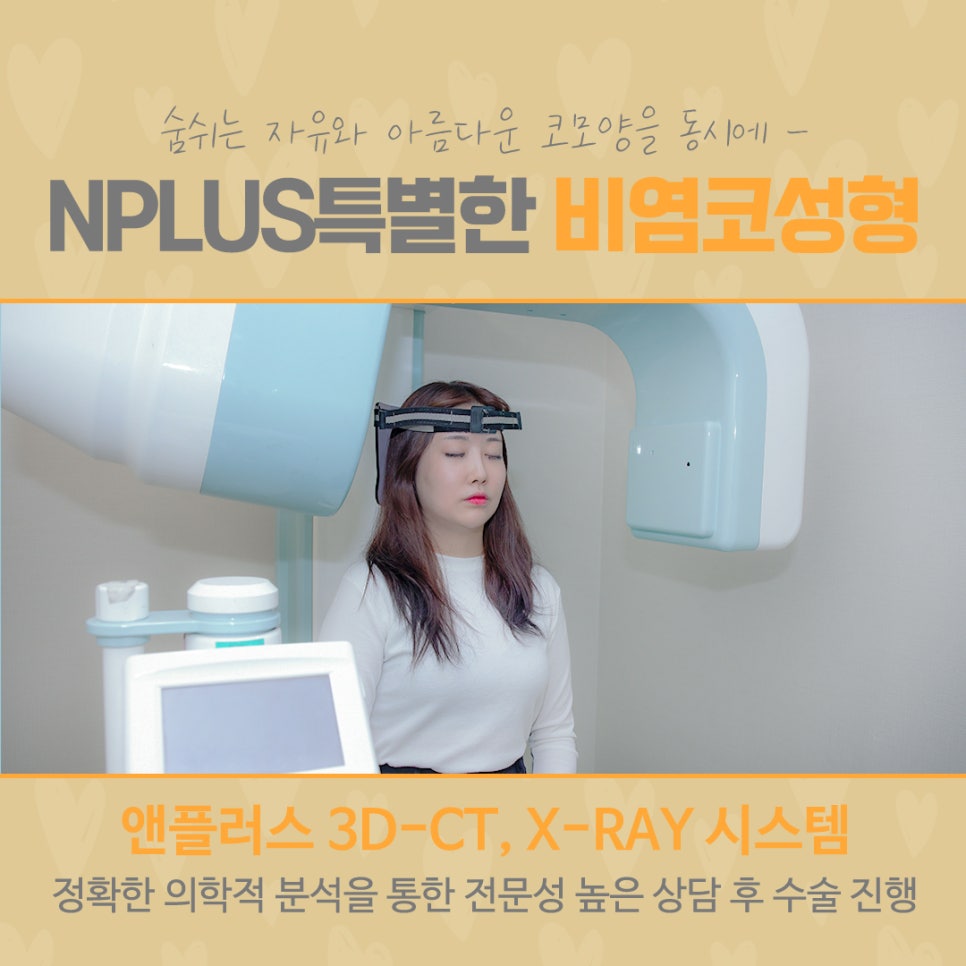
At Ohjiko Hospital N+, to accurately identify the cause of nasal congestion, we perform various allergy tests before surgery, as well as 3D-CT scans and internal endoscopy to identify internal nasal problems and check the position of the nasal bones and the condition of the cartilage. Based on the extracted data, we perform customized surgery by selecting functional rhinoplasty that can improve the structural rhinitis causes of nasal congestion—deviated septum, inferior turbinate hypertrophy, and nasal valve stenosis—while also improving the external aspects of the nose that patients have long felt were lacking.

As for rhinitis surgery methods, a deviated septum is corrected by straightening the crooked septum, inferior turbinate hypertrophy is corrected by reducing the enlarged inferior turbinate, and nasal valve stenosis is corrected by widening the narrowed nasal valve area—the roof of the nose—through spreader grafts, upper lateral cartilage grafts, and suspension sutures. These different conditions each cause nasal congestion, and through the respective surgical methods, the narrowed airway for airflow in the nose is widened, with functional improvement surgery taking priority.
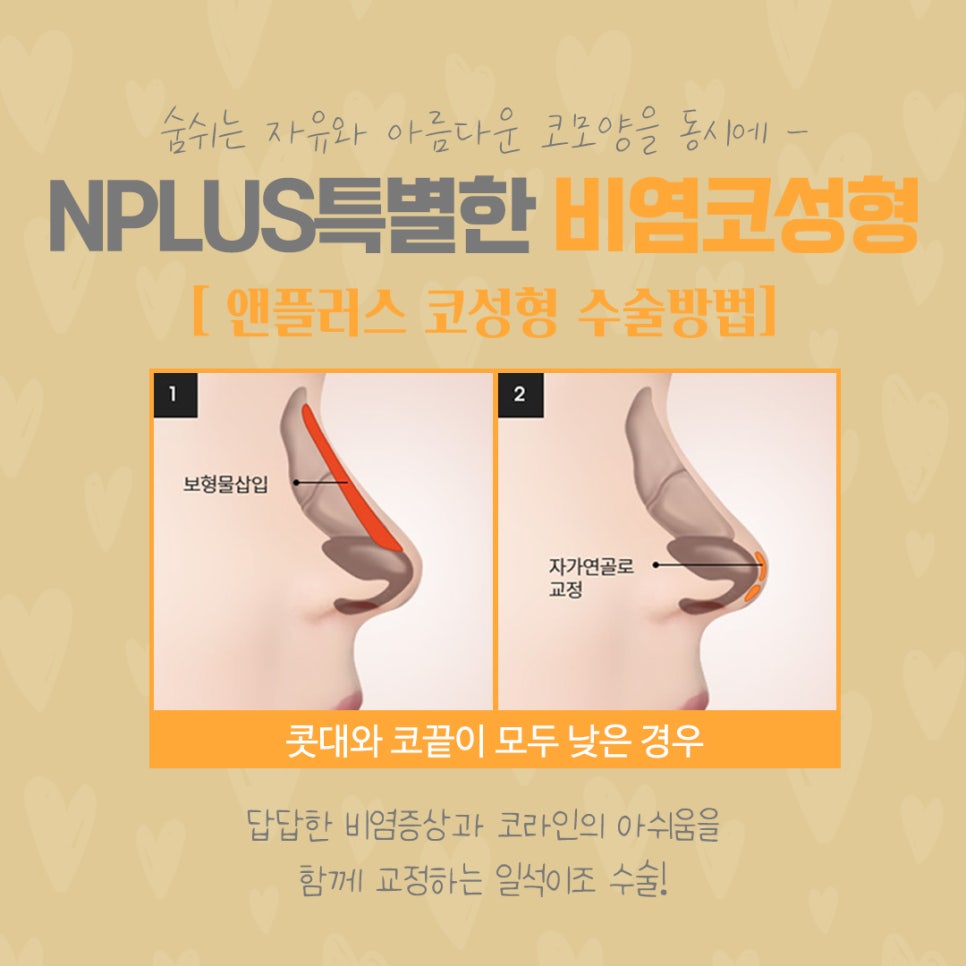
In addition, if cosmetic rhinoplasty is performed to improve the nose shape that had previously felt lacking, generally silicone is used for the bridge and autologous cartilage is used for the tip to add volume to the bridge and tip, creating a beautiful nose line.
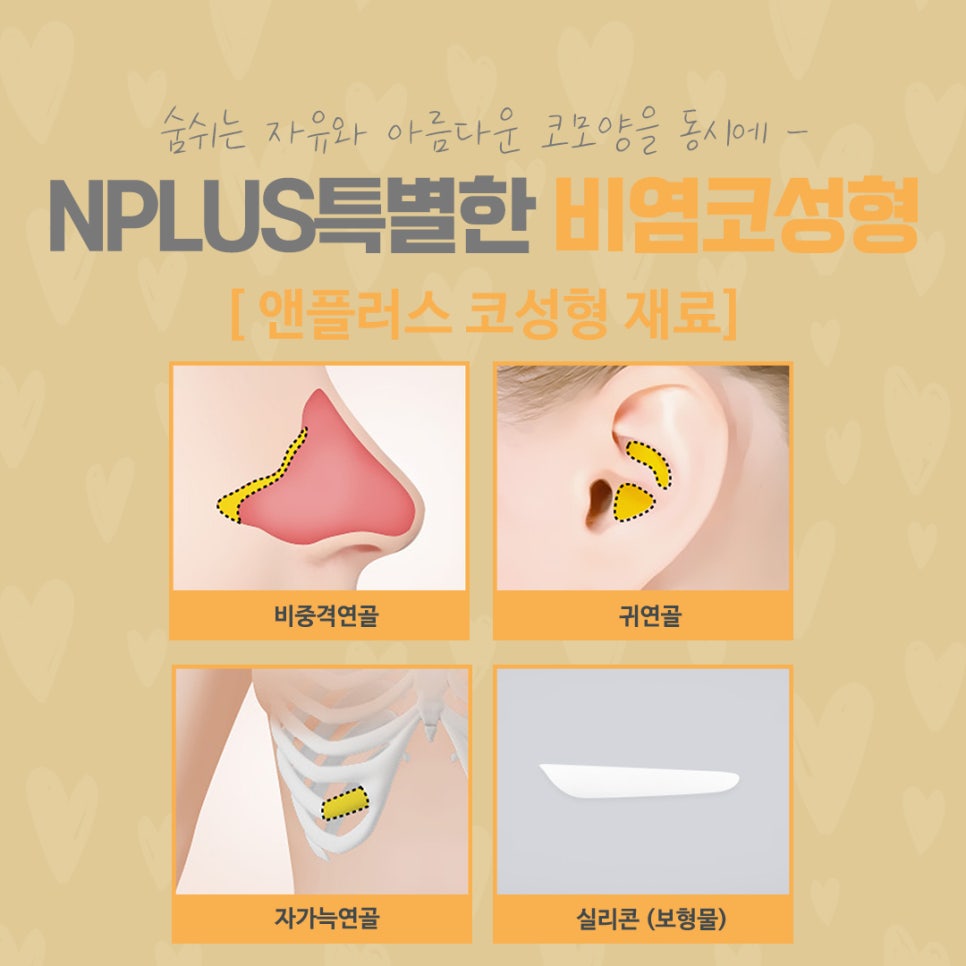
The materials used for rhinoplasty are silicone for the bridge and autologous cartilage for the tip. When functional rhinoplasty is performed for a deviated septum, part of the septum is removed to correct the crooked septum. At that time, cosmetic rhinoplasty can be performed using septal cartilage. Other autologous cartilage materials include ear cartilage and costal cartilage. The materials used for rhinoplasty are selected through preoperative testing so that the surgery is performed with the most suitable materials for the individual.

As for the silicone used for the bridge of the nose, we do not use mass-produced silicone as is. Instead, we carefully sculpt custom silicone by hand, taking into account the individual's overall image and the width, length, and breadth of the nasal bridge.
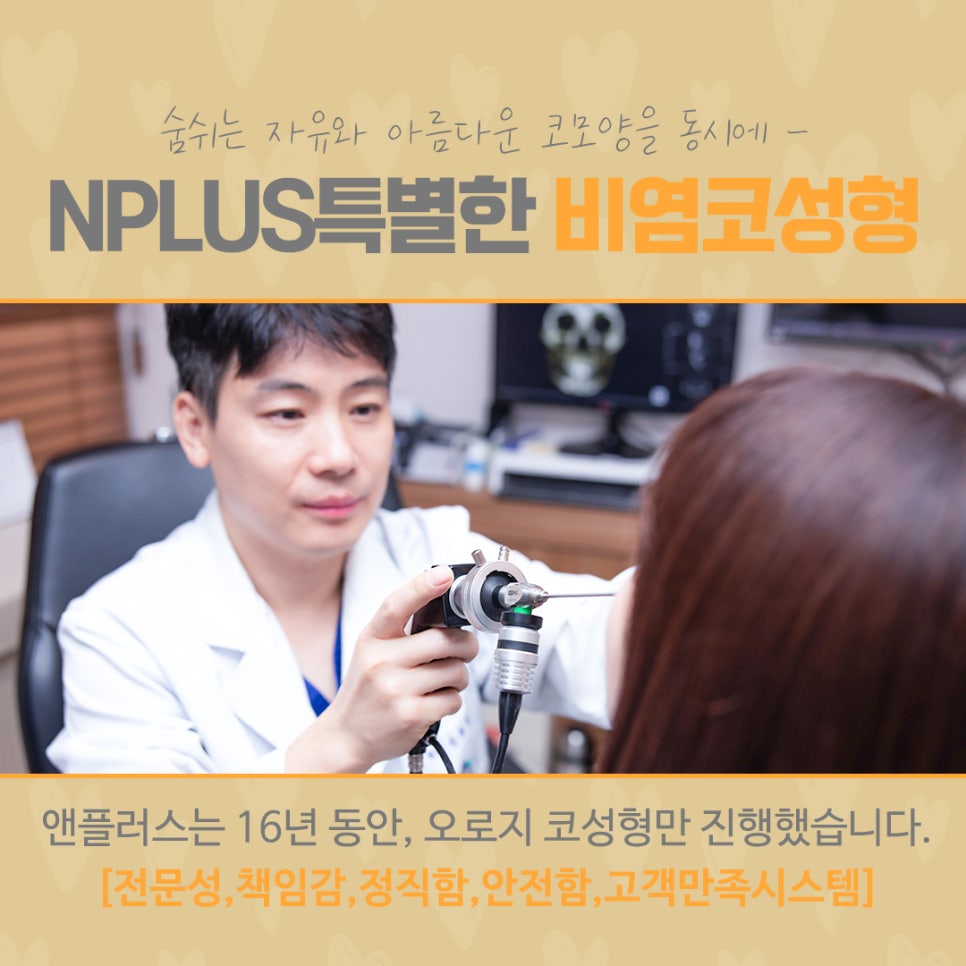
At Ohjiko Hospital N+, to ensure a satisfying rhinoplasty, Director Yoon Hyun-cheol personally handles the entire process, from consultation related to rhinoplasty surgery to examination, surgical planning, implementation, treatment, and follow-up care, making the procedure safer and more satisfying. Therefore, we accurately identify the cause of nasal congestion and proceed based on many cases and clinical experience, helping prevent nasal congestion from recurring.

In addition, by issuing an N+ membership card, we provide an after-sales service system that guarantees support for one year after surgery, and we operate a surgical responsibility guarantee system to prepare for all possible situations after surgery, such as pain, inflammation, or dissatisfaction with the appearance, so you can receive clear aftercare benefits as well.
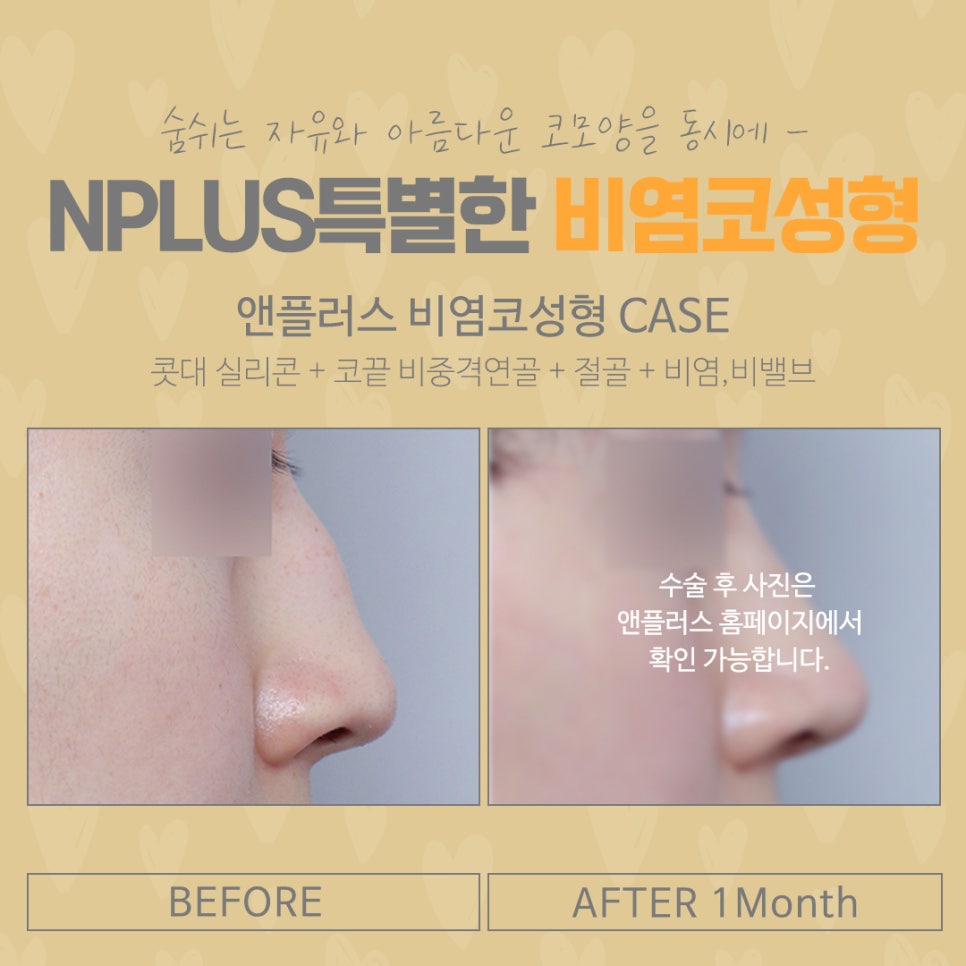
(These are before-and-after photos of rhinoplasty at Ohjiko N+ in which the actual cause of nasal congestion was identified.)
That concludes our look at the cause of nasal congestion caused by rhinitis. If your nasal congestion has become very severe due to the current change of seasons, or if you are experiencing inconvenience in daily life, we recommend seeking a consultation through this article. Thank you.