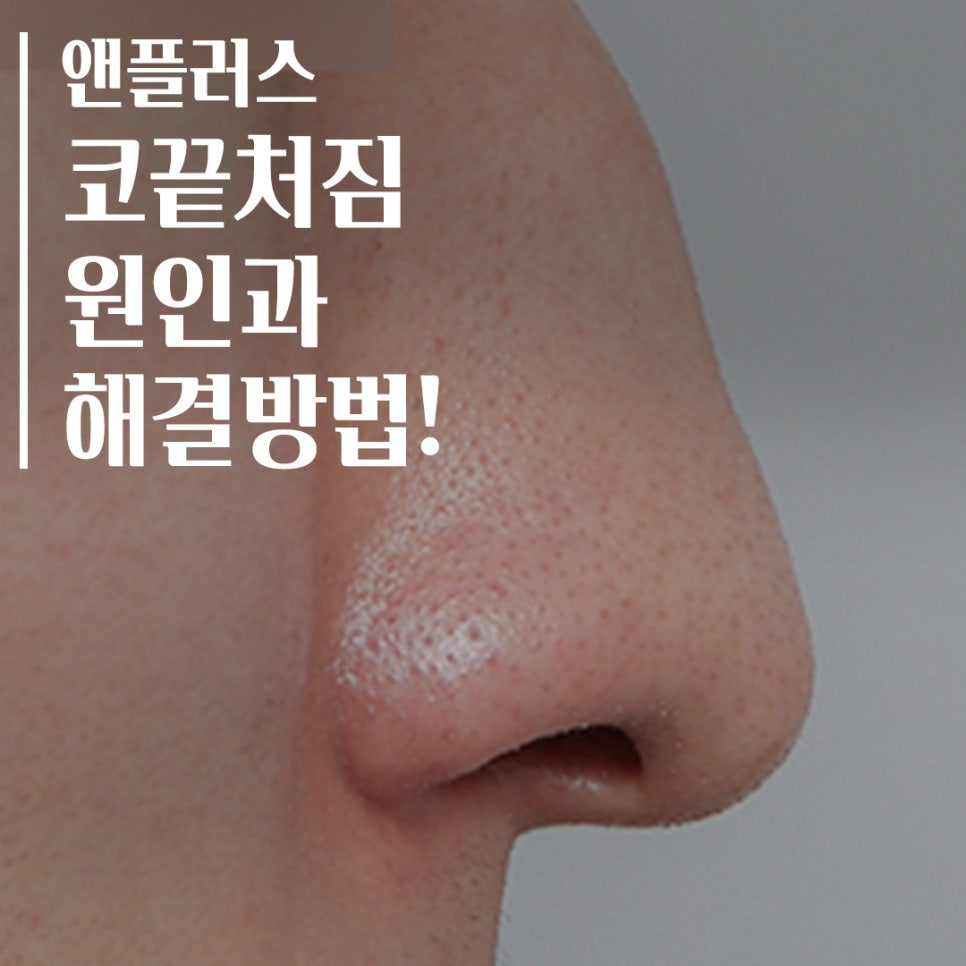
Hello. This is OjiGo N Plus Clinic, which thinks only about your beautiful and healthy nose.
This time, we have prepared information on the causes of nasal tip drooping after rhinoplasty and how to address it.

Why does nasal tip drooping occur after nose surgery? In general, nose surgery is performed to make a bulbous nose smaller, shave down a hump nose, or correct a crooked nose.

It is also fair to say that it is often accompanied by tip correction surgery for reasons such as the tip being somewhat low, drooping, or turned up. In particular, many people of Asian descent tend to have a low or short nasal tip. So the correction is performed by raising a low tip or lengthening a short tip in the longitudinal direction.

A representative method involves the cartilage called the septal cartilage when you feel inside the nose.

It is the cartilage that acts as a partition dividing the nostrils into two,

and by extending that cartilage, the nasal tip is lifted or lengthened.

Depending on the method used to extend the cartilage and the surgical technique, as well as the patient’s nasal condition, nasal tip drooping may occur after some time has passed following surgery.
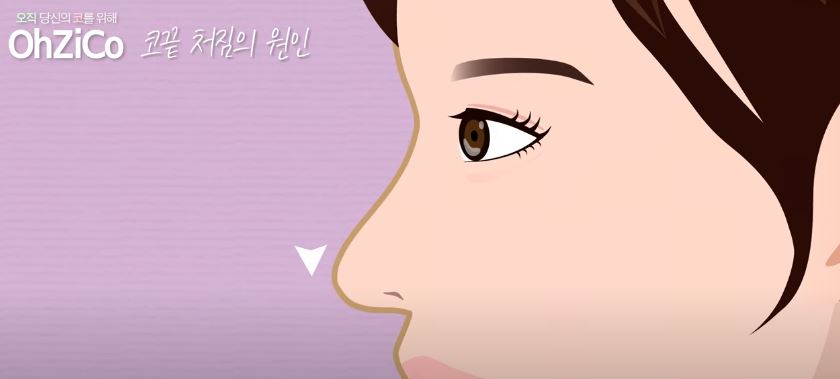
What determines the shape of the nasal tip is that drooping occurs because the skin presses down on the tip,
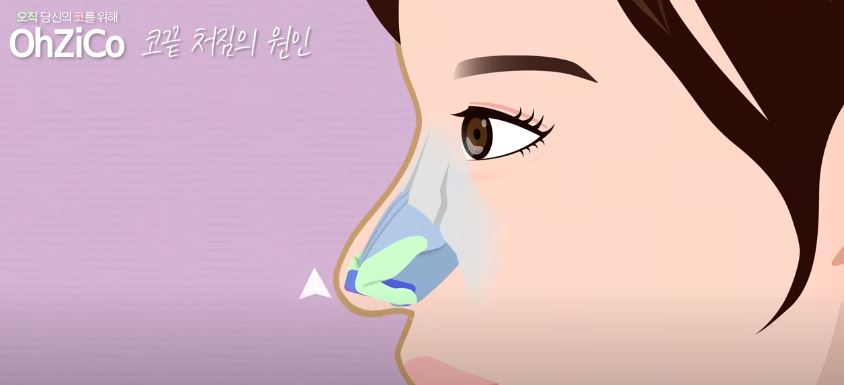
and to counter that, cartilage is used to support the nasal tip upward.

Simply put, you could say that the shape of the nasal tip is determined by the battle between the skin pressing down and the cartilage supporting it from below.
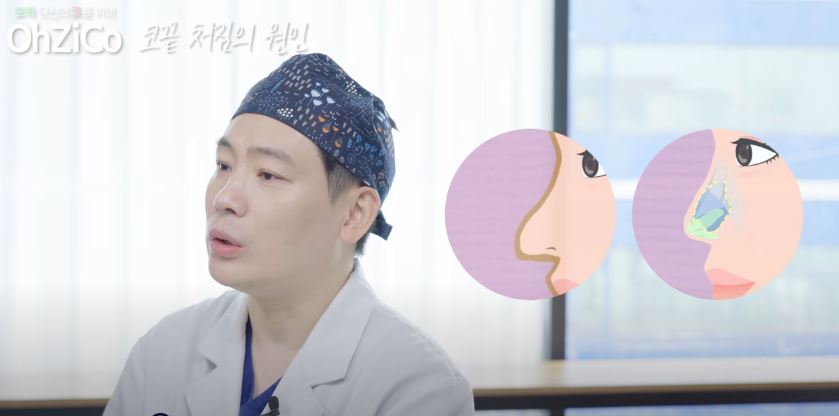
Therefore, nasal tip drooping can occur when the skin is too small or too thick, when the force pressing down from above is excessive, or when the supporting force of the cartilage underneath is weak or the cartilage is too small.

In most cases, we use the septal cartilage inside the nose to extend the tip. However, if the patient’s original nasal cartilage is weak and the tip is extended, the cartilage itself may sag or bend if its strength is insufficient. Likewise, nasal tip drooping can occur when the strength of the cartilage used for reinforcement is also weak.

Therefore, when performing surgery, if the nasal tip needs to be raised significantly or supported strongly, the existing nasal cartilage and septal cartilage must also be considered, and the size, shape, properties, and type of cartilage must all be taken into account.

How do we resolve nasal tip drooping when it occurs? When nasal tip drooping appears, the condition of the nose must be examined carefully. The state of the drooping tip, and whether the issue is related to the skin or the cartilage, must be identified accurately.

In addition, when surgery is performed with excessive ambition beyond the limits of the person’s nasal structure,
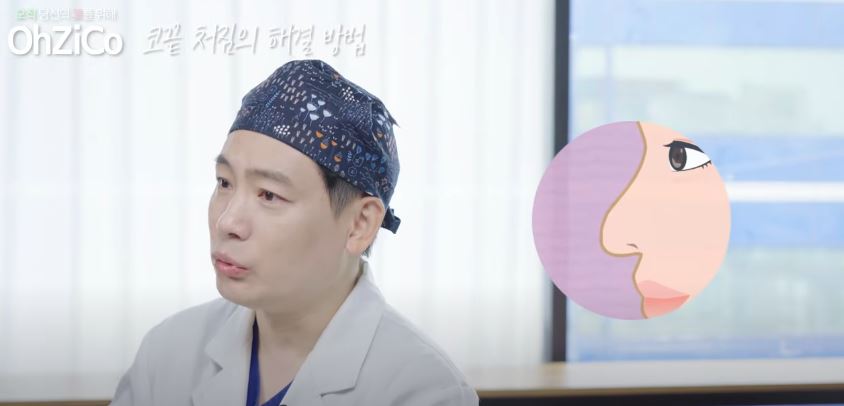
if the skin is pressing heavily and is thick, the internal scar tissue can be moderately removed, or fat can be removed, to reduce the downward pressure from the skin.

If the septal cartilage, ear cartilage, or other materials used in the past are problematic and weak, using autologous rib cartilage to provide strong support can be an alternative for nasal tip drooping.

Also, if the desire to push things too far is excessive—for example, wanting to raise a nose that is too small—there is a limit depending on the individual’s skin or cartilage condition, so this is explained before surgery. As in these cases, it is important that surgery suited to your own nose is performed through sufficient consultation before the operation.

Today, I have summarized the causes of nasal tip drooping, one of the most common complaints after nose surgery, and how to address it. I hope this article is very helpful for those considering rhinoplasty because of nasal tip drooping. Thank you.
https://youtu.be/ikUp0zIMZvQ