
Hello. We are OjiKo N+ Clinic, which has spent the past 16 years thinking only about your beautiful and healthy nose.
In this post, we will introduce a nose surgery review that carefully checked even internal function.

In modern times, interest in cosmetic procedures is high among people of all ages and genders as a way to improve their appearance. Among them, nose surgery can be said to be the most popular procedure. The nose is located at the center of the face and helps balance all the facial features, and because it is the most three-dimensional part of the face, the shape of the nose can become a source of insecurity if it seems to go against one’s standards of beauty. On the other hand, even a small correction to the nose shape can have a significant effect on improving one’s image, which is why many people look into nose surgery reviews.
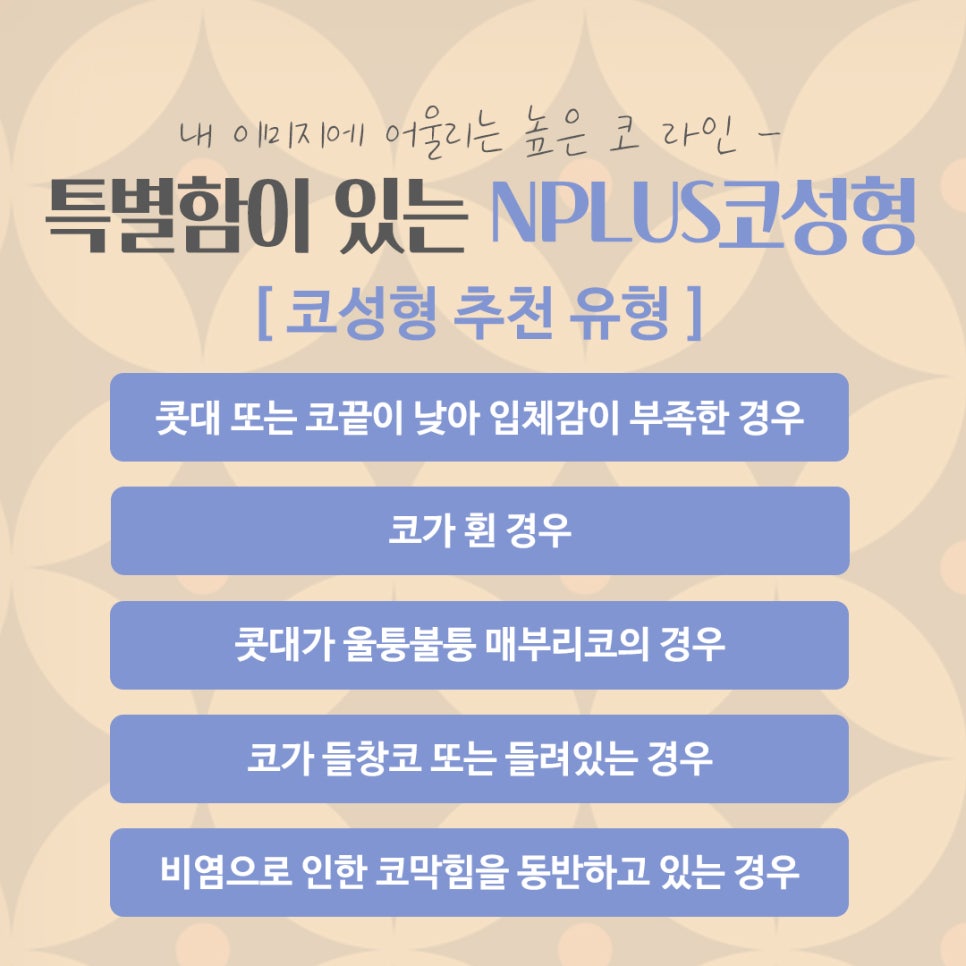
Therefore, the types of people who look into nose surgery reviews may include those with a low nose bridge, a bumpy hump, an upturned nose, or a crooked nose. For various reasons, they may seek improvement through nose surgery reviews, and in this way, many people generally consider nose surgery from a cosmetic perspective.

Since our nose is also important functionally for breathing and smelling, if surgery is performed with only this external approach, postoperative functional problems can lead to revision surgery. Even if there appears to be no functional issue, we recommend checking the inside of the nose before surgery.
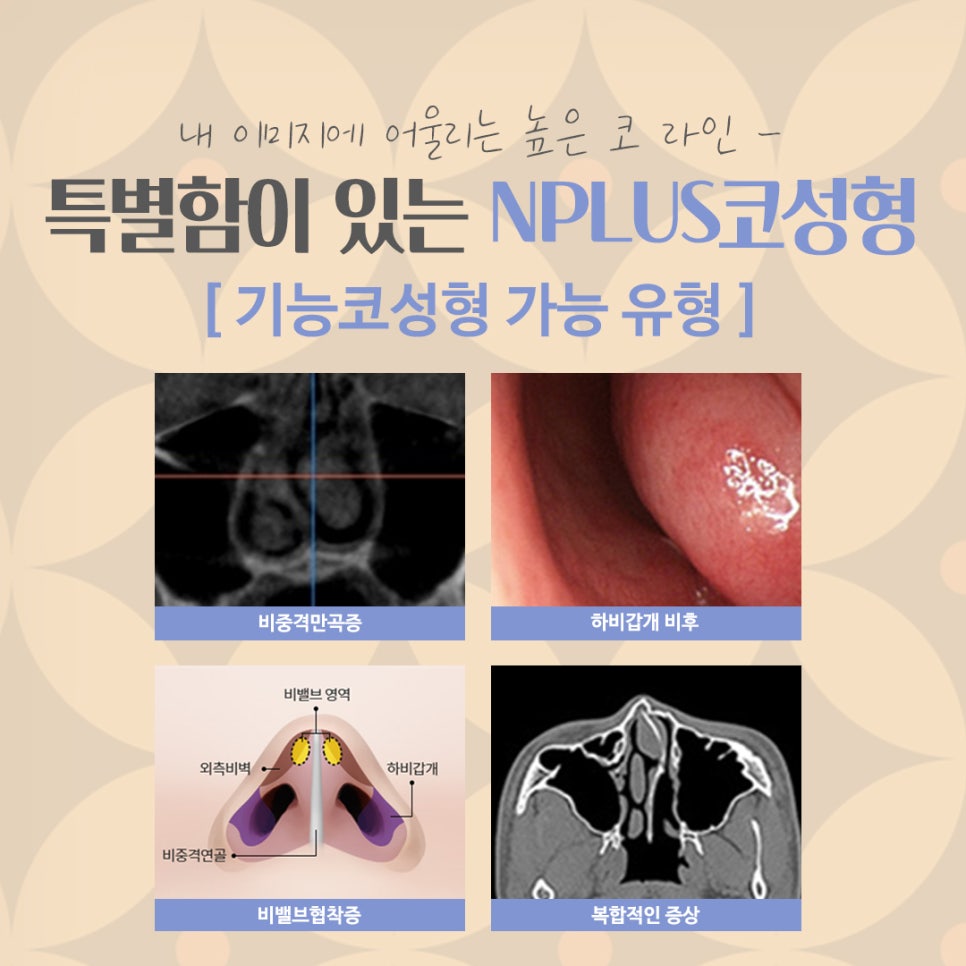
When we talk about improving the functional part of the nose, we mean nasal congestion caused by rhinitis. Rhinitis is a very common condition that more than 70% of Korean adults have; 20% are allergic rhinitis and the remaining 80% are structural rhinitis. Structural rhinitis includes a deviated septum, nasal valve stenosis, and inferior turbinate hypertrophy. All three of these causes, through different symptoms, interfere with the airflow entering the nose and commonly cause nasal congestion. As a result, when nasal congestion occurs, many people mistake it for a cold or allergic rhinitis and leave it untreated, leading in many cases to chronic rhinitis. That is why checking the inside of the nose before surgery can lead to a more satisfactory nose surgery review.

Cosmetic nose surgery, which improves areas that have always felt lacking, and surgery that simultaneously addresses functional problems after identifying internal functional issues, is called functional nose surgery. Before nose surgery, equipment can be used to check for a deviated septum, inferior turbinate hypertrophy, and nasal valve stenosis, allowing us to determine whether functional nose surgery is possible.
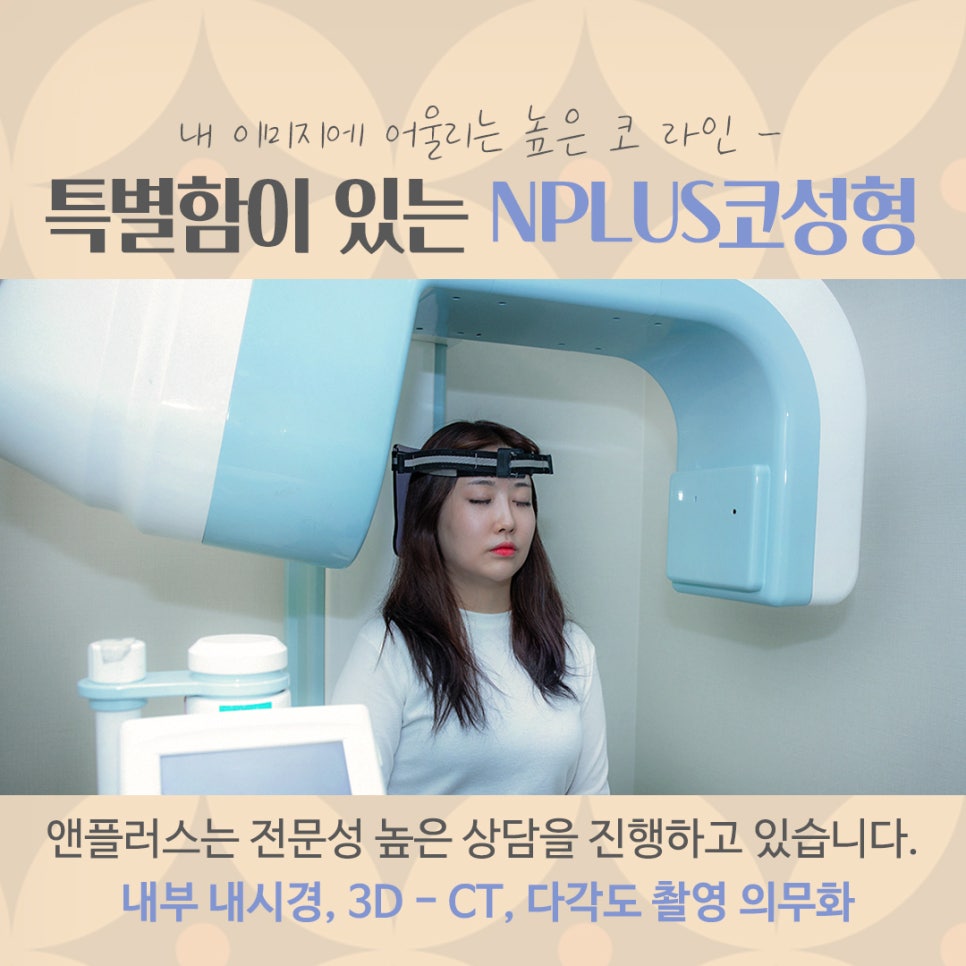
At OjiKo N+ Clinic, to help ensure a satisfactory nose surgery review, we accurately assess internal functional issues, the condition of the nasal bones, skin condition, and the position and condition of the cartilage through various allergy tests, 3D-CT imaging, and internal endoscopic imaging before surgery. Based on this data, we establish and carry out the surgical plan.
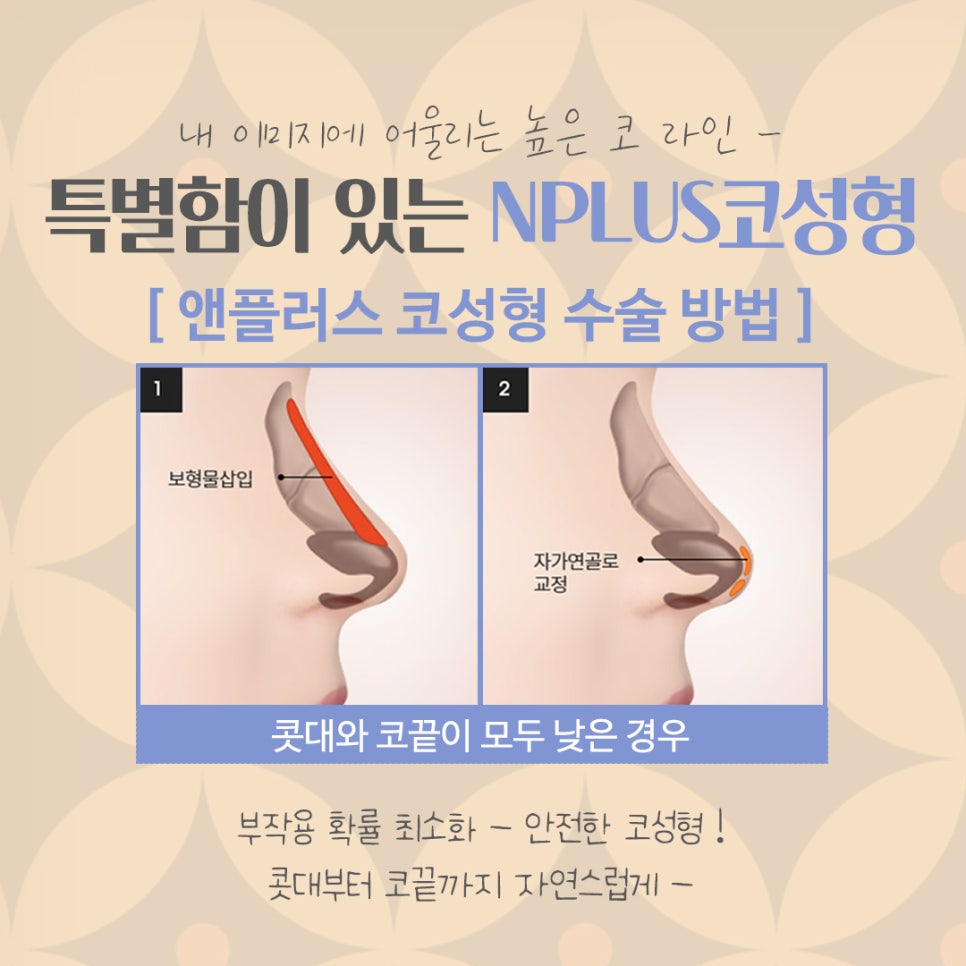
If you look at nose surgery reviews, you can see that the surgical methods and materials vary from person to person. In general, for nose surgery, the bridge is corrected with silicone and the tip is corrected with autologous cartilage.
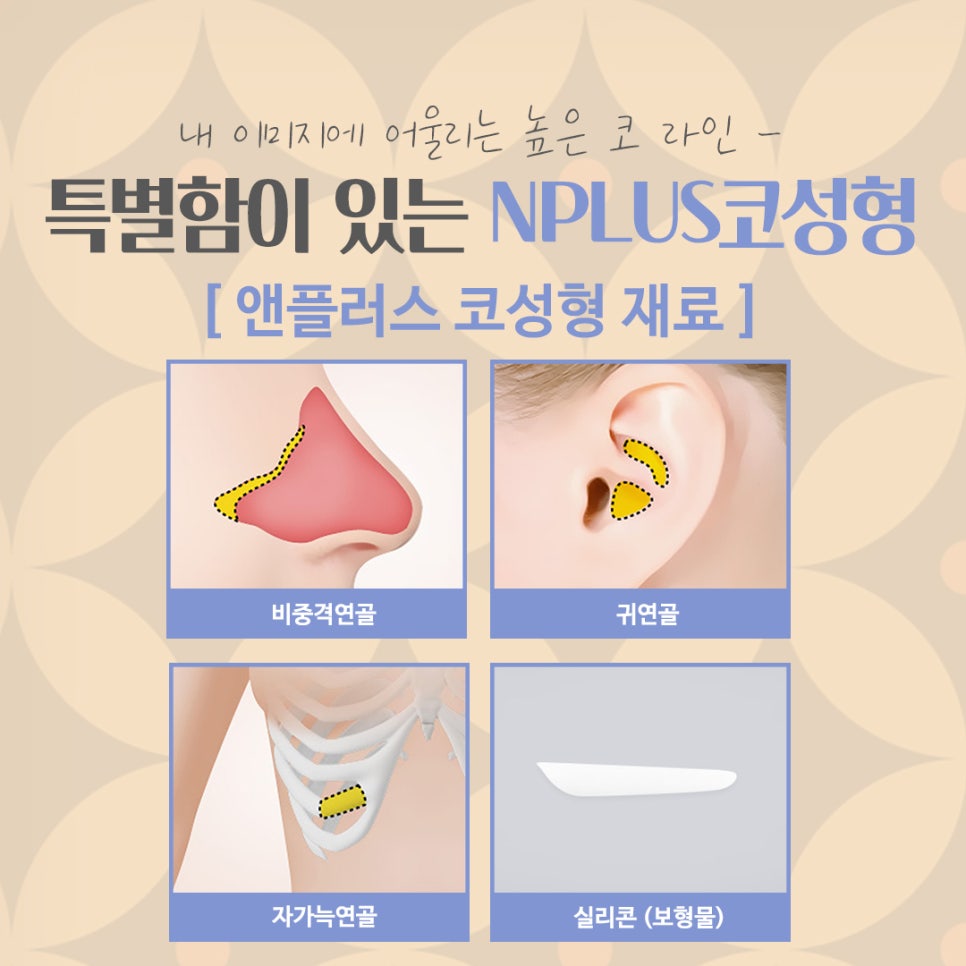
For autologous cartilage, ear cartilage, septal cartilage, and costal cartilage are used, and the surgery is performed with the materials that are suitable for each person based on preoperative tests.
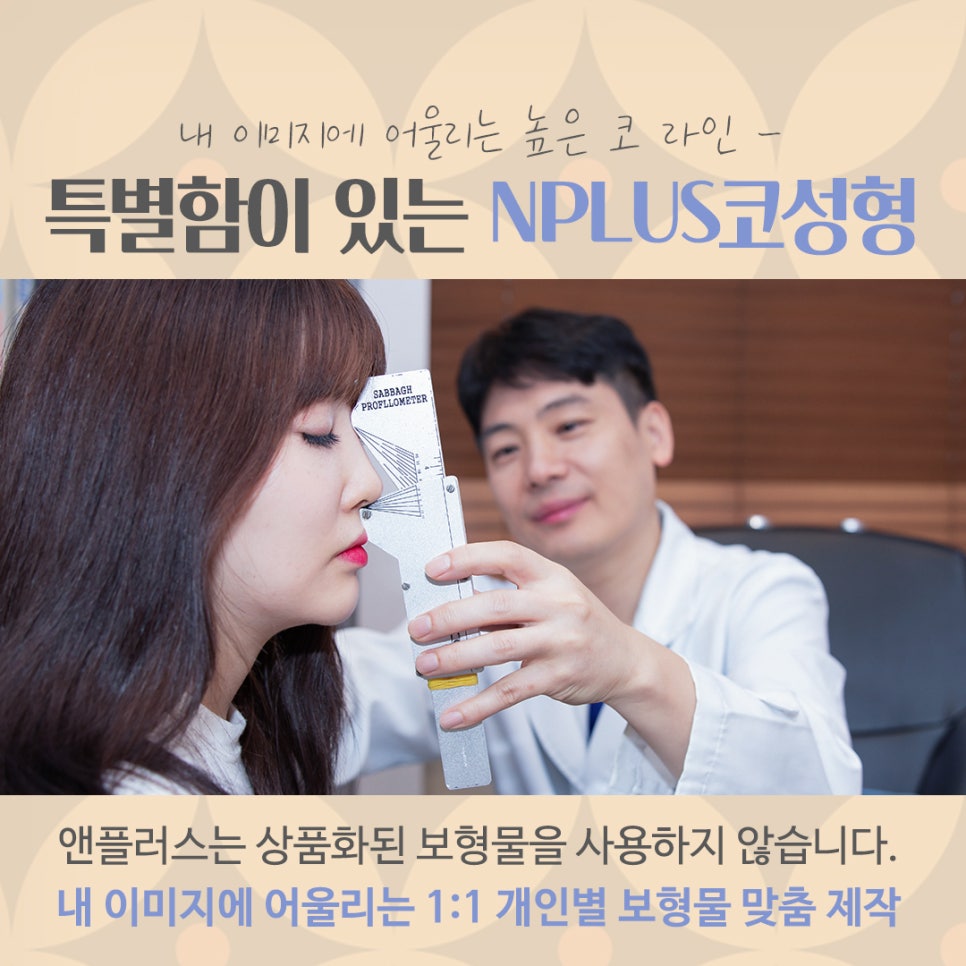
In the case of silicone, rather than using commercially pre-made silicone as is, we take into account the individual’s overall appearance, as well as the width, length, and breadth of the nose bridge. During surgery, the silicone is carefully shaped by hand before insertion, which can lead to a more satisfying nose surgery review.

In addition, when looking at nose surgery reviews, there may be functional issues. In such cases, functional nose surgery is performed. After accurately checking for a deviated septum, inferior turbinate hypertrophy, and nasal valve stenosis, the deviated septum is corrected by straightening the bent septum, inferior turbinate hypertrophy is addressed by adjusting the enlarged size of the inferior turbinates, and nasal valve stenosis is treated by widening the nasal valve area with one of four surgical methods depending on the condition. In this way, if there is a problem with the internal function of the nose, the surgery is first carried out with priority on the functional aspect, followed by cosmetic nose surgery, designing a nose line suited to a nose surgery review, which can lead to greater satisfaction.
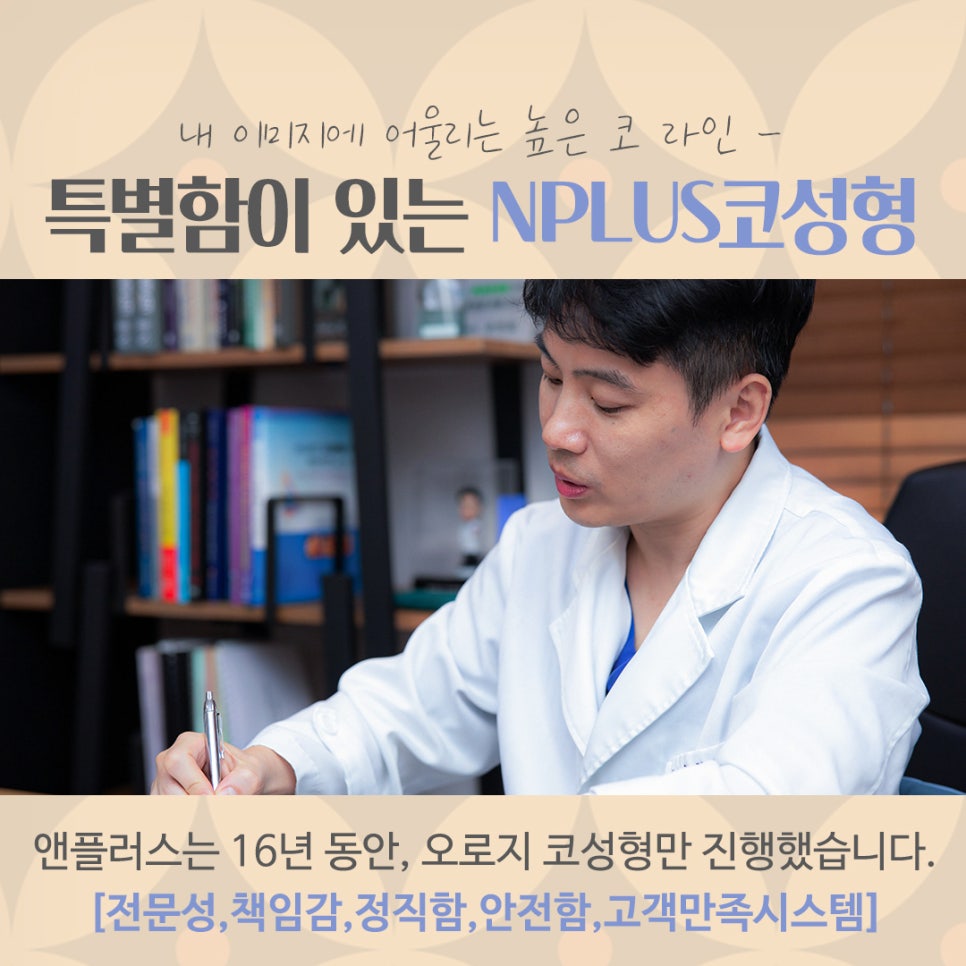
Therefore, at OjiKo N+ Clinic, Director Yoon Hyun-cheol personally handles every step one-on-one, from consultation regarding nose surgery to establishing the surgical plan, performing the procedure, and follow-up care, in pursuit of safe nose surgery.

For aftercare, an N+ membership card is issued, and we operate an A/S system that guarantees support for one year after surgery, as well as a surgical responsibility guarantee system to prepare for any postoperative pain, inflammation, or dissatisfaction with the appearance that may arise. This can make for a more satisfying nose surgery review.
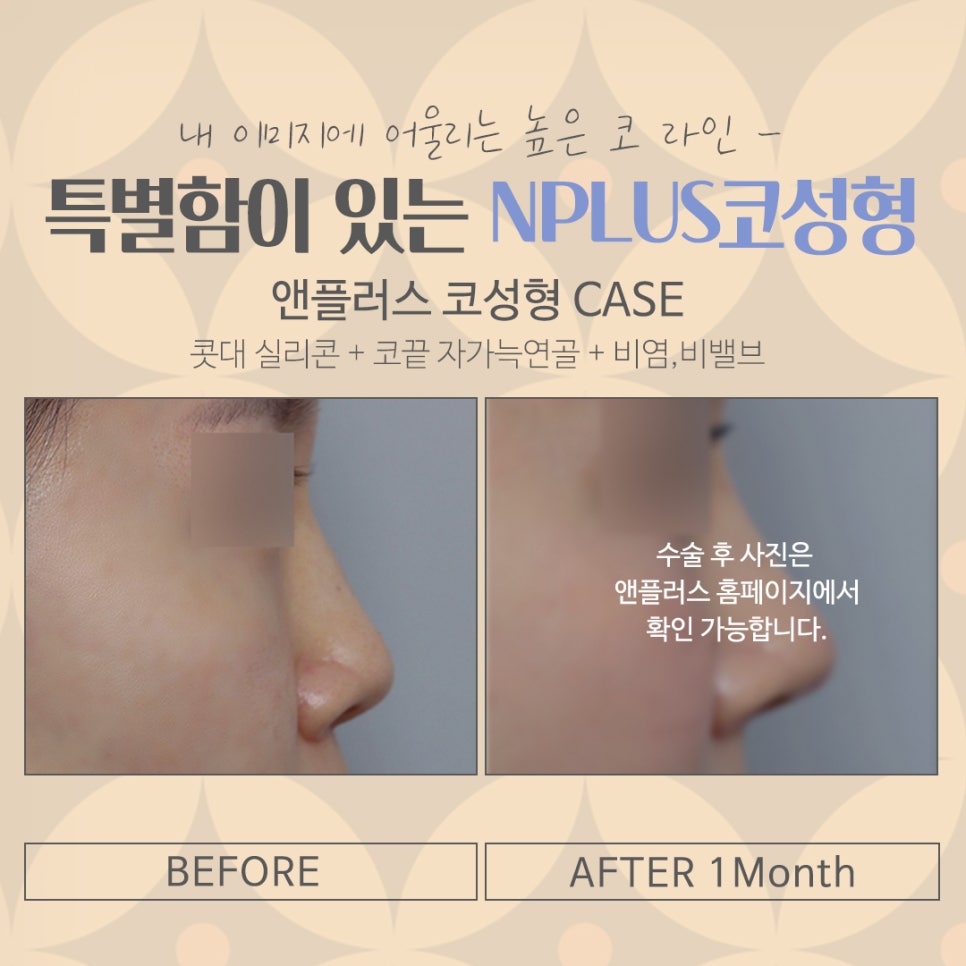
(The image above shows actual before-and-after photos from OjiKo N+ Clinic’s nose surgery review.)
That concludes the information we shared about a nose surgery review that also checked the inside of the nose at OjiKo N+ Clinic. We hope this post is helpful for those who are currently looking into nose surgery reviews because they are unhappy with their nose shape or have nasal congestion caused by rhinitis. Thank you.