Carefully checking rhinoplasty insurance coverage for rhinitis

Hello. We are Ohjiko Hospital & Plus, which has spent the past 16 years thinking only about your beautiful, healthy nose.
This time, we would like to share information about rhinoplasty insurance coverage for rhinitis, which was carefully checked before proceeding.
As the changing seasons continue, many people are said to be stressed in daily life by nasal congestion, sneezing, or a runny nose caused by rhinitis. When we usually look into rhinoplasty insurance coverage for rhinitis, we may think of it as a means to improve these symptoms through rhinoplasty.
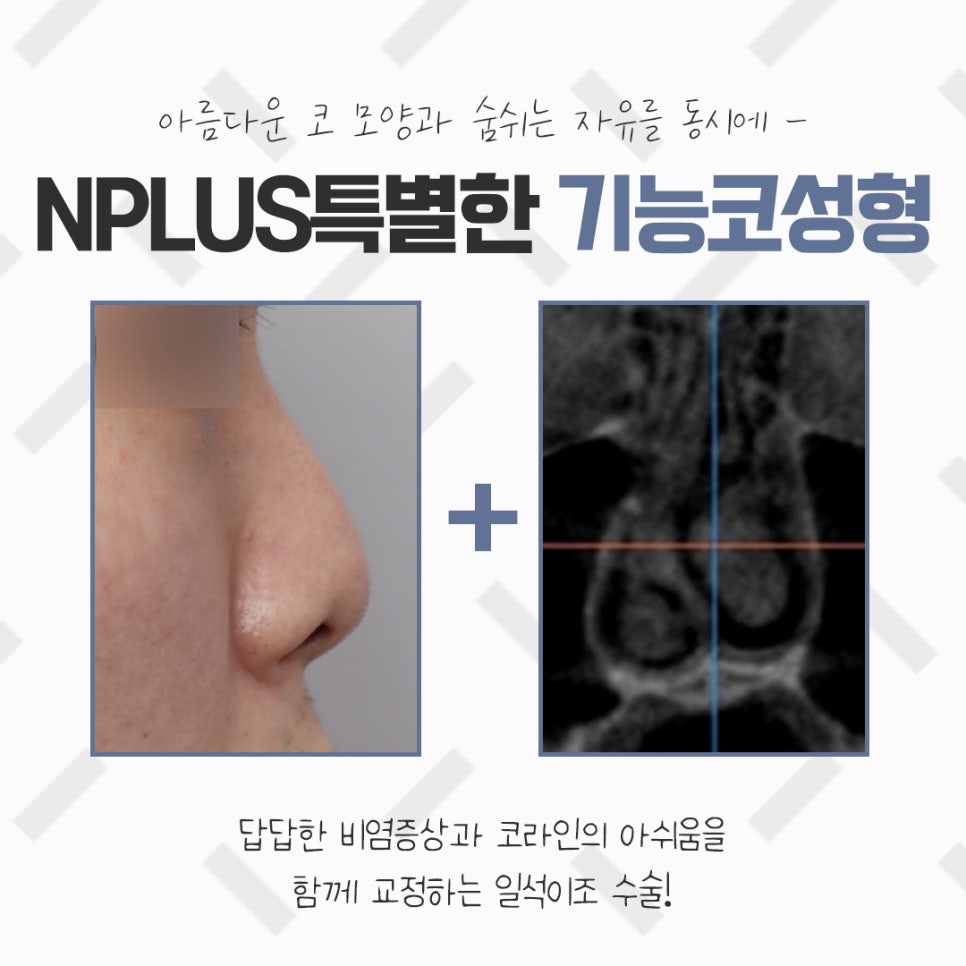
For those looking into rhinoplasty insurance coverage for rhinitis, they do have rhinitis, but rhinoplasty insurance coverage for rhinitis is not available to everyone. Rhinitis is a common condition affecting more than 70% of adults in Korea. Allergic rhinitis accounts for 20%, while structural rhinitis caused by internal structural abnormalities accounts for 80%. This is because symptoms such as nasal congestion, sneezing, and a runny nose alone cannot determine the cause of rhinitis by visual inspection. In the case of allergic rhinitis, which is commonly known, a complete cure is difficult, and temporary symptom relief may be expected through medication or improved immunity. In the case of structural rhinitis caused by internal structural abnormalities, a cure is possible through surgery.

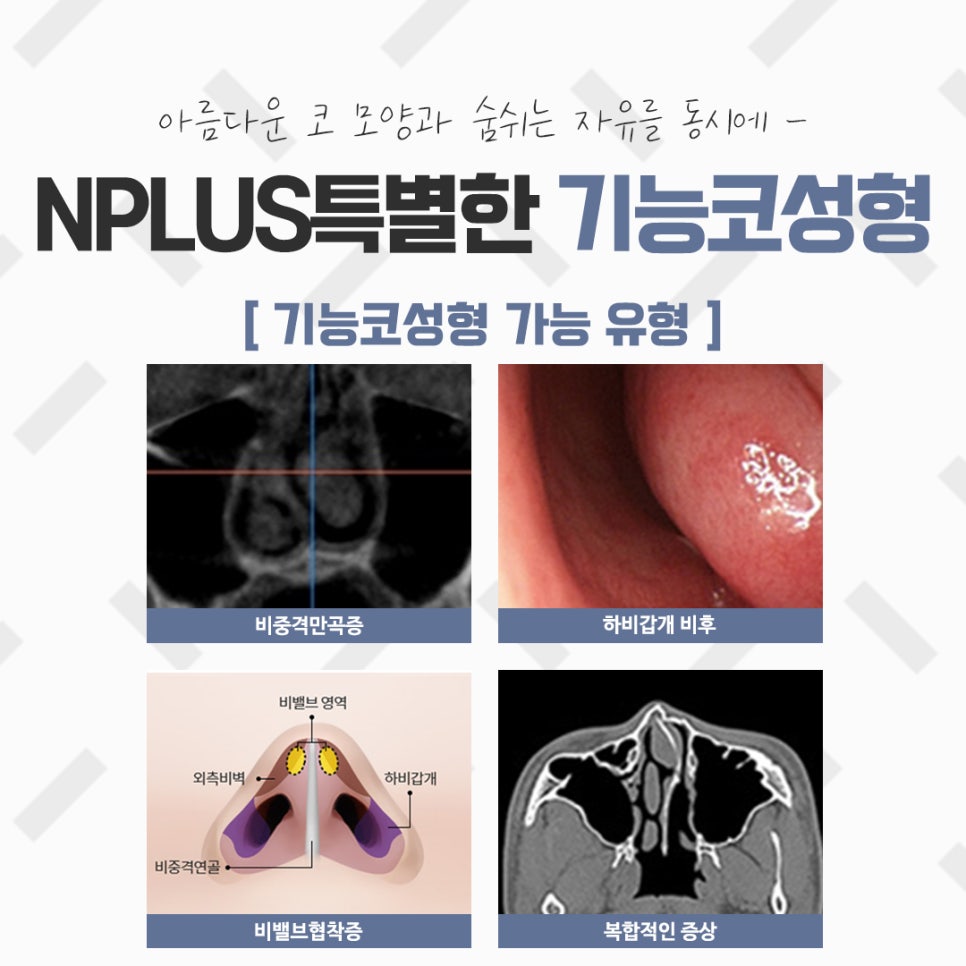
The causes of structural rhinitis due to internal structural abnormalities include a deviated septum, inferior turbinate hypertrophy, and nasal valve stenosis. These are different conditions that obstruct the flow of air entering the nose, and the most representative symptom is nasal congestion. Through an accurate diagnosis, the cause must be analyzed and the appropriate surgical method and materials must be used in order to prevent nasal congestion from recurring after surgery.
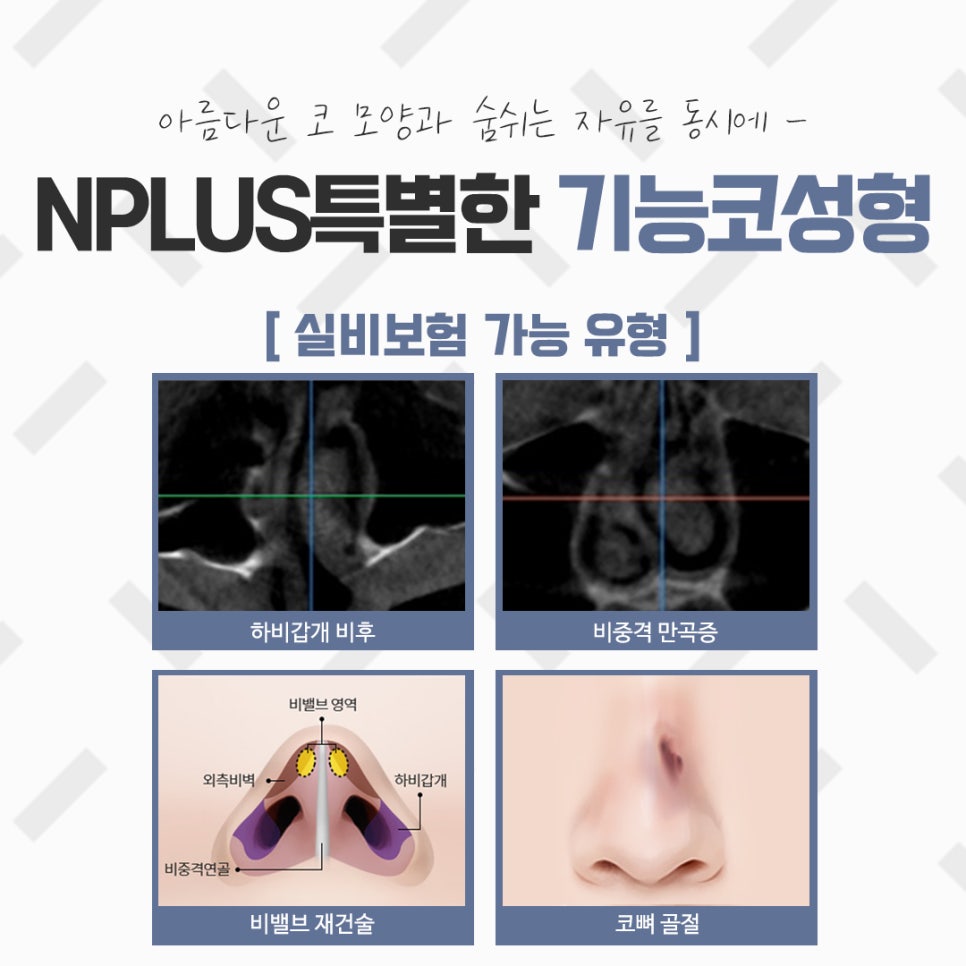
Therefore, cases that may qualify for rhinoplasty insurance coverage for rhinitis include a deviated septum, inferior turbinate hypertrophy, and nasal valve stenosis. In addition, there is also the case of a nasal bone fracture.

If you want to completely resolve nasal congestion symptoms, the inside of the nose must be accurately examined and the surgery must be performed using a method tailored to the individual. To receive an accurate diagnosis, we recommend proceeding at a place where the medical staff have a high level of anatomical knowledge of the nose, abundant surgical experience and expertise, equipment that can accurately examine the condition of your nose, reliable aftercare, and clear guidance on rhinoplasty insurance coverage for rhinitis.
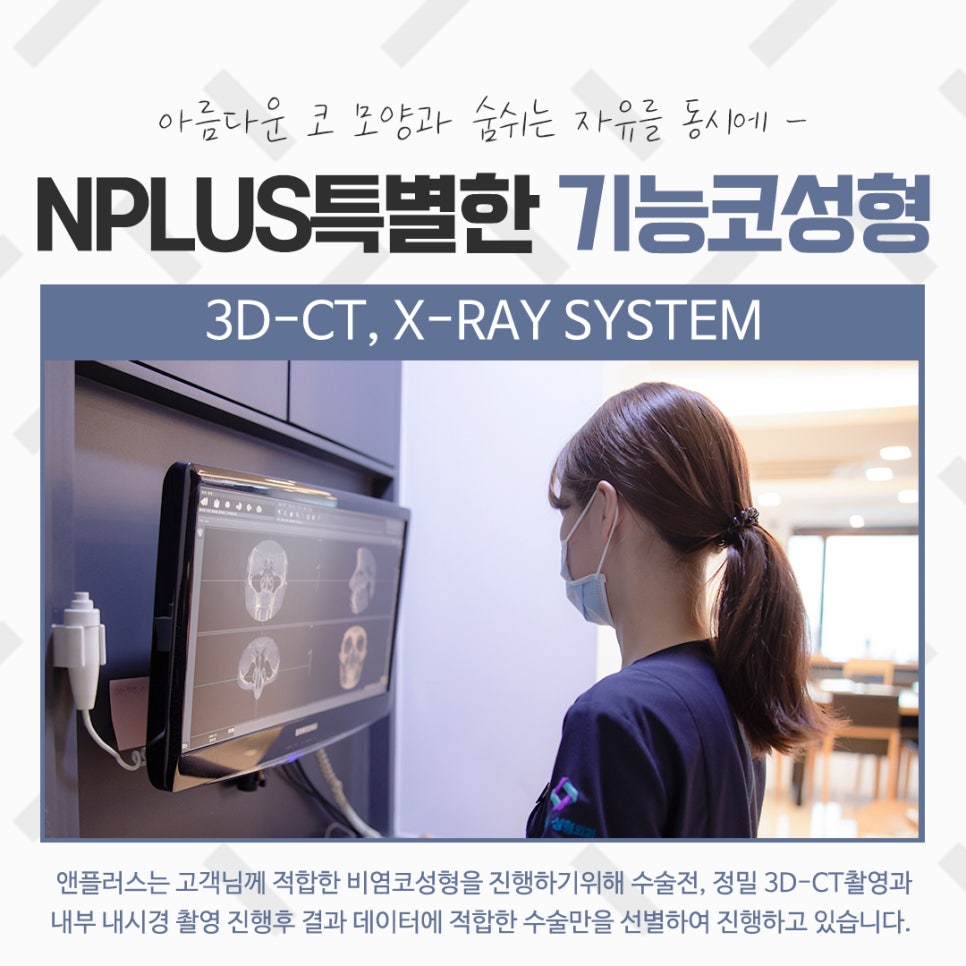
At Ohjiko Hospital & Plus, to provide an accurate diagnosis so that patients can benefit from rhinoplasty insurance coverage for rhinitis, preoperative 3D-CT imaging, internal endoscopy, various allergy tests, and functional tests are performed to assess the internal condition of the nose, the condition and position of the nasal bones, and whether cartilage is present. Based on the extracted data, surgery is carried out with a diagnosis tailored to each individual.
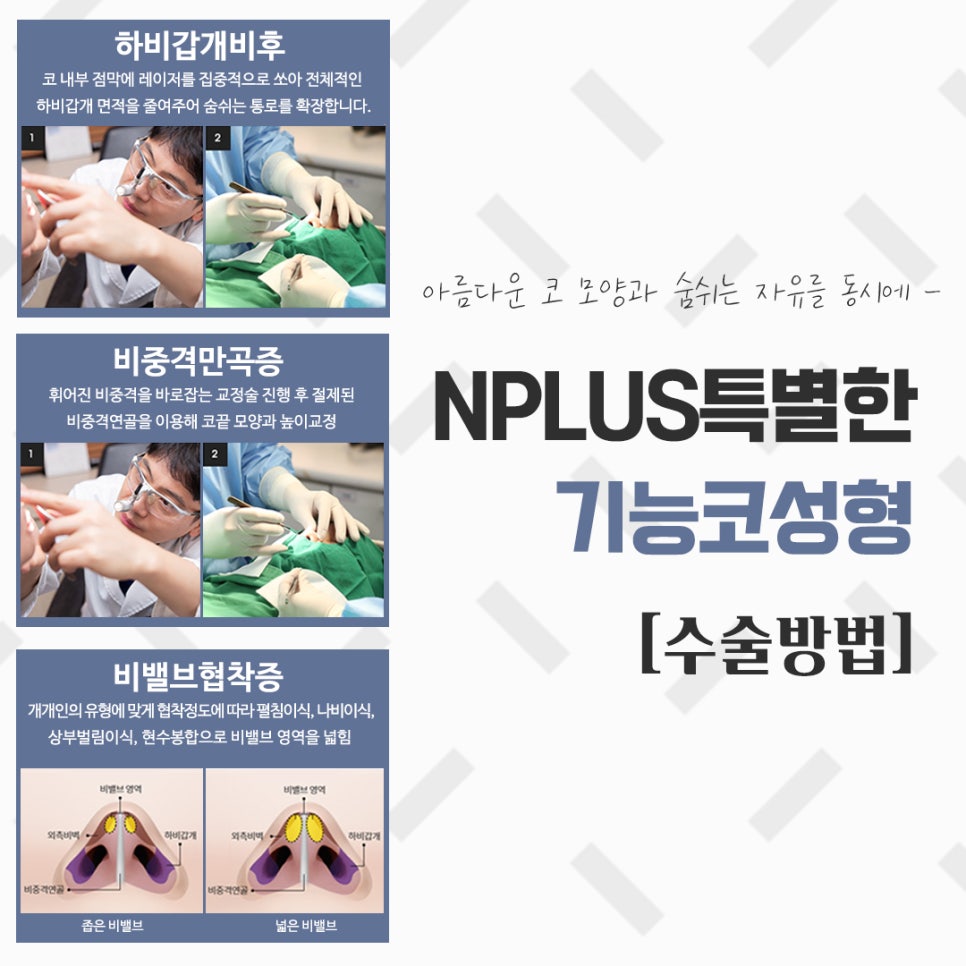
Therefore, if the diagnosis is confirmed as structural rhinitis and rhinoplasty insurance coverage for rhinitis is available, surgery may proceed as follows: a deviated septum is corrected by straightening the bent septum; inferior turbinate hypertrophy is treated by adjusting the size of the enlarged inferior turbinate through laser treatment; and nasal valve stenosis is treated by widening the narrowed nasal valve. If these causes of structural rhinitis are present in combination, additional surgery may be performed.
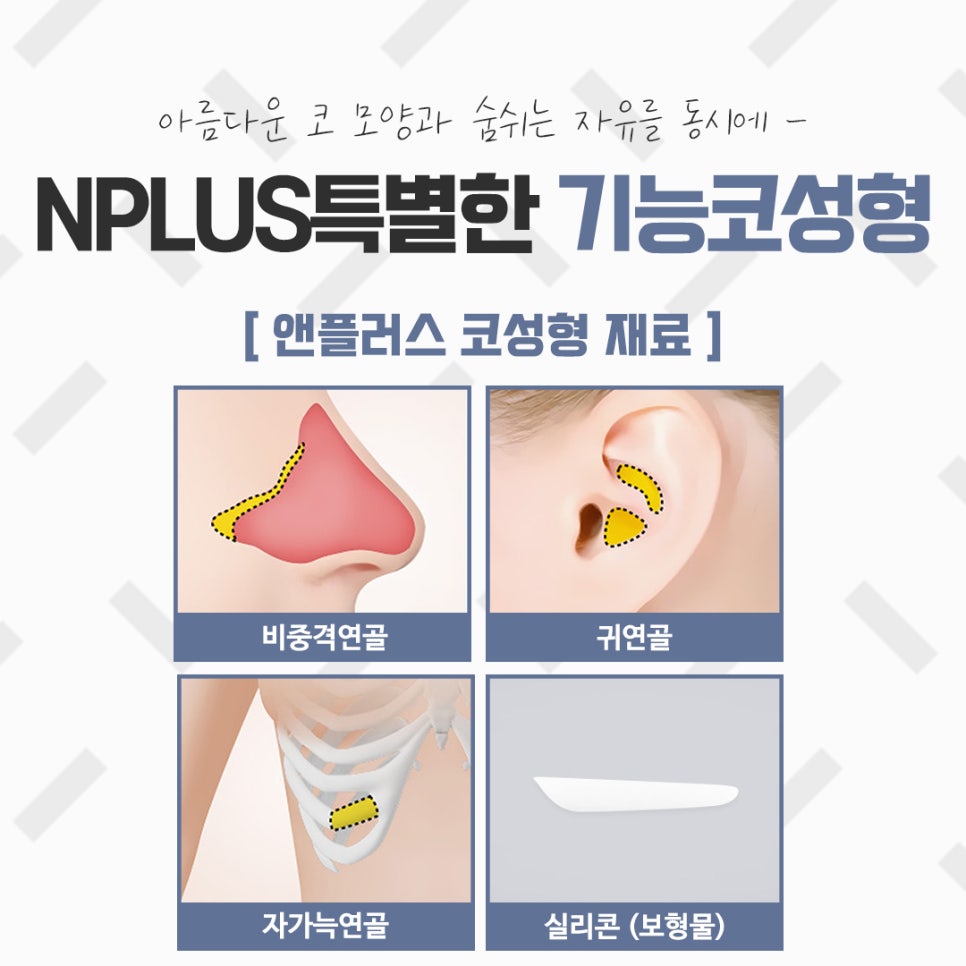
Also, when functional rhinoplasty is performed, these structural rhinitis issues are improved through surgery first, and then cosmetic rhinoplasty is performed. Typically, the nasal bridge is corrected with silicone, and the nasal tip is corrected using autologous cartilage. Autologous cartilage includes septal cartilage, ear cartilage, and autologous rib cartilage, and the materials are also selected through preoperative testing to suit each individual.
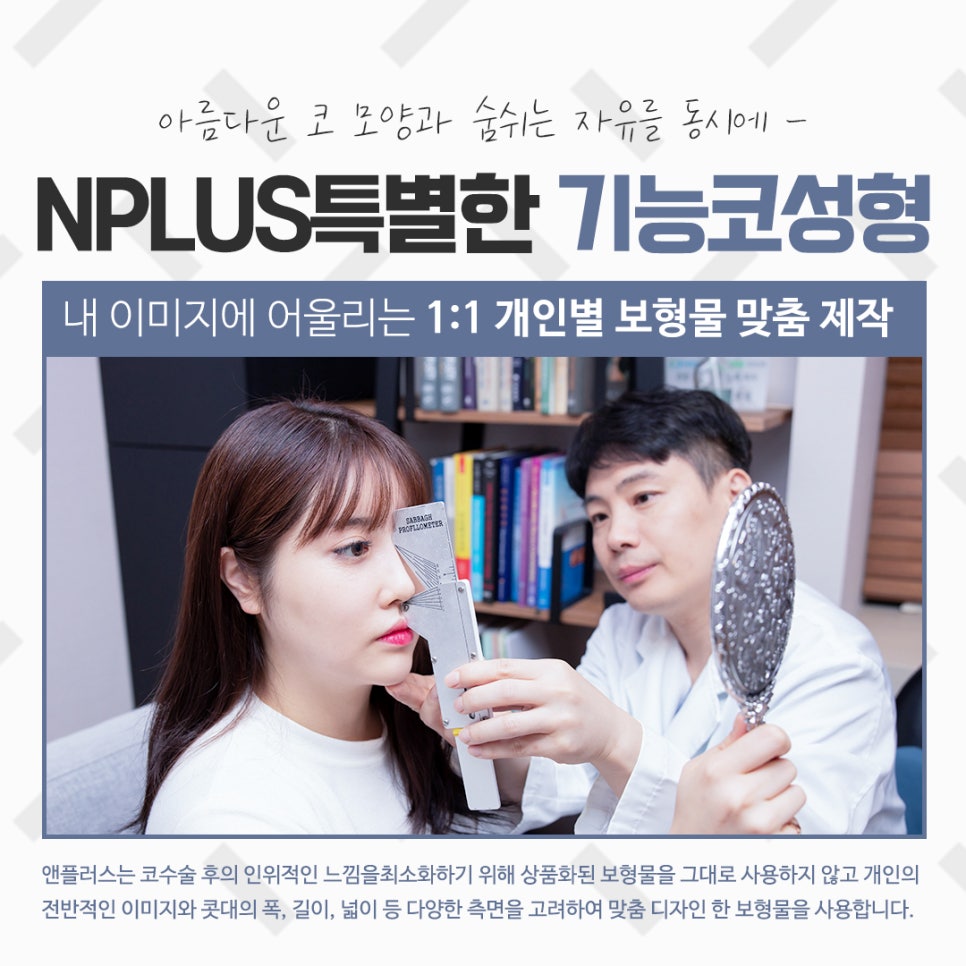
In the case of silicone used for the nasal bridge, surgery is performed not by using an existing mass-produced silicone as is, but by custom-designing and inserting it while considering the person's overall image as well as the width, length, breadth, and height of the nasal bridge.
Therefore, this can improve the shape of the nose that you have been dissatisfied with, solve nasal congestion that has been inconvenient in daily life at the same time, and provide clear guidance on rhinoplasty insurance coverage for rhinitis, making for a more satisfying nose surgery.
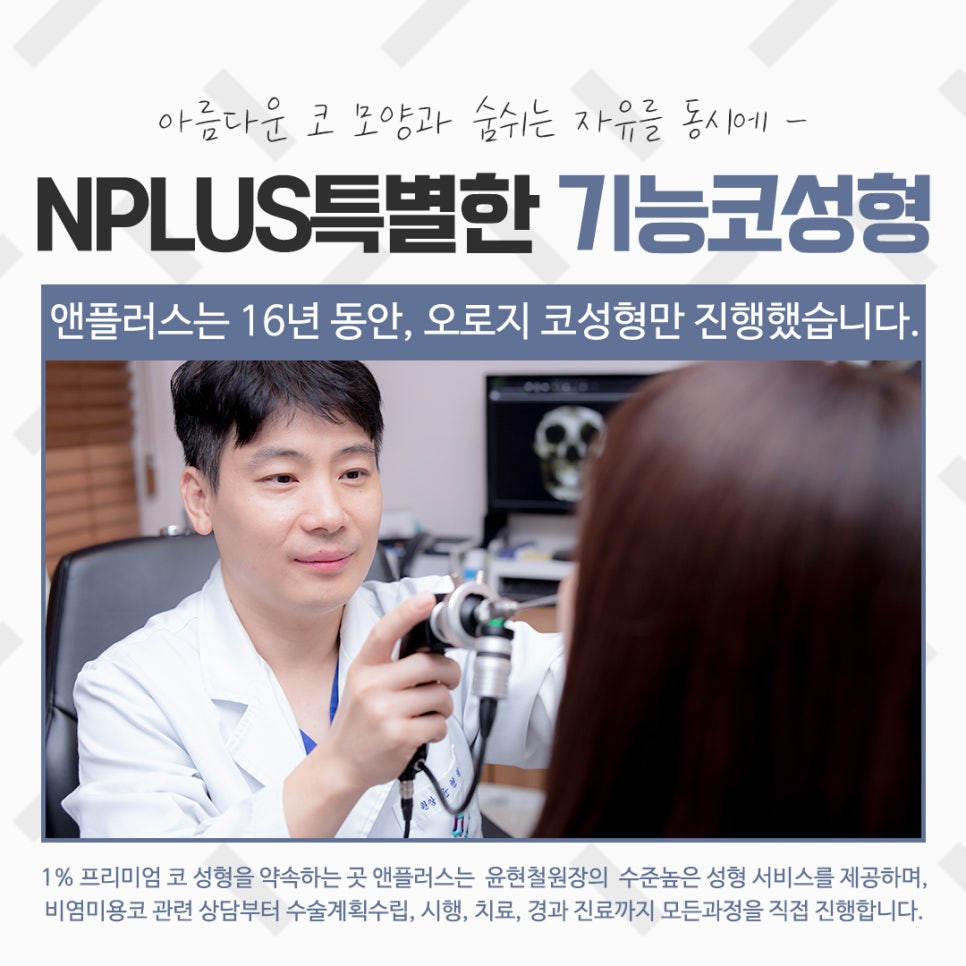
At Ohjiko Hospital & Plus, to ensure safe and satisfying rhinoplasty, Director Yoon Hyun-cheol personally handles every process one-on-one, from consultation related to rhinoplasty, to establishing the surgical plan, performing the procedure, and follow-up care. We also provide detailed guidance on rhinoplasty insurance coverage for rhinitis through an expert.
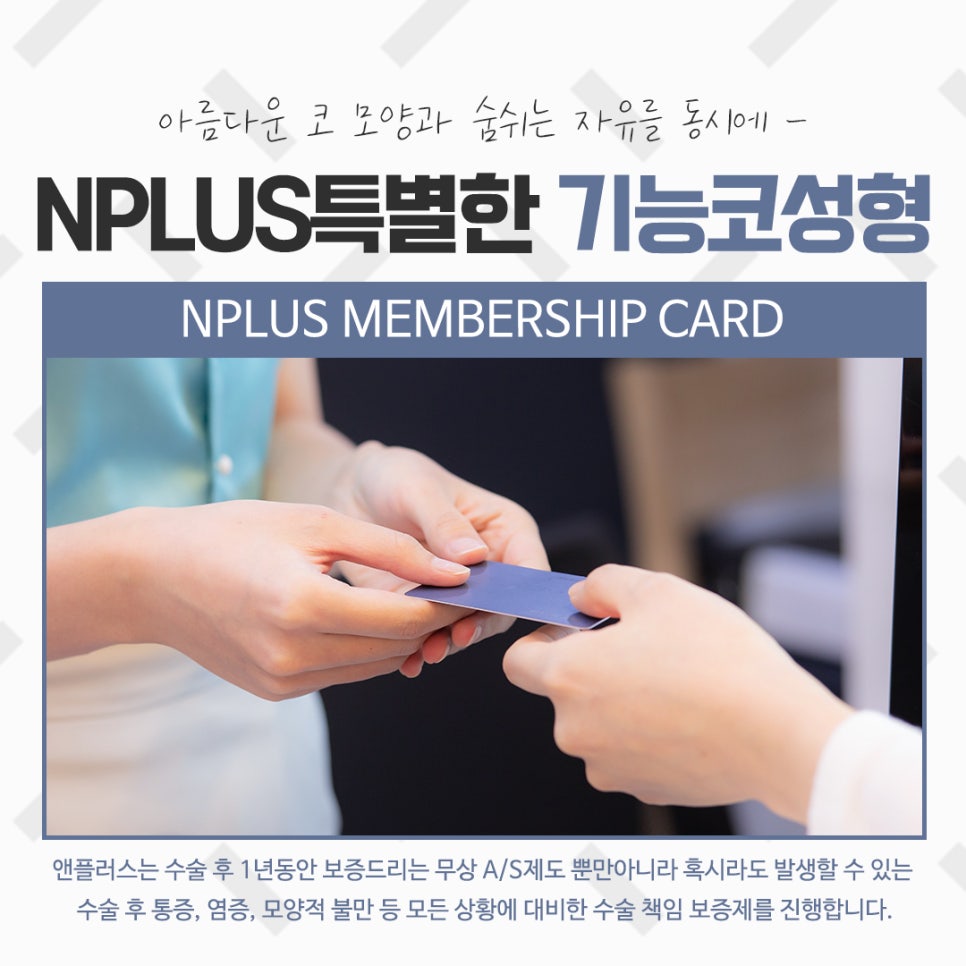
Aftercare is also supported through a one-year warranty after surgery, as well as a surgery responsibility guarantee system in preparation for any postoperative pain, inflammation, or dissatisfaction with the appearance that may occur. Therefore, customers who have the N+ membership card can receive aftercare benefits at any time.
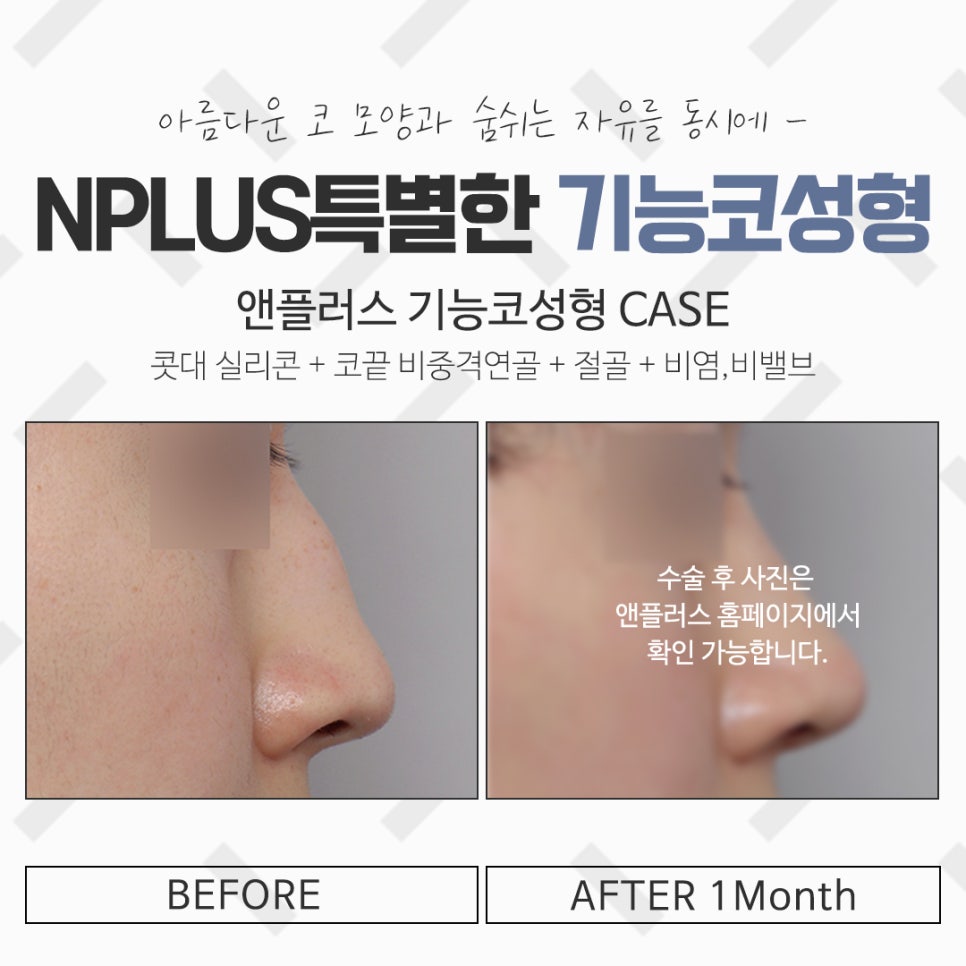
(The image above shows before-and-after photos of rhinoplasty insurance coverage for rhinitis at Ohjiko Hospital & Plus.)
That concludes our summary of rhinoplasty insurance coverage for rhinitis at Ohjiko Hospital & Plus. We hope this post is very helpful for those who are having difficulty with daily life due to nasal congestion caused by rhinitis, or who are considering rhinoplasty because they are unhappy with the shape of their nose. Thank you.