
Hello. This is Ozigo Hospital & Plus, which only thinks about your beautiful and healthy nose.
The content we will introduce this time is about the clear differences before and after rhinoplasty.

Usually, people looking into the before and after of rhinoplasty are increasingly interested in nose surgery as a way to improve their current appearance into something more attractive. Since the nose is located at the center of the face and plays a role in balancing all the facial features, it is a popular area for plastic surgery because it can have a significant effect on improving one’s image compared with other areas.

Therefore, when you look at the before and after of rhinoplasty, the reasons people choose nose surgery are often a low bridge or tip, a crooked nose, a hump, or an upturned nose. In such cases, they may feel stress in daily life because of how they look and want to improve it.

However, the nose is not only important for appearance; it is also an organ responsible for breathing and smell, and can be said to be an important organ for the entire body. Therefore, if rhinoplasty is performed with only cosmetic goals and without checking the inside of the nose, functional problems after surgery may lead to revision surgery. For this reason, it is recommended that you first understand the functional aspects inside the nose and proceed while referring to information about the before and after of rhinoplasty.
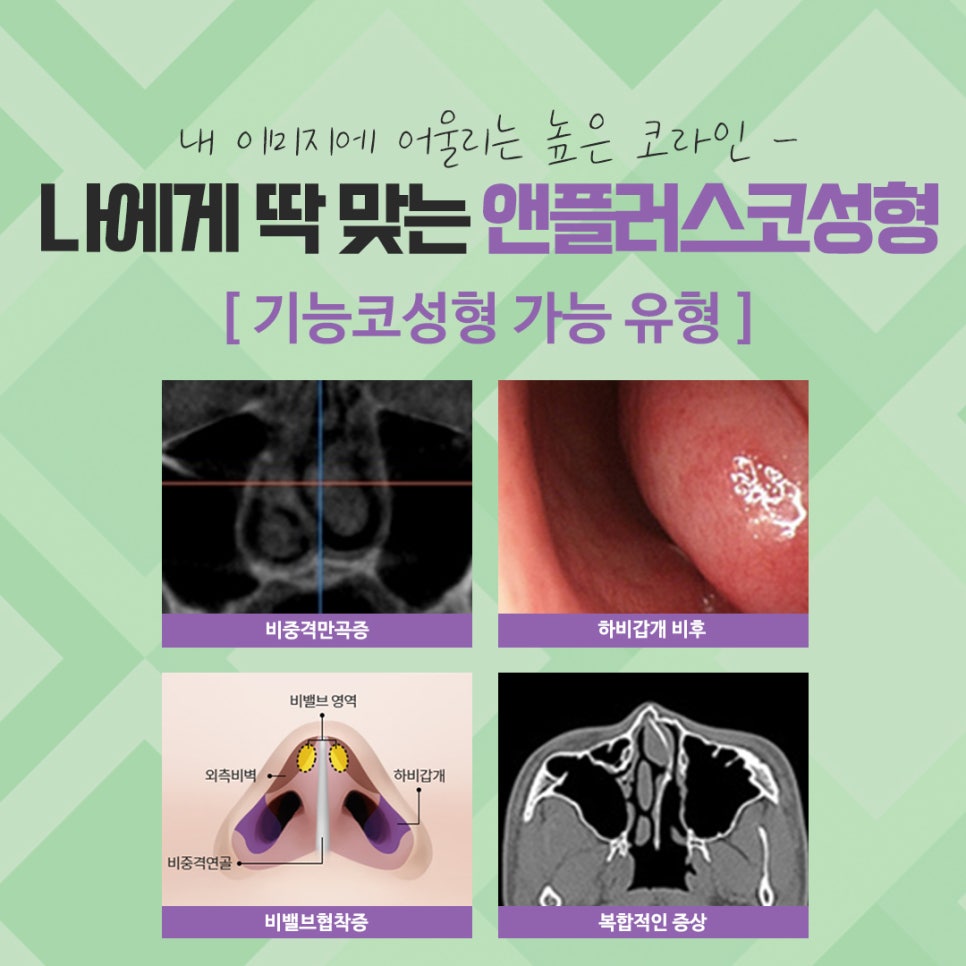
When it comes to improving the functional aspects of the nose through surgery, nasal obstruction caused by rhinitis is a representative example. Rhinitis is a condition affecting more than 70% of adults in Korea. Allergic rhinitis accounts for 20%, while structural rhinitis caused by internal structural abnormalities accounts for 80%, making up the larger share. Allergic rhinitis is difficult to cure completely, so temporary symptom improvement can be achieved through ongoing immune-strengthening measures and medication. On the other hand, structural rhinitis can be cured through surgery. Structural rhinitis includes a deviated septum, nasal valve stenosis, and inferior turbinate hypertrophy. Each condition obstructs the flow of air entering through the nose in different ways, commonly causing symptoms of nasal congestion.
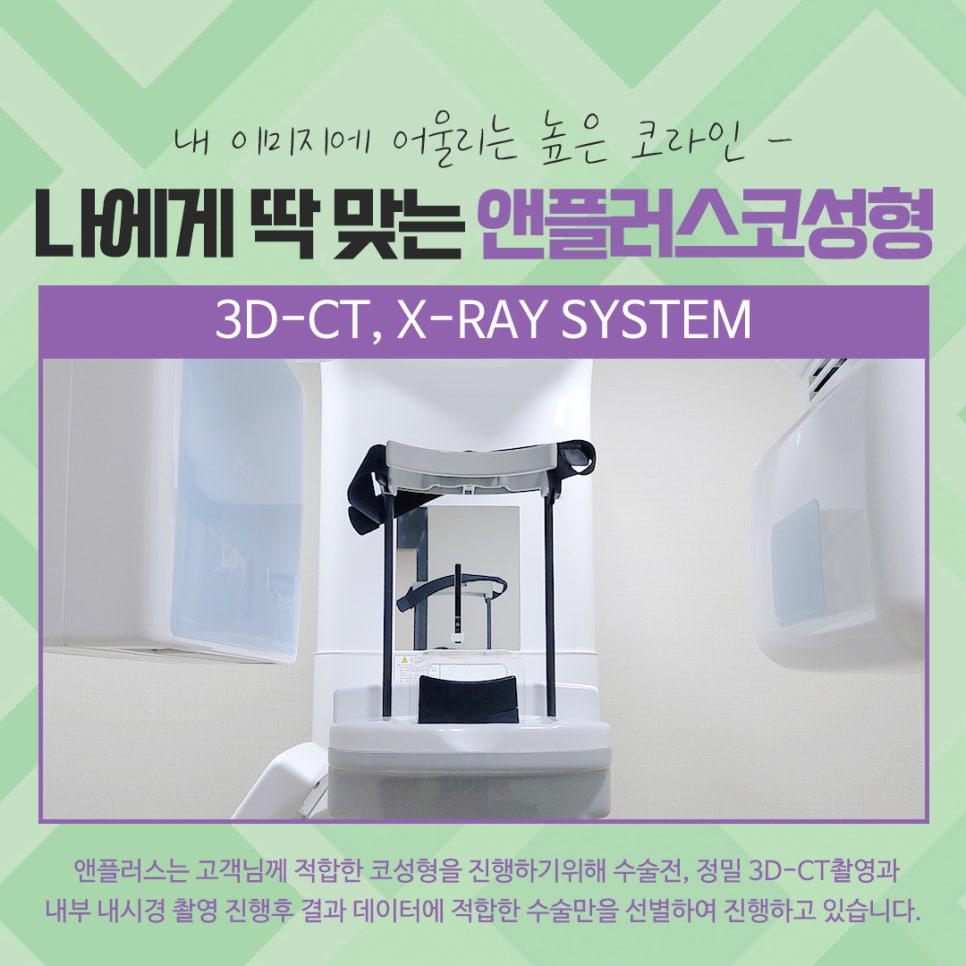
At Ozigo Hospital & Plus, to ensure safe and satisfying before-and-after rhinoplasty results, we conduct various allergy tests, 3D-CT imaging, and internal endoscopic examinations before surgery to accurately check for internal nasal problems, the condition of the nasal bones, the condition of the skin, and whether cartilage is present. Based on this, we establish a surgical plan tailored to each individual and select the method and materials accordingly.
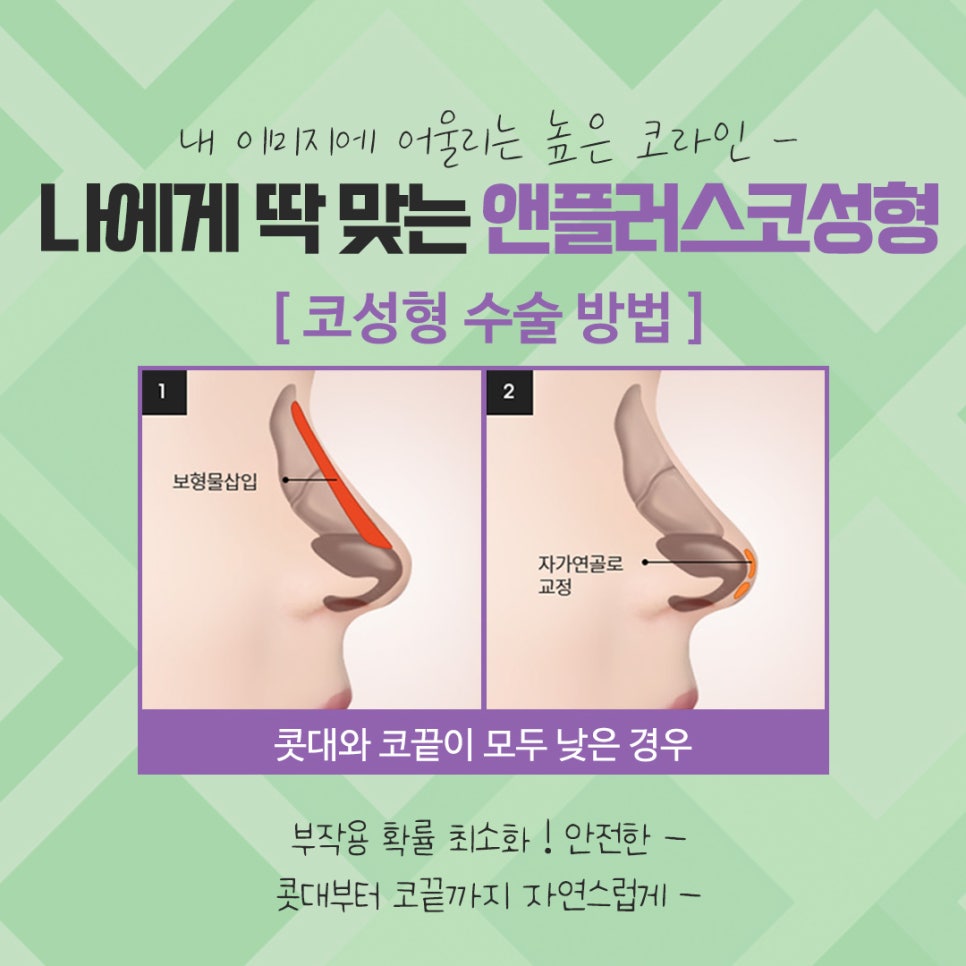
In general, when it comes to rhinoplasty methods, if you look at the before and after of nose surgery, the bridge is corrected using an implant and the tip is corrected using the patient’s own cartilage.
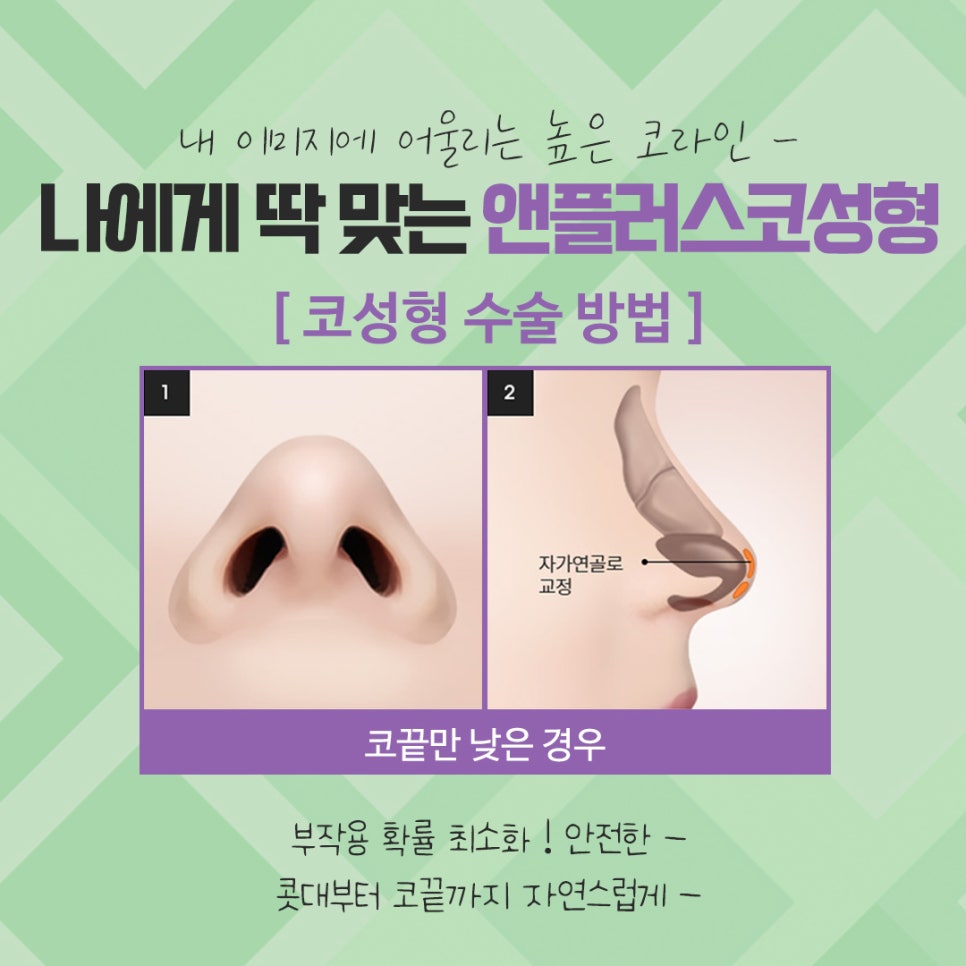
If only the bridge is low, it is corrected by inserting an implant.

If only the tip is low, the tip is corrected using the patient’s own cartilage.
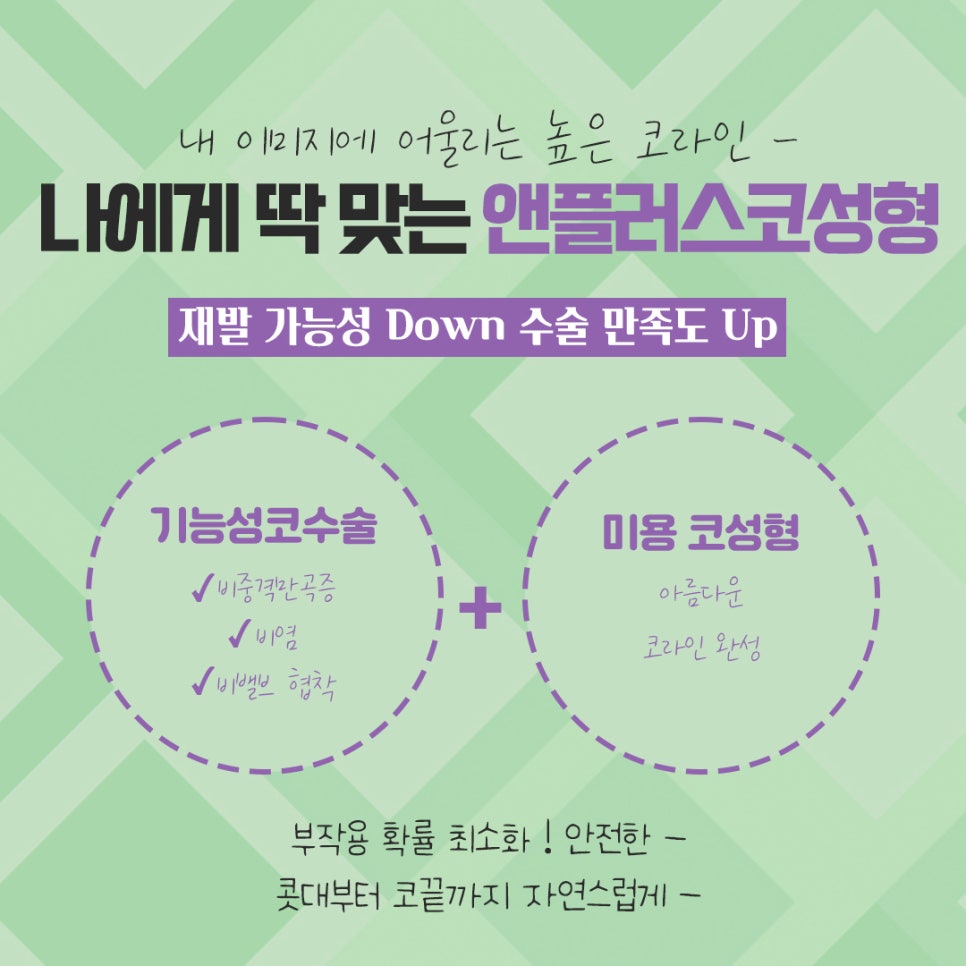
Also, if there are internal nasal problems (deviated septum, nasal valve stenosis, inferior turbinate hypertrophy), the functional issues are addressed first, followed by cosmetic rhinoplasty.
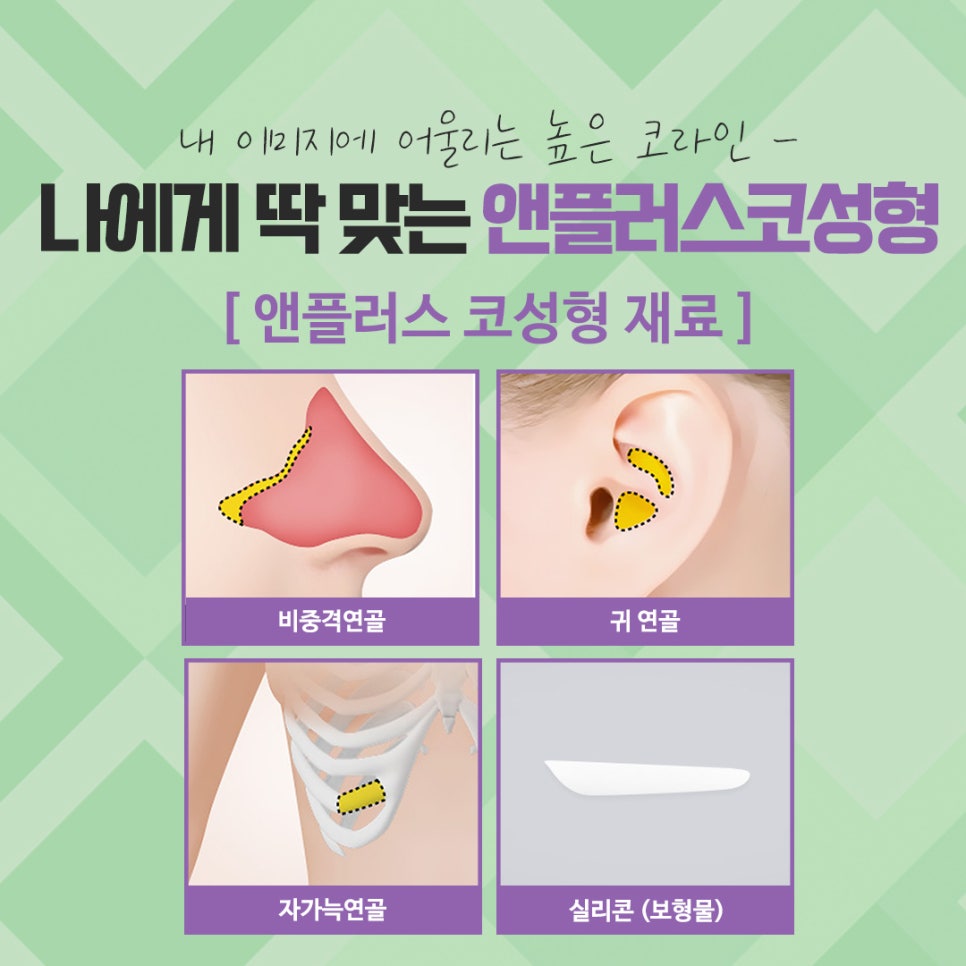
When you look at the before and after of rhinoplasty, you can see that the materials used in nose surgery also vary from person to person. In general, the bridge is treated with an implant and the tip with the patient’s own cartilage. Autologous cartilage includes ear cartilage, septal cartilage, and rib cartilage, and the material is also selected through preoperative tests to suit each individual.

In addition, for implants used in bridge surgery, instead of using a premanufactured product as-is, the implant is carefully shaped by hand while considering the individual’s overall facial image, as well as the width, length, breadth, and height of the nasal bridge. This can lead to more satisfying before-and-after rhinoplasty results.
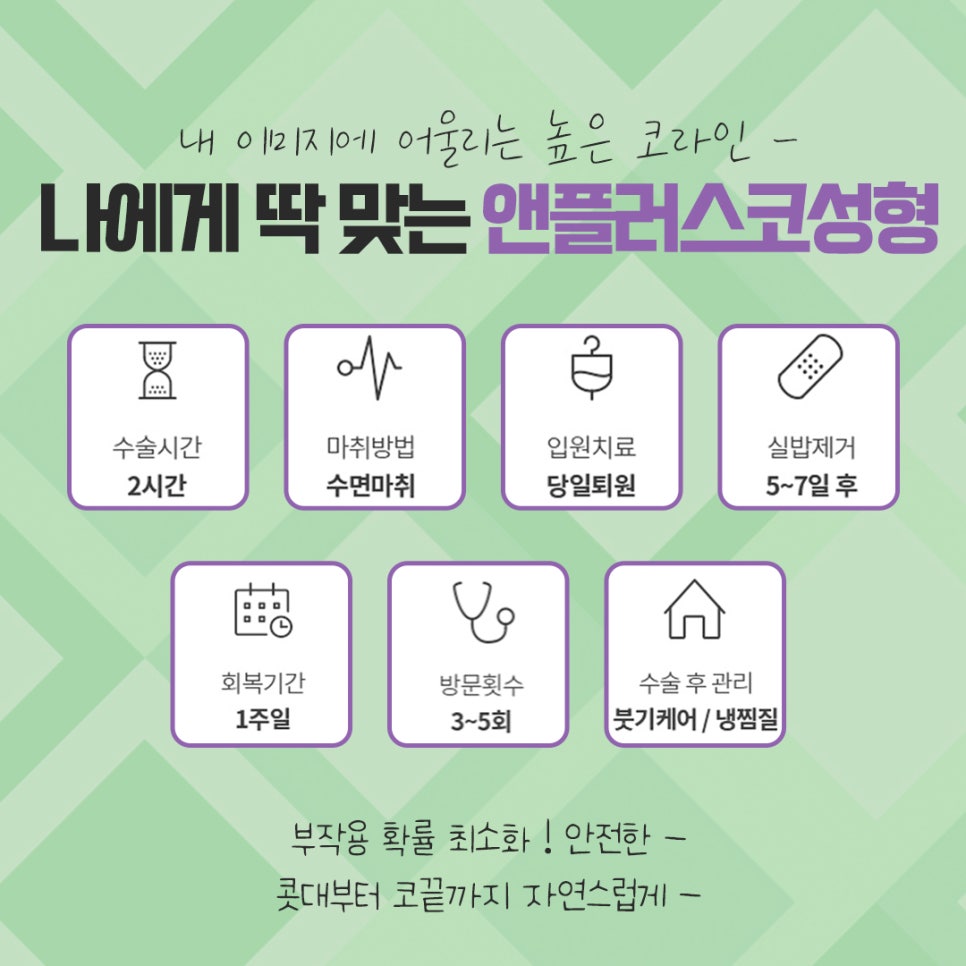
As mentioned earlier, rhinoplasty is important not only cosmetically but also for checking the functional aspects of the nose. It is therefore advisable to decide on surgery after considering, along with the before-and-after results, whether the medical team has a high level of anatomical knowledge of the nose, extensive surgical experience and expertise, the equipment needed to accurately assess the condition of your nose, and whether thorough post-operative care can be guaranteed.
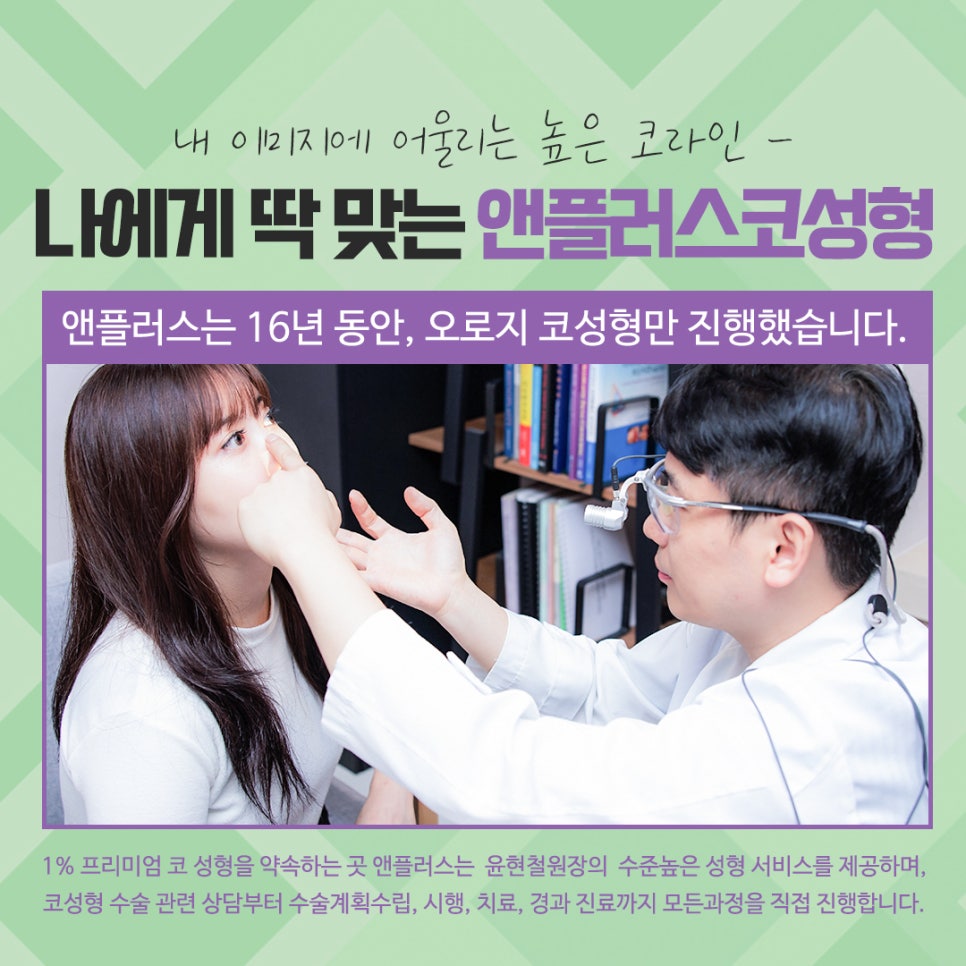
At Ozigo Hospital & Plus, we pursue safe and satisfying before-and-after rhinoplasty results. Director Yoon Hyun-cheol personally handles everything one-on-one, from rhinoplasty consultations to surgical planning, procedure, treatment, and follow-up care.

For aftercare, we also issue an Anplus membership card and operate an after-service system that guarantees coverage for one year after surgery, as well as a surgical responsibility guarantee system prepared for any situation that may arise after surgery, such as pain, inflammation, or dissatisfaction with the results. Those who have an Anplus membership card can receive aftercare benefits at any time.
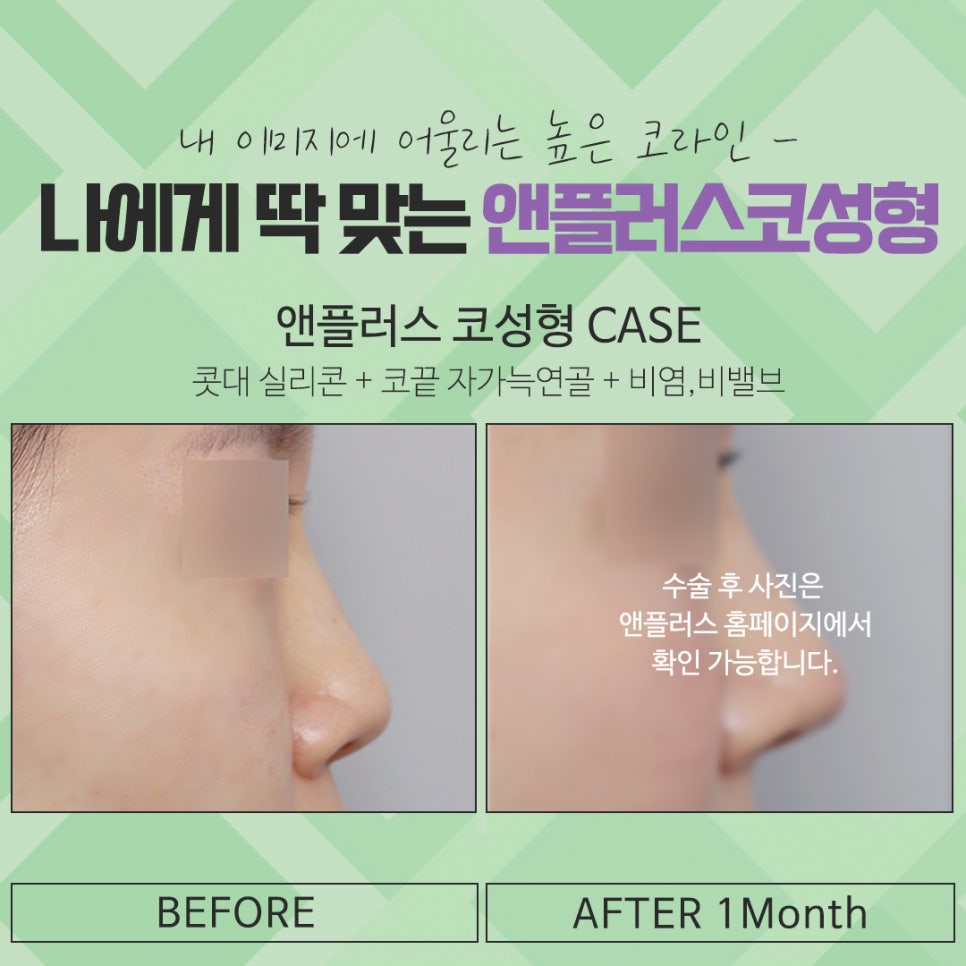
That concludes our explanation of the differences before and after rhinoplasty at Ozigo Hospital & Plus. We hope this article has been very helpful for those who are considering rhinoplasty because they are unhappy with the shape of their nose. Thank you.