
Hello. We are Ojiiko N+ Clinic, which thinks only about your beautiful and healthy nose.
This time, we will introduce a post about rhinitis surgery reviews that were carried out after being carefully checked.

Many people are highly interested in nose surgery, because the nose is located at the center of the face and is the most three-dimensional area that controls the balance of all facial features. So when the nose is low, droops, has a hump, is crooked, or turned up, even a slight deviation from the standard draws attention to the nose. For this reason, people who see it as a complex try to improve the shape of their nose and change their image.
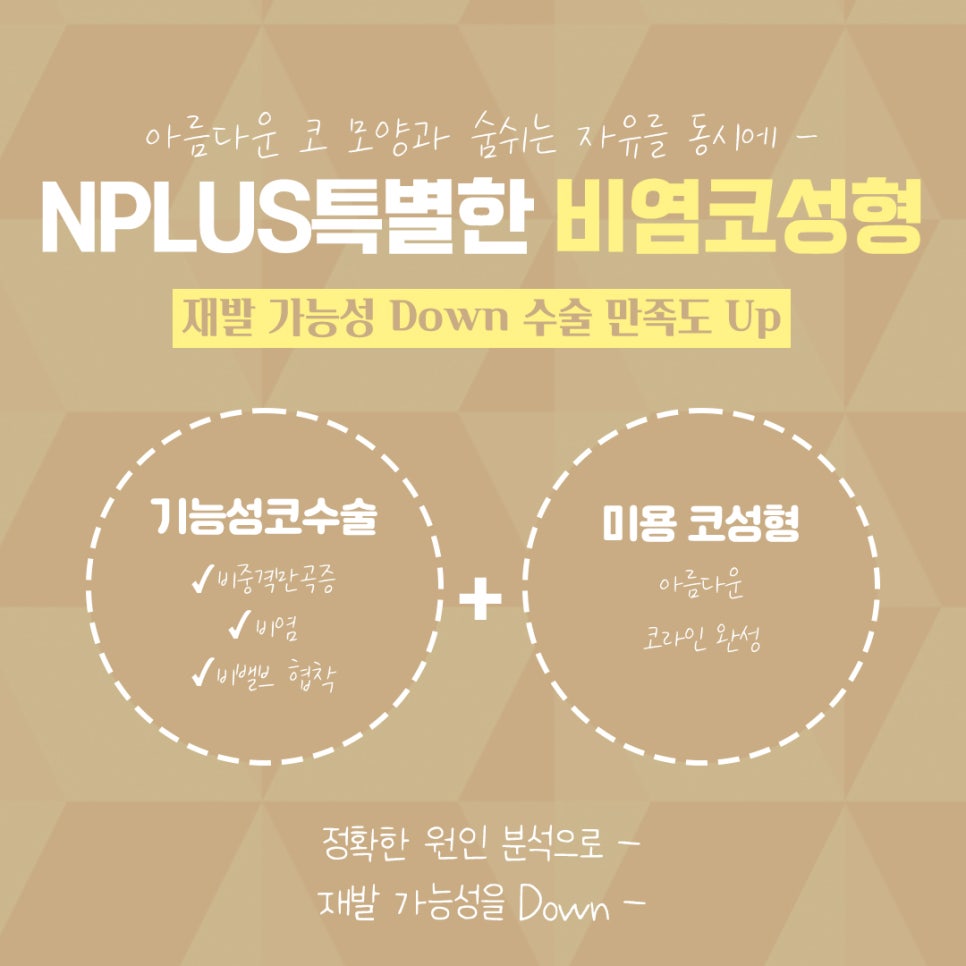
As such, many people usually consider nose surgery because they are not satisfied with the shape of their nose, but people who are suffering from major inconveniences in daily life due to rhinitis symptoms such as nasal congestion, runny nose, and sneezing can also improve through nose surgery. That is why interest in rhinitis surgery reviews has increased.

Rhinitis is a common condition affecting more than 70% of Korean adults, and it typically refers to symptoms such as nasal congestion, a runny nose, or sneezing. Of these, 20% is allergic rhinitis, and the remaining 80% is structural rhinitis caused by internal structural abnormalities, such as a deviated septum, nasal valve stenosis, and inferior turbinate hypertrophy. In the case of allergic rhinitis, it appears due to specific substances or seasons, and because it is difficult to cure completely, you may see temporary symptom improvement through consistent medication treatment or by strengthening immunity.
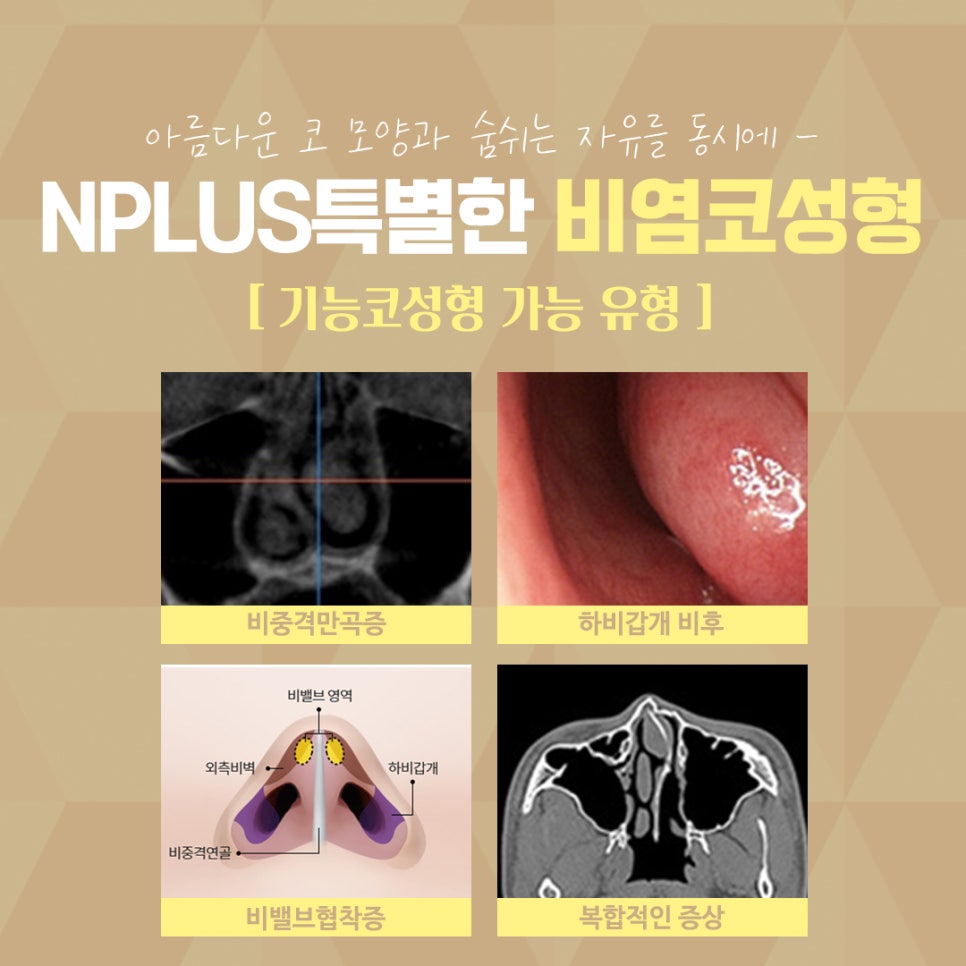
In the case of structural rhinitis such as a deviated septum, inferior turbinate hypertrophy, and nasal valve stenosis, a cure is possible through surgery, so the operation is performed differently depending on each condition. In many cases, people mistake rhinitis for allergic rhinitis and leave the symptoms untreated. Since it is not possible to tell with the naked eye whether rhinitis is allergic rhinitis or structural rhinitis, it is important to check the inside of the nose using equipment, and referring to rhinitis surgery reviews can be helpful.

Therefore, many people look into nose surgery because of problems with the shape and function of the nose. If you look at rhinitis surgery reviews, you can see that functional improvement of the nose and cosmetic rhinoplasty are performed at the same time. Also, even when cosmetic rhinoplasty is performed alone, the nose plays an important role aesthetically, but it is also an organ responsible for breathing and smell. If surgery is performed without considering the functional aspects, postoperative functional problems can lead to revision surgery. Therefore, even if there are no functional symptoms in the nose, it would be helpful to make sure the inside of the nose is checked before proceeding with surgery.
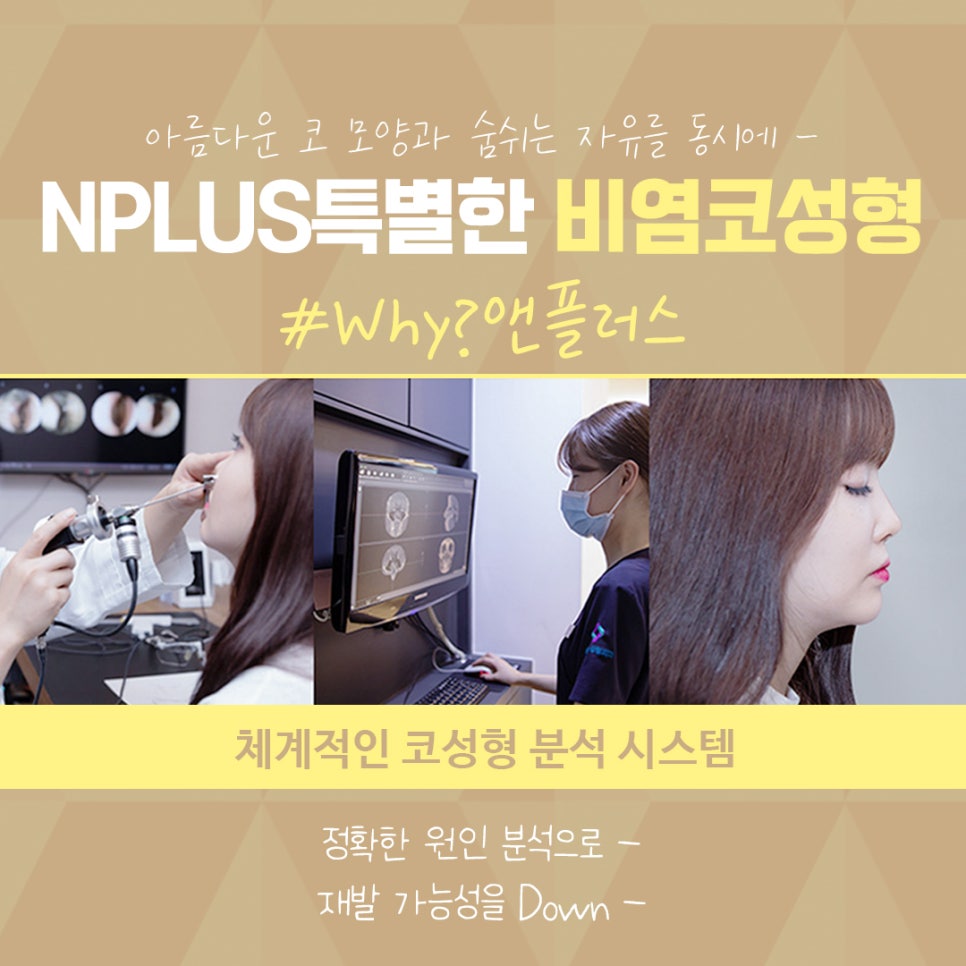
At Ojiiko N+ Clinic, to ensure safe and satisfying rhinitis surgery reviews, various allergy tests, 3D-CT scans, and internal endoscopy are performed before surgery to accurately check the condition and position of the nasal bones, whether cartilage is present, and the internal functional state before proceeding. This helps prevent recurrence in functional surgery and helps prevent postoperative functional problems in cosmetic rhinoplasty.
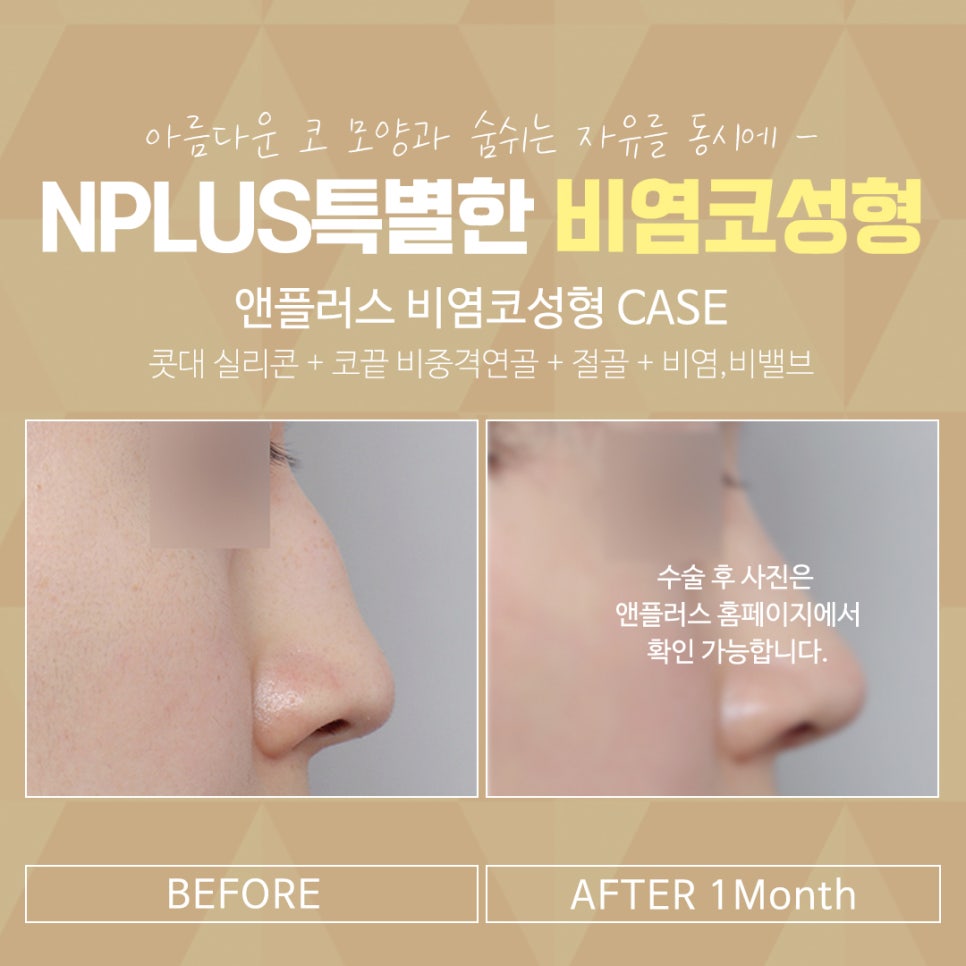
Also, for those looking into rhinitis surgery reviews, it is important to refer to review images and find a nose shape similar to yours for comparison, but even if the nose shape is the same, checking the internal functional aspects in person is the only way to know the exact condition of the nose. Since rhinoplasty is a surgery that must consider both the external and internal aspects, it is better to carefully check whether the medical staff have strong anatomical knowledge of the nose, whether they have sufficient relevant experience, whether equipment is available to examine your nose, and whether aftercare is handled thoroughly before proceeding with surgery.

If you look at rhinitis surgery reviews, the main surgical methods for rhinitis are broadly divided into a deviated septum, inferior turbinate hypertrophy, and nasal valve stenosis. A deviated septum refers to a bent septum, which acts as a partition dividing the nostrils into two. The surgery straightens the septum. Inferior turbinate hypertrophy refers to a condition in which the inferior turbinate, the soft tissue inside the nose, becomes enlarged, and its size is adjusted with a laser. Lastly, nasal valve stenosis refers to a narrowed and constricted nasal valve, which serves as the roof of the nose, and this is treated using one of four methods. Although these are different conditions, they all commonly cause nasal congestion by obstructing airflow into the nose, so the appropriate surgical method must be applied according to the symptoms to smooth airflow and correct nasal congestion. In addition, while these symptoms may occur alone, in cases where they occur in combination, correction is performed through additional surgery and procedures.
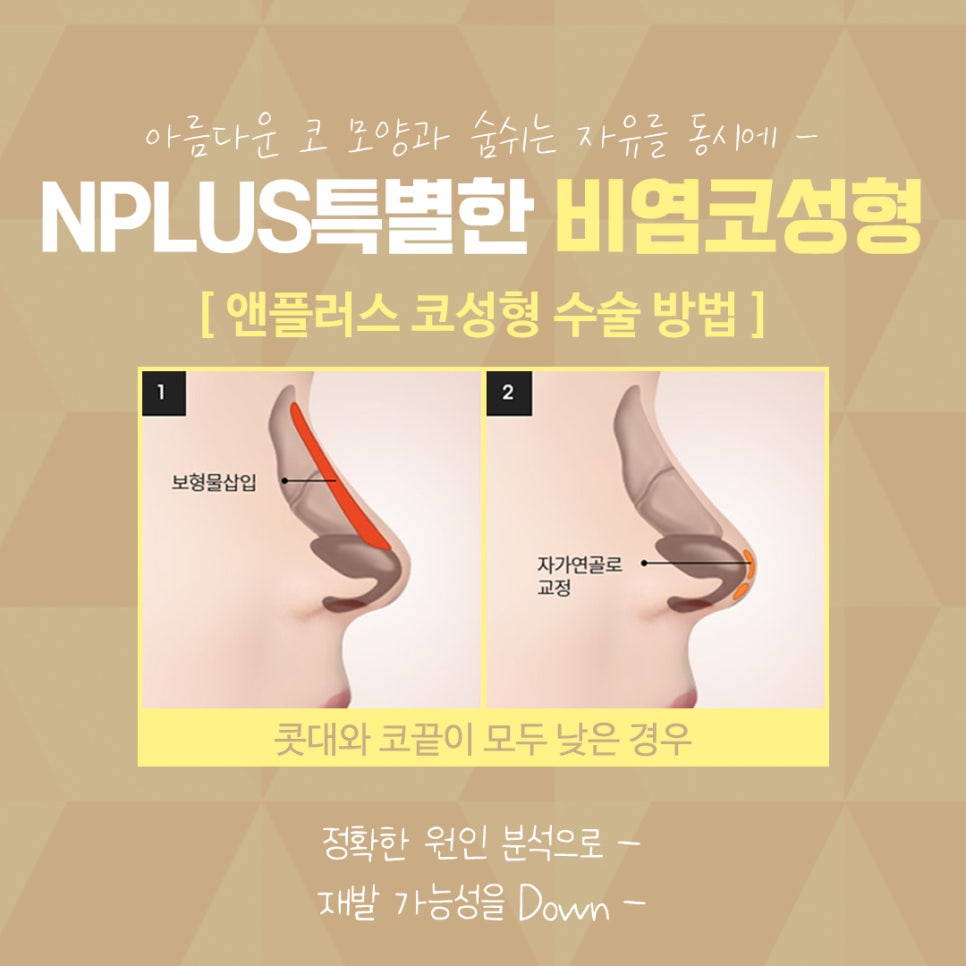
If cosmetic rhinoplasty is needed after rhinitis surgery, the bridge of the nose is generally corrected with silicone, and the tip of the nose is corrected with autologous cartilage.
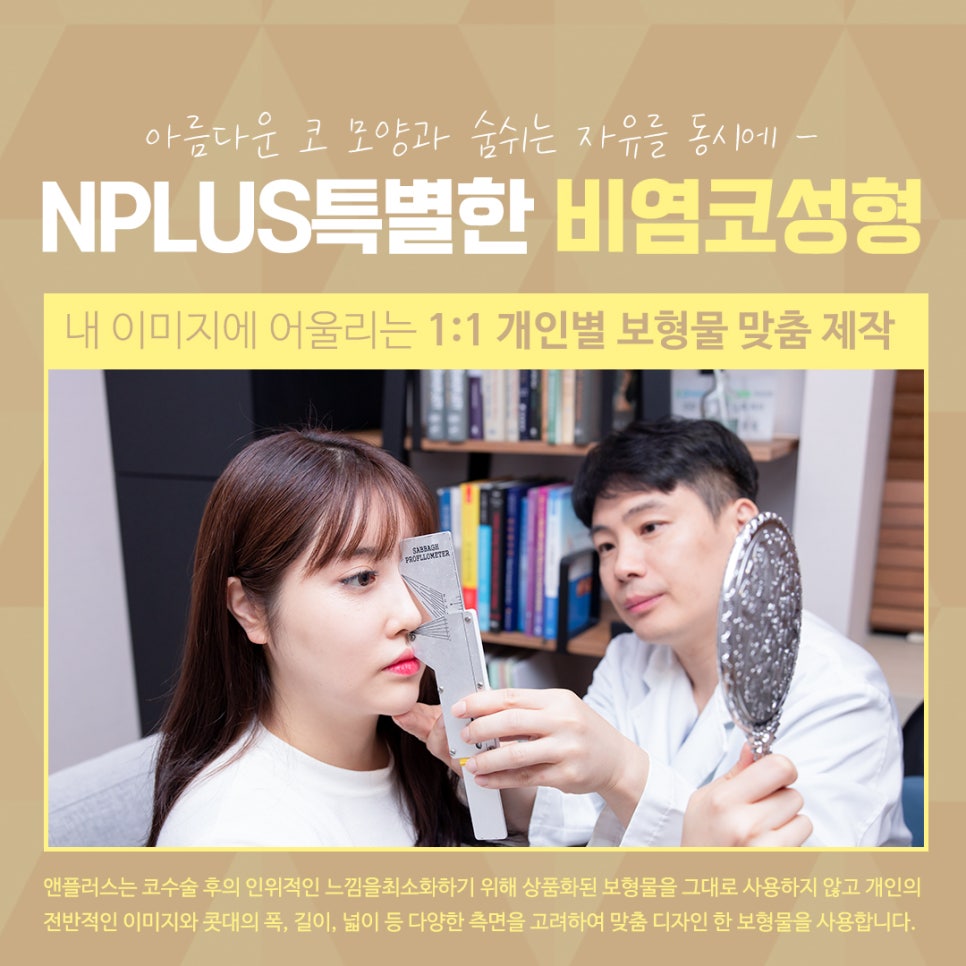
First, the silicone used for the nasal bridge is not used as-is from commercially produced silicone. Instead, it is carefully shaped by hand after considering the individual's overall facial image and the width, length, breadth, and height of the bridge before being inserted.
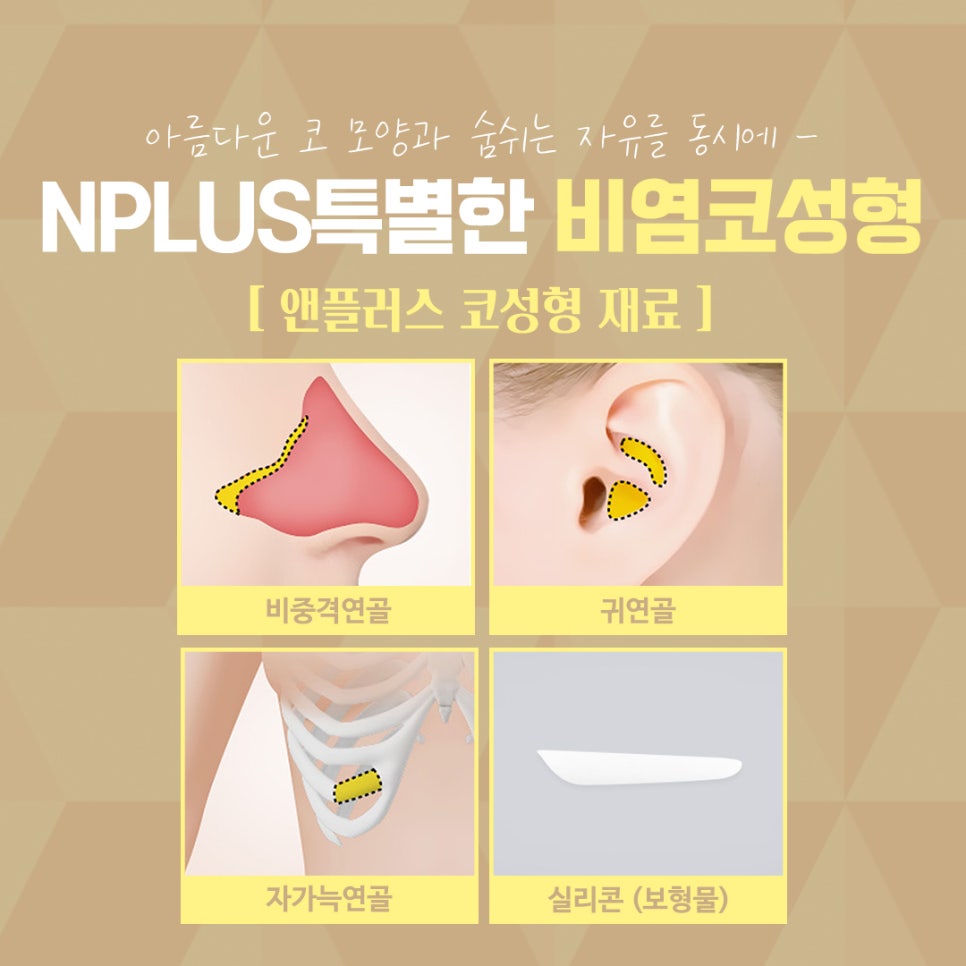
If you look at rhinitis surgery reviews, you can see that the autologous cartilage used for the tip of the nose is handled differently for each person. This can vary depending on the size, shape, and presence of cartilage, and can be identified through preoperative tests. Types of autologous cartilage used include ear cartilage, septal cartilage, and autologous rib cartilage.
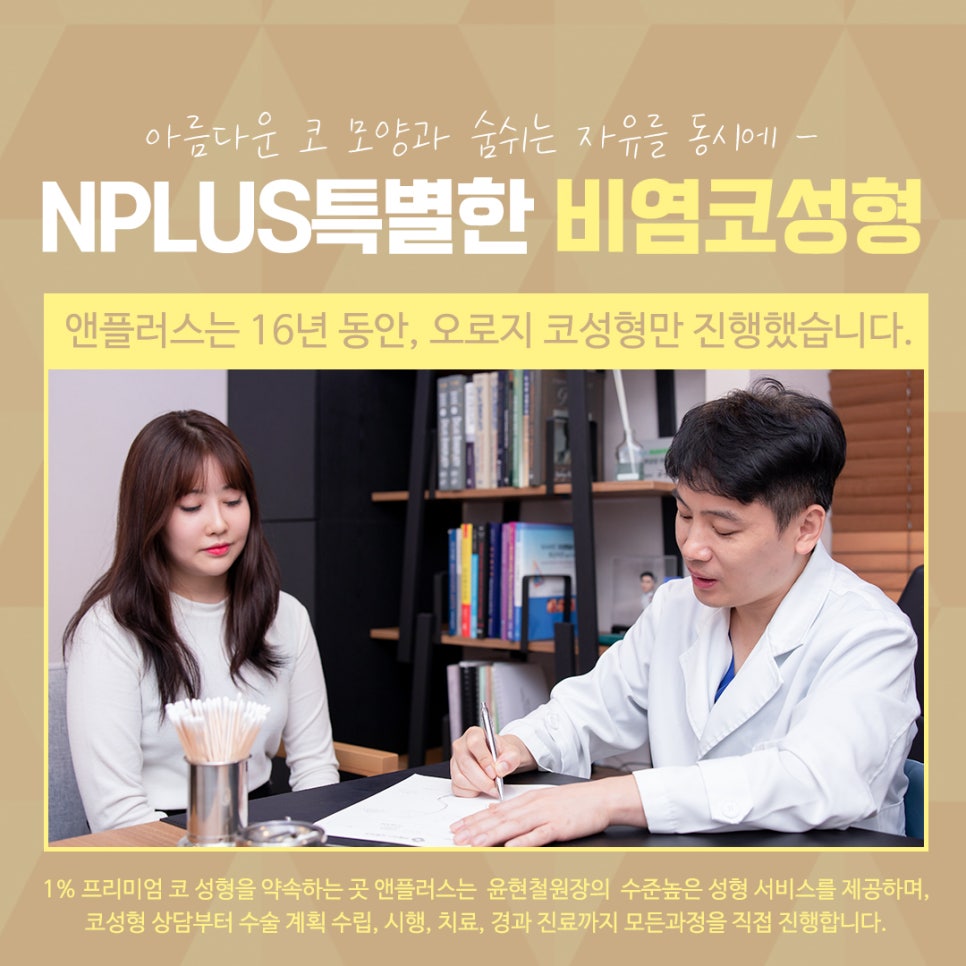
As you can see from checking rhinitis surgery reviews, in some cases only rhinitis surgery is performed, and in many cases cosmetic rhinoplasty is performed at the same time if needed. That is why at Ojiiko N+ Clinic, Director Yoon Hyun-cheol personally handles everything one-on-one, from consultations related to nose surgery to establishing the surgical plan, performing the procedure, treatment, and follow-up care, aiming for safer and more satisfying rhinitis surgery reviews.

For aftercare as well, an N+ Clinic membership card is issued, and an A/S system that guarantees coverage for one year after surgery is provided. In preparation for any postoperative pain, inflammation, dissatisfaction with appearance, or any other situation that may occur after surgery, a surgical responsibility guarantee system is in place. Those who have the N+ membership card can receive aftercare benefits at any time.

That concludes the information we shared about rhinitis surgery reviews at Ojiiko N+ Clinic, where surgery is carried out after careful verification. We hope this post will be very helpful for those who are currently considering nose surgery because of nasal congestion caused by rhinitis or because they are dissatisfied with the shape of their nose. Thank you.