
Hello. This is Oji Nose Plastic Surgery & N+Plus, which thinks only about your beautiful and healthy nose.
The topic we will introduce this time is a nose surgery review using autologous cartilage.

These days, interest in plastic surgery as a means to improve the areas one has felt dissatisfied with has become much higher than before. In modern times, as technology has advanced, surgery is no longer performed only through limited traditional methods; instead, a variety of surgical methods are used to proceed in ways tailored to each individual, which has also lowered the likelihood of side effects compared with the past.

That is why, among many types of plastic surgery, nose surgery is especially popular because it is located at the center of the face and helps balance all of the facial features. Therefore, when the shape of the nose is considered below standard—such as when it is low, has a hump, is upturned, crooked, or drooping—people may look for information about nose surgery reviews.

For those looking into nose surgery reviews in this way, the shape of the nose may not be satisfying for various reasons, so the aesthetic approach is often prioritized. However, the nose plays an important role as one of the most three-dimensional parts of our facial features, and it also serves the vital functions of breathing and smell. Because it is an organ that plays an important role throughout the body, even though plastic surgery techniques have advanced and access has become easier in modern times, if surgery is performed with only an aesthetic approach, it can lead to revision surgery due to functional problems after the operation. Therefore, it is important to make sure the inside of the nose is also checked before proceeding.
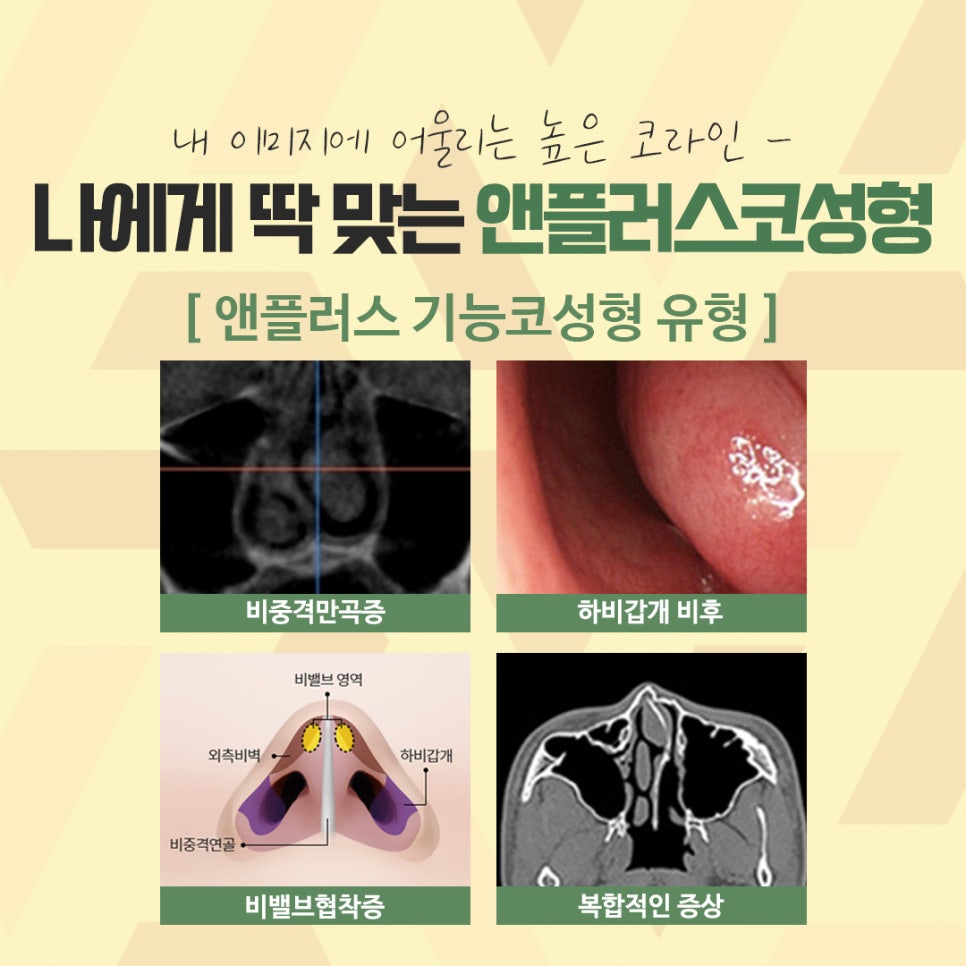
When improvement of the functional aspects of the nose is carried out through surgery, a representative symptom is nasal congestion caused by rhinitis. Rhinitis is a condition affecting more than 70% of Korean adults. Of the commonly known cases, allergic rhinitis accounts for 20%, while the remaining 80% falls under structural rhinitis caused by abnormalities in the internal structure. Structural rhinitis includes a deviated septum, inferior turbinate hypertrophy, and nasal valve stenosis. In structural rhinitis, each condition interferes with the flow of air into the nose in different ways, causing nasal congestion. Therefore, in the case of allergic rhinitis, a cure is difficult because it is linked to specific substances or seasons, so medication or improving immunity should be prioritized. In contrast, in the case of structural rhinitis, symptom improvement can be expected through surgery. For this reason, when looking into nose surgery reviews, it may be helpful to consider these functional aspects as well.
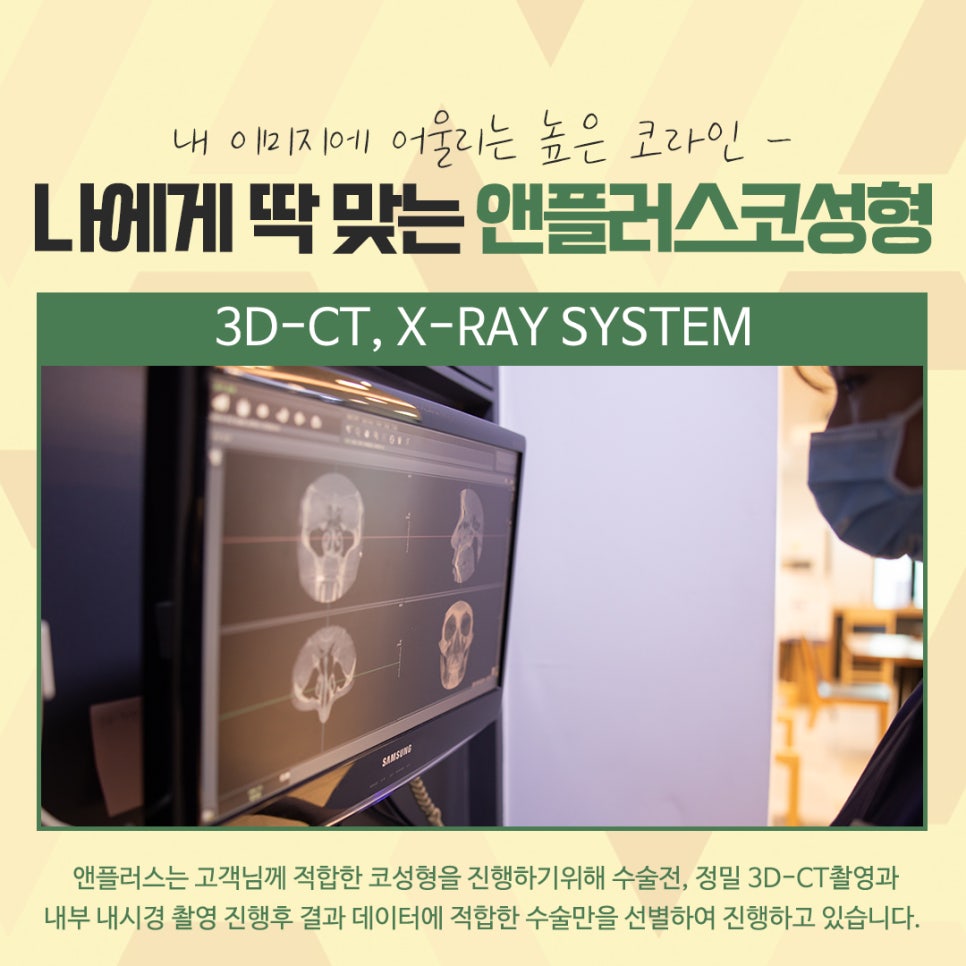
At Oji Nose Plastic Surgery & N+Plus, to ensure a safe and satisfying nose surgery review, the condition and position of the nasal bone, the presence of cartilage, and internal functional issues are accurately analyzed through preoperative 3D-CT imaging, internal endoscopic imaging, various allergy tests, and nasal function tests, using extracted data from both the inside and outside of the nose. The surgery is then performed using methods and materials tailored to each individual.

Usually, when you look at nose surgery reviews, the surgical method used for nose surgery is correction with silicone for the bridge and autologous cartilage for the tip. This is generally divided in detail into cases where both the bridge and tip are low, cases where only the bridge is low, and cases where only the tip is low.
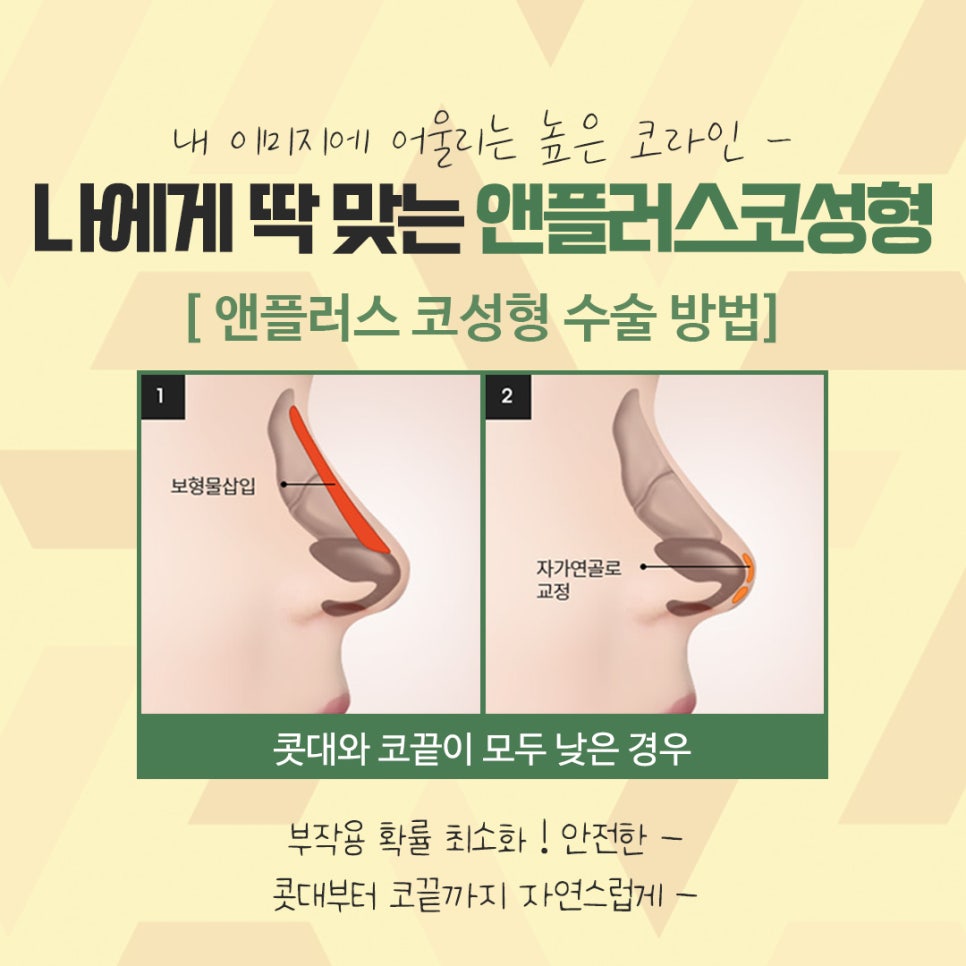
When both the bridge and the tip are low, correction is performed using silicone for the bridge and autologous cartilage for the tip.
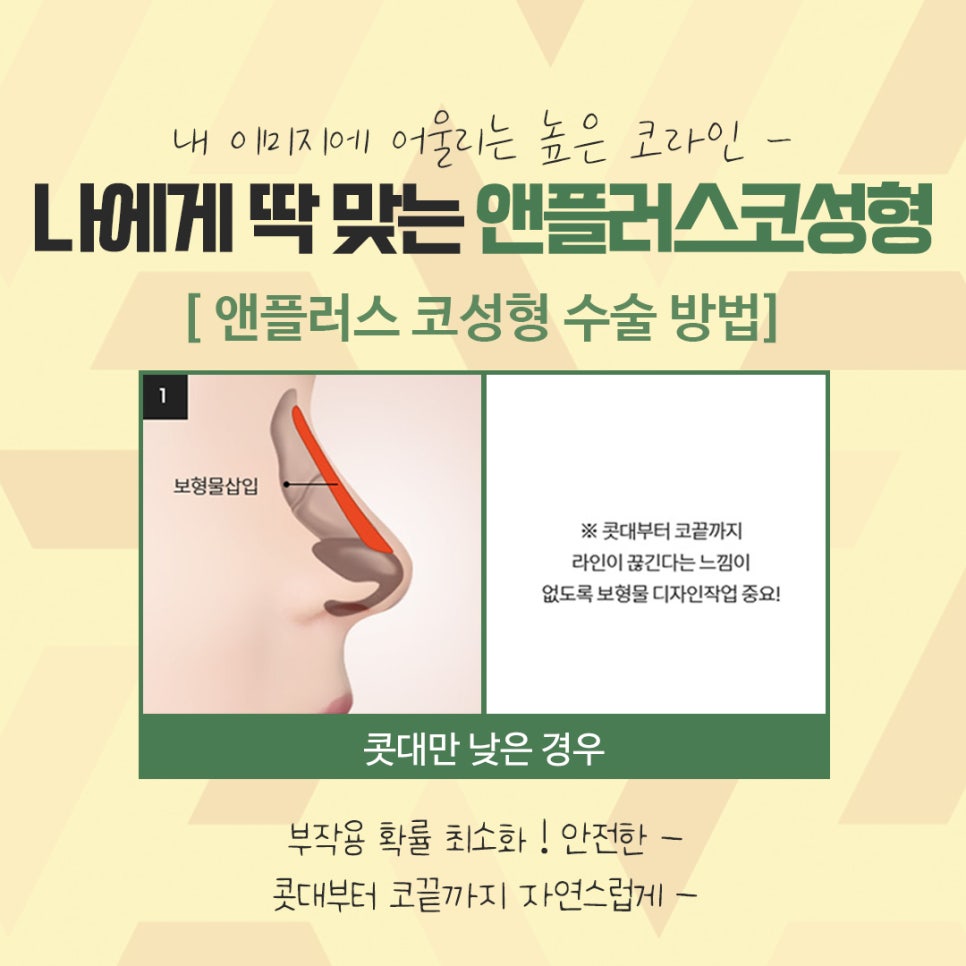
When only the bridge is low, silicone is inserted into the bridge to correct the overall nasal line.
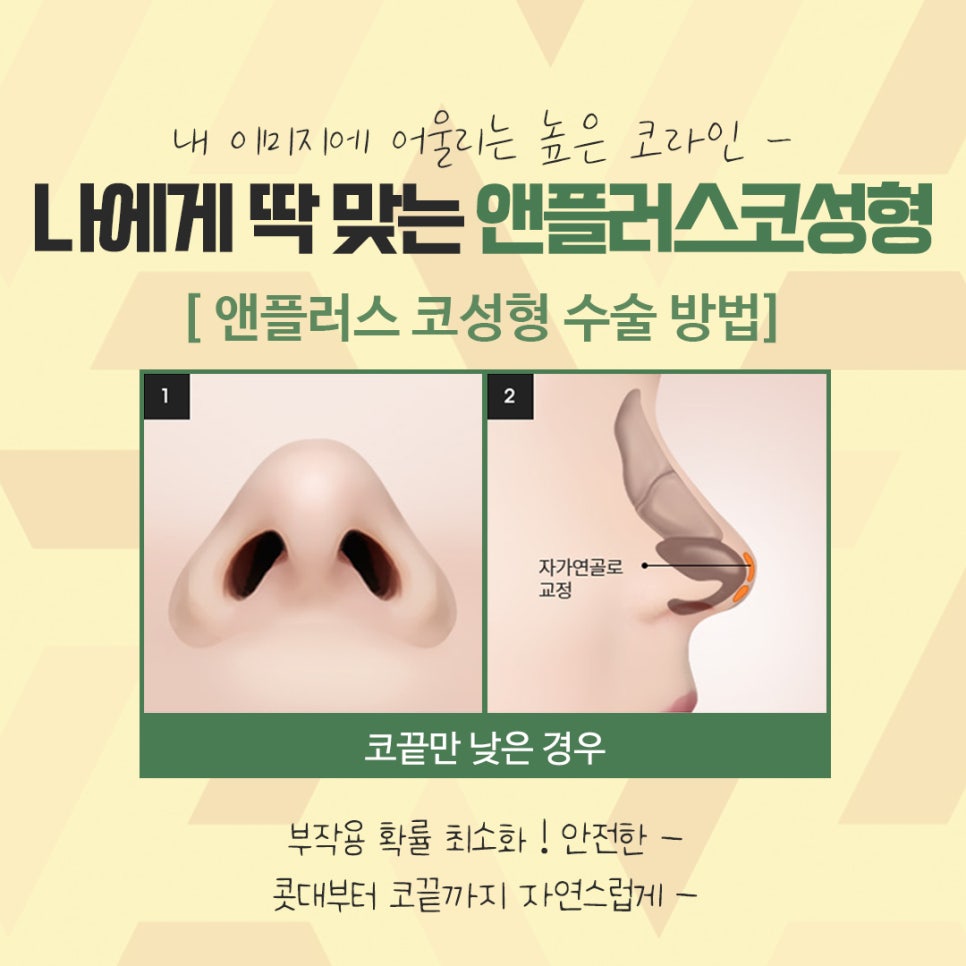
When only the tip is low, the tip is corrected through autologous cartilage, and then the overall correction is performed so that the line from the bridge to the tip is not interrupted.

In addition, if there are functional abnormalities, correction of the deviated septum, inferior turbinate hypertrophy, and nasal valve stenosis is performed first.

The silicone used for the bridge is not the existing commercially produced silicone used as is; instead, it is carefully trimmed by hand after assessing the individual’s overall appearance as well as the width, length, thickness, and height of the bridge, which results in a more satisfying nose surgery review.
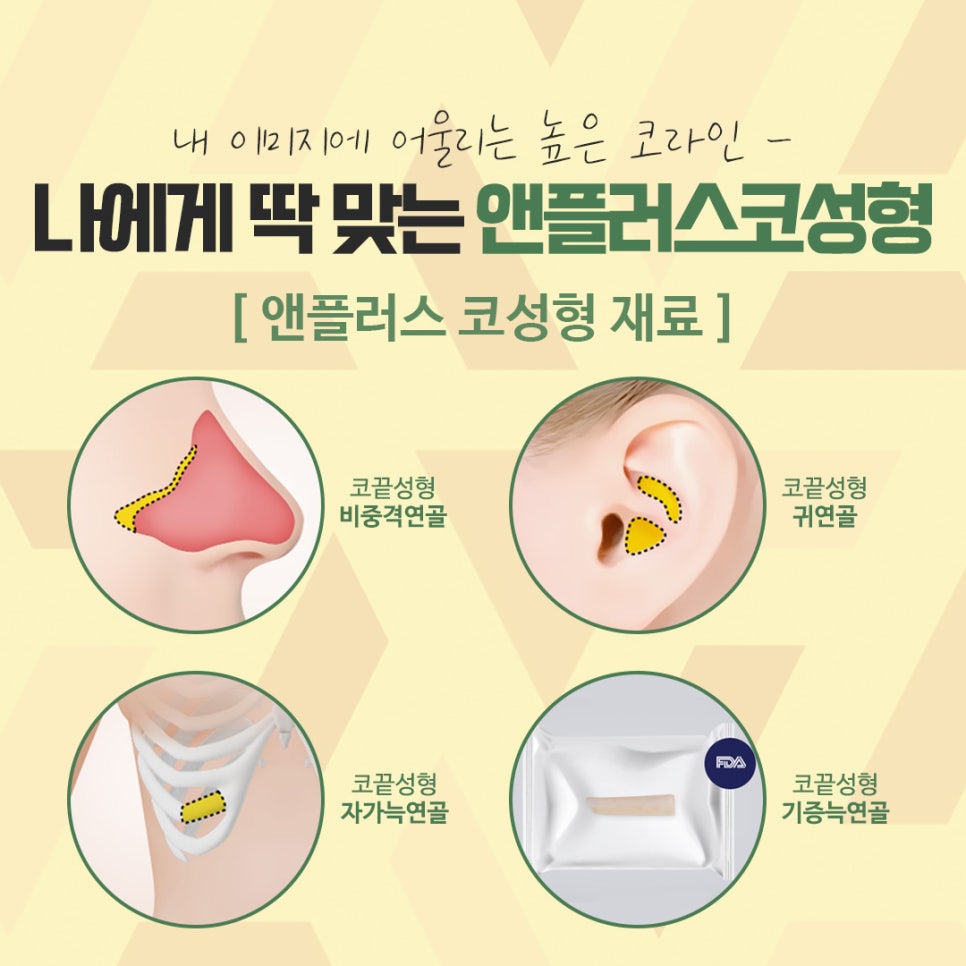
The autologous cartilage used for the tip is selected and used as a material suited to the individual through preoperative testing. Autologous cartilage includes ear cartilage, septal cartilage, and autologous rib cartilage. If the use of autologous cartilage is unavoidable, donated rib cartilage approved by the U.S. FDA is used as a substitute.
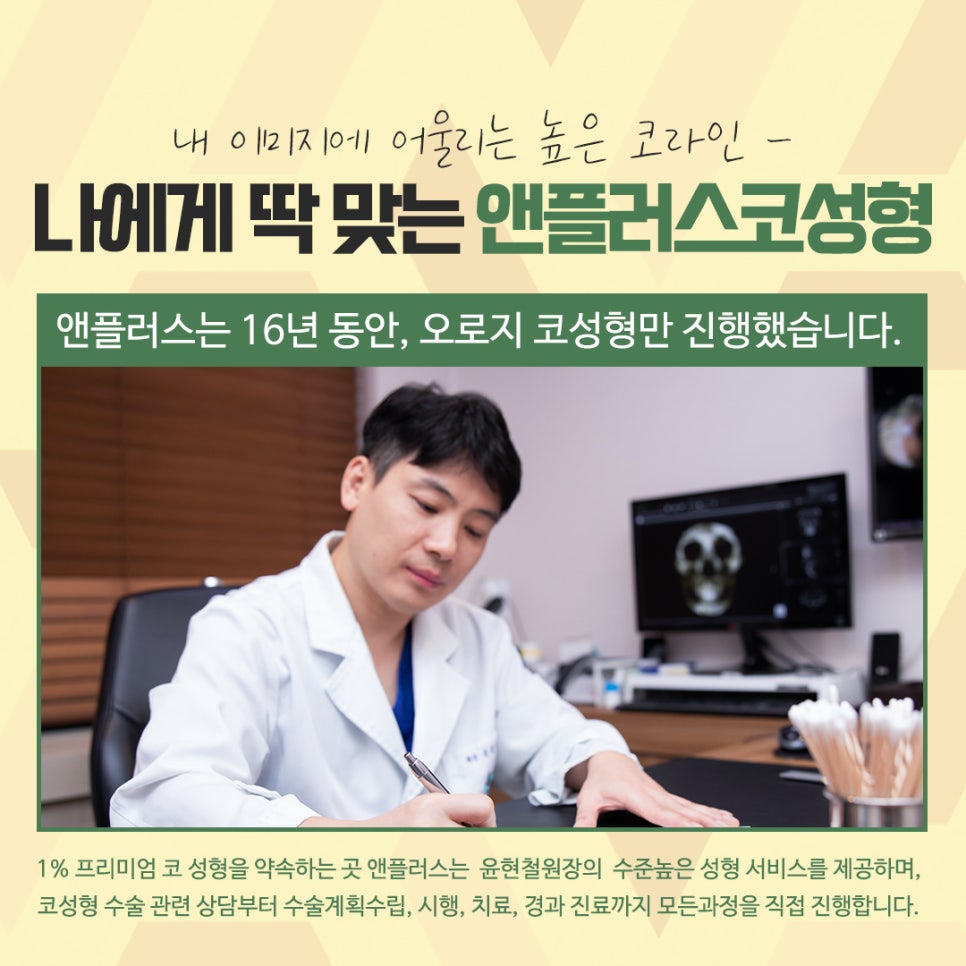
At Oji Nose Plastic Surgery & N+Plus, Director Yoon Hyun-cheol personally handles every step of the process one-on-one, from consultation related to nose surgery to surgical planning, execution, treatment, and follow-up care. This aims for a safer and more satisfying nose surgery review, and you can receive a higher level of plastic surgery service.

By issuing the N+Plus membership card, they operate an after-service system that guarantees support for one year after surgery, and they also implement a surgery responsibility guarantee system to prepare for all possible situations after surgery, such as postoperative pain, inflammation, or dissatisfaction with the appearance, so you can receive reliable aftercare.

Lastly, for those looking into nose surgery reviews, it is helpful not to approach surgery merely to change the current appearance cosmetically, but to choose surgery after understanding the internal condition of the nose as well. We recommend carefully checking whether the medical staff have a high level of anatomical knowledge of the nose, whether they have sufficient related experience and expertise, whether equipment is available to accurately assess the condition of your nose, and whether aftercare is reliably guaranteed.
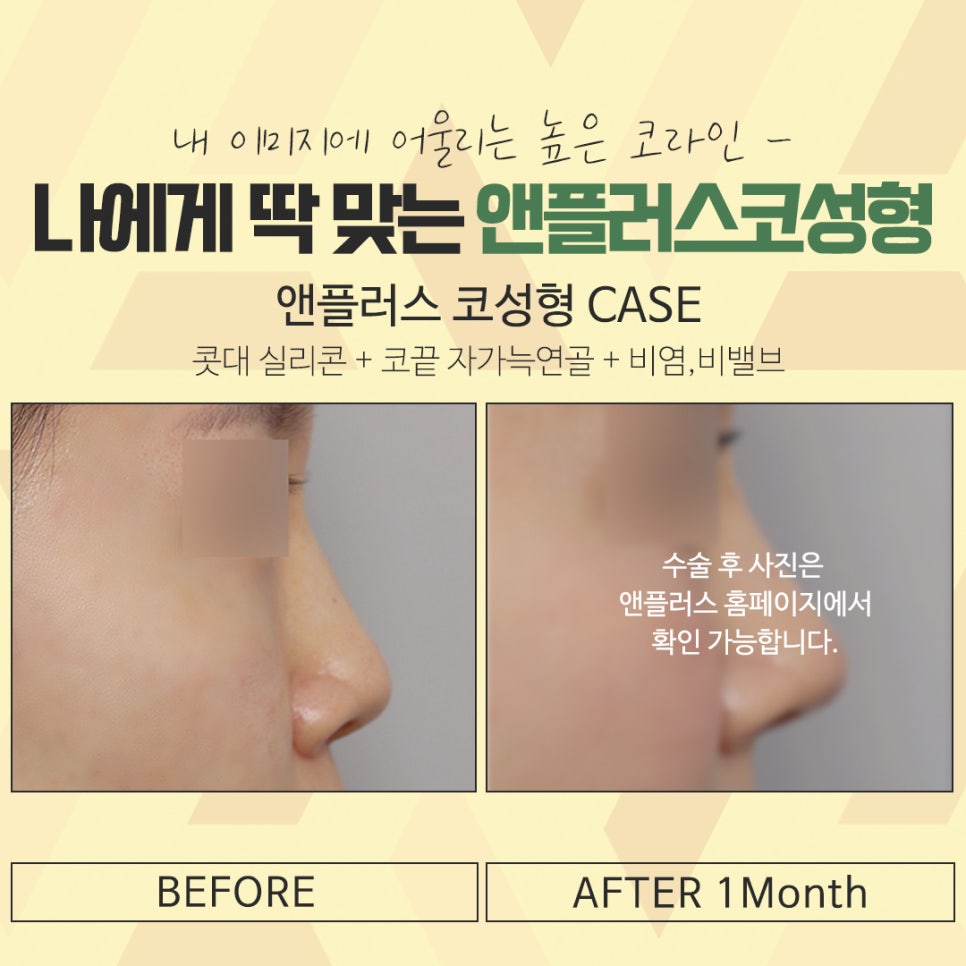
(The image above shows before-and-after photos of a nose surgery review using autologous cartilage at Oji Nose Plastic Surgery & N+Plus.)
That concludes the information we shared about a nose surgery review using autologous cartilage at Oji Nose Plastic Surgery & N+Plus. We hope this article was very helpful for those who are considering nose surgery because they are unhappy with the current shape of their nose. Thank you.