
Hello. We are Oji-ko Hospital and N+ Clinic, always thinking only about your healthy and beautiful nose.
The content introduced here is about a rhinoplasty review that was carried out after thoroughly checking the inside of the nose.

Today, many people try to improve their appearance through various media in order to refine their own looks. They may change their hairstyle, make changes through makeup, or look forward to a more improved version of themselves through exercise and dieting. However, one part that does not change despite these efforts is the shape of the nose, which sits at the center of the face and is the most three-dimensional feature. When the shape of one’s nose does not meet expectations, people look into information about rhinoplasty reviews.

Therefore, among those looking into rhinoplasty reviews, interest in them has increased as a means to improve a nose that is low, upturned, has a hump, is crooked, or droops.
However, most people looking into rhinoplasty reviews tend to approach plastic surgery lightly, with a cosmetic focus, prioritizing shape improvement as described above. But the nose is not only a key part that balances all facial features; it is also the organ responsible for breathing and the sense of smell. If surgery is performed with only a cosmetic approach, it may lead to revision surgery due to functional problems after surgery, so we recommend that you make your choice only after accurately checking the internal condition of the nose.
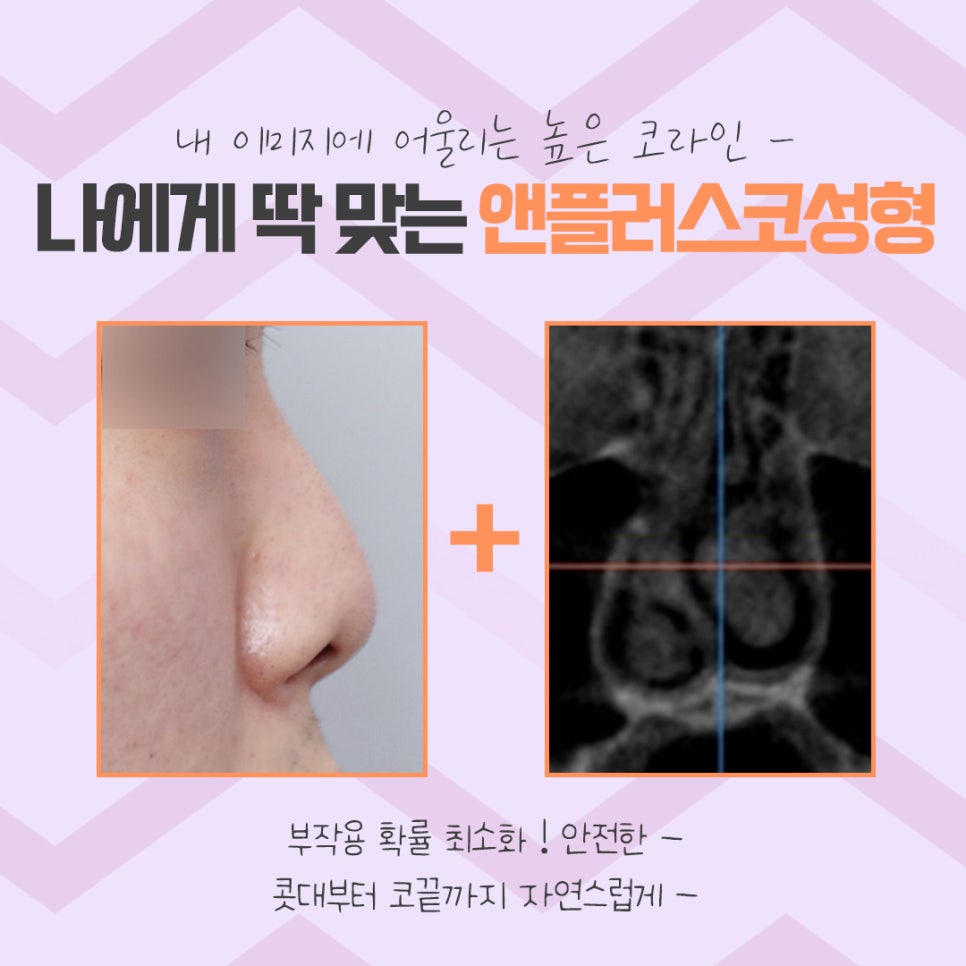
A representative symptom of the functional issues mentioned above that can be improved surgically is nasal congestion caused by rhinitis. Rhinitis is a condition that more than 70% of adults in Korea have, and it is divided into allergic rhinitis and structural rhinitis caused by internal structural abnormalities. It is commonly known as allergic rhinitis, but allergic rhinitis accounts for 20%, while structural rhinitis accounts for 80%. Allergic rhinitis is difficult to cure completely, so you may only see temporary improvement through immune enhancement or medication treatment. On the other hand, structural rhinitis includes deviated septum, inferior turbinate hypertrophy, and nasal valve stenosis, and these symptoms can be improved through surgery. Therefore, when looking into rhinoplasty reviews, it may be helpful to also consider the functional aspects in addition to the appearance.
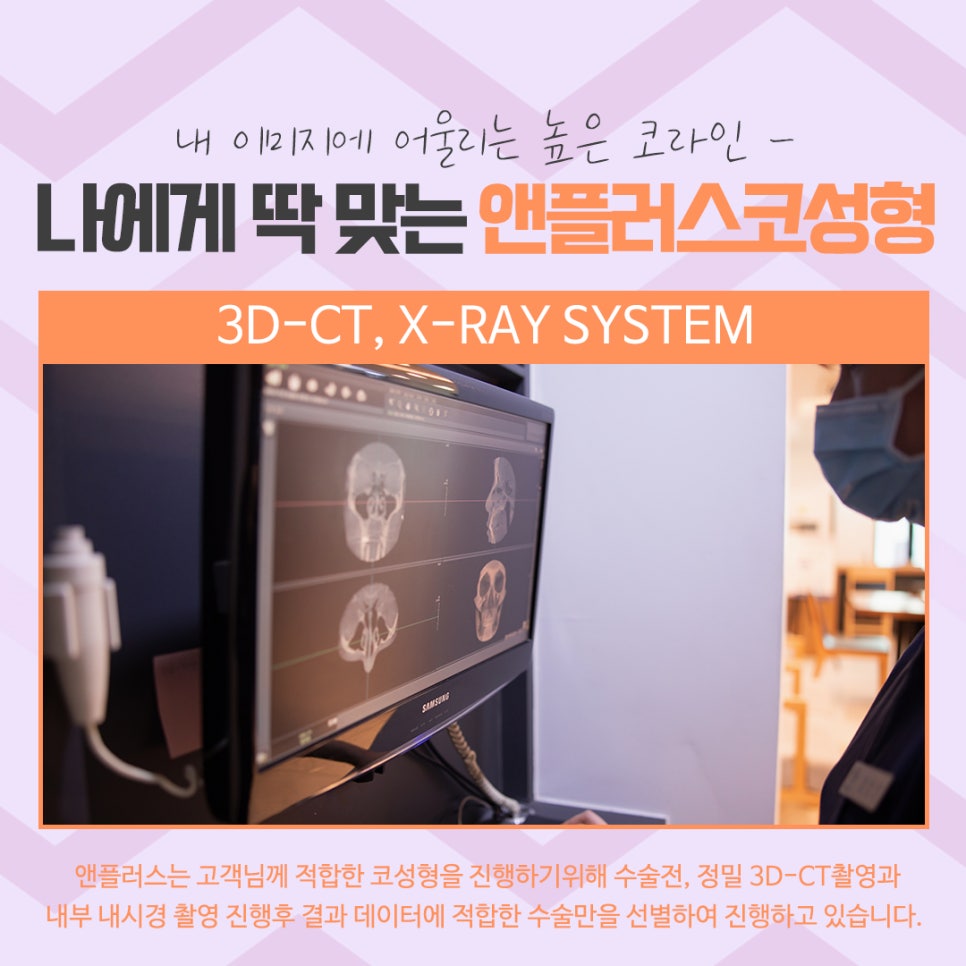
At Oji-ko Hospital and N+ Clinic, to ensure a safe and satisfactory rhinoplasty review, surgery is performed after accurately analyzing data obtained through preoperative 3D-CT scans, internal endoscopic imaging, various allergy tests, and nasal function tests, and then carrying out rhinoplasty using methods and materials tailored to each individual.

If you look at rhinoplasty reviews, you will see that in average rhinoplasty, the bridge is corrected with silicone and the tip is corrected with autologous cartilage. At Oji-ko Hospital and N+ Clinic, surgery is broadly divided into three types.
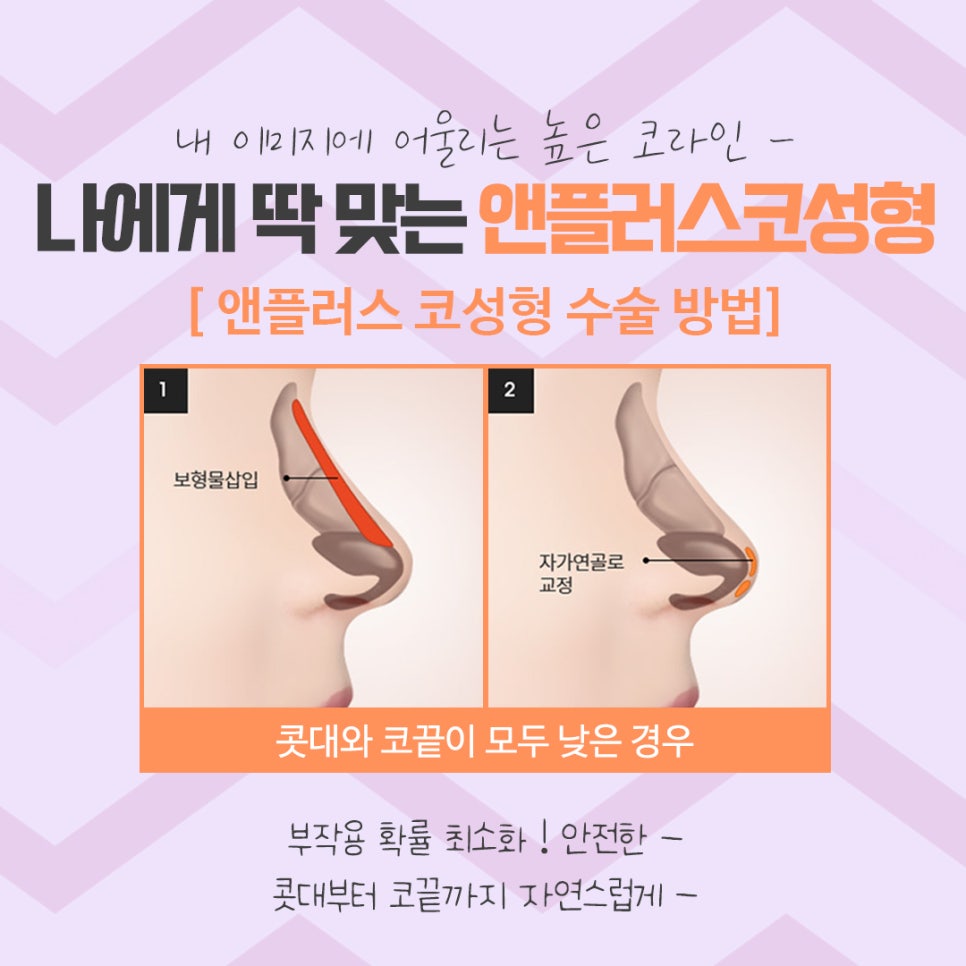
First, when both the bridge and the tip are low, the bridge is corrected with silicone and the tip with autologous cartilage.

Second, when only the bridge is low, silicone is inserted into the bridge, and the implant is designed and corrected so that the line from the bridge to the tip does not feel interrupted.
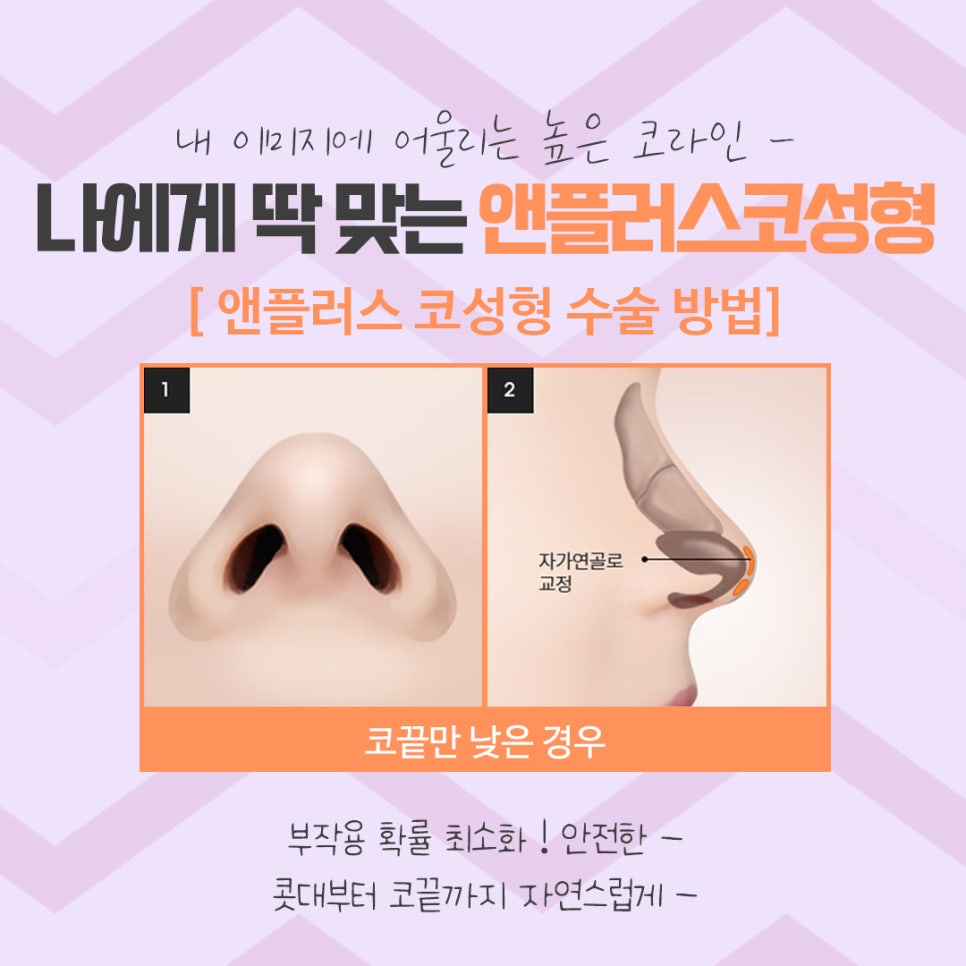
Lastly, when only the tip is low, the tip is corrected using autologous cartilage, and overall correction is performed so that the line from the bridge is not broken.

For the implant used in the bridge, a commercially available product is not used as-is. Instead, it is finely sculpted by hand after considering various aspects such as the individual's overall image, the width, length, breadth, and height of the nasal bridge, which results in a more satisfying rhinoplasty review.
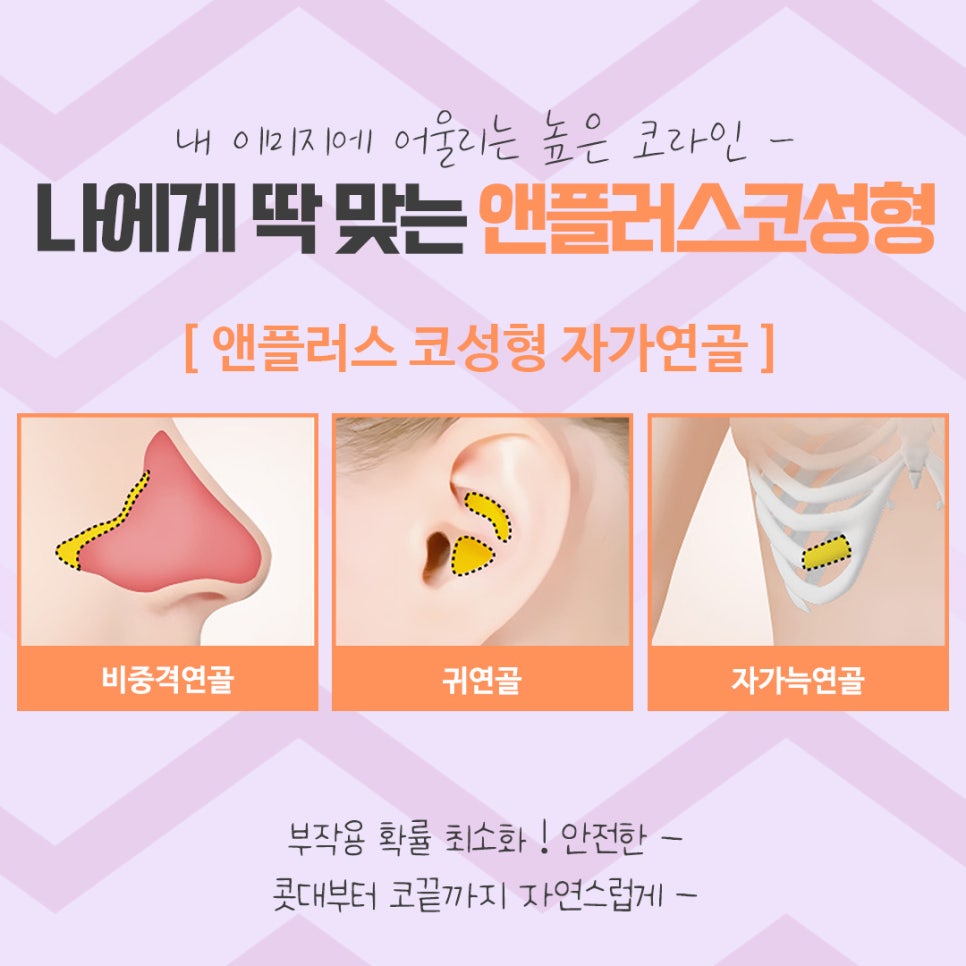
As for the autologous cartilage used for the tip, if you check rhinoplasty reviews, you can see that the type of autologous cartilage used differs from person to person. Autologous cartilage includes ear cartilage, septal cartilage, and autologous rib cartilage, and the material used is also selected through preoperative screening to match each individual.
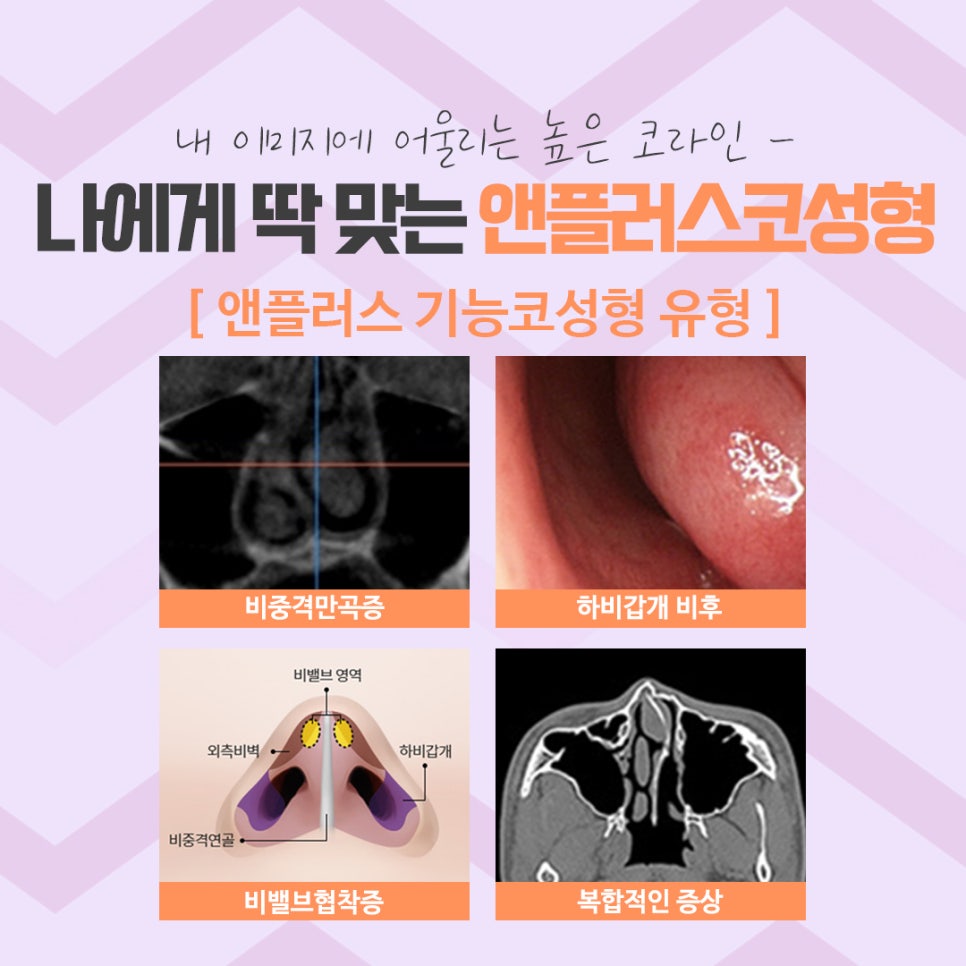
If there is a functional abnormality, surgery is first performed to correct deviated septum, inferior turbinate hypertrophy, and nasal valve stenosis, followed by cosmetic rhinoplasty.

As such, for those looking into rhinoplasty reviews, it may be helpful when deciding on surgery to look at reviews and images of noses similar to your own. However, because the internal structure of the nose is far more complex than we often think, it may be helpful to make your decision only after carefully checking whether the medical staff have a high level of anatomical knowledge of the nose, whether they have sufficient experience and expertise, whether equipment is available to accurately assess the condition of your nose, and whether aftercare can be reliably guaranteed.
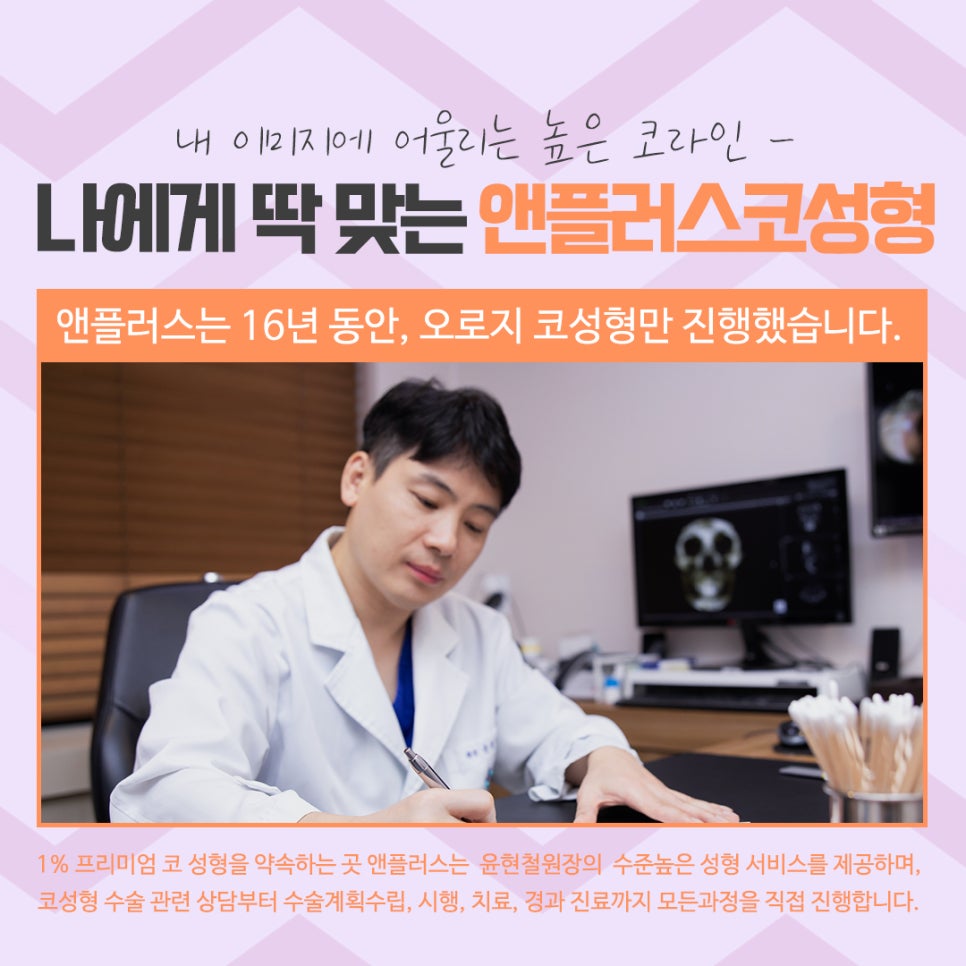
At Oji-ko Hospital and N+ Clinic, Director Yoon Hyun-cheol personally takes charge of one-on-one consultations related to rhinoplasty, as well as the entire process from surgery planning, performance, treatment, and follow-up care.

For aftercare, an N+ membership card is issued, and in addition to a free A/S system that guarantees support for one year after surgery, a surgery responsibility guarantee system is in place to prepare for any situation that may arise after surgery, such as pain, inflammation, or dissatisfaction with the shape. This can lead to a safer and more satisfying rhinoplasty review, and you can receive a higher level of plastic surgery service.
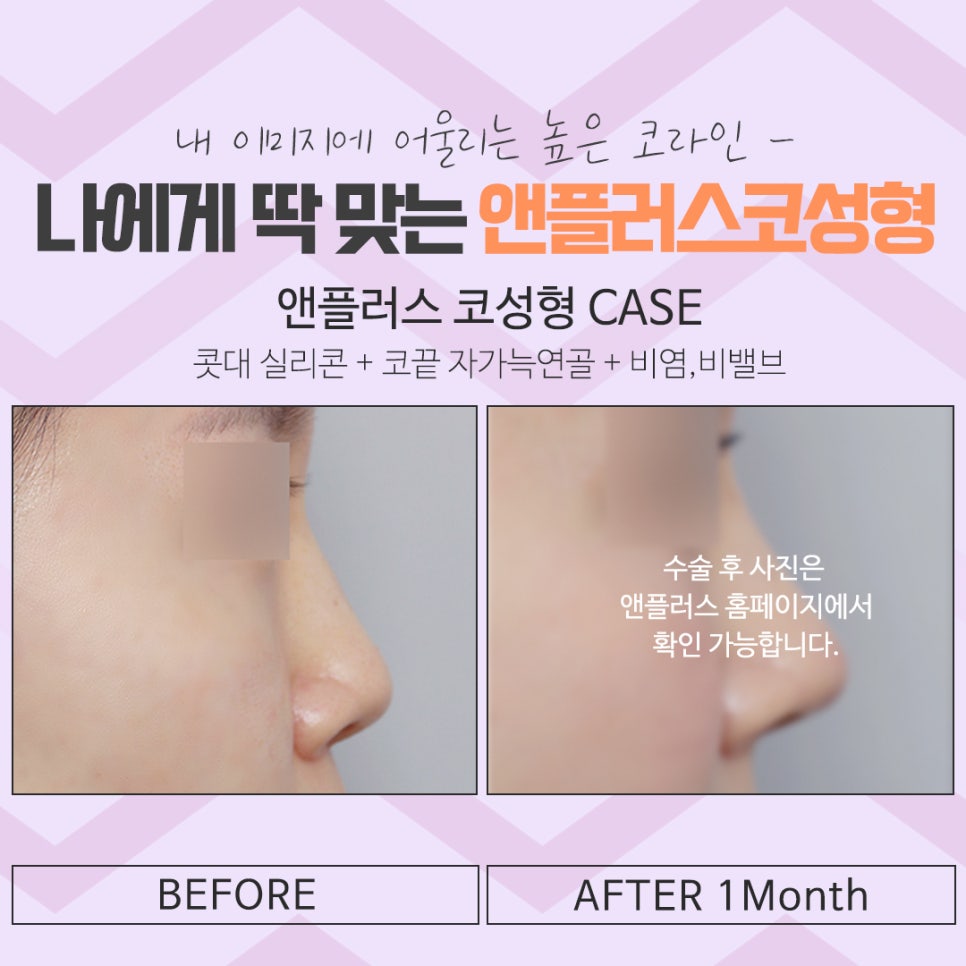
(The image above shows before-and-after photos from a rhinoplasty review at Oji-ko Hospital and N+ Clinic.)
That concludes the summary of the rhinoplasty review from Oji-ko Hospital and N+ Clinic, which also checked the inside of the nose. For those who are currently considering rhinoplasty because they are unhappy with the shape of their nose, I hope this post was very helpful. Thank you.