Septoplasty Surgery Review: From Causes to Solutions�a0

Hello. We are Oji Ko Hospital N+Plus, dedicated to thinking only about your beautiful and healthy nose for 16 years.
The topic introduced this time is a review of septoplasty surgery.

When many people look into rhinoplasty, they are often exploring it as a way to correct the external shape of the nose. The nose is located at the center of our face and plays an important role aesthetically by balancing the overall harmony of the facial features. However, it is also an organ responsible for breathing and the sense of smell. Because of functional problems with the nose, interest in septoplasty surgery reviews has increased among those considering surgery.

Rhinitis is a condition that more than 70% of adults in Korea have. Rhinitis is divided into allergic rhinitis and structural rhinitis caused by internal structural abnormalities. Of the rhinitis cases we commonly know, 20% are allergic rhinitis, while 80% are rhinitis caused by internal structural abnormalities. A representative symptom is nasal congestion. In the case of allergic rhinitis, a complete cure is difficult, so you can expect temporary improvement through ongoing immune enhancement or medication treatment. Structural rhinitis includes septal deviation, inferior turbinate hypertrophy, and nasal valve stenosis. These conditions each obstruct the airflow entering through the nose, causing nasal congestion, and they can be improved surgically.
�a0
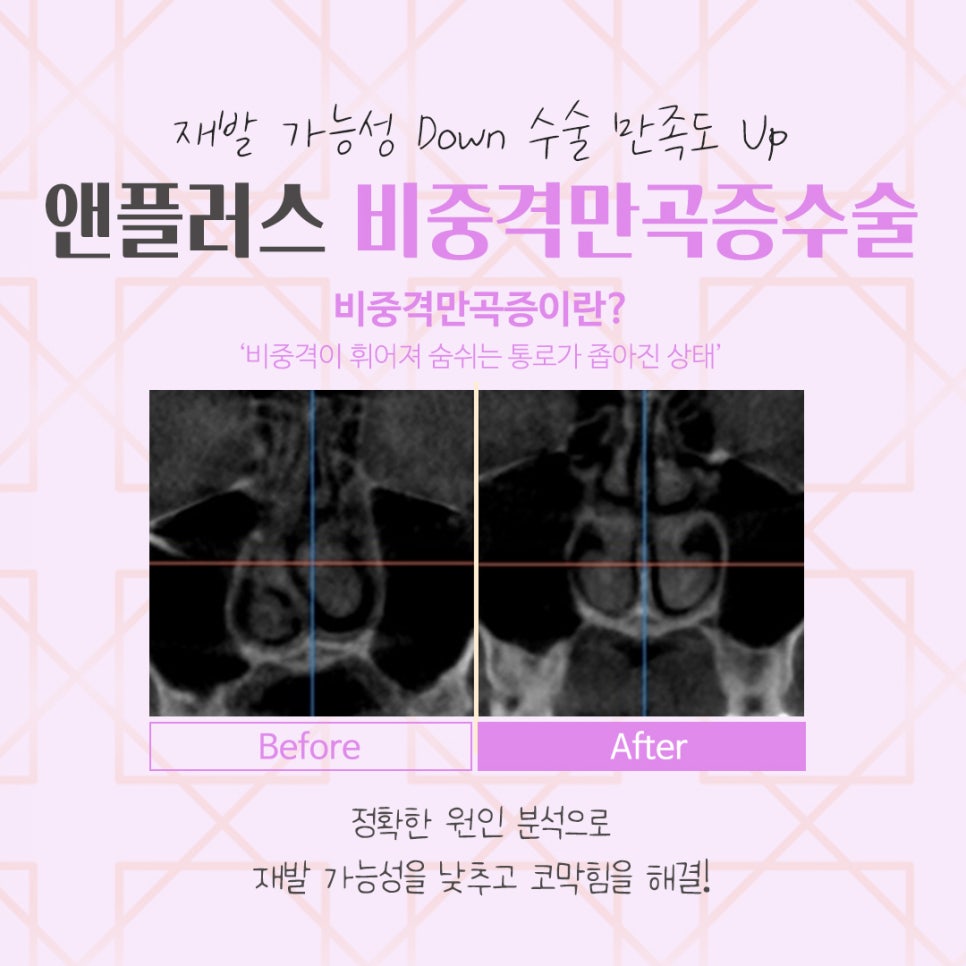
Among these structural types of rhinitis, septal deviation has a relatively high rate. What is septal deviation? The cartilage that acts as a partition dividing our nostrils is called the septum, and septal deviation refers to a condition in which this septum is bent. Referring to septoplasty surgery reviews can be helpful.

If you look into septoplasty surgery reviews, the most representative symptom caused by septal deviation is nasal congestion. If the congestion is mild, treatment may not be necessary, but as symptoms become more severe, the likelihood of developing chronic rhinitis increases. Therefore, it can be helpful to accurately check the condition of the nose before making a decision. If it progresses to chronic rhinitis, the brain may not receive enough oxygen, leading to headaches, migraines, reduced concentration, and loss of motivation, which can cause significant inconvenience in daily life.
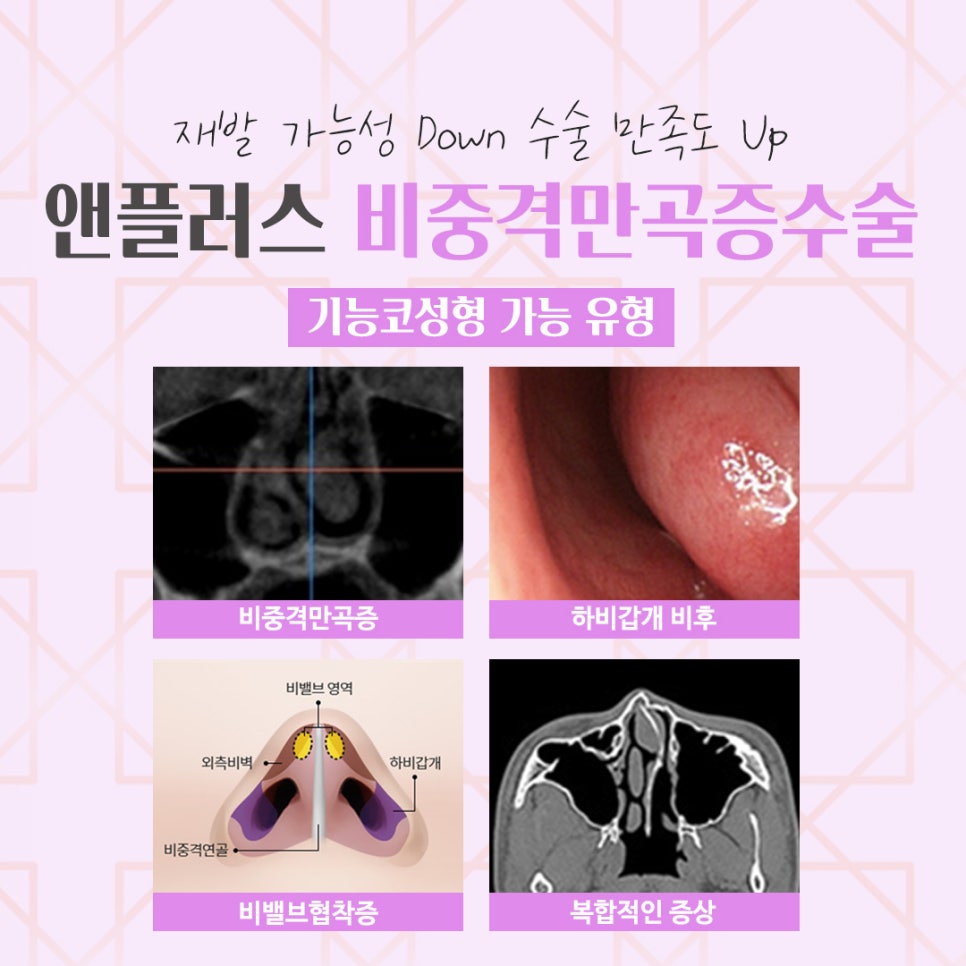
In addition, when checking septoplasty surgery reviews, septal deviation may occur on its own, but there is a high chance that inferior turbinate hypertrophy and nasal valve stenosis occur together. Therefore, it is better to accurately analyze and diagnose the nasal congestion symptoms. Accordingly, for those considering septoplasty surgery, it can be helpful to carefully check whether the medical staff have strong anatomical knowledge of the nose, whether they have sufficient experience and expertise, whether the hospital is equipped with devices that can accurately assess the condition of your nose, and whether proper aftercare is guaranteed.
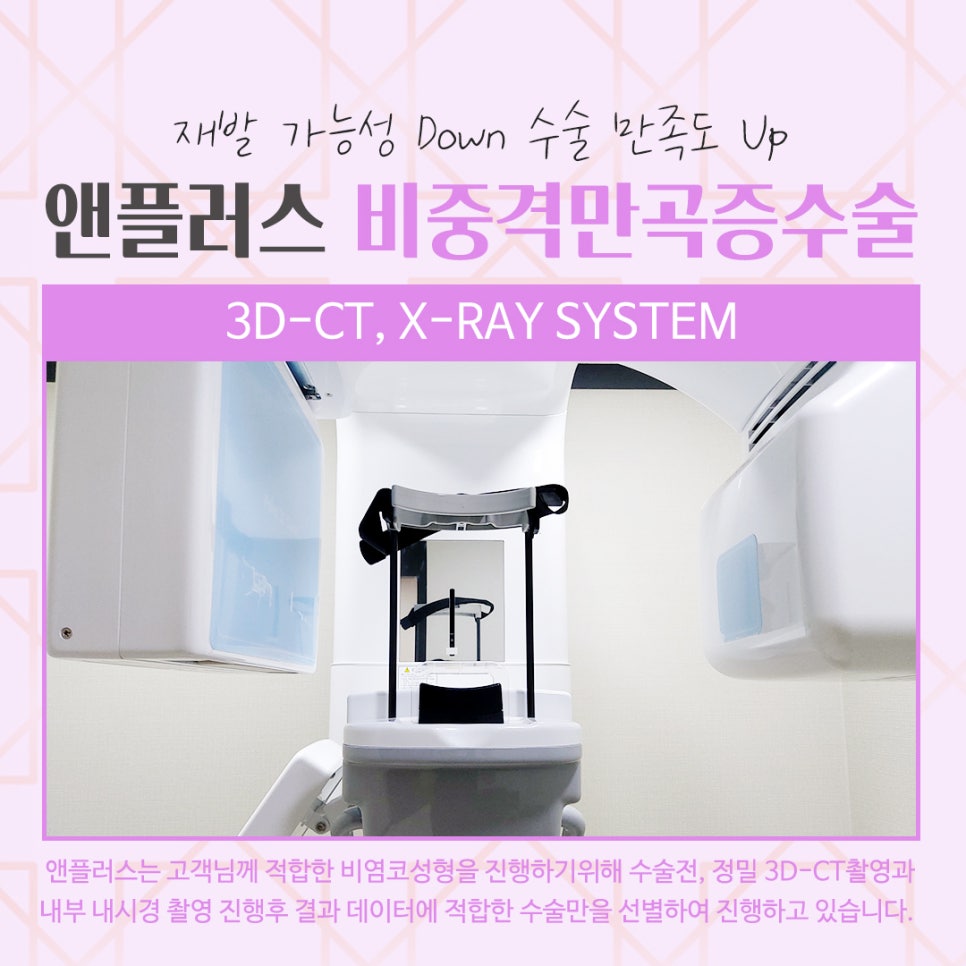
At Oji Ko Hospital N+Plus, to ensure a safe and satisfying septoplasty surgery review, we accurately identify the condition of the nasal bone, the degree of deviation, the position of the cartilage, and any combined symptoms through preoperative 3D-CT imaging, internal endoscopy, various allergy tests, and nasal function tests. Based on the extracted data, surgery is performed using methods and materials tailored to each individual.
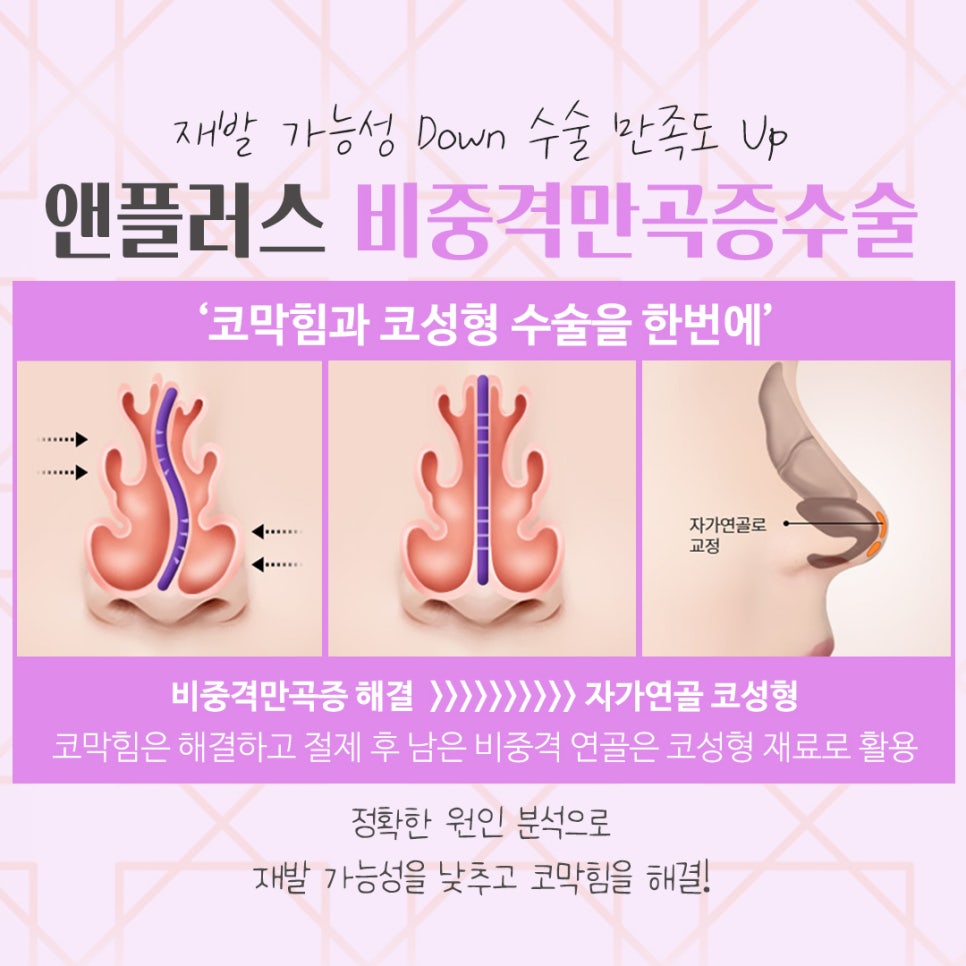
In septoplasty, the degree of septal deviation, whether inferior turbinate hypertrophy is present, and the degree of nasal valve stenosis are accurately assessed. Then, through an incision inside the nose, the deviated septal cartilage is corrected with minimal resection. If inferior turbinate hypertrophy or nasal valve stenosis is accompanied, additional procedures and surgery are performed for correction.
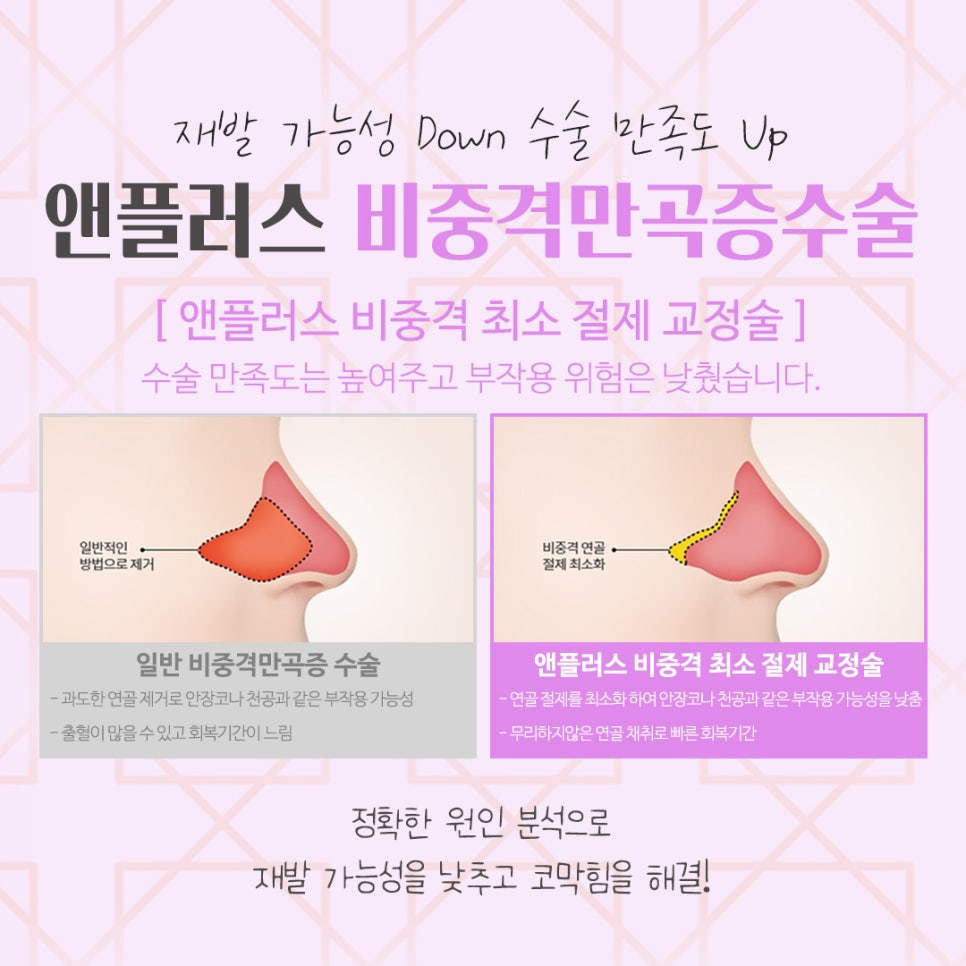
Also, when septoplasty is performed, the remaining septal cartilage can be used as material for cosmetic rhinoplasty, allowing functional correction of nasal congestion and cosmetic nose surgery at the same time, resulting in a more satisfying septoplasty surgery review.

Cosmetic rhinoplasty performed after septoplasty is usually done using silicone for the bridge of the nose and autologous cartilage for the tip.
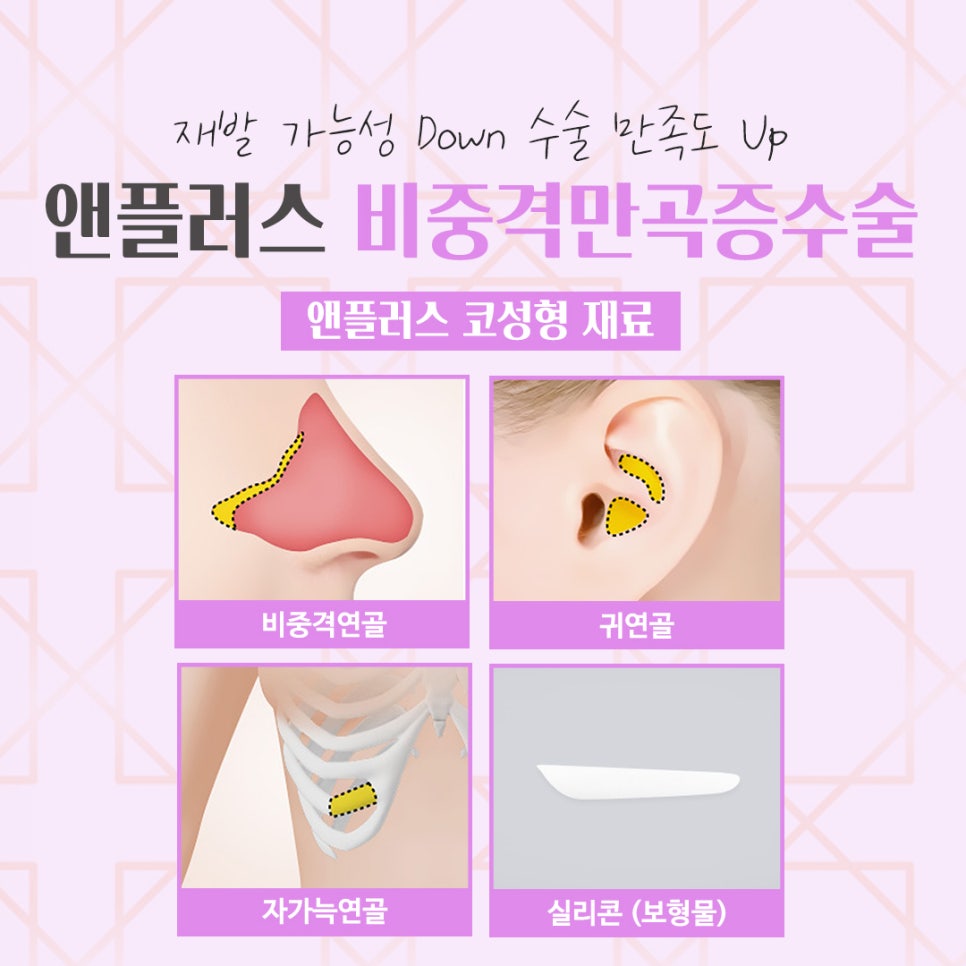
The autologous cartilage used for the tip of the nose includes septal cartilage, ear cartilage, and autologous rib cartilage, and the surgical materials are also selected as customized materials for each individual through preoperative testing.
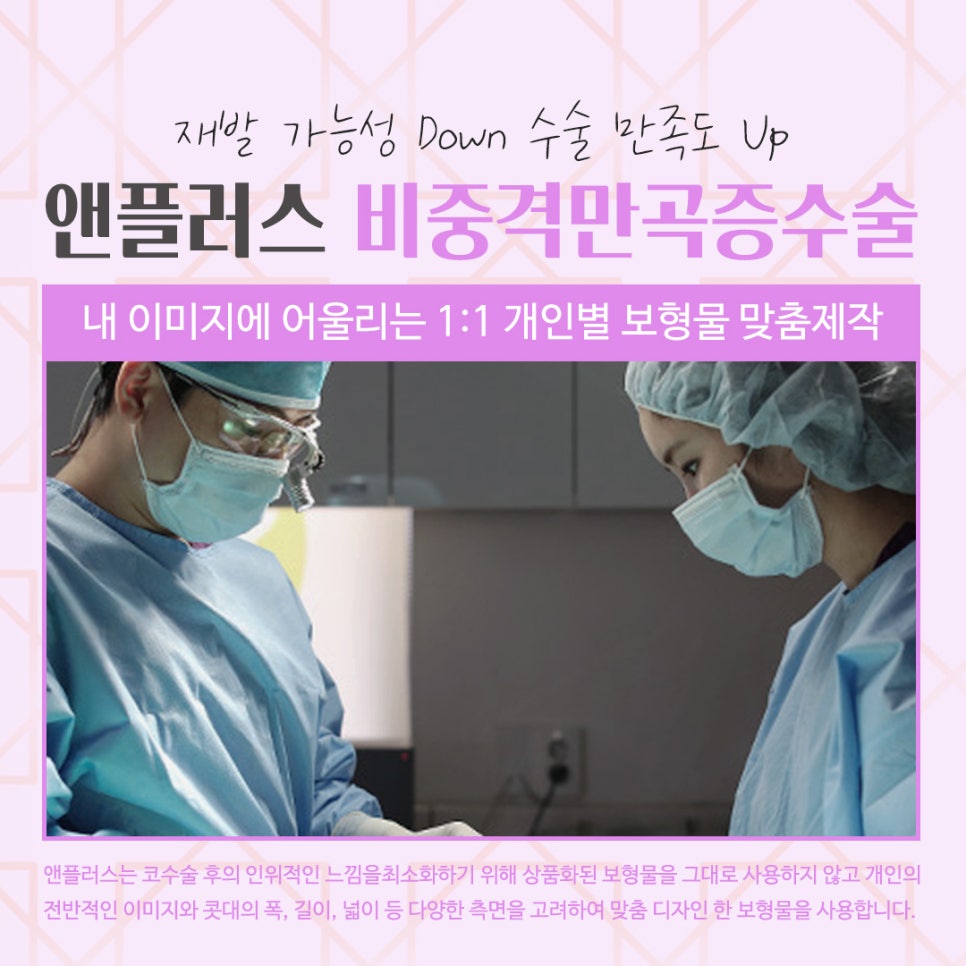
In the case of silicone used for the bridge of the nose, instead of using a commercially available silicone product as-is, it is finely shaped by hand after considering the individual’s overall image, as well as the width, length, breadth, and height of the nasal bridge. This minimizes an artificial look and results in a septoplasty surgery review that is satisfying in terms of appearance as well.

At Oji Ko Hospital N+Plus, Director Yoon Hyun-cheol personally handles every step one-on-one, from consultation regarding nose surgery to surgery planning, procedure, treatment, and follow-up care.

For aftercare, we also operate a warranty system that guarantees one year after surgery, as well as a surgery responsibility guarantee system prepared for any situation that may arise after surgery, such as pain, inflammation, or dissatisfaction with the appearance. Through these measures, we aim for a safer and more satisfying septoplasty surgery review.
�a0
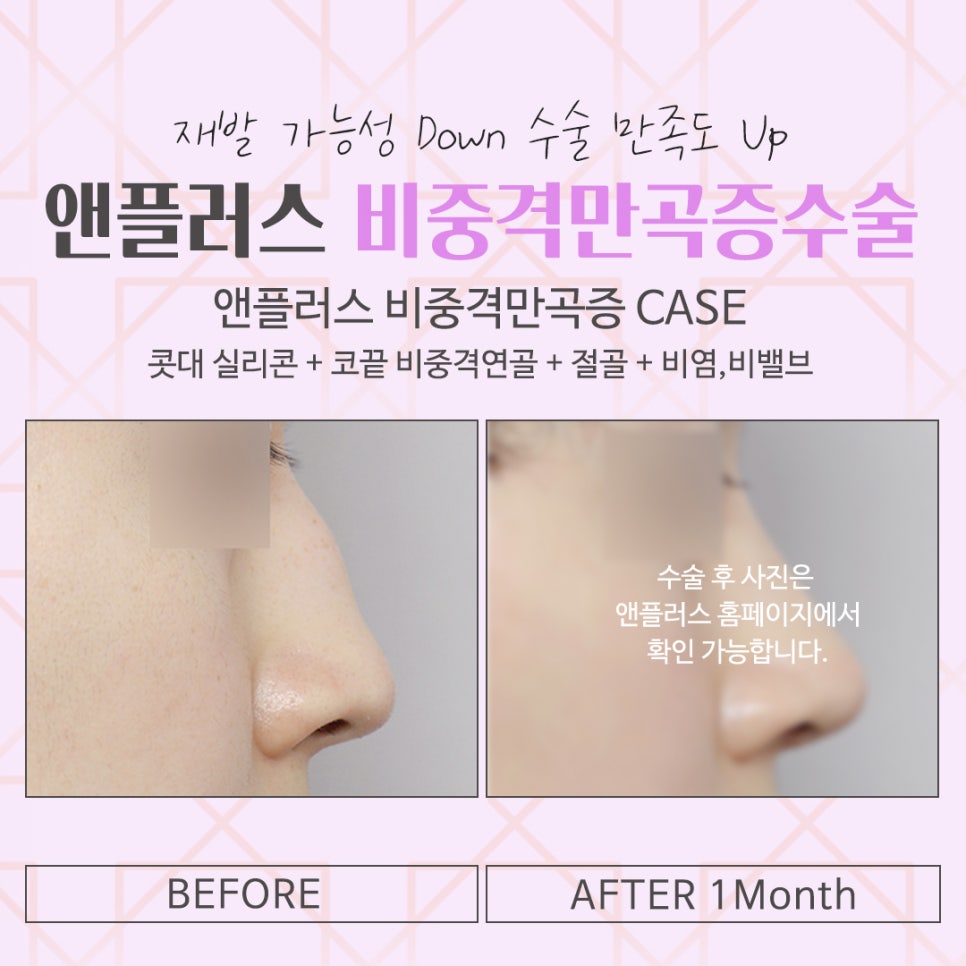
(The image above shows before-and-after photos of Oji Ko Hospital N+Plus septoplasty surgery reviews.)
This concludes the information about Oji Ko Hospital N+Plus septoplasty surgery reviews. I hope this article is very helpful for those who are currently experiencing inconvenience in daily life due to nasal congestion caused by rhinitis. Thank you.
�a0